Edge Detection Worksheet For Preschoolers
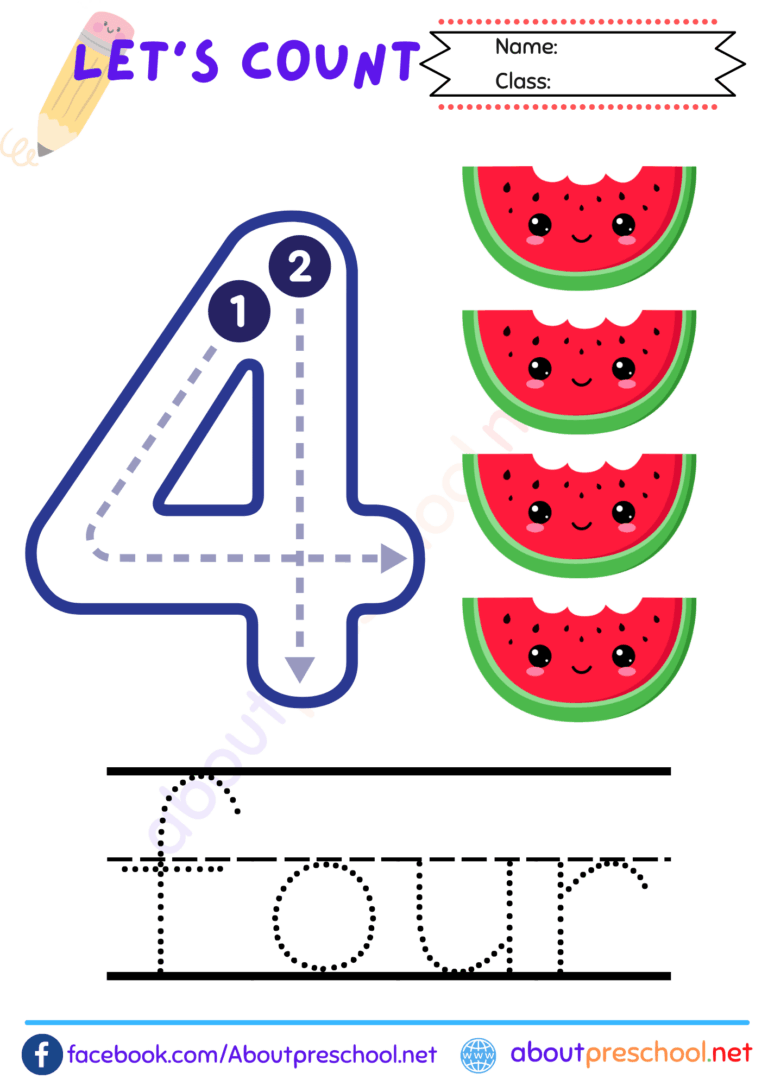
Edge detection is an essential skill that helps preschoolers develop their visual perception and fine motor skills. The Edge Detection Worksheet For Preschoolers provides a fun and interactive way for young learners to practice recognizing and tracing edges of various shapes and objects. Through this worksheet, children can enhance their cognitive abilities while enjoying creative activities. guide you through the benefits of the worksheet, how to use it effectively, and tips for maximizing its educational value.
Understanding Edge Detection
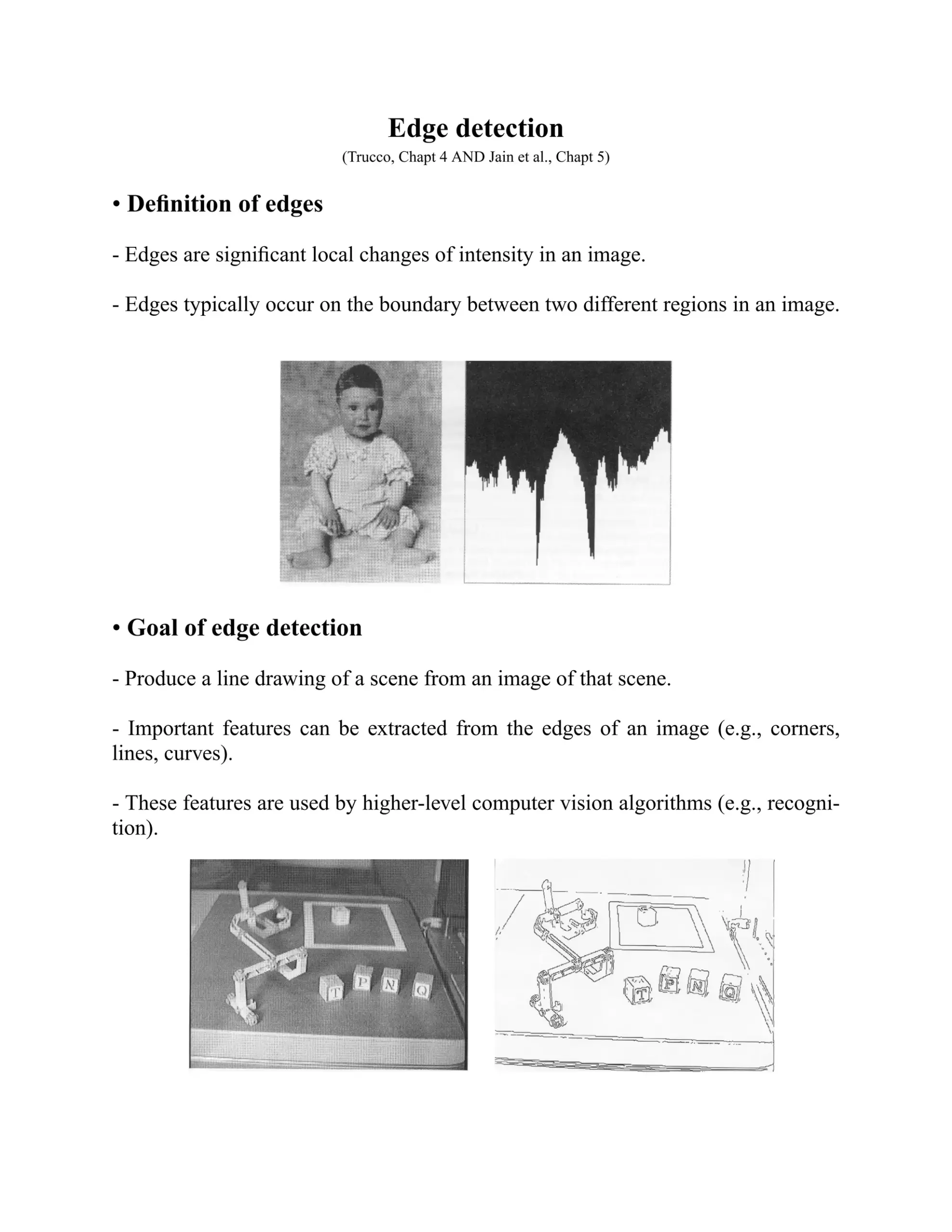
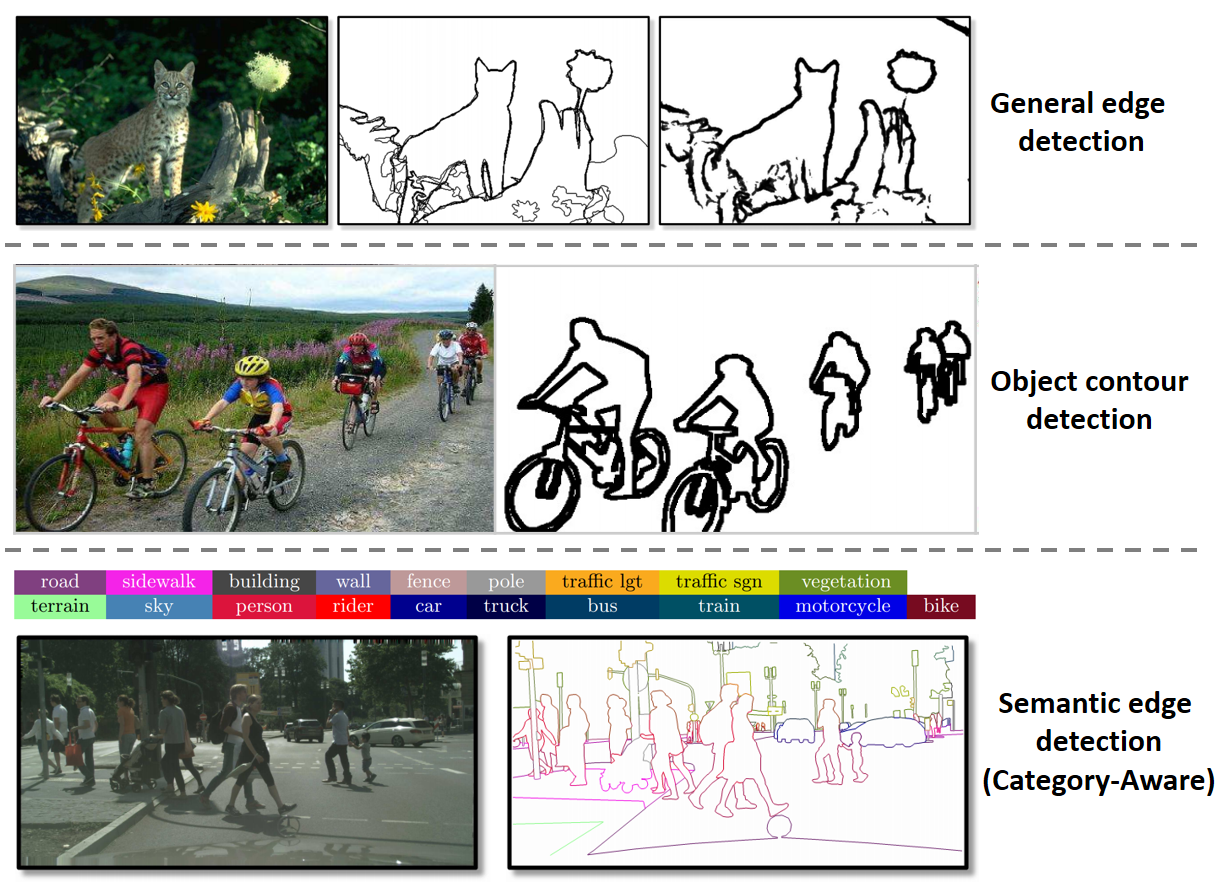
Edge detection is the process of identifying and locating sharp discontinuities in an image, which is crucial for young learners. For preschoolers, this skill translates into recognizing shapes and understanding spatial relationships. Using the Edge Detection Worksheet For Preschoolers, children practice tracing along the outlines of various shapes, which helps develop their hand-eye coordination and fine motor skills.
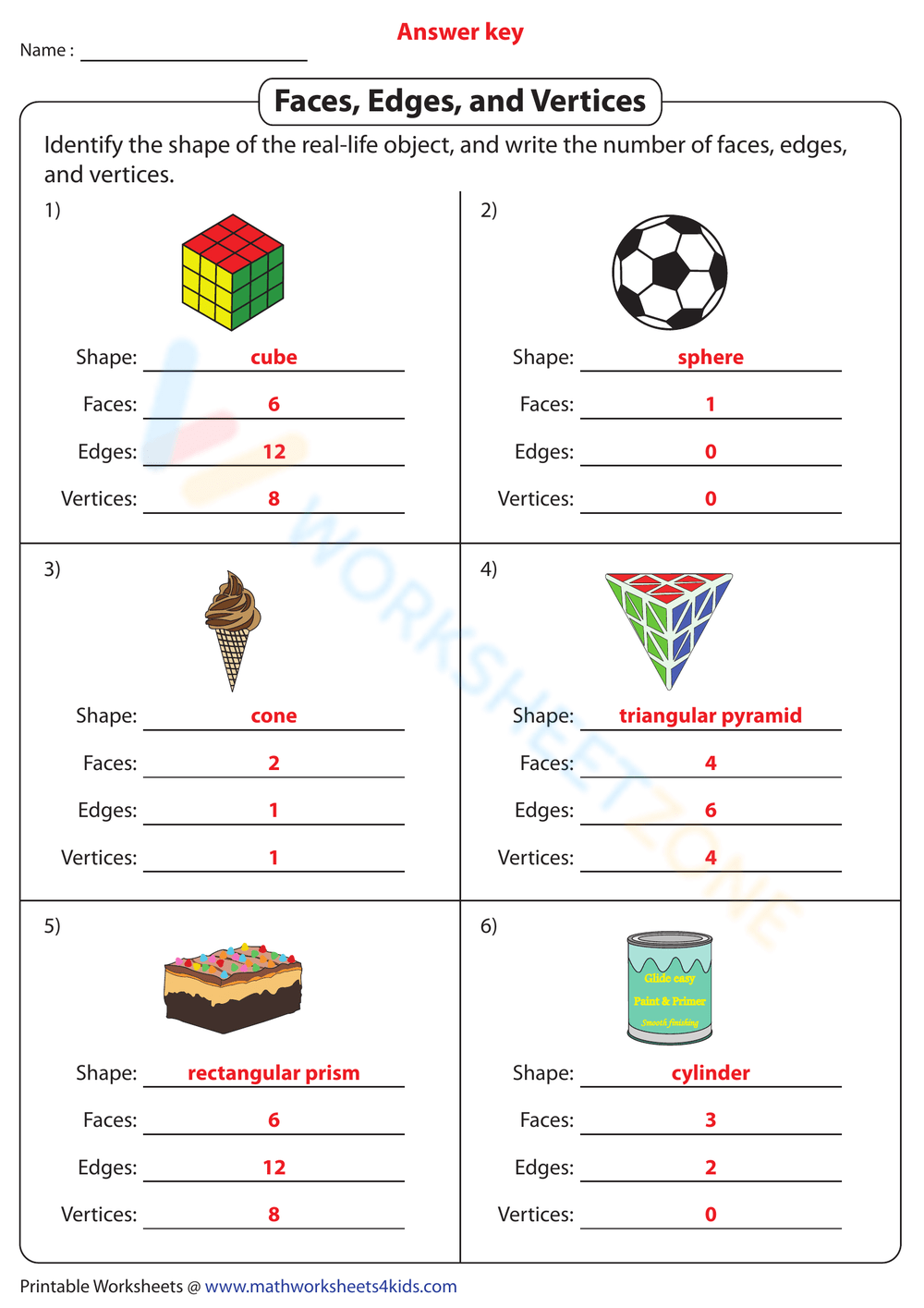
The worksheet typically features a variety of shapes, such as circles, squares, triangles, and more complex forms. Each shape is outlined clearly, allowing children to focus on the edges as they trace. This activity not only reinforces shape recognition but also encourages creativity as children can color the shapes once they have completed tracing them.
How to Use the Edge Detection Worksheet
Using the Edge Detection Worksheet For Preschoolers is straightforward, but there are a few tips that can help you maximize the learning experience:
- Print the Worksheet: Download the worksheet in PDF format for easy printing. Make sure to use a standard paper size (8.5″ x 11″) for compatibility with most printers.
- Gather Supplies: You will need coloring materials, such as crayons, colored pencils, or markers, and a pencil or pen for tracing. If your child enjoys using different colors, consider having a variety of coloring tools available.
- Set Up a Comfortable Workspace: Create a quiet, distraction-free area for your child to work. A table with good lighting is ideal. This helps them focus on the task at hand.
- Introduce the Worksheet: Explain the purpose of the worksheet and guide your child on how to trace the edges. You might say, “Let’s follow the lines to make these shapes come to life!”
- Encourage Independence: Allow your child to work independently as they trace and color. Offer assistance if needed, but encourage them to do as much as they can on their own. This fosters a sense of accomplishment.
- Review Together: Once they finish, review the worksheet together. Ask your child to name each shape and discuss their colors. This reinforces their learning and encourages verbal skills.
Integrating Edge Detection Into Daily Learning
While the Edge Detection Worksheet For Preschoolers is a valuable resource on its own, integrating it into a broader learning routine can enhance its effectiveness. Here are some ideas:
- Incorporate Play: Use toys, such as building blocks or shape sorters, to further reinforce the concept of edges and shapes. This hands-on play complements the worksheet activities.
- Explore Nature: Go outside and look for real-life examples of edges and shapes. You can point out the edges of leaves, rocks, and buildings. This helps children understand the practical application of what they are learning.
- Create Shape Art: After completing the worksheet, encourage your child to create their artwork using different shapes. This can be done by cutting out shapes from colored paper and gluing them onto a larger sheet. Encourage them to describe their artwork as they create.
Adapting the Worksheet for Different Skill Levels
Not all preschoolers will have the same level of skill or interest in edge detection. Therefore, it’s important to adapt the worksheet to cater to different needs:
- For Beginners: If your child is new to tracing, choose worksheets with thicker lines and fewer shapes. This makes it easier for them to follow along.
- For Advanced Learners: For those who are more adept at tracing, consider worksheets that include more complex shapes or patterns. You can even create your own worksheets by drawing additional shapes for them to trace.
- Incorporate Technology: If your child enjoys digital activities, consider using educational apps that focus on edge detection and shape recognition. This can provide a modern twist to traditional worksheets.
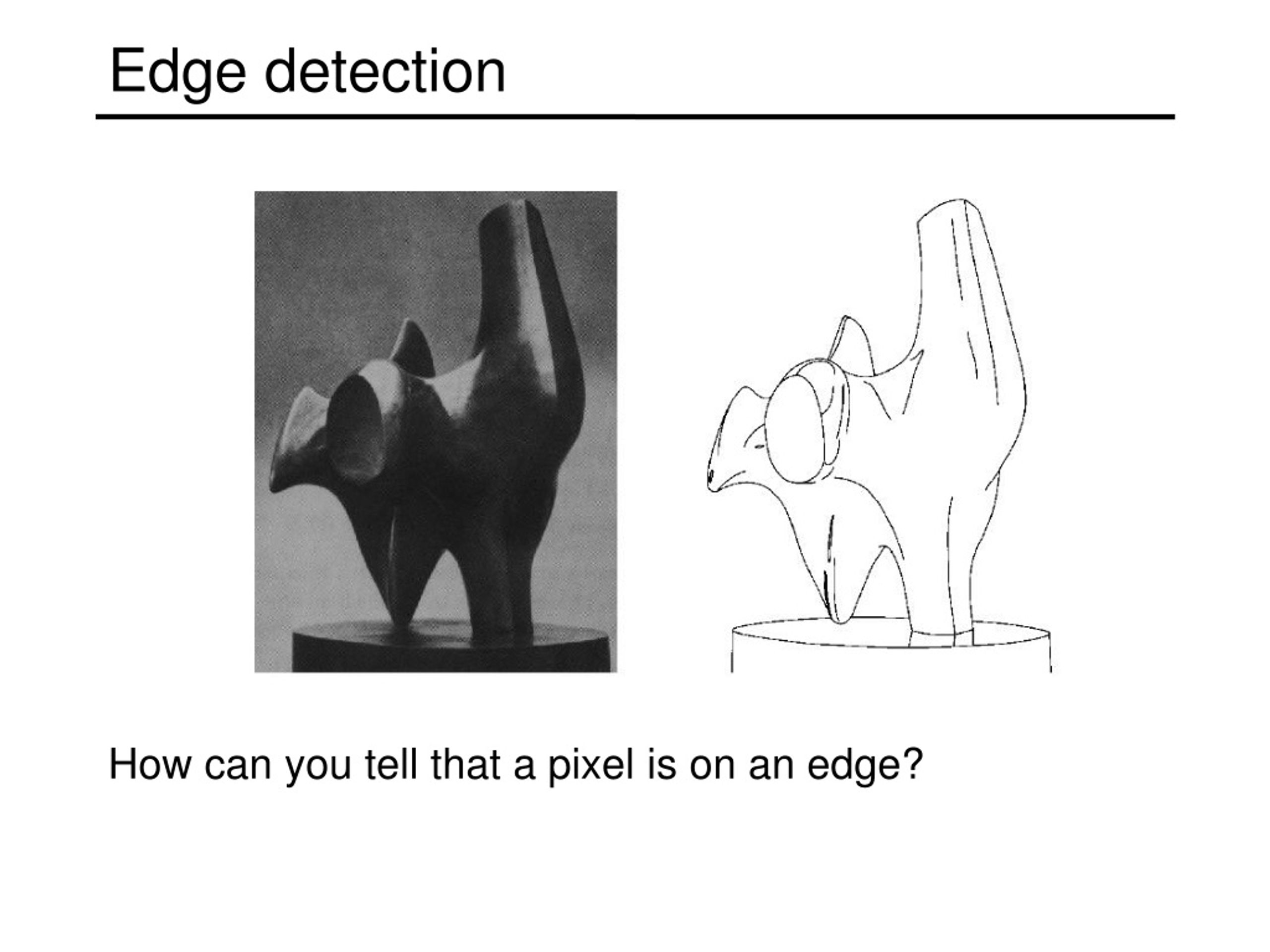
Benefits of Using the Edge Detection Worksheet
The Edge Detection Worksheet For Preschoolers offers numerous benefits that go beyond just tracing shapes. Here are some key advantages:
- Enhances Fine Motor Skills: Tracing requires control and precision, which are essential for developing fine motor skills. This skill is foundational for future writing abilities.
- Boosts Cognitive Development: Recognizing shapes and understanding spatial relationships are critical cognitive skills. This worksheet helps reinforce these concepts in a fun way.
- Promotes Creativity: Coloring the shapes allows children to express themselves creatively. They can choose colors and patterns, fostering their artistic side.
- Encourages Independent Learning: Working on worksheets helps children learn to focus on tasks independently. This builds confidence and self-reliance.
Edge Detection Worksheet For Preschoolers Gallery