First Week Of Preschool Worksheets
Starting preschool can be an exciting yet overwhelming time for both parents and children. To make this transition smoother, First Week Of Preschool Worksheets are invaluable resources. These worksheets not only engage young learners but also help them acclimate to their new environment by introducing essential skills in a fun and interactive way. In this guide, I’ll walk you through how to use these worksheets effectively, what to look for, and tips to keep the learning process enjoyable.
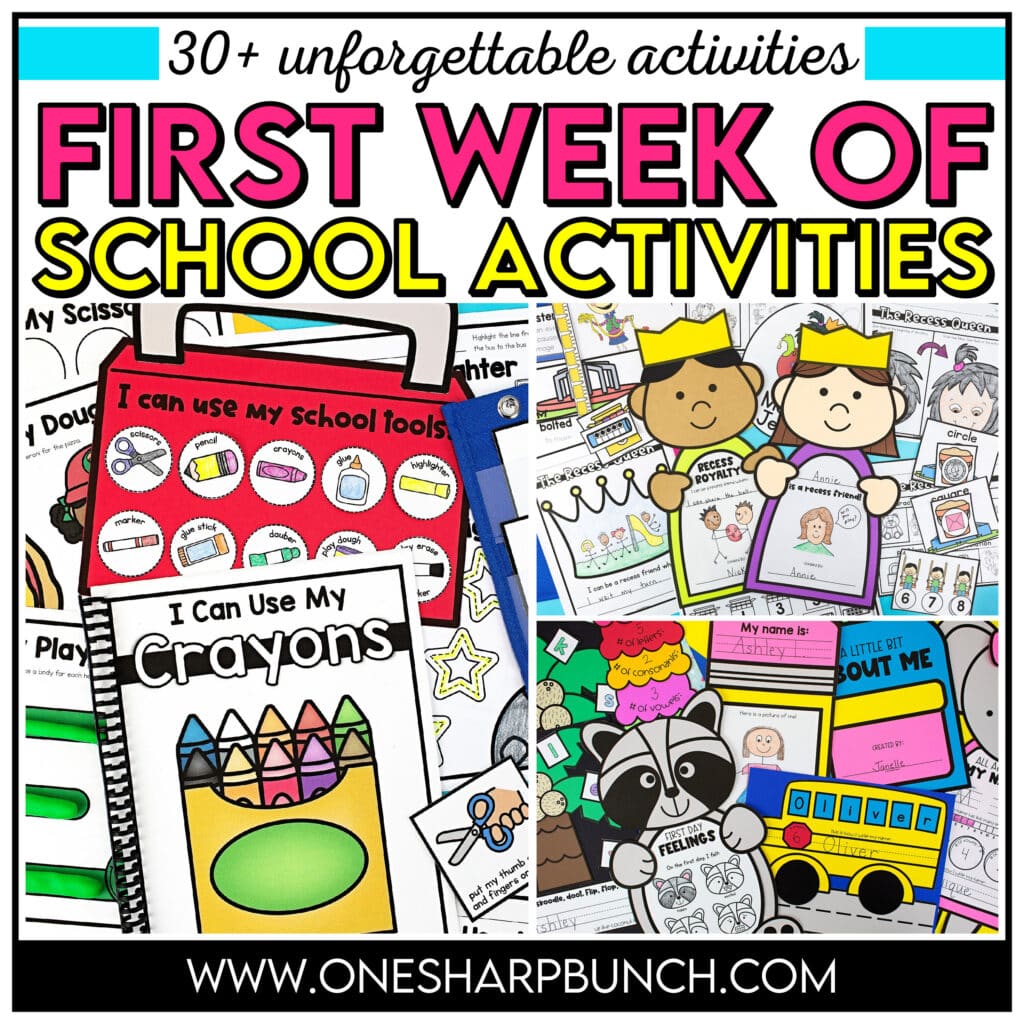
What Are First Week Of Preschool Worksheets?
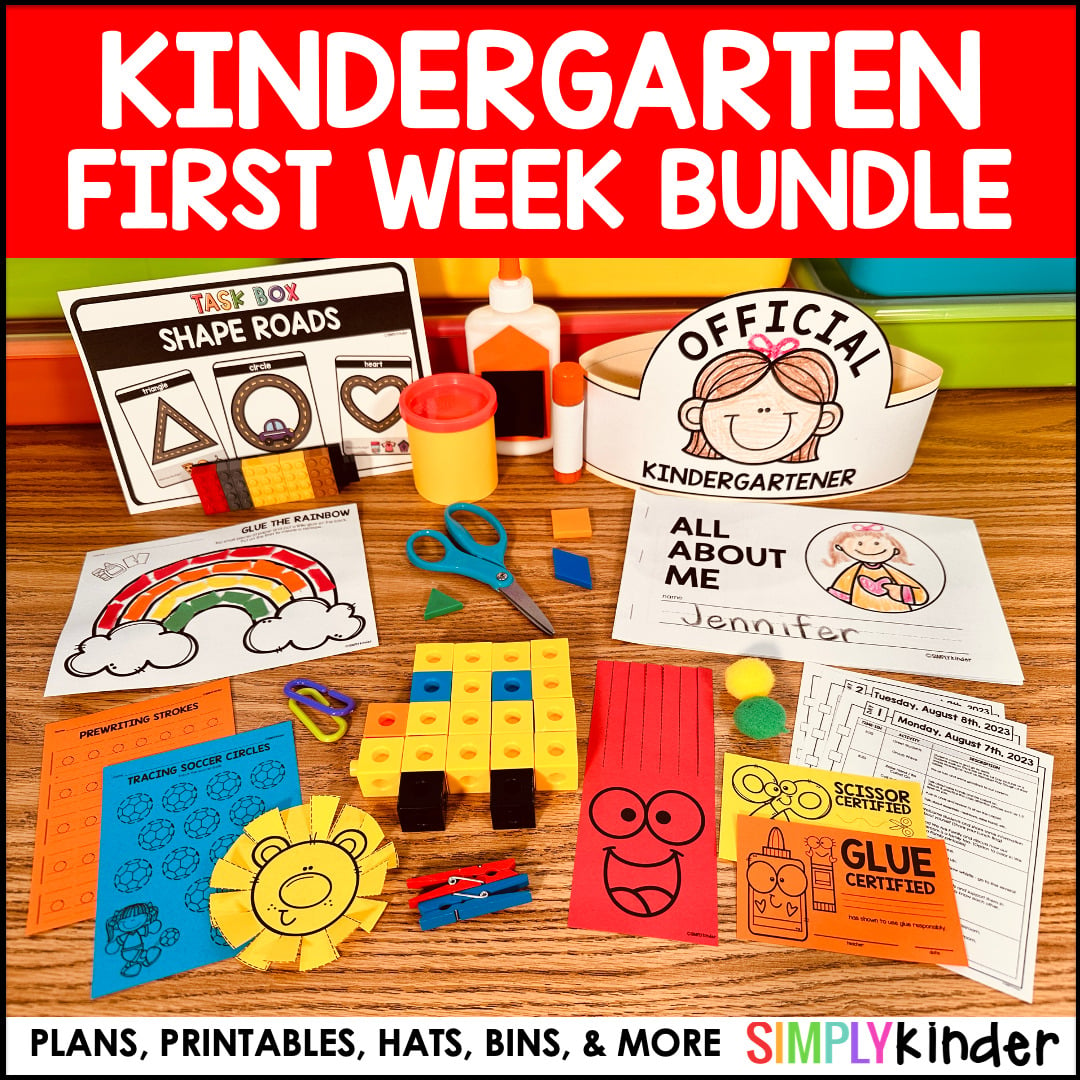
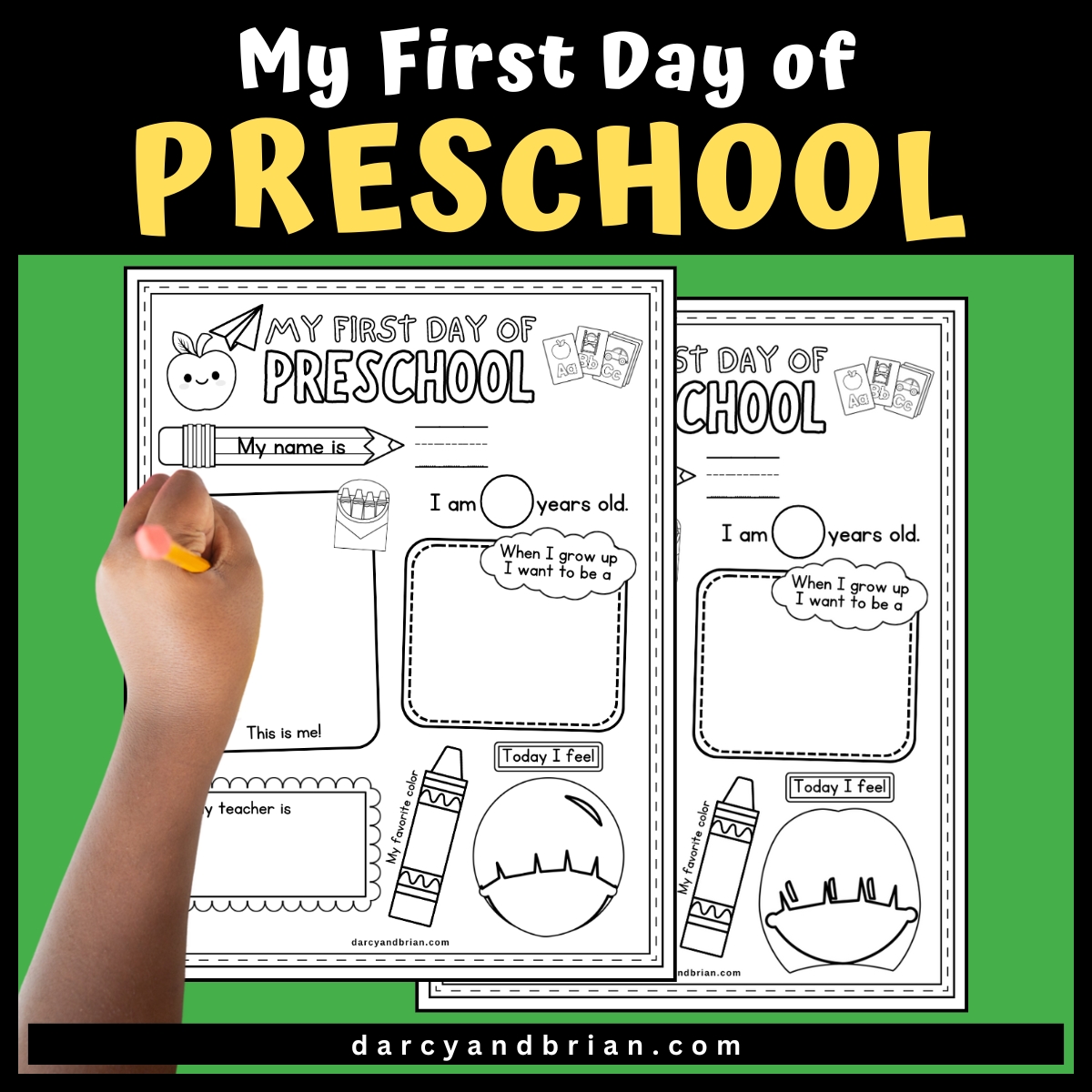
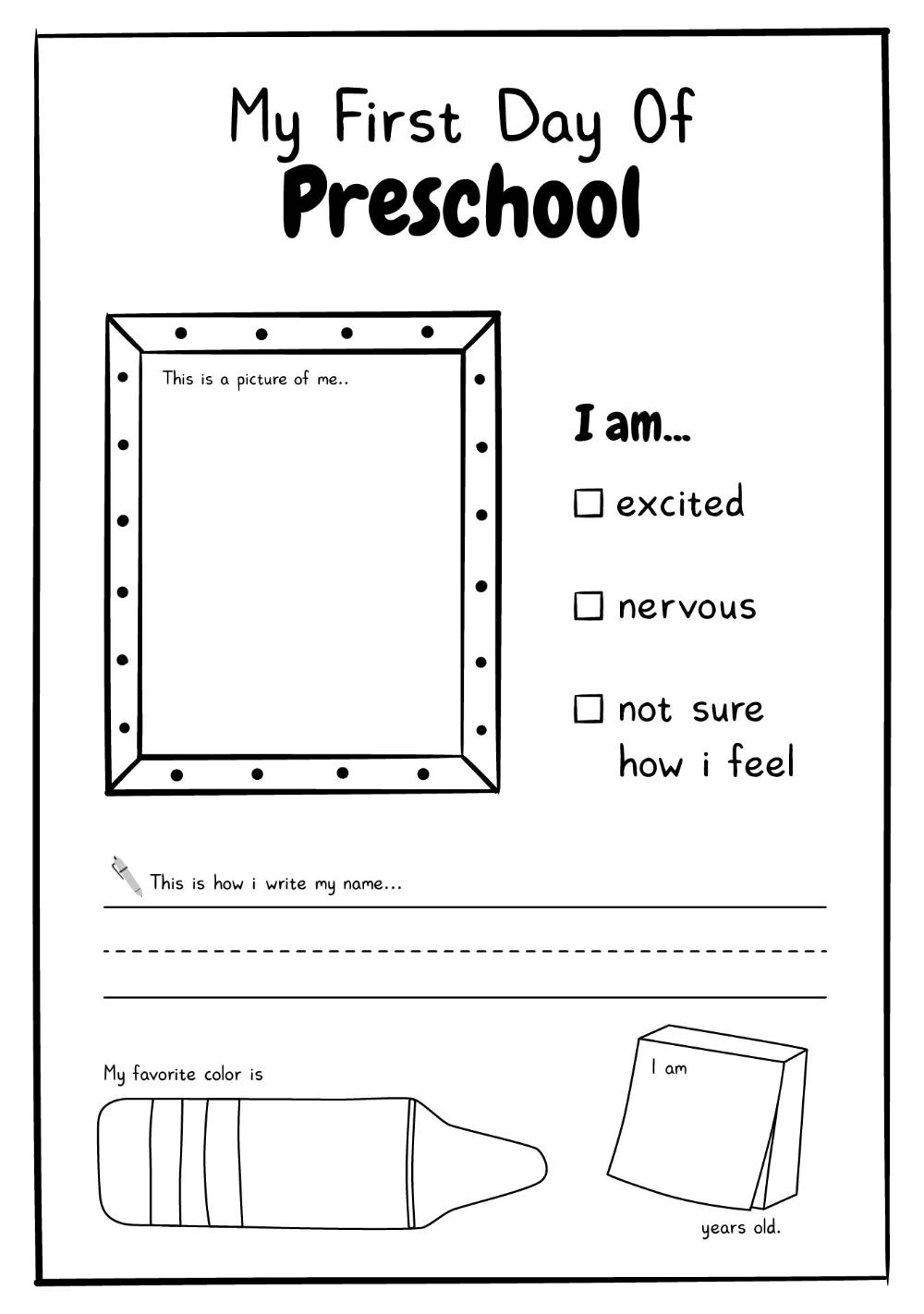
First Week Of Preschool Worksheets are specially designed educational tools aimed at preschoolers, typically ages 3 to 5. These worksheets cover a variety of foundational skills, including basic math concepts, literacy, motor skills, and social-emotional learning. They often feature colorful illustrations and engaging activities that capture the attention of young learners.
These worksheets can be divided into several categories, such as:
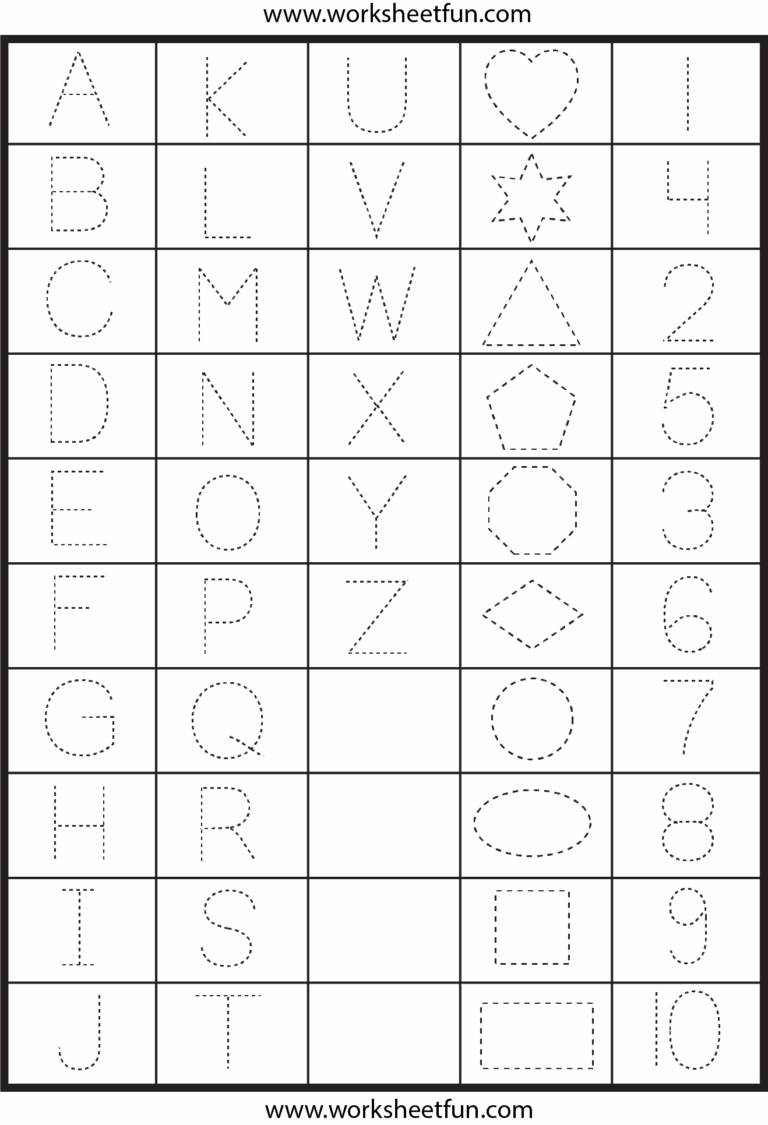
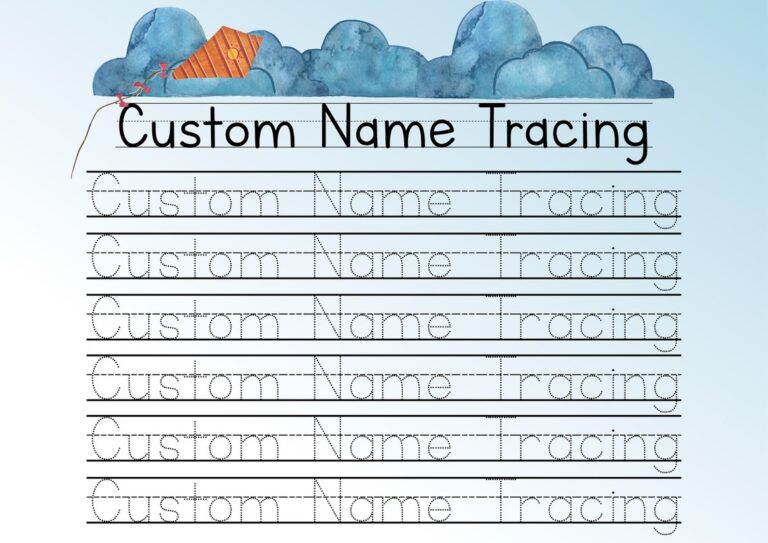
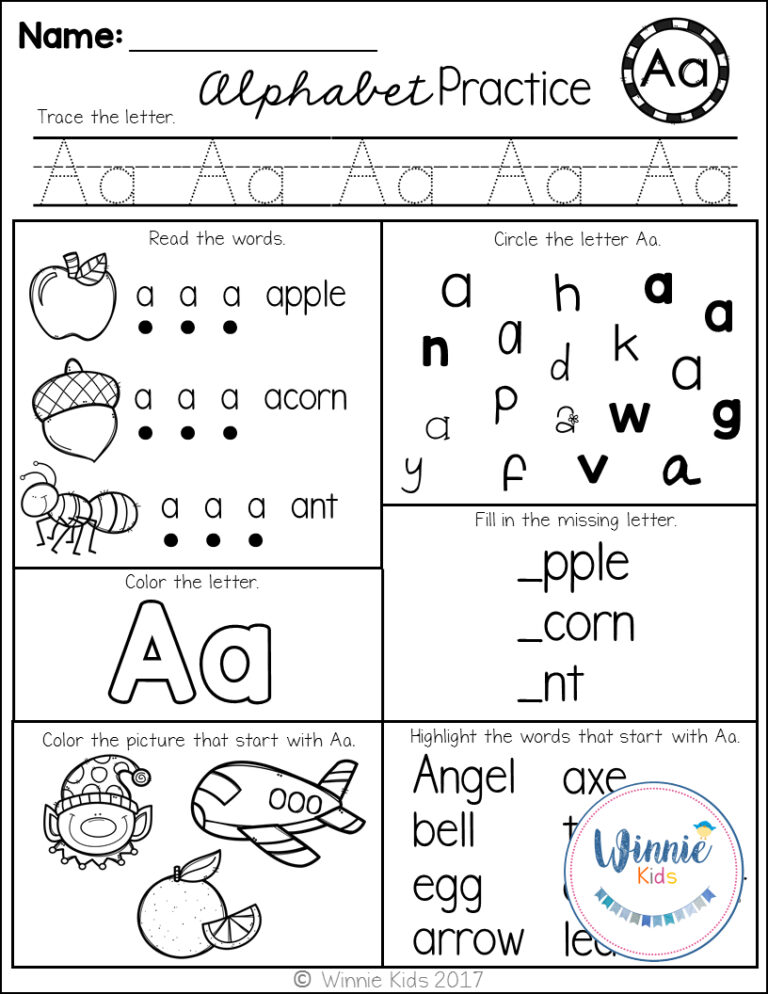
- Literacy Activities: Letter tracing, picture matching, or simple word recognition.
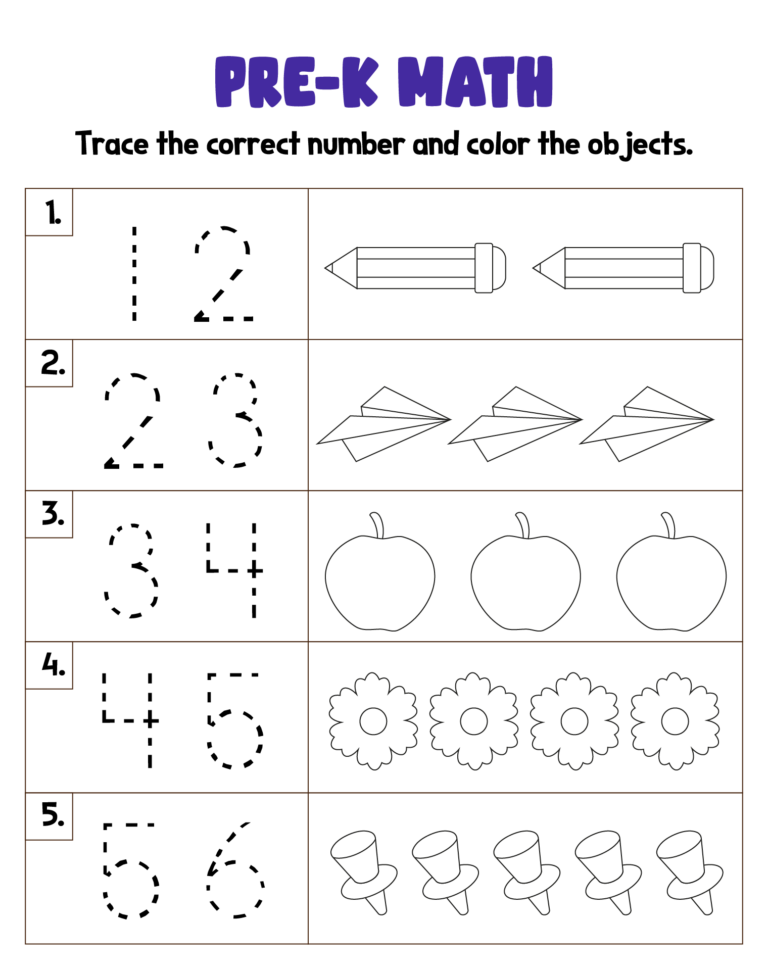
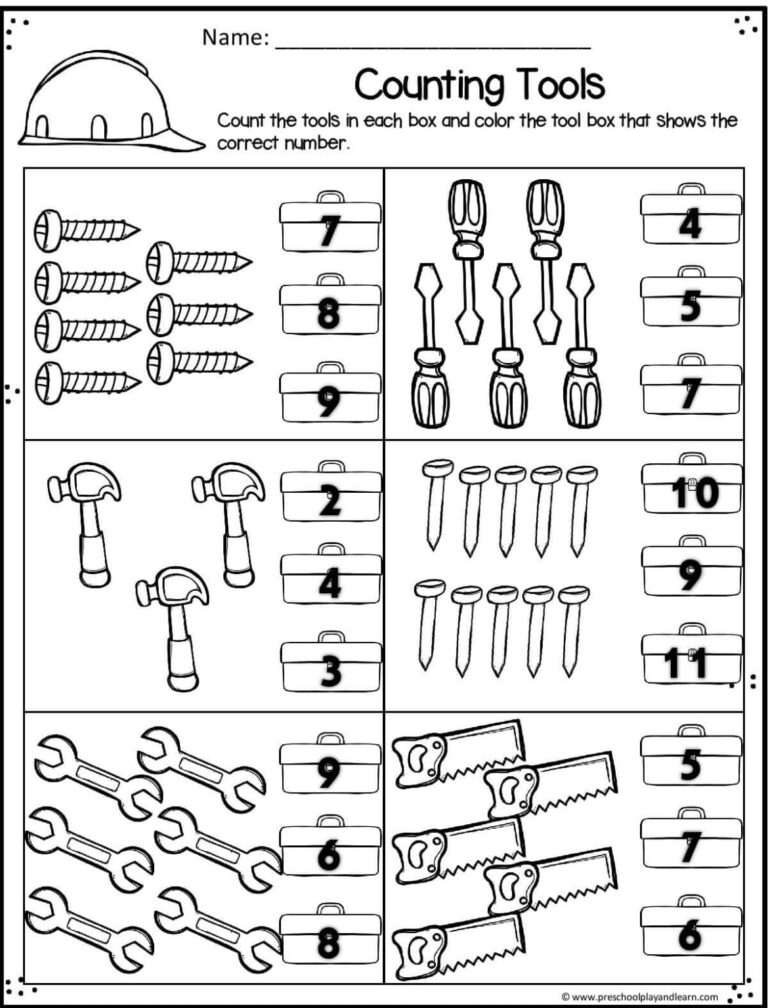
- Math Activities: Counting exercises, shape identification, or basic addition.
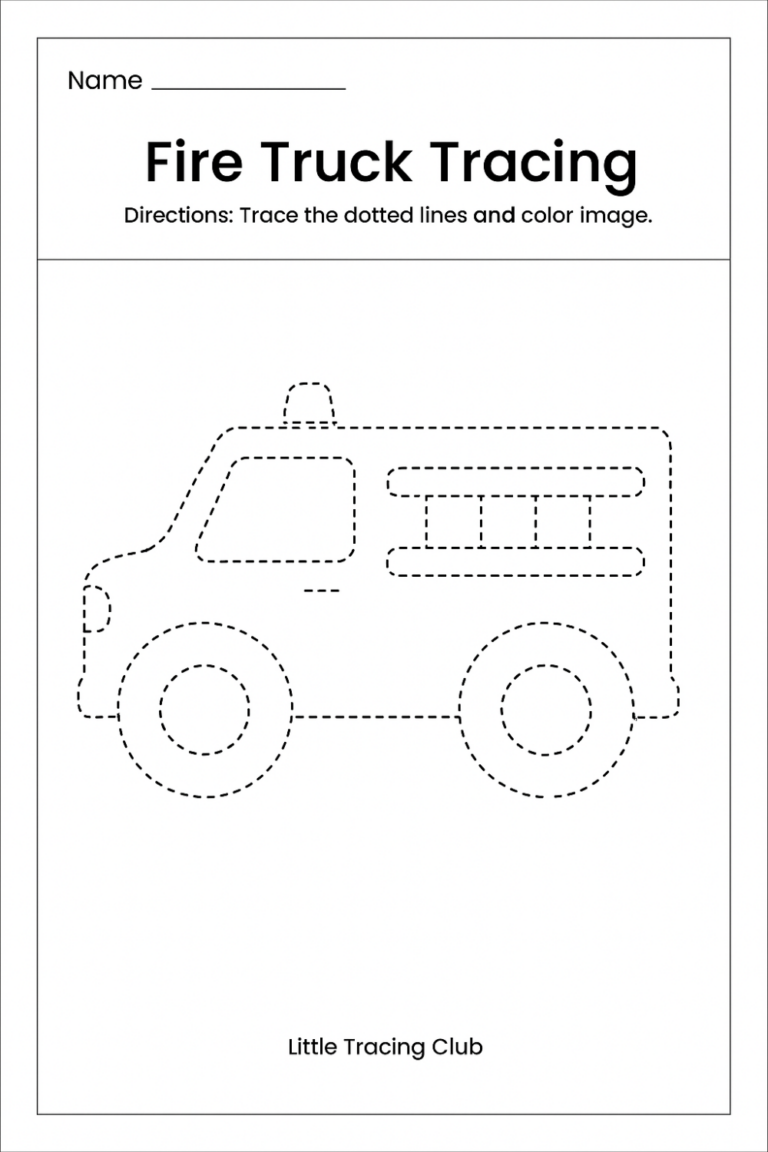
- Fine Motor Skills: Activities involving cutting, coloring, or drawing.
- Social Skills Development: Worksheets focused on sharing, taking turns, and understanding emotions.
Using these worksheets can help set a positive tone for the first week of preschool, ensuring children feel excited rather than anxious about this new chapter in their lives.
How to Choose the Right Worksheets
When selecting First Week Of Preschool Worksheets, consider the following factors to ensure they’re suitable for your child:
- Age Appropriateness: Ensure that the worksheets are designed for your child’s specific age group. Worksheets aimed at older preschoolers may be too challenging for younger ones and vice versa.
- Skill Level: Look for worksheets that match your child’s current skills. If they already recognize letters, opt for more advanced literacy activities that encourage writing or phonics.
- Variety of Activities: Choose a mix of activities to keep your child engaged. A good selection might include coloring pages, puzzles, and matching games.
- Interactivity: Worksheets that encourage interaction—like cut-and-paste tasks or drawing exercises—are often more engaging for young children.
Best Practices for Using Worksheets
To maximize the effectiveness of First Week Of Preschool Worksheets, consider these practical tips:
Create a Routine
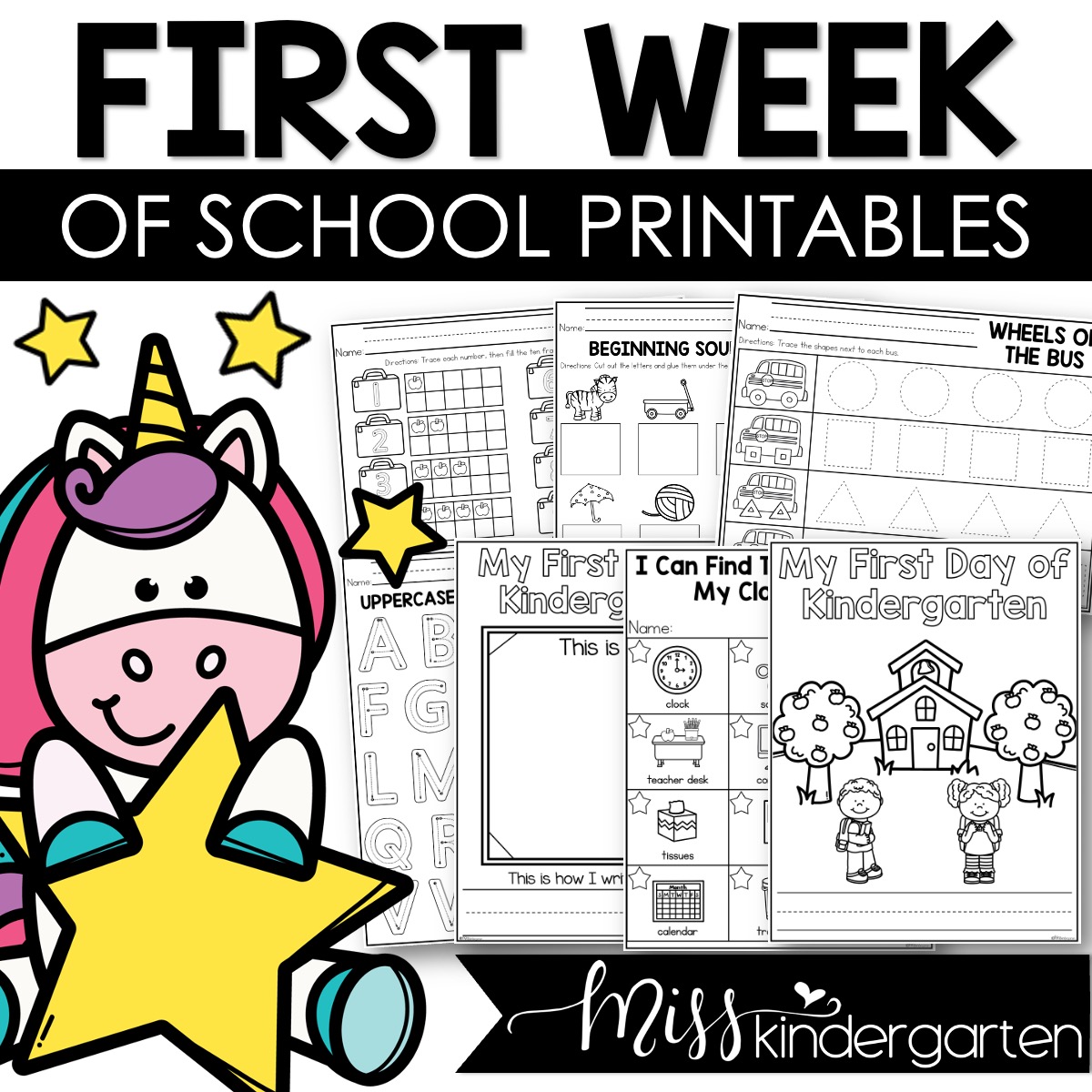
Set aside a specific time each day for worksheet activities. This helps your child know what to expect and reduces anxiety about new tasks. You might choose to start with a morning session right after breakfast or a calm afternoon time after a nap.
Use Positive Reinforcement
Encourage your child as they work on their worksheets. Celebrate their efforts, whether they successfully trace a letter or color inside the lines. Positive feedback can boost their confidence and motivation.
Incorporate Movement
Keep in mind that young children have short attention spans. After completing a worksheet, incorporate a physical activity related to the content. For example, if they worked on counting, you could have them jump that many times or do a fun dance.
Encourage Creativity
While worksheets often have specific tasks, don’t hesitate to let your child express their creativity. If they want to add stickers or draw additional pictures, encourage that. It reinforces learning while making the experience more enjoyable.
Where to Find Printable Worksheets
There are numerous places online to find First Week Of Preschool Worksheets. Look for resources that offer free or affordable downloads. Here are a few reliable options:
- Educational Websites: Many educational platforms provide free resources tailored to preschoolers.
- Pinterest: A great source for creative ideas and links to printable worksheets.
- Teacher Resource Sites: Websites that cater to educators often have sections dedicated to preschool resources.
- Library Resources: Don’t overlook your local library. They may have printable worksheets or books that contain educational activities for preschoolers.
Tips for Printing and Organizing Worksheets
Once you’ve found the perfect worksheets, you’ll want to print and organize them effectively. Here are some tips:
- Choose the Right Paper: Use cardstock for durability, especially if your child enjoys coloring and cutting. Standard printer paper is fine for simple activities.
- Print in Portrait Orientation: Most worksheets are designed to fit standard printer settings, so portrait layout typically works best.
- Organize by Day: Consider organizing the worksheets into a binder or folder by day of the week. This way, you can easily grab what you need each morning.
- Keep It Accessible: Place the worksheets in a spot your child can easily reach. This encourages independence and allows them to choose their activities.
Common Mistakes to Avoid
While using worksheets can be beneficial, there are a few pitfalls to watch out for:
- Overloading: Don’t overwhelm your child with too many worksheets at once. Start with one or two each day and gradually increase as they become more comfortable.
- Neglecting the Fun: Remember that the goal is to engage your child, not just complete tasks. If a particular worksheet isn’t holding their interest, switch to another activity.
- Skipping Discussion: After completing a worksheet, take a moment to discuss what they learned. This reinforces the material and encourages critical thinking.
Incorporating First Week Of Preschool Worksheets into your child’s routine can make a significant difference in easing them into the preschool environment. By choosing the right activities, establishing a regular schedule, and keeping the experience fun and engaging, you can help your child start this new journey with confidence and excitement.
First Week Of Preschool Worksheets Gallery