Float And Sink Worksheet For Preschool
Understanding the concepts of buoyancy through the Float And Sink Worksheet For Preschool can be a delightful experience for young children. This worksheet is specifically designed to help preschoolers explore the fundamental ideas of what makes objects float or sink. Engaging with this resource not only enhances their scientific understanding but also stimulates curiosity and critical thinking.
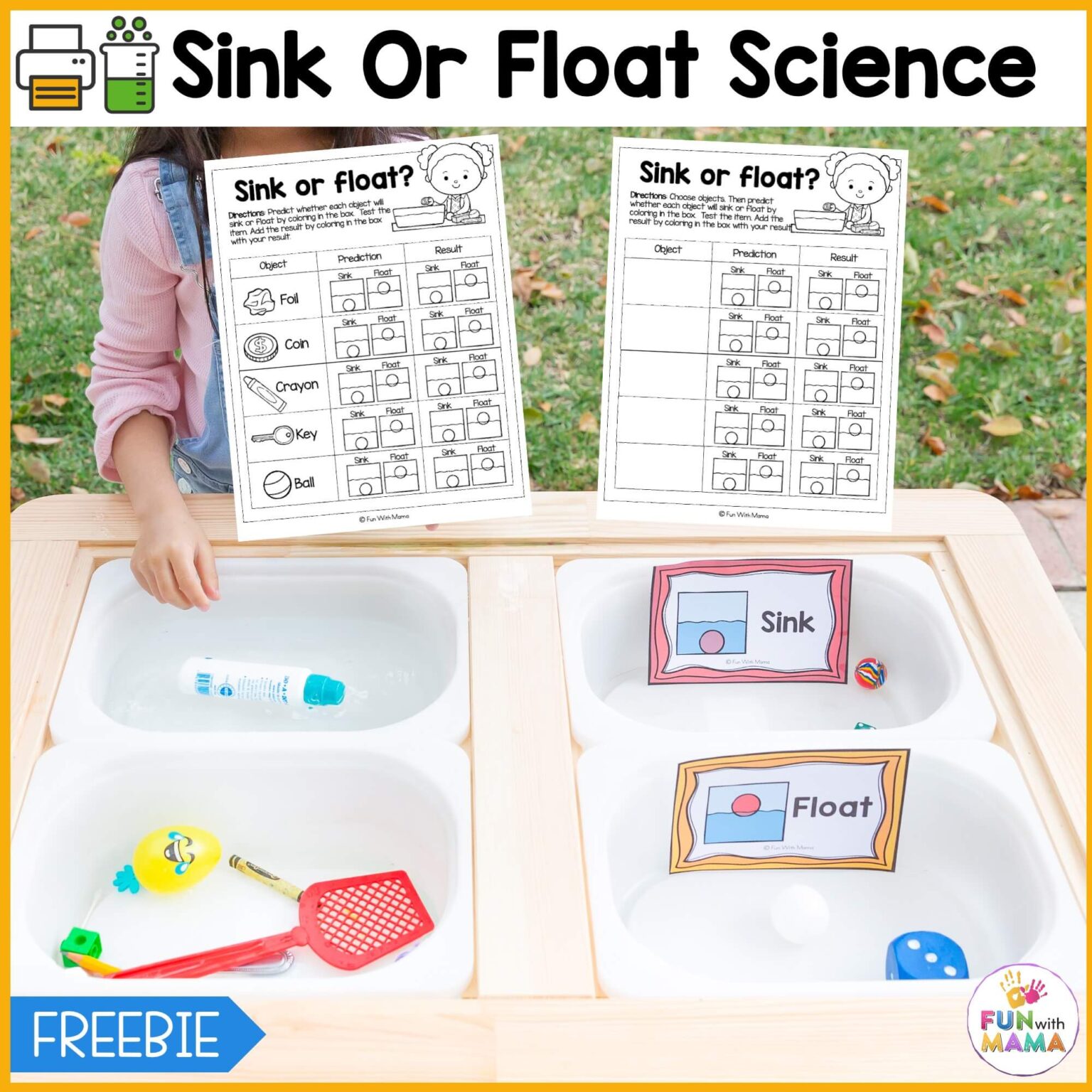
What Is the Float And Sink Worksheet?
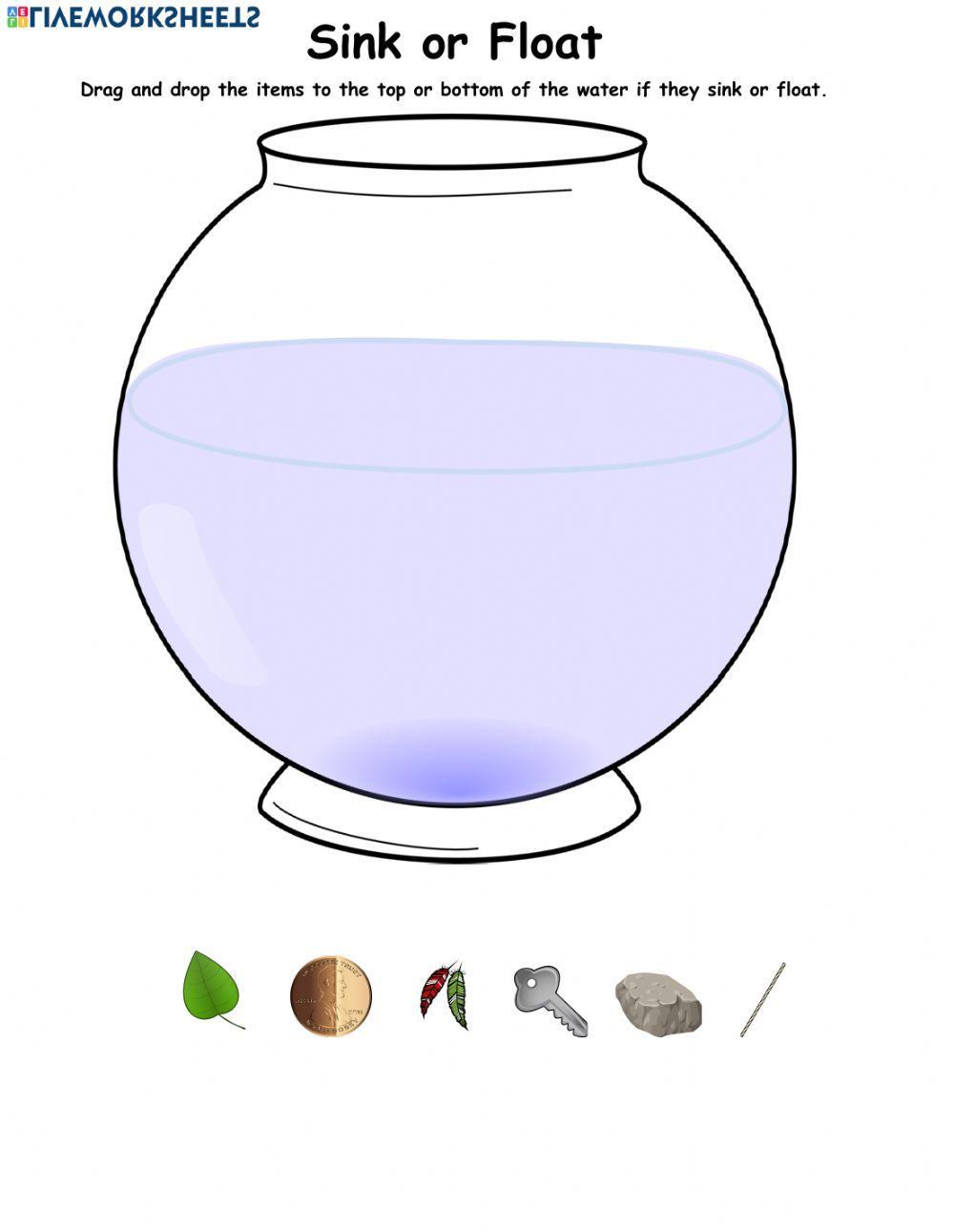
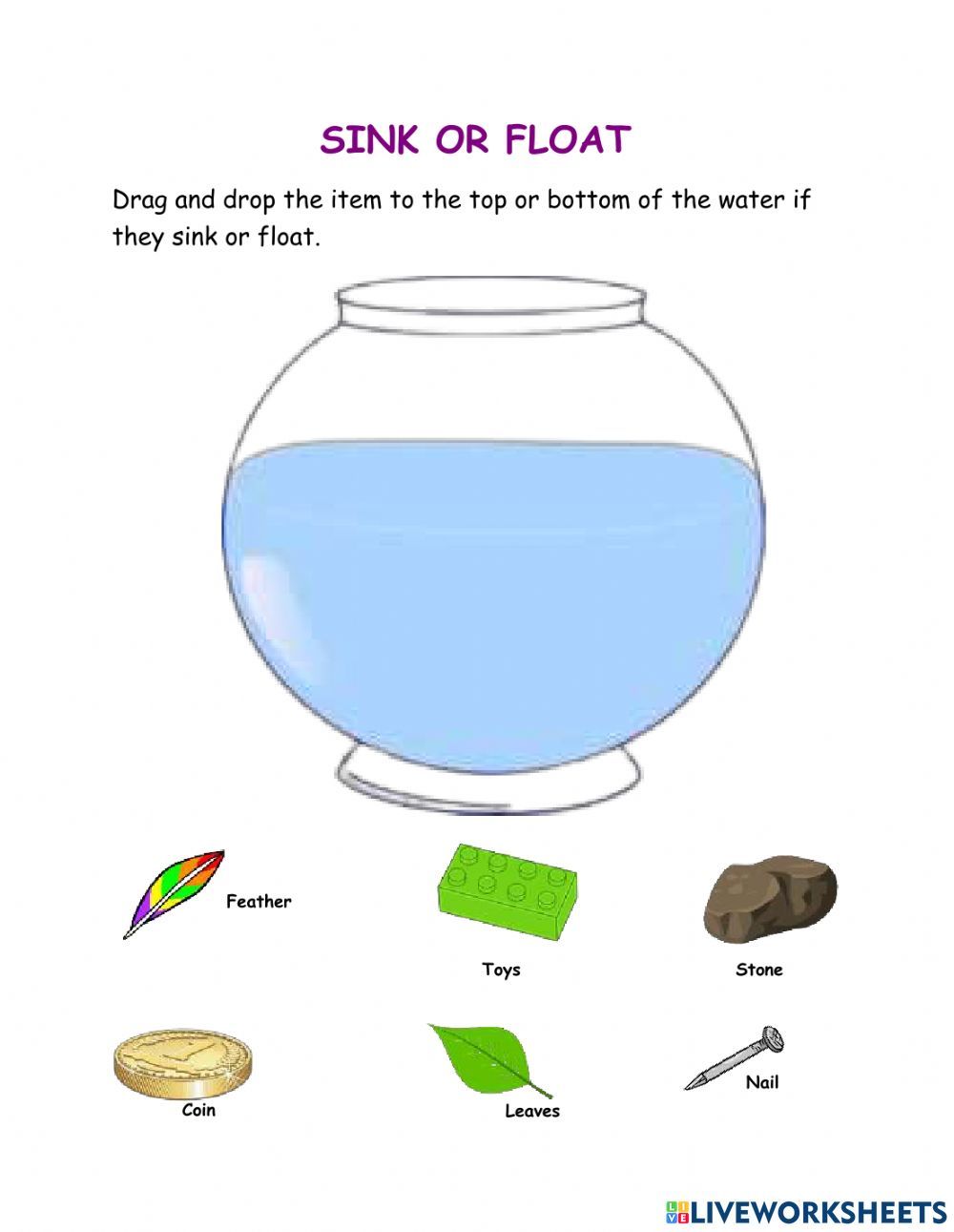
The Float And Sink Worksheet is a practical educational tool tailored for preschool-aged children. It typically features a variety of objects that kids can classify based on whether they float or sink in water. This worksheet often includes illustrations, making it visually appealing and easy for young learners to engage with. The layout usually consists of a simple chart or table where children can draw or write their observations.
Using a resource like this helps reinforce basic science concepts while also developing fine motor skills through drawing or writing. It’s perfect for both home and classroom settings, allowing parents and teachers to encourage hands-on learning.
How to Use the Float And Sink Worksheet
To maximize the effectiveness of the Float And Sink Worksheet, consider the following steps:
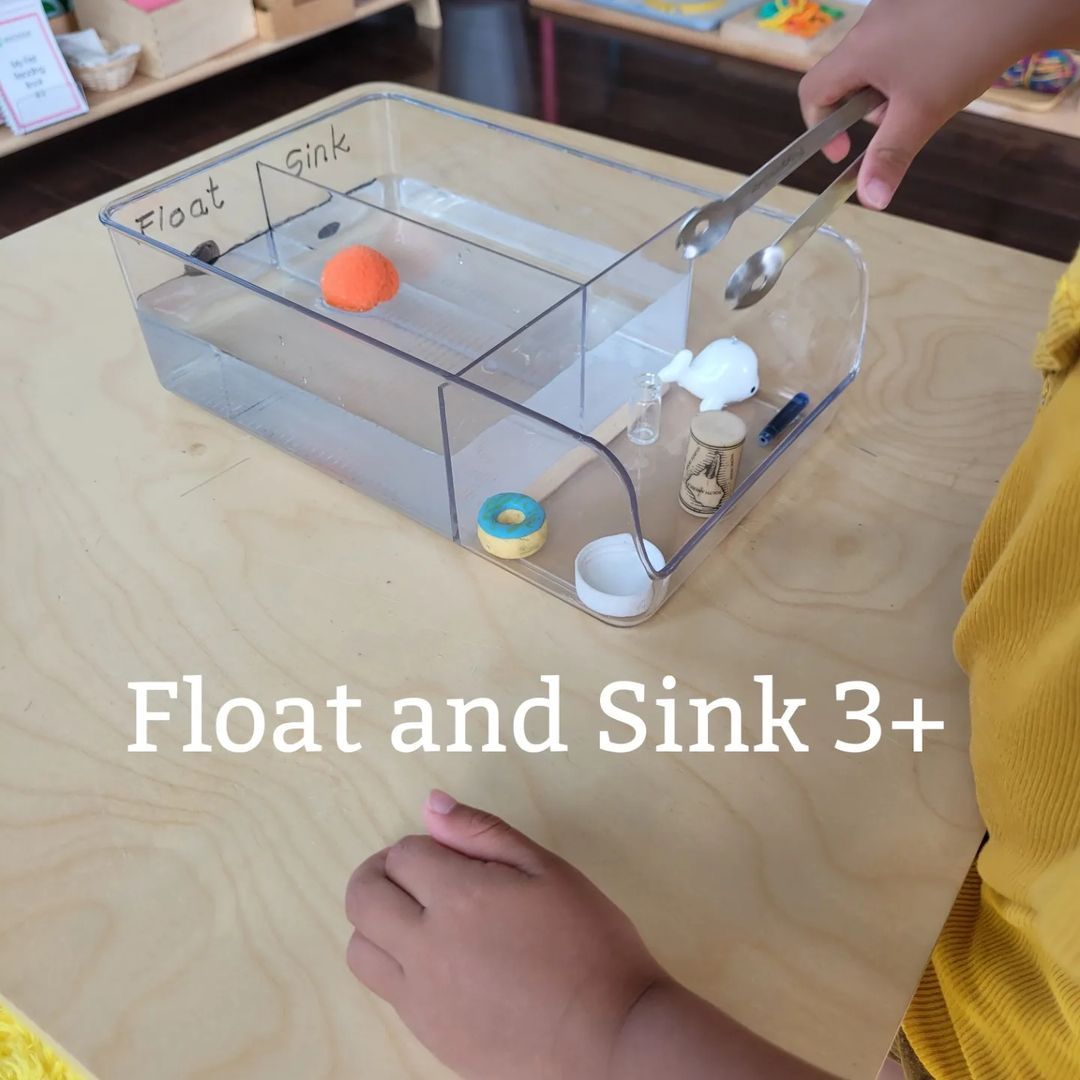
- Prepare Materials: Before starting, gather a few common objects (like a spoon, a ball, a leaf, etc.) that you can test in water. A small basin or a bucket of water will work well for this activity.
- Explain the Concept: Talk to the children about what it means to float or sink. Use simple language and examples they can relate to, such as comparing a rock to a rubber duck.
- Conduct the Experiment: Let the children predict whether each object will float or sink before testing them in the water. This prediction aspect engages their critical thinking skills.
- Fill Out the Worksheet: As they test each object, have them fill out the Float And Sink Worksheet. They can draw the objects in the appropriate sections of the chart, helping them visualize their findings.
- Discuss Results: After the activity, have a discussion about the results. Why did certain items float while others sank? This reflection helps solidify their understanding of the concepts.
Layout and Design of the Worksheet
The layout of the Float And Sink Worksheet is crucial for its effectiveness. Here’s what to look for:
- Two Columns: Typically, the worksheet will have two columns labeled “Float” and “Sink.” This simple design helps children quickly categorize their findings.
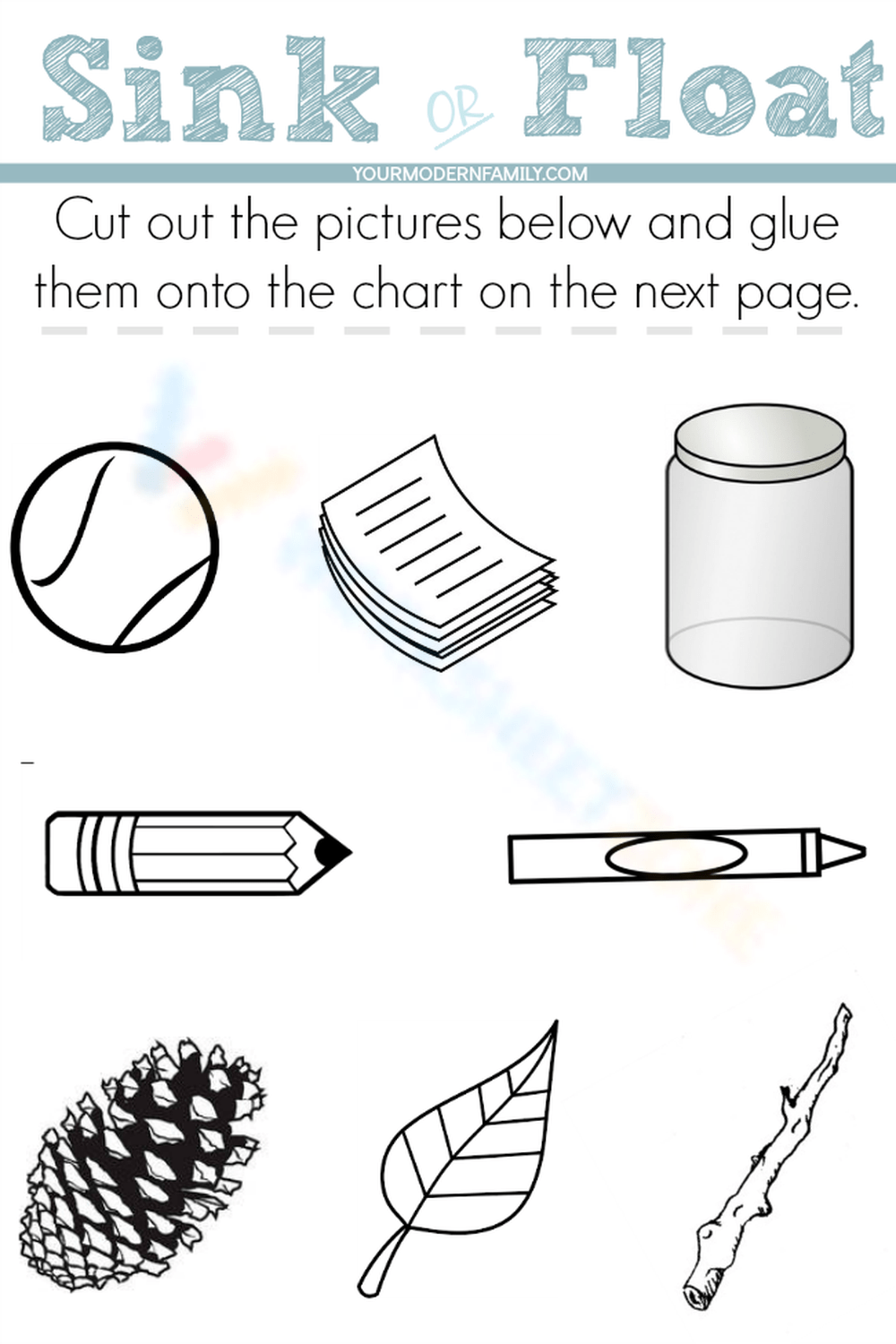
- Illustrations: Look for worksheets that include space for children to draw objects. This not only makes the activity more engaging but also allows them to express creativity.
- Clear Instructions: The best worksheets come with clear, concise instructions that guide both children and adults on how to use the resource effectively.
- Age-Appropriate Language: Ensure that the language used is suitable for preschoolers. Simple words and phrases help keep them engaged and make the learning process smoother.
Benefits of Using the Float And Sink Worksheet
Using the Float And Sink Worksheet offers numerous benefits for preschoolers:
- Hands-On Learning: Children learn best through experience. This worksheet encourages them to physically interact with objects and water, making the lesson memorable.
- Critical Thinking: Predicting whether an object will float or sink fosters analytical thinking. Children learn to make hypotheses and test them, a fundamental scientific skill.
- Fine Motor Skills Development: Filling out the worksheet involves drawing and writing, which enhances fine motor skills crucial for their overall development.
- Encourages Curiosity: Engaging in experiments naturally piques children’s curiosity. They may begin asking questions about other properties of materials, leading to deeper learning.
Where to Find Printable Versions
You can easily find printable versions of the Float And Sink Worksheet online. Many educational websites offer free downloads, allowing you to print and use them right away. Look for reputable sources that specialize in preschool resources to ensure quality.
When searching for printable worksheets, consider these tips:
- Check for Format: PDF files are often the best choice for printing, as they maintain formatting across different devices.
- Look for Customization Options: Some websites allow you to customize the worksheet, adding specific objects relevant to your teaching context.
- Read Reviews: If available, check reviews or ratings for the worksheet to ensure that it’s effective and engaging for preschoolers.
Tips for Enhancing the Activity
To get the most out of the Float And Sink Worksheet, here are some additional tips:
- Incorporate Storytelling: Create a story around the objects being tested. For example, telling a tale of a boat trying to cross a river can make the activity more engaging.
- Follow-Up Activities: After completing the worksheet, consider additional activities like creating a “float or sink” game, where children can guess and test objects around the house or classroom.
- Use Real-Life Examples: Discuss real-world applications of buoyancy, such as boats and submarines. This helps children connect the lesson to their everyday lives.
- Encourage Group Work: If possible, have children work in pairs or small groups. This fosters teamwork and allows them to learn from each other.
The Float And Sink Worksheet For Preschool is an invaluable resource for introducing young children to basic scientific concepts in a fun and engaging way. By encouraging hands-on experimentation and offering a clear, structured approach, this worksheet fosters an environment of curiosity and learning that can last a lifetime.
Float And Sink Worksheet For Preschool Gallery