Floating And Sinking Worksheets For Preschoolers
Floating and sinking is a fascinating concept for preschoolers, and worksheets can be a great tool to help them explore these principles. With colorful designs and engaging activities, Floating And Sinking Worksheets For Preschoolers can spark curiosity and enhance learning experiences. These worksheets offer a structured way to introduce young learners to basic scientific concepts through hands-on activities that can be easily printed and used.
Understanding the Basics of Floating and Sinking
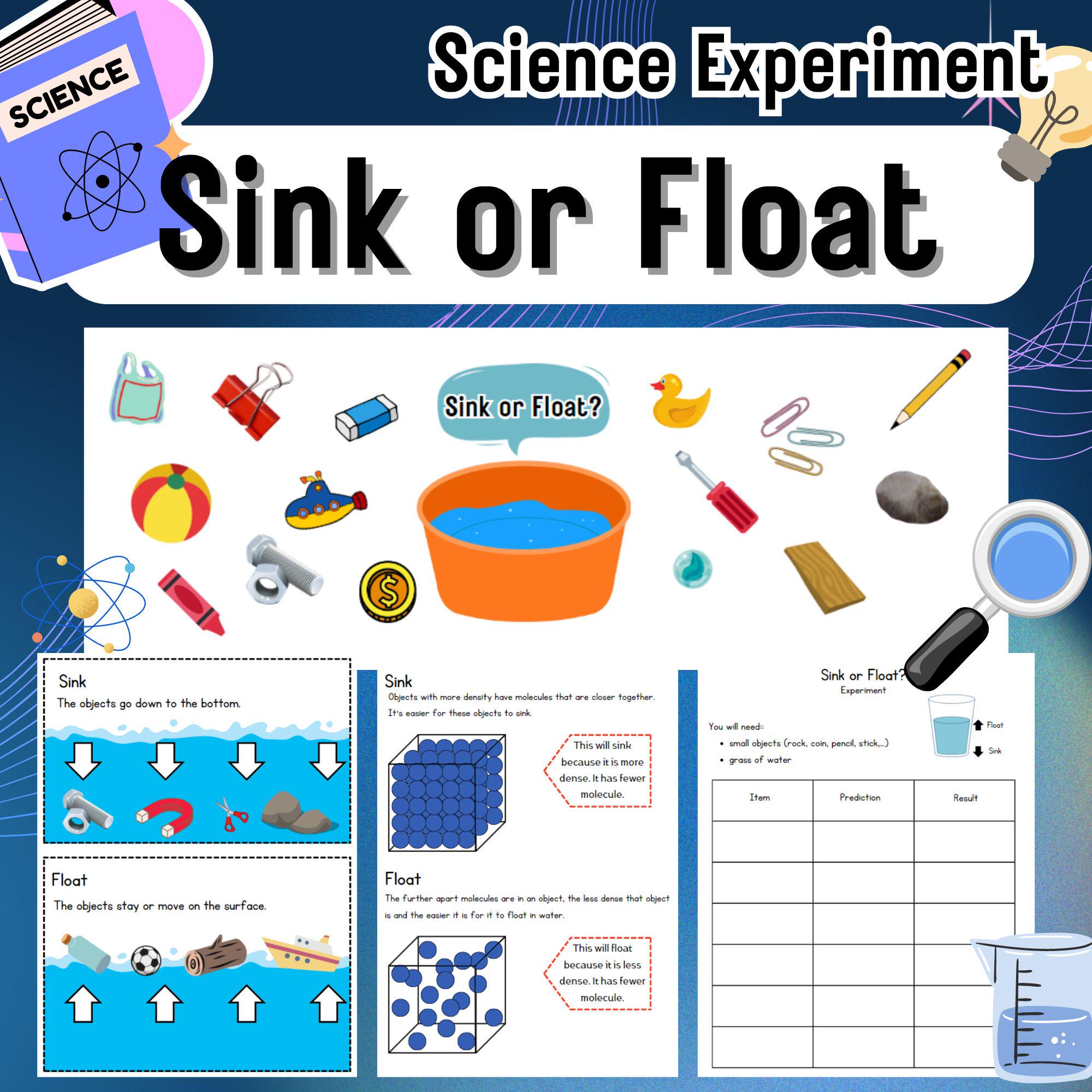
To begin your journey with floating and sinking, it’s important to explain the concepts simply. Floating occurs when an object remains on the surface of a liquid, while sinking happens when an object goes below the surface. Preschoolers can grasp these ideas through observation and experimentation. Before diving into worksheets, consider conducting a simple at-home experiment using a bowl of water and various household items. Gather a mix of objects like a plastic spoon, a rock, and a piece of fruit. Ask your child to predict which items will float and which will sink, then test their predictions. This hands-on experience lays the groundwork for the worksheets.
Selecting the Right Worksheets
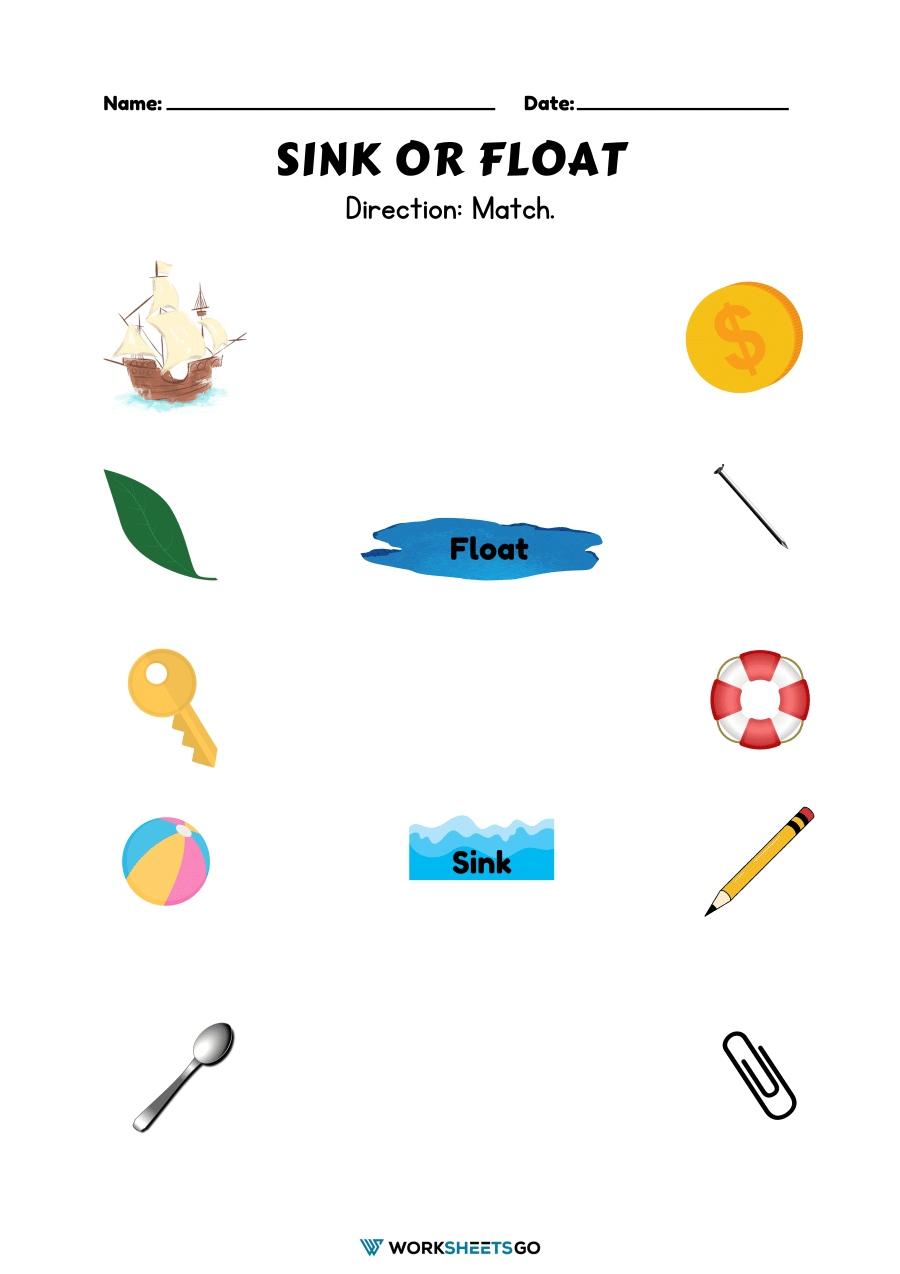
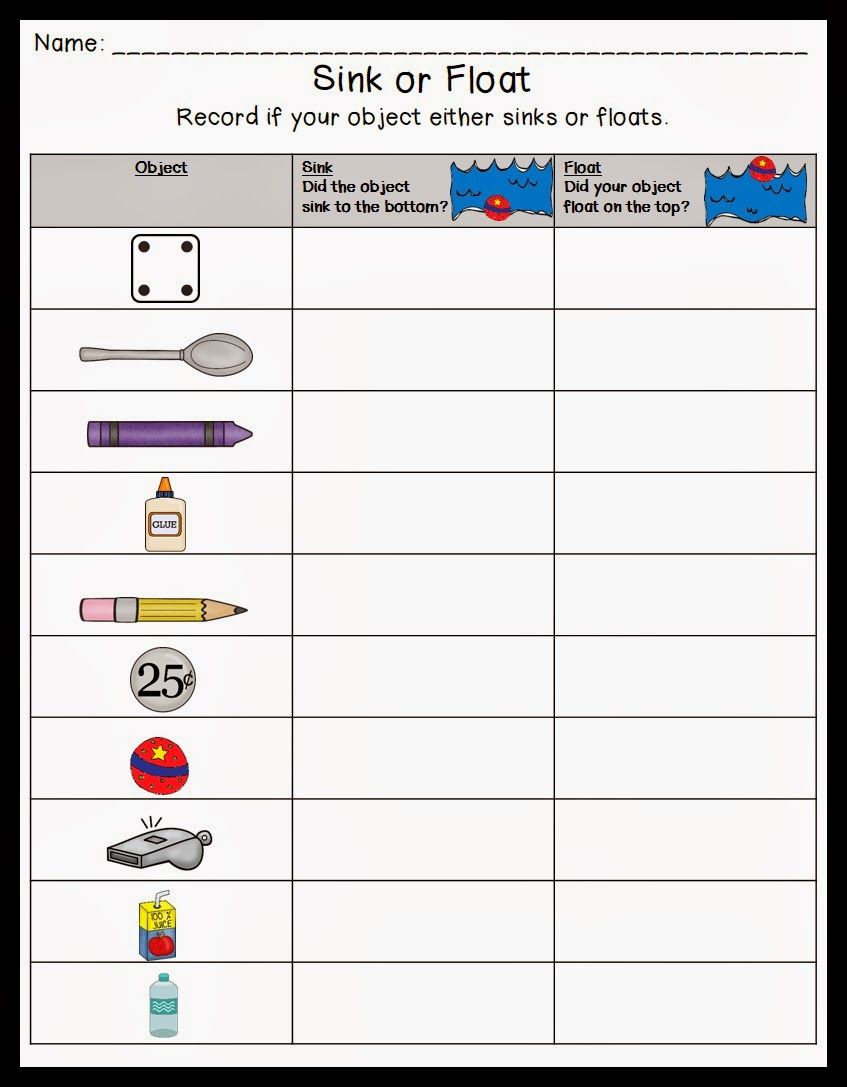
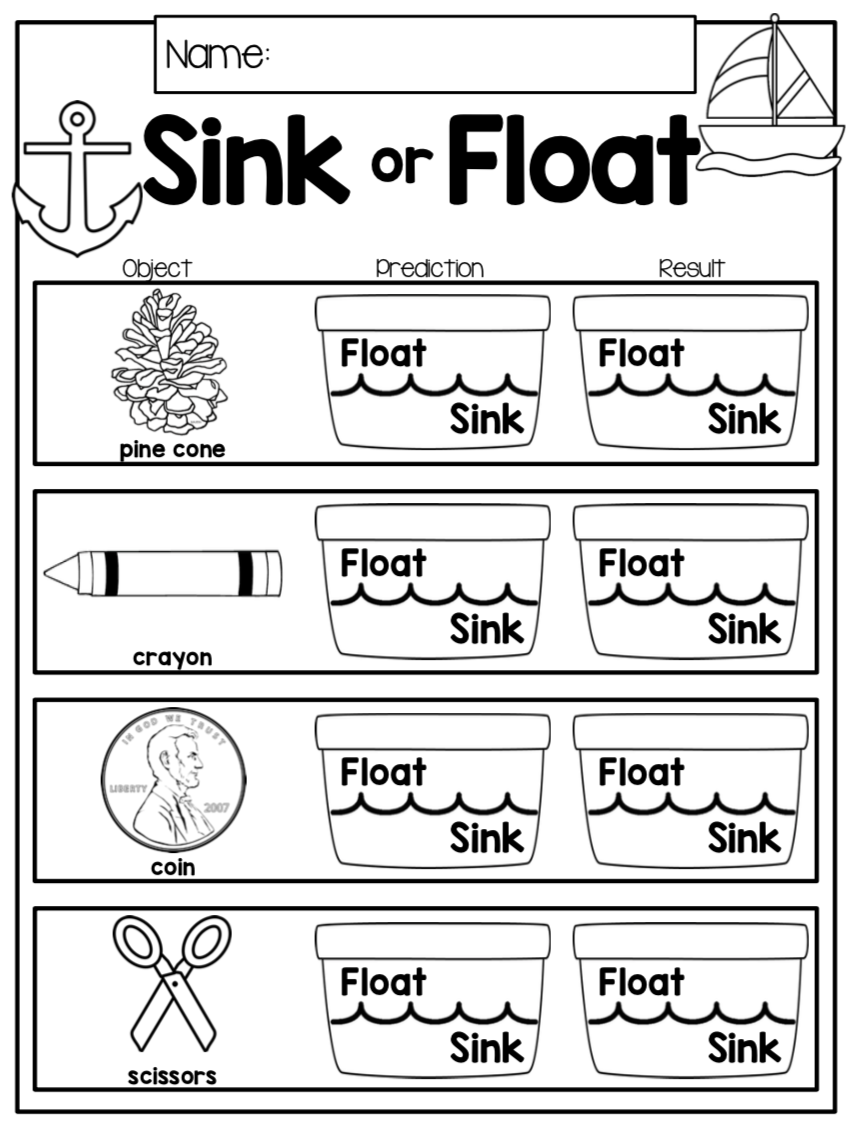
When choosing Floating And Sinking Worksheets For Preschoolers, look for resources that are visually appealing and age-appropriate. Many worksheets include images of various objects along with spaces for children to mark whether they float or sink. This interactive element keeps children engaged while reinforcing their understanding of the concepts.
Here are some features to consider when selecting worksheets:
- Visuals: Bright colors and fun illustrations can make the learning process enjoyable.
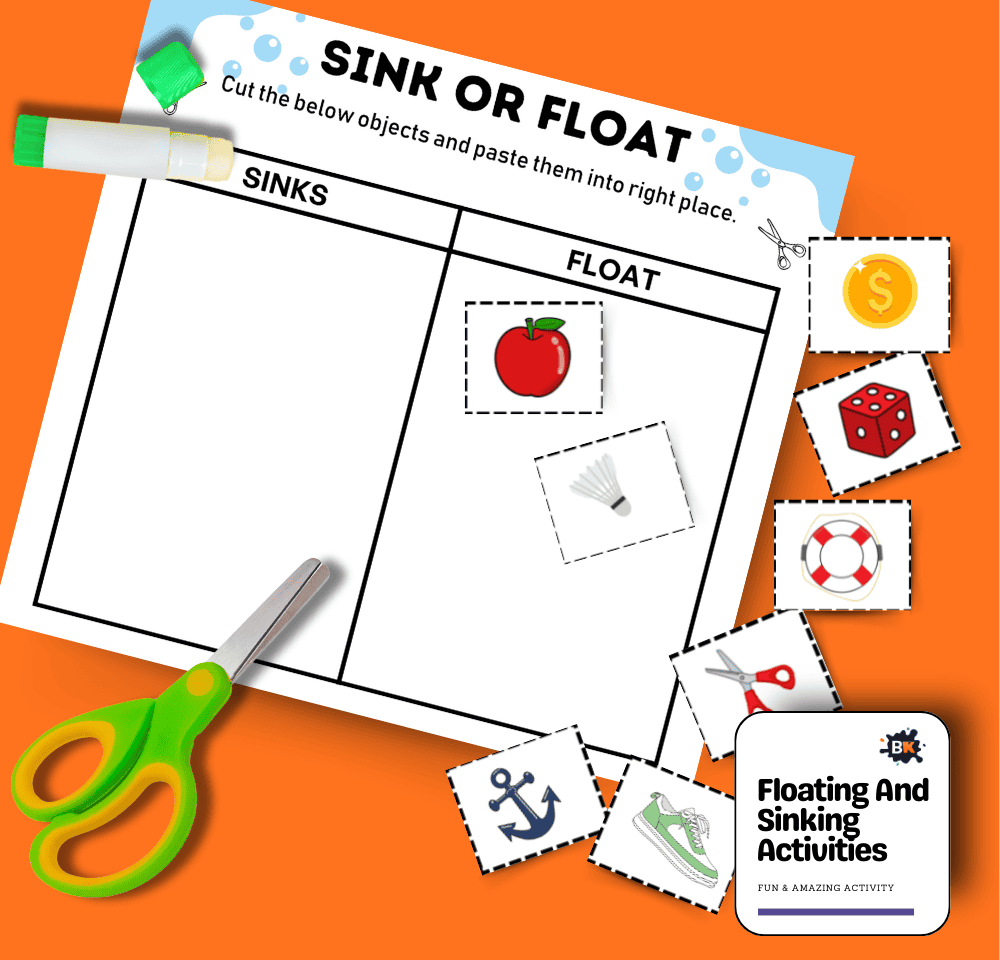
- Variety: Look for worksheets that offer different types of activities, such as sorting objects into floating or sinking categories, drawing, or matching games.
- Simplicity: Ensure that the instructions are easy to understand and follow.
Once you’ve found the right worksheets, download them in PDF format for easy printing.
Printing and Preparing Worksheets
Now that you’ve downloaded your Floating And Sinking Worksheets For Preschoolers, it’s time to get them ready for use. Here are some practical tips for printing and preparing these resources:
- Paper Choice: Use standard letter-sized paper (8.5 x 11 inches) for easy printing. If you want the worksheets to be more durable, consider using cardstock, which holds up better during activities.
- Color vs. Black and White: If your printer supports it, color printing can make the worksheets more engaging. However, black and white versions are also effective and can save on ink.
- Fillable PDFs: Some worksheets may be available as fillable PDFs, allowing your child to complete them digitally. This option is great if you prefer less mess, but printing them out for hands-on fun is equally beneficial.
Once printed, you might want to laminate the worksheets if you plan to reuse them. This way, children can use dry-erase markers to fill them in and wipe them clean for the next activity.
Engaging Activities With Worksheets
Using Floating And Sinking Worksheets For Preschoolers is not just about filling in blanks; you can create a fun learning environment with various activities. Here are some ideas to incorporate alongside the worksheets:
- Water Exploration: After completing the worksheets, revisit the water experiment. Encourage your child to test new objects and record their findings on the worksheet.
- Crafting: Have your child create their own floating and sinking chart using cut-out images from magazines or drawings. This can reinforce their learning while enhancing their creativity.
- Story Time: Read books related to floating and sinking concepts. Stories can enhance understanding and provide context for what they are learning through the worksheets.
These activities not only reinforce the concepts but also help make learning a multi-dimensional experience.
Assessing Understanding
After your child has worked through the Floating And Sinking Worksheets For Preschoolers, it’s valuable to assess their understanding. Here are some ways to do this:
- Discussion: Have a conversation about what they learned. Ask questions like, “Why do you think the rock sank?” or “What made the spoon float?” This encourages critical thinking and verbal expression.
- Follow-Up Activities: Plan additional experiments or activities to reinforce concepts. For example, create a scavenger hunt for items around the house that they can sort into floating and sinking categories.
- Feedback on Worksheets: Review their completed worksheets together. Celebrate their successes and gently correct any misunderstandings. This feedback loop is crucial for reinforcing learning.
Resources for Further Learning
For parents looking to expand their child’s knowledge beyond the Floating And Sinking Worksheets For Preschoolers, there are plenty of additional resources available. Websites dedicated to early childhood education often provide supplemental materials and activities that align with these concepts. Consider exploring:
- Interactive games: Many educational platforms offer online games that teach about buoyancy in a fun, engaging way.
- Science kits: Look for simple science kits that allow children to experiment with floating and sinking using safe materials.
By providing a variety of resources, you can cater to different learning styles and keep your child engaged with the topic.
Using Floating And Sinking Worksheets For Preschoolers can significantly enhance your child's understanding of these fundamental concepts. With the right selection of worksheets, engaging activities, and ongoing assessment, you can create a rich, educational experience that fosters curiosity and a love of learning.
Floating And Sinking Worksheets For Preschoolers Gallery