Following Directions Worksheet For Preschoolers
When it comes to teaching preschoolers, one of the most crucial skills to develop is the ability to follow directions. The Following Directions Worksheet For Preschoolers is a fantastic resource tailored specifically for young learners. Unlike generic worksheets, this version focuses on interactive activities that not only keep children engaged but also enhance their listening skills and comprehension. If you’re a parent or educator looking to help your child or students excel in following instructions, this worksheet will be an invaluable tool.
Understanding the Layout of the Worksheet
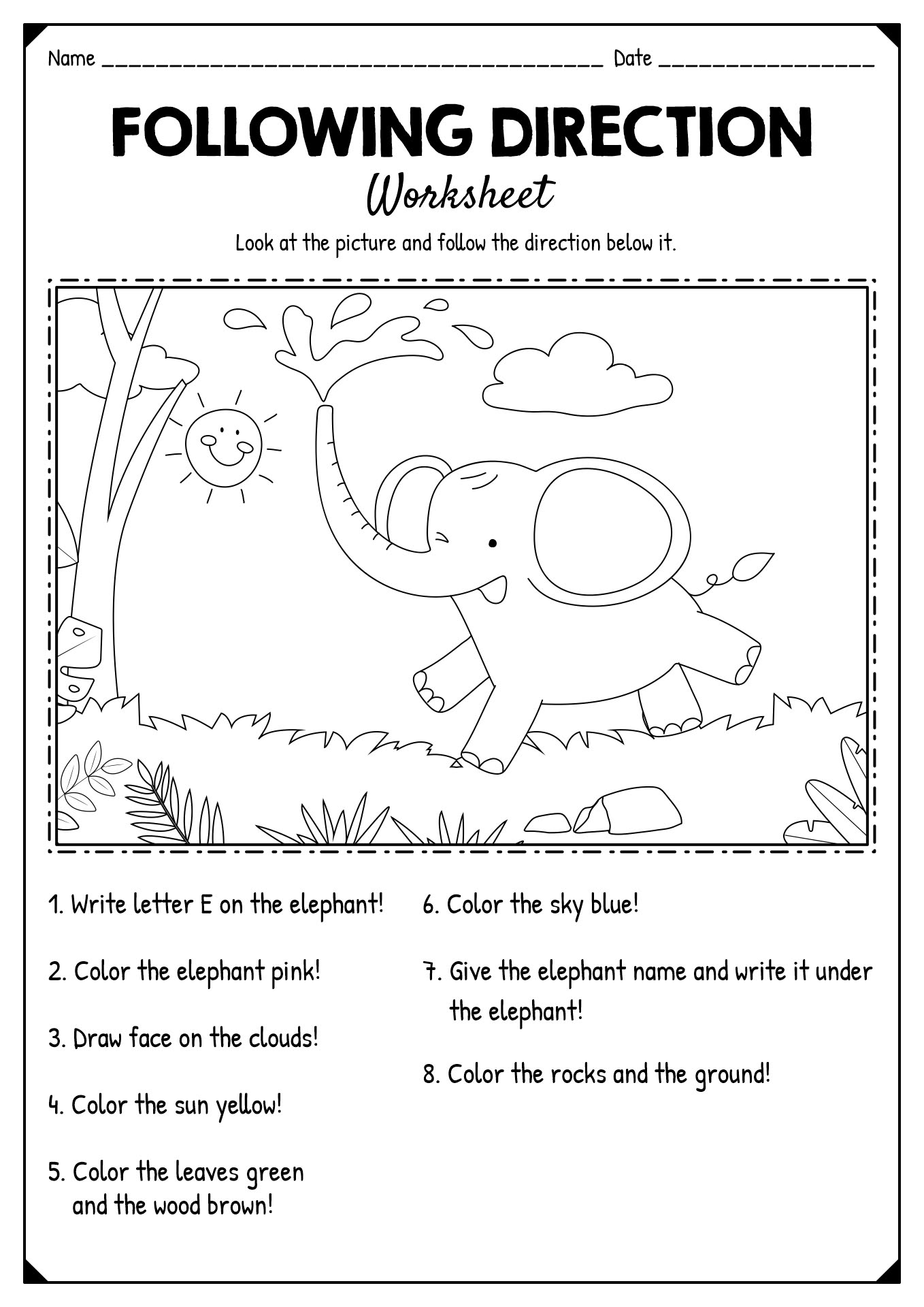
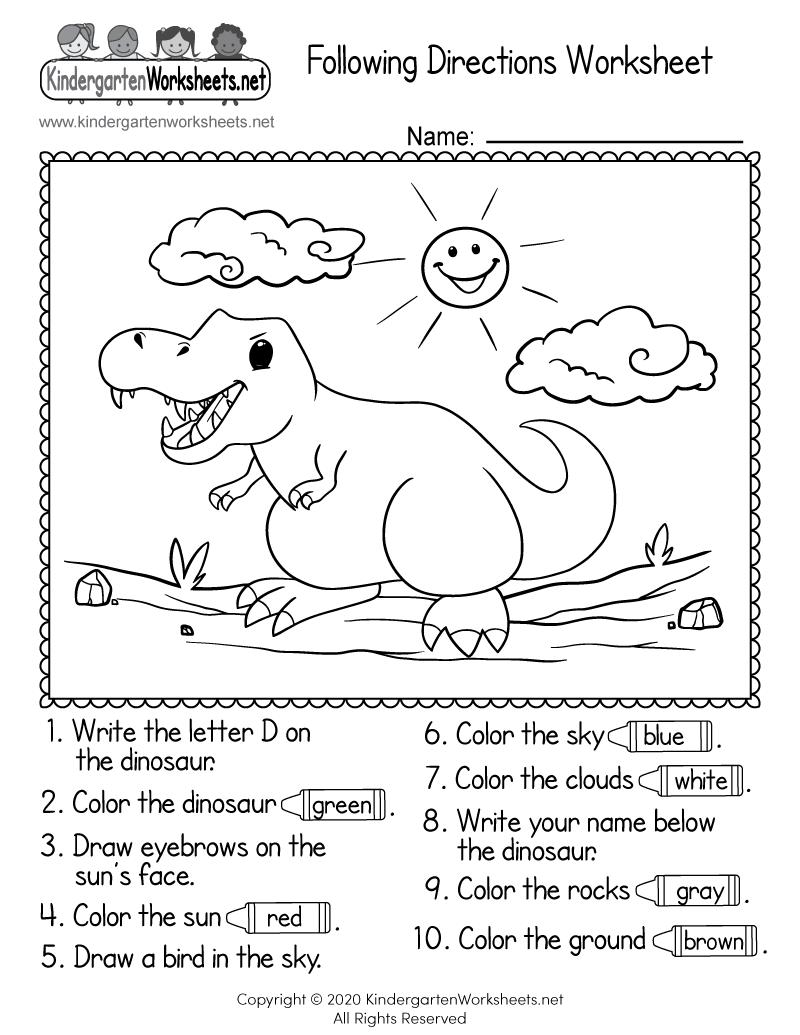
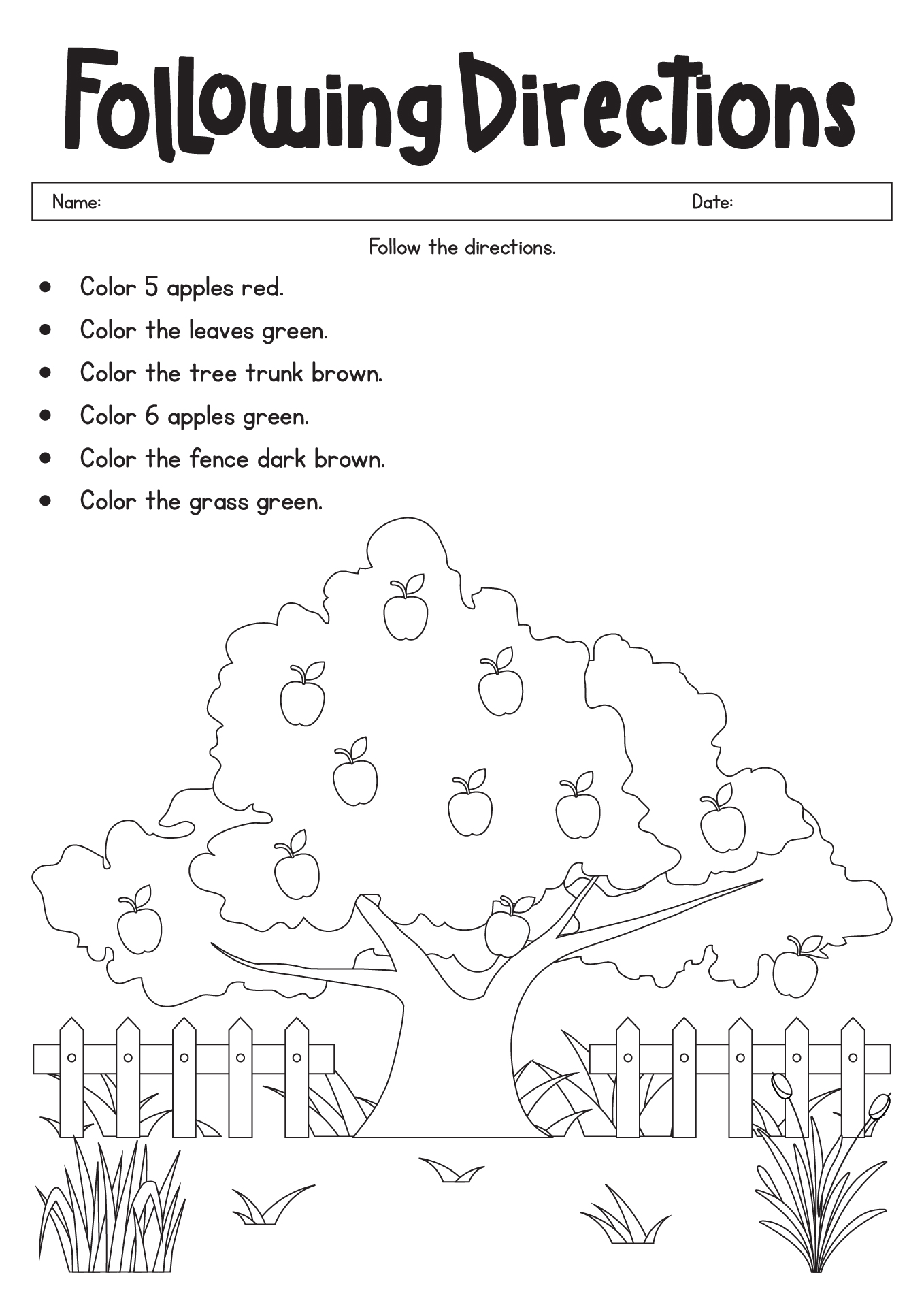
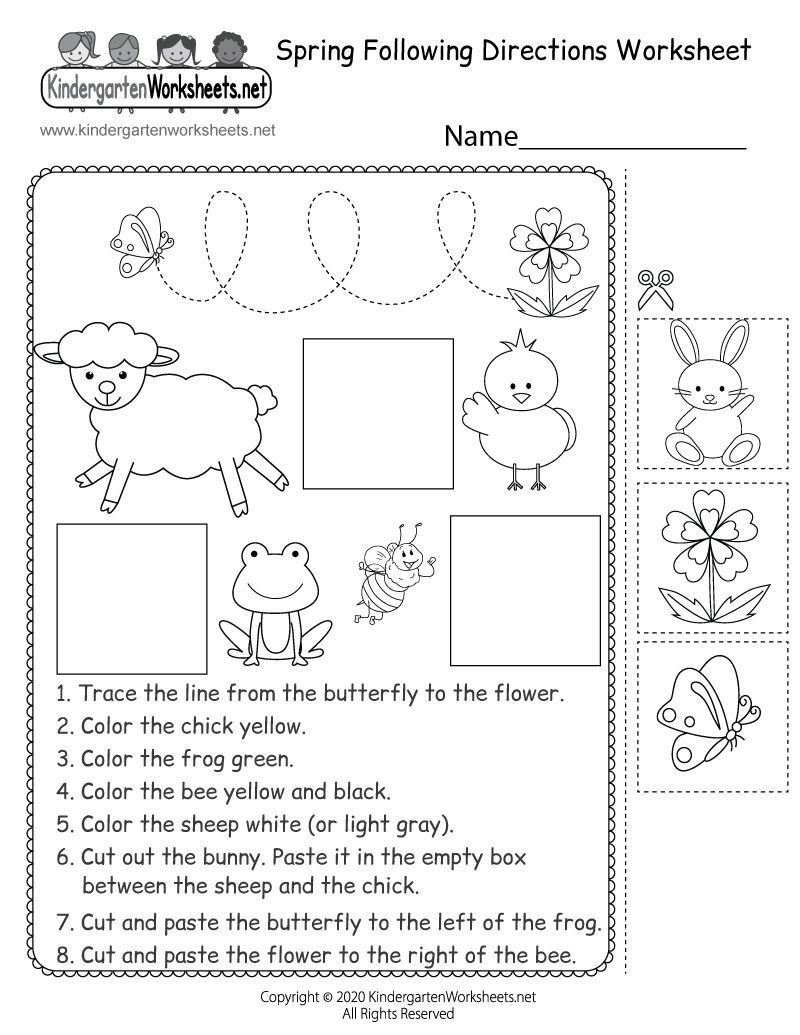
The Following Directions Worksheet For Preschoolers is thoughtfully designed with a clear and engaging layout. Typically, you’ll find sections that include a series of simple tasks accompanied by colorful illustrations. This visual aspect is not just for decoration; it plays a significant role in helping children connect the written word with images.
In general, the worksheet is segmented into a few distinct areas:
- Instructions: Simple, clear directions that are easy for young children to understand.
- Illustrations: Engaging images that correspond to the tasks.
- Response Area: A space for children to express their answers, either through drawing or writing.
For digital users, filling out the PDF on-screen can be a straightforward option. However, printing it out allows children to physically interact with the worksheet, which can be more engaging for their age group. You’ll often find that using a bright colored paper can make the activity even more exciting for them.
Types of Activities Included
The activities included in the Following Directions Worksheet For Preschoolers are designed to be both fun and educational. Here’s a breakdown of the types of activities you might encounter:
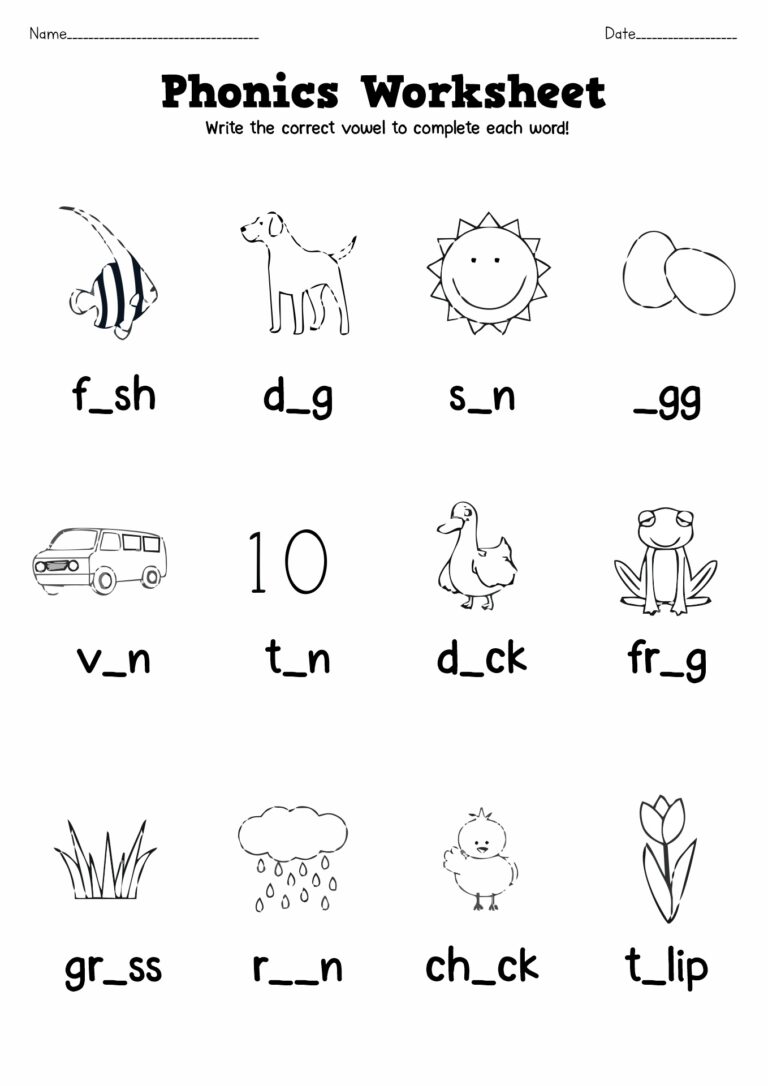
- Drawing Directions: Children may be asked to draw a specific object or character based on the directions given. This not only reinforces their understanding of the instructions but also encourages creativity.
- Coloring Tasks: Kids might be directed to color certain parts of an image, which can help improve their fine motor skills.
- Matching Exercises: Some worksheets include tasks where children must match pictures to the correct words or follow a sequence of steps to find an answer.
These activities are not only enjoyable but also serve to reinforce the critical skill of listening and comprehension. By incorporating a variety of tasks, the worksheet keeps children engaged and motivated to complete the exercises.
Tips for Using the Worksheet Effectively
To get the most out of the Following Directions Worksheet For Preschoolers, here are a few practical tips:
- Read Instructions Aloud: Often, children may struggle with reading comprehension. By reading the instructions aloud, you can ensure that they understand what is being asked of them.
- Use Visual Aids: If your child is having trouble understanding a direction, consider using additional visual aids or gestures to help clarify.
- Encourage Discussion: After completing the worksheet, take some time to discuss what they learned. Ask them questions about the tasks they performed to reinforce their understanding.
- Provide Positive Feedback: Celebrate their efforts and achievements, no matter how small. Positive reinforcement will encourage them to keep practicing.
Utilizing these strategies can significantly enhance the learning experience, making the worksheet not just a task but an enjoyable learning adventure.
Digital Vs. Print Completion
When it comes to filling out the Following Directions Worksheet For Preschoolers, you have the option of completing it digitally or printing it out. Each method has its own benefits.
- Digital Completion: Filling in the worksheet on a tablet or computer can be convenient. It allows for easy corrections and can be reused multiple times. Plus, many children enjoy using technology, which can increase their engagement.
- Print Completion: On the other hand, printing the worksheet and having children fill it out by hand can aid in developing fine motor skills. Writing or coloring with crayons or markers can be more tactile and engaging for younger children.
Consider what works best for your child’s learning style. Sometimes, a combination of both methods can be effective—using the digital version for practice and the printed version for assessments.
Where to Find Printable Resources
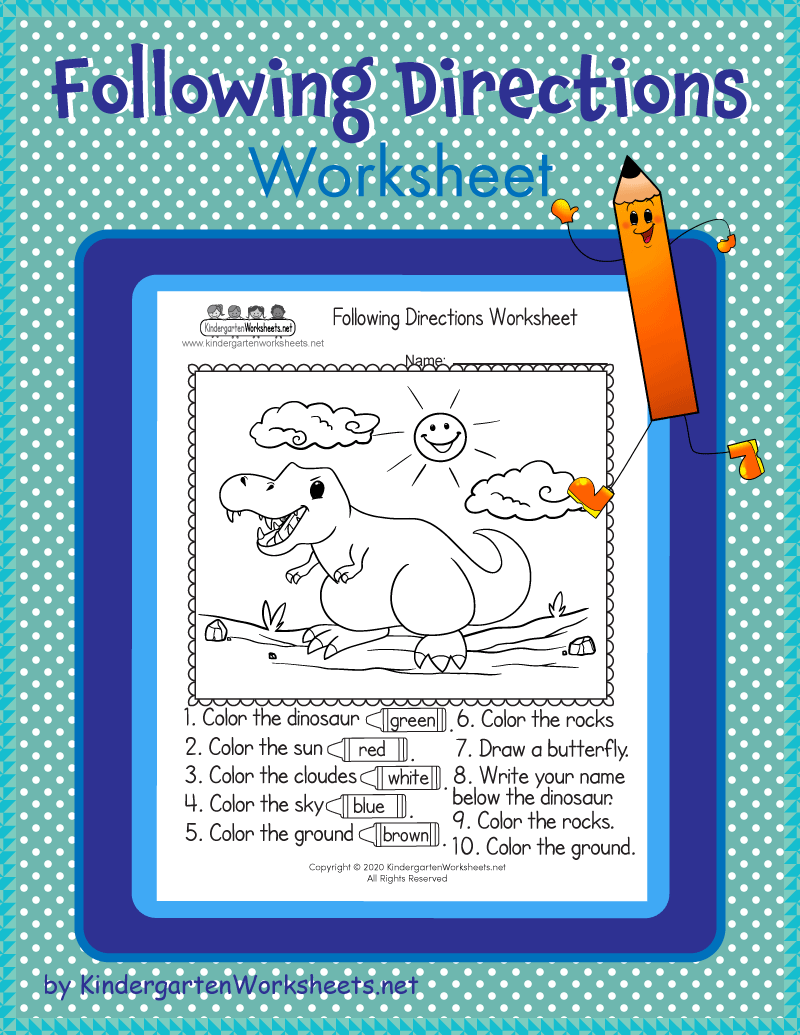
If you’re looking to find the Following Directions Worksheet For Preschoolers, there are numerous online platforms that offer printable resources. Websites dedicated to educational materials often have a wide variety of worksheets available. Here are a few tips for locating high-quality resources:
- Search Specific Educational Sites: Look for websites that specialize in preschool education. They often have a range of worksheets that align with educational standards.
- Check for Reviews: Before downloading a resource, check for user reviews or ratings. This can give you a sense of its effectiveness.
- Look for Free Downloads: Many sites offer free printable worksheets, which can be a great way to try out different activities without any cost.
By exploring these options, you can find the perfect worksheets to complement your teaching or parenting strategy.
The key to teaching preschoolers how to follow directions effectively lies in utilizing engaging resources like the Following Directions Worksheet For Preschoolers. With its child-friendly layout, diverse activities, and practical application tips, it serves as a strong foundation for developing essential listening and comprehension skills.
One important detail to remember is that regular practice can significantly improve your child’s ability to follow directions, making these worksheets a valuable addition to your educational toolkit.
Following Directions Worksheet For Preschoolers Gallery