Following Directions Worksheets For Preschool
Introducing your preschooler to the world of following directions worksheets can be a delightful experience. These worksheets are specifically designed to enhance listening skills and comprehension, making them a staple for many parents and educators. Unlike generic worksheets, the Following Directions Worksheets For Preschool are tailored to include engaging visuals and age-appropriate tasks that keep little ones interested while learning.
What Are Following Directions Worksheets?
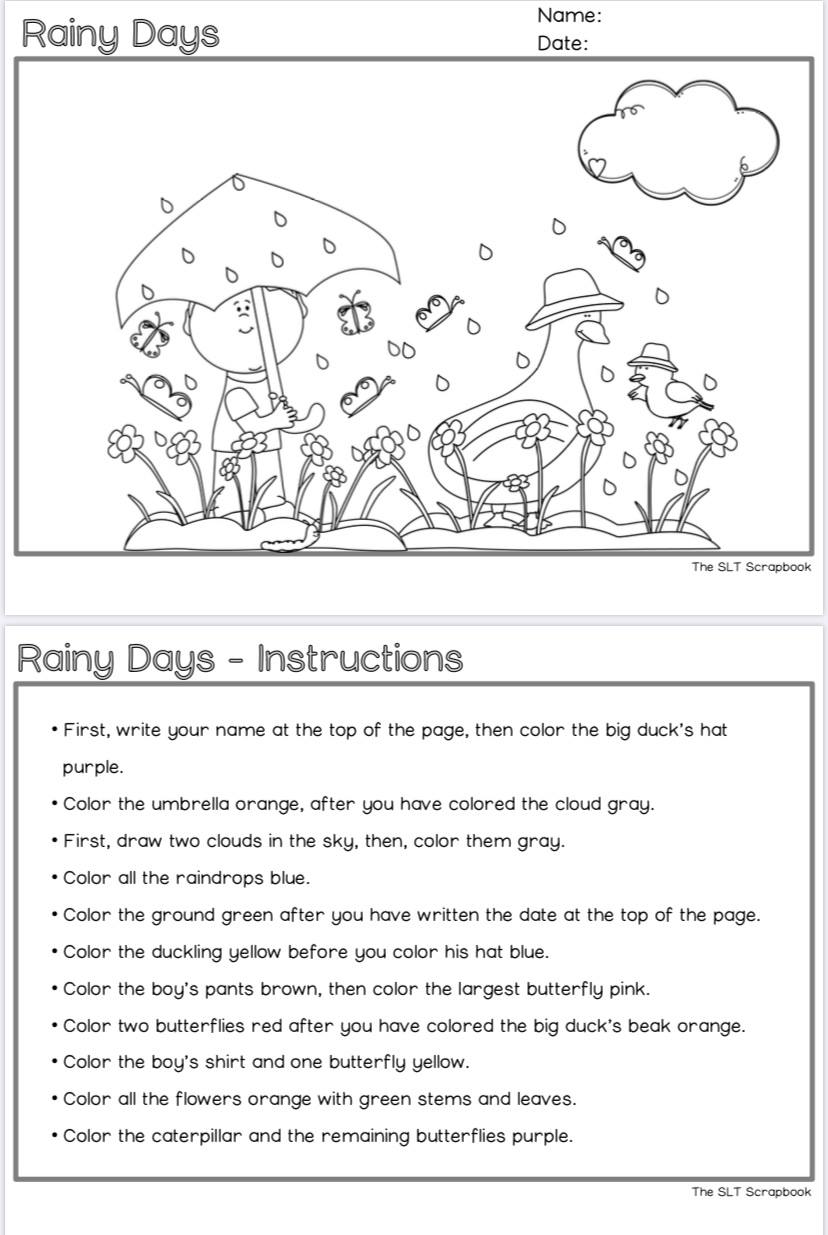
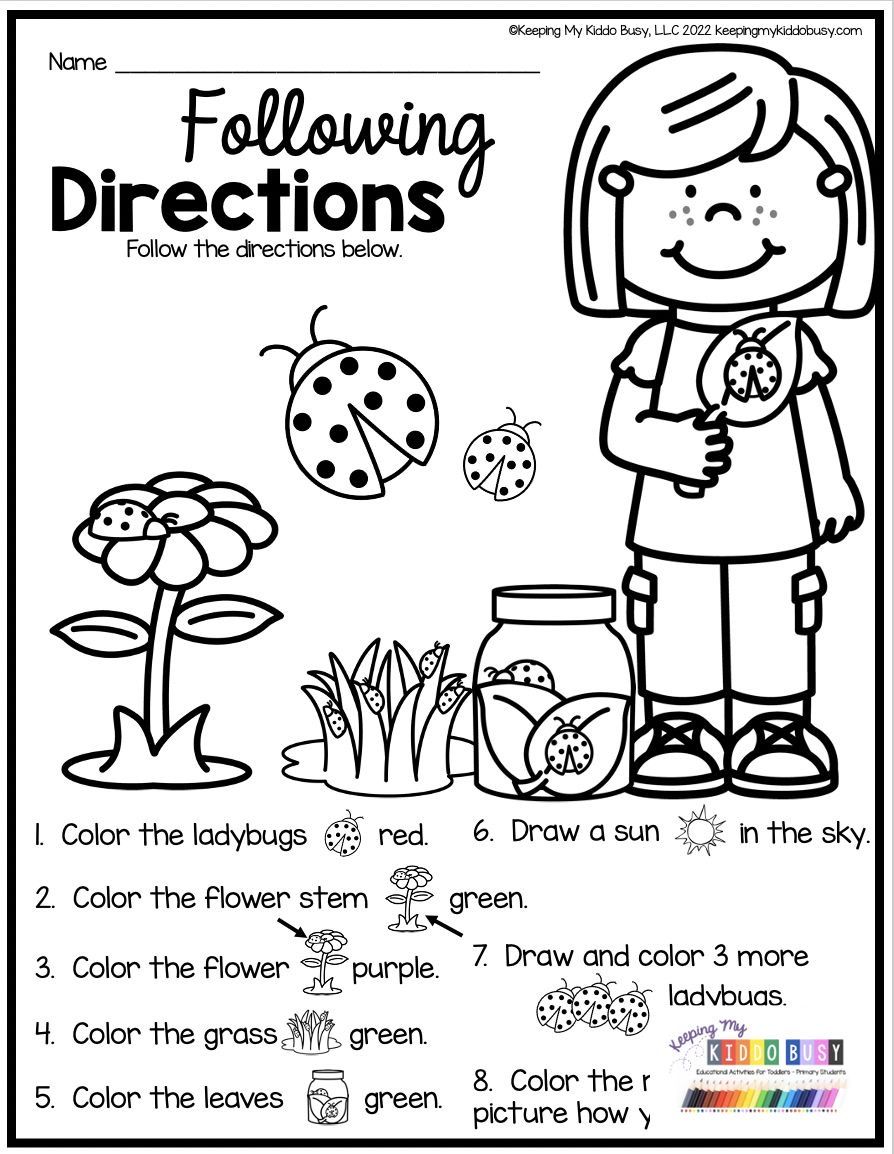
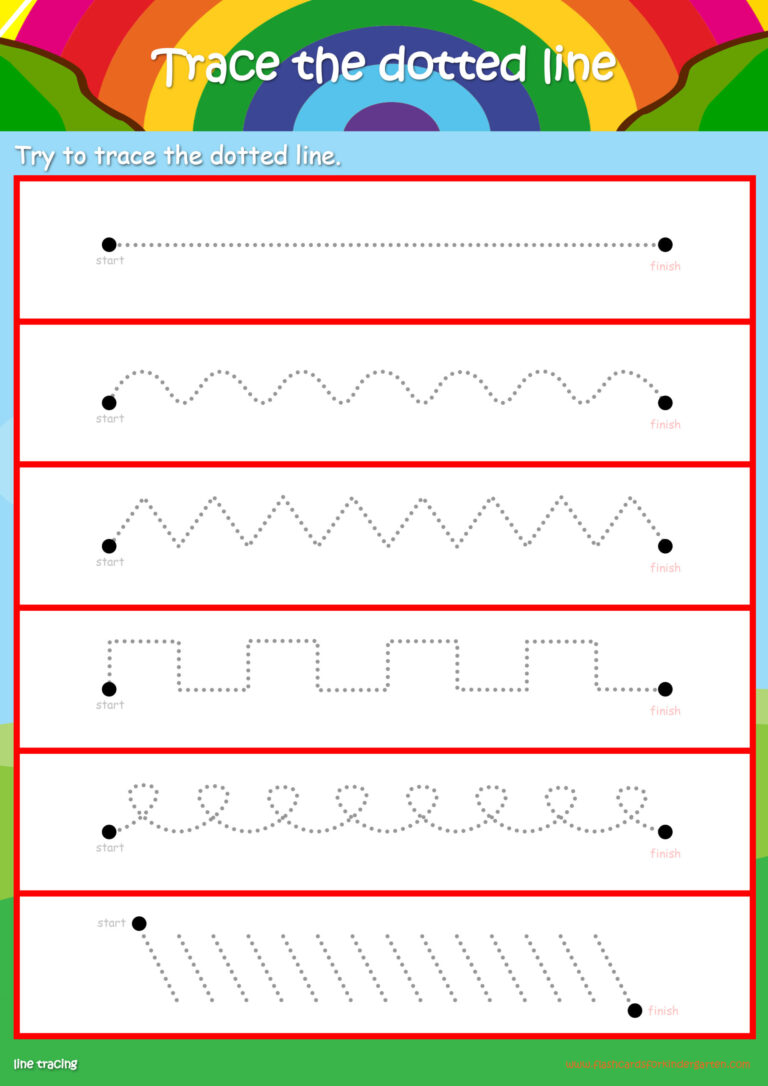
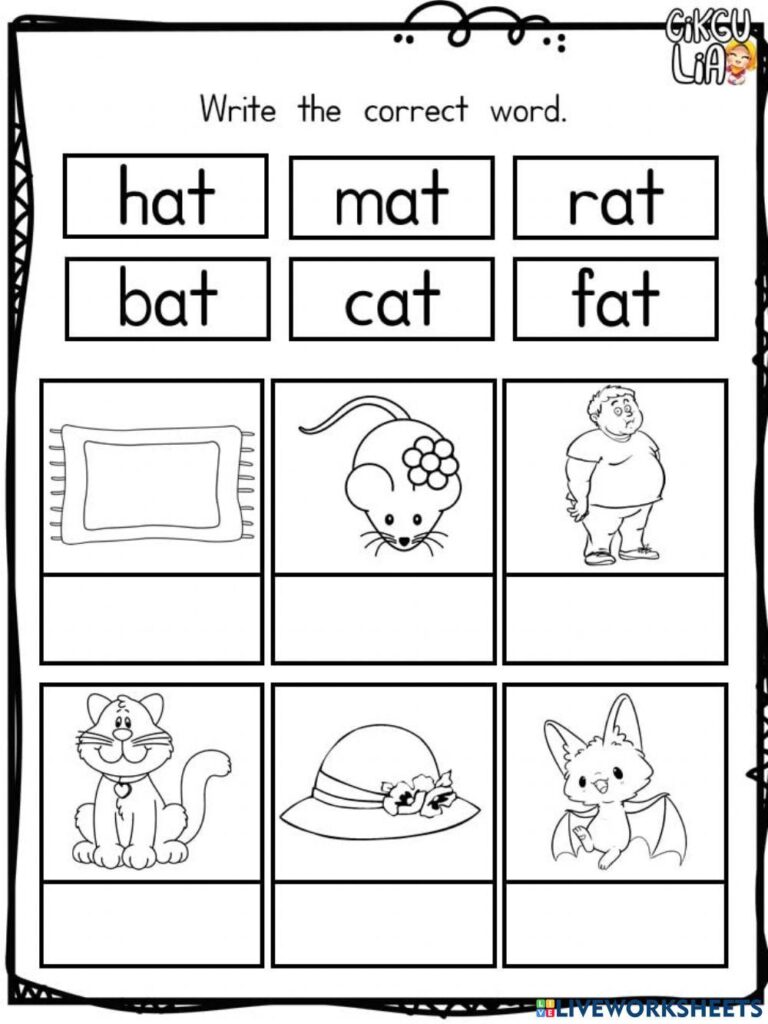
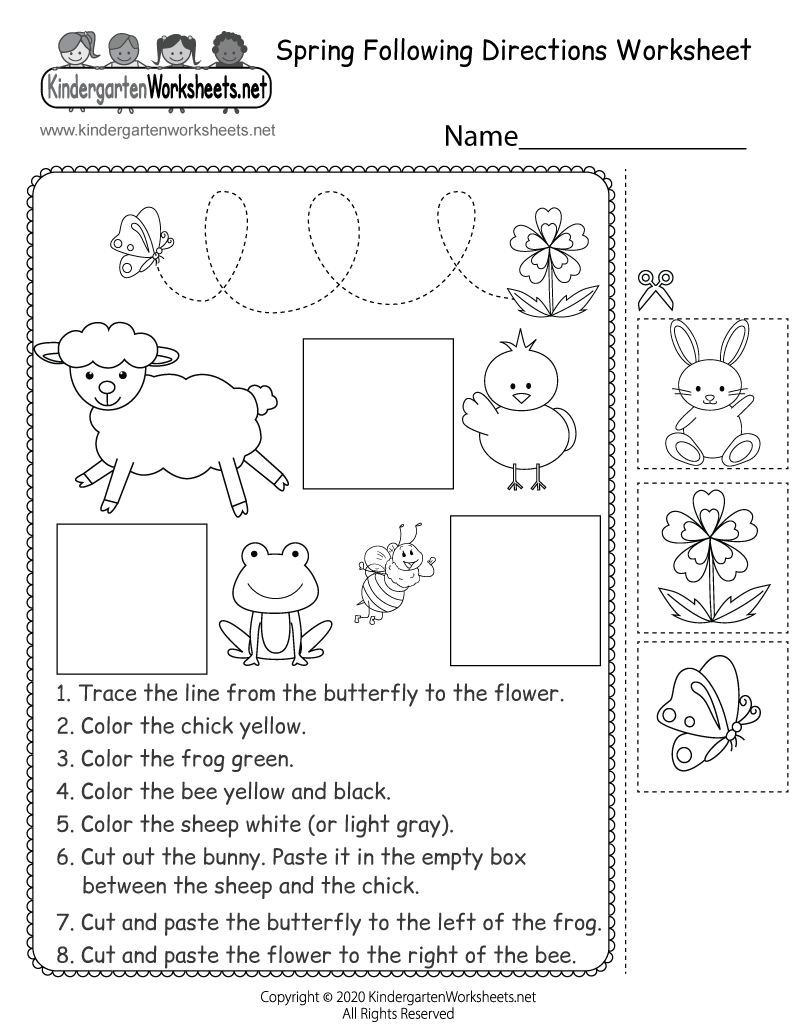
Following directions worksheets are educational resources that help young children learn to listen carefully and follow instructions. These worksheets typically include a series of directions that children must complete, such as “circle the cat” or “draw a square.” The activities not only promote listening skills but also encourage fine motor skills as children engage with writing and drawing tasks.
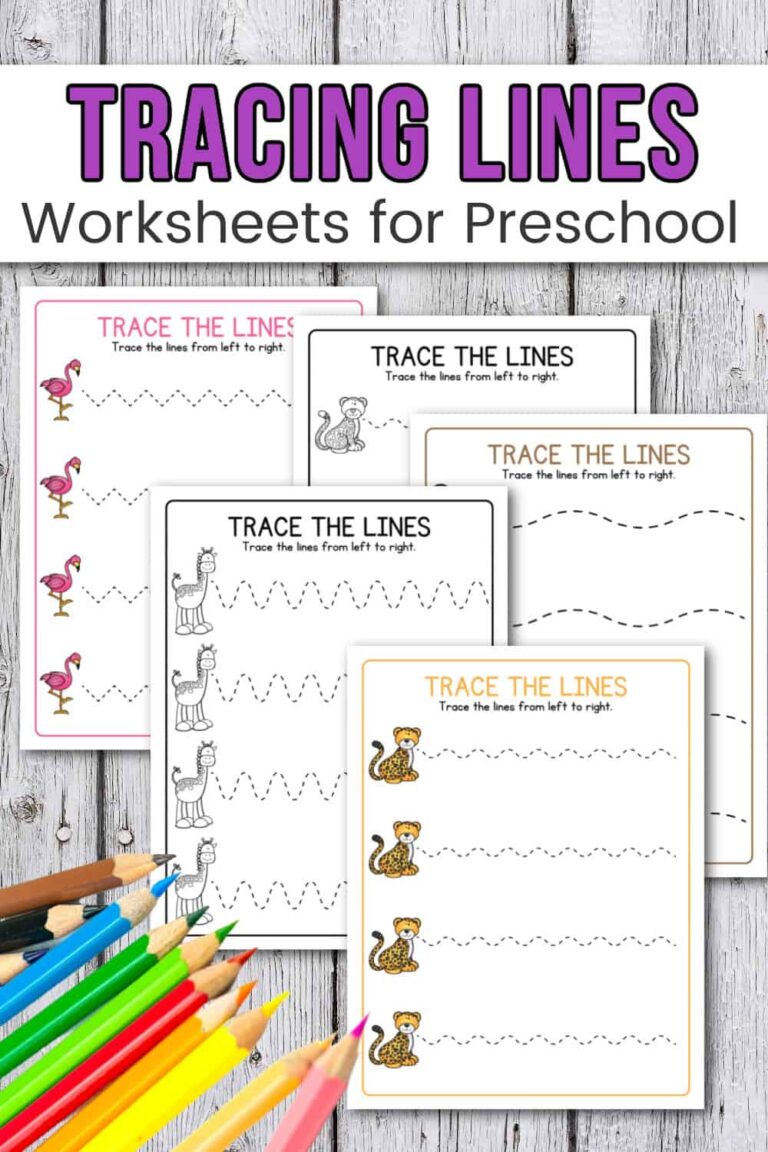
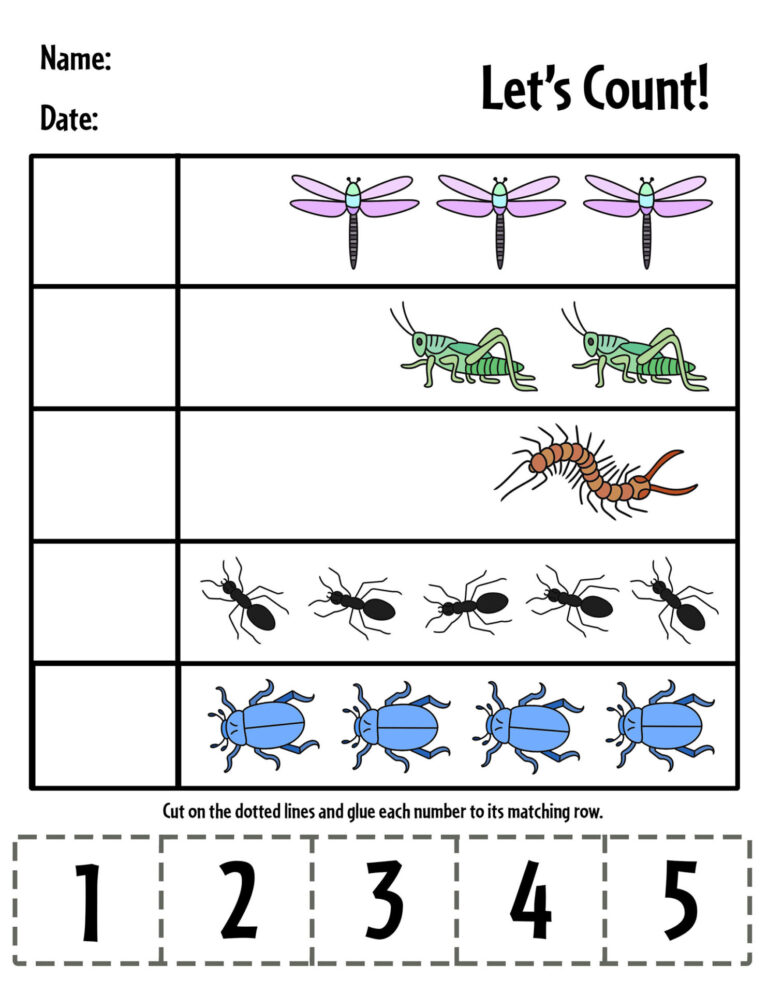
These worksheets come in various formats, often featuring colorful illustrations that capture children’s attention and motivate them to participate. By incorporating fun themes—like animals, seasons, or favorite characters—these worksheets can make learning feel like playtime.
How to Use Following Directions Worksheets
Using these worksheets effectively involves a few straightforward steps. First, ensure that you create a calm atmosphere free of distractions, allowing your child to focus on the task. Here’s a simple guide on how to implement these worksheets in your routine:
- Select the Right Worksheet: Choose a worksheet that matches your child’s skill level. For preschoolers, start with simpler tasks and gradually move to more complex directions as they gain confidence.
- Read the Directions Together: Go through the instructions with your child. This not only helps them understand what to do but also sets a positive tone for learning.
- Encourage Independence: Once your child feels comfortable, allow them to attempt the worksheet on their own. This fosters a sense of achievement when they complete the tasks.
- Review the Answers: After they finish, review their work together. Praise their efforts and discuss any mistakes, guiding them to understand the correct directions.
Features of Effective Worksheets
When looking for following directions worksheets, several key features can enhance their effectiveness:
Age-Appropriate Language
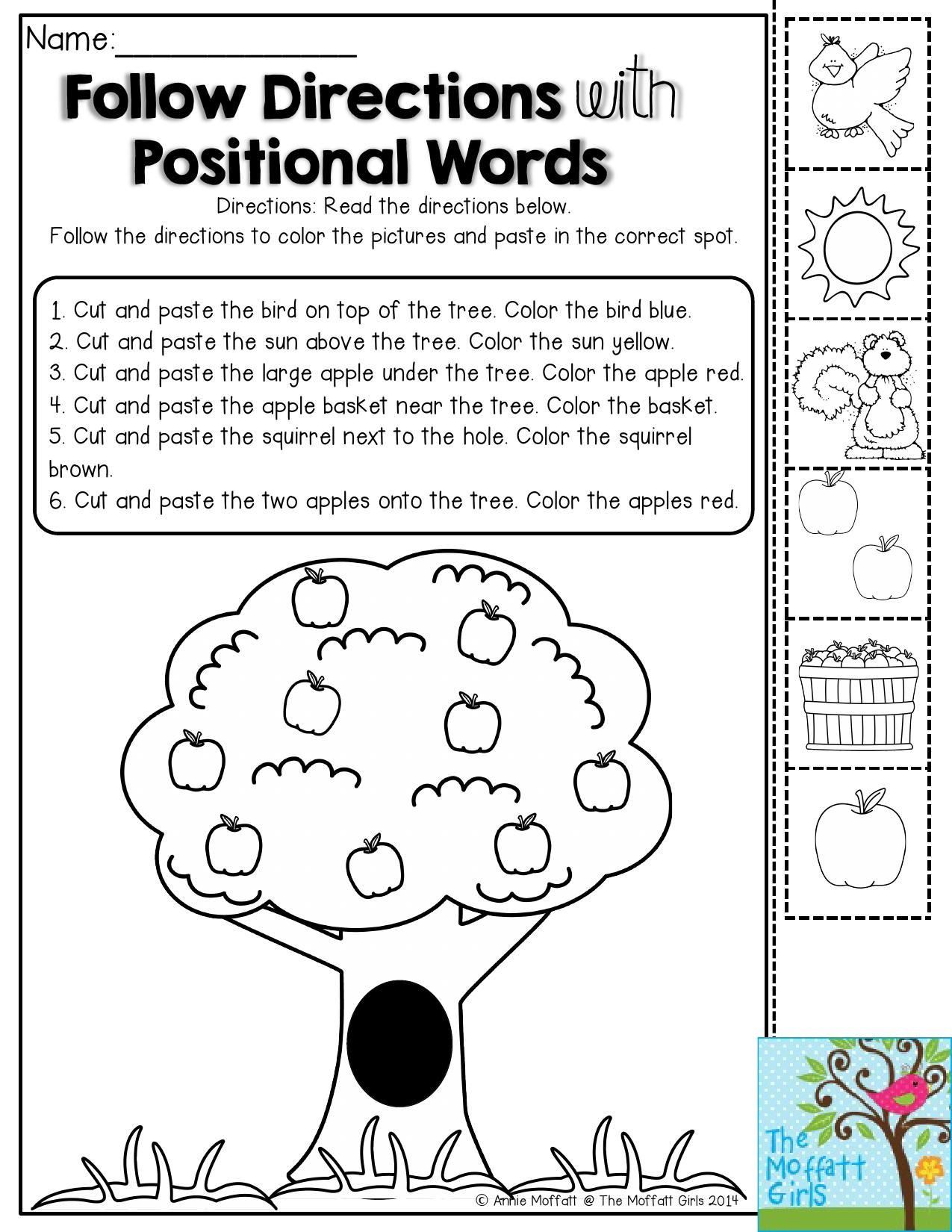
The language used should be simple and clear, ensuring that preschoolers can understand without much assistance. Avoid complex vocabulary or multi-step instructions at first.
Engaging Visuals
Colorful images related to the task can hold a child’s attention and make the activity more enjoyable. Worksheets with pictures often help children visualize the instructions better.
Variety of Activities
Worksheets should include a mix of tasks—like drawing, coloring, and circling items—to keep your child engaged and cater to different learning styles. This variety can prevent boredom and enhance learning outcomes.
Clear Instructions
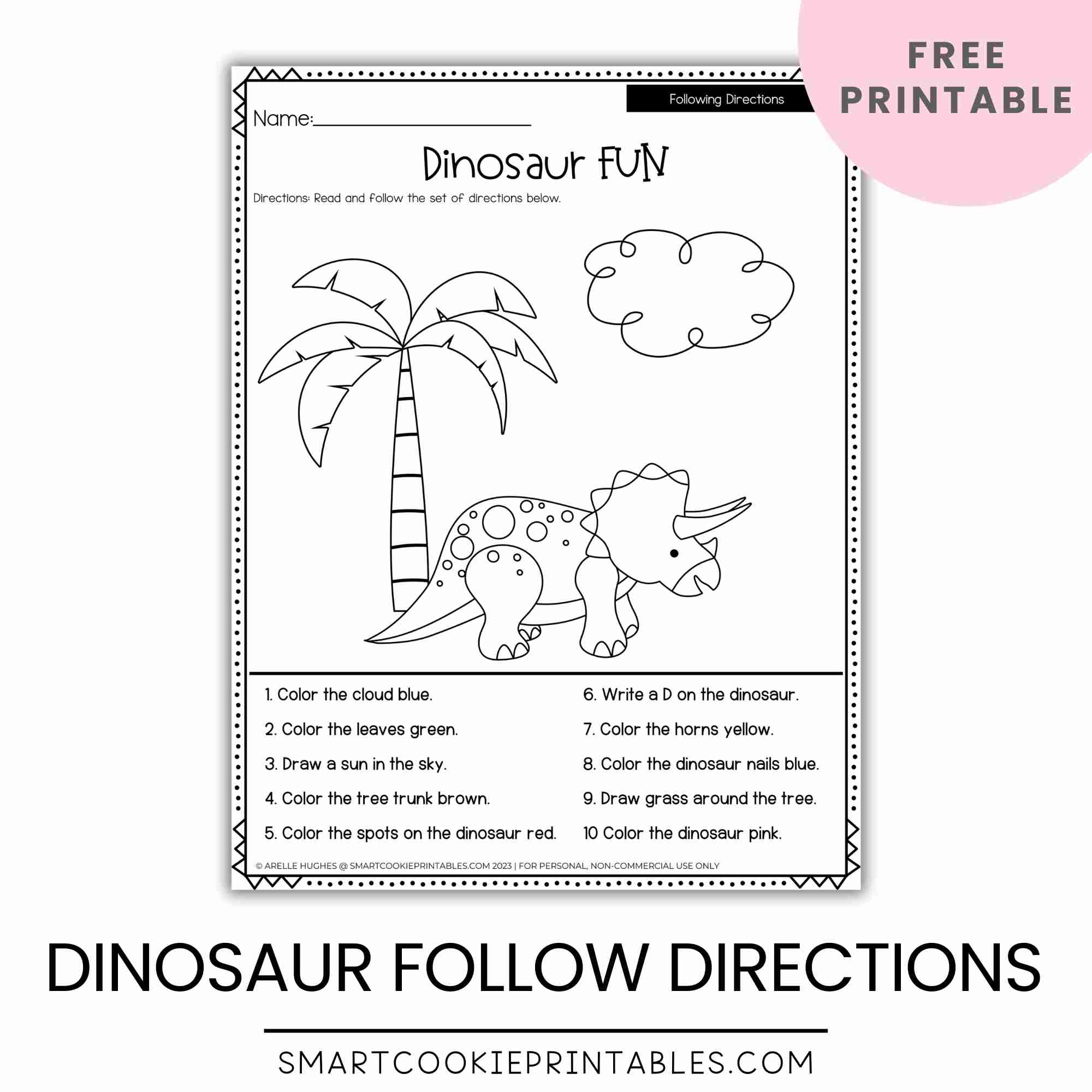
Each activity should have straightforward directions. For example, instead of saying “complete the task,” specify “color the sun yellow.” This clarity helps children understand precisely what is expected.
Printable Options for Home Use
Many printable resources are available for following directions worksheets, making it easy for parents to access them at home. Look for worksheets that offer the following:
- PDF Format: This format is typically easy to print and maintains quality.
- Multiple Designs: A variety of themes can keep your child interested over time. For instance, worksheets themed around holidays or animals can be particularly engaging.
- No Additional Cost: Plenty of free resources are available online, allowing you to print as many copies as needed without breaking the bank.
Incorporating Worksheets Into Daily Routines
Integrating following directions worksheets into your child’s daily routine can be seamless. Here are some tips on how to do this effectively:
- Morning Routine: Use a worksheet as part of your child’s morning activities. For example, after breakfast, they could complete a worksheet before heading to school.
- Quiet Time Activities: Designate a quiet time in your household where your child can work on worksheets. This can help them develop a routine around learning.
- Weekend Fun: Make the worksheets a fun part of weekend family activities. You could even turn it into a mini-competition where everyone completes a worksheet and shares their creations.
Benefits of Following Directions Worksheets
The benefits of using following directions worksheets extend beyond immediate listening skills. Here are a few long-term advantages:
- Cognitive Development: Following directions requires children to process information, which enhances critical thinking skills.
- Boosted Self-Esteem: Completing tasks independently can significantly boost a child’s confidence in their abilities.
- Enhanced Communication Skills: Regularly engaging with directions improves a child’s ability to understand and respond to verbal instructions, an essential skill in both academic and social settings.
Selecting the Right Paper and Printer Settings
When printing following directions worksheets, consider these practical tips to ensure the best results:
- Paper Quality: Using standard printer paper (8.5″ x 11″) is often sufficient. However, if your child will be using markers or watercolor, opt for heavier cardstock to prevent bleed-through.
- Print Settings: Use the “Best” quality setting on your printer to ensure that colors are vibrant and details are clear. This can make the worksheets more appealing to your child.
- Orientation: Most worksheets are designed with portrait orientation, which fits standard paper sizes well. Ensure your printer settings reflect this for the best output.
Incorporating following directions worksheets for preschool into your child’s learning journey can be a rewarding experience. With engaging activities, thoughtful instructions, and a focus on fun, these worksheets can significantly enhance your child’s listening and comprehension skills while providing a sense of accomplishment. Remember to celebrate their successes and keep the learning experience enjoyable and stress-free. And don’t forget to look for themed worksheets that can align with holidays or seasons, adding another layer of excitement to their learning!
Following Directions Worksheets For Preschool Gallery