Food Tracing Worksheets For Preschoolers
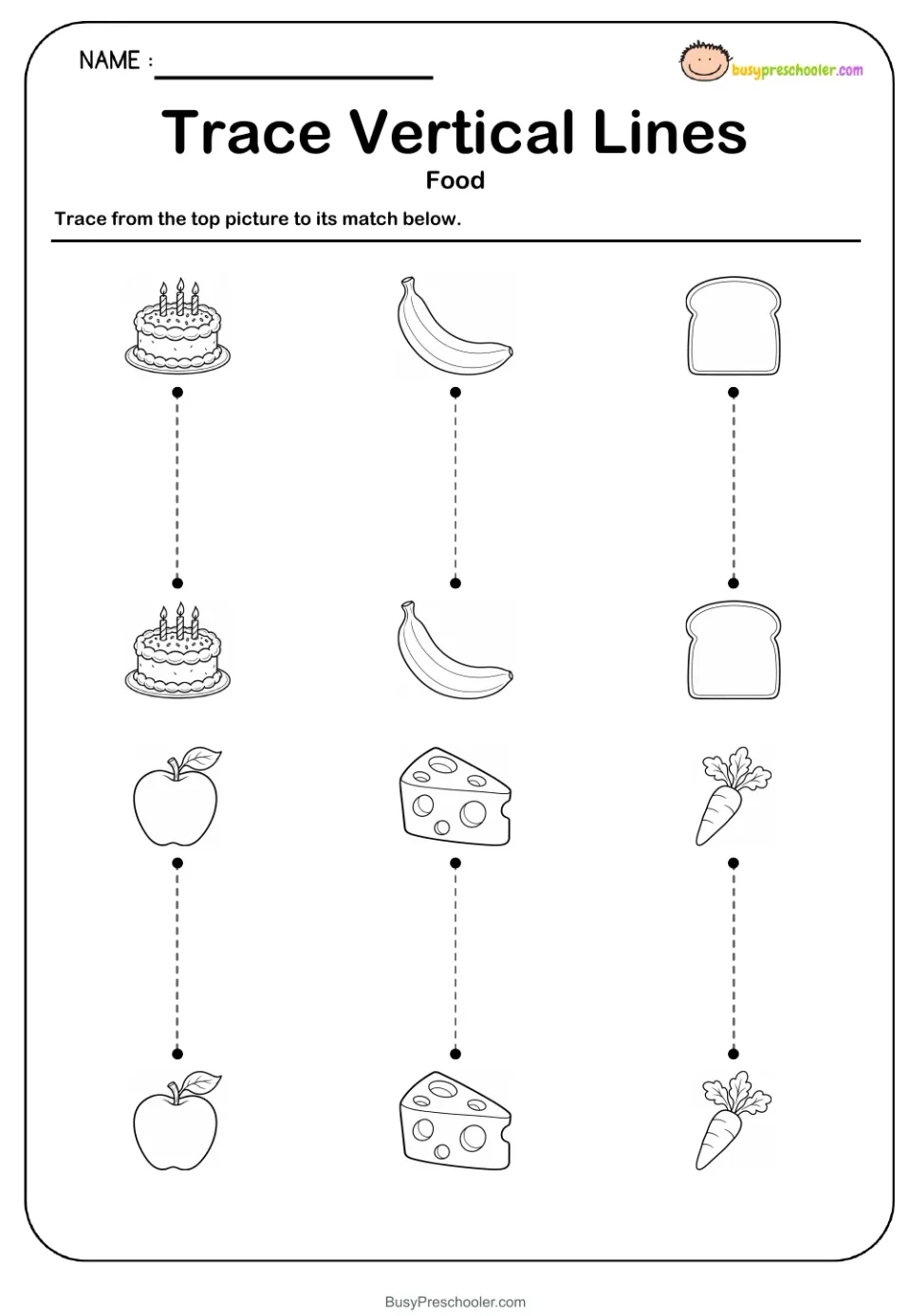
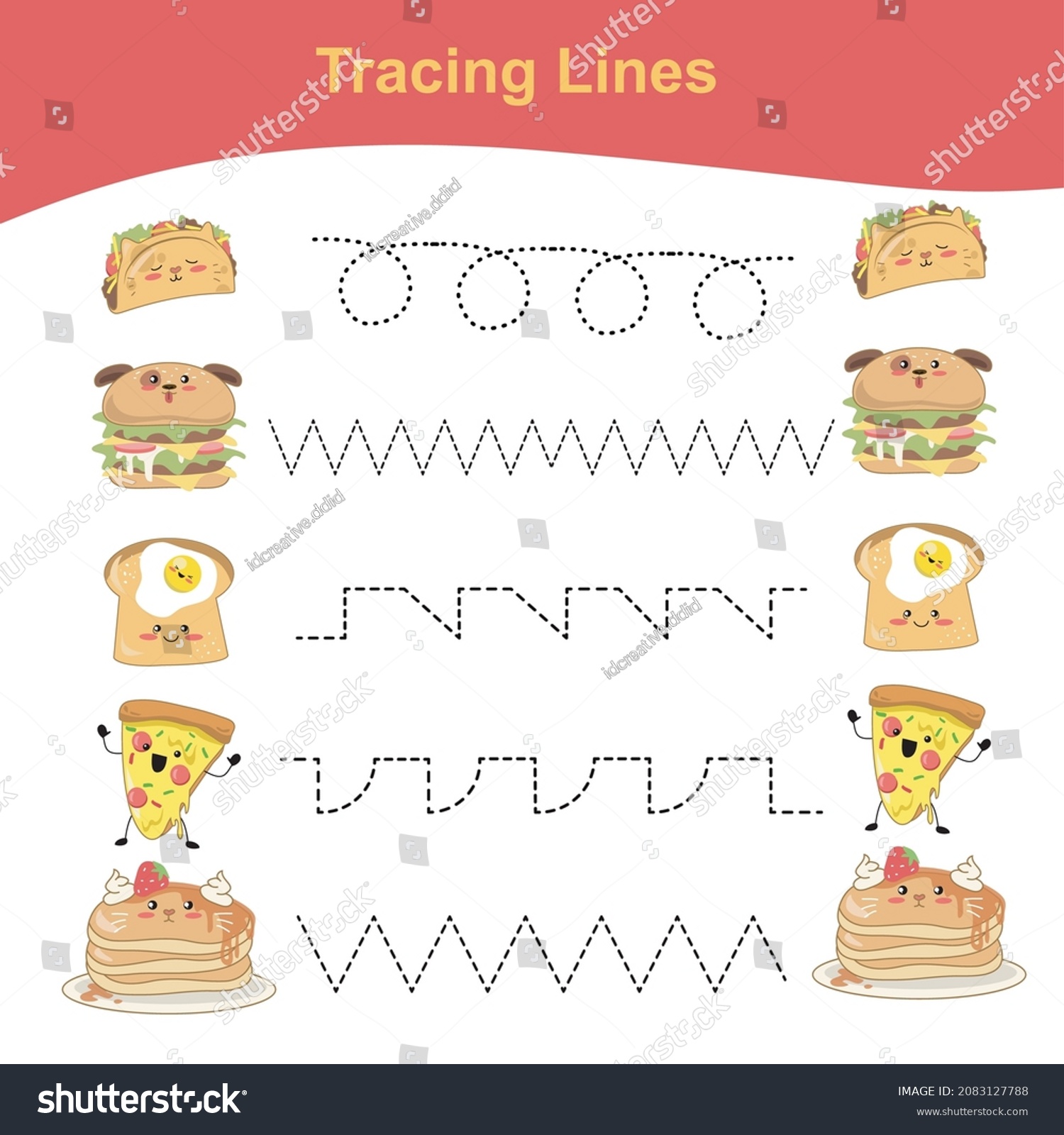
Food is a big part of our lives, and teaching preschoolers about it can be both fun and educational. One effective way to introduce children to various foods is through Food Tracing Worksheets For Preschoolers. These worksheets help little ones improve their fine motor skills while learning about different foods in a playful way. Let’s explore the benefits of these worksheets and how to make the most out of them in your home or classroom.
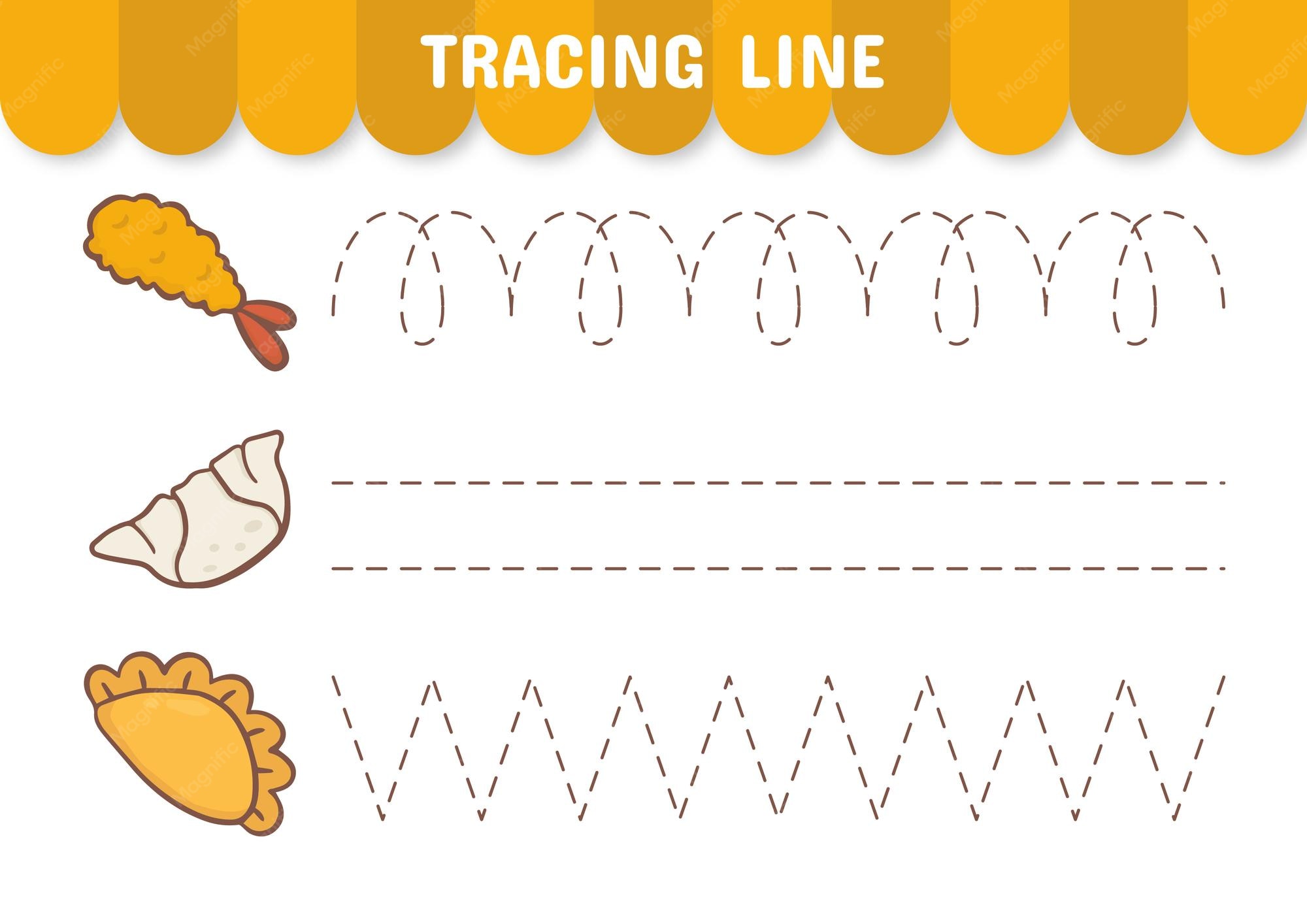
Benefits of Food Tracing Worksheets
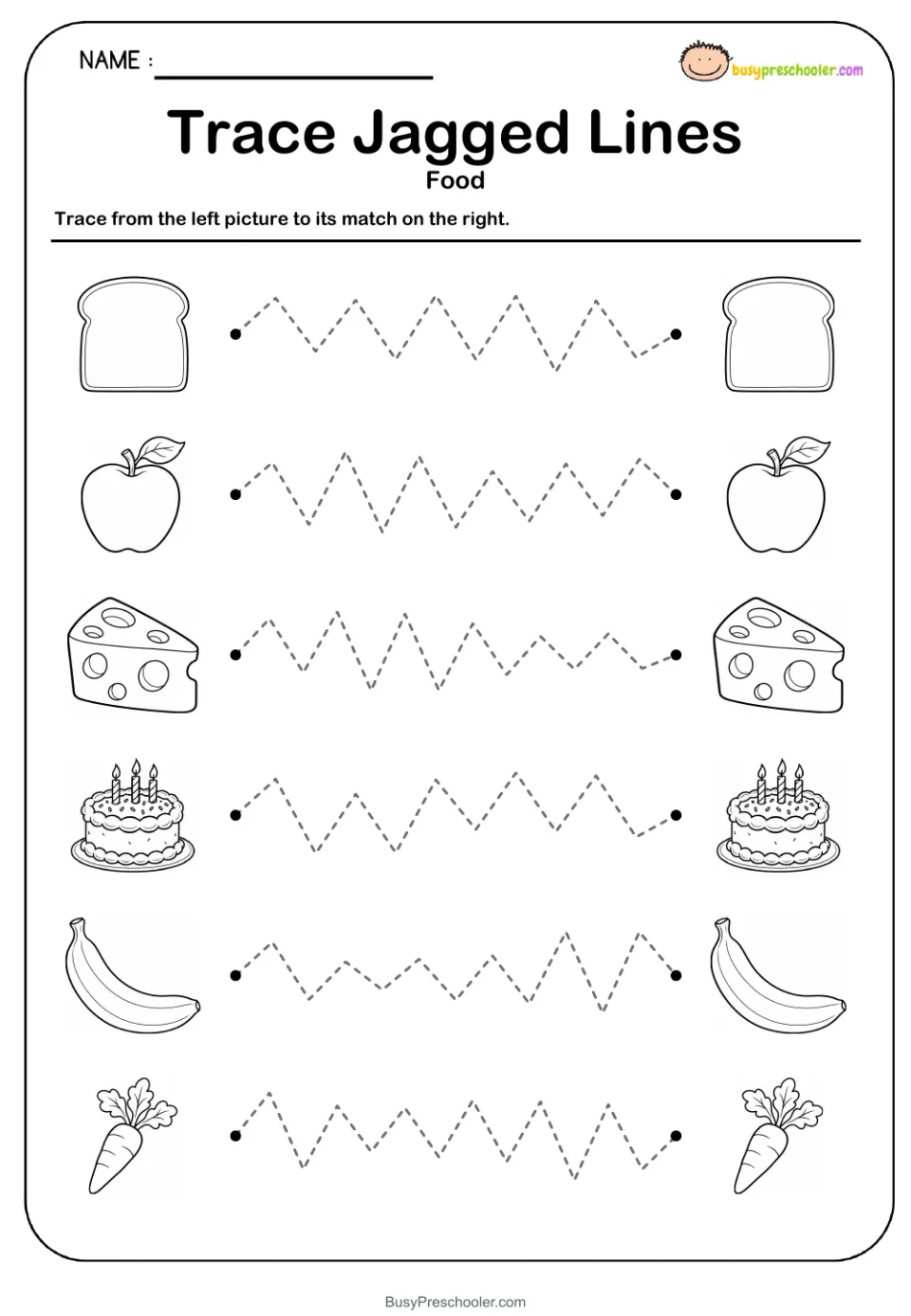
Food tracing worksheets offer a range of benefits for preschoolers. Here’s why they deserve a spot in your educational toolkit:
- Fine motor skill development: Tracing helps strengthen hand-eye coordination and dexterity. As kids follow the lines, they’re practicing important skills they’ll need for writing.
- Cognitive engagement: Identifying different foods as they trace fosters recognition and vocabulary building. It can spark conversations about healthy eating habits too.
- Creativity and expression: Many worksheets feature fun designs that allow kids to color in their traced foods. This adds a creative element that makes learning enjoyable.
- Structured learning: These worksheets provide a structured activity that can fit into your daily routine, making learning consistent and predictable.
Choosing the Right Worksheets
Not all worksheets are created equal, so when selecting Food Tracing Worksheets For Preschoolers, consider the following:
- Age appropriateness: Ensure the worksheets match your child’s developmental level. Look for options that offer varying complexity based on their skills.
- Variety of foods: Choose worksheets that include a range of food types—fruits, vegetables, grains, and proteins. This not only makes tracing more interesting but also introduces children to a balanced diet.
- Colorful designs: Kids are naturally drawn to bright colors and engaging illustrations. Worksheets that are visually appealing will hold their attention longer.
Setting Up for Success
Once you’ve chosen the right worksheets, it’s time to set up for a fun and productive tracing session. Here’s how:
- Gather supplies: You’ll need the worksheets printed on standard A4 or letter-sized paper. A pack of crayons, colored pencils, or markers will add a burst of creativity.
- Create a comfortable workspace: Find a quiet, well-lit area where your child can sit comfortably. A small table or desk works best to keep everything organized.
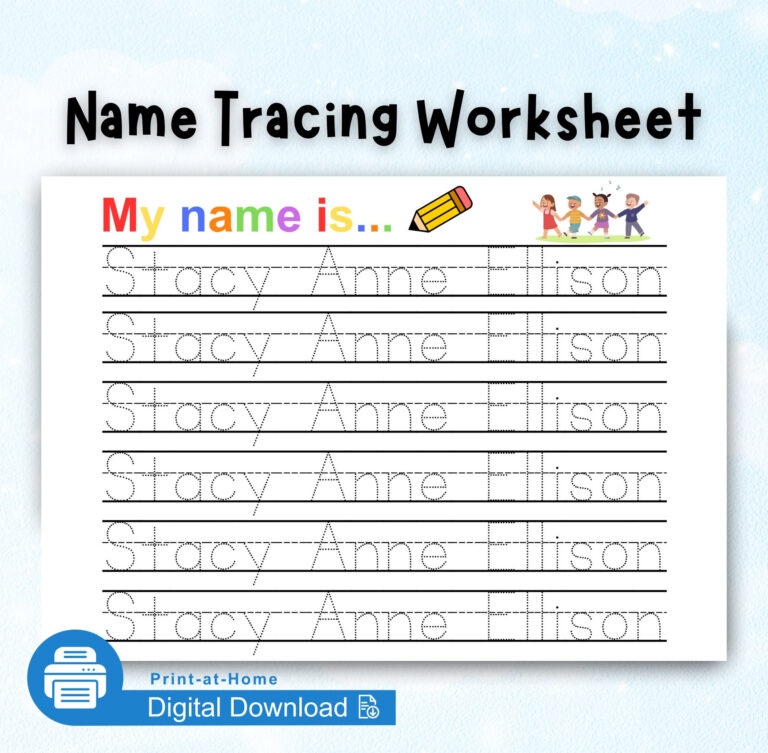
- Explain the activity: Before diving in, explain to your child what they’ll be doing. Show them how to trace the lines and encourage them to identify each food item as they go.
How to Use Food Tracing Worksheets
Using Food Tracing Worksheets For Preschoolers is straightforward. Here’s a step-by-step guide to maximize their effectiveness:
- Start with demonstration: Model how to trace the food item first. This gives your child a clear idea of what’s expected.
- Encourage tracing: Let your child take the lead. If they struggle, gently guide their hand or offer tips on how to follow the lines.
- Discuss as you go: Talk about each food item while tracing. Ask questions like, “What color is this fruit?” or “Do you like this vegetable?” This keeps them engaged and reinforces learning.
- Add a coloring activity: After tracing, encourage your child to color in the food items. This adds an extra layer of creativity and fun.
Incorporating Worksheets Into Daily Routine
To make the most of Food Tracing Worksheets For Preschoolers, consider integrating them into your daily routine:
- Morning activity: Use them as a morning warm-up before starting other lessons. It sets a positive tone for the day.
- Snack time learning: Pair the worksheets with a healthy snack. For example, after tracing apples, enjoy real apple slices together.
- Theme days: Create themed days around different food groups. One day could be all about fruits, while another focuses on veggies.
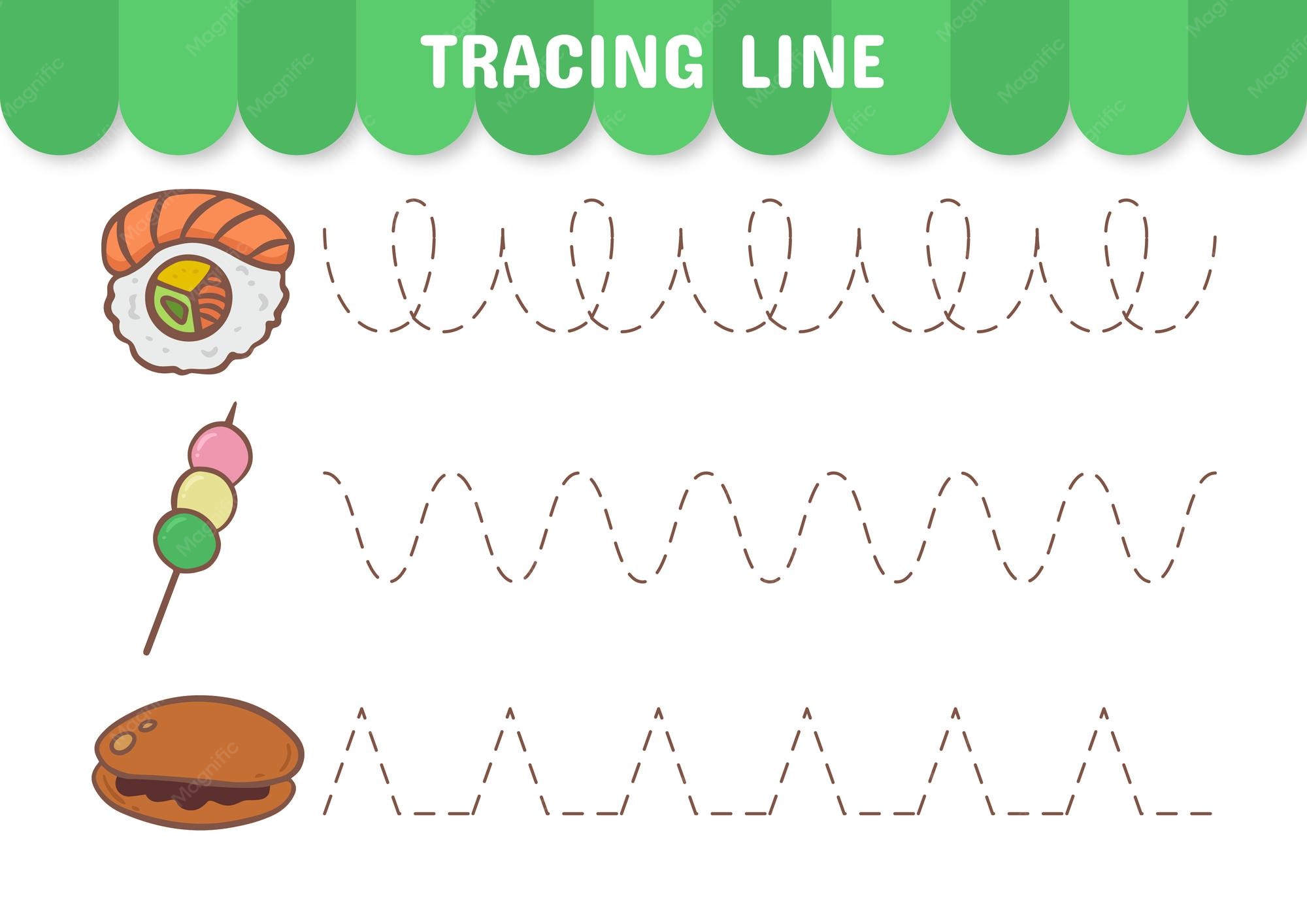
Additional Resources and Ideas
To expand your child’s learning experience, consider these additional resources and ideas:
- Food-related books: Incorporate storytime with books about food. Titles like “The Very Hungry Caterpillar” can complement the tracing activity.
- Cooking together: Get hands-on by involving your child in simple cooking or baking activities. Let them help prepare healthy snacks while discussing the nutrients in the foods they traced.
- Interactive games: Combine learning with play. Set up a mini scavenger hunt where your child finds and identifies different foods in your kitchen or at the grocery store.
By using Food Tracing Worksheets For Preschoolers, you’re not just helping them learn to write; you’re also instilling a love for healthy foods and nurturing their curiosity. Set up a fun tracing session today, and watch as your little one develops new skills while enjoying the delicious world of food! Remember, the key is to keep it engaging and interactive. Happy tracing!
Food Tracing Worksheets For Preschoolers Gallery