Food Vocabulary In Spanish Worksheets Preschool
When it comes to teaching young children a new language, especially Spanish, the right resources can make all the difference. Food Vocabulary In Spanish Worksheets Preschool are specifically designed to engage preschoolers while helping them learn essential vocabulary. These worksheets provide a structured approach to introduce food-related terms in a fun, interactive way, making learning enjoyable and effective.
Understanding the Layout of Food Vocabulary Worksheets
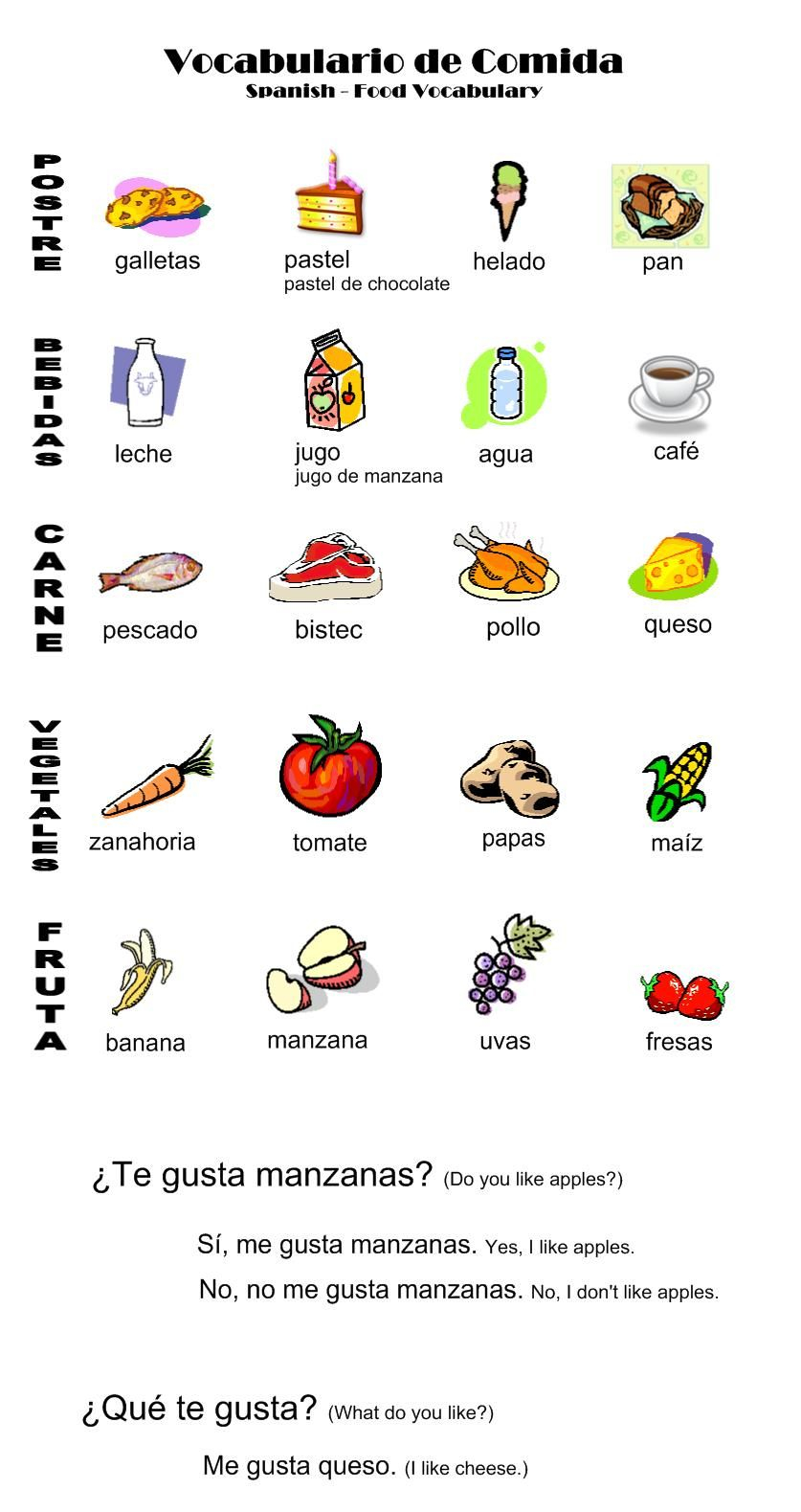
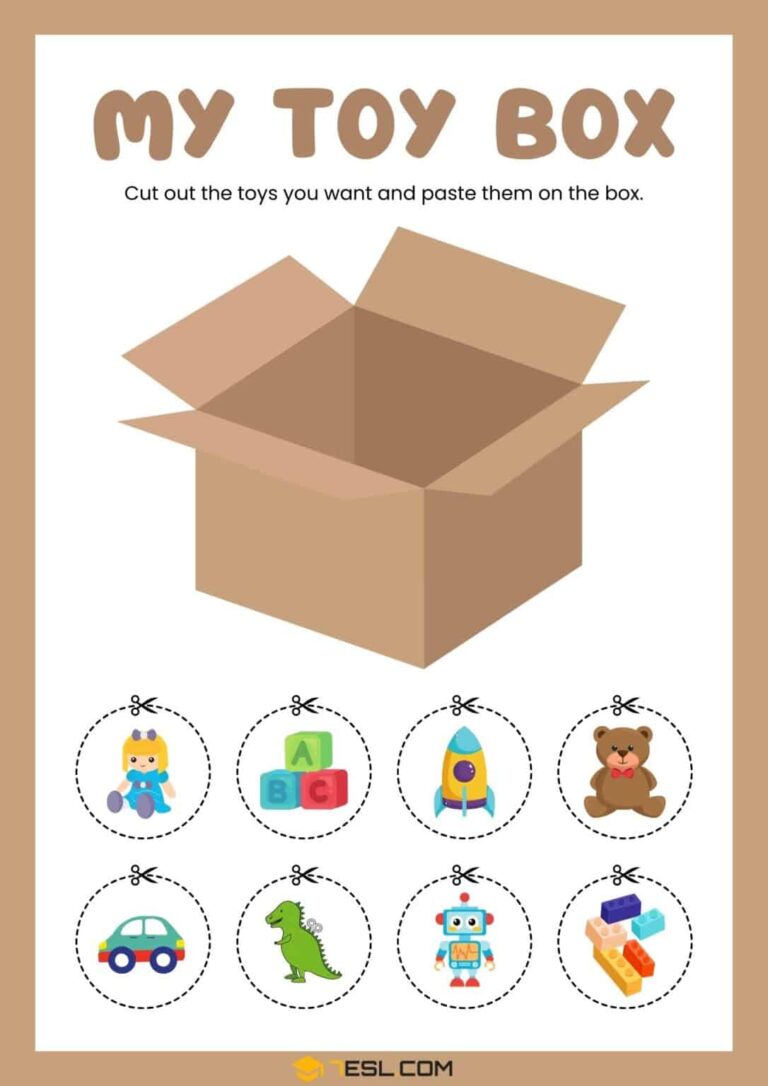
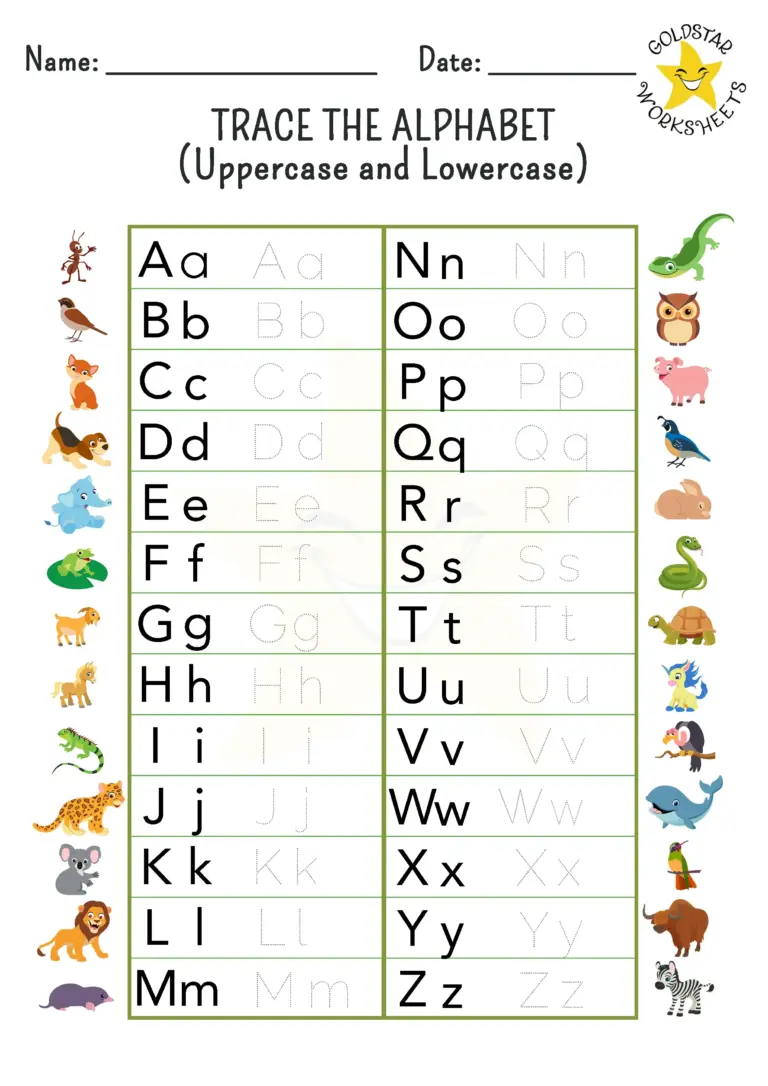
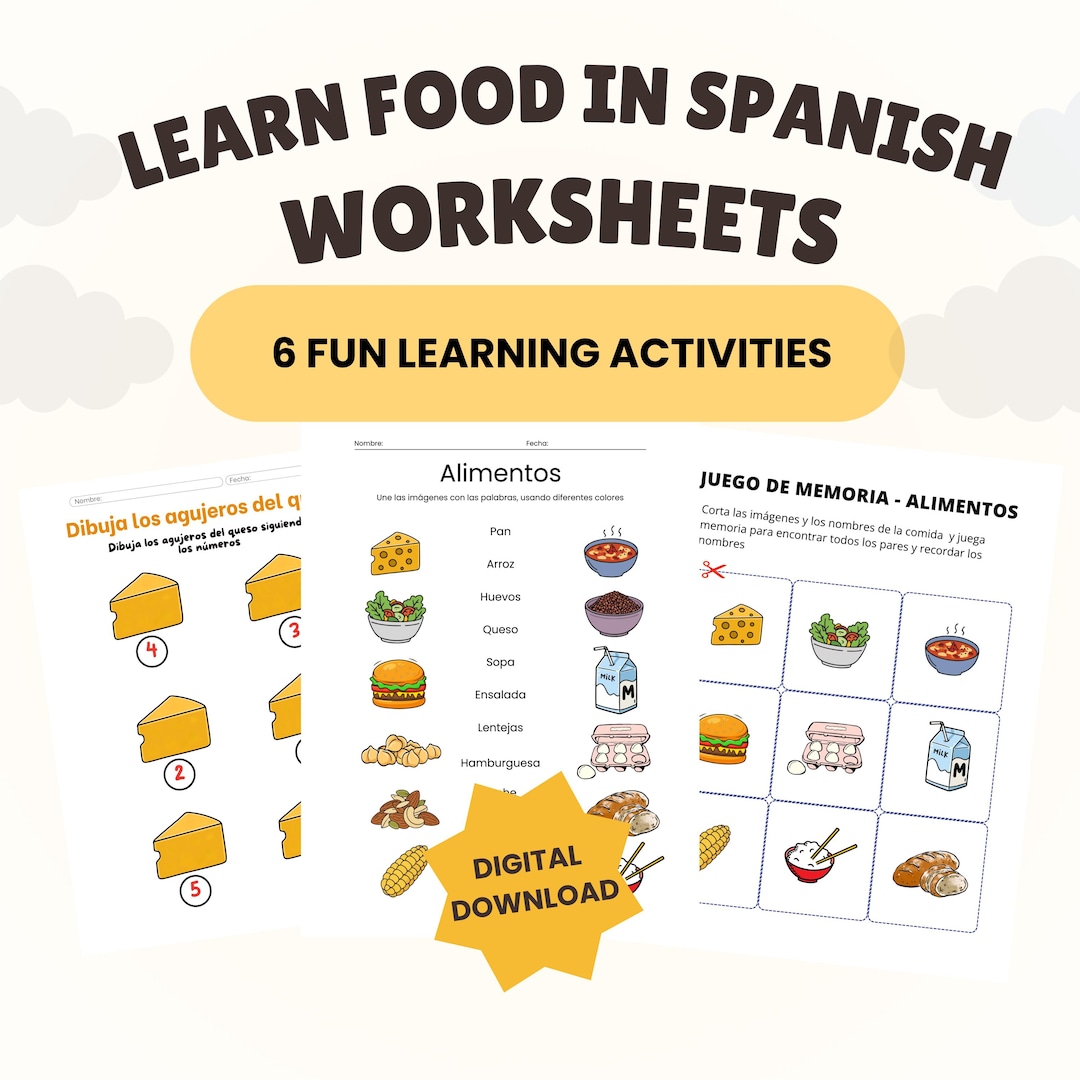
Each worksheet typically features a layout that is visually appealing and easy for young learners to navigate. Most worksheets will include images alongside the Spanish words, which helps children associate the term with its meaning. This visual connection is crucial for preschoolers, as they often learn best through pictures and colors.
The worksheets are generally divided into sections, often starting with a list of food vocabulary words. For instance, you might find sections dedicated to fruits, vegetables, and common meals. This organization aids in systematic learning, allowing children to focus on one category at a time.
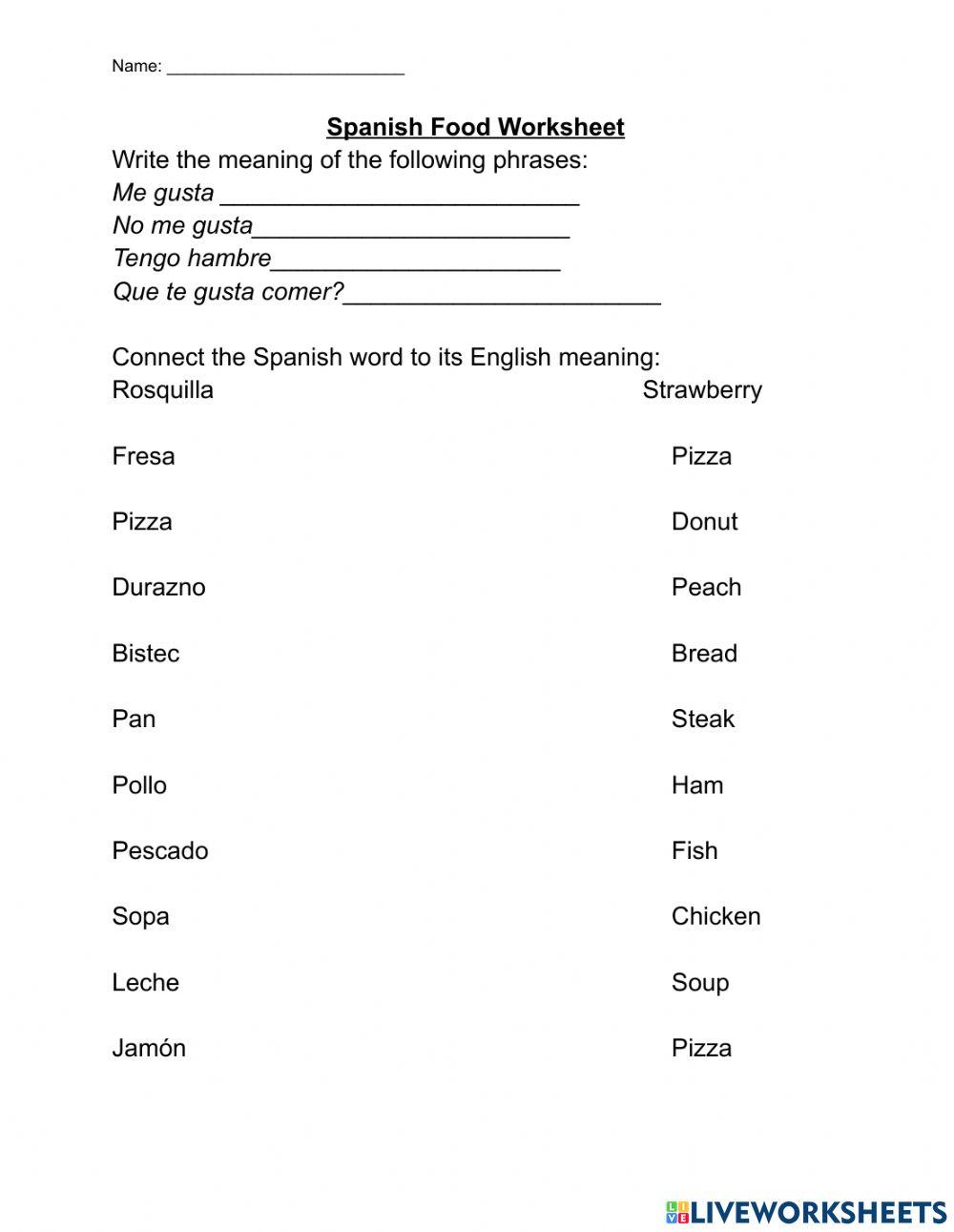
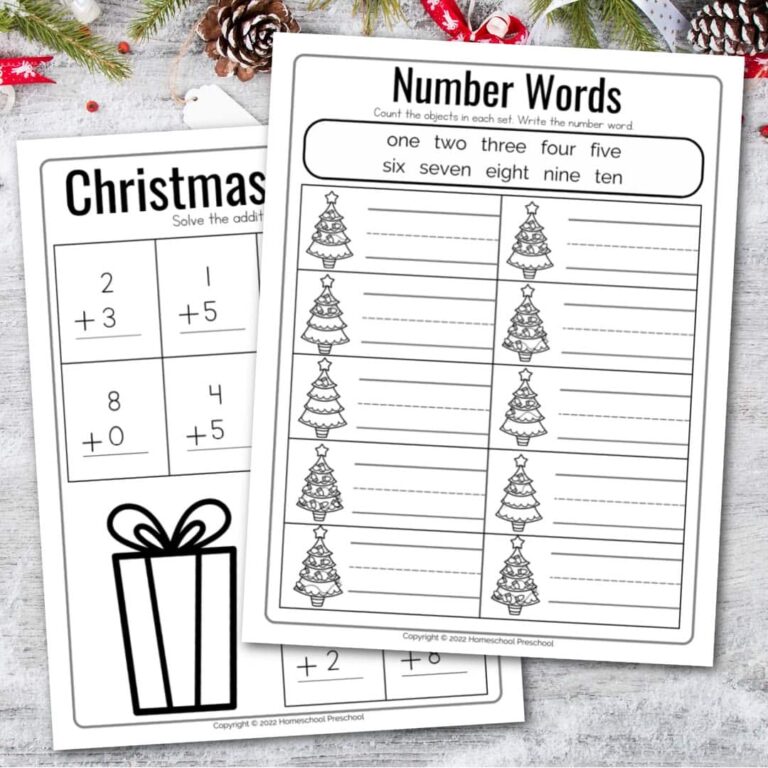
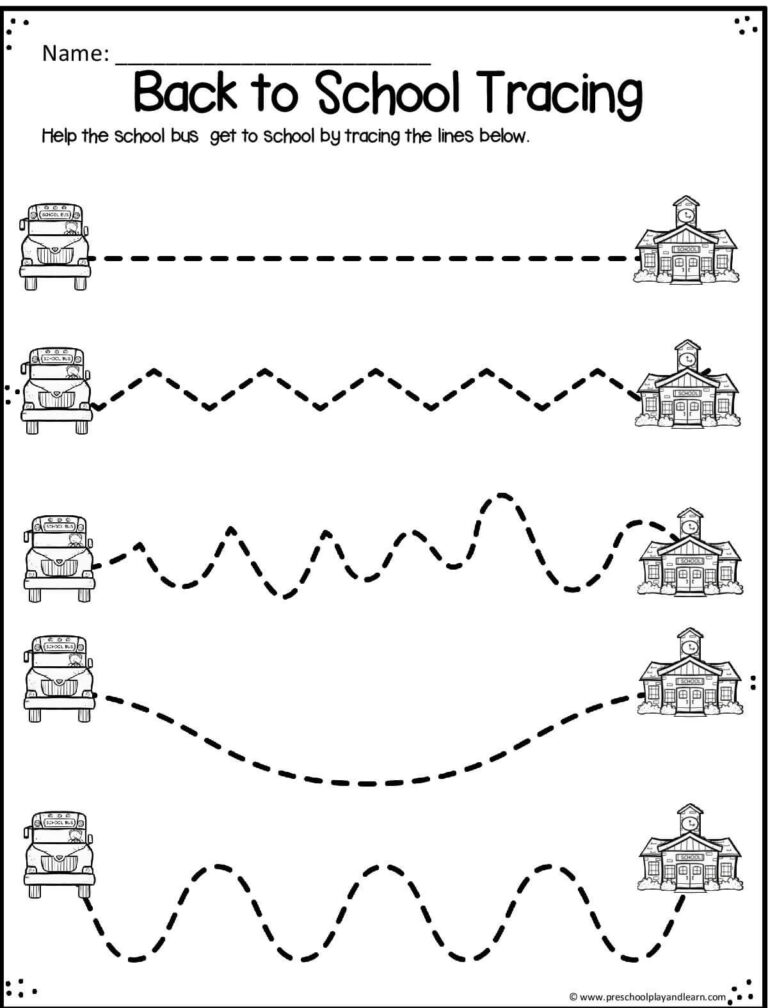
You can expect to see various activities included, such as coloring, matching, or simple fill-in-the-blank exercises. This variety not only keeps kids engaged but also caters to different learning styles.
Printable Vs. Digital Formats: Which is Best?
One of the great aspects of Food Vocabulary In Spanish Worksheets Preschool is their availability in both printable and digital formats. Each format has its own advantages depending on your teaching style and the preferences of your preschoolers.
Printable Worksheets
When you opt for printable worksheets, you can easily distribute them in a classroom or at home. Kids can physically interact with the worksheets, using crayons or markers to color in images or write words. This tactile experience can enhance memory retention.
For best results, print them on cardstock if you plan to laminate the sheets for reuse. Cardstock holds up better than regular paper and can withstand repeated handling. Portrait layout often works better for most home printers, so consider that when printing your worksheets.
Digital Worksheets
On the other hand, digital worksheets offer the convenience of being completed on a tablet or computer. They often come as fillable PDFs, allowing children to type in their answers or select options directly on the screen. This can be particularly beneficial for classrooms with limited physical resources, as it reduces paper waste.
However, some kids may find it challenging to stay focused on a screen. If you choose this route, make sure to set clear instructions on how to navigate the digital format.
Engaging Activities in Food Vocabulary Worksheets
The activities included in these worksheets are designed to reinforce learning while keeping children entertained. Here are a few common types you might encounter:
- Color and Label: Children color images of food items and write the corresponding Spanish word underneath. This reinforces vocabulary through both visual and written learning.
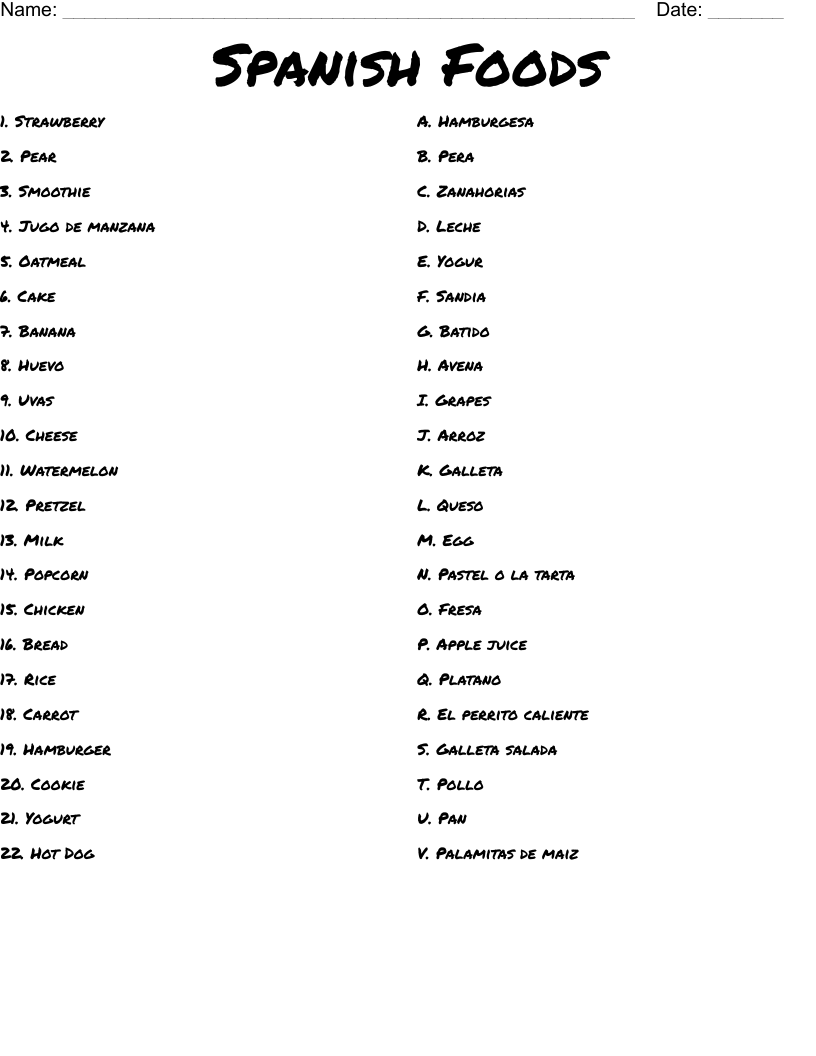
- Matching Games: Kids match pictures of food to their Spanish names. This is a fun way to test their knowledge and improve recall.
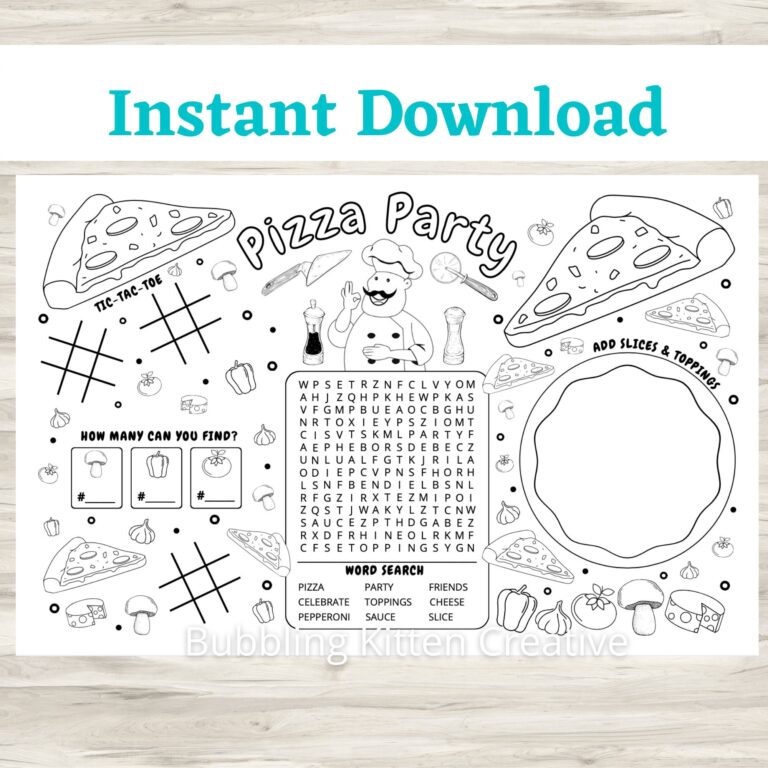
- Word Searches: These can be a delightful challenge for slightly older preschoolers, encouraging them to find and circle words from a jumbled list.
These activities not only solidify vocabulary but also develop fine motor skills and critical thinking.
Incorporating Cultural Context
Food vocabulary extends beyond just words; it opens the door to discussing cultural aspects. When teaching food vocabulary in Spanish, consider incorporating discussions about traditional dishes from Spanish-speaking countries. This enriches the learning experience, making it more relevant and interesting for children.
For example, you could introduce terms like “taco” or “paella” and share a bit about their origins. This context provides a deeper understanding of the words and fosters curiosity about different cultures. You might even plan a “Spanish food day” where kids can try simple dishes, enhancing the connection between language and real-world experiences.
Evaluating Progress With Worksheets
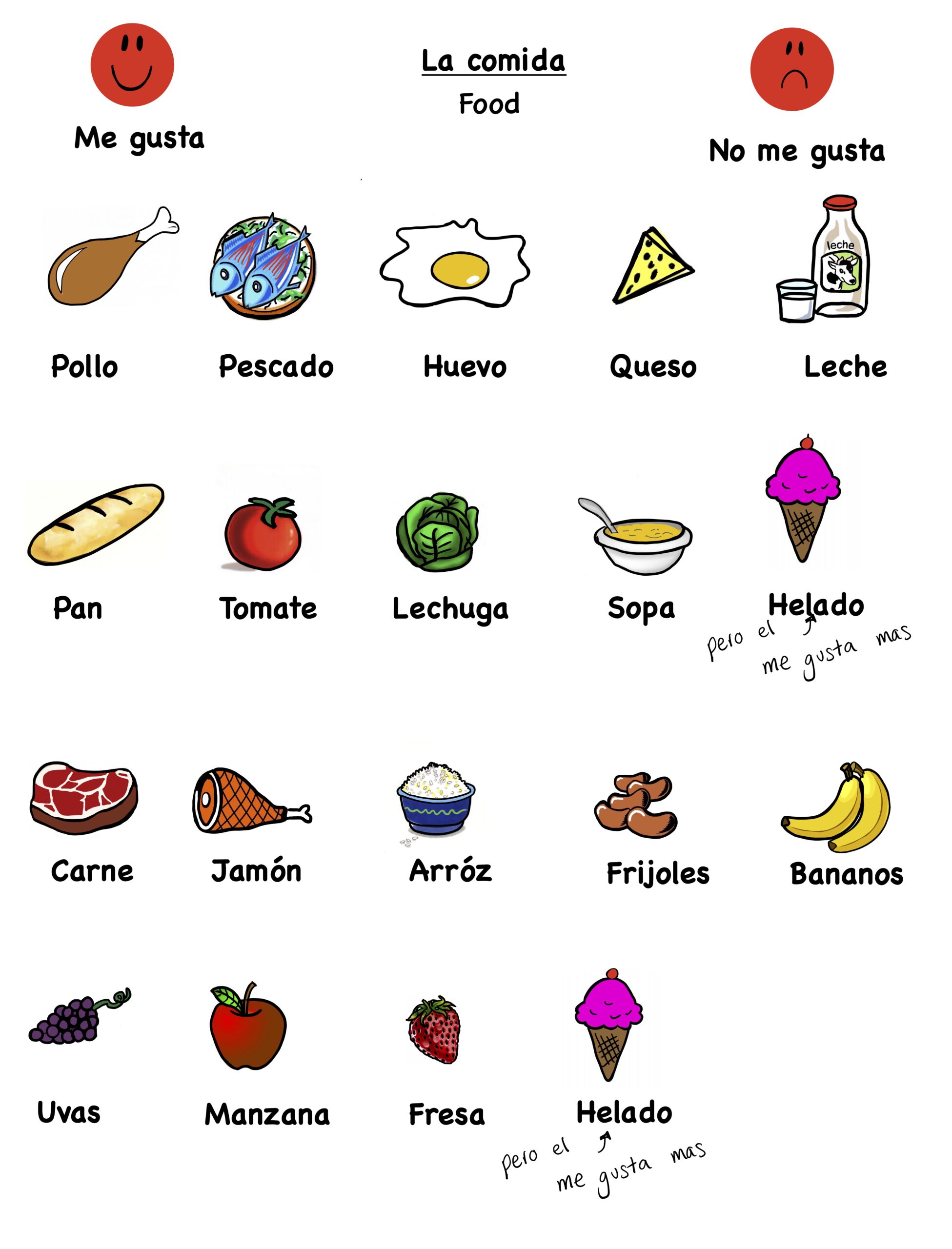
Assessing a child’s understanding of food vocabulary can be seamlessly integrated into your worksheet activities. After completing the worksheets, you can conduct informal assessments. Ask children to name food items in Spanish as they point to pictures, or engage them in simple conversations about their favorite foods in Spanish. This practice will help you gauge their retention and understanding.
Additionally, you can create a portfolio of their completed worksheets to track progress over time. This not only serves as a record of their learning journey but also boosts their confidence as they see how much they have accomplished.
The most effective worksheets often include a section for parents or educators to provide feedback or notes on the child’s performance. This can guide future learning and highlight areas that may need more focus.
Food Vocabulary In Spanish Worksheets Preschool Gallery