Food Worksheets For Kids Preschool
When it comes to teaching preschoolers about food, worksheets can be a fantastic tool. They provide a structured way for kids to engage with the topic of nutrition, food groups, and healthy eating habits. Food Worksheets for Kids Preschool are designed to be fun and interactive, making learning an enjoyable experience for both children and parents. Whether you’re a teacher or a parent, these resources can help you guide your little ones and spark their interest in food.
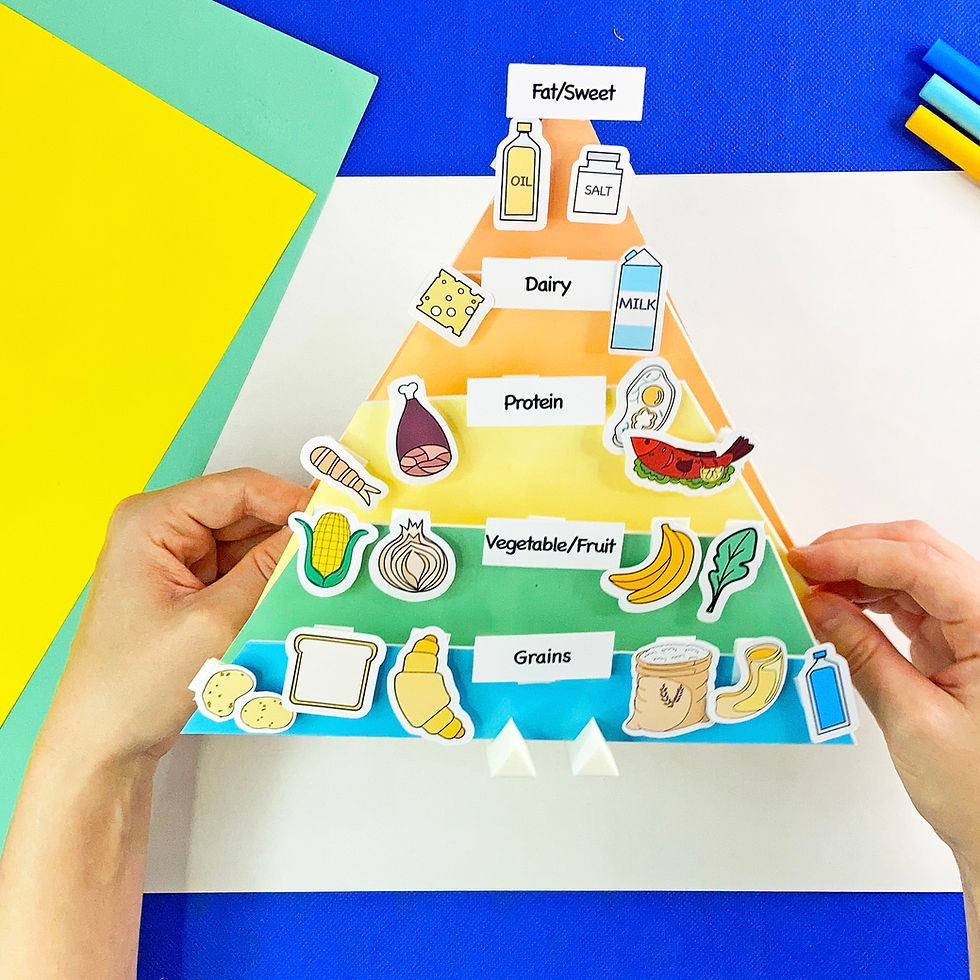
Understanding the Importance of Food Worksheets
Food worksheets serve multiple purposes in a preschool setting. They can help children recognize different food items, understand their nutritional value, and learn about healthy eating habits. By using these worksheets, you can foster discussions about food, encourage healthy choices, and promote fine motor skills through writing and coloring activities.
Types of Food Worksheets Available
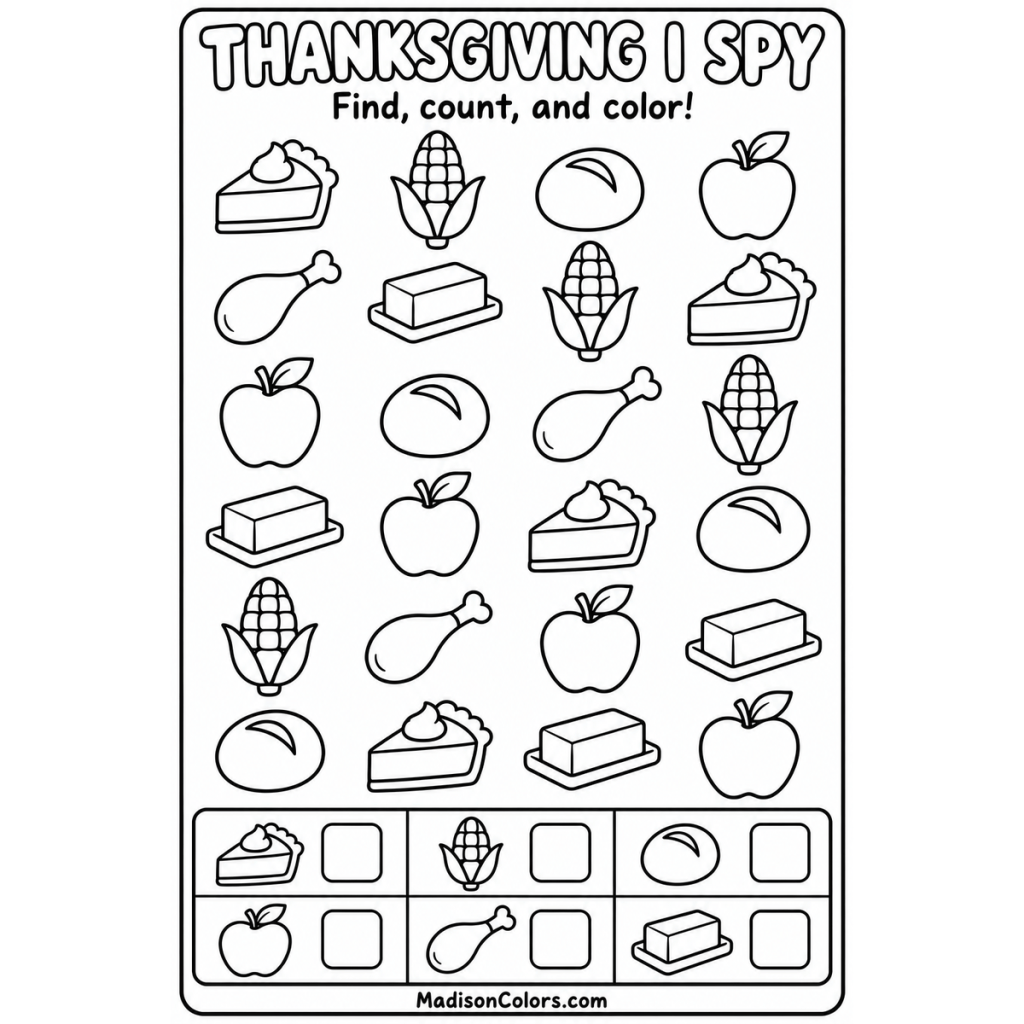
There are various types of food worksheets available for preschoolers. Here are a few popular formats:
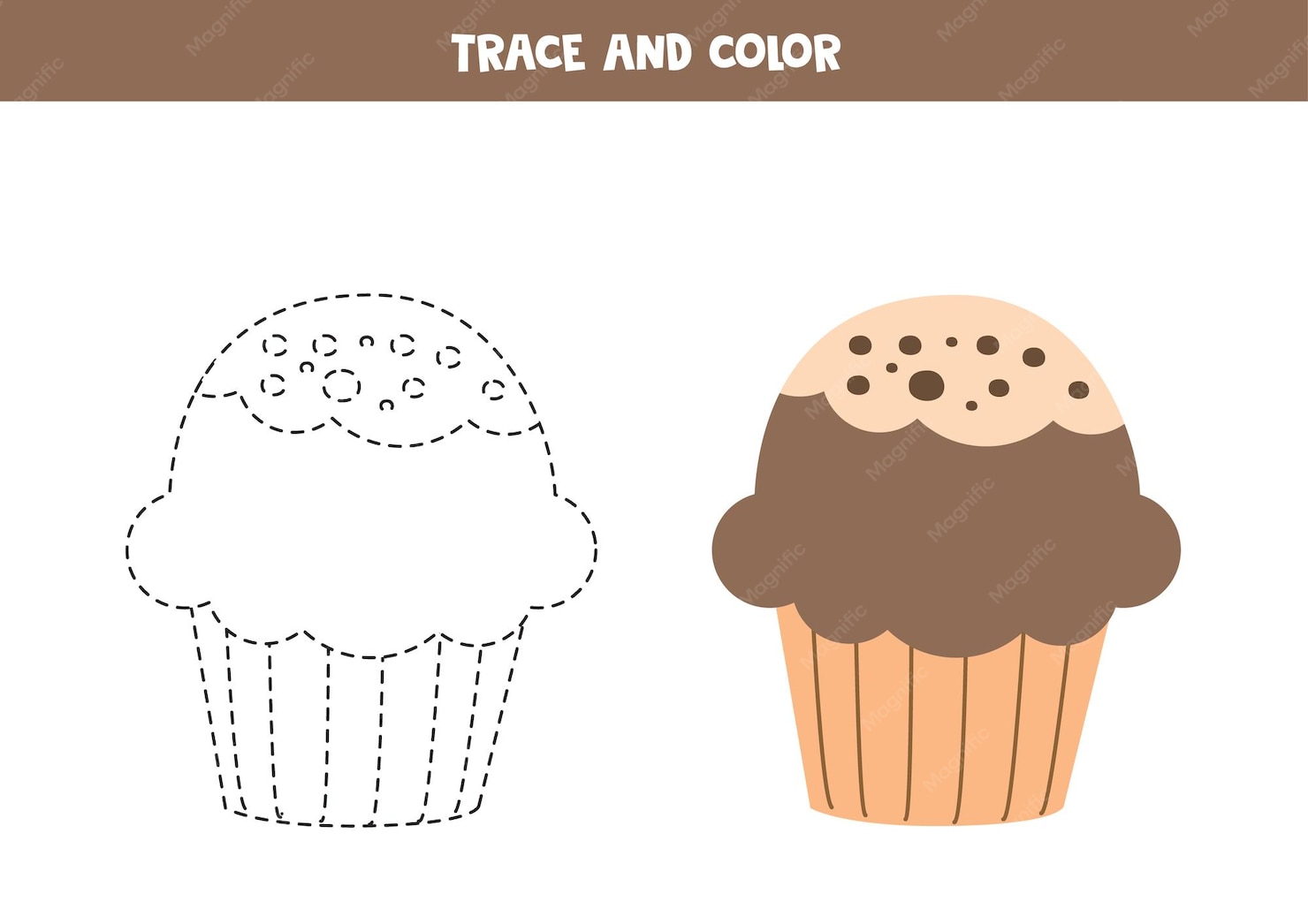
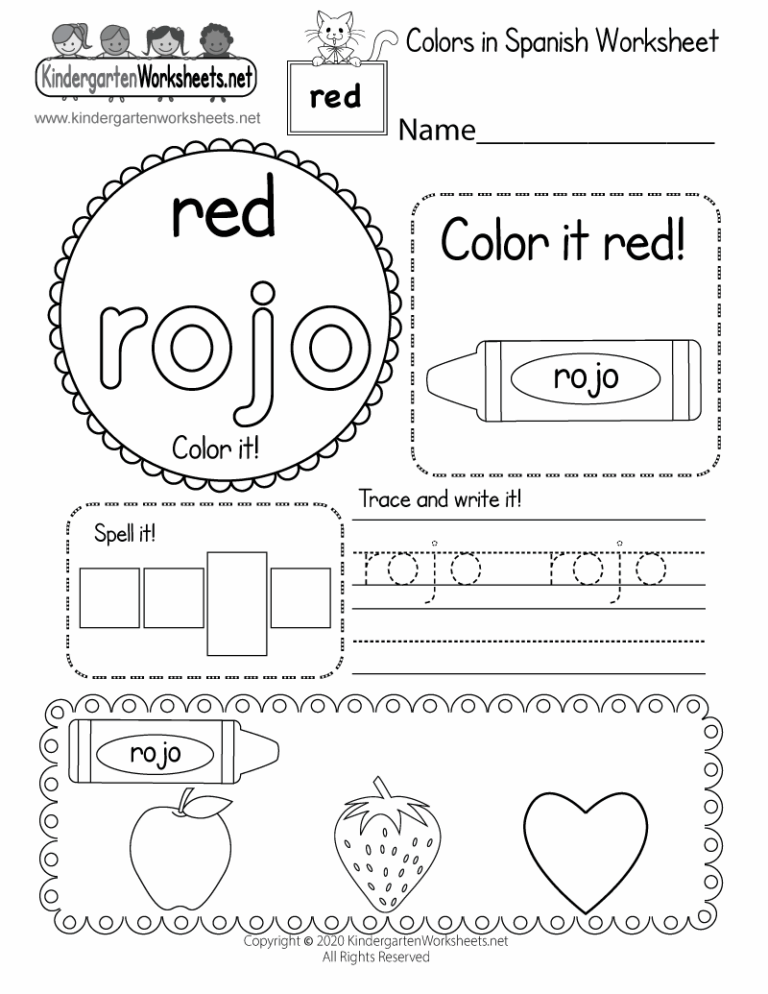
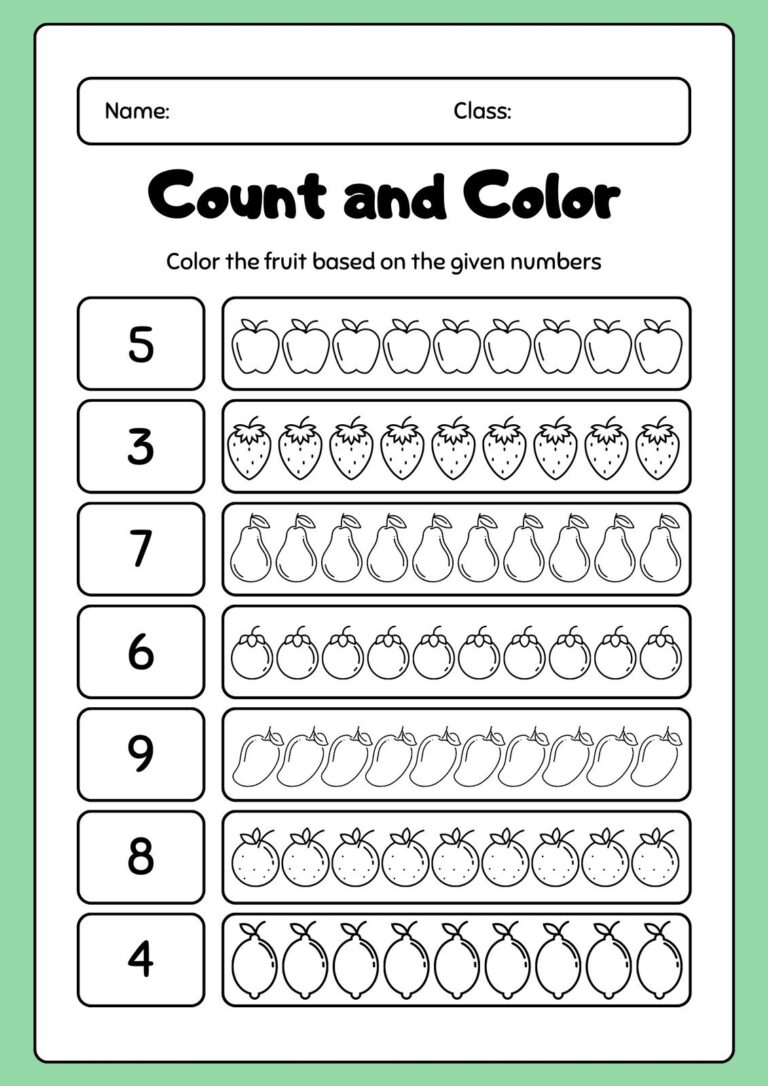
- Coloring Pages: These worksheets allow kids to color different fruits, vegetables, and other foods, helping them learn food names while having fun.
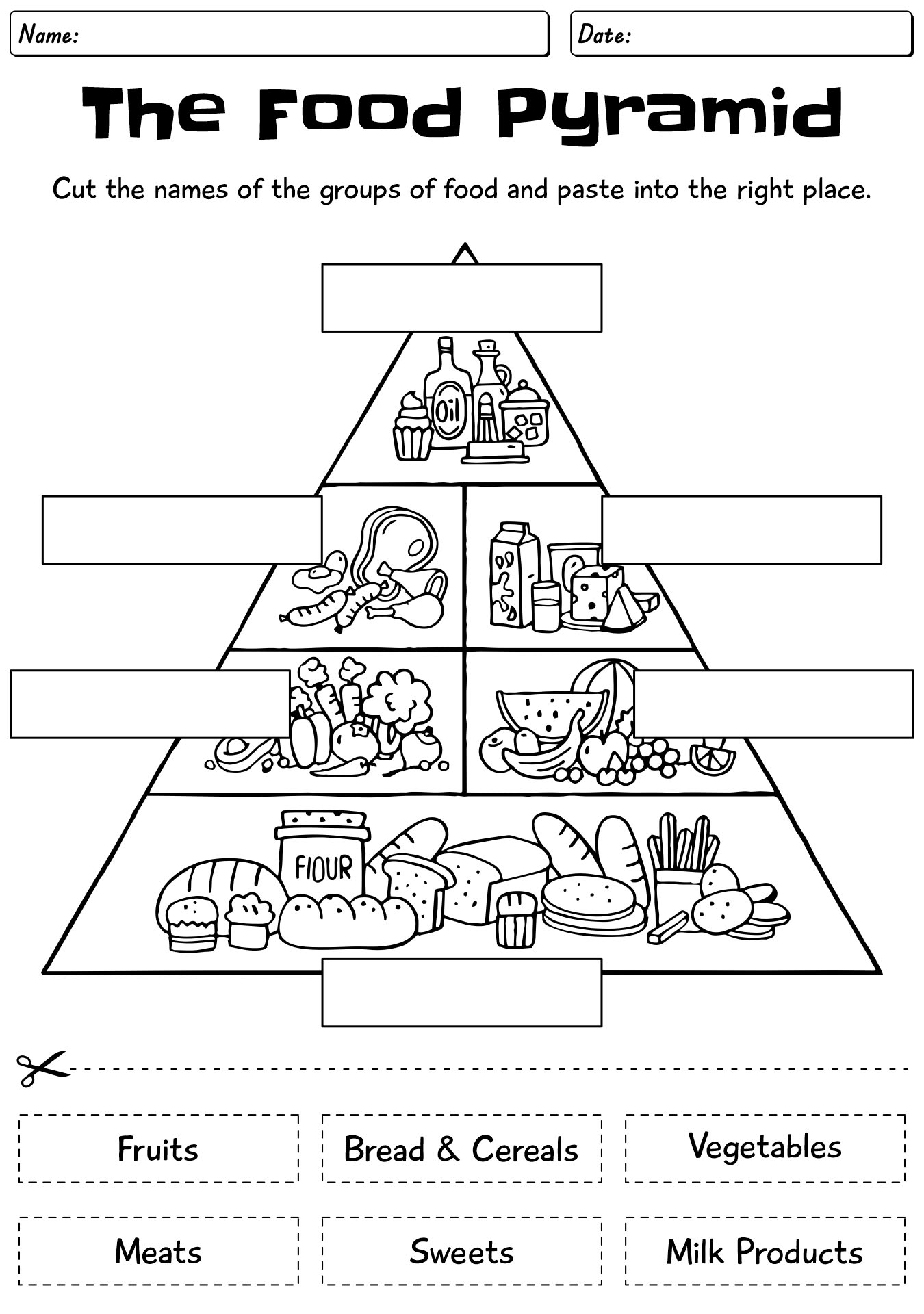
- Matching Activities: Kids can match food items to their corresponding food groups, reinforcing their understanding of nutrition.
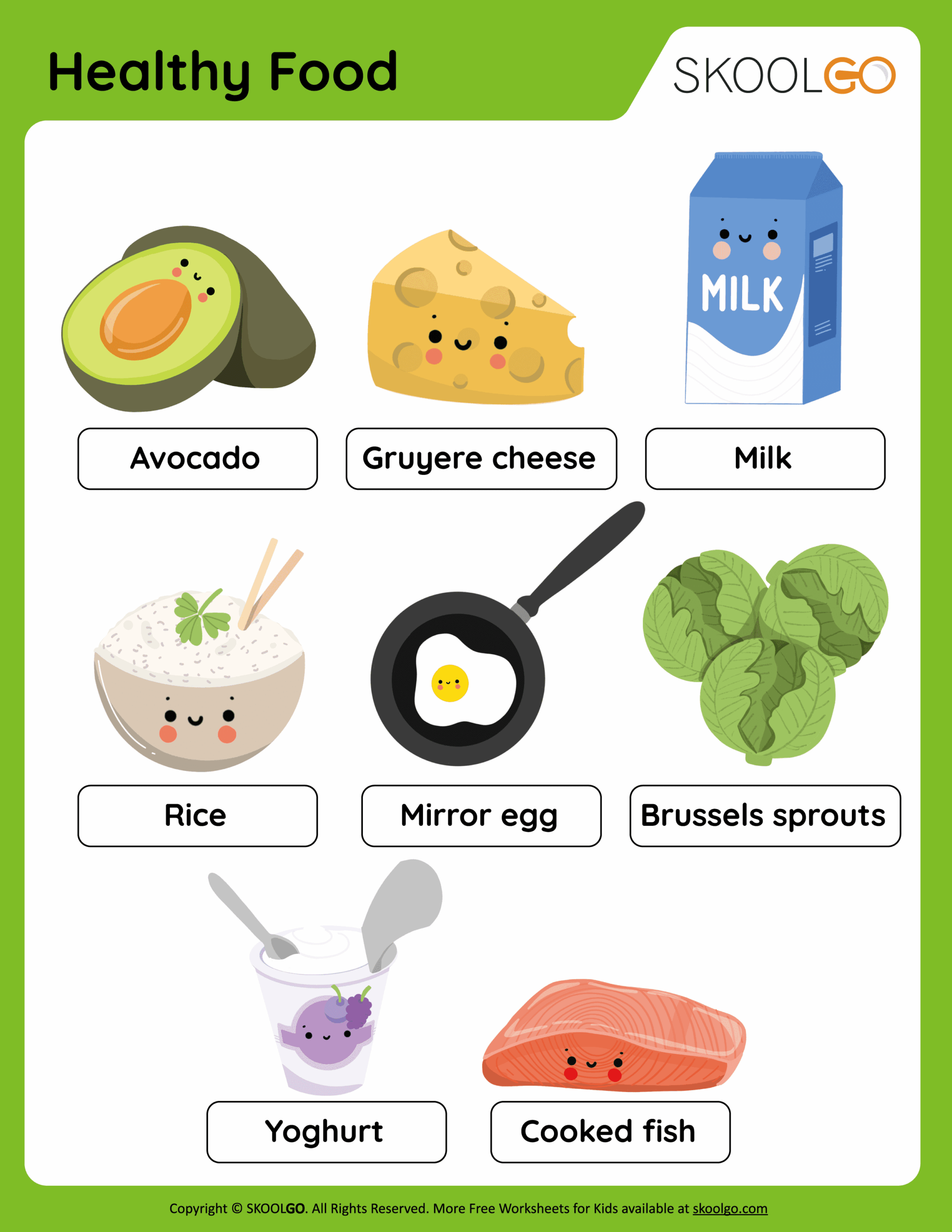
- Sorting Worksheets: These help children categorize foods into groups like fruits, vegetables, grains, and proteins.
- Word Searches and Crosswords: These activities can introduce vocabulary related to food and nutrition in a playful way.
Choosing the Right Food Worksheets
When selecting food worksheets for your preschooler, consider the following factors:
- Age Appropriateness: Ensure the worksheets are designed for preschoolers, with simple language and engaging visuals.
- Educational Value: Look for worksheets that promote learning about food, nutrition, and healthy habits.
- Fun Factor: Worksheets should be enjoyable to keep children engaged and motivated to learn.
How to Use Food Worksheets
Once you’ve chosen the right worksheets, the next step is to implement them effectively. Here’s a simple workflow to follow:
- Choose the Worksheets: Pick worksheets that fit the learning objectives you have in mind, whether it’s recognizing fruits or learning about food groups.
- Download and Print: Most worksheets are available in PDF format, which is easy to download and print. Make sure to select the correct paper size for your printer, typically A4 or letter size.
- Set Up a Learning Space: Create a comfortable and distraction-free area where your child can work on the worksheets. Having a dedicated space makes learning more effective.
- Engage with Your Child: Sit with your child while they complete the worksheets. Ask questions and encourage discussions about the foods they are coloring or matching. This interaction enhances their learning experience.
- Review and Discuss: After your child completes the worksheets, take time to review their answers together. Discuss why certain foods belong to specific groups and the importance of a balanced diet.
Digital Vs. Print Completion
One of the choices you’ll face is whether to have your child fill out worksheets digitally or by hand. Each method has its benefits:
- Digital Worksheets: These can be filled in using a tablet or computer. This method can be less messy, and kids often find it exciting to use technology. Additionally, filling out a fillable PDF can help with fine motor skills as they use a stylus or finger to interact with the worksheet.
- Printed Worksheets: Writing by hand can promote better handwriting skills and gives children a tactile experience. Many kids enjoy the act of coloring and writing with crayons or markers, which can be more engaging for them.
Tips for Printing Worksheets
If you decide to print your worksheets, here are a few tips to keep in mind:
- Use Cardstock: For durability, especially if you plan to laminate the worksheets for repeated use, cardstock is a great choice.
- Portrait Layout: Most home printers work best with a portrait layout, which is standard for worksheets.
- Print Settings: Check your printer settings to ensure the best quality print. Opt for “Best Quality” when printing to make colors more vibrant.
Incorporating Food Worksheets Into Daily Routines
To make the most out of food worksheets, consider integrating them into your daily routines. Here are some ideas:
- Meal Planning: Use worksheets to plan meals together. This can help reinforce the concept of food groups and balanced meals.
- Grocery Store Visits: Take the worksheets with you to the grocery store. Encourage your child to point out different fruits and vegetables and categorize them based on what they’ve learned.
- Cooking Together: Involve your child in simple cooking tasks. Use the worksheets as a guide to discuss ingredients and their nutritional value while preparing a meal.
Food Worksheets For Kids Preschool Gallery