Forest Animal Matching Worksheets For Preschool
The Forest Animal Matching Worksheets For Preschool are a fantastic resource for young learners eager to explore the world of animals while developing their matching skills. These worksheets not only provide an engaging way for preschoolers to learn about various forest animals, but they also encourage critical thinking and cognitive development. Here’s how to make the most of these worksheets in your homeschooling or classroom routine.
What Are Forest Animal Matching Worksheets?
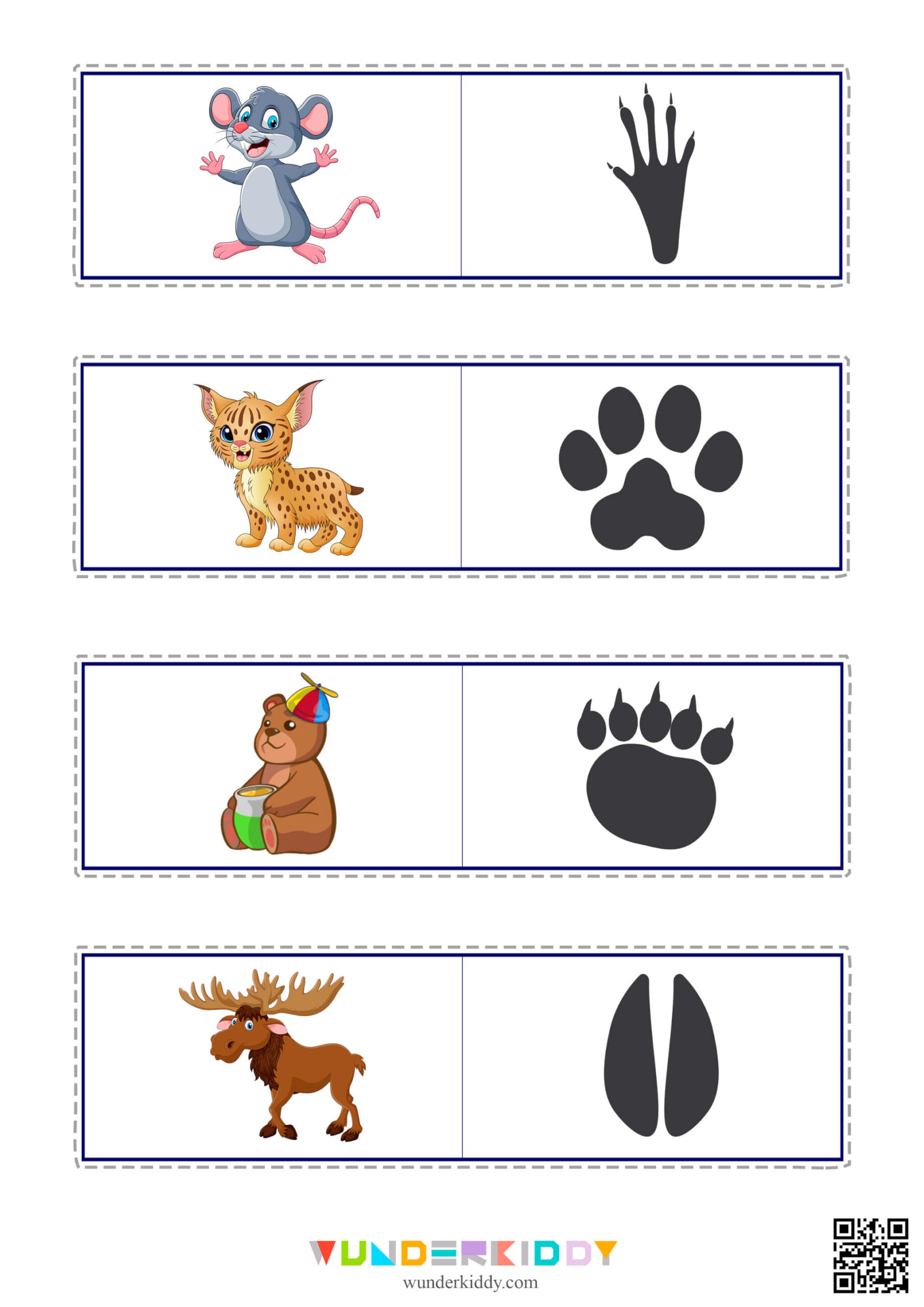
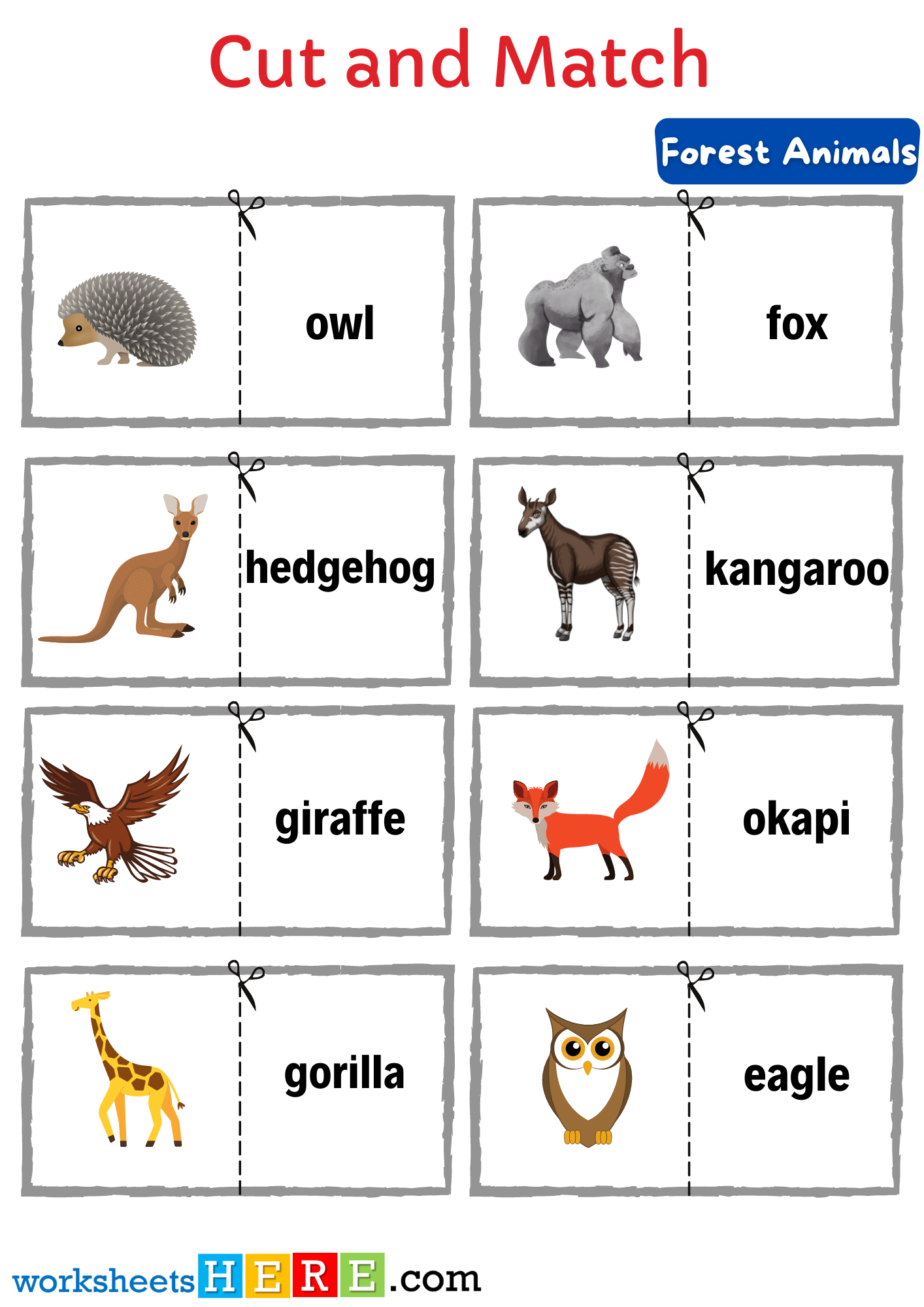
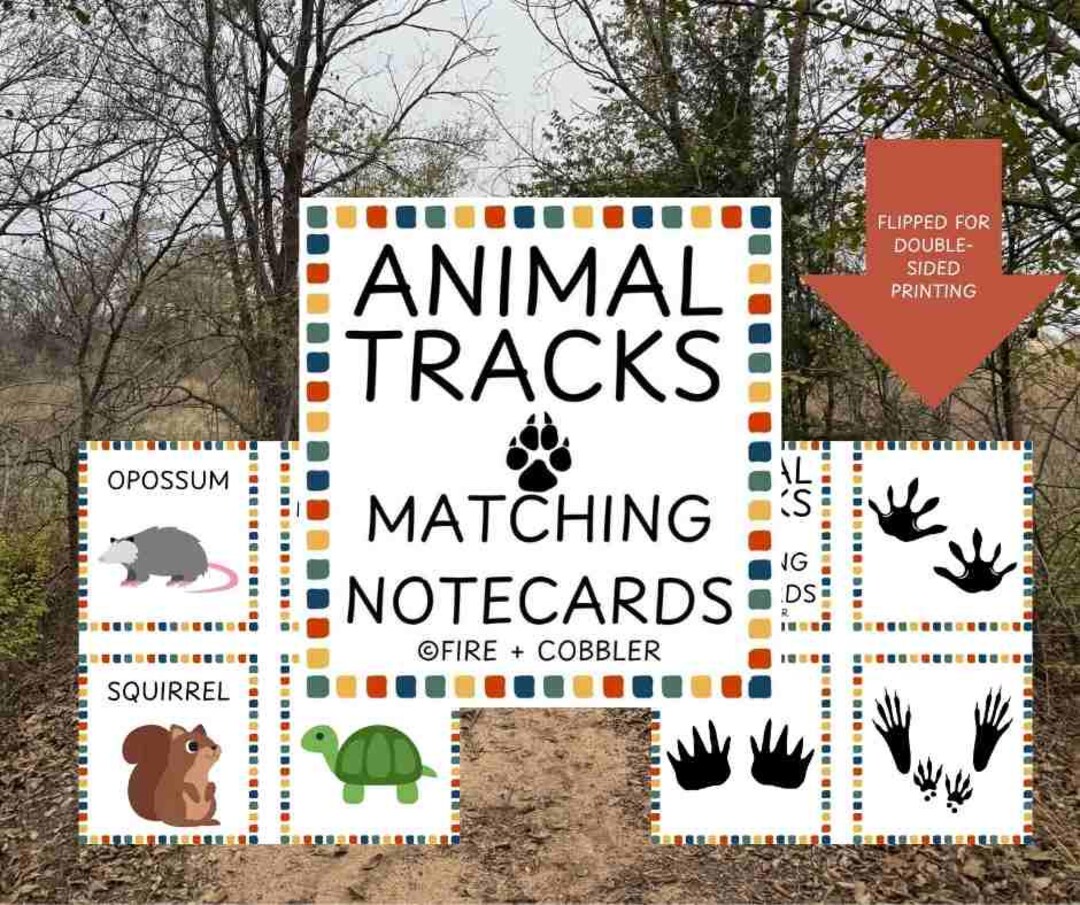
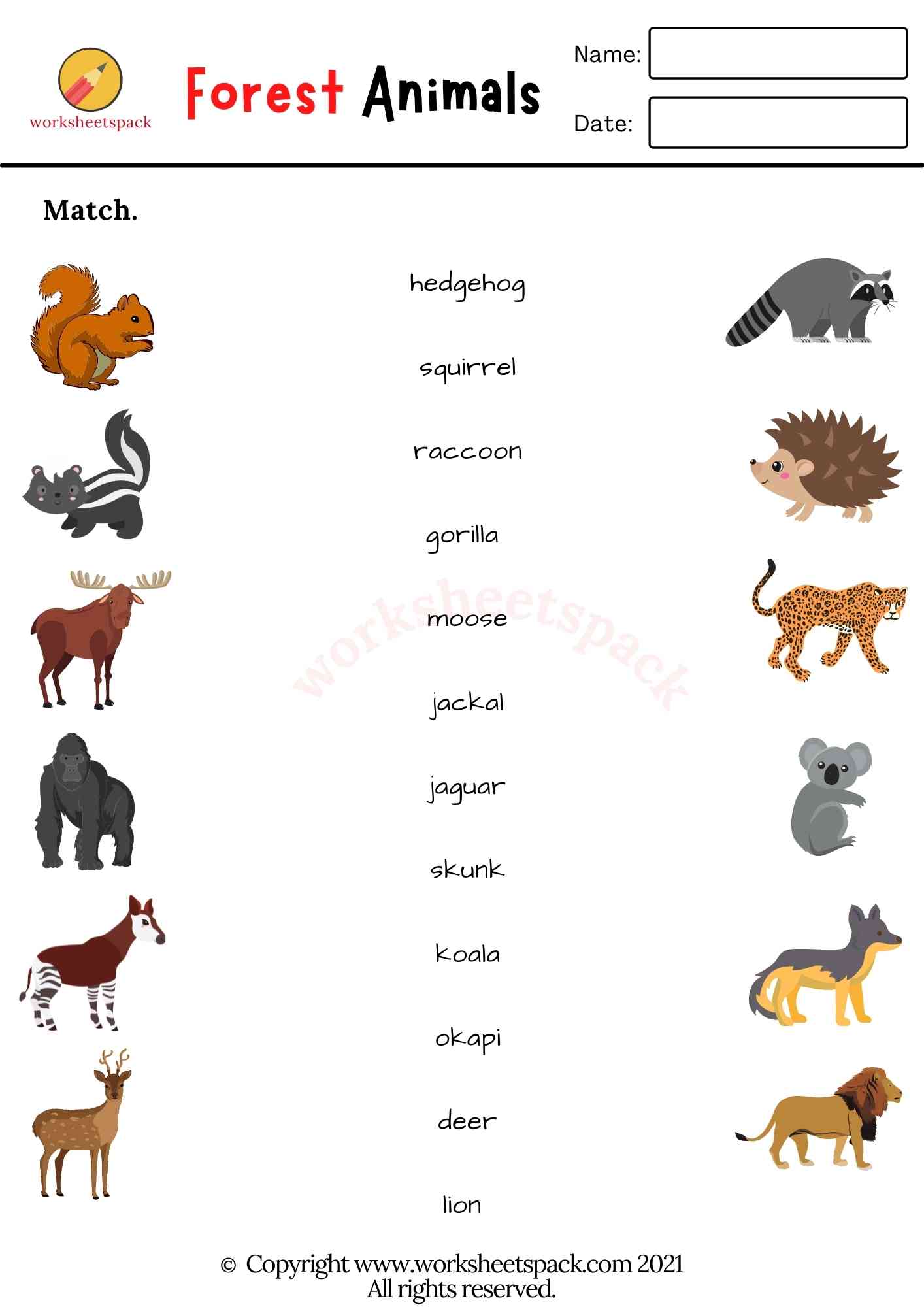
These worksheets typically feature images of various forest animals paired with their names, descriptions, or other characteristics. The goal is for children to draw lines connecting the correct pairs or fill in blanks with the appropriate animal names. This interactive format helps preschoolers enhance their visual recognition skills while learning about the animals that inhabit forests.
You might find worksheets that include animals like deer, foxes, bears, owls, and rabbits, making it both educational and fun for your little ones. Each worksheet can be printed multiple times, allowing for repeated practice, which is essential in reinforcing learning.
How to Use the Worksheets Effectively
To maximize the benefits of the Forest Animal Matching Worksheets, consider the following steps:
- Preparation: Before introducing the worksheets, ensure you have the necessary materials ready. This could include crayons, colored pencils, or stickers for children to use as they complete their matching tasks.
- Instructions: Clearly explain the activity to the children. Show them an example of how to match animals with their names or descriptions. This visual demonstration can significantly aid their understanding.
- Interactive Learning: Encourage children to discuss what they know about each animal. Ask questions like, “What sound does a bear make?” or “Where do owls sleep during the day?” This kind of engagement makes the activity richer and more informative.
- Follow-Up Activities: After completing the worksheets, consider additional activities such as a forest animal scavenger hunt in a local park or creating a simple craft project based on their favorite forest animal. These activities reinforce learning and keep the excitement alive.
Benefits of Using Matching Worksheets
Using Forest Animal Matching Worksheets offers numerous benefits for preschoolers, such as:
- Cognitive Development: Matching exercises promote critical thinking and problem-solving skills. Children learn to identify similarities and differences between animals, which enhances their analytical skills.
- Language Skills: As they learn the names and characteristics of forest animals, children expand their vocabulary and improve their language skills. They can also practice spelling by writing the animal names.
- Fine Motor Skills: Handling crayons, markers, or stickers while completing the worksheets helps develop fine motor skills, which are essential for writing and other tasks.
- Engagement with Nature: Introducing children to forest animals fosters an appreciation for nature and wildlife, encouraging them to learn more about their environment.
Where to Get Forest Animal Matching Worksheets
You can find a variety of printable Forest Animal Matching Worksheets online. Many educational websites offer free downloads that can be printed at home. Look for sites that provide high-quality images and clear instructions. Here are a few tips on selecting the best worksheets:
- Age Appropriateness: Ensure the worksheets are suitable for preschoolers. They should have simple images and easy-to-understand instructions.
- Variety: Choose worksheets that offer different levels of difficulty. Some may be straightforward matching tasks, while others could include additional activities like coloring or tracing.
- Quality: Opt for resources that are visually appealing. Bright colors and engaging illustrations can make the learning experience more enjoyable for young children.
Incorporating Worksheets Into Daily Learning
To integrate Forest Animal Matching Worksheets into your daily routine, consider the following strategies:
- Themed Days: Dedicate a day each week to focus on a specific theme, such as “Forest Day.” Use the matching worksheets along with storybooks, videos, or nature walks related to forest animals.
- Group Activities: If you’re teaching in a classroom setting, have the children work in pairs or small groups. This encourages teamwork and allows them to discuss their thoughts and strategies as they complete the worksheets.
- Progress Tracking: Keep a record of each child’s progress. You could create a simple chart to note which animals they were able to match correctly. This can serve as motivation and help you identify areas where additional support may be needed.
Forest Animal Matching Worksheets For Preschool Gallery