Four Seasons Worksheet For Preschoolers
When it comes to early childhood education, worksheets can be a fantastic tool for reinforcing concepts through hands-on learning. The Four Seasons Worksheet for Preschoolers is designed to help young learners explore the characteristics of each season while engaging in fun activities. This printable resource typically comes in a standard letter size (8.5 x 11 inches), making it easy to print at home or in the classroom. Today, I’ll walk you through how to use this worksheet effectively and why it can be an invaluable addition to your preschool toolkit.
Understanding the Layout of the Worksheet
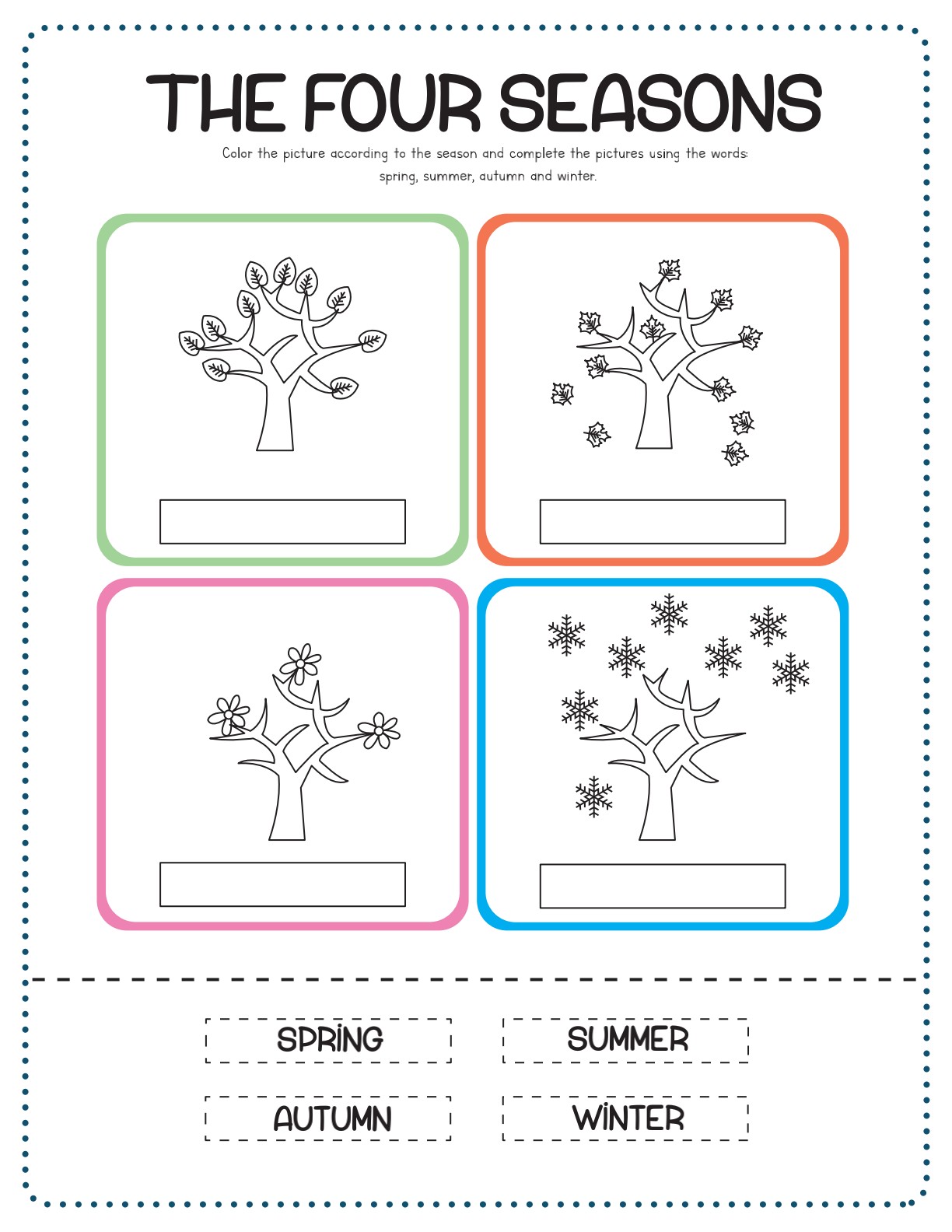
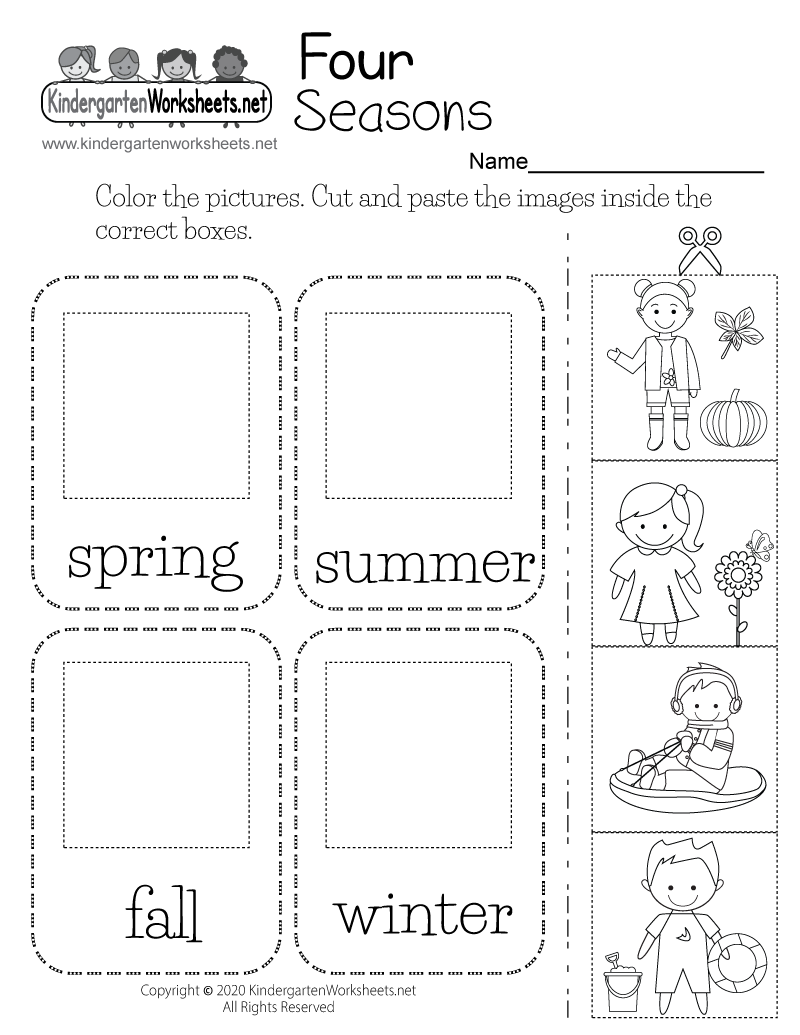
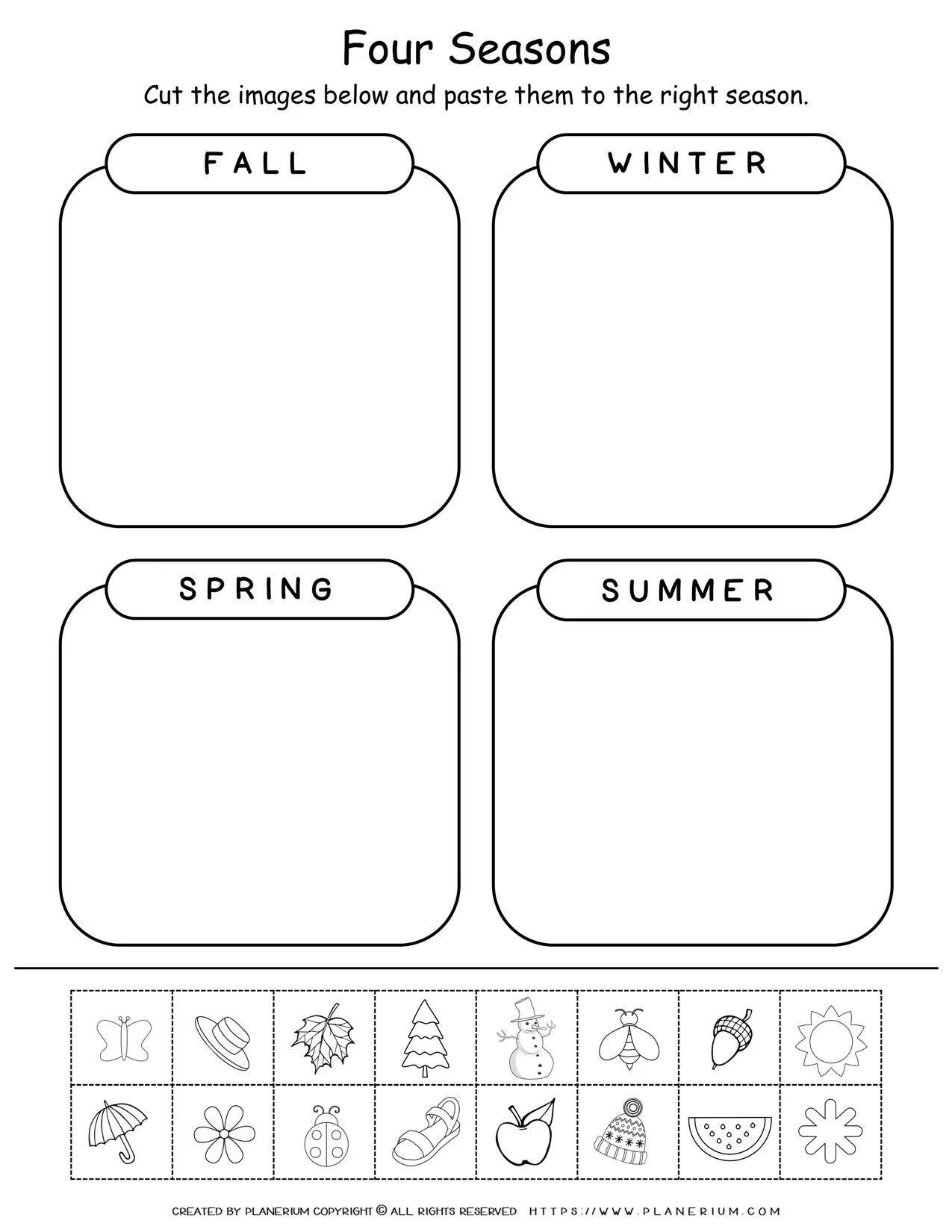
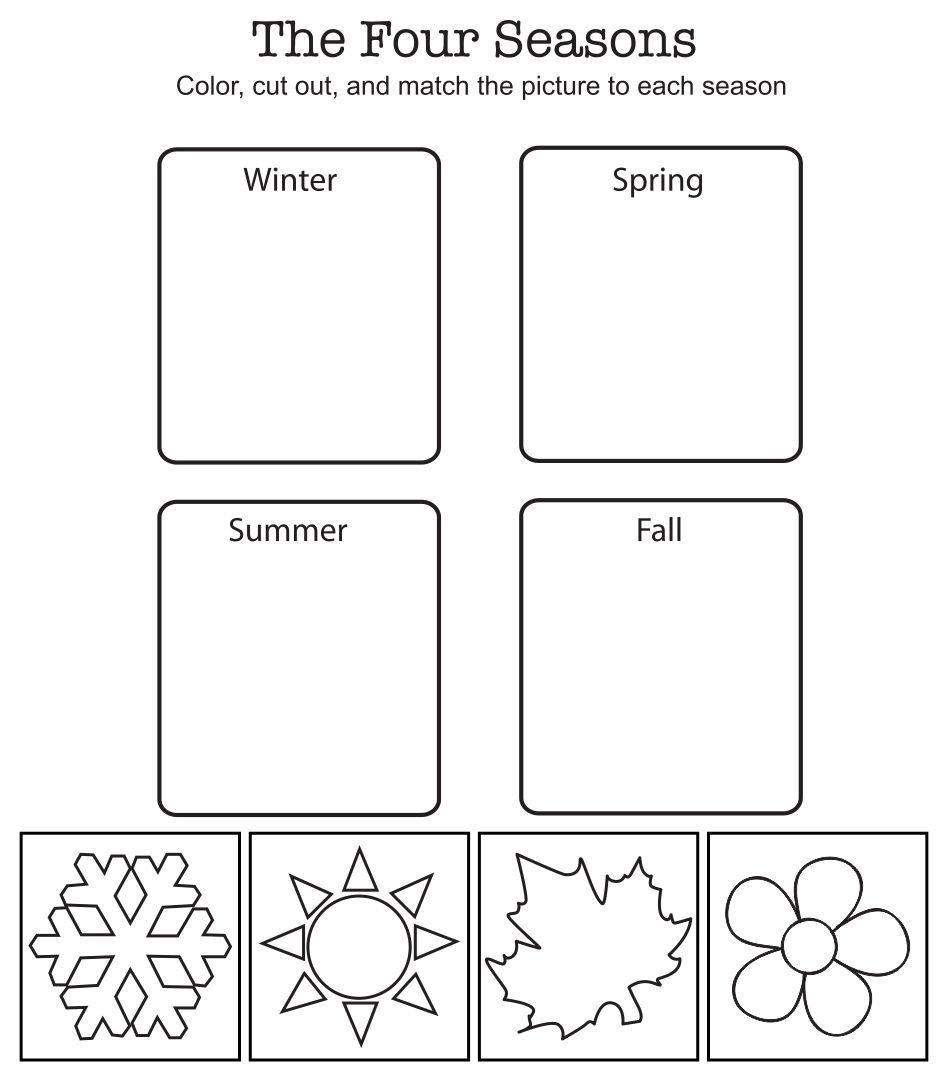
The layout of the Four Seasons Worksheet for Preschoolers is thoughtfully organized to aid comprehension and engagement. Typically, the worksheet is divided into four sections, one for each season: winter, spring, summer, and fall. Each section usually features:
- Visuals: Bright and colorful images representing the season, such as snowflakes for winter or flowers for spring.
- Activity prompts: Simple tasks encouraging children to draw, color, or write about what they associate with each season.
- Facts or questions: Engaging prompts that stimulate discussion or creative thinking about seasonal changes.
This structured approach not only makes it visually appealing but also helps children easily navigate through the worksheet. When working with preschoolers, clear sections can significantly enhance their focus and understanding.
Activities to Enhance Learning
What I love about the Four Seasons Worksheet for Preschoolers is the variety of activities it typically includes. It’s not just about filling in the blanks; it often encourages different types of engagement. Here are some common activities you might find:
- Coloring: Children can color seasonal images. This not only fosters creativity but helps with fine motor skills.
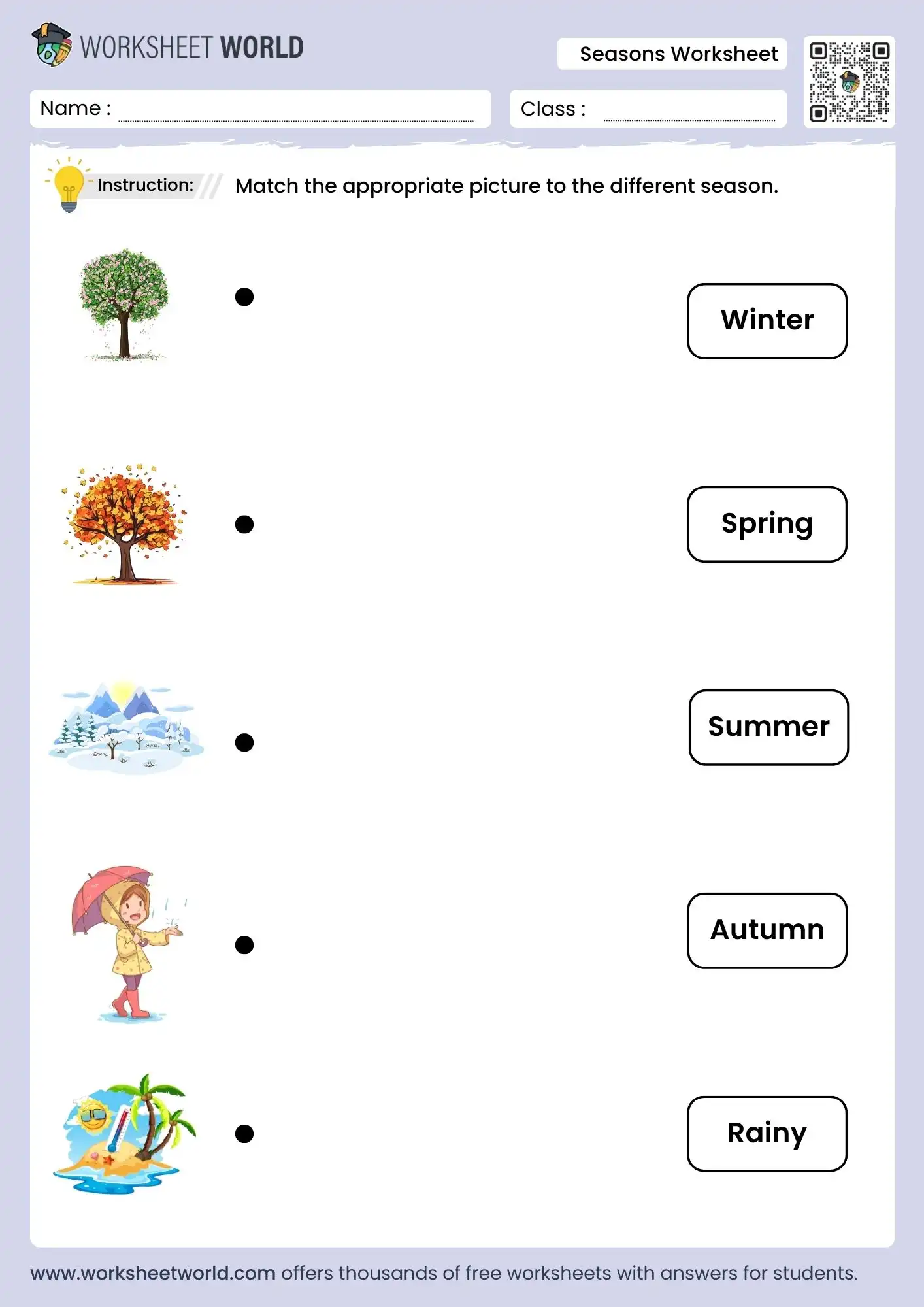
- Matching: Some worksheets may include matching activities where kids connect pictures to the correct season.
- Drawing: Kids might be prompted to draw their favorite seasonal activity, which helps them express their understanding of the concept.
- Writing: Simple sentences or words related to each season can be included, helping with early literacy skills.
These activities are designed to cater to a variety of learning styles, ensuring that every child can engage with the material in a way that resonates with them.
Where to Use the Worksheet
The Four Seasons Worksheet for Preschoolers can be used in multiple settings, making it a versatile resource. Here are a few ideas on where and how you can incorporate it:
- At Home: Parents can print it out for a quiet afternoon activity. It’s a great way to reinforce what kids learn in preschool or daycare.
- In the Classroom: Teachers can integrate it into a seasonal unit. It can serve as a great starting point for discussions about weather patterns, holidays, and seasonal changes.
- Group Activities: Use it in a small group setting where kids can work together. This encourages teamwork and communication as they share their ideas about each season.
By utilizing the worksheet in various environments, you can maximize its educational benefits.
Tips for Printing and Using the Worksheet
When it comes to printing the Four Seasons Worksheet for Preschoolers, here are some practical tips to ensure the best results:
- Paper Type: Using cardstock can be beneficial if you plan to laminate the worksheet for repeated use. It holds up better than standard printer paper.
- Printer Settings: If you’re using a color printer, make sure to select the best quality settings to ensure vibrant colors. A portrait layout usually works best for most home printers.
- Lamination: If you choose to laminate, consider using dry-erase markers. This allows children to complete the worksheet multiple times, making it a reusable resource.
These simple adjustments can enhance the usability of the worksheet and provide a better learning experience for preschoolers.
Common Mistakes to Avoid
While using the Four Seasons Worksheet for Preschoolers can be a fun experience, there are a few common pitfalls to be aware of:
- Overloading with Information: Keep it simple. Too many prompts can overwhelm young learners. Focus on engaging them without overloading their cognitive capacity.
- Neglecting Discussion: After the children complete the worksheet, take time to discuss their answers. This reinforces learning and allows for deeper understanding.
- Ignoring Seasonal Changes: Use real-world examples to enhance the worksheet’s effectiveness. Discuss what’s happening outside to connect the worksheet activities to actual seasonal changes.
Being mindful of these aspects will help maximize the educational value of the worksheet.
Four Seasons Worksheet For Preschoolers Gallery