Free Body Parts Preschool Worksheets
When it comes to teaching young children about their bodies, having engaging and visually appealing resources is essential. Free Body Parts Preschool Worksheets provide a fun way for kids to learn about their anatomy while also developing important skills like coloring, matching, and identifying various body parts. These worksheets are specifically designed for preschoolers, making them a fantastic tool for parents and educators alike.
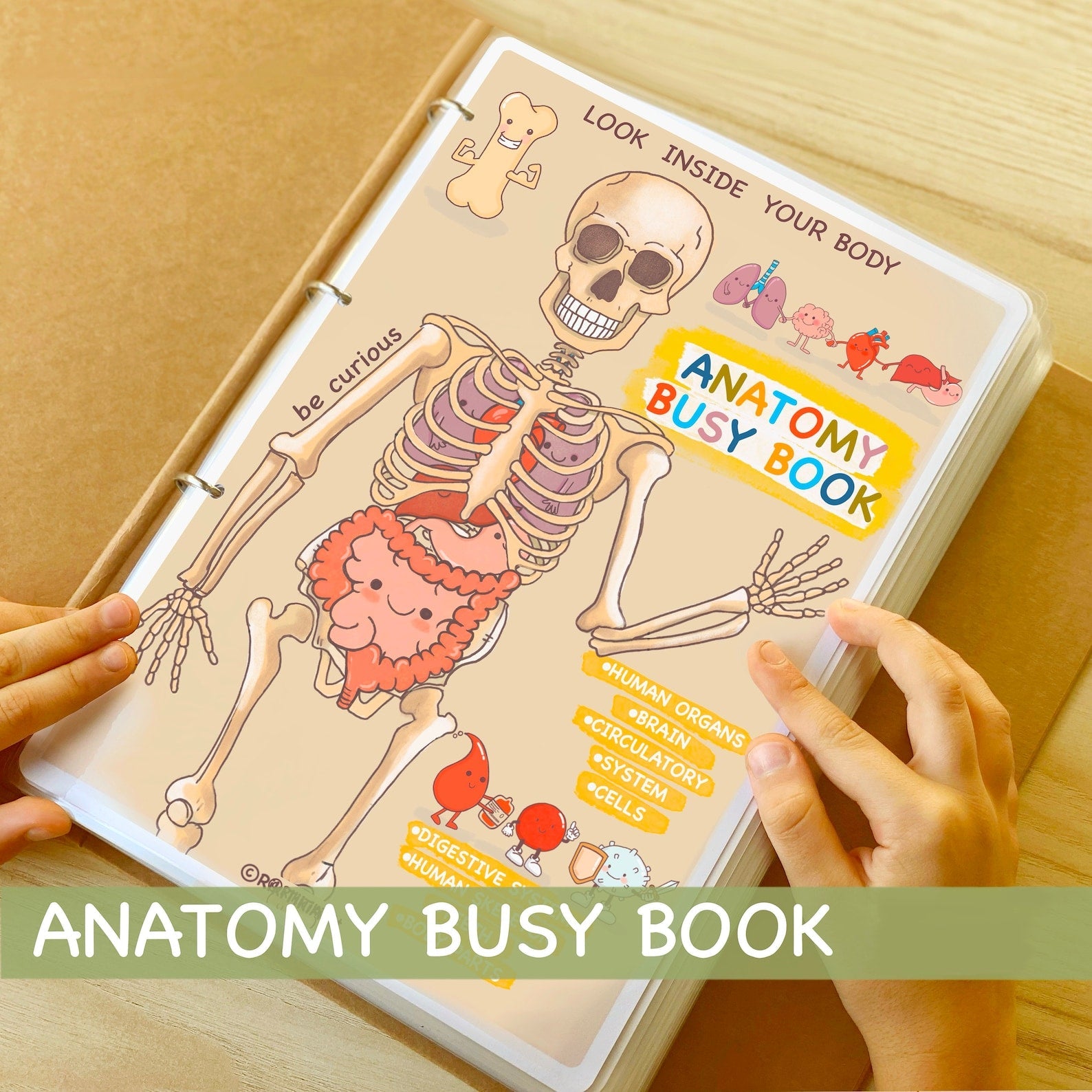
What to Expect From Free Body Parts Preschool Worksheets
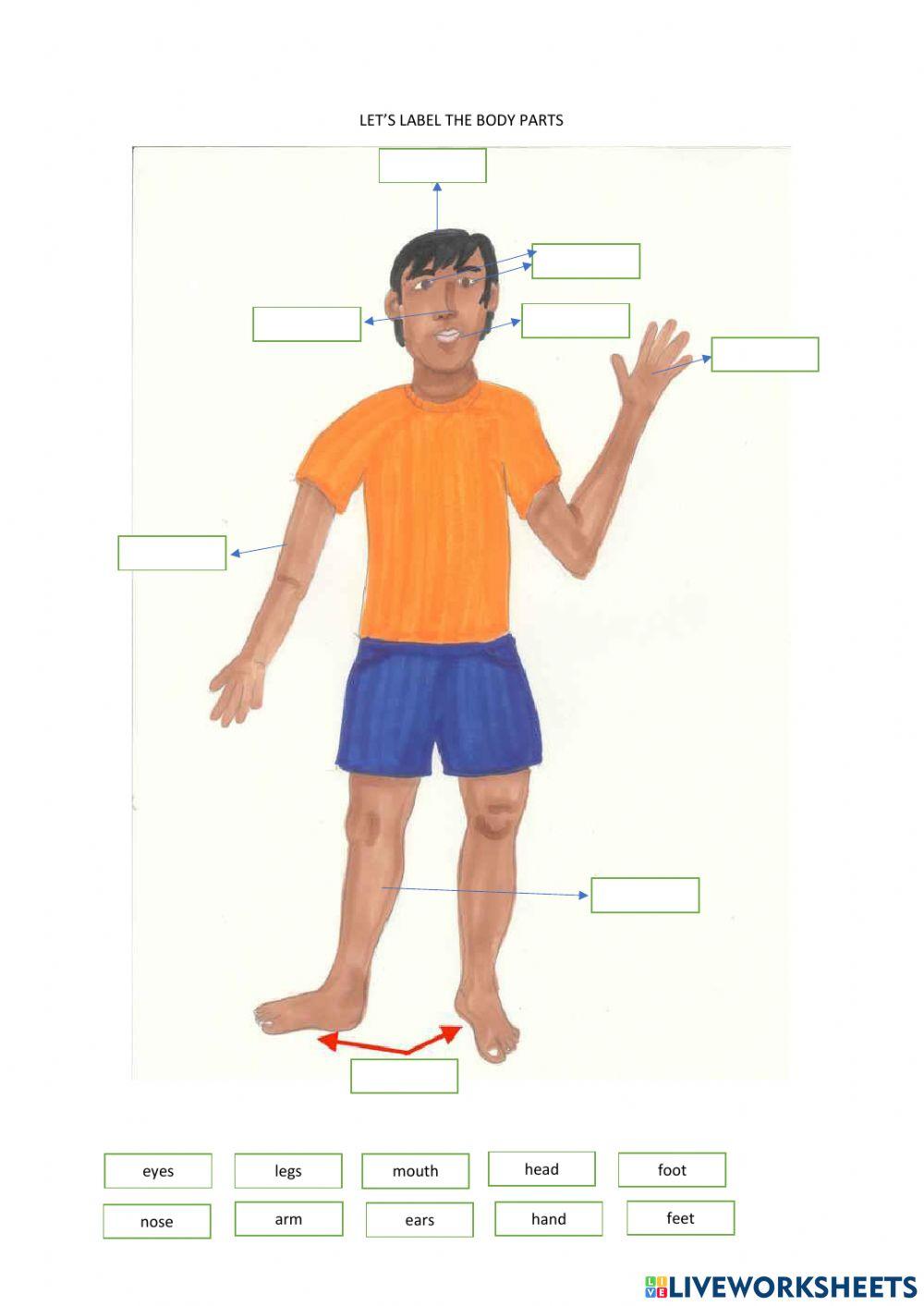
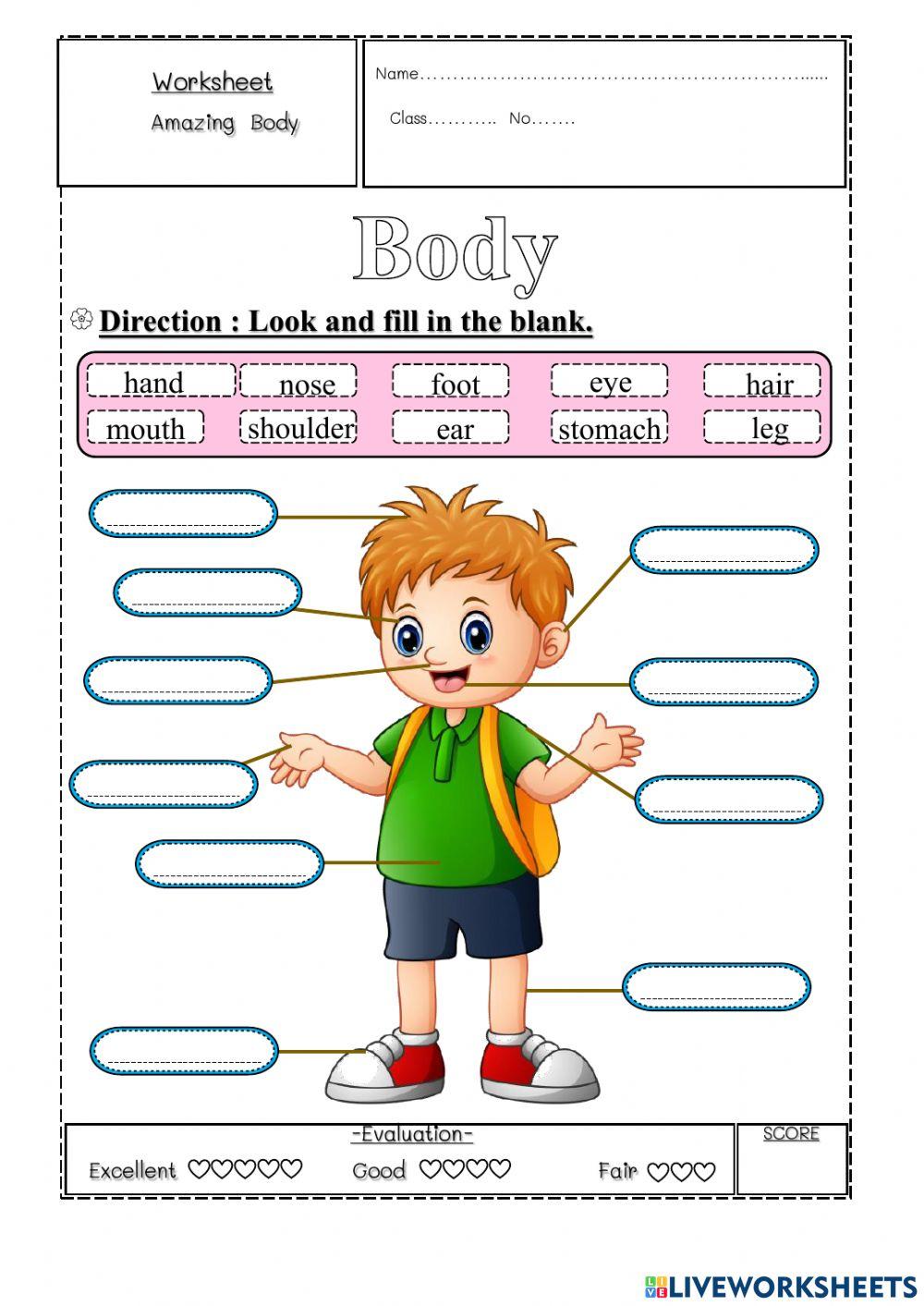
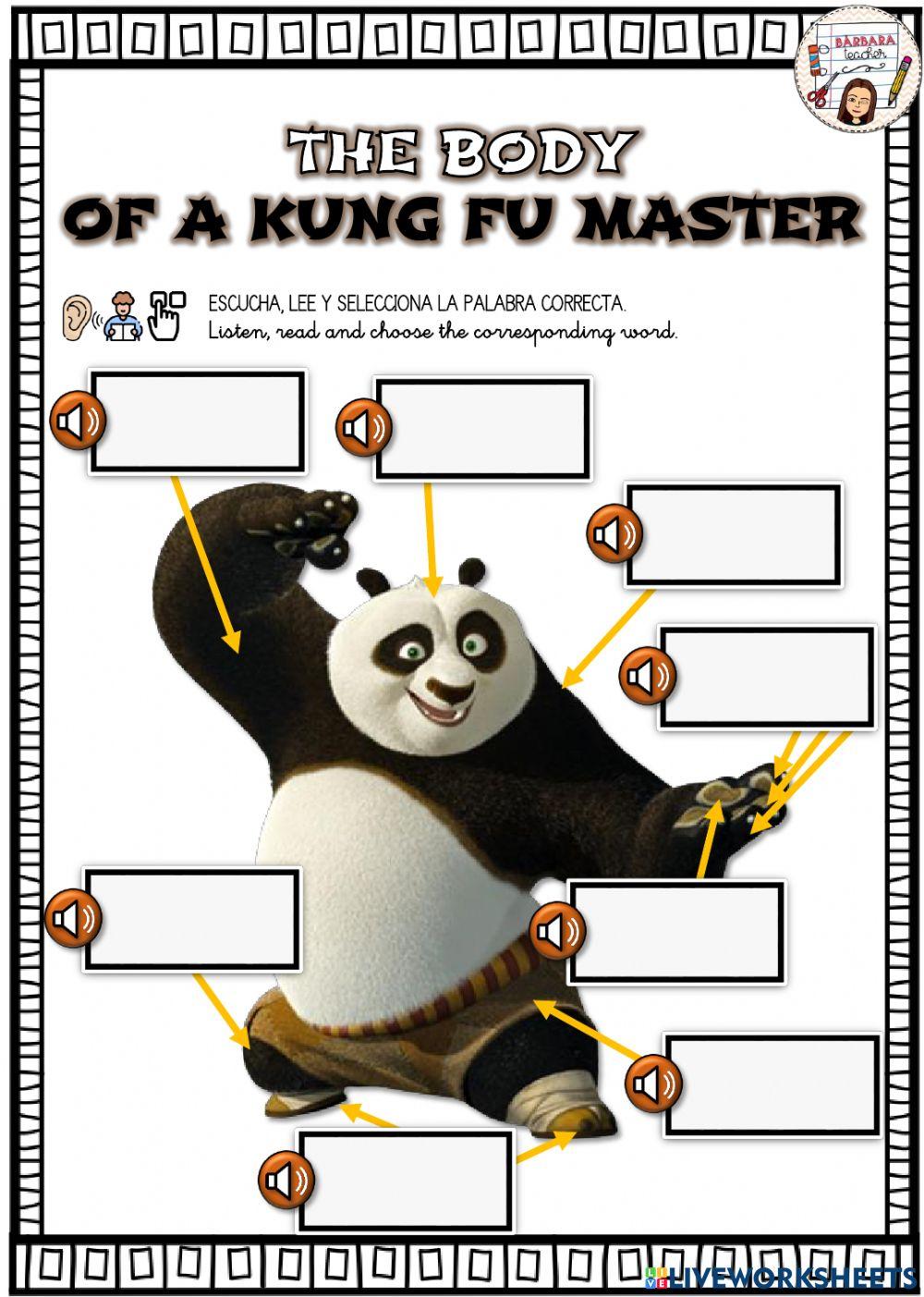
These worksheets typically include various activities tailored to help preschoolers learn about different body parts. You’ll find sections dedicated to labeling, coloring, and even simple matching exercises. The attractive designs make learning enjoyable for kids, which is crucial at this developmental stage.
Each worksheet often features clear illustrations of body parts like the head, arms, legs, and feet. This clarity helps children easily identify and relate to these parts, making the learning experience more effective. Additionally, the activities are designed to cater to the attention spans of preschoolers, ensuring that they remain engaged.
Activities Included in the Worksheets
The Free Body Parts Preschool Worksheets feature a range of activities that can cater to different learning styles. Here’s a breakdown of some common activities you might find:
- Coloring Pages: These pages allow children to color in body parts, reinforcing their recognition of each part while also fostering creativity. I find that using bright colors helps in capturing their attention.
- Labeling Exercises: Children can practice writing or placing labels on various body parts. This not only helps with vocabulary but also enhances fine motor skills as they write or place stickers.
- Matching Games: Some worksheets might include matching activities where kids connect pictures of body parts to their names. This visual association reinforces learning in a fun way.
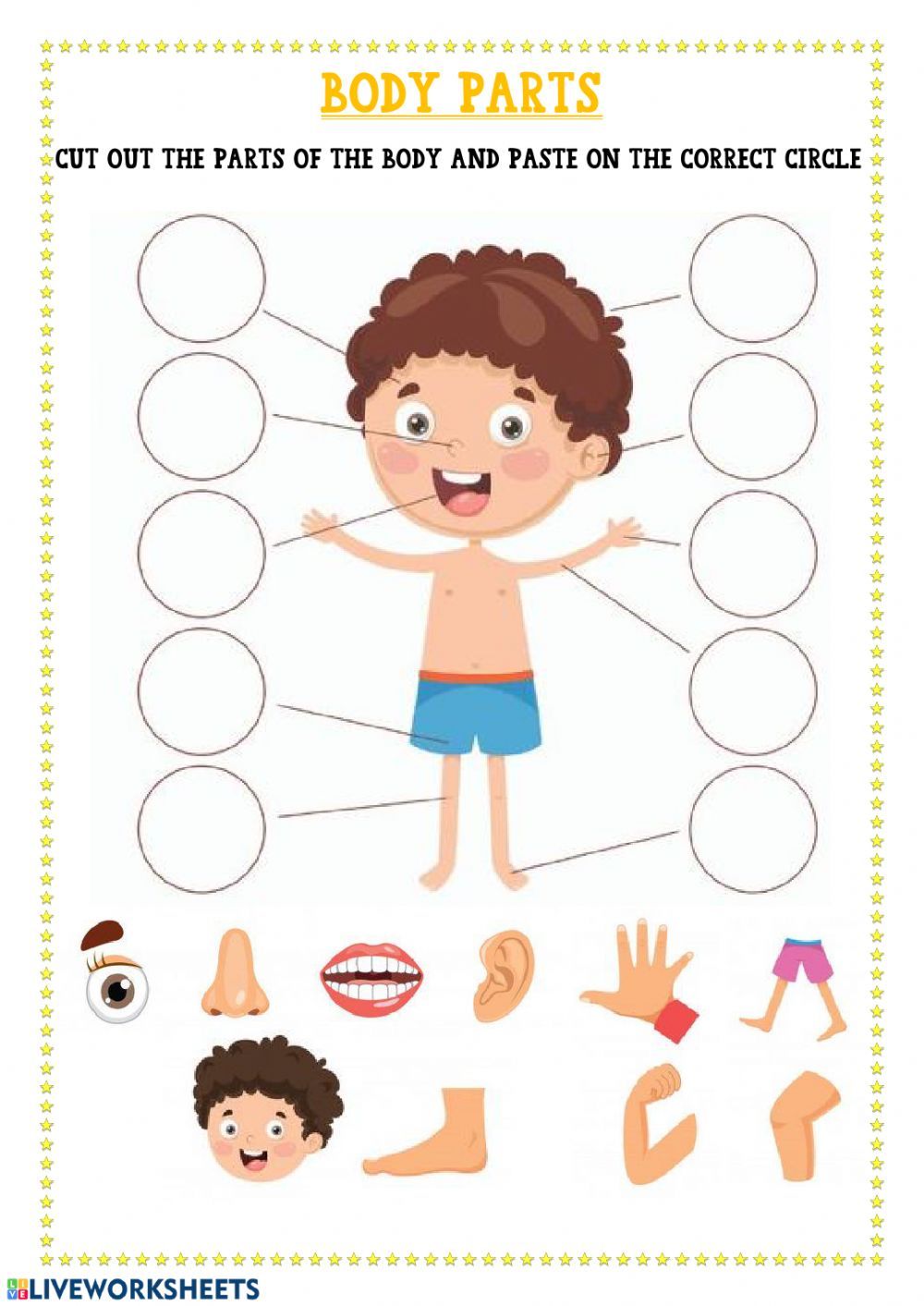
- Cut and Paste Activities: These activities can involve cutting out pictures of body parts and pasting them onto a blank body outline. This hands-on approach is excellent for kinesthetic learners.
Each of these activities serves a specific purpose and helps children connect with the material in a meaningful way.
The Layout of the Worksheets
The layout of Free Body Parts Preschool Worksheets is thoughtfully designed to enhance usability. Here’s what to look out for:
- Clear Sections: Worksheets usually have distinct sections for different activities, which helps keep kids organized and focused. Each section is visually separated, guiding them through the tasks without confusion.
- Large Illustrations: The body parts are often depicted in large, clear illustrations, making it easier for children to identify and understand what they are learning about.
- User-Friendly Design: Most worksheets are designed to be printed on standard letter-sized paper (8.5 x 11 inches), which is easy to handle for little hands. This size also works well with most home printers, ensuring accessibility.
These design choices make it easy for you as a parent or teacher to facilitate learning without unnecessary distractions.
Why Use Free Body Parts Preschool Worksheets?
Using Free Body Parts Preschool Worksheets can greatly benefit your child’s learning experience. Here are some compelling reasons to incorporate them into your educational routine:
- Encourages Active Learning: Worksheets promote active participation. Instead of passively listening, children engage with the material through various activities.
- Supports Developmental Milestones: Learning about body parts aligns with important developmental milestones for preschoolers, such as vocabulary expansion and fine motor skills development.
- Flexible Use: These worksheets can be used in different settings – at home, in classrooms, or even during playdates. You can print multiple copies for group activities or individual learning.
- Cost-Effective Resource: As a free resource, these worksheets allow you to provide quality educational materials without straining your budget. You can print as many copies as needed, ensuring your child can practice as often as necessary.
Tips for Printing and Presenting the Worksheets
To get the most out of your Free Body Parts Preschool Worksheets, consider these tips:
- Use Quality Paper: Opt for a heavier paper like cardstock if you plan on using markers or if the worksheets will be handled frequently. This helps prevent tearing and smudging.
- Portrait Orientation: Most worksheets are designed in portrait orientation, which typically works better for home printers. Ensure your printer settings are adjusted accordingly.
- Color Printing: If possible, print in color to maintain the vibrant illustrations. This not only captures children’s attention but also makes the learning experience more enjoyable.
- Laminating for Longevity: If you want the worksheets to withstand repeated use, consider laminating them. This allows for dry-erase markers to be used, making them reusable.
These tips can help you optimize the worksheets for your child’s learning environment.
Integrating Worksheets Into Daily Learning
Incorporating Free Body Parts Preschool Worksheets into your daily routine can be simple and effective. Here are some practical ways to do this:
- Set a Daily Learning Time: Dedicate a specific time each day for worksheet activities. This creates a routine, making learning a part of their daily life.
- Combine with Physical Activities: After completing a worksheet, engage in physical activities where you can point out body parts. For example, you can play a game where you call out a body part, and your child has to touch it.
- Use as a Group Activity: If your child has friends over, consider using the worksheets as a group activity. This can foster social skills while also making learning a fun, shared experience.
By integrating these worksheets into your daily life, you encourage a more holistic approach to learning about body parts.
The most useful detail to remember is that these worksheets not only teach about body parts but also support fine motor skills and vocabulary development, making them a well-rounded educational tool.
Free Body Parts Preschool Worksheets Gallery