Free Letter U Worksheets For Preschool
Free Letter U Worksheets For Preschool are designed to make learning the alphabet enjoyable and effective for young children. When you introduce your preschooler to the letter U, these worksheets can serve as an excellent resource to reinforce their recognition and writing skills. You’ll find that the layout of these worksheets is user-friendly, making it easy for both you and your child to engage with the material.
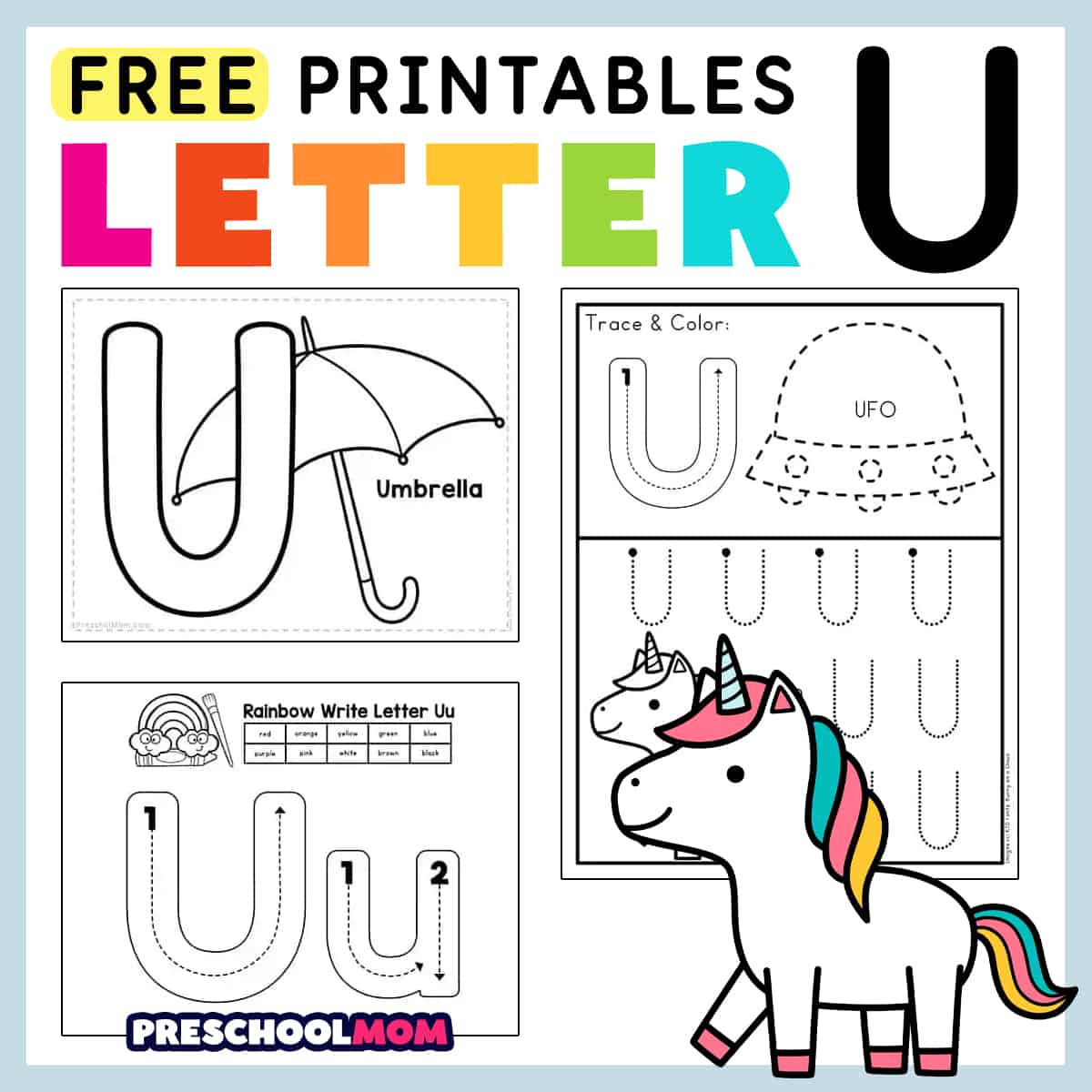
Understanding the Layout of Letter U Worksheets
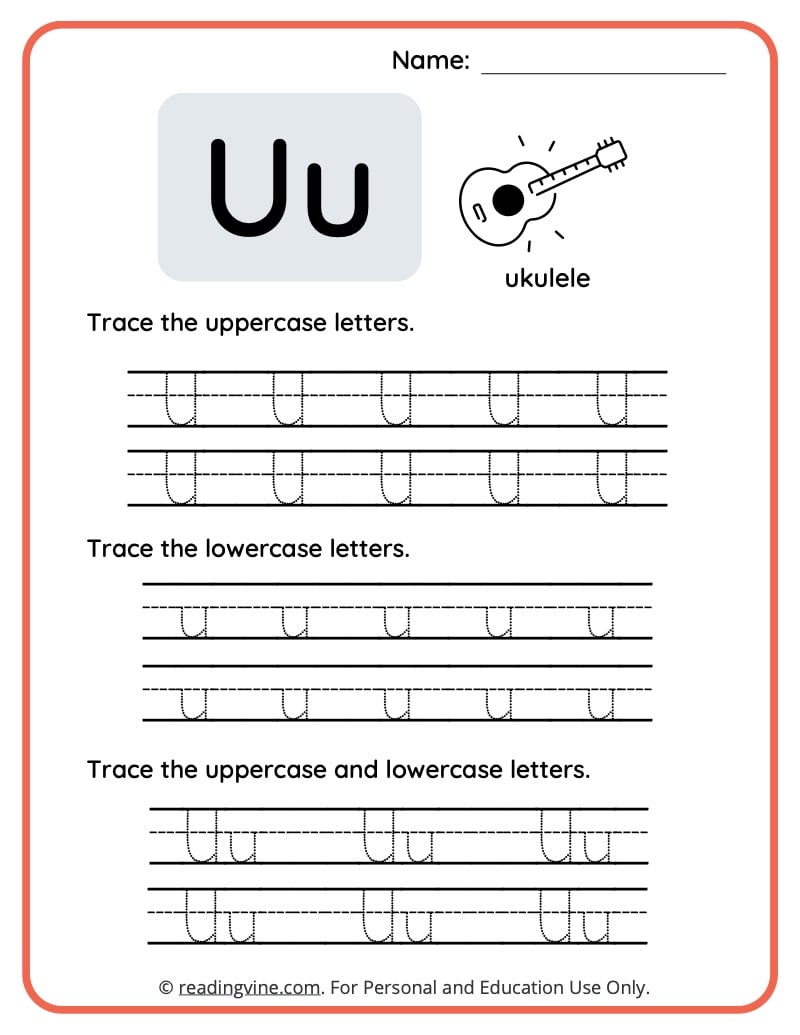
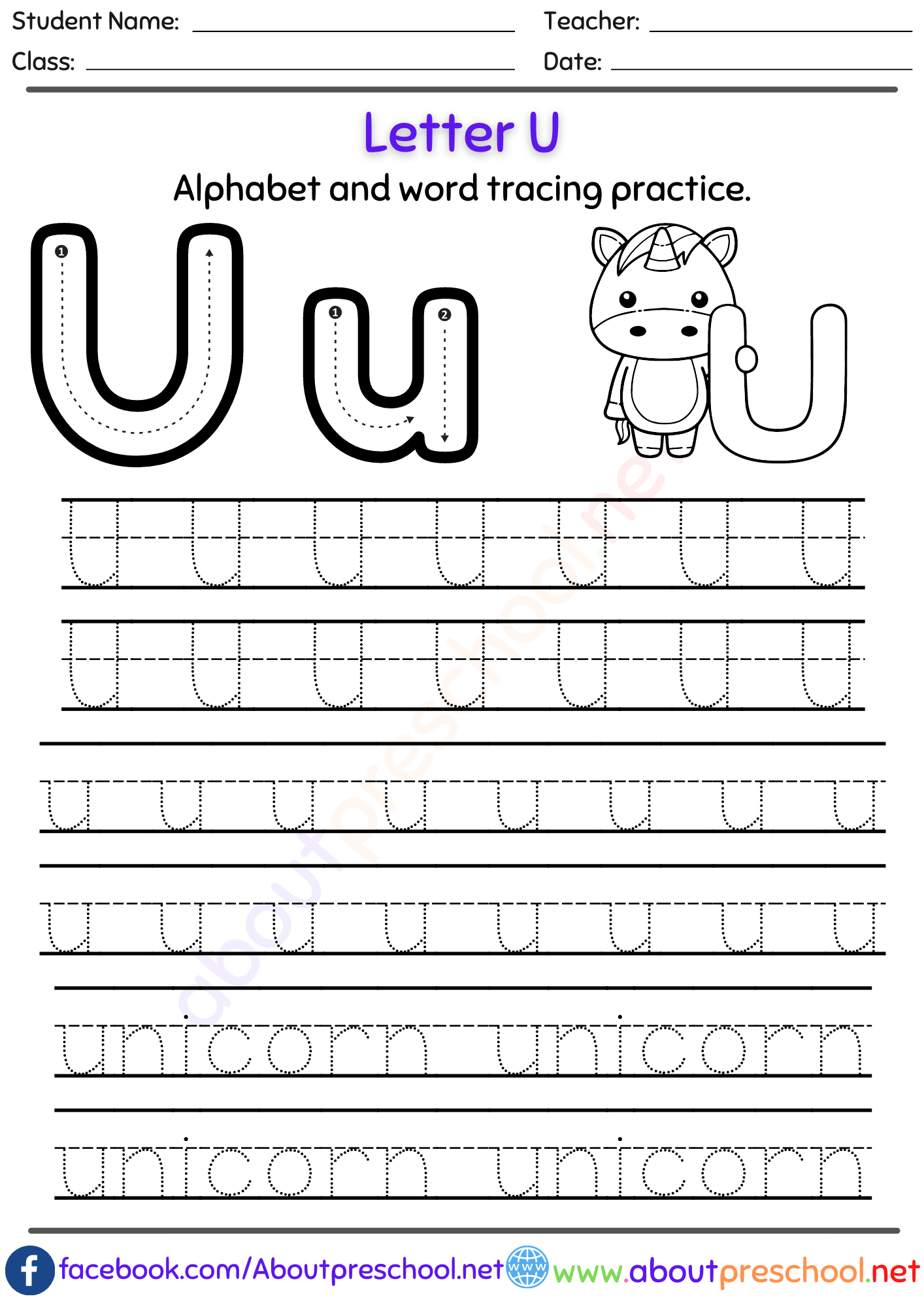
The first thing you’ll notice about the Free Letter U Worksheets For Preschool is their clear and engaging layout. Each worksheet typically features a large uppercase and lowercase “U” at the top, allowing children to visually differentiate between the two forms. Here’s how the layout generally helps:
- Visual Recognition: The large letters capture your child’s attention and help them recognize the shape of the letter.
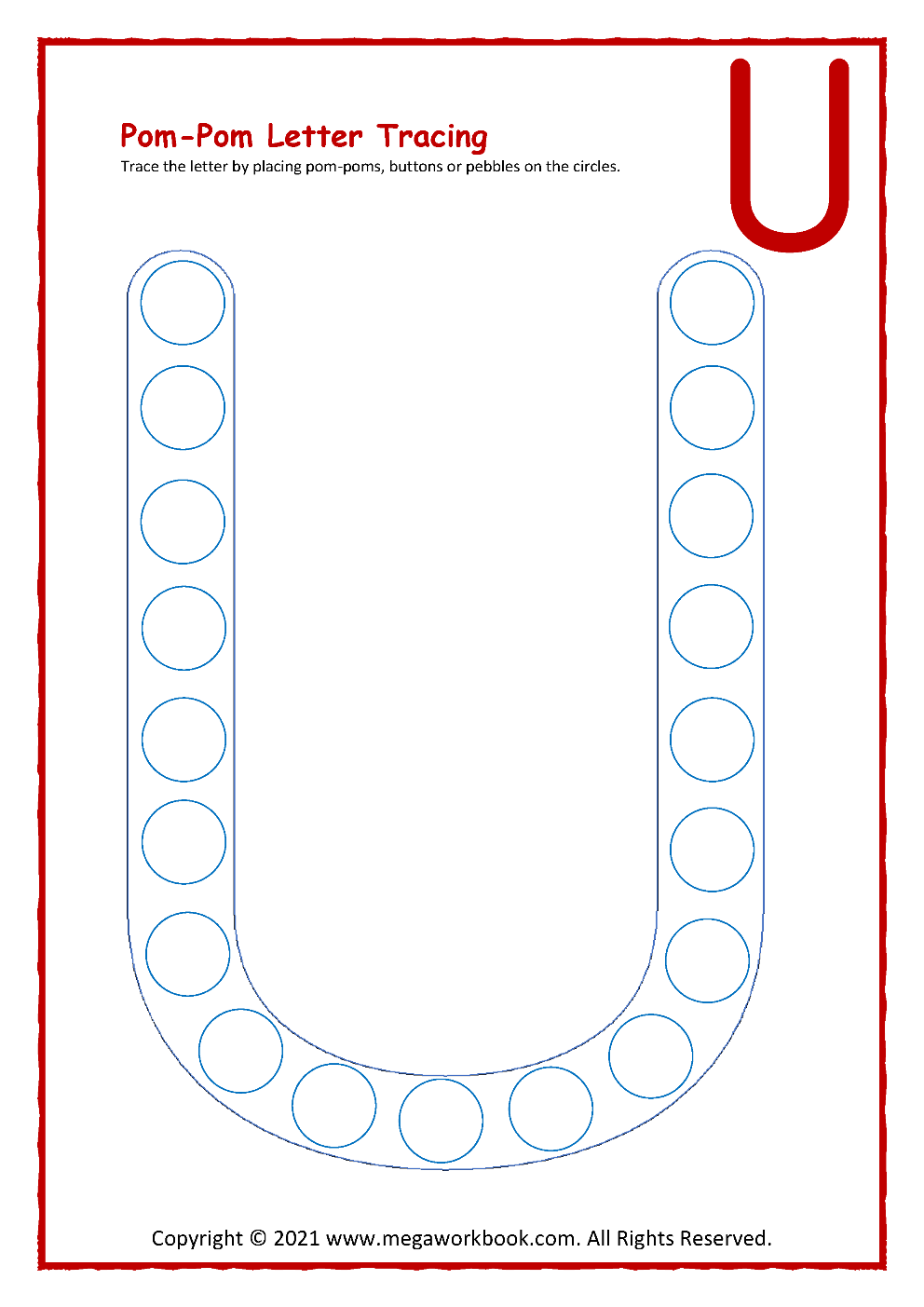
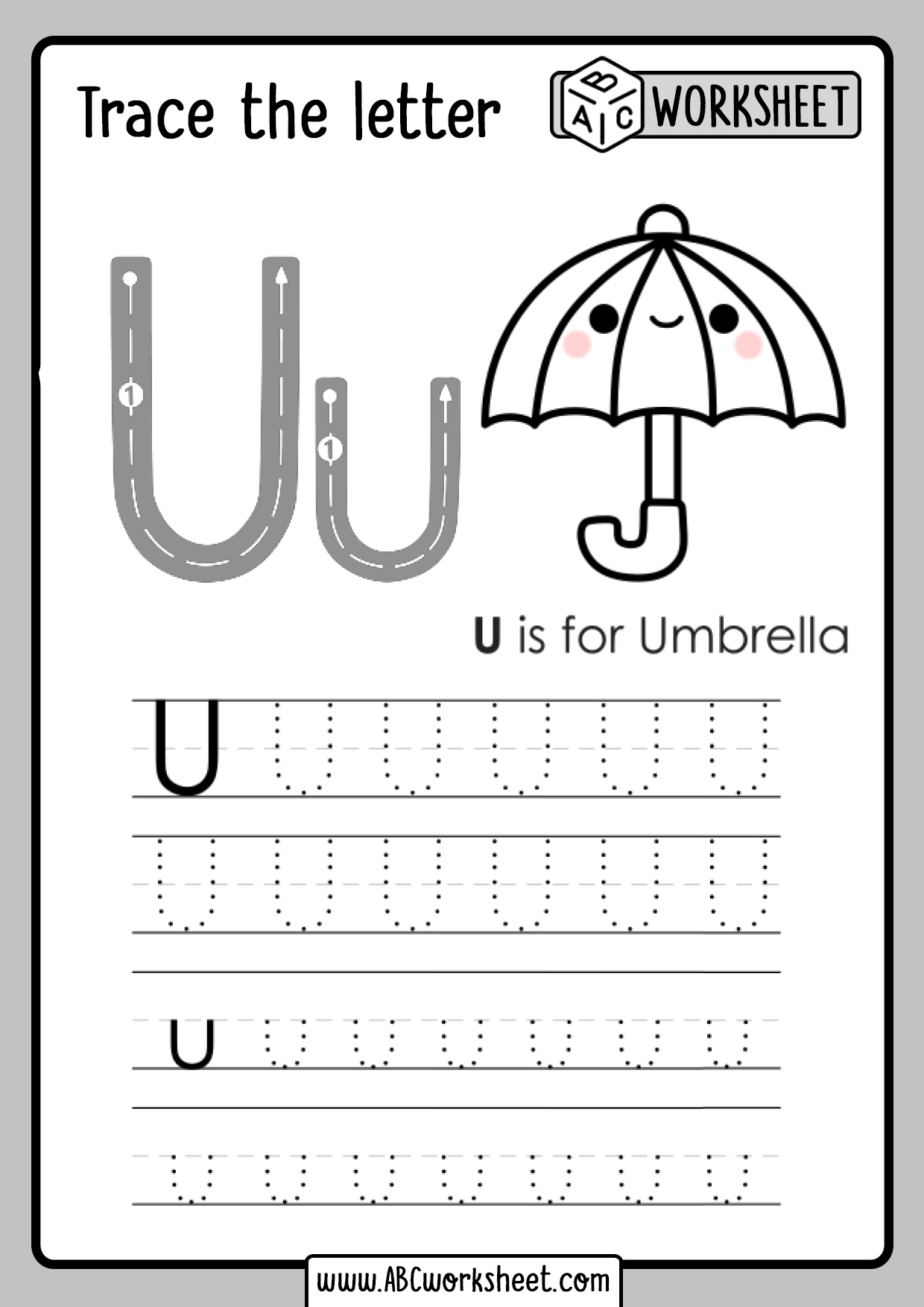
- Practice Space: Below the letters, there’s often a designated area for tracing and writing. This section is crucial for developing fine motor skills. The lines are usually dotted or dashed, making it easier for your child to follow along.
- Illustrations: Many worksheets include fun illustrations of objects that start with the letter U, such as “umbrella” or “unicorn.” These visuals not only make the worksheets more engaging but also help in associating the letter with words.
You can easily print these worksheets on standard letter-sized paper (8.5 x 11 inches), which is compatible with most home printers. When printing, choose the portrait layout for optimal results.
Activities Included in the Worksheets
The Free Letter U Worksheets For Preschool often incorporate a variety of activities that enhance learning through play. Here are some common activities you might find:
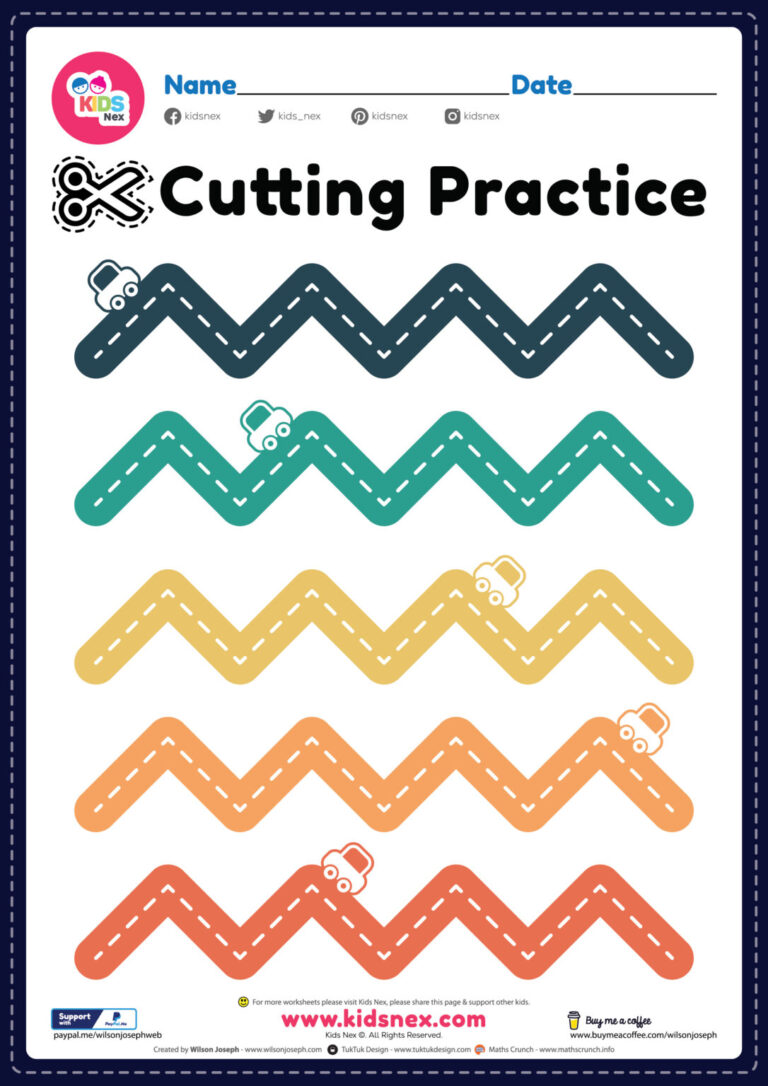
- Tracing: Children can trace over the dotted lines of the letters, which helps solidify their understanding of letter formation.
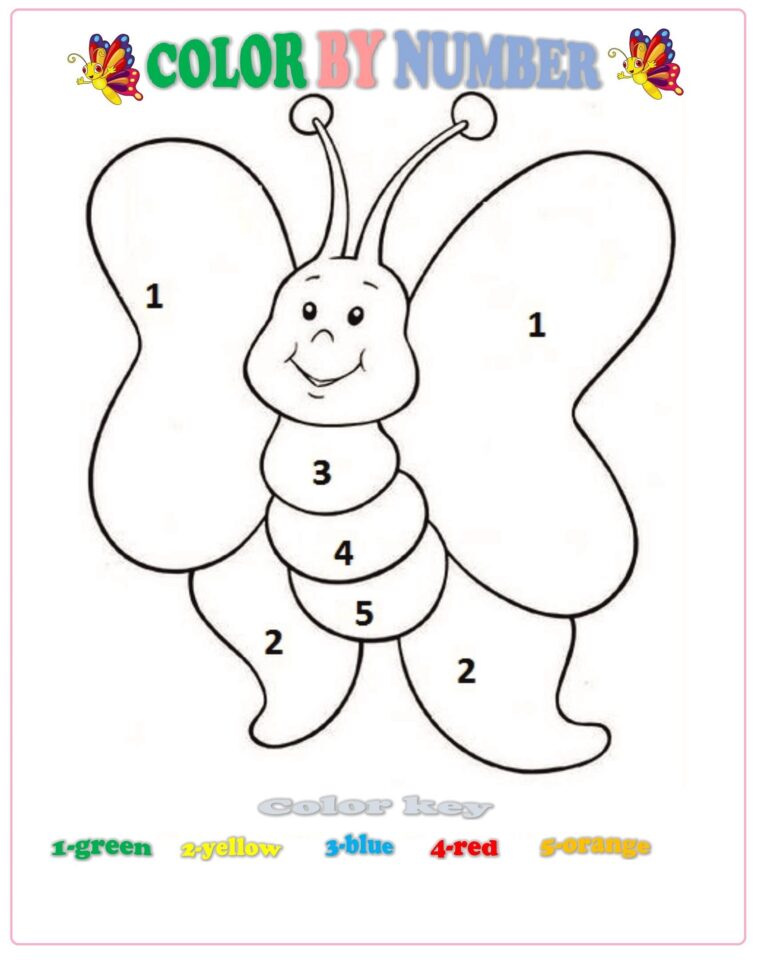
- Coloring: Some worksheets include images that children can color in, which is a great way to keep them engaged while reinforcing the letter’s recognition.
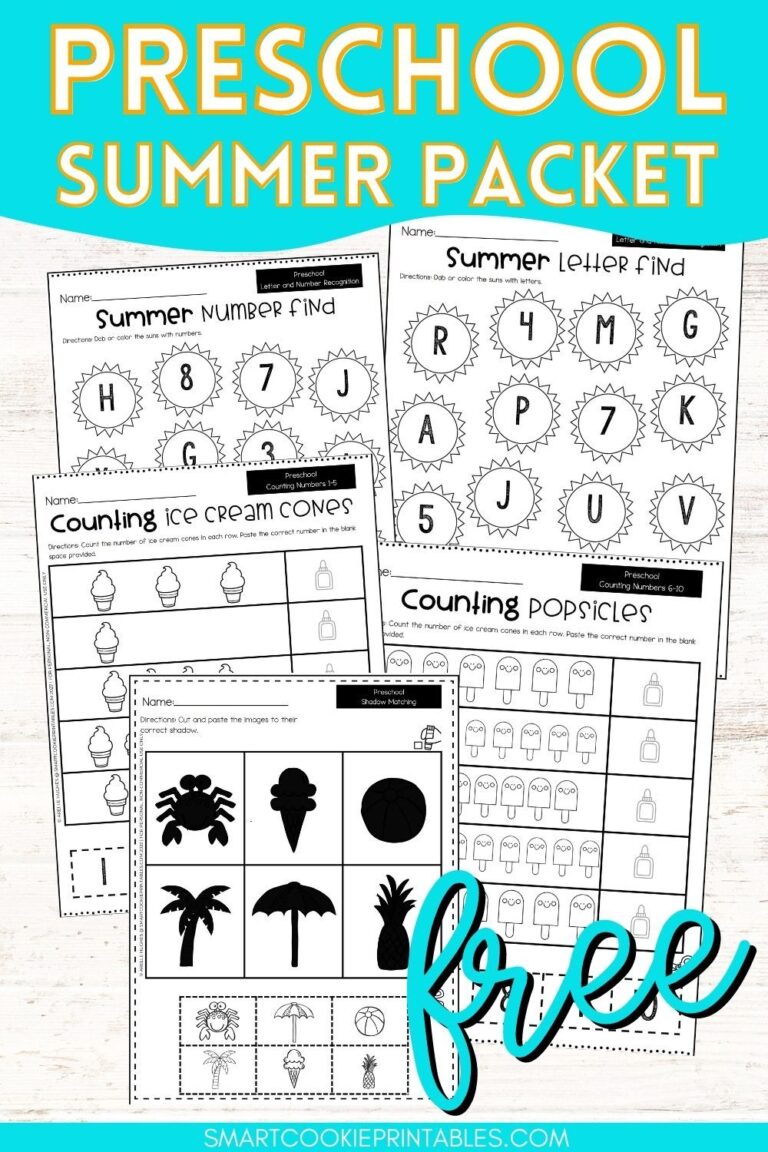
- Matching: Activities might involve matching uppercase and lowercase letters, or matching images that start with the letter U to the letter itself.
- Word Search: Some worksheets might feature a simple word search where preschoolers look for words that start with U. This is a fun way to build vocabulary.
When you implement these activities, it’s best to set aside a specific time in your daily routine. Consistency is key in reinforcing learning, so consider making this part of your morning or afternoon activities.
Incorporating Worksheets Into Daily Learning
To maximize the benefits of the Free Letter U Worksheets For Preschool, think about how you can incorporate them into your daily learning routine. Here are some practical tips:
- Daily Practice: Set aside 10-15 minutes each day for worksheet activities. This short, focused time can be very effective for reinforcing skills.
- Combine with Reading: Pair the worksheets with storybooks that feature the letter U. Reading together can enhance recognition and provide context for the activities on the worksheet.
- Use Real-Life Examples: Point out items around the house or outdoors that start with the letter U. This real-world connection can make learning more meaningful for your child.
- Create a Learning Binder: As you gather more worksheets for different letters, consider creating a binder. This keeps everything organized and allows your child to see their progress.
Common Mistakes to Avoid
While using Free Letter U Worksheets For Preschool, some common pitfalls can hinder the learning experience. Here are a few mistakes to avoid:
- Overloading with Information: Don’t overwhelm your child with too many worksheets at once. Focus on one worksheet per session to keep it manageable and enjoyable.
- Neglecting Feedback: As your child completes the worksheets, provide positive feedback. Celebrate their successes and gently guide them through challenges.
- Skipping Review: Before moving on to the next letter, ensure that your child has a solid understanding of the letter U. Revisit the worksheets a few times if necessary.
Tips for Printing and Using Worksheets
When you’re ready to print and use the Free Letter U Worksheets For Preschool, consider these practical tips:
- Paper Choice: Use a heavier paper, such as cardstock, if you plan to laminate the worksheets for repeated use. Laminated sheets can be used with dry-erase markers for easy wipe-off.
- Print Settings: If you notice any formatting issues, opt for the PDF version of the worksheets as they tend to maintain their layout better than image files.
- Organize by Letter: As you collect worksheets for different letters, keep them sorted in a binder or folder labeled by letter. This makes it easy to find the right material when it’s time for learning.
By being mindful of these aspects, you can effectively support your child’s learning journey while making the experience enjoyable.
Using Free Letter U Worksheets For Preschool offers a structured yet fun way to teach your child about letters. With the right approach, these worksheets can be a valuable part of your preschool curriculum. Whether you decide to use them for daily practice, combine them with interactive reading, or incorporate them into a broader learning binder, they present an excellent opportunity for skill development. You might even find that your child looks forward to these learning sessions, especially with the engaging activities they include.
When evaluating your options, think about the practical applications of these worksheets in your home. You can easily adapt your approach based on your child’s responses and interests, ultimately leading to a more personalized and effective learning experience.
Free Letter U Worksheets For Preschool Gallery