Free Opposite Worksheets For Preschool
When you’re on the lookout for educational tools for your preschooler, Free Opposite Worksheets For Preschool can be an excellent resource. These worksheets are designed to help young children grasp the concept of opposites, which is a fundamental building block in their early learning journey. By using these worksheets, you can enhance your child’s vocabulary and critical thinking skills while making learning enjoyable.
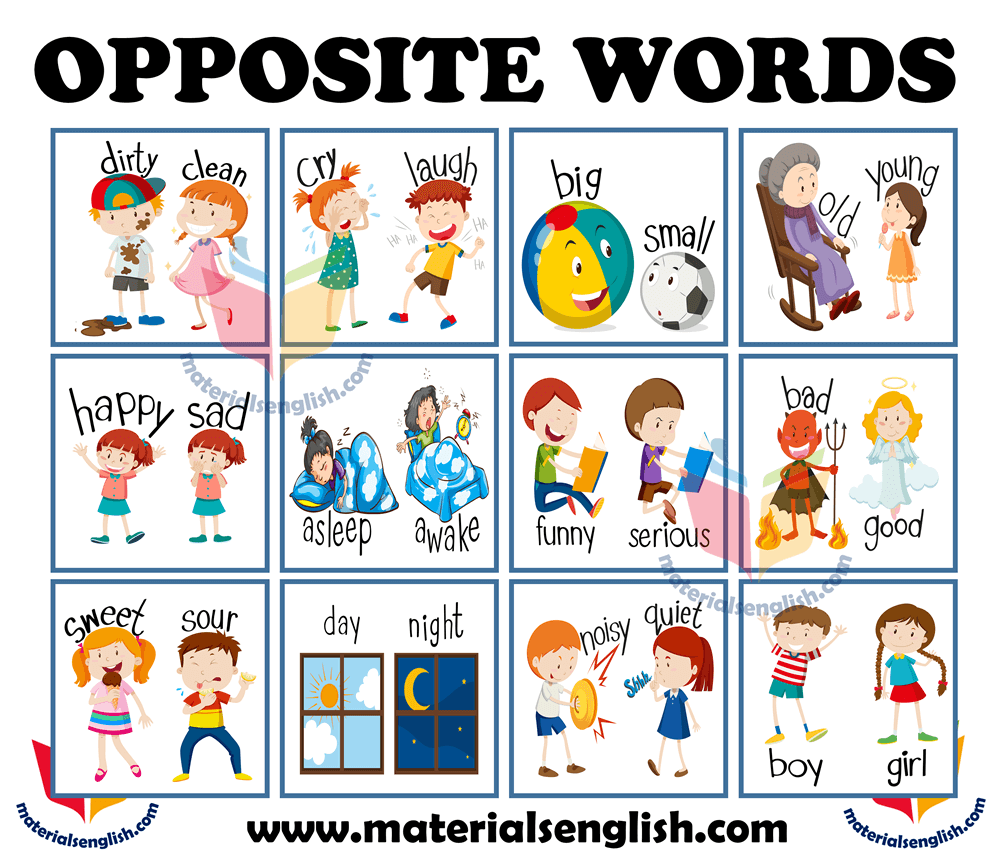
Understanding the Importance of Opposites in Early Learning
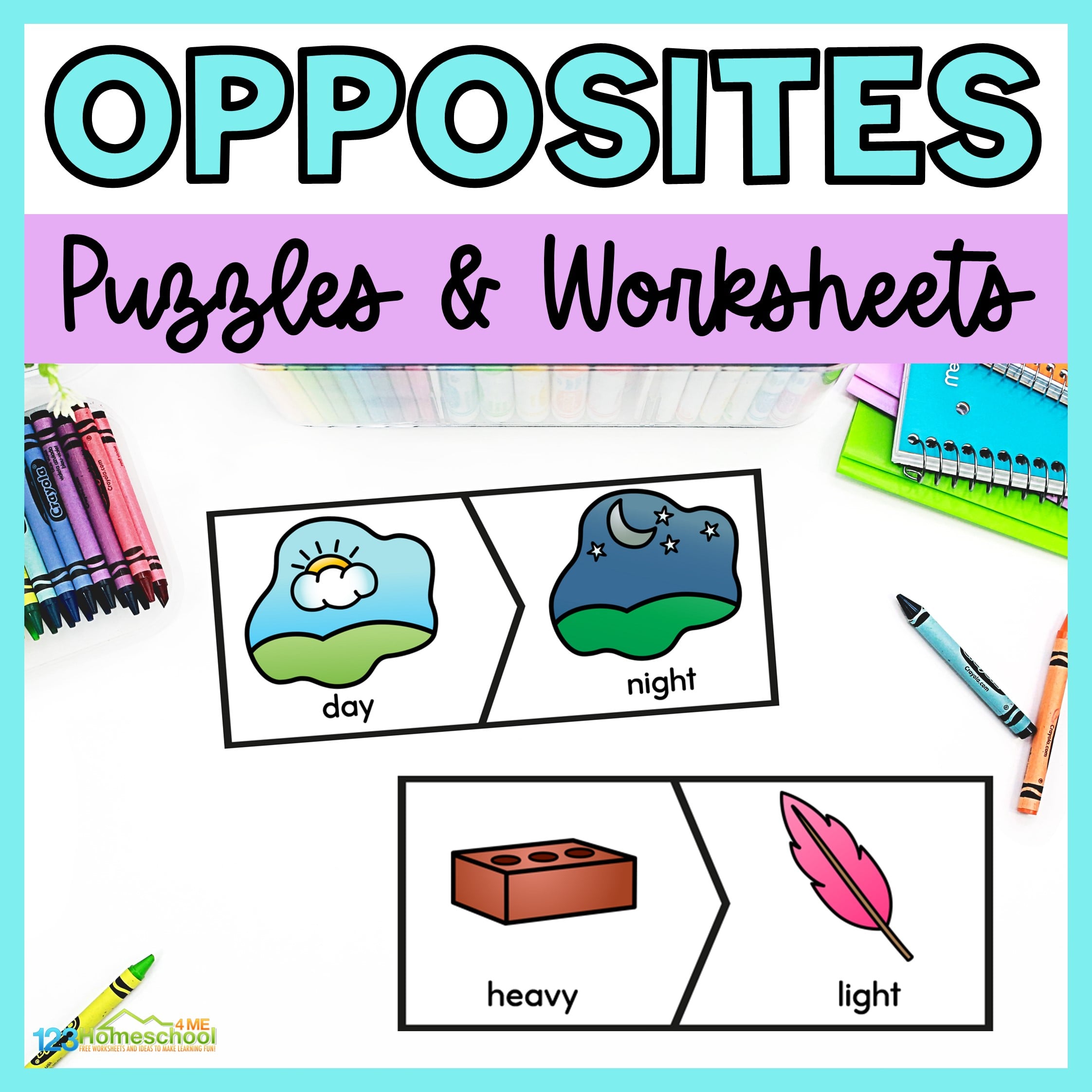
Teaching opposites is crucial for preschoolers as it lays the foundation for language development and cognitive skills. Recognizing opposites helps children categorize their experiences and understand the world around them. For instance, understanding the difference between “big” and “small” can enhance their comprehension of size and volume. This foundational knowledge leads to better communication skills and a deeper understanding of language.
Moreover, learning about opposites can be integrated into daily activities. You can point out opposites during playtime, meals, or even while reading stories together. This not only reinforces what they’ve learned in the worksheets but also makes the learning process more interactive and relatable.
Features of Our Free Opposite Worksheets
Our free opposite worksheets come with various features to cater to the diverse learning styles of preschoolers. Here are some elements to look for:
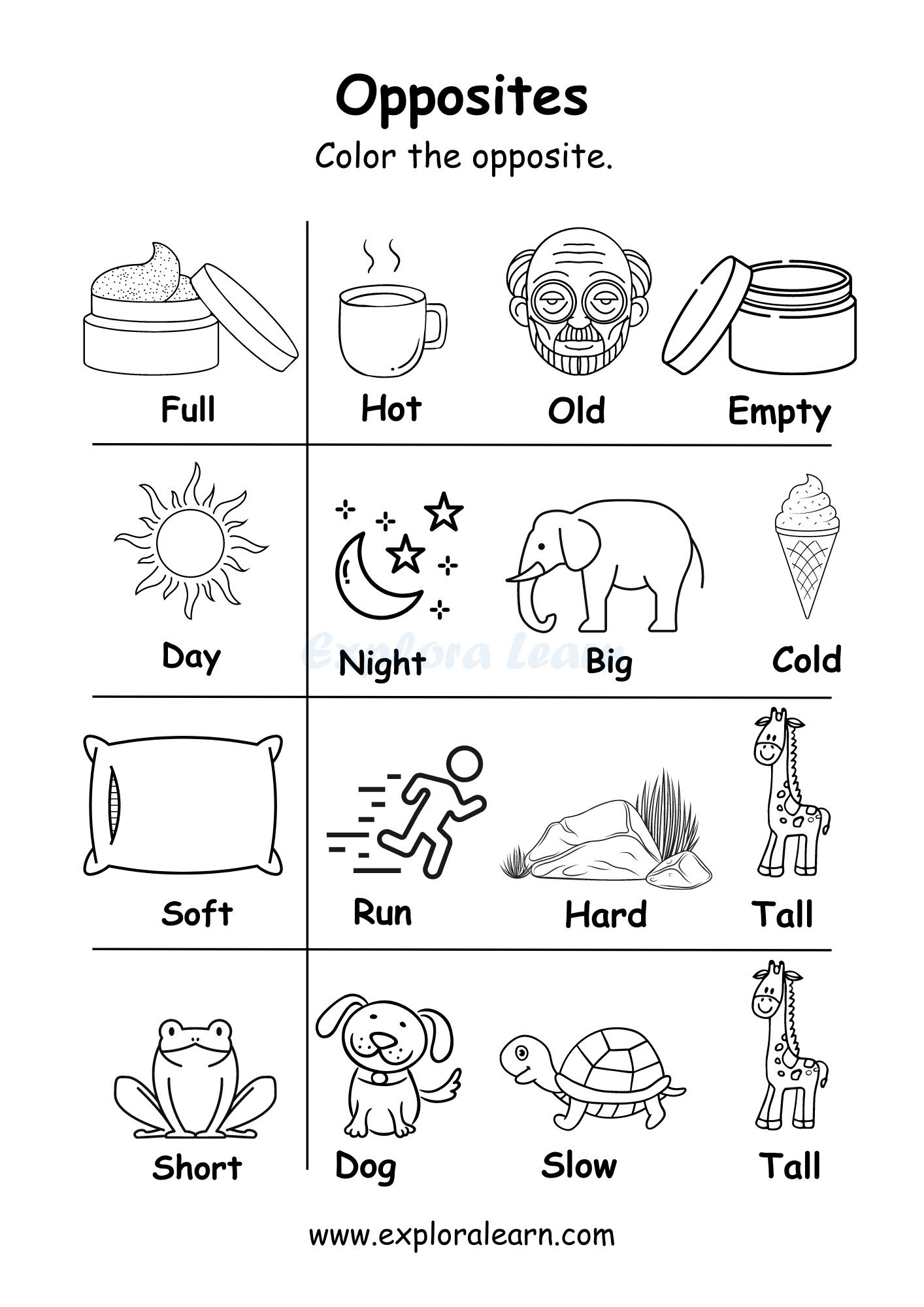
- Visual Aids: Each worksheet includes colorful illustrations that visually represent opposite pairs, making it easier for children to grasp the concepts.
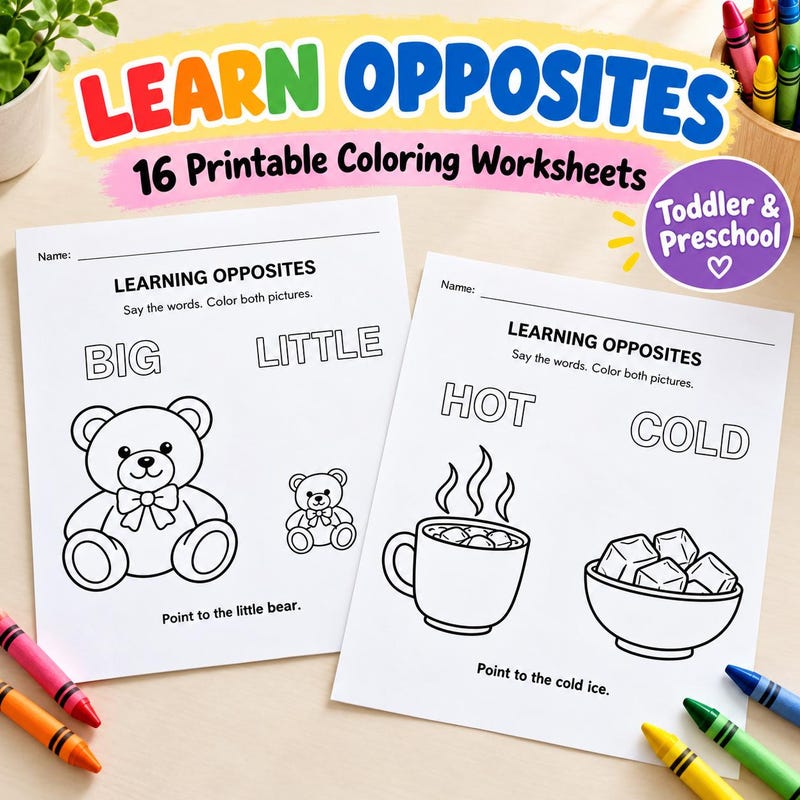
- Engaging Activities: Activities may include matching words to pictures, filling in the blanks, or coloring related images.
- Printable Format: You can easily download and print these worksheets at home, allowing for immediate use without the need for extensive preparation.
- Variety of Difficulty Levels: Some worksheets might be more straightforward, while others may challenge your child to think critically about the opposites presented.
How to Use the Free Opposite Worksheets Effectively
To maximize the benefits of these worksheets, here’s a practical guide on how to use them in your child’s learning routine:
- Preparation: Before starting, gather materials like crayons, markers, or stickers to make the activities more interactive. Having these items ready can keep your child engaged.
- Review the Concepts: Before diving into the worksheets, take a moment to discuss the concept of opposites with your child. Use everyday examples they can relate to, such as hot and cold or up and down.
- Step-by-Step Guidance: Work through the worksheets together. Start with one or two examples, explaining the task clearly. Encourage your child to think about each pair and why they are opposites.
- Interactive Learning: After completing a worksheet, reinforce learning by playing games that involve opposites. For example, you could play charades where they act out opposite actions like “run” and “stop.”
- Positive Reinforcement: Celebrate their efforts, regardless of the outcome. Positive feedback can boost their confidence and encourage a love for learning.
Where to Find Free Opposite Worksheets
Several online platforms offer free printable opposite worksheets that you can easily access. Websites dedicated to early childhood education often have a variety of resources, including:
- Educational Websites: Look for reputable educational sites that specialize in preschool resources. They typically have a section for downloadable worksheets.
- Teacher Resource Platforms: Many sites dedicated to teachers also provide free resources for parents. These platforms often have worksheets aligned with educational standards.
- Community Forums: Check parenting forums or educational groups on social media where parents share resources and experiences. You might find links to useful worksheets.
Tips for Printing and Using the Worksheets
When it comes to printing and using the worksheets, here are some practical tips:
- Paper Type: For durability, consider printing on cardstock instead of regular paper, especially if your child will be using markers or crayons that might bleed through.
- Size Matters: Standard printing paper (8.5” x 11”) is usually the best choice for worksheets, as it fits most home printers and is easy to handle.
- Color Settings: If you want the illustrations to pop, printing in color is ideal. However, if you’re looking to save on ink, consider printing in black and white and having your child color the images afterward.
- Storage: Use a folder or binder to keep completed worksheets organized. This not only helps track progress but also allows your child to revisit previous lessons.
Integrating Opposite Learning Into Daily Activities
In addition to worksheets, you can incorporate the concept of opposites into daily life. Here are some activities you can try:
- Cooking Together: While cooking, talk about opposites like “hot” and “cold” when dealing with the stove or fridge.
- Outdoor Play: Use playground time to discuss opposites like “up” (on the slide) and “down” (when sliding down).
- Reading Books: Choose picture books that highlight opposites and engage your child in discussions about the characters’ actions and traits.
Free Opposite Worksheets For Preschool Gallery