Free Preschool Printable Worksheets Abc and #39
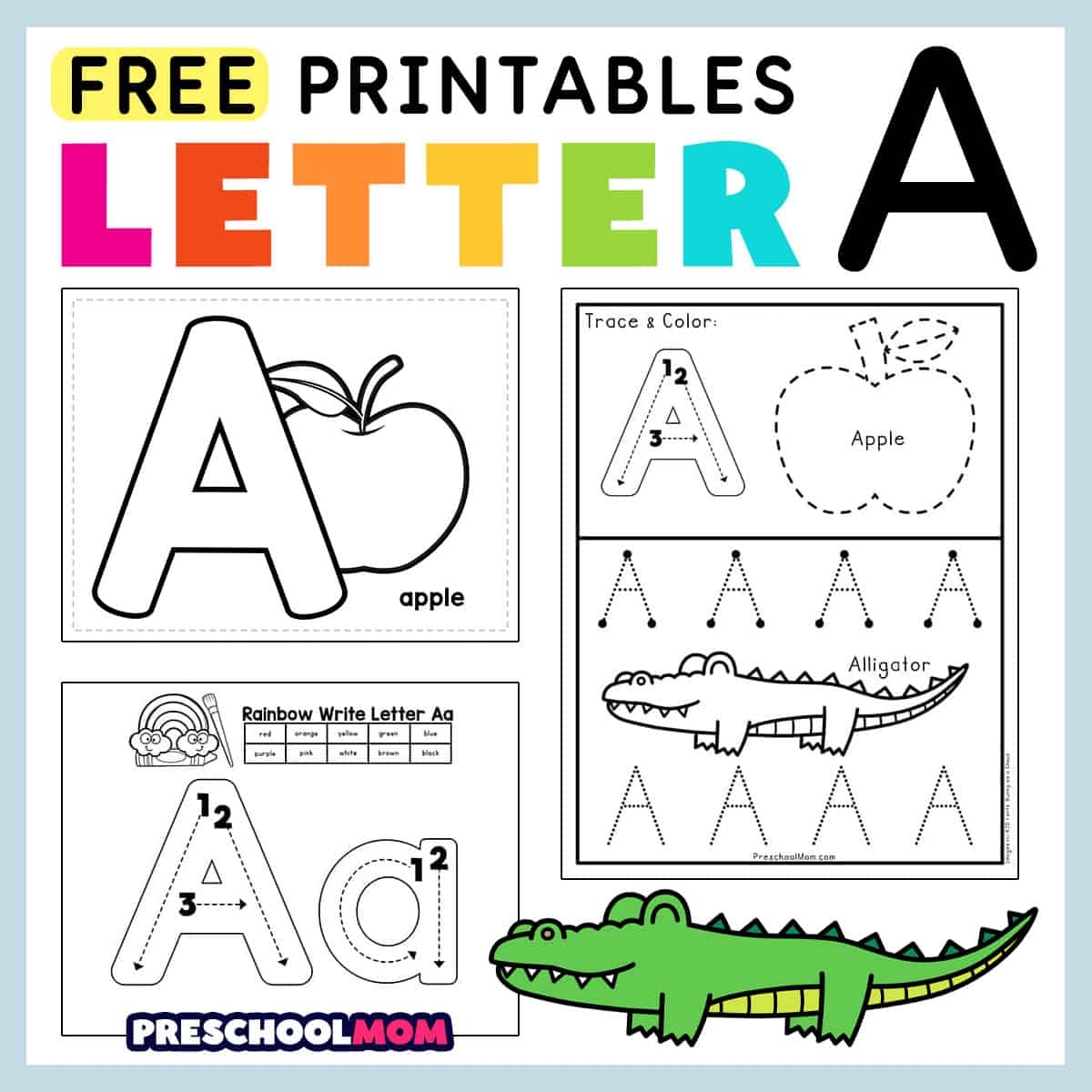
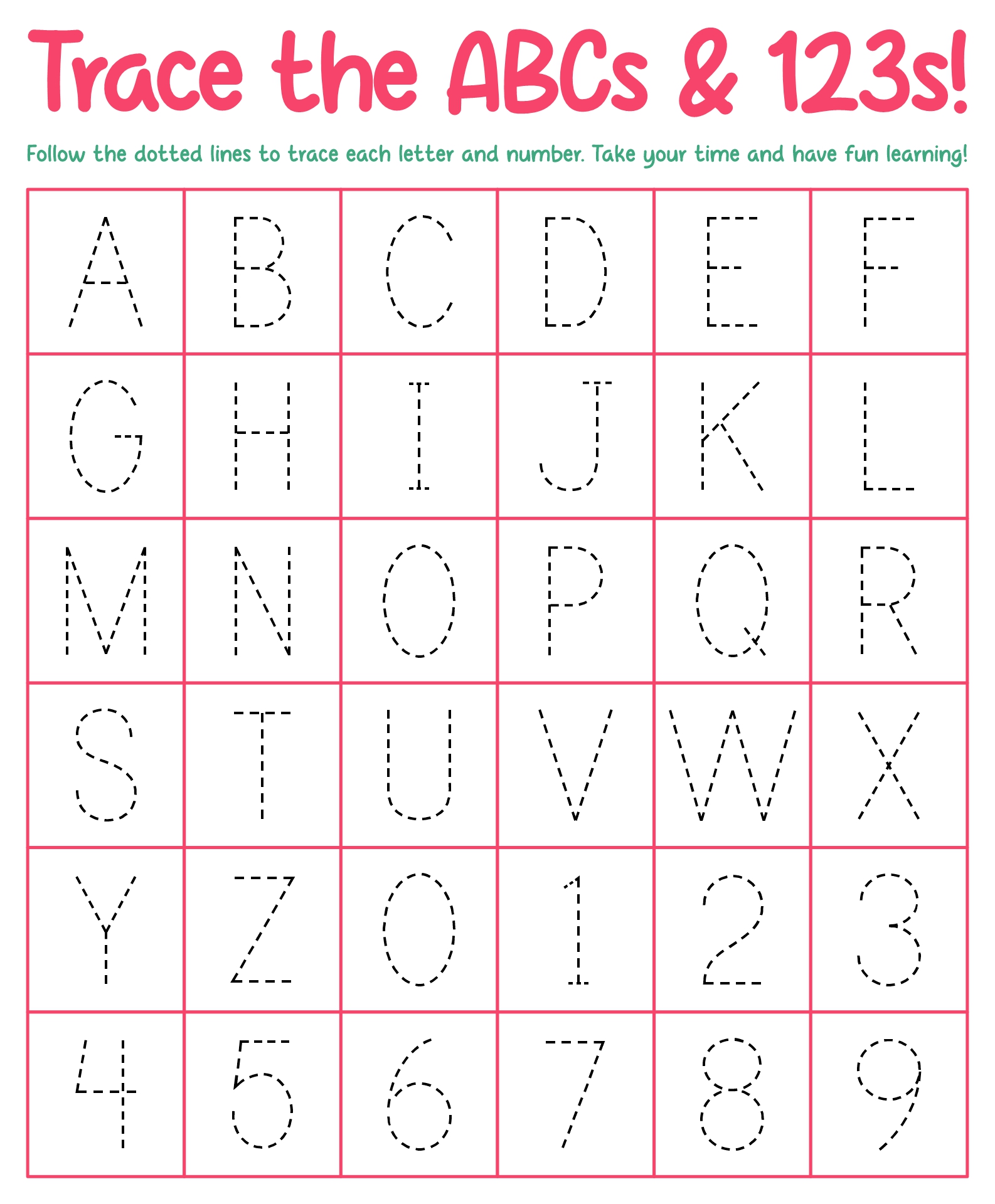
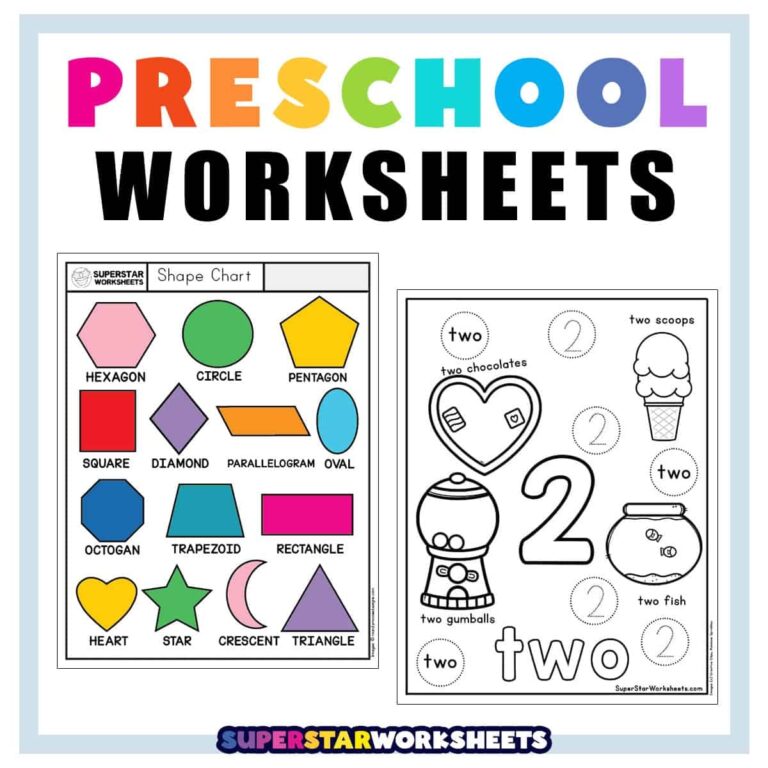
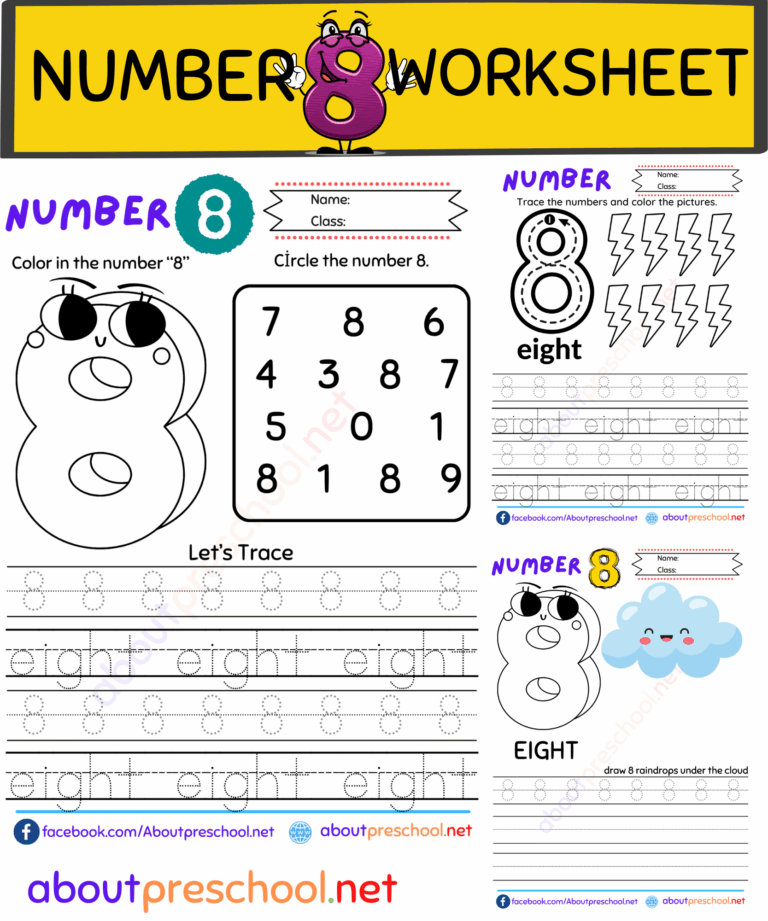
Finding engaging resources for preschoolers can be a challenge, especially when you’re looking for something both educational and fun. Free Preschool Printable Worksheets Abc and #39 are a fantastic solution for parents wanting to support their child’s early literacy skills. These worksheets not only make learning the alphabet enjoyable but also help children develop fine motor skills, comprehension, and creativity. In this article, I’ll guide you through how to effectively choose, download, print, set up, and use these worksheets, ensuring a smooth and enriching experience for your little one.
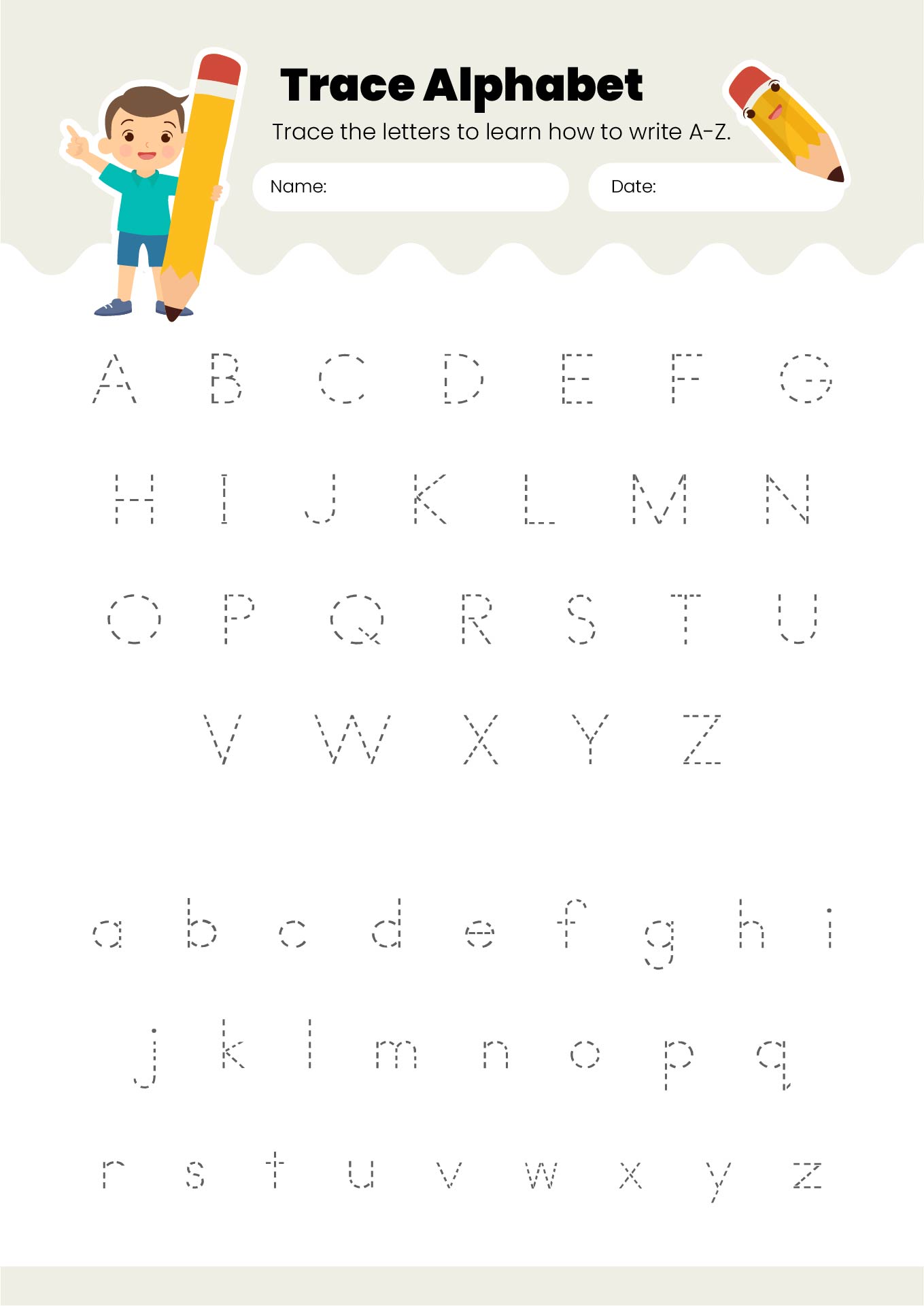
Understanding the Benefits of Printable Worksheets
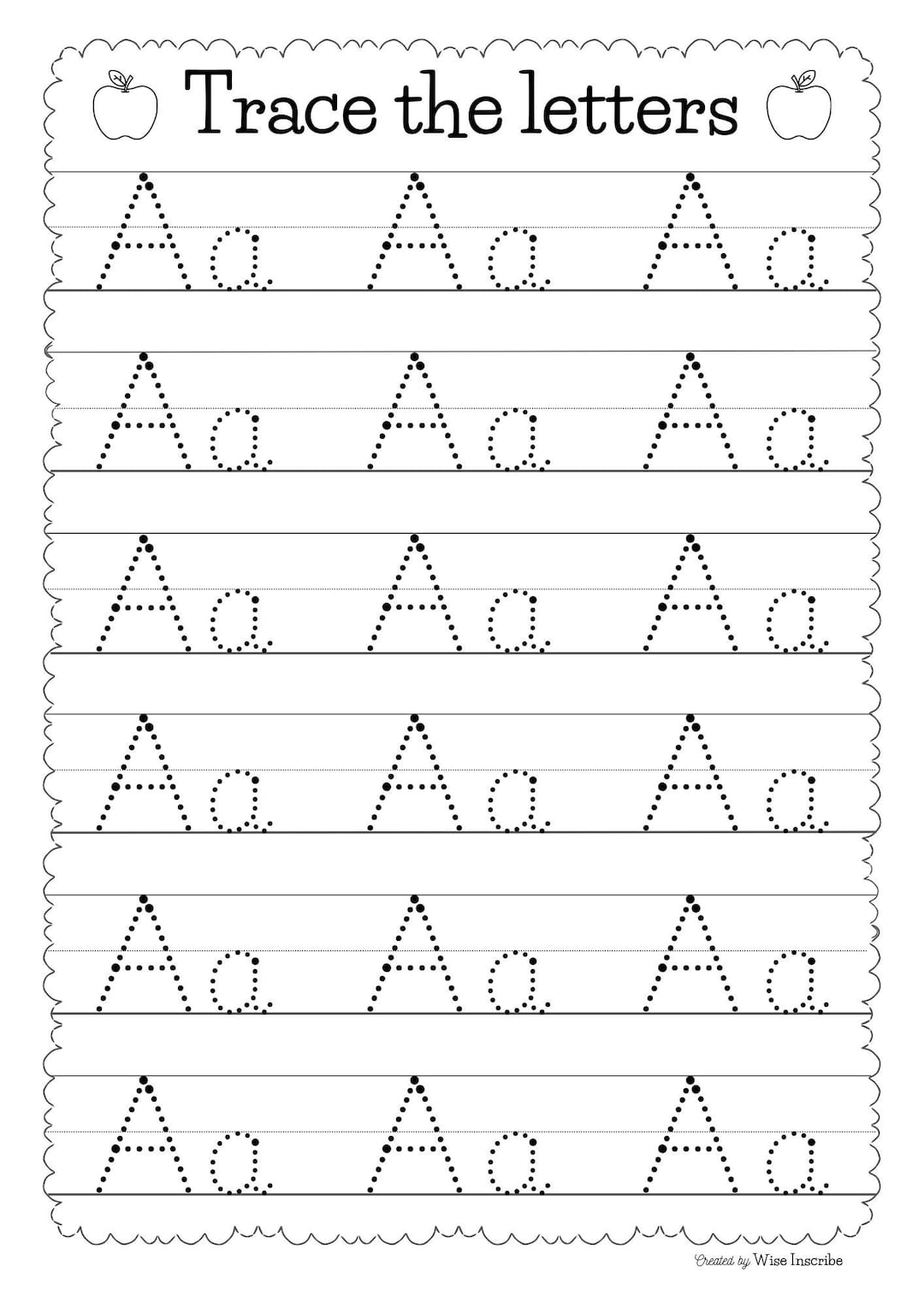
Printable worksheets offer several advantages for preschool education. They provide a structured way to introduce letters and sounds, which are foundational to reading and writing. When kids work on these worksheets, they can:
- Enhance letter recognition
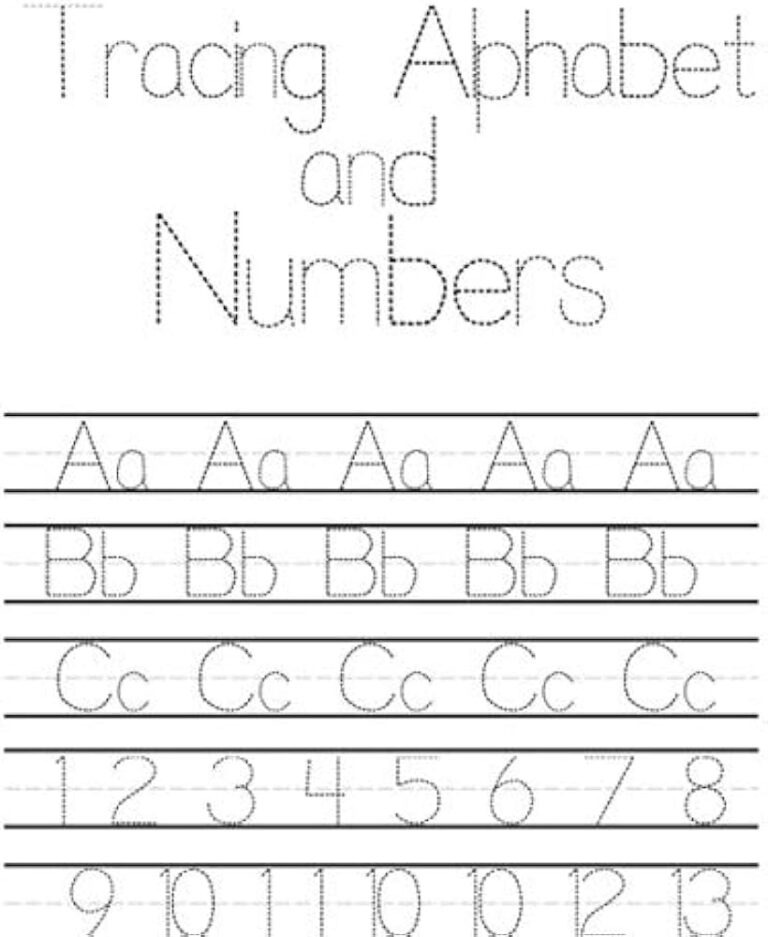
- Practice writing skills
- Improve fine motor coordination
- Foster creativity through coloring and arts activities
By incorporating these worksheets into your daily routine, you can create a rich learning environment at home. And the best part? Many of these resources are available for free online, making them accessible to everyone.
How to Find and Choose the Right Worksheets
When searching for Free Preschool Printable Worksheets Abc and #39, it’s essential to consider your child’s interests and learning style. Here are some tips to guide your selection:
- Focus on Variety: Look for worksheets that cover different aspects of the alphabet, such as tracing, matching letters, and coloring activities. This variety keeps learning engaging.
- Check the Age Appropriateness: Ensure the worksheets are designed for preschoolers. They should offer a mix of challenge and fun, suitable for kids around ages 3 to 5.
- Preview Before Downloading: Many websites allow you to preview worksheets. Take a moment to check if the layout and content align with your child’s learning needs.
- Read Reviews: If available, look for parent reviews or recommendations for specific worksheets. This can save you time and help you choose high-quality resources.
Downloading and Printing Your Worksheets
Once you’ve selected the right worksheets, the next step is downloading and printing them. Here’s a straightforward process to follow:
- Download the PDF: Most printable worksheets are available in PDF format. This ensures that the layout remains intact when printed. Click the download button and save it to your device.
- Check Your Printer Settings: Before printing, make sure your printer is set to the correct paper size (usually letter size for worksheets) and is using a good quality print setting for clear text and images.
- Paper Choice Matters: For durability, consider using heavier paper or cardstock. This is especially helpful if you plan to laminate the worksheets for repeated use.
- Print a Test Page: If you’re trying a new resource, print a test page first to ensure the formatting looks good. This can help avoid wasting paper and ink.
Setting Up a Learning Environment
Creating a conducive learning environment is key to your child’s success with these worksheets. Here are some practical tips:
- Designate a Learning Space: Choose a quiet area with good lighting where your child can focus. A small table with comfortable seating works well.
- Organize Supplies: Keep crayons, markers, and other art supplies handy. This encourages creativity when your child completes coloring sections of the worksheets.
- Establish a Routine: Incorporate worksheet time into your daily schedule. This could be a morning activity or part of the evening wind-down routine.
- Be Supportive: Sit with your child as they work on the worksheets. Offer help when needed but encourage independence. Praise their efforts to boost their confidence.
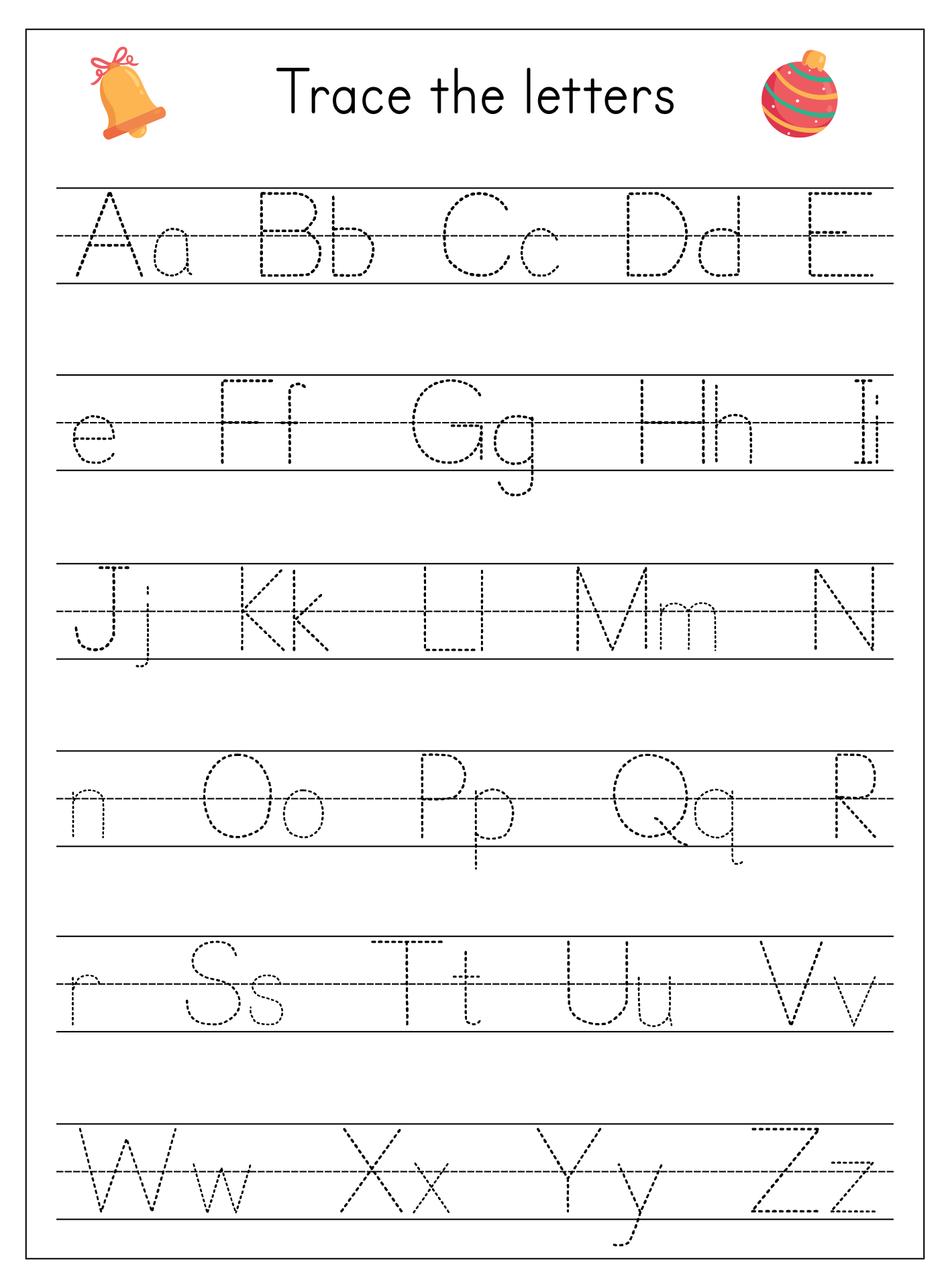
Effective Use of Worksheets in Learning
Now that you have everything set up, let’s look at how to make the most of Free Preschool Printable Worksheets Abc and #39:
- Interactive Learning: Turn the worksheet activities into games. For example, you can create a scavenger hunt where your child finds objects that start with specific letters.
- Discuss the Content: As your child completes a worksheet, talk about the letters and words. Ask them questions about what they’re doing and encourage them to express their thoughts.
- Incorporate Movement: If a worksheet has a lot of sitting and writing, balance that with some physical activity. For instance, after tracing letters, have them jump or dance while saying the letters aloud.
- Review and Reinforce: After completing a worksheet, revisit the concepts in everyday situations. Point out letters in books, on signs, or in your home to reinforce learning.
- Create a Portfolio: Keep completed worksheets in a folder or binder. This not only shows progress but also allows your child to revisit their work, reinforcing their learning.
Free Preschool Printable Worksheets Abc and #39 Gallery