Free Preschool Worksheets Age 3-4 Planets
Finding engaging resources for your little ones can be a challenge, especially when you want to combine fun with learning. That’s where Free Preschool Worksheets Age 3-4 Planets come in handy. These worksheets not only introduce your preschooler to the fascinating world of planets but also support their early learning skills through engaging activities. Let’s explore how to use these resources effectively.
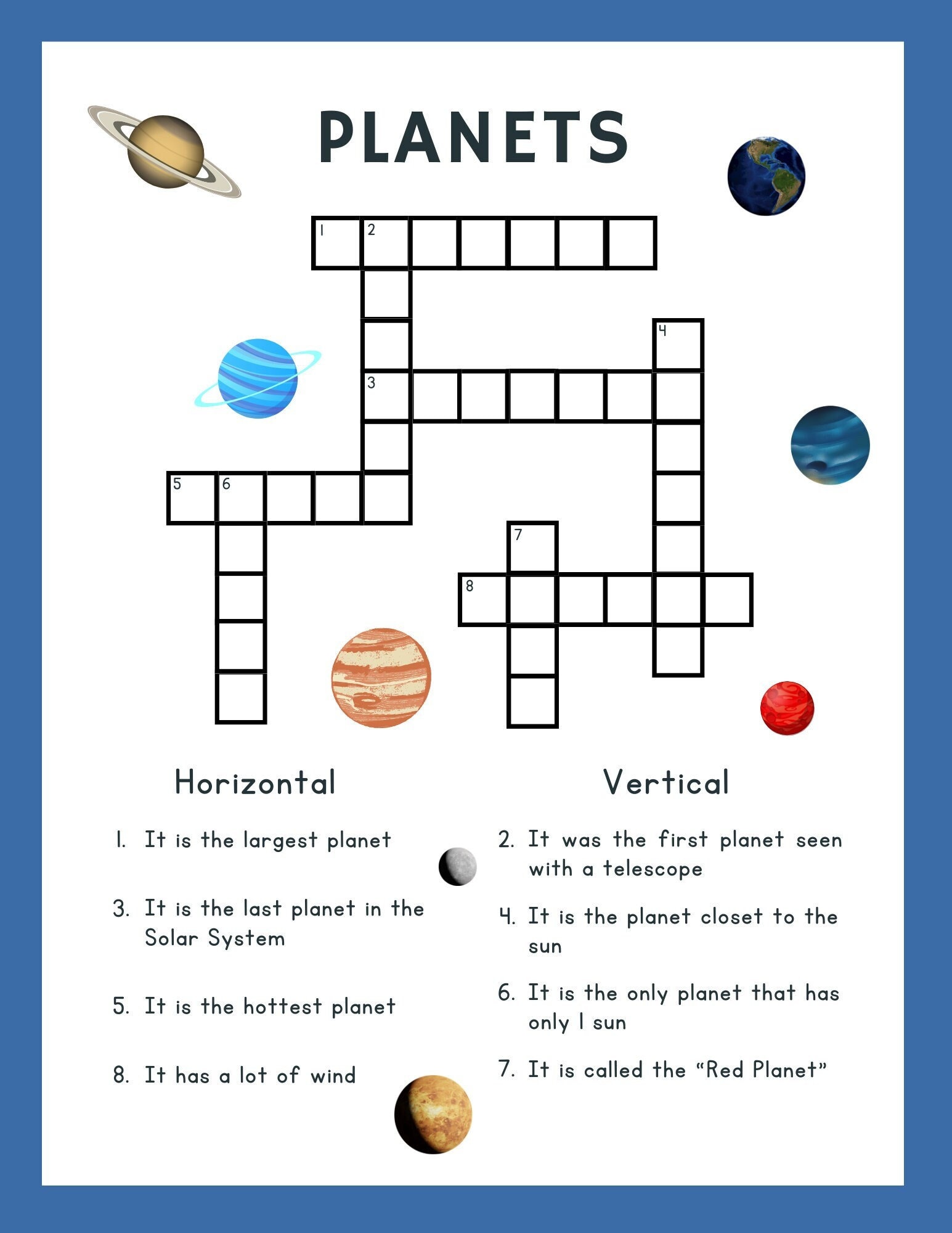
Understanding the Importance of Planet Worksheets
At this age, children are naturally curious about the world around them, including outer space. Worksheets focused on planets can help them explore concepts like:
- The names of planets
- Basic characteristics of each planet
- Fun facts to spark their imagination
By using these worksheets, you’re not just teaching them about planets; you’re also enhancing their cognitive skills, improving their fine motor skills through writing and coloring, and fostering a love for learning.
Choosing the Right Worksheets
When selecting Free Preschool Worksheets Age 3-4 Planets, consider the following:
- Age Appropriateness: Ensure that the worksheets are designed for 3-4 year-olds. Look for simple tasks that involve coloring, tracing, and basic matching.
- Variety of Activities: Choose worksheets that include different types of activities such as coloring pages, simple puzzles, and tracing exercises. This variety keeps children engaged and caters to different learning styles.
- Visual Appeal: Young children respond well to bright colors and engaging illustrations. Worksheets that feature friendly cartoon planets can draw their interest and make learning fun.
Downloading and Printing Your Worksheets
Once you’ve selected the right worksheets, it’s time to download and print them. Here’s how to do it smoothly:
- Choose Your Worksheets: Find a website offering Free Preschool Worksheets Age 3-4 Planets and browse through the available options.
- Download: Click on the download link. Most worksheets will be available in PDF format, which is ideal for printing.
- Print Settings:
- Use standard letter size (8.5 x 11 inches) for easy printing.
- Set your printer to the best quality for clear images, especially if your child will be coloring them in.
- Paper Type: Consider using cardstock for added durability, especially if your child will be handling the worksheets multiple times.
Setting Up a Learning Environment
Before diving into the activities, create a comfortable and stimulating environment:
- Designate a Workspace: Choose a table or desk where your child can sit comfortably with all their materials.
- Gather Supplies: Make sure you have crayons, colored pencils, or markers handy. Having a variety of colors encourages creativity.
Activity Ideas to Enhance Learning
Incorporate these worksheets into broader learning activities to maximize their educational impact:
1. Coloring Pages
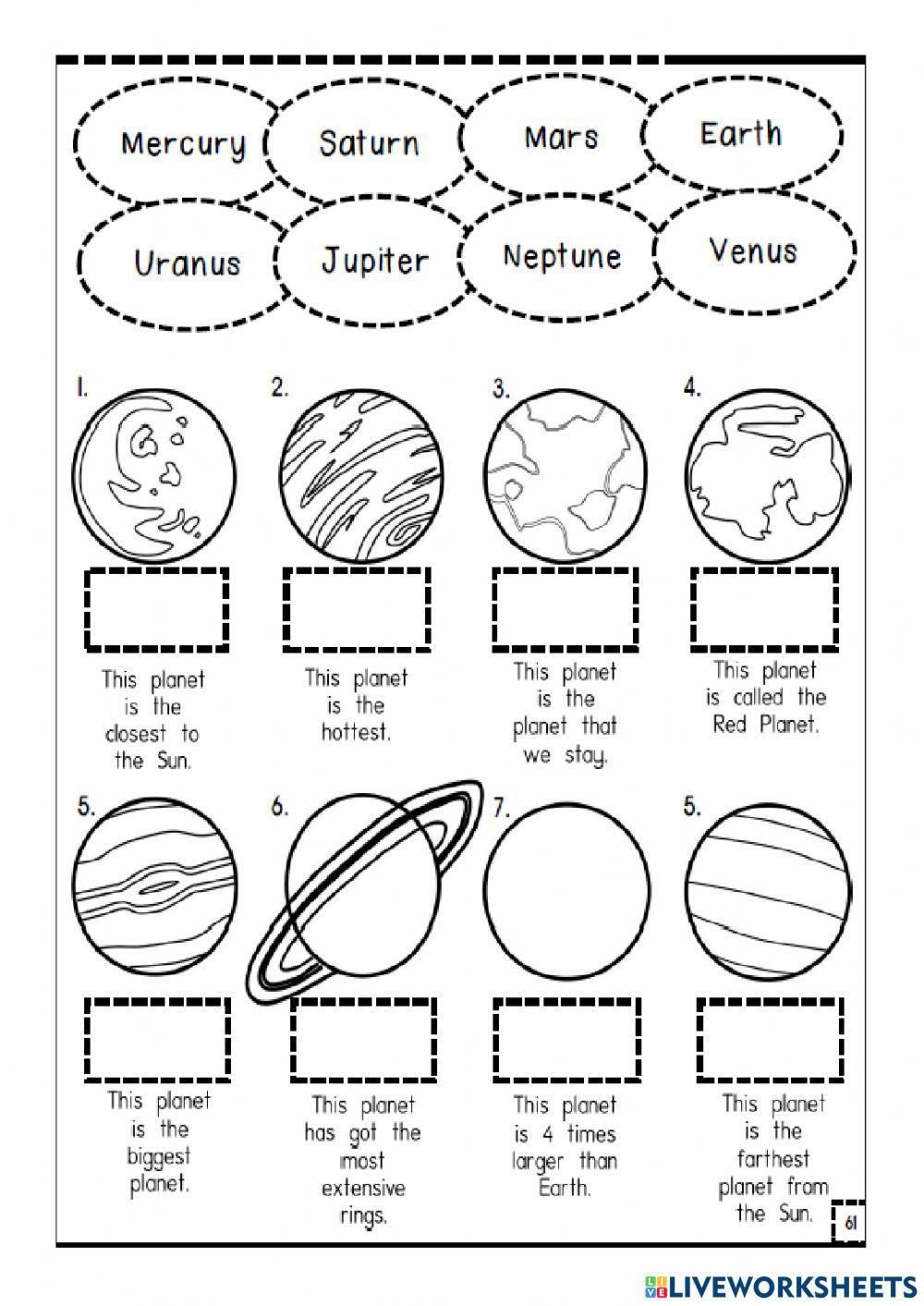
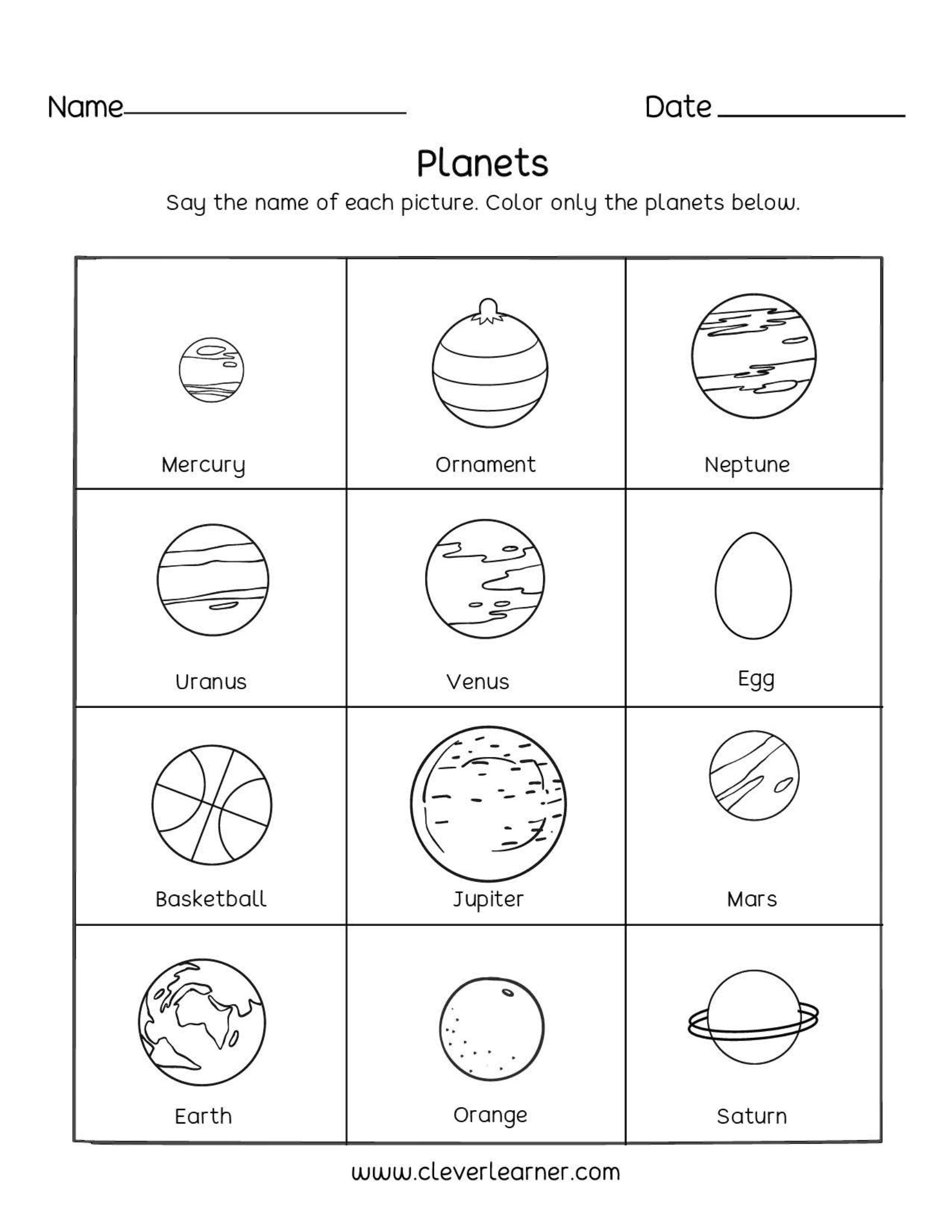
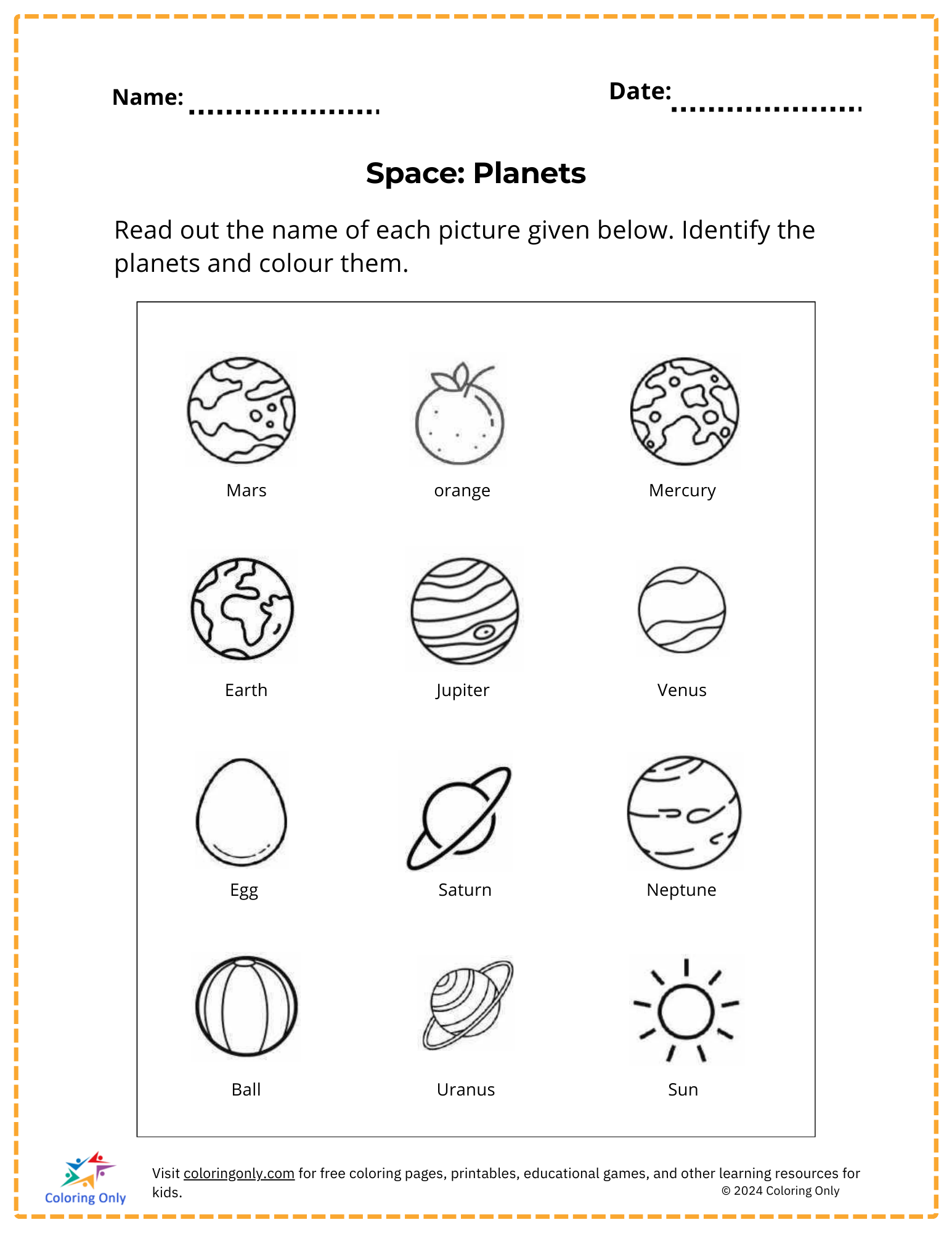
Coloring worksheets featuring different planets can be a great starting point. As your child colors, talk about each planet’s colors and sizes. You might say, “What color is Jupiter? Can you find it in the sky tonight?”
2. Matching Games
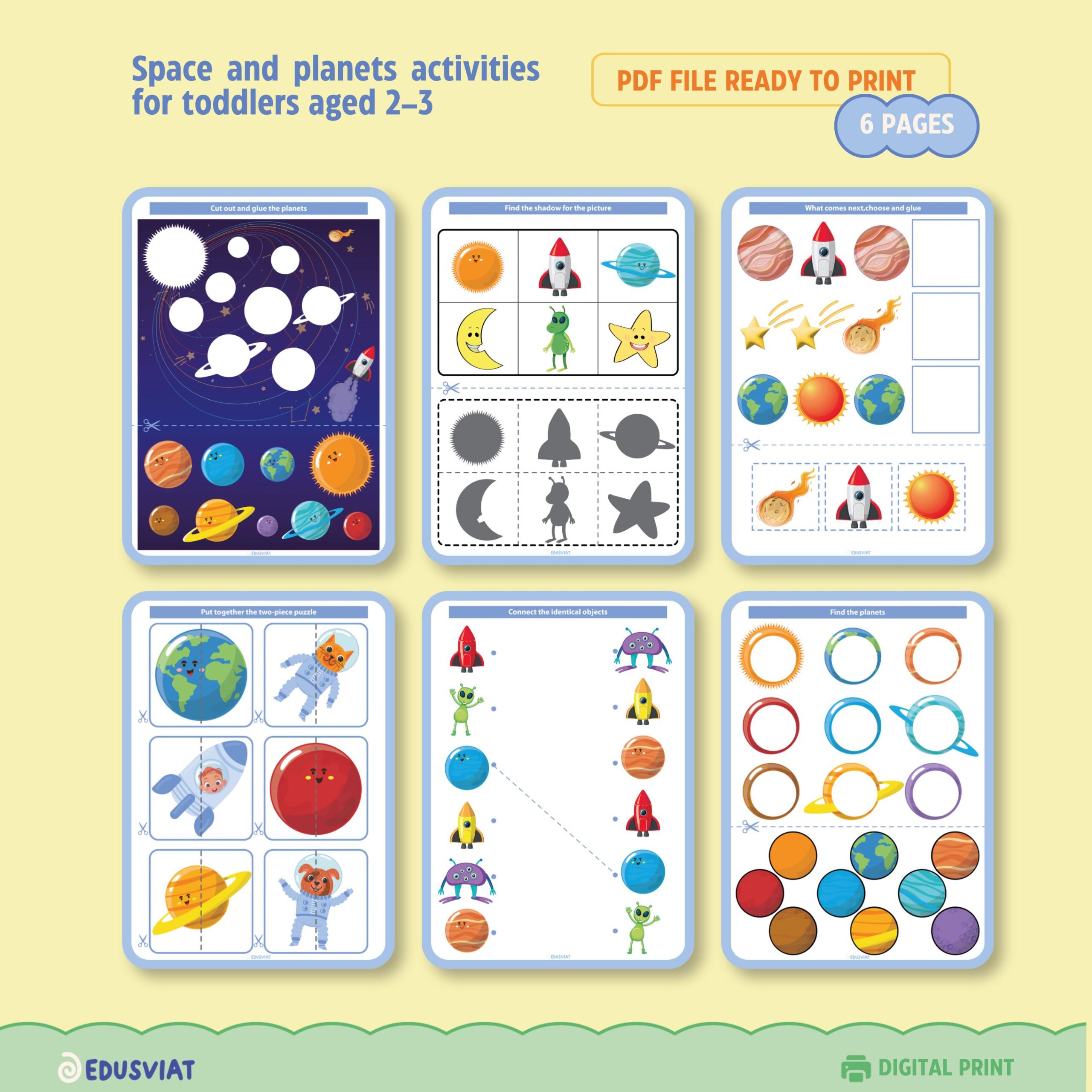
Use worksheets that have matching activities. For example, match planets to their names or pictures of their features (like rings for Saturn). This activity helps with memory and recognition skills.
3. Tracing Activities
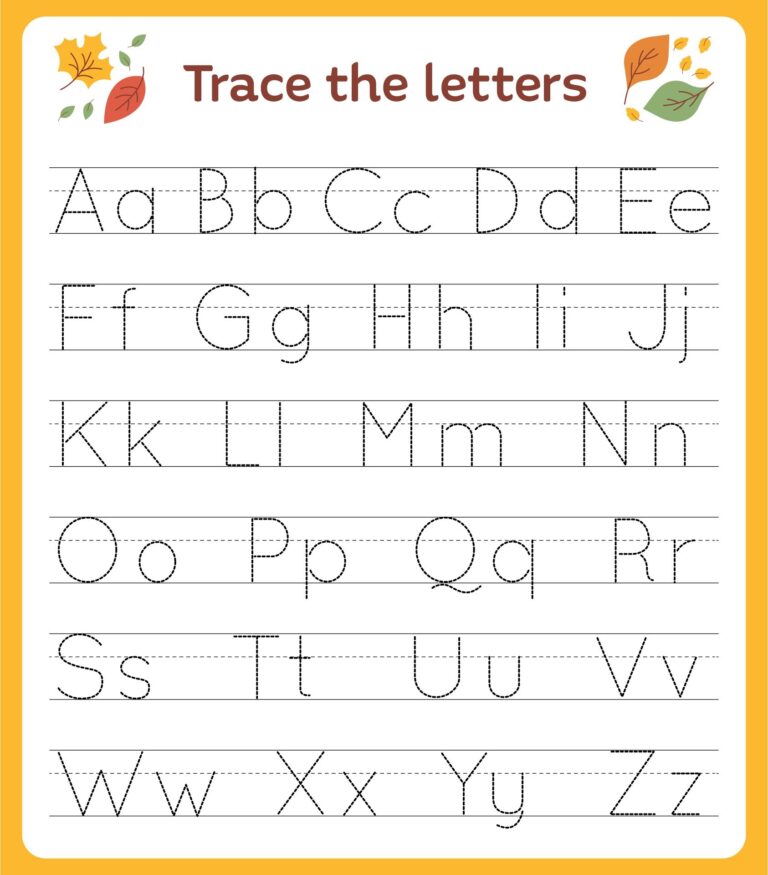
Tracing the names of planets helps develop writing skills. Encourage your child to say the planet’s name as they trace it, reinforcing their learning and pronunciation.
4. Interactive Discussions
After completing the worksheets, engage your child in a discussion about their favorite planet. Ask questions like, “If you could visit any planet, which one would it be and why?” This encourages critical thinking and verbal skills.
Creating a Routine With Worksheets
Incorporate these worksheets into your daily or weekly routine to build consistency in learning:
- Daily Learning Time: Set aside 15-30 minutes each day for worksheet activities. Consistency helps reinforce learning.
- Theme Days: Dedicate certain days to space-themed activities. For example, “Planet Monday” could involve coloring a planet, reading a related story, and doing a simple craft.
Evaluating Progress and Engagement
As your child works through the Free Preschool Worksheets Age 3-4 Planets, take time to assess their progress:
- Observe Engagement: Note which activities your child enjoys the most. This can guide future learning choices.
- Celebrate Achievements: Acknowledge their efforts with praise or small rewards. This positive reinforcement boosts their confidence and motivation.
Additional Resources for Learning
Alongside worksheets, consider integrating other resources to enrich your child’s understanding of planets:
- Books: Look for picture books about space or planets that are suitable for preschoolers.
- Videos: Short educational videos about planets can visually reinforce what they’ve learned.
- Crafts: Engage in simple crafts, like making a model of the solar system using paper plates or balls.
Tips for Effective Use of Worksheets
Here are some quick tips to ensure you get the most out of the Free Preschool Worksheets Age 3-4 Planets:
- Stay Flexible: If an activity isn’t capturing your child’s interest, don’t hesitate to switch it up.
- Encourage Independence: Allow your child to complete worksheets on their own, providing guidance only when necessary.
- Incorporate Play: Use toys or games that relate to space to make learning more interactive.
By following these steps, you can effectively use Free Preschool Worksheets Age 3-4 Planets to create a fun and educational experience for your child. Start downloading today, and watch their interest in the universe grow!
Free Preschool Worksheets Age 3-4 Planets Gallery