Free Printable Opposite Worksheets For Preschoolers
Learning about opposites is a fundamental part of preschool education, and using resources like free printable opposite worksheets for preschoolers can make this concept engaging and fun. These worksheets serve as excellent tools for visual and tactile learning, making it easier for young children to grasp the concept of opposites. This guide will help you understand how to effectively use these worksheets and maximize their educational value.
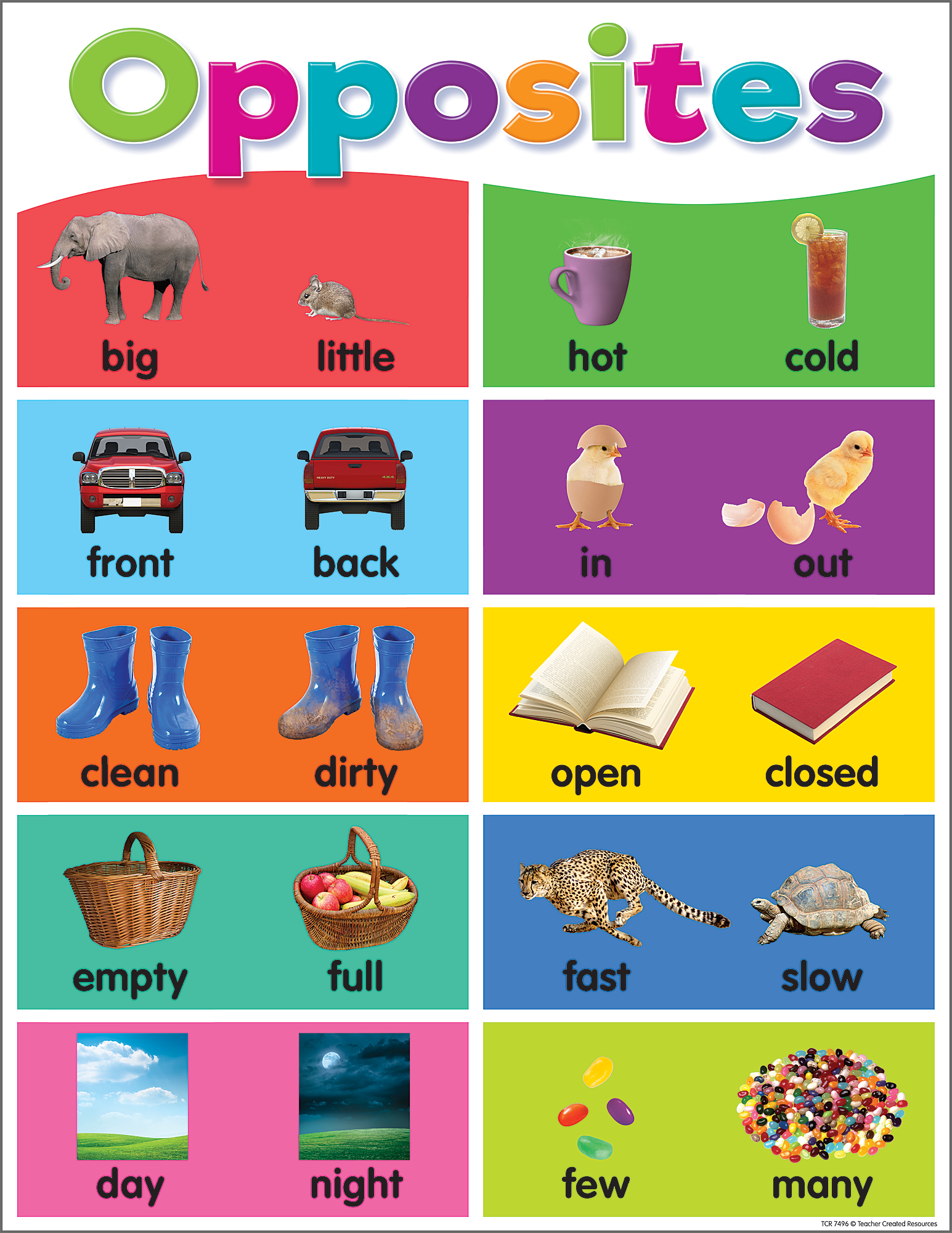
What Are Opposite Worksheets and Why Use Them?
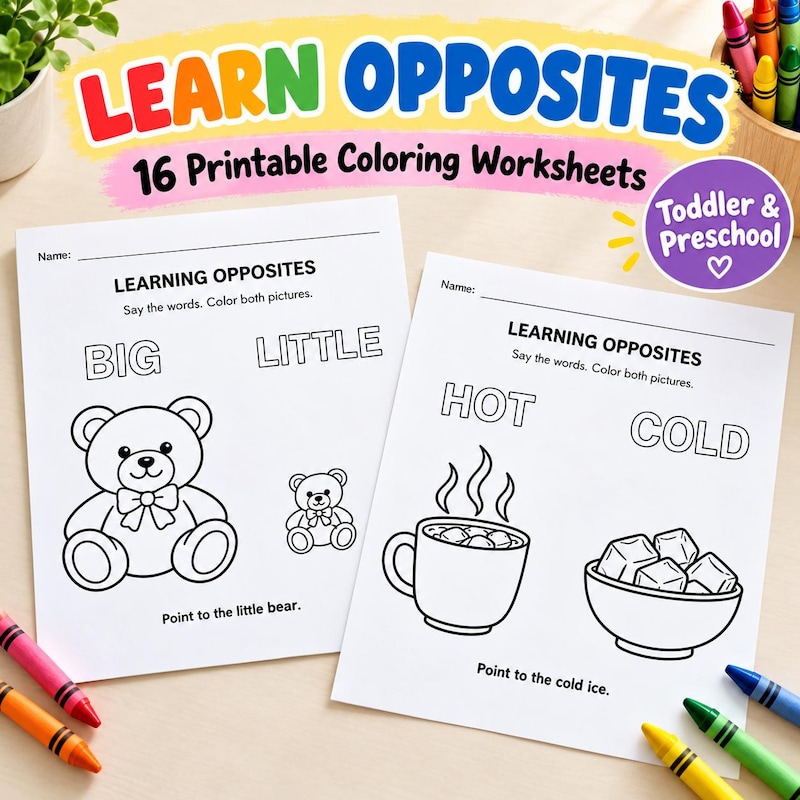
Opposite worksheets are educational tools designed to help preschoolers understand contrasting concepts. By illustrating pairs of opposites—like hot and cold, big and small, or up and down—these worksheets provide visual context that makes learning more relatable. The idea is to reinforce understanding through matching, coloring, and writing activities.
Using these worksheets can be advantageous for several reasons:
- Engagement: Kids are naturally curious and enjoy activities that involve coloring and drawing, making these worksheets a hit.
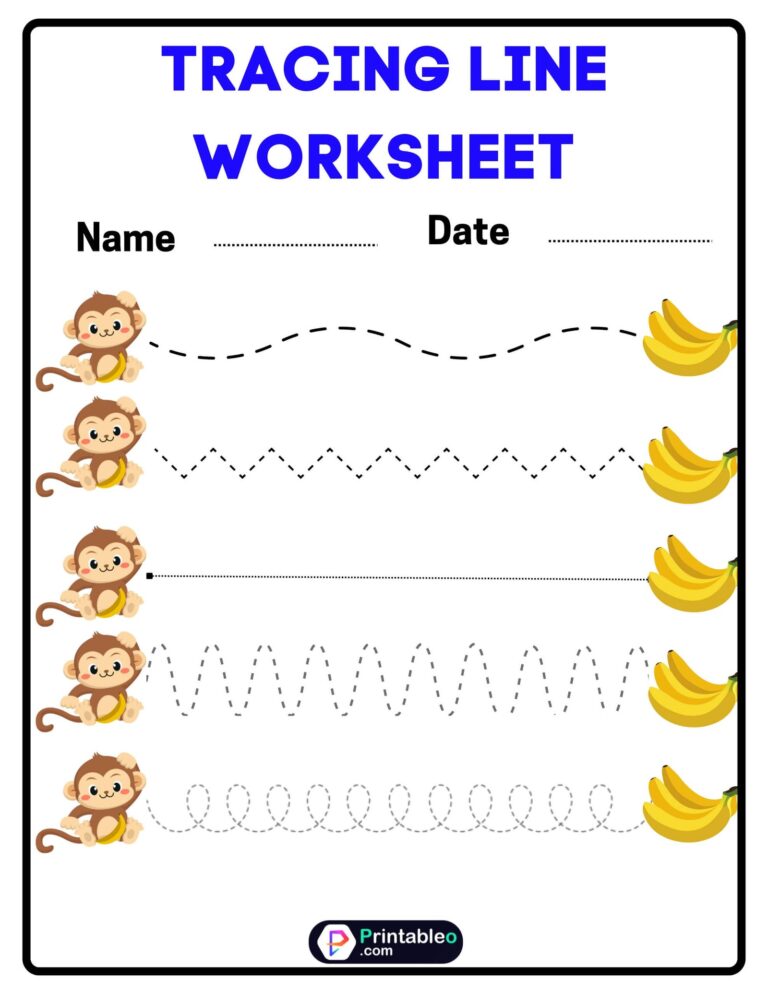
- Skill Development: They help develop fine motor skills through activities like tracing and coloring.
- Concept Reinforcement: Repetition through varied activities helps solidify understanding.
How to Access Free Printable Opposite Worksheets
Finding and downloading these worksheets is straightforward. Many educational websites offer free printable resources specifically designed for preschoolers. Here’s how to locate and access them:
- Search Online: Use search terms like “free printable opposite worksheets for preschoolers” to find websites offering free resources.
- Check Educational Blogs: Many parenting and educational blogs feature downloadable worksheets as part of their content.
- Visit Resource Websites: Websites dedicated to educational resources often categorize worksheets by subject, making it easy to find opposites.
Once you find a suitable worksheet, download it in PDF format for the best quality. PDFs typically maintain their formatting, ensuring that images and text are clear when printed.
Printing Tips for Optimal Use
When it comes to printing these worksheets, following a few simple guidelines can enhance your experience:
- Paper Type: Use standard letter-sized (8.5 x 11 inches) paper for most worksheets. If you want them to last longer, consider using cardstock. Cardstock is thicker and holds up better if laminated.
- Printer Settings: Set your printer to print at 100% scale to ensure that the images and text are not distorted. Portrait layout is generally more suitable for worksheets.
- Check Ink Levels: Before printing, check your ink levels to prevent running out mid-print, which can lead to incomplete worksheets.
Activities to Pair With Opposite Worksheets
Using the worksheets alone can be beneficial, but integrating them into a broader learning experience enhances their effectiveness. Here are some fun activities to pair with the worksheets:
1. Matching Game
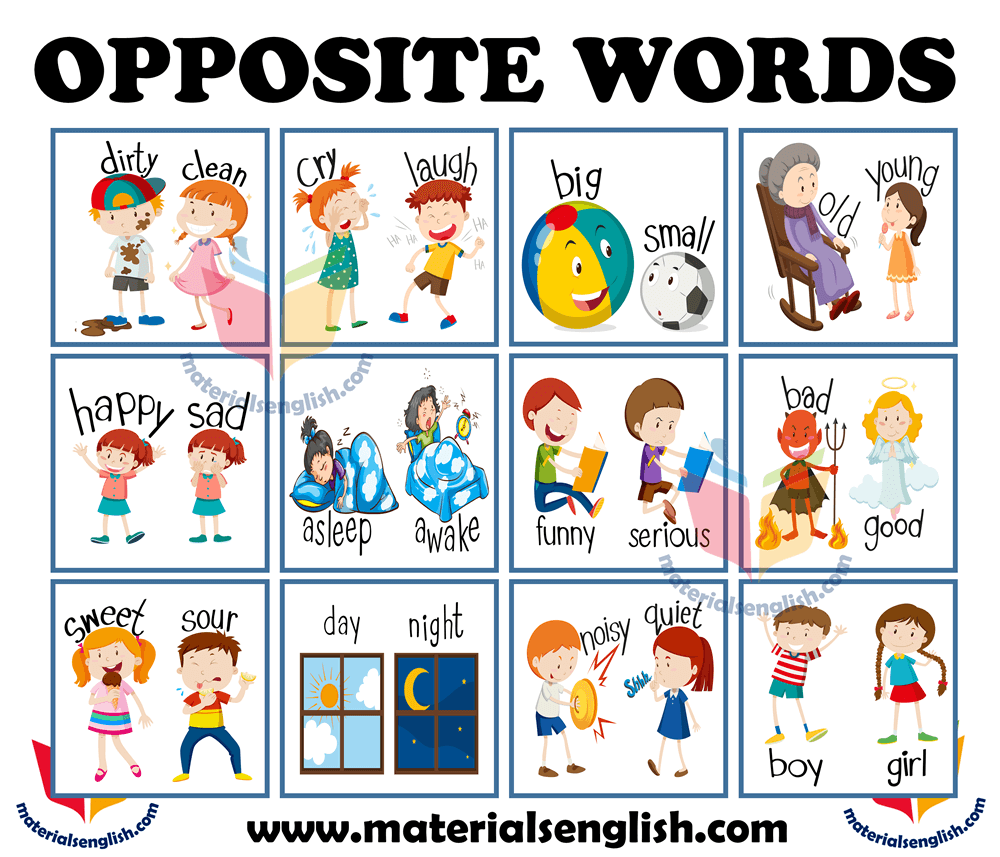
After completing the worksheet, create a matching game using index cards. Write down different opposites on separate cards. Mix them up, and have your child match the pairs. This reinforces their understanding in a playful manner.
2. Interactive Storytime
Choose books that emphasize opposites, like “Big and Small” or “Up and Down.” Read these stories together and pause to discuss the opposites presented. This connects the worksheet activity to real-world examples.
3. Art Projects
Encourage your child to draw or color pictures representing opposite pairs. For example, they can draw a sunny day and a rainy day. Display their artwork around the house to celebrate their creativity and learning.
Digital Vs. Print: Which Is Better?
With technology being a big part of our lives, you might wonder whether to use digital worksheets or print them out. Here’s a breakdown to help you decide:
- Digital Worksheets: These can be filled out on-screen using a tablet or computer. This method can be more interactive, as many digital worksheets come with built-in coloring tools and animations. However, it limits the tactile experience that many preschoolers benefit from.
- Printed Worksheets: Filling out worksheets by hand allows for greater engagement and helps develop fine motor skills. Kids can color or trace directly on the paper, which can be rewarding and fun. Plus, printed activities can be easily stored or displayed.
Ultimately, the choice between digital and print depends on your child’s preferences and your available resources. Mixing both methods can also provide a balanced learning experience.
Using Opposite Worksheets in a Routine
Incorporating these worksheets into your daily routine can help your child learn about opposites consistently. Here’s a simple structure to follow:
- Morning Activity: Start the day with a worksheet during breakfast or after morning routines. This helps set a positive tone for the day.
- Midday Review: After lunch, take a few minutes to review what they learned. Ask them to recall some pairs and even come up with their own examples.
- Evening Fun: End the day with an art project or a matching game using the opposites they learned. This keeps the learning light and enjoyable.
By integrating these activities into your day, you create a learning environment that is both structured and flexible, allowing your child to thrive.
Free Printable Opposite Worksheets For Preschoolers Gallery