Free Printable Preschool Emotions Worksheets For Preschoolers
Understanding emotions is a crucial part of a child’s development, especially for preschoolers who are just beginning to navigate their feelings. Free Printable Preschool Emotions Worksheets For Preschoolers can be a fantastic resource for parents and educators alike. These worksheets are not just fun; they also provide valuable learning opportunities that foster emotional intelligence in young children.
Importance of Emotions Worksheets for Preschoolers
Emotional development is as important as cognitive and physical development in young children. Preschoolers often struggle to articulate their feelings, which can lead to frustration and behavioral issues. By using emotions worksheets, children can visually identify and express their feelings in a safe and supportive environment. This resource helps them recognize emotions in themselves and others, promoting empathy and social skills.
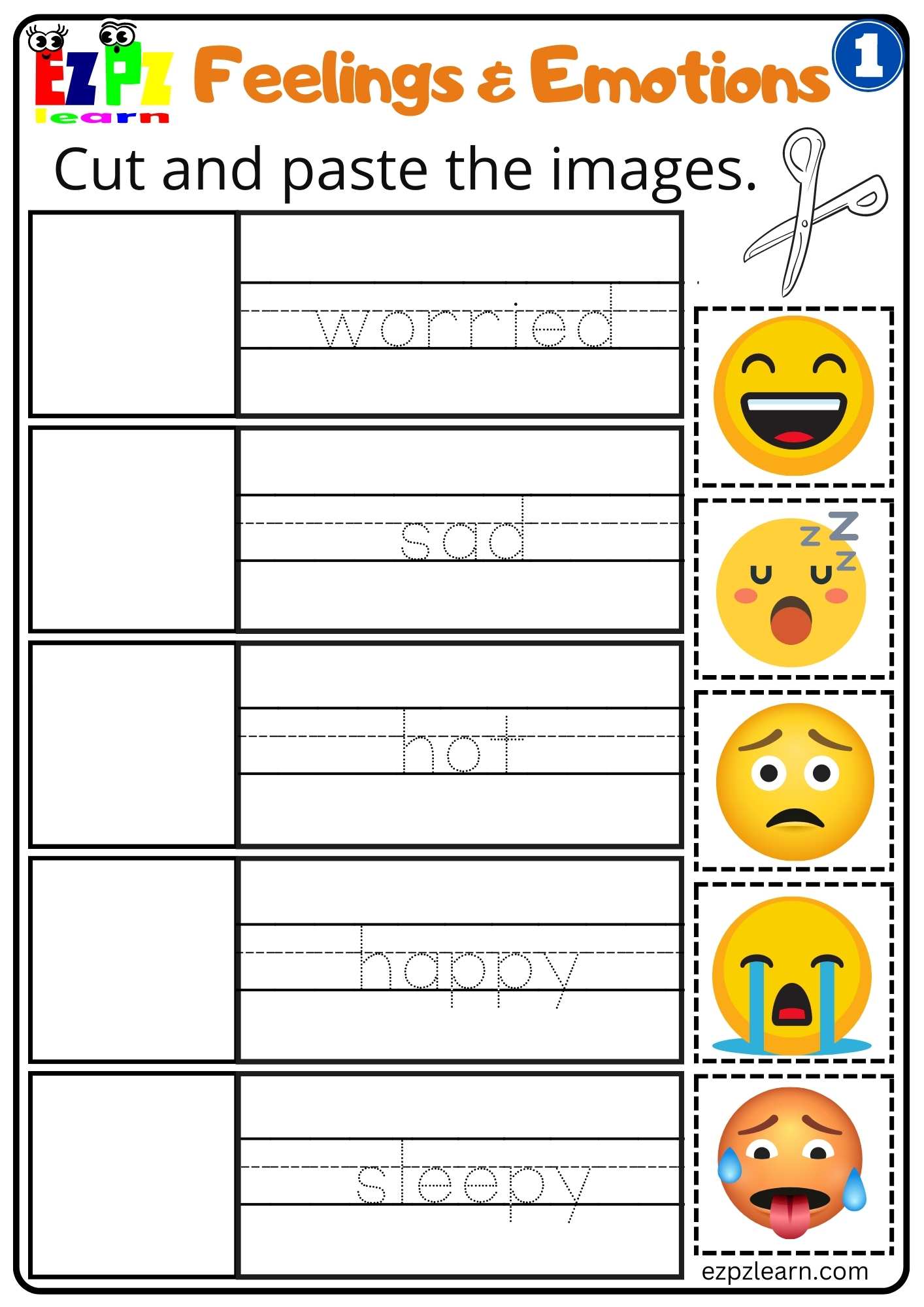
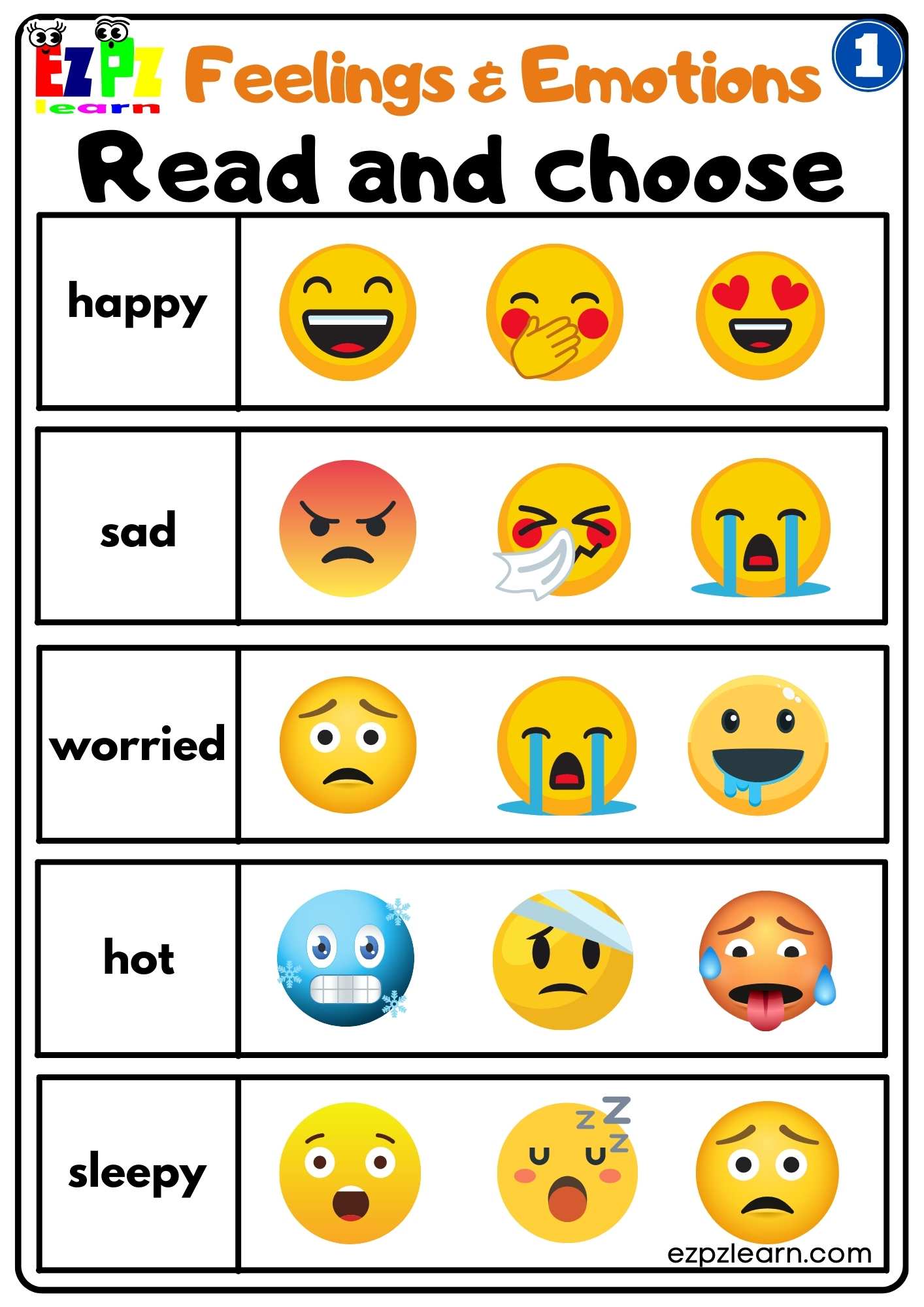
The worksheets typically include various activities, such as matching emotions with facial expressions or coloring pages that depict different feelings. These activities make understanding emotions engaging and accessible.
Overview of the Free Printable Preschool Emotions Worksheets
The layout of these worksheets is thoughtfully designed to cater to preschoolers. Each worksheet usually features:
- Colorful visuals: Engaging images help capture a child’s attention and make the learning process enjoyable.
- Variety of activities: From coloring to matching games, these activities cater to different learning styles and keep children engaged.
- Simple, clear instructions: The straightforward format allows both parents and teachers to guide children easily.
When selecting worksheets, look for those that cover a range of emotions, including happiness, sadness, anger, fear, and surprise. This variety ensures that children can explore and understand the full spectrum of feelings.
How to Use Emotions Worksheets Effectively
To maximize the benefits of Free Printable Preschool Emotions Worksheets For Preschoolers, consider these practical tips:
- Create a Routine: Incorporate these worksheets into your daily or weekly routine. For example, set aside a specific time each week for emotion exploration activities.
- Discuss Emotions: Use the worksheets as a conversation starter. Ask questions about the emotions depicted in the worksheets and encourage children to share their own experiences related to those feelings. This dialogue reinforces their understanding.
- Encourage Expression: Allow children to express their feelings through drawing or writing. After completing a worksheet, they can draw a picture of a time they felt a specific emotion. This encourages deeper reflection.
- Use Scenarios: Create scenarios that relate to the emotions covered in the worksheets. This can be role-playing different situations where those feelings might arise, helping children connect the dots between emotions and real-life experiences.
Types of Activities Included in the Worksheets
Different activities in Free Printable Preschool Emotions Worksheets For Preschoolers serve unique educational purposes. Here’s a breakdown of what you might find:
Emotion Matching Games
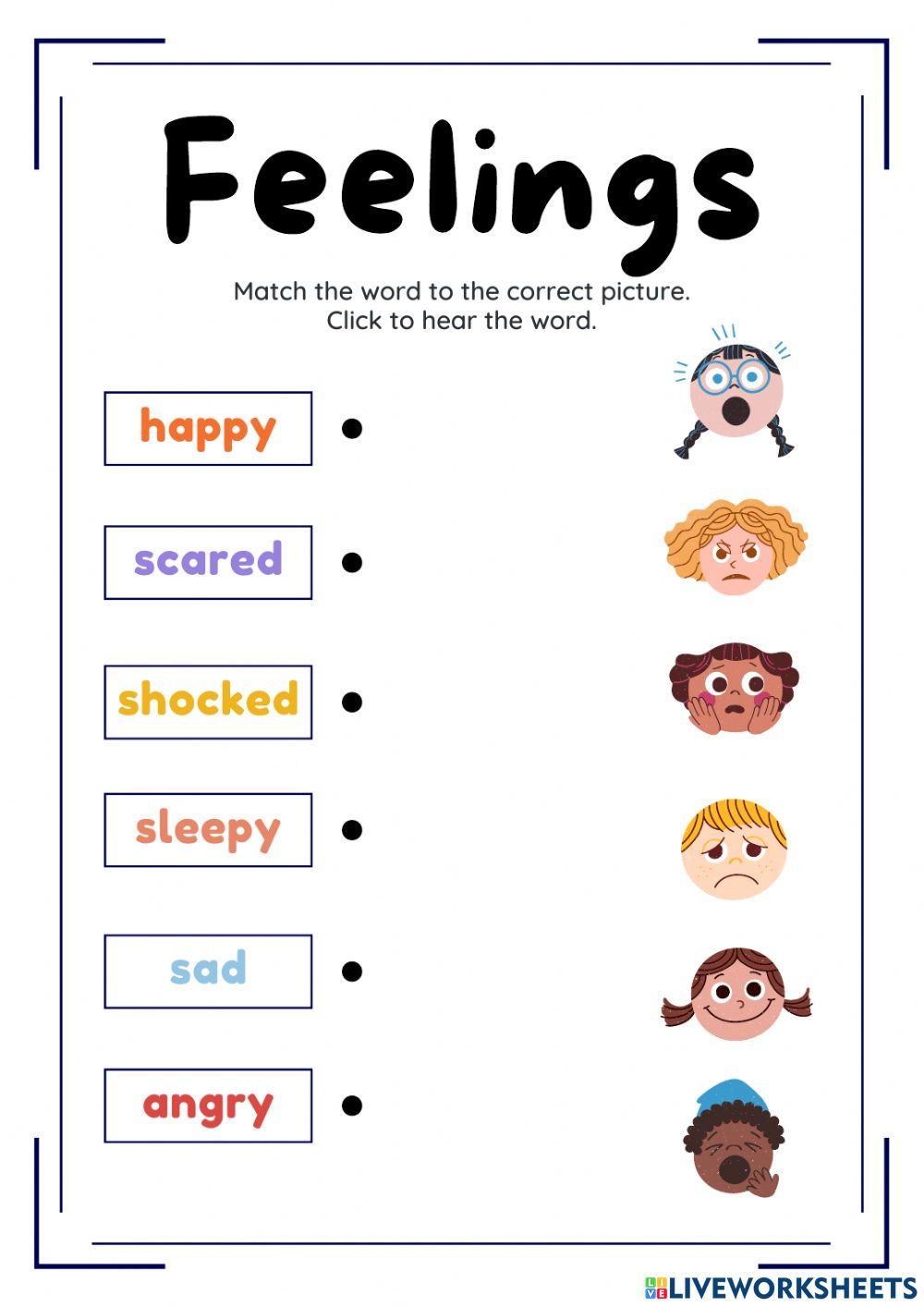
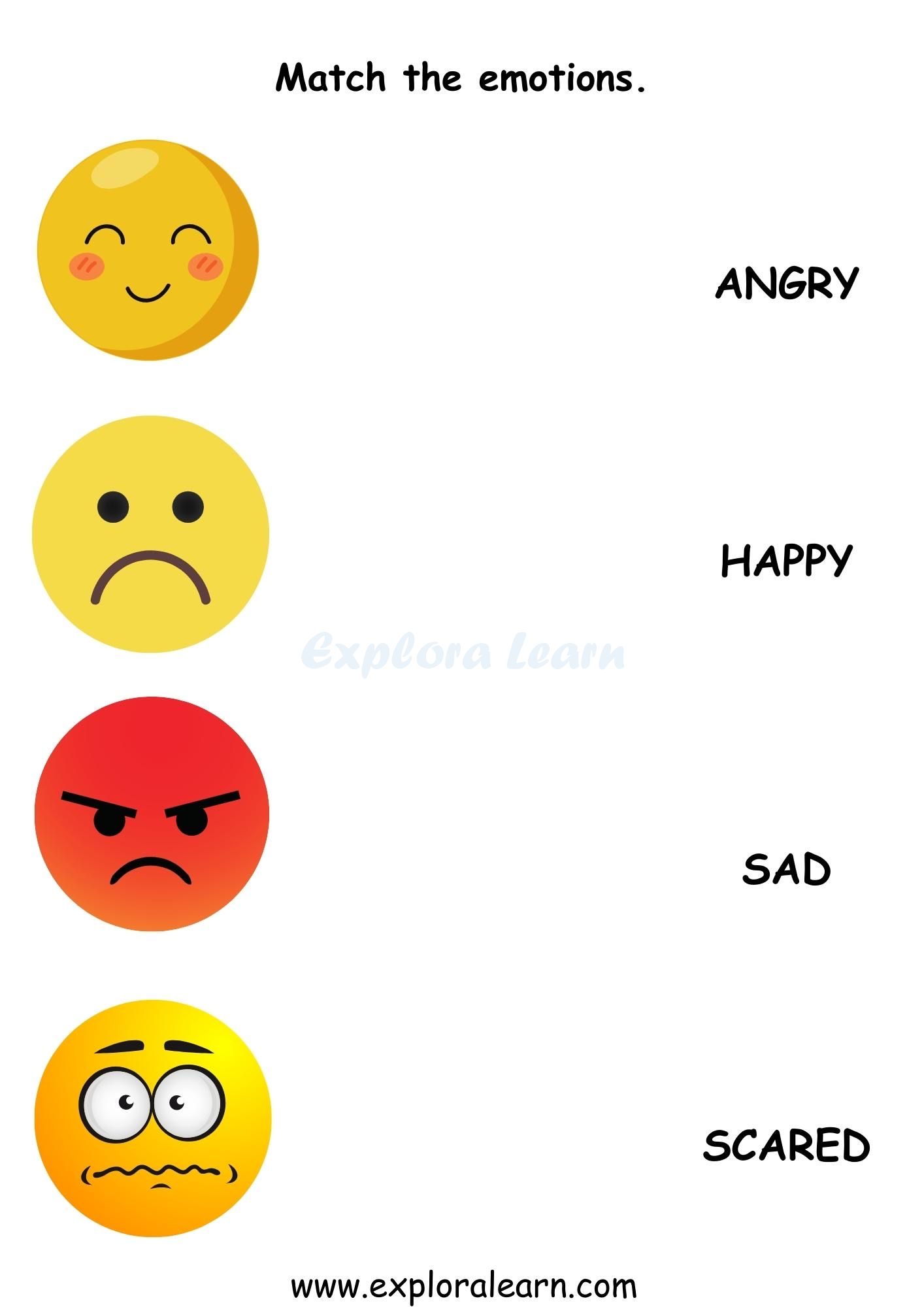
These activities ask children to match facial expressions with the corresponding emotion words. This helps enhance their ability to recognize and label feelings accurately.
Coloring Pages
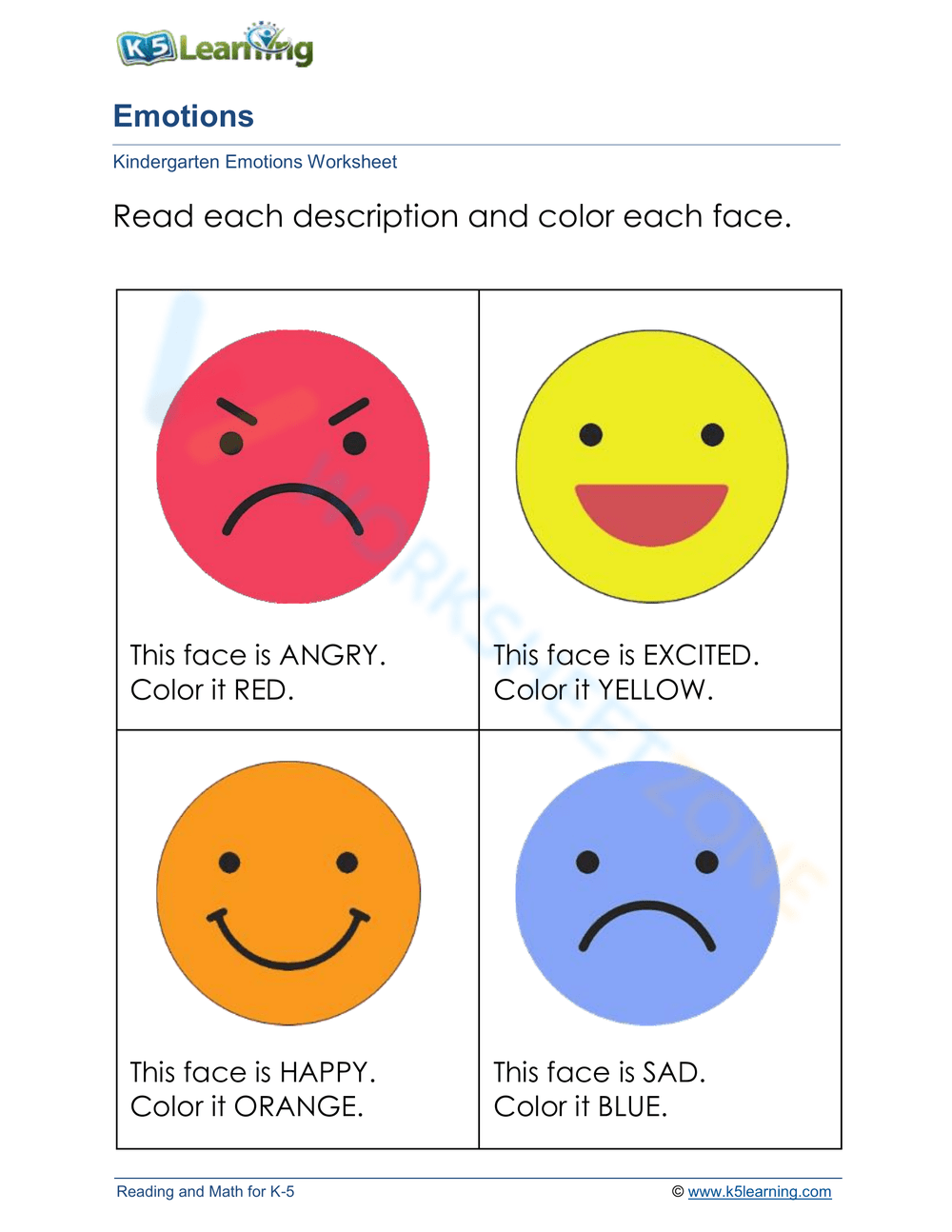
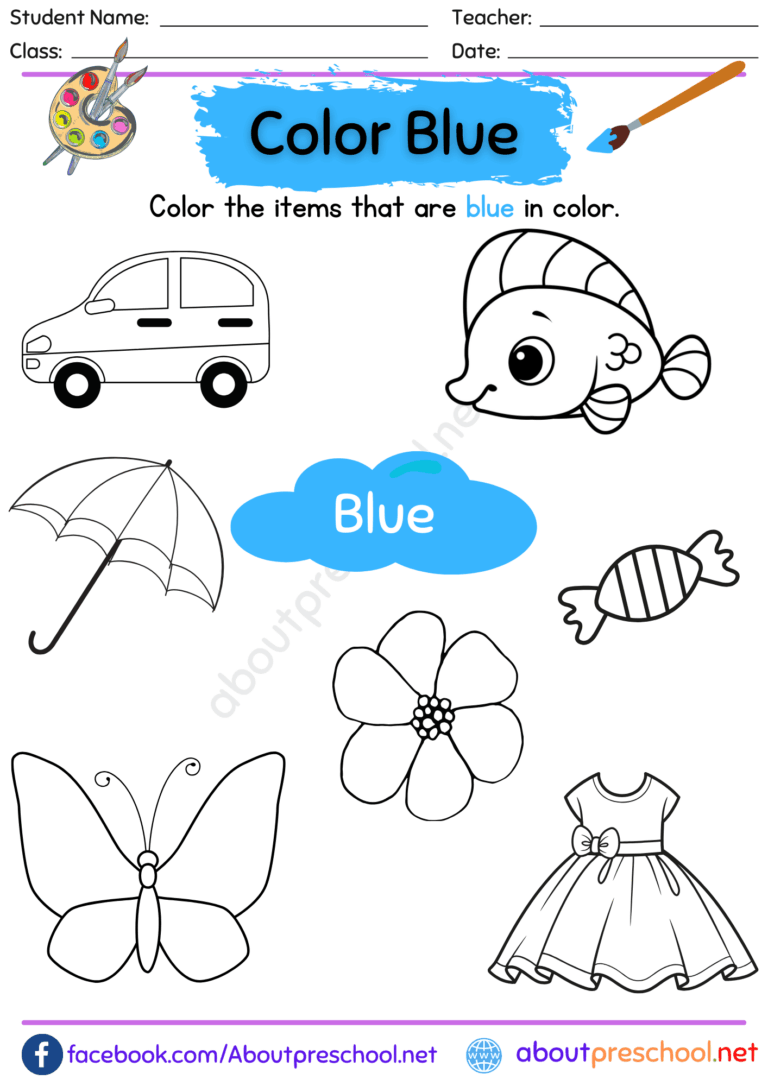
Coloring pages featuring happy, sad, angry, and surprised faces allow children to engage creatively while reflecting on the emotions portrayed. This is often a favorite among younger kids.
Drawing Prompts
Worksheets might include prompts where children can draw a time they felt a certain way. This not only enhances their artistic skills but also encourages emotional reflection.
Story Scenarios
Some worksheets provide short stories with emotional themes, asking the child to identify how the characters might be feeling. This activity promotes empathy and understanding of others’ emotions.
Best Practices for Printing and Presenting Worksheets
When you’re ready to print your Free Printable Preschool Emotions Worksheets For Preschoolers, consider these practical tips to ensure the best results:
- Paper Type: Use cardstock for durability, especially if your child will be coloring or using markers. This material holds up better than standard printer paper.
- Printer Settings: For the best quality, print in high-resolution settings. This ensures that the colors are vibrant and the images are clear, making the worksheets more appealing to children.
- Lamination: If you plan to reuse the worksheets, consider laminating them. This allows you to use dry-erase markers, making them easy to wipe clean and use multiple times.
- Storage: Keep the worksheets organized in a binder or folder. This makes it easy for you and your child to access them whenever you want to engage in emotion-related activities.
Where to Find More Resources
Finding additional resources can enhance your child’s emotional learning journey. Websites that focus on printable educational materials often have a variety of worksheets, including those for emotions. Look for options that provide:
- Free Downloads: Many sites offer free printable worksheets, which is a budget-friendly option for parents and teachers alike.
- Age-Appropriate Materials: Ensure that the resources are specifically designed for preschoolers. This means they should have simple language and engaging visuals.
- Variety of Topics: Beyond emotions, look for worksheets that cover other important topics like social skills, empathy, and conflict resolution. This holistic approach will support overall emotional development.
Enhancing Emotional Learning Beyond Worksheets
While Free Printable Preschool Emotions Worksheets For Preschoolers are an excellent tool, consider complementing them with other activities to further enhance your child’s emotional learning.
- Storytime: Read books that focus on feelings. Discuss the emotions of the characters and how they relate to your child’s experiences.
- Play-Based Learning: Use dolls or action figures to role-play different emotional scenarios. This interactive approach reinforces learning in a fun way.
- Mindfulness Practices: Introduce simple mindfulness exercises, like deep breathing, to help children manage their emotions. This can be especially helpful for emotions like anger or frustration.
By incorporating a variety of methods, you’ll help your child develop a robust emotional vocabulary and the skills to express themselves effectively.
One practical detail to keep in mind is that using these worksheets regularly can significantly improve a child’s emotional literacy. By consistently engaging with emotions in a structured way, children learn to identify, express, and manage their feelings better over time.
Free Printable Preschool Emotions Worksheets For Preschoolers Gallery