Free Printable Manners Worksheets For Preschoolers
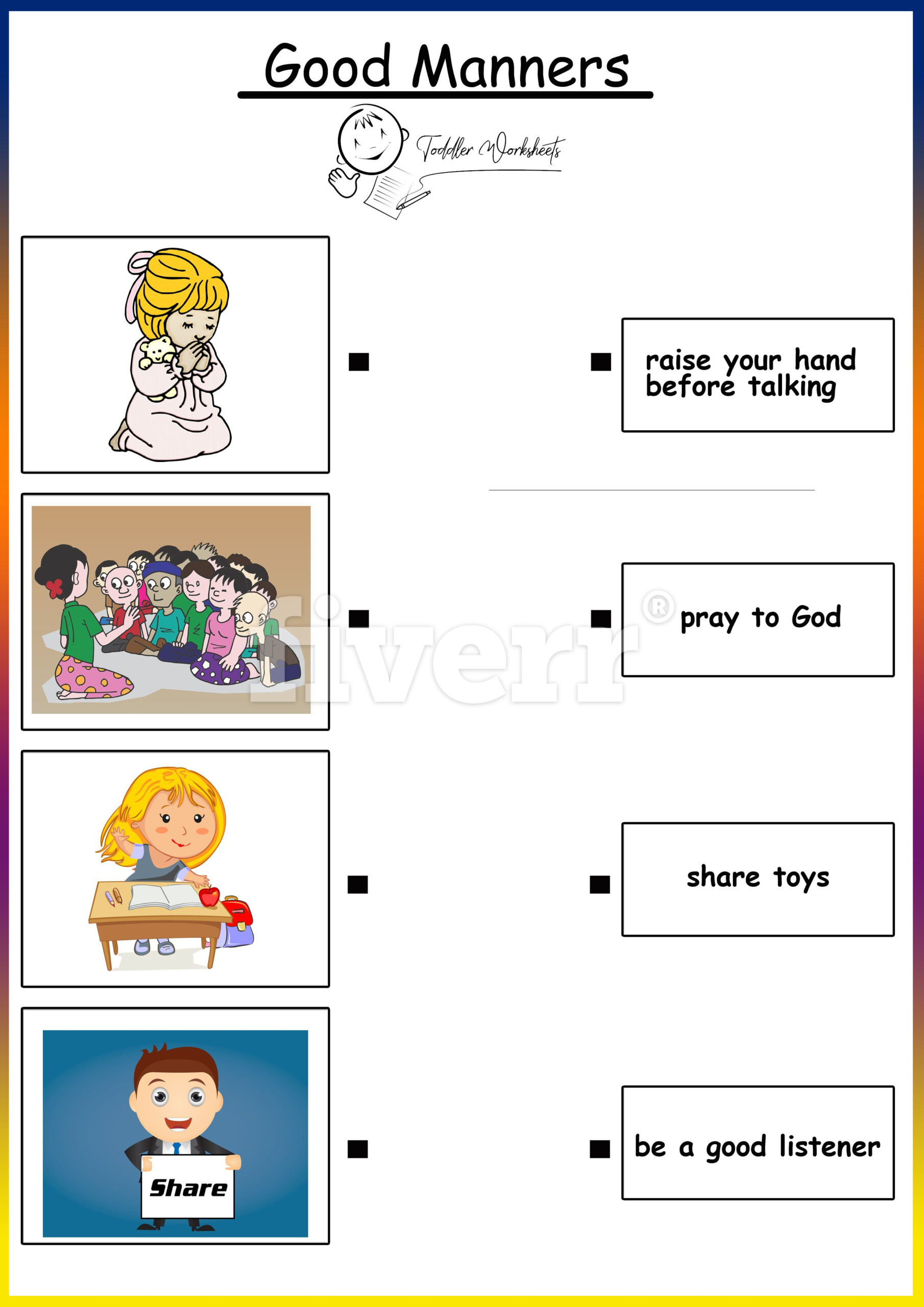
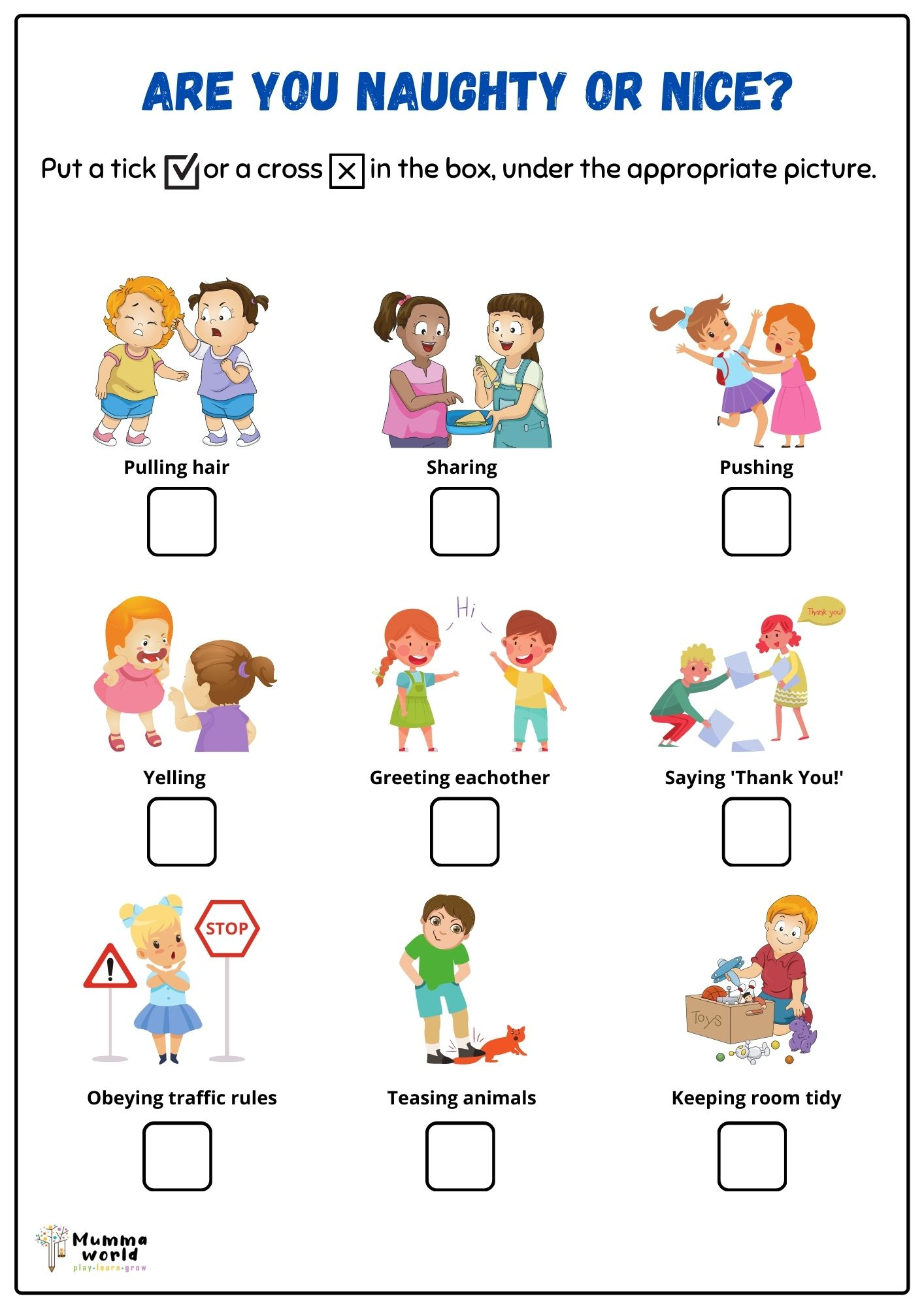
Teaching manners to preschoolers can be a rewarding experience, and using Free Printable Manners Worksheets For Preschoolers is an effective way to introduce this important topic. These resources provide a fun and interactive way for young children to learn about social etiquette, sharing, and respect for others. With a variety of engaging worksheets available, you can easily incorporate these materials into your daily routines at home or in the classroom.
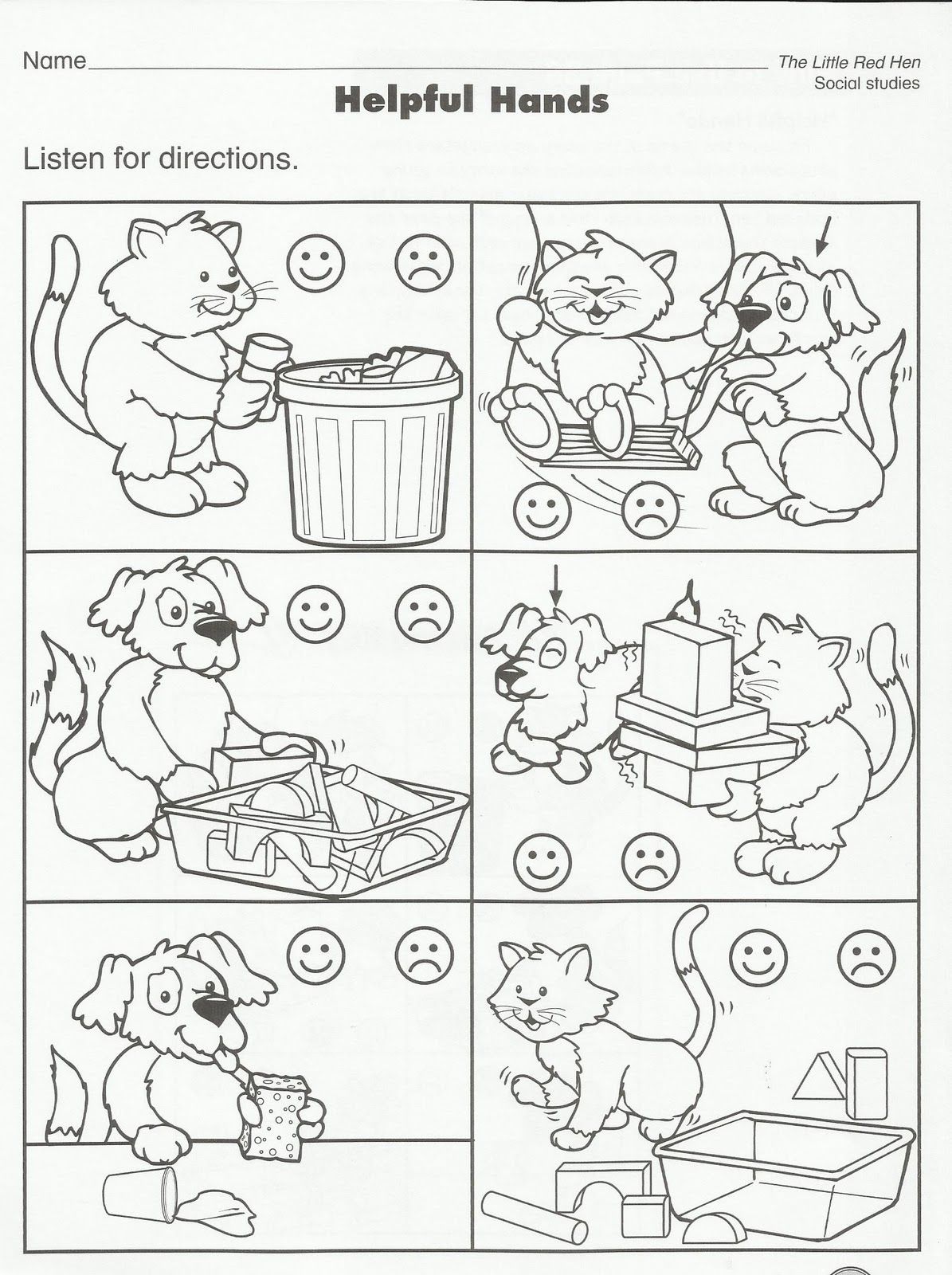
Why Manners Matter for Preschoolers
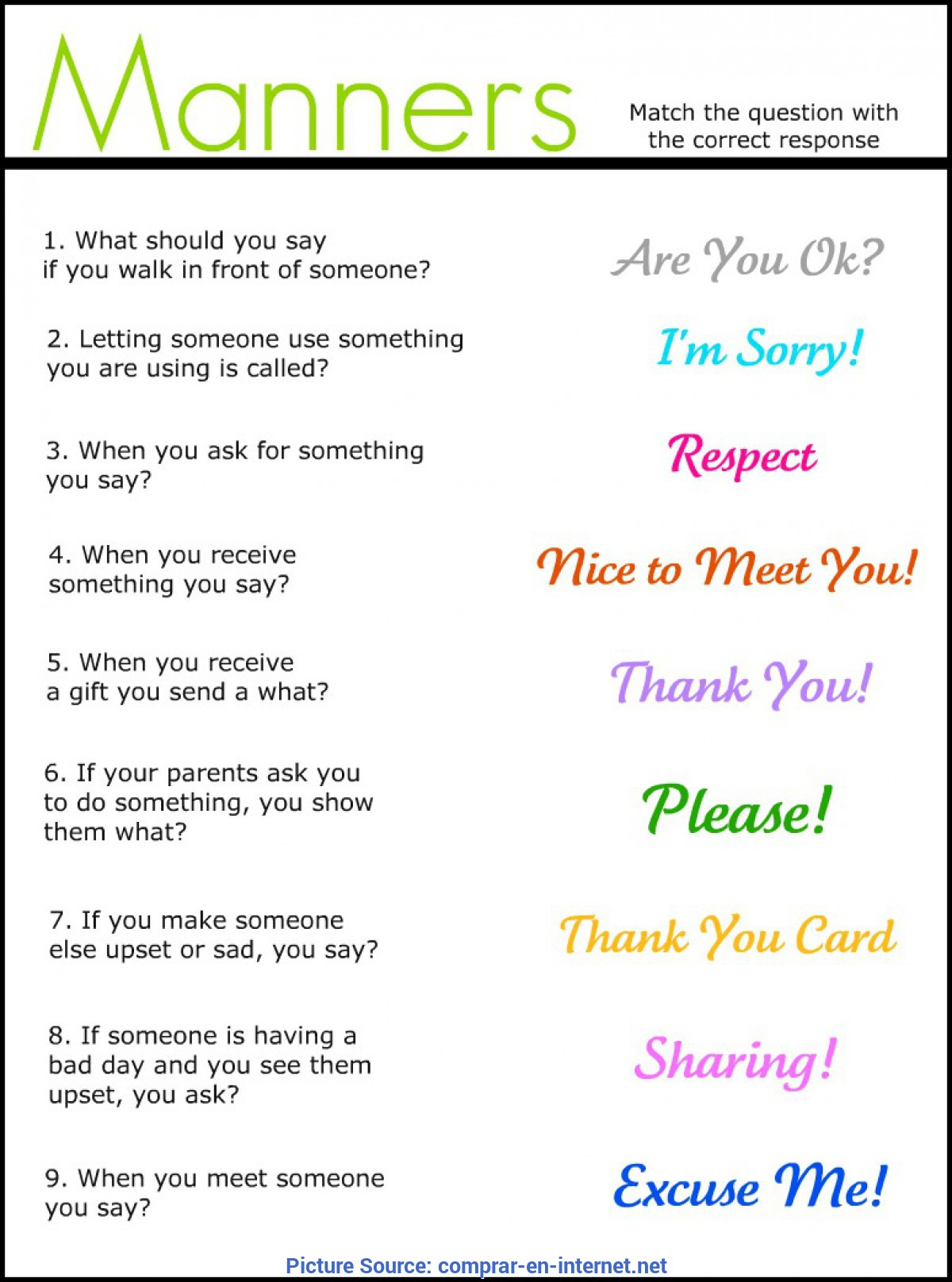
At a young age, children are developing their understanding of social interactions. Teaching them good manners lays the foundation for respectful relationships and positive communication skills. Manners help children navigate social settings, whether it’s saying “please” and “thank you,” understanding personal space, or learning to take turns. By instilling these values early on, you prepare them for future social interactions.
Choosing the Right Worksheets
When looking for Free Printable Manners Worksheets For Preschoolers, consider the following factors:
- Age Appropriateness: Ensure the worksheets are suitable for preschoolers, with simple language and engaging visuals.
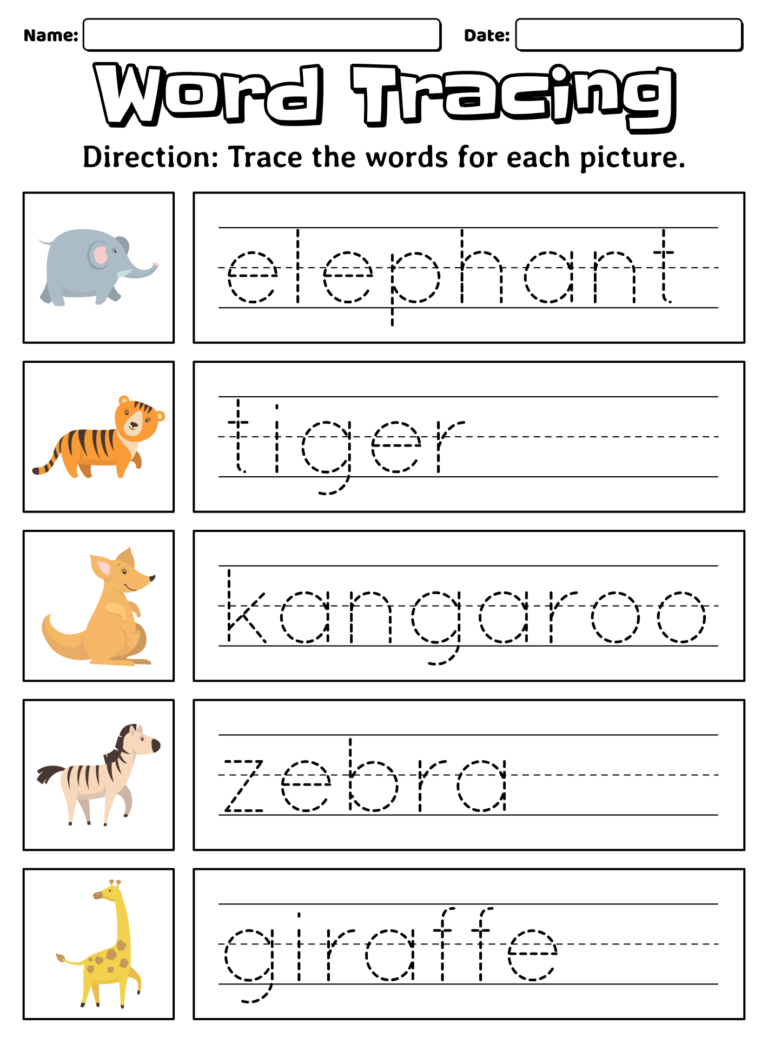
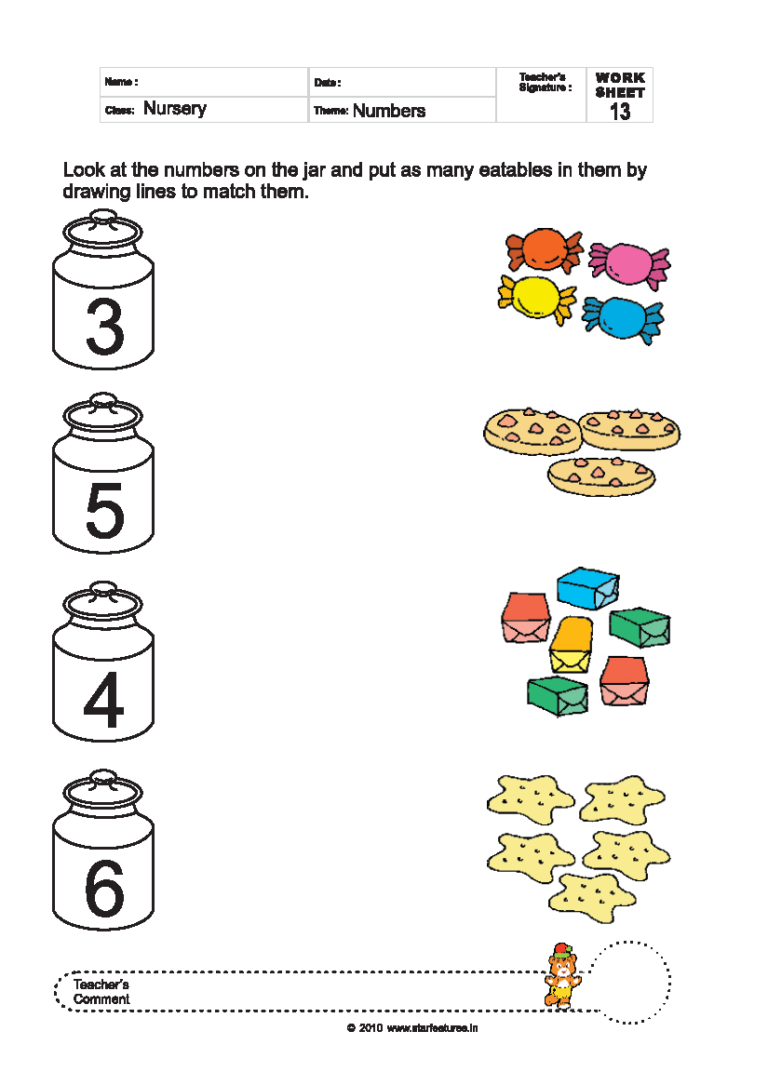
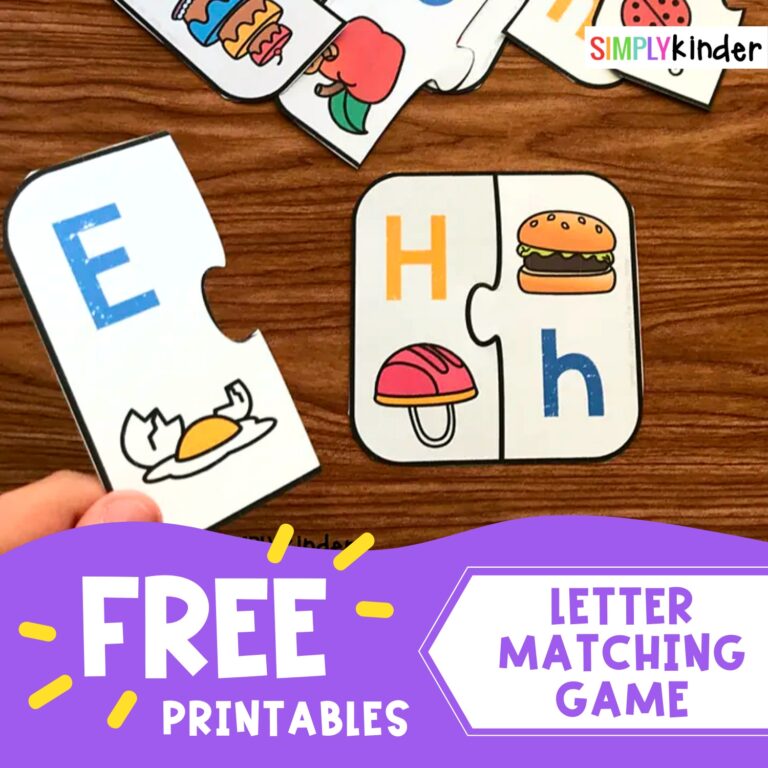
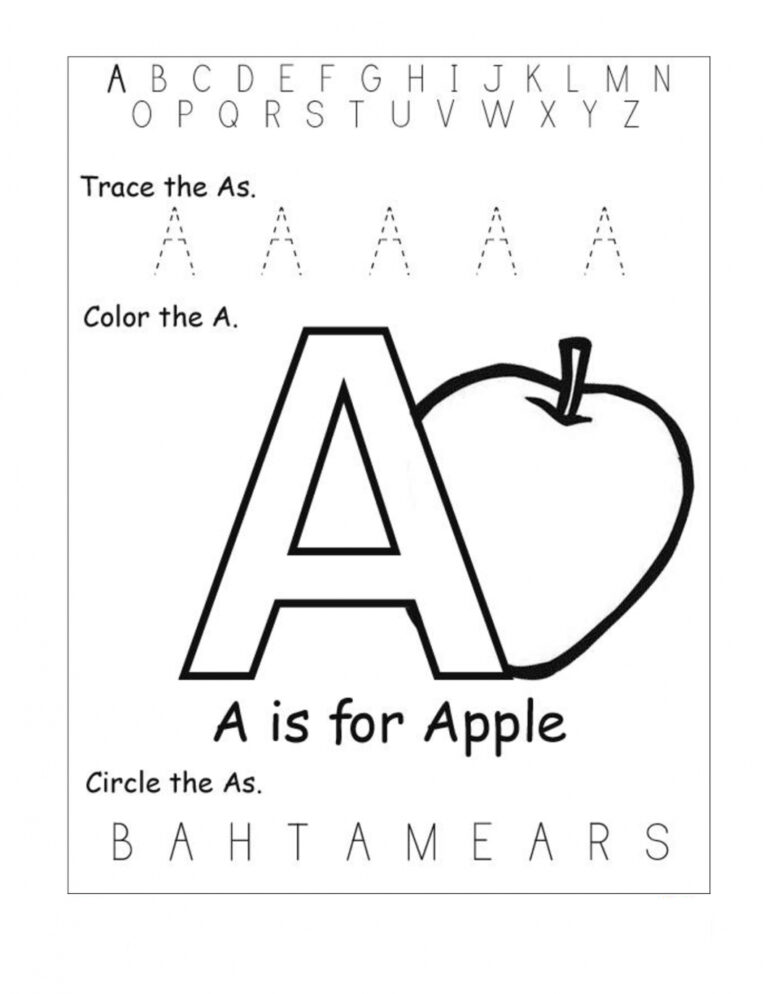
- Variety of Activities: Look for worksheets that offer different types of activities, such as coloring, matching, and fill-in-the-blank exercises. This variety keeps children engaged and caters to different learning styles.
- Theme Relevance: Choose worksheets that cover a range of manners, from basic greetings to table manners and sharing.
Downloading and Printing Your Worksheets
Once you’ve selected the worksheets that fit your needs, it’s time to download and print them. Here’s how to do it effectively:
- Access the Resource: Find a reputable website that offers free printable worksheets. Ensure that the site is user-friendly and doesn’t require complicated sign-ups.
- Select Your Worksheets: Browse the available options and choose the ones that best suit your teaching goals.
- Download the Files: Most worksheets will be in PDF format, which is ideal for printing. Click the download button and save the files to your computer.
- Print Settings: Use a standard letter-size paper (8.5” x 11”) for most worksheets. Check your printer settings to ensure it’s set to print in portrait orientation, which is often best for worksheets.
- Use Quality Paper: If you plan to laminate the worksheets for durability, cardstock works well. It holds up better to repeated use and can withstand little hands.
Setting Up a Learning Routine
Incorporating these worksheets into your routine can help reinforce good manners in a structured way. Here’s how to do it:
- Daily Practice: Set aside a few minutes each day for children to work on their manners worksheets. Consistency helps reinforce learning.
- Discuss the Concepts: After completing a worksheet, take time to discuss the manners it covers. Ask questions like, “Why is it important to say ‘thank you’?” This encourages critical thinking and understanding.
- Role-Playing: Use the concepts from the worksheets in real-life scenarios. For instance, practice greetings or sharing during playtime to reinforce what they’ve learned.
Engaging Activities to Complement Worksheets
While worksheets are a great tool, combining them with engaging activities can enhance the learning experience. Here are a few ideas:
- Manners Role Play: Create scenarios where children can practice their manners. For example, set up a pretend restaurant and have them practice ordering food politely.
- Story Time: Read books that focus on manners and discuss them afterward. Stories can provide relatable contexts that make the lessons more memorable.
- Games: Play games that require turn-taking or sharing, which reinforces the importance of good manners in a fun way.
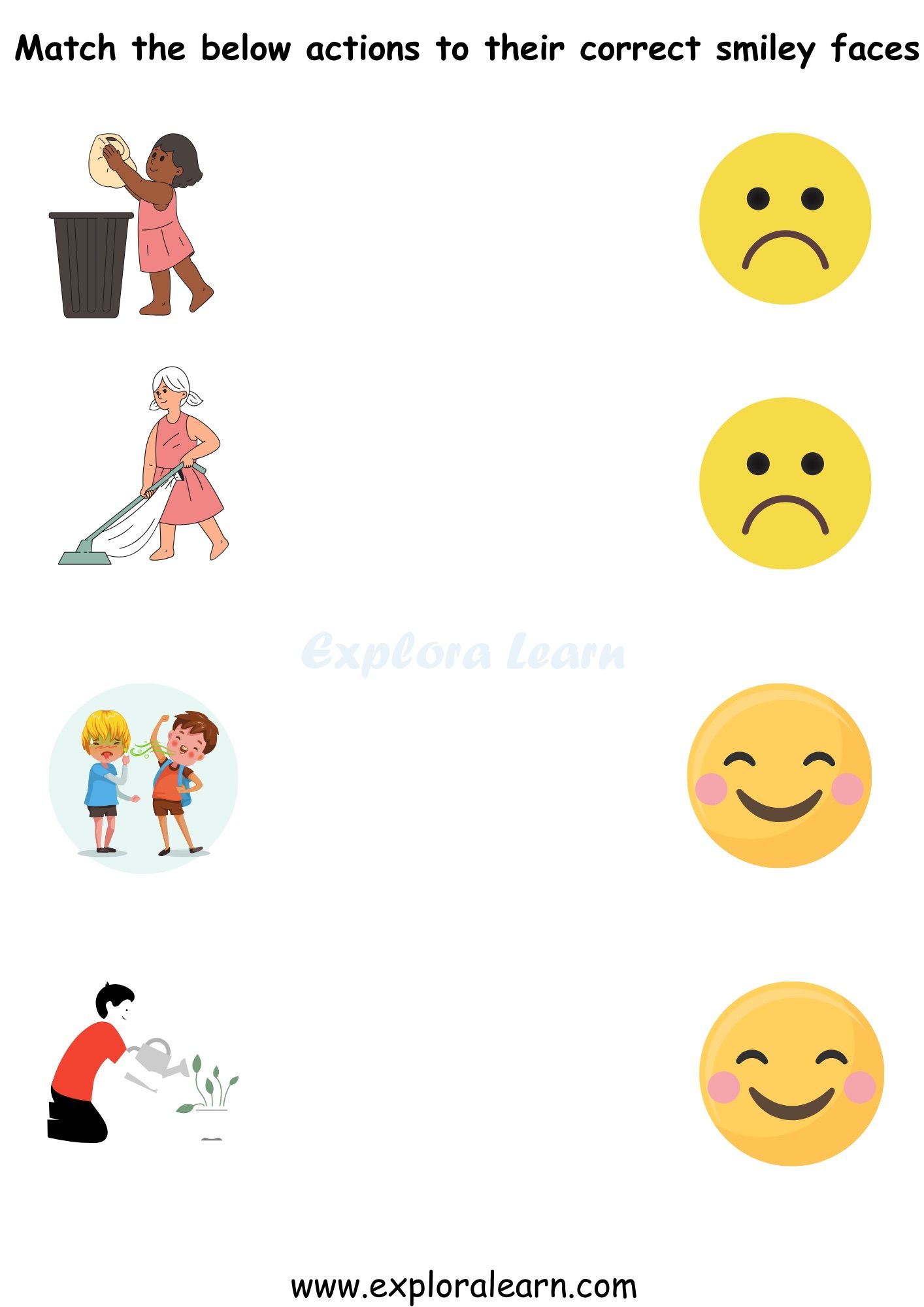
Evaluating Progress
As your preschoolers engage with the worksheets and related activities, it’s essential to evaluate their progress. Here’s how to keep track:
- Observe Behavior: Pay attention to how they apply what they learn in real-life situations. Are they using polite language? Are they remembering to share?
- Feedback: Provide positive reinforcement when they demonstrate good manners. Praise their efforts and remind them of the lessons learned from the worksheets.
- Adjust Learning: If certain concepts seem to be challenging, revisit those specific worksheets or activities. Reinforcement is key to mastering these skills.
By using Free Printable Manners Worksheets For Preschoolers effectively, you can create a positive learning environment that encourages good behavior. Remember, teaching manners is not just about following rules; it’s about fostering kindness and respect in everyday interactions.
A highly effective detail to keep in mind is that many of these worksheets also include visuals that can help children better understand the concepts, making the learning process even more engaging.
Free Printable Manners Worksheets For Preschoolers Gallery