Letter Tracing Worksheets For Preschool
Starting preschool is an exciting time for both kids and parents, but it can also be a bit daunting. One of the best ways to ease this transition and support early literacy is through resources like Letter Tracing Worksheets For Preschool. These worksheets provide a fun and interactive way for your little ones to practice their writing skills while becoming familiar with letters.
What Are Letter Tracing Worksheets?
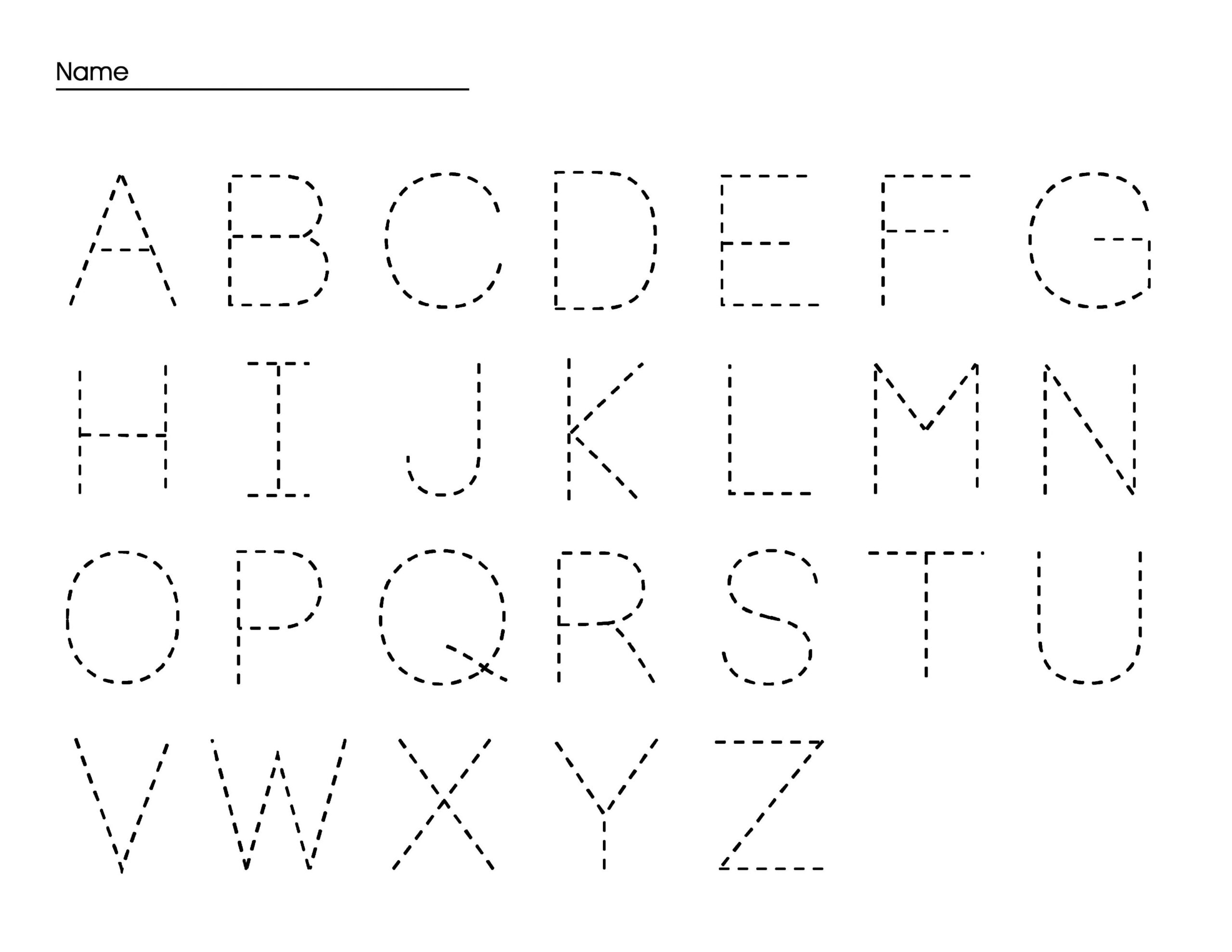
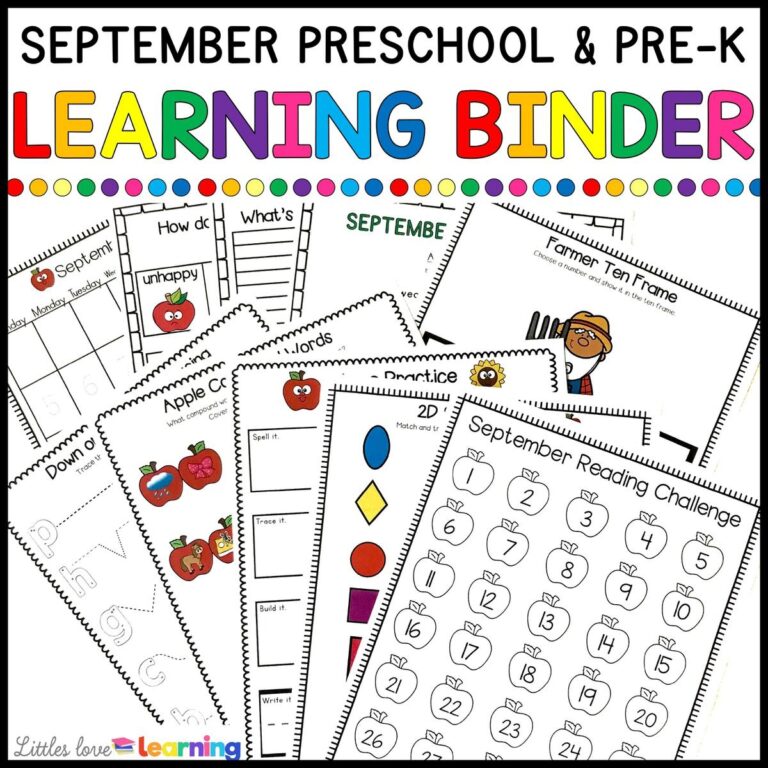
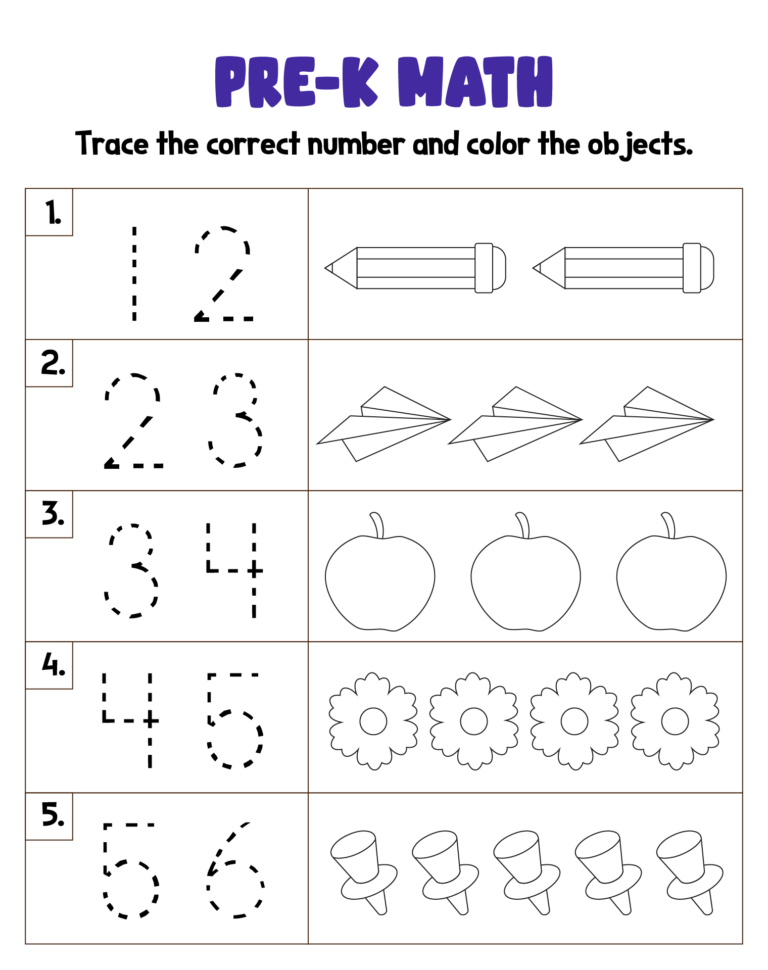
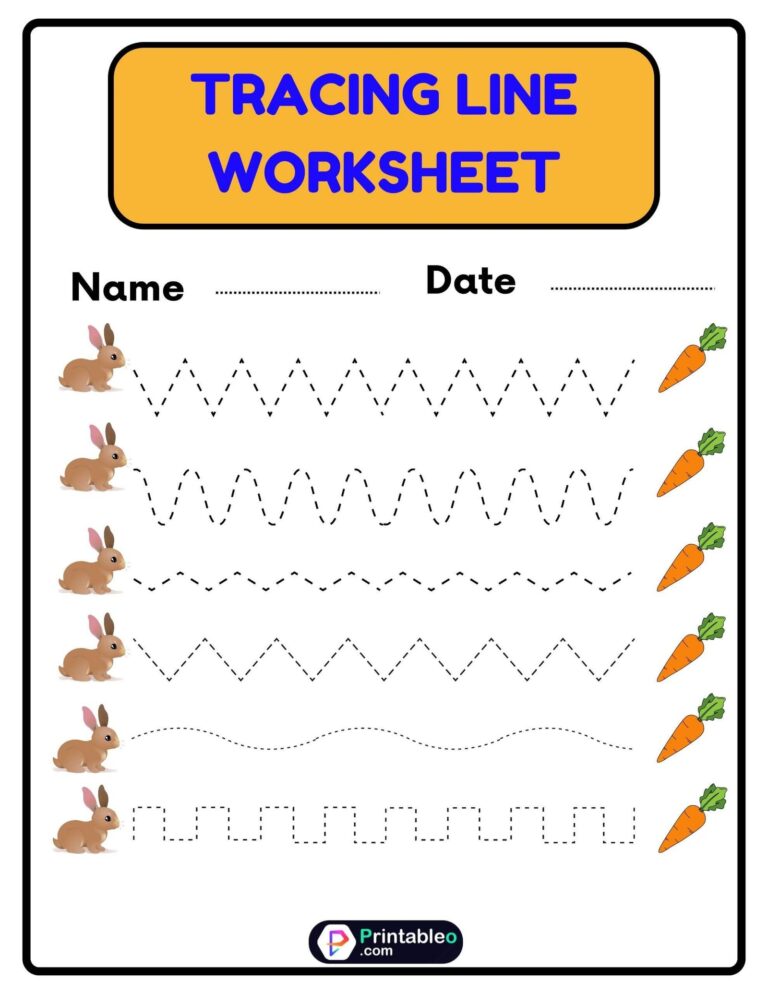
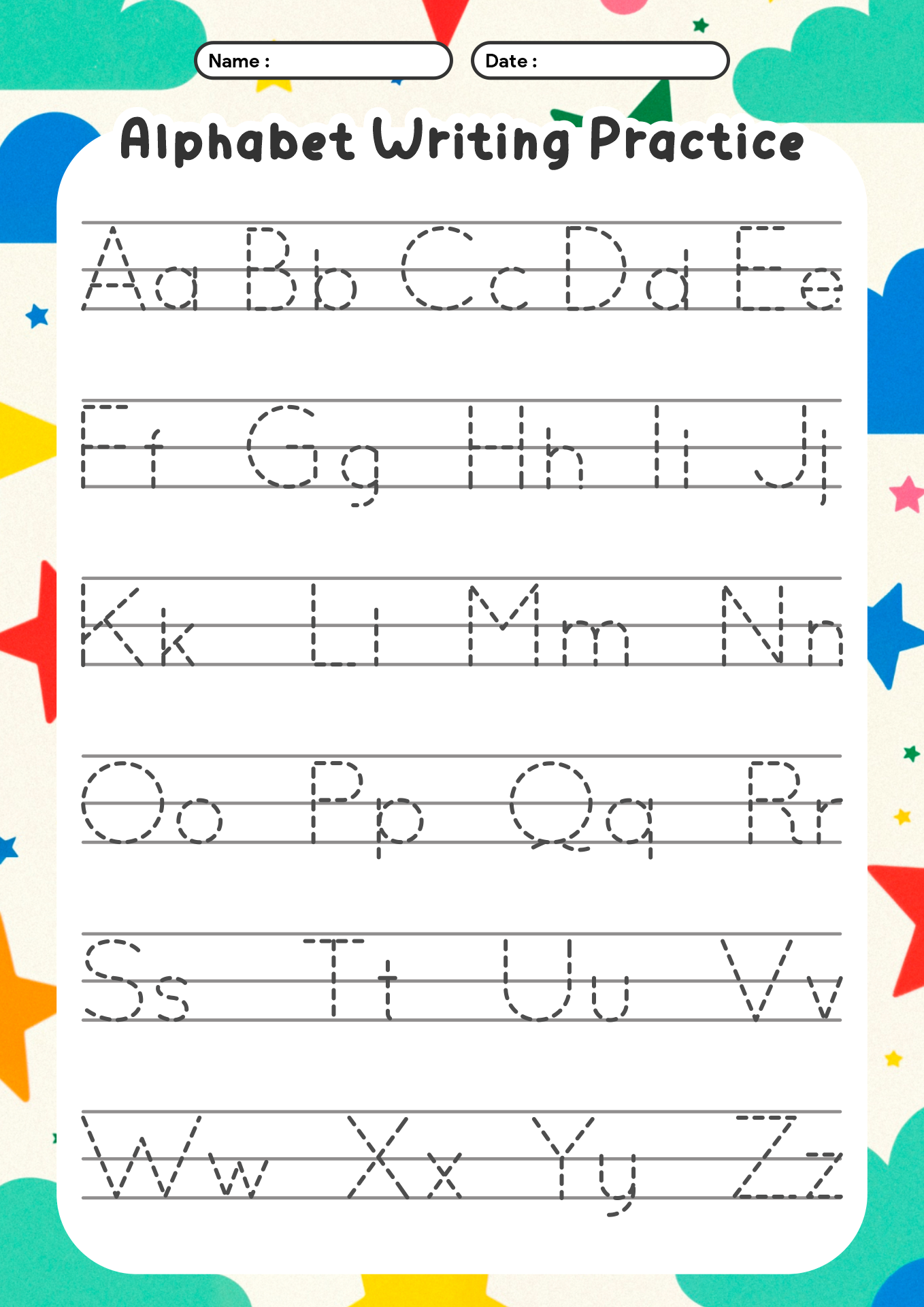
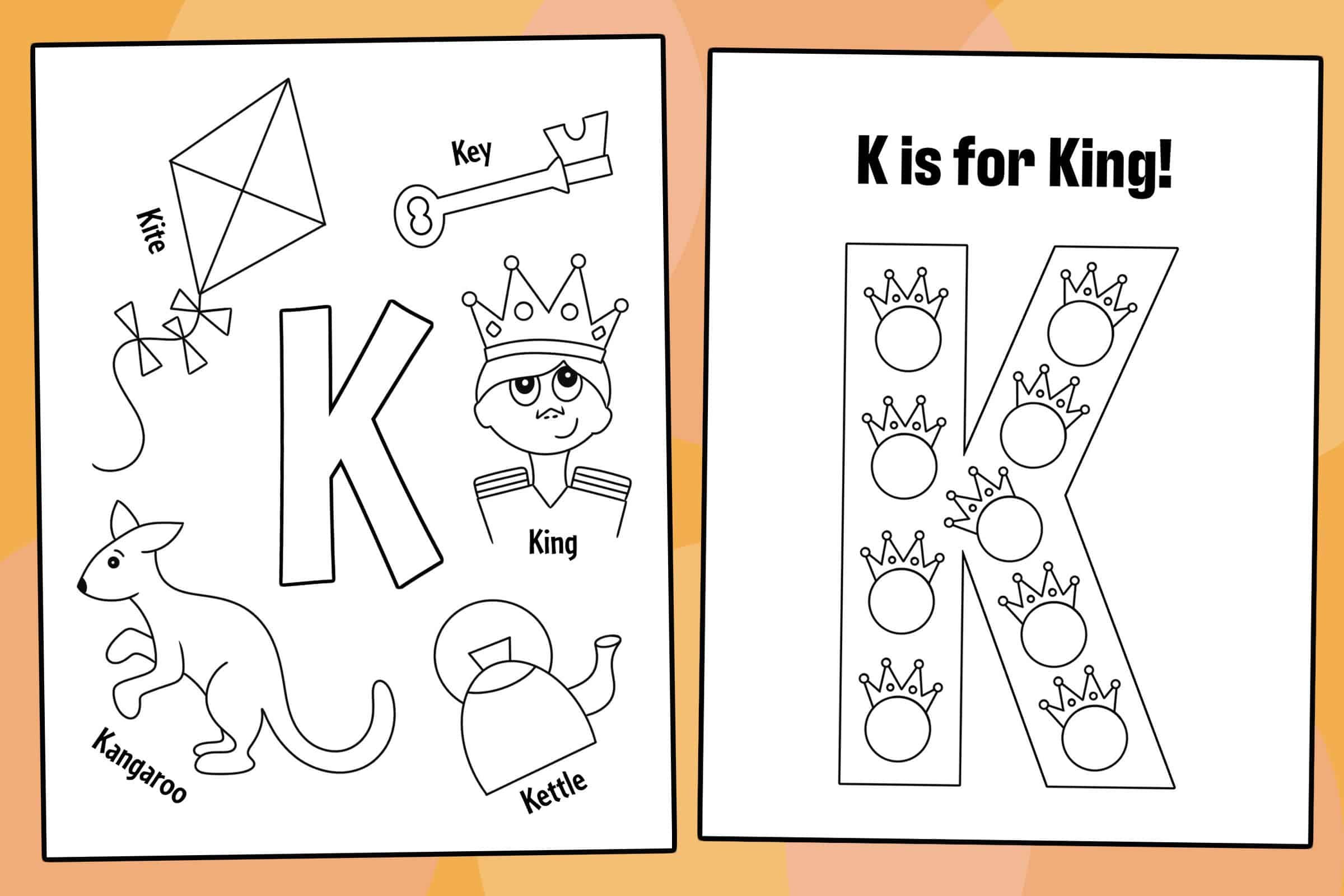
Letter tracing worksheets are specially designed pages that allow children to practice writing letters by following dotted lines. They come in various formats, featuring capital and lowercase letters, and often include fun illustrations or themes to keep kids engaged. The primary goal is to help preschoolers develop fine motor skills and letter recognition through repetitive practice, which is essential for future writing success.
Using these worksheets can seamlessly fit into your daily routine. You can set aside a few minutes each day for tracing practice, making it a fun part of your child’s learning journey. Plus, they’re easy to print and use, requiring minimal preparation on your part.
Benefits of Letter Tracing Worksheets
- Fine Motor Skill Development: Tracing helps children strengthen the small muscles in their hands and fingers, which is critical for writing.
- Letter Recognition: By repeatedly tracing letters, kids become more familiar with their shapes, helping them recognize letters in other contexts.
- Confidence Building: As children successfully trace letters, they gain confidence in their writing abilities, which can encourage them to try writing on their own.
- Engaging Learning: With colorful designs and themes, these worksheets can make learning fun, holding a child’s attention better than traditional pen-and-paper methods.
How to Use Letter Tracing Worksheets at Home
Incorporating letter tracing worksheets into your home learning is simpler than you might think. Here are some practical tips to get you started:
- Designate a Tracing Area: Set up a small workspace with all necessary supplies, such as pencils, crayons, and the worksheets. A quiet, comfortable spot will help your child focus.
- Schedule Short Sessions: Keep tracing sessions short and sweet—around 10-15 minutes is ideal. This helps maintain your child’s attention and keeps the activity enjoyable.
- Use Different Tools: Encourage your child to use various writing instruments, like colored pencils or markers, to make the experience more exciting.
- Incorporate Rewards: Consider implementing a sticker chart to reward your child for completing their worksheets. This can motivate them and make learning feel special.
Finding the Right Letter Tracing Worksheets
When searching for Letter Tracing Worksheets For Preschool, look for resources that offer a variety of letters and formats. Here’s what to consider while selecting the right worksheets:
- Age Appropriateness: Ensure the worksheets are designed for preschoolers. They should be straightforward, with large letters and ample space for tracing.
- Variety: Look for worksheets that include both uppercase and lowercase letters, as well as different fonts. This exposure helps children recognize letters in various contexts.
- Fun Themes: Worksheets that incorporate themes, such as animals, colors, or seasons, can make tracing more enjoyable and relatable for children.
You can easily find printable worksheets online. Many websites offer free or low-cost resources, allowing you to download and print them at home.
Integrating Worksheets Into Broader Learning Activities
To maximize the benefits of letter tracing, consider integrating these worksheets into broader learning activities. Here are a few ideas to get you started:
- Story Time Connections: After tracing letters, read a story that includes words starting with those letters. For instance, if your child traced the letter “B,” read a book with lots of “B” words, like “Brown Bear, Brown Bear.”
- Art Projects: Use the letters your child has traced as a springboard for art projects. For example, after tracing the letter “A,” have them create a collage of items that start with “A.”
- Interactive Games: Turn tracing practice into a game. For instance, you can create a scavenger hunt where your child finds objects around the house that start with the letters they are tracing.
With these strategies, letter tracing can become an integral part of your child’s early education, enhancing their learning experience while making it enjoyable.
A Quick Tip for Success
To make the most of your letter tracing activities, consider laminating the worksheets. This way, your child can use dry-erase markers to trace letters repeatedly, providing endless practice without wasting paper. Plus, it makes cleanup a breeze! Just wipe the sheet clean after each use, and you’re ready for the next session.