Before And After Preschool Worksheets: Essential Tools for 2026
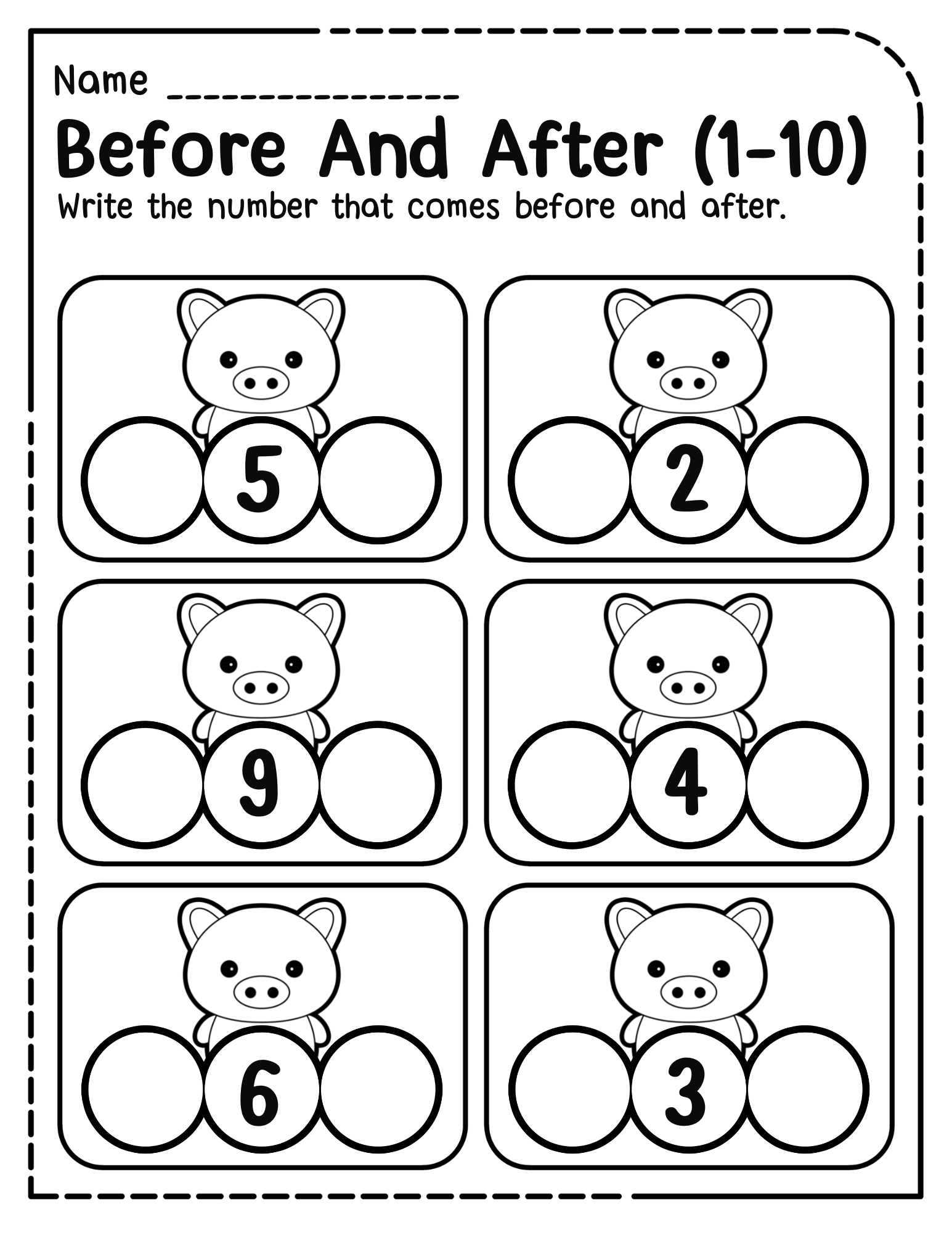
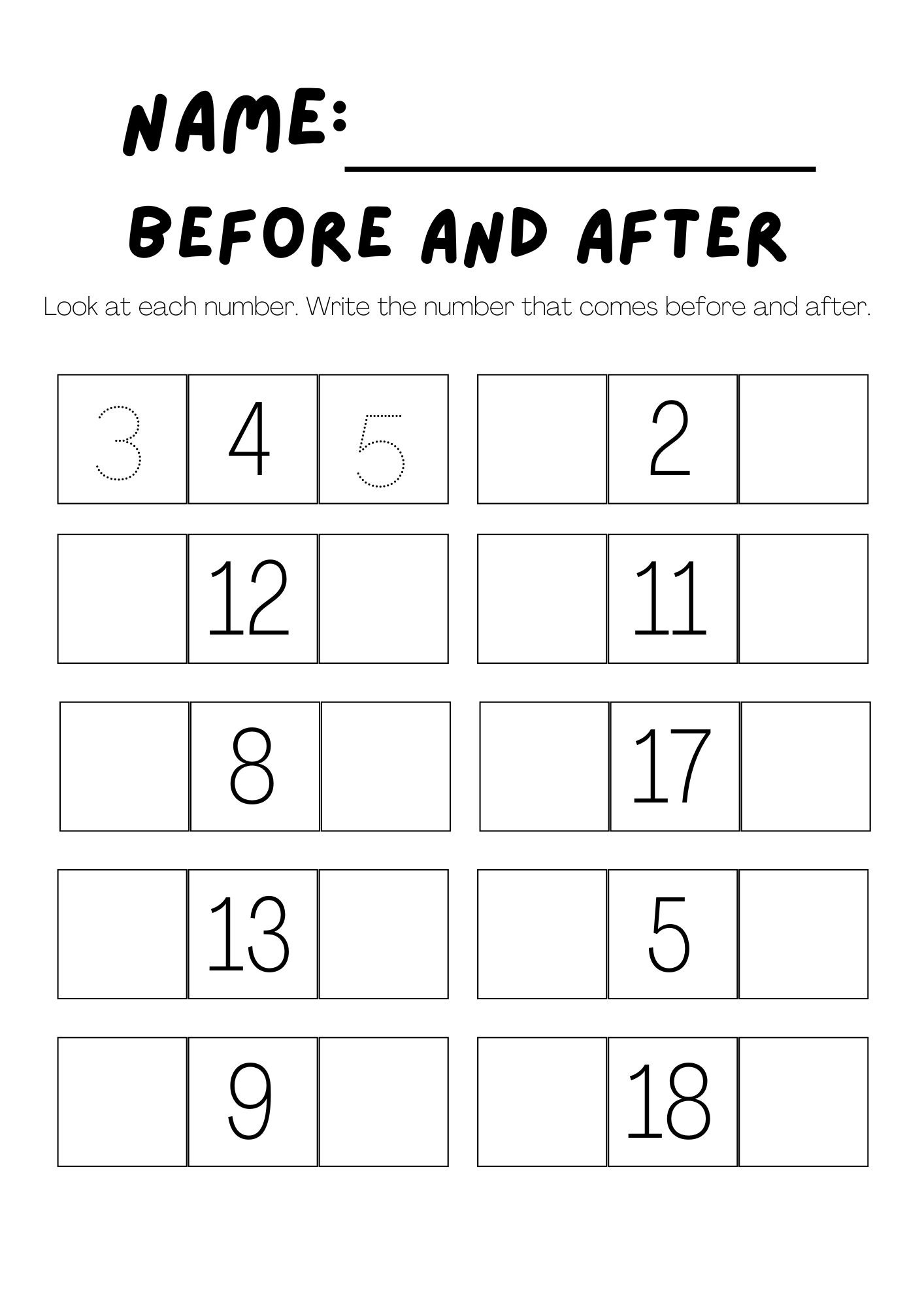
Before And After Preschool Worksheets are invaluable tools for reinforcing critical concepts in early childhood education. These worksheets help little learners grasp the concept of sequencing, which is essential for their cognitive development. By integrating these resources into your lesson plans, you can effectively support preschoolers’ understanding of “before” and “after,” laying a strong foundation for future learning.
Understanding the Importance of Sequencing
Sequencing is a fundamental skill that preschoolers need to develop as they begin to understand the world around them. It helps them organize their thoughts, follow directions, and make sense of narratives. Before and after worksheets serve as a practical means to teach these concepts through engaging activities.
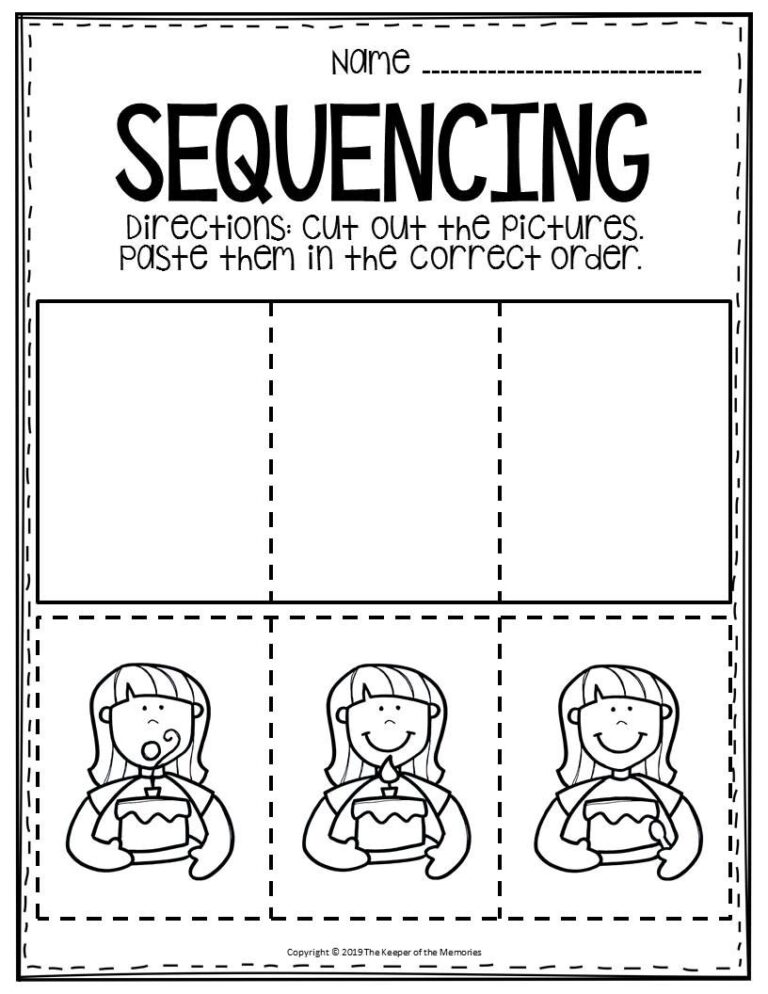
For instance, you might use a worksheet that asks children to arrange pictures in the correct order of events, such as getting dressed or making a sandwich. This not only reinforces the concept but also encourages critical thinking and problem-solving skills.
Types of Before And After Preschool Worksheets
There are various types of Before and After Preschool Worksheets available, each tailored to different learning styles and preferences. Here are some popular formats:
- Picture Sequencing Worksheets: These worksheets typically feature illustrations that students can arrange in the correct order. They may depict simple narratives, like a day at the park or a story about a cat.
- Fill-in-the-Blank Worksheets: These worksheets may present sentences with missing words, prompting children to complete them using “before” or “after.” This format encourages children to think critically about context.
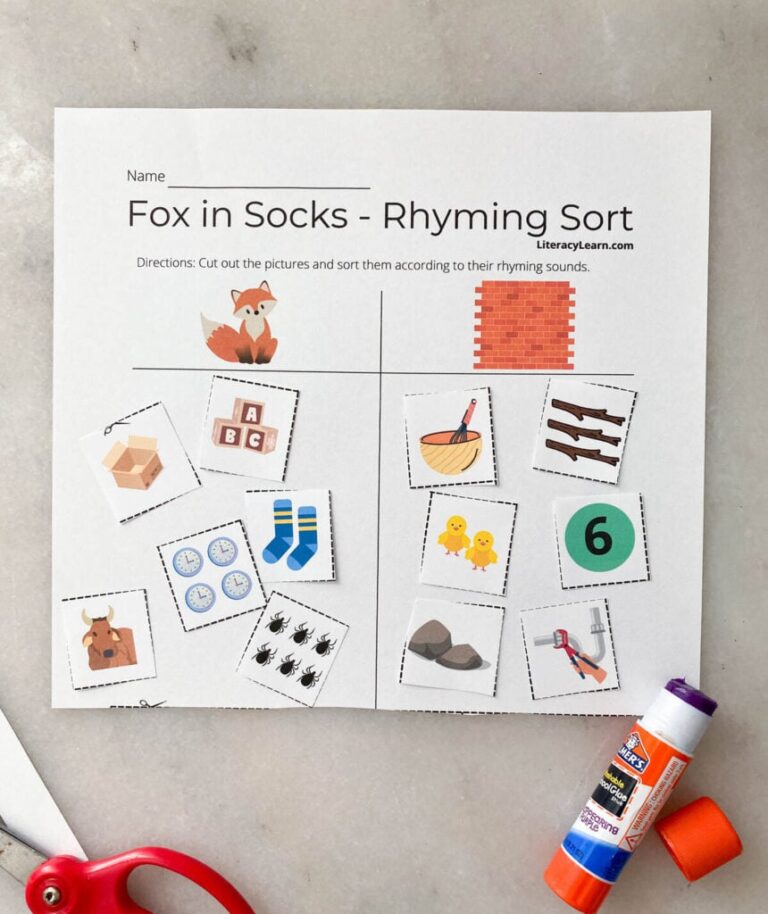
- Matching Worksheets: Children can match pictures or phrases that represent “before” and “after” scenarios, reinforcing their understanding through visual cues.
- Story Sequencing Worksheets: These worksheets often involve a short story where children are asked to identify what happens first and what comes next. They help develop comprehension skills alongside sequencing.
How to Effectively Use Before And After Worksheets
To maximize the benefits of Before and After Preschool Worksheets, consider the following tips:
1. Introduce the Concept
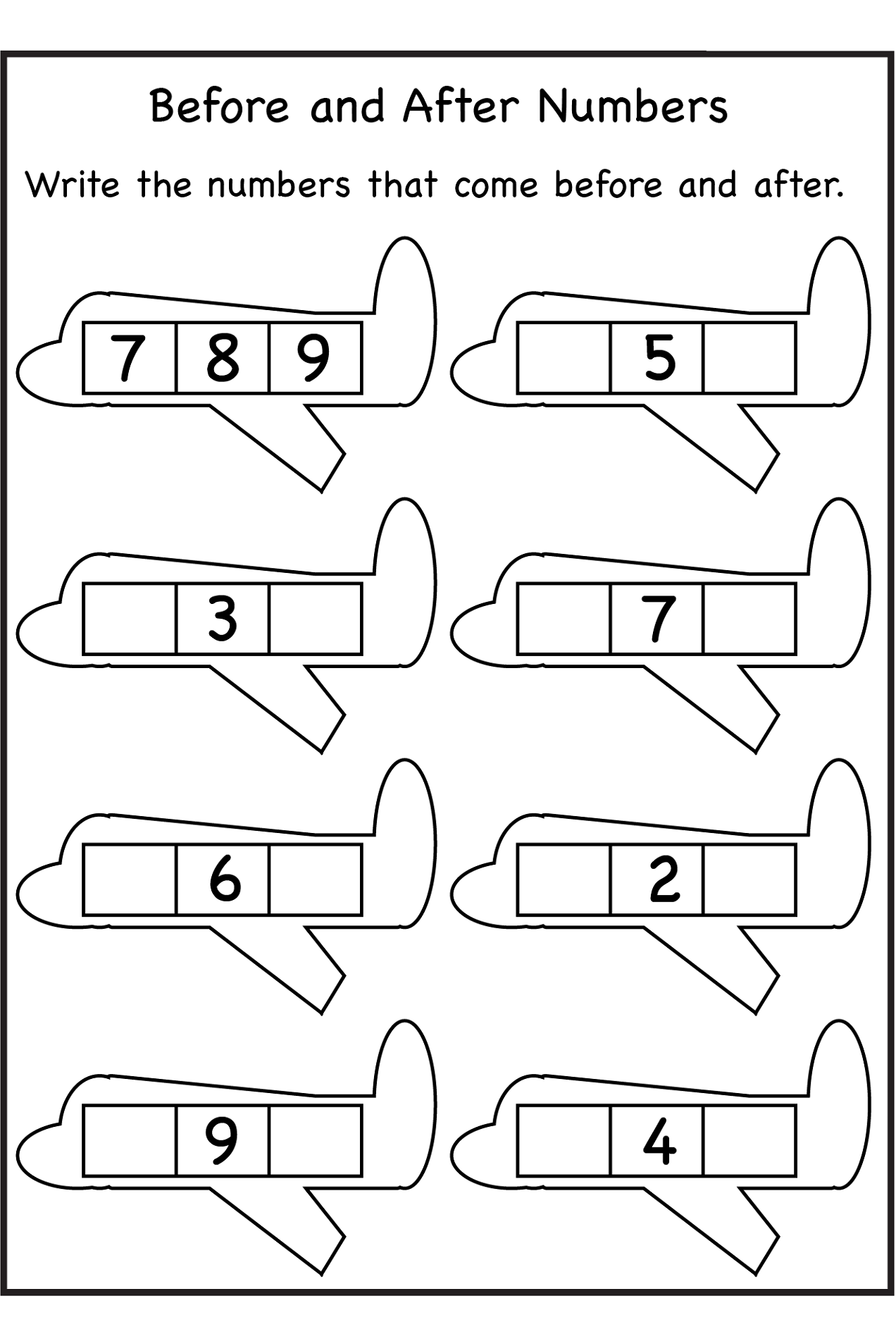
Start your lesson by discussing the meaning of “before” and “after.” Use everyday examples that children can relate to, such as their morning routines. This sets a solid foundation for understanding.
2. Provide Context
When presenting the worksheets, provide context for each activity. Explain what the children are expected to do and why it matters. For example, if using a picture sequencing worksheet, ask them to describe the story behind the images.
3. Encourage Group Work
Consider having children work in pairs or small groups. This promotes collaboration and allows them to discuss their thought processes. Group work can enhance their social skills while reinforcing learning.
4. Offer Feedback
As children complete the worksheets, circulate around the room to offer guidance and feedback. Positive reinforcement can motivate them and help them understand any mistakes.
5. Follow Up With Discussion
After completing the worksheets, hold a discussion to reinforce what they’ve learned. Ask questions like, “What did you put first?” or “Why does this come after that?” This encourages them to articulate their understanding.
Where to Find Printable Before And After Preschool Worksheets
Finding high-quality printable Before And After Preschool Worksheets is easier than ever. Here are some reliable sources:
- Educational Websites: Many educational websites offer free or low-cost printable worksheets. Websites like Teachers Pay Teachers or Education.com have a variety of options tailored for preschoolers.
- Printable Resource Platforms: Sites dedicated to printable resources often have a specific section for preschool worksheets. You can filter by subject matter, making it straightforward to find what you need.
- Teacher Resource Blogs: Many experienced educators share their worksheets on personal blogs. These resources are often free and come with tips on how to use them effectively in the classroom.
Tips for Printing and Preparing Worksheets
Once you’ve selected your Before And After Preschool Worksheets, here are some practical tips for printing and preparing them for classroom use:
- Use Cardstock: For durability, especially if the worksheets will be handled multiple times, print on cardstock. This material holds up better than standard printer paper.
- Check Print Settings: Make sure to adjust your print settings according to the size of the worksheets. Most standard worksheets are formatted for 8.5 x 11 inches, but always double-check.
- Laminating for Reuse: If you plan to use the worksheets multiple times, consider laminating them. This allows for dry-erase markers to be used, making them reusable.
- Organize by Theme: Store the worksheets in folders organized by theme or skill. This makes it easy to find the right resource when planning lessons.
Engaging Activities to Supplement Worksheets
While worksheets are effective, incorporating additional activities can enhance learning. Here are some engaging ideas:
- Storytime with Sequencing: Read a story and ask children to identify the sequence of events. You can even have them act out the story in order, making it interactive.
- Create a Visual Timeline: Use a long strip of paper to create a visual timeline with the children. They can draw or paste pictures to represent events in order.
- Sequencing Games: Use cards with pictures representing different actions or events. Children can work together to arrange them in the correct order, fostering teamwork and discussion.
Before And After Preschool Worksheets are more than just educational tools; they are gateways to developing essential skills in young children. By utilizing these resources effectively, you can create a dynamic learning environment that supports cognitive growth and understanding.
To get started, download a few worksheets today and prepare to engage your preschoolers in fun, educational activities that will enhance their learning experience. One practical tip: always keep a few extra copies on hand for students who may need to revisit the concepts later!