Dibuja En Cuadricula Una Bicicleta Preschool Worksheet
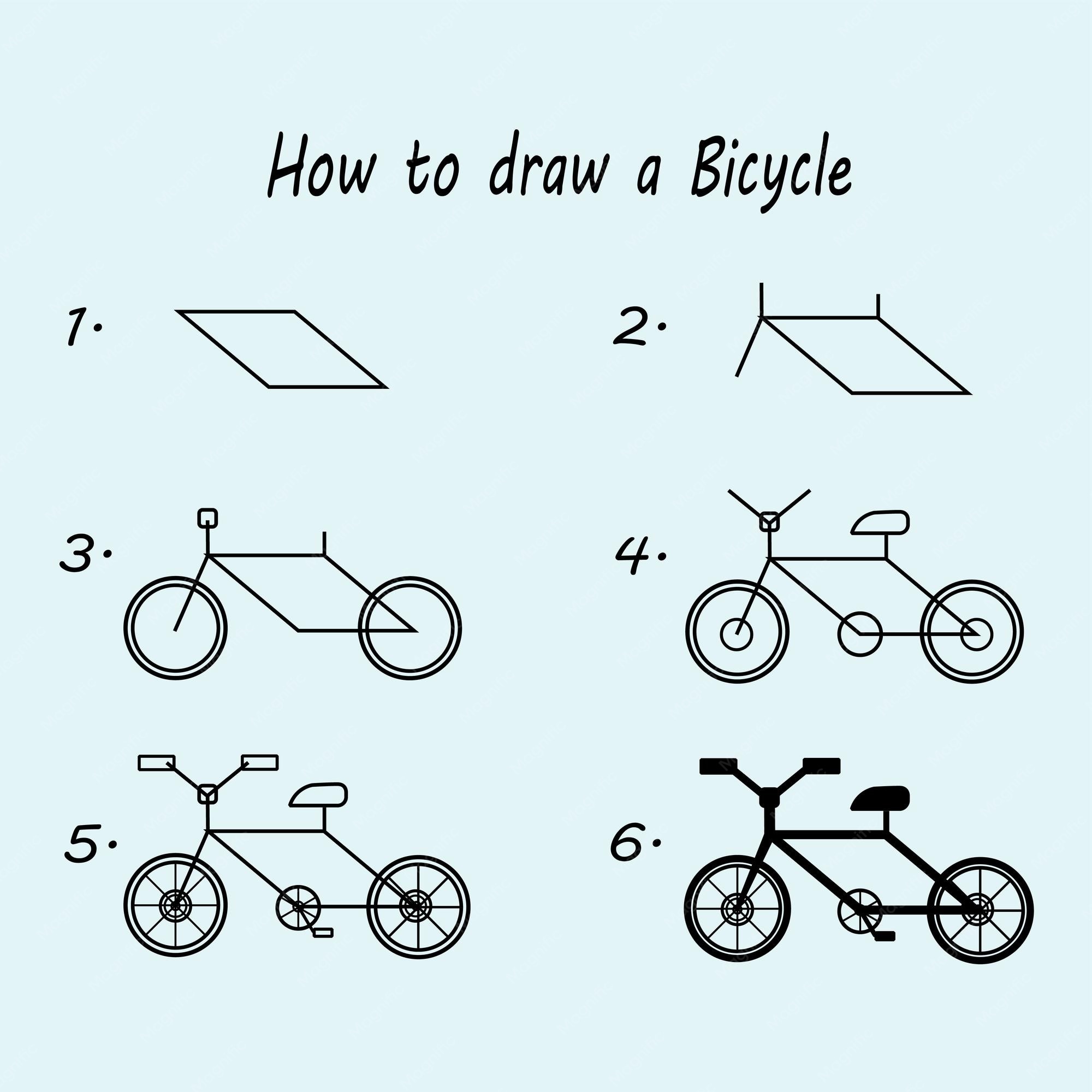
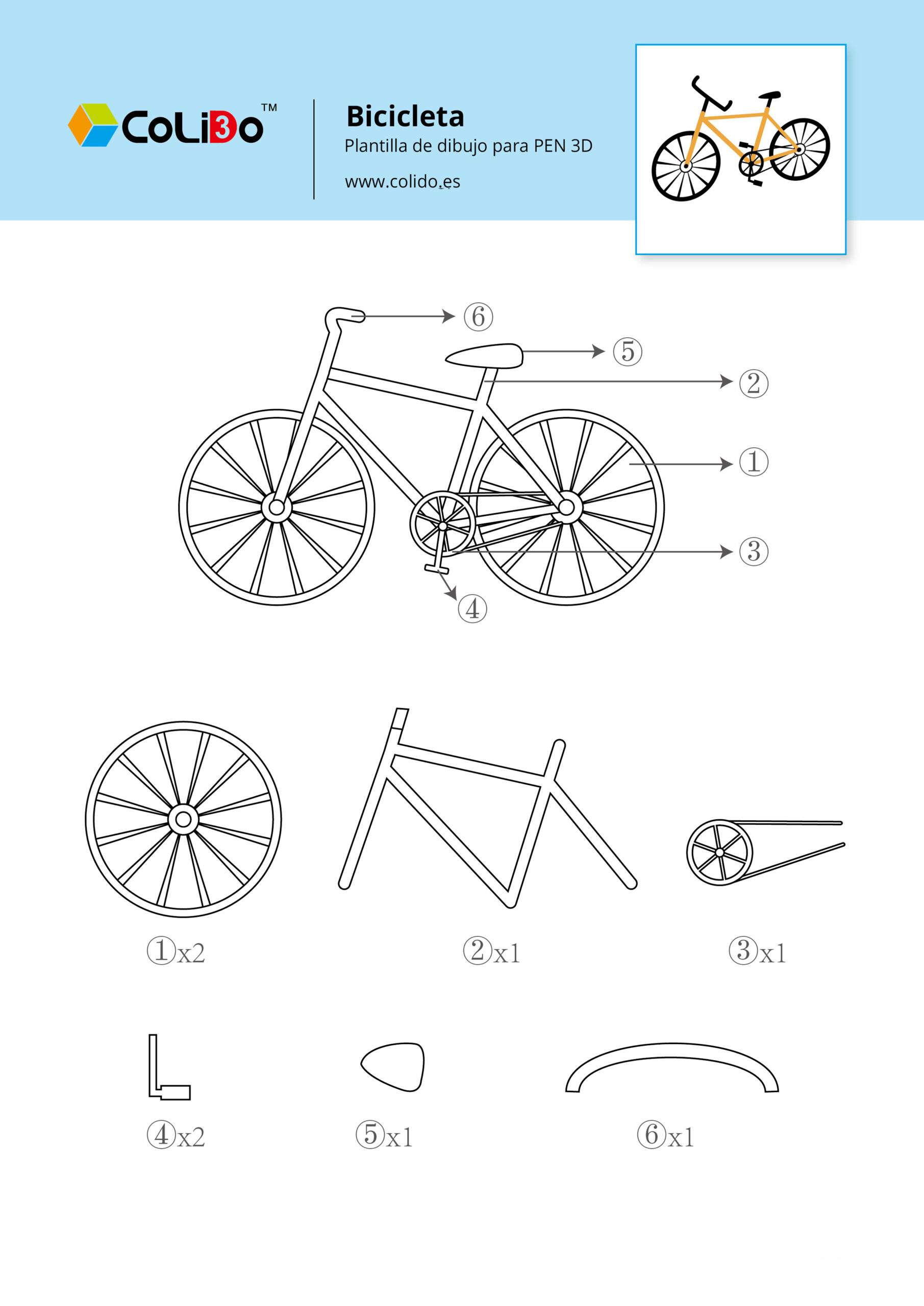
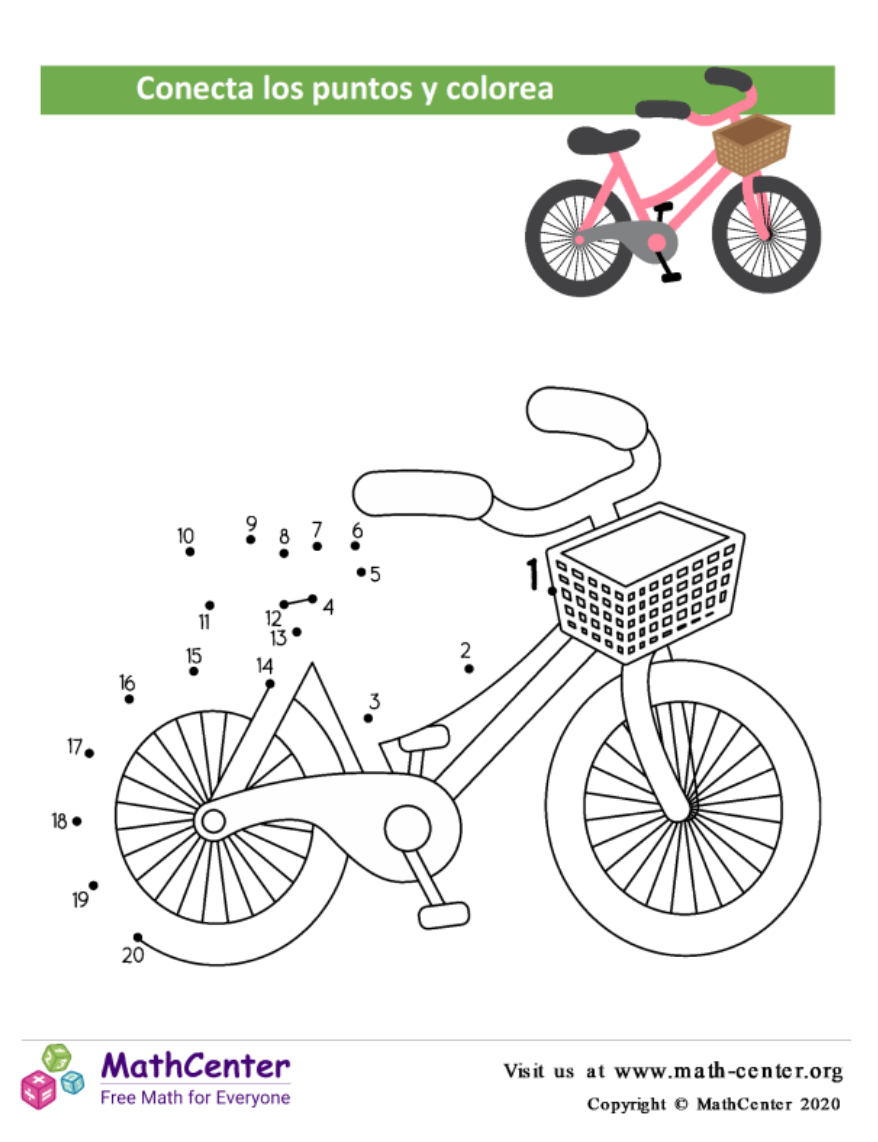
When it comes to engaging preschoolers in creative activities, the Dibuja En Cuadricula Una Bicicleta Preschool Worksheet is an excellent resource that combines fun with learning. This printable worksheet is specifically designed for young children to practice their drawing skills while also introducing them to the concept of grids. The worksheet is typically sized at 8.5 x 11 inches, making it easy to print at home or in a classroom setting.
Understanding the Grid Layout
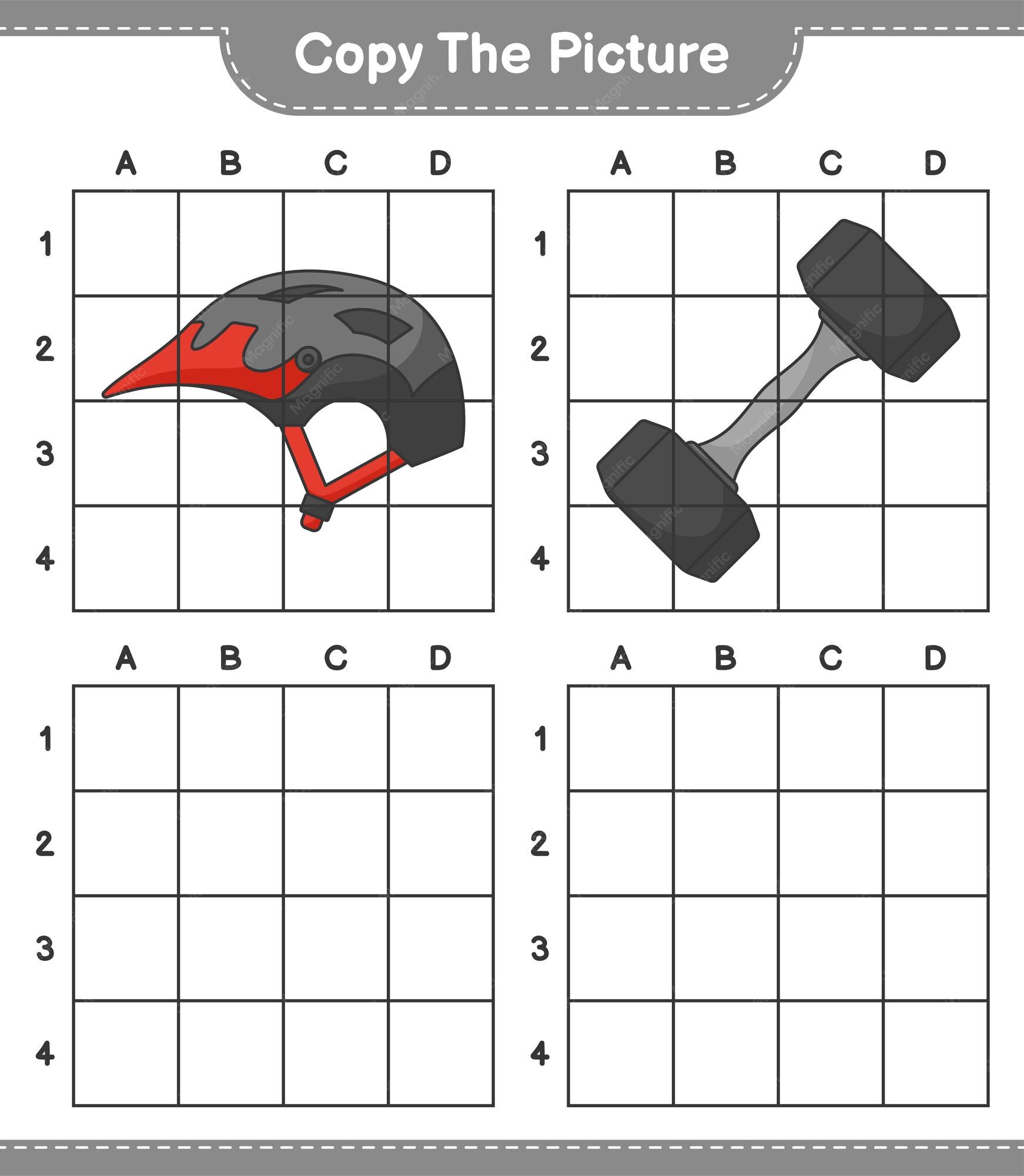
The primary feature of the Dibuja En Cuadricula Una Bicicleta Preschool Worksheet is its grid layout. This grid is typically made up of squares that help guide children as they draw a bicycle. The grid serves multiple purposes:
- Structure: It gives children a clear framework to follow, helping them understand proportions and spatial relationships.
- Focus: By concentrating on one square at a time, kids can avoid feeling overwhelmed and can take pride in completing each section.
- Skill Development: Drawing within the confines of the grid encourages fine motor skills and hand-eye coordination, which are crucial at this developmental stage.
As you guide your child through the worksheet, explain how each square corresponds to a part of the bicycle. For instance, the top squares might represent the handlebars, while the bottom squares can outline the wheels. This method not only teaches them about bicycles but also helps them visualize how to construct images step-by-step.
Engaging Your Child With the Worksheet
To get the most out of the Dibuja En Cuadricula Una Bicicleta Preschool Worksheet, consider the following tips for making the experience enjoyable and educational:
- Use Colored Pencils: Encourage your child to use colored pencils for drawing. This not only makes the activity fun but also allows them to experiment with colors and shades.
- Talk About Bicycles: While your child works on the worksheet, engage them in a conversation about bicycles. Ask them questions like what they like about riding bikes or where they would ride if they had one. This reinforces vocabulary and comprehension.
- Make it a Group Activity: If you have multiple children, consider making this a group activity. Children can share their drawings, which fosters social interaction and boosts confidence.
Materials and Tools for Success
To ensure a smooth drawing experience with the Dibuja En Cuadricula Una Bicicleta Preschool Worksheet, gather the following materials:
- Printable Worksheet: Download and print the worksheet from a trusted printable-resource website.
- Drawing Tools: Have colored pencils, crayons, or markers available. Each tool can offer a different creative outlet.
- Paper: If your child wants to try again or make a different design, provide extra sheets of blank paper. This allows them to practice without the confines of the grid once they feel comfortable.
Incorporating the Worksheet Into Learning Routines
Integrating the Dibuja En Cuadricula Una Bicicleta Preschool Worksheet into your child’s learning routine can be quite beneficial. Here are some suggestions on how to seamlessly include it:
- Morning Routine: Use the worksheet as part of the morning activities. It can serve as a calm, focused task before the day gets busy.
- Art Time: Incorporate the worksheet into your child’s art time. It can be a great warm-up exercise before moving on to more complex art projects.
- Learning Stations: If you have designated learning stations at home, consider creating one specifically for drawing and creativity. The worksheet can be a key component of this station.
Common Mistakes to Avoid
When using the Dibuja En Cuadricula Una Bicicleta Preschool Worksheet, here are some pitfalls to watch out for:
- Rushing the Process: Encourage your child to take their time and focus on each square individually. Rushing can lead to frustration and messy drawings.
- Not Using the Grid: Some children may want to draw freehand instead of using the grid. Gently guide them back to the grid to help them develop their skills.
- Neglecting Feedback: Be sure to provide positive feedback as your child works on their drawing. This can encourage them to keep trying and improve.
Dibuja En Cuadricula Una Bicicleta Preschool Worksheet Gallery