Draw On A Straight Line Worksheet Preschool
Using a Draw On A Straight Line Worksheet Preschool is a fantastic way to help your little ones develop essential fine motor skills. If you’re wondering how this resource can assist your child’s learning journey, you’ve come to the right place. This worksheet is designed to promote hand-eye coordination, improve pencil grip, and encourage early writing skills. Let’s explore how you can effectively use it in your home or classroom.
What is a Draw On A Straight Line Worksheet?
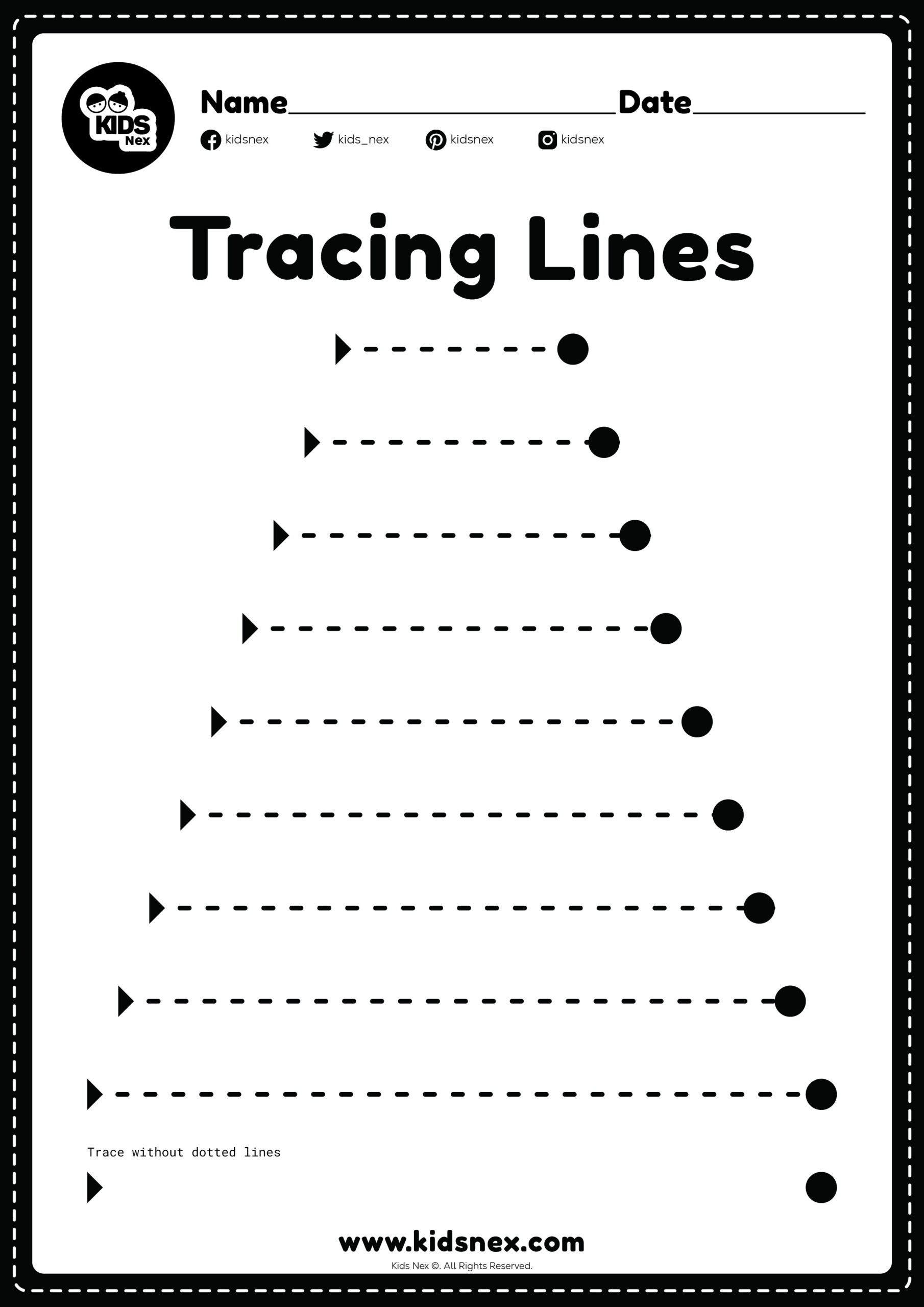
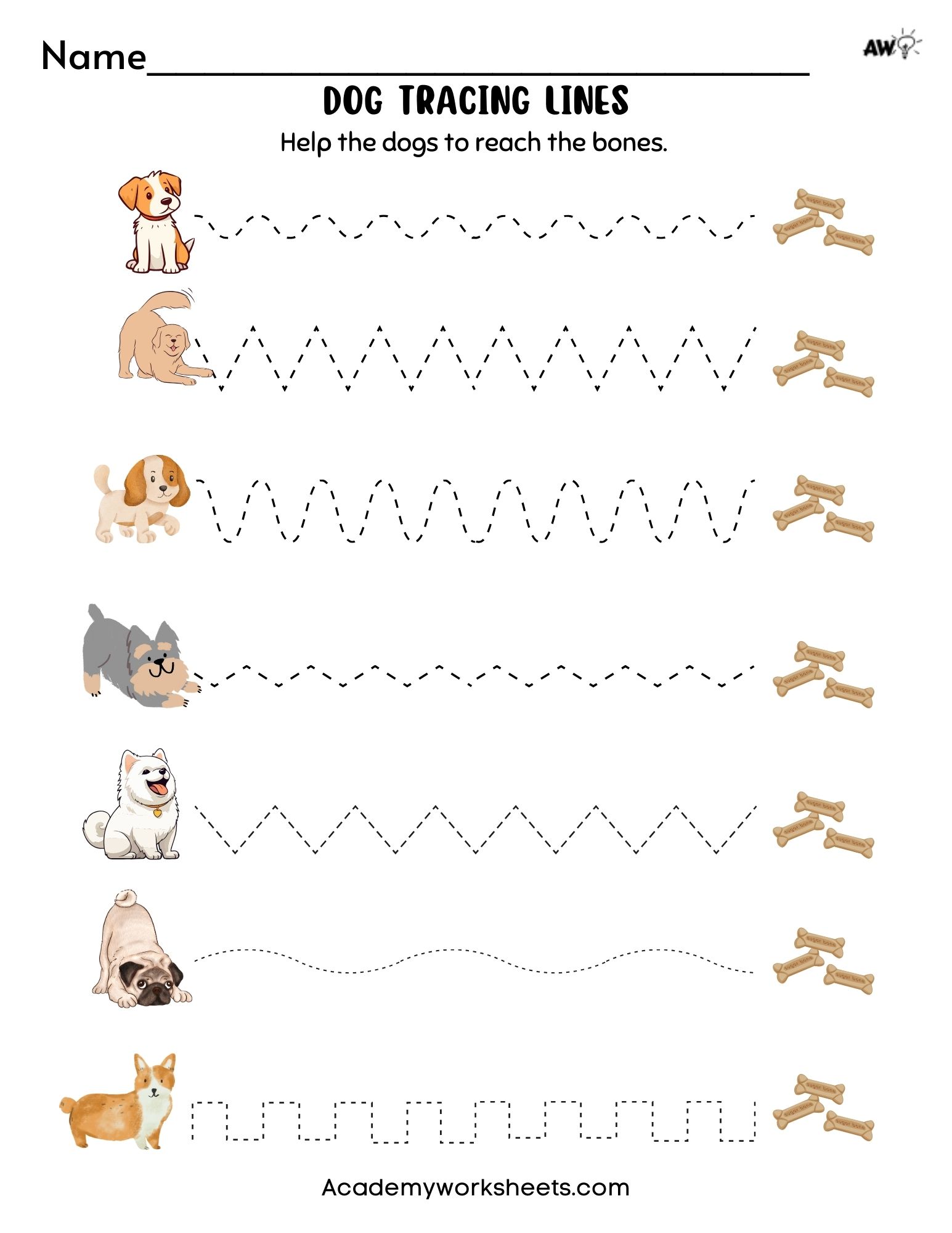
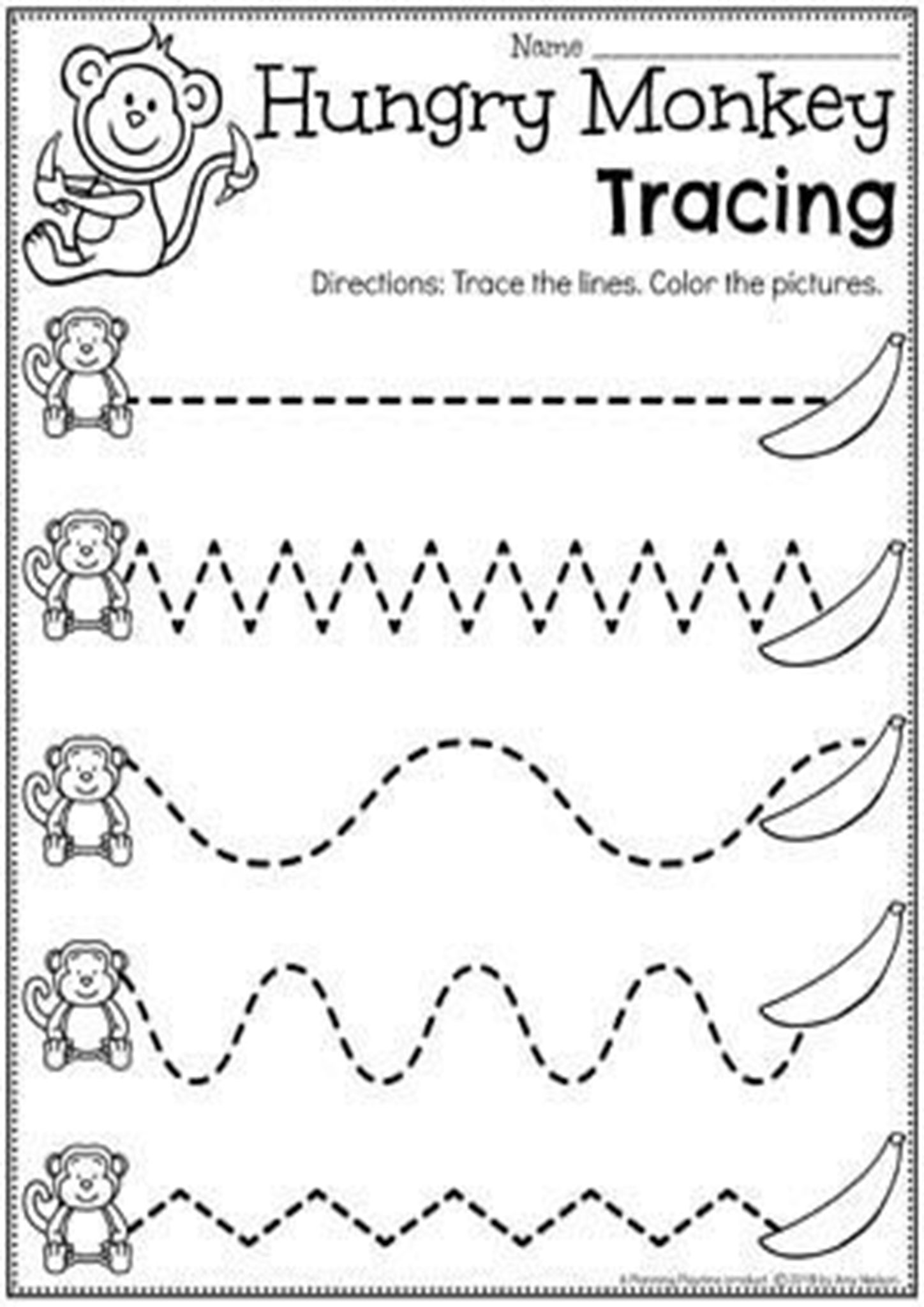
A Draw On A Straight Line Worksheet is a simple yet effective tool for preschoolers. This worksheet typically features various straight lines—horizontal, vertical, and diagonal—where children can practice drawing or tracing. The primary goal is to help them learn how to control their writing instruments while following a straight path. This practice lays the foundation for more complex writing and drawing tasks later on.
When using this worksheet, look for ones that are visually appealing and age-appropriate. Bright colors and fun designs can make the learning process more engaging for your child. You can often find these resources available for download and print, making it easy to incorporate them into your daily routine.
Why Use This Worksheet?
Incorporating a Draw On A Straight Line Worksheet into your preschooler’s routine carries several benefits:
- Fine Motor Skill Development: Tracing lines helps strengthen the small muscles in a child’s hands and fingers, crucial for future writing tasks.
- Cognitive Skills: Following the lines requires focus and concentration, enhancing a child’s cognitive abilities.
- Confidence Boost: Successfully completing the worksheet can give children a sense of accomplishment, boosting their confidence in their abilities.
Using this worksheet can fit seamlessly into your daily activities. You might include it in a dedicated learning time or as a fun activity after school.
How to Use the Worksheet Effectively
To get the most out of the Draw On A Straight Line Worksheet, here’s a step-by-step guide:
- Choose the Right Environment: Set up a quiet, well-lit space for your child to work on the worksheet. A table or desk works best, as it provides a stable surface.
- Gather Materials: You’ll need:
- The worksheet (printed on standard A4 or letter-sized paper)
- Crayons, colored pencils, or markers
- Optional: A ruler or straight edge for additional guidance
- Demonstrate First: Before handing the worksheet to your child, demonstrate how to trace a straight line. Show them how to hold their crayon or pencil correctly.
- Encourage Independence: Let your child attempt the worksheet on their own. Offer guidance as needed, but allow them to explore their abilities.
- Celebrate Their Efforts: Once they complete the worksheet, celebrate their hard work! Positive reinforcement will encourage them to continue practicing.
By following these steps, you’ll create a supportive environment that fosters learning and growth.
Presentation Quality Matters
When printing the Draw On A Straight Line Worksheet, consider the following tips for the best results:
- Paper Type: For durability, use heavier paper or cardstock. This can withstand repeated use and is ideal if you plan to laminate the worksheet for long-term use.
- Printer Settings: If you have a color printer, use it! Colorful worksheets can be more engaging. Ensure your settings are correct for the best quality, typically set to “Best” or “High Quality.”
- Layout Considerations: Portrait layout tends to be more suitable for worksheets. This format allows for easier handling by small hands.
Adapting the Worksheet for Different Learning Levels
If you have multiple children or want to cater to varying skill levels, consider adapting the worksheet:
- For Beginners: Use worksheets with thicker lines or dotted lines to help younger children learn to control their movements.
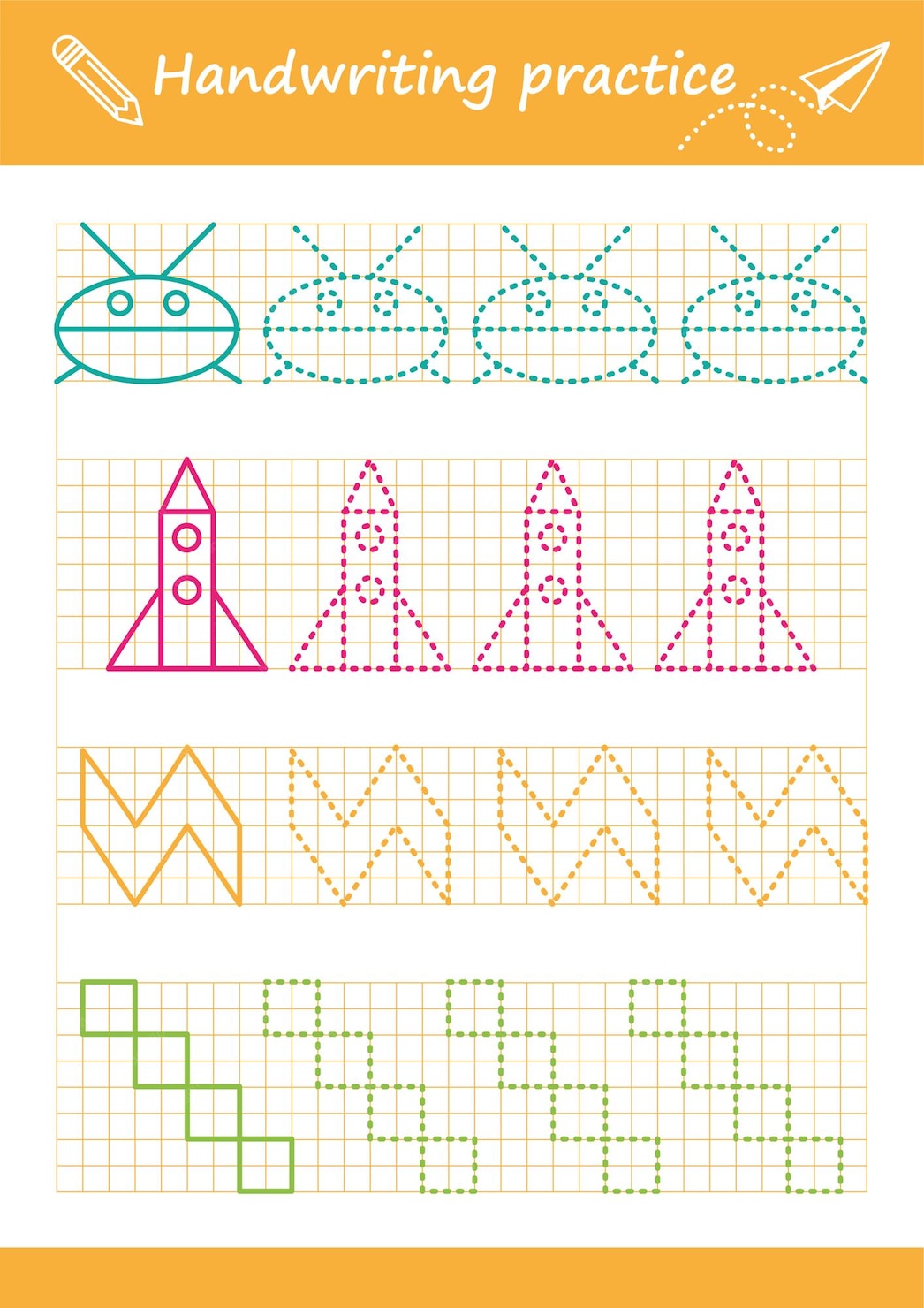
- For Advanced Learners: Challenge older preschoolers with lines that vary in thickness or include curves and shapes to trace.
This adaptability makes the Draw On A Straight Line Worksheet a versatile tool in your educational toolkit.
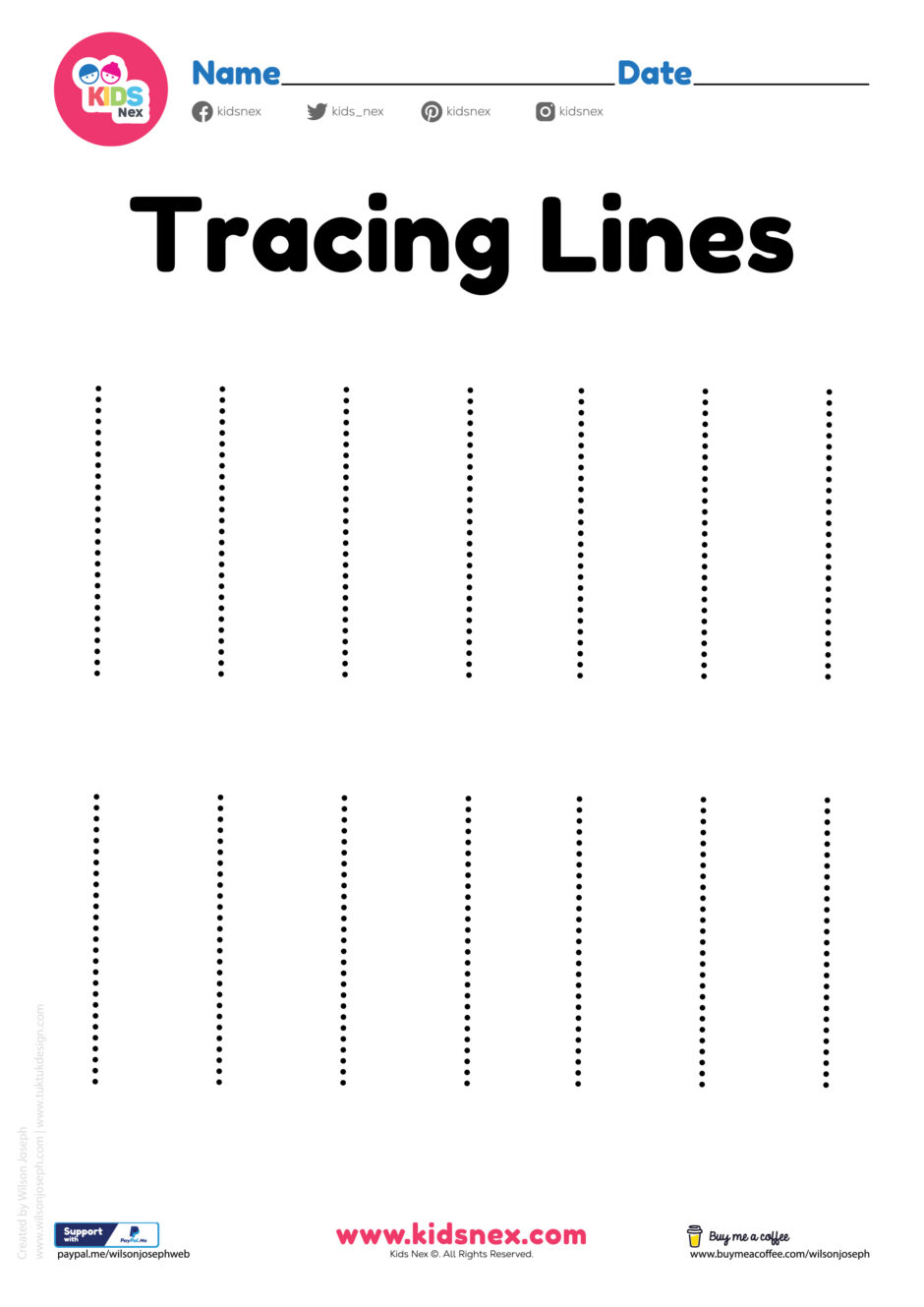
Next Steps After the Worksheet
Once your child has completed the Draw On A Straight Line Worksheet, you can build on their skills by introducing other activities:
- Creative Drawing: Encourage your child to draw their own straight lines and shapes. This fosters creativity while reinforcing their motor skills.
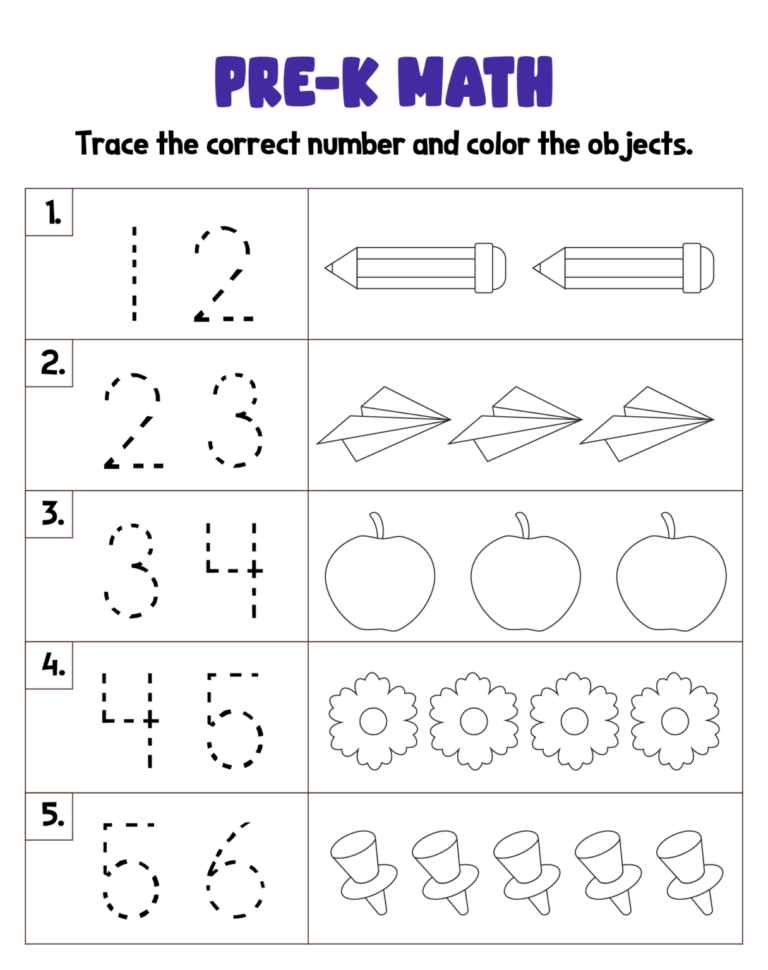
- Tracing Letters: Transition to worksheets that include letters or numbers for tracing. This will further develop their writing skills.
- Engaging Games: Incorporate games that require hand-eye coordination, such as simple puzzles or building blocks, to enhance their learning experience.
By expanding on the skills learned from the worksheet, you’ll provide a comprehensive learning experience that prepares your child for future success in writing and beyond.
Using the Draw On A Straight Line Worksheet Preschool can be a rewarding activity that not only enhances your child’s motor skills but also boosts their confidence. Ready to get started? Download your worksheet today and watch your child’s skills flourish!
Draw On A Straight Line Worksheet Preschool Gallery