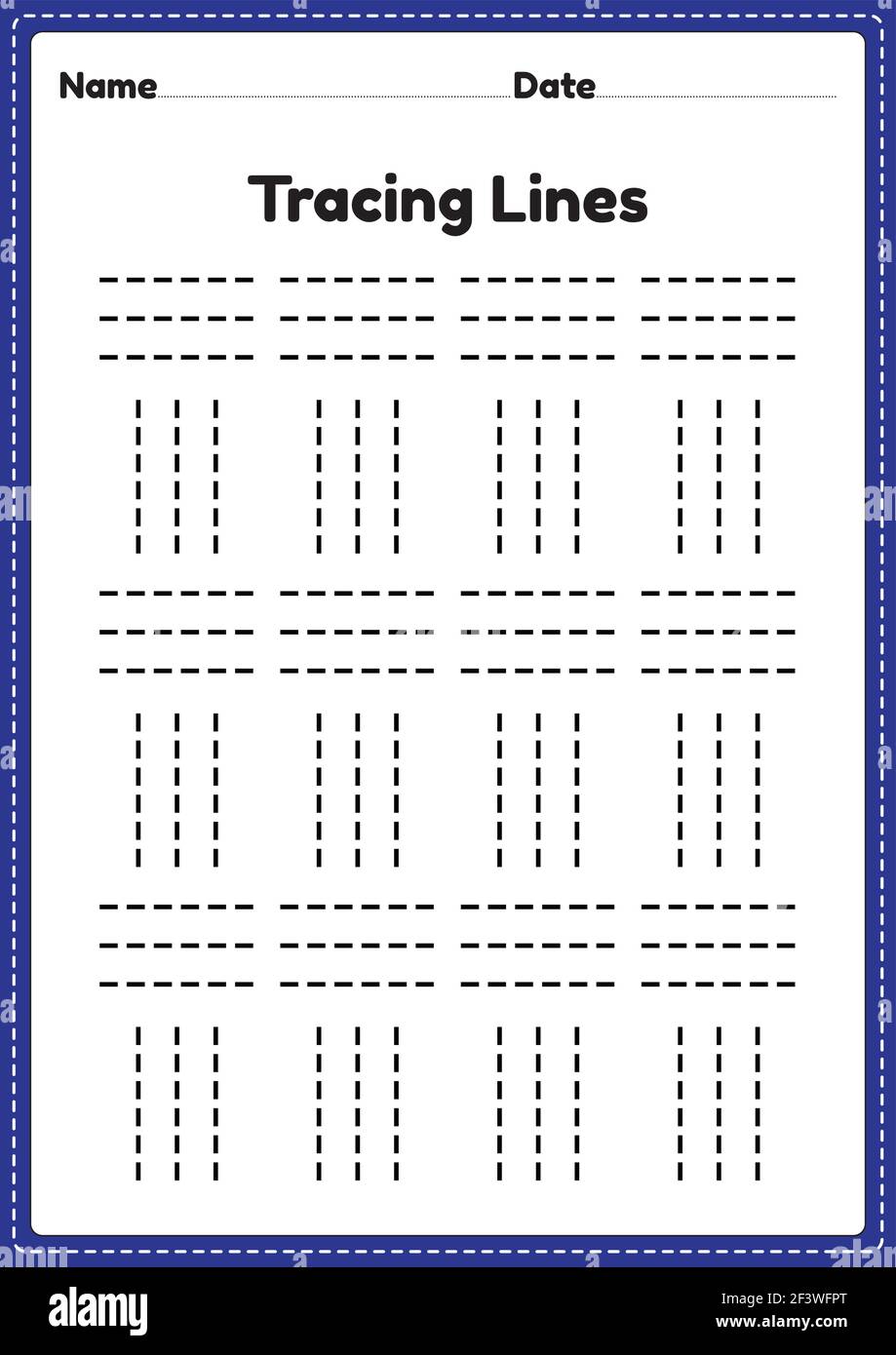
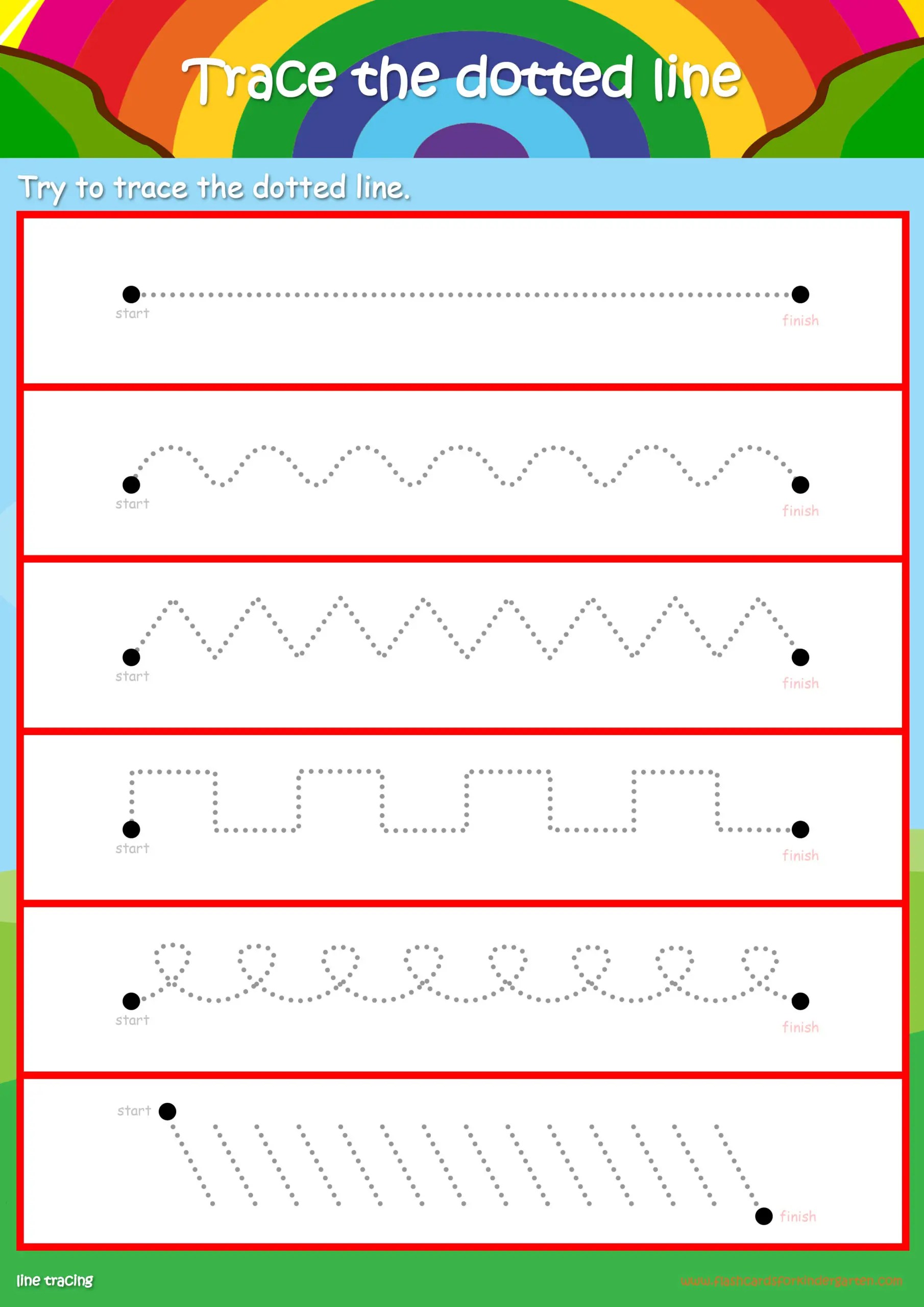
Drawing Lines Worksheet For Preschool
The Drawing Lines Worksheet For Preschool is a valuable resource for parents and educators looking to help young children develop essential fine motor skills. These worksheets provide engaging activities that encourage kids to practice their pencil grip and hand-eye coordination while having fun. As your child works through these sheets, they’ll gain confidence in their ability to draw, which lays the groundwork for future writing skills.
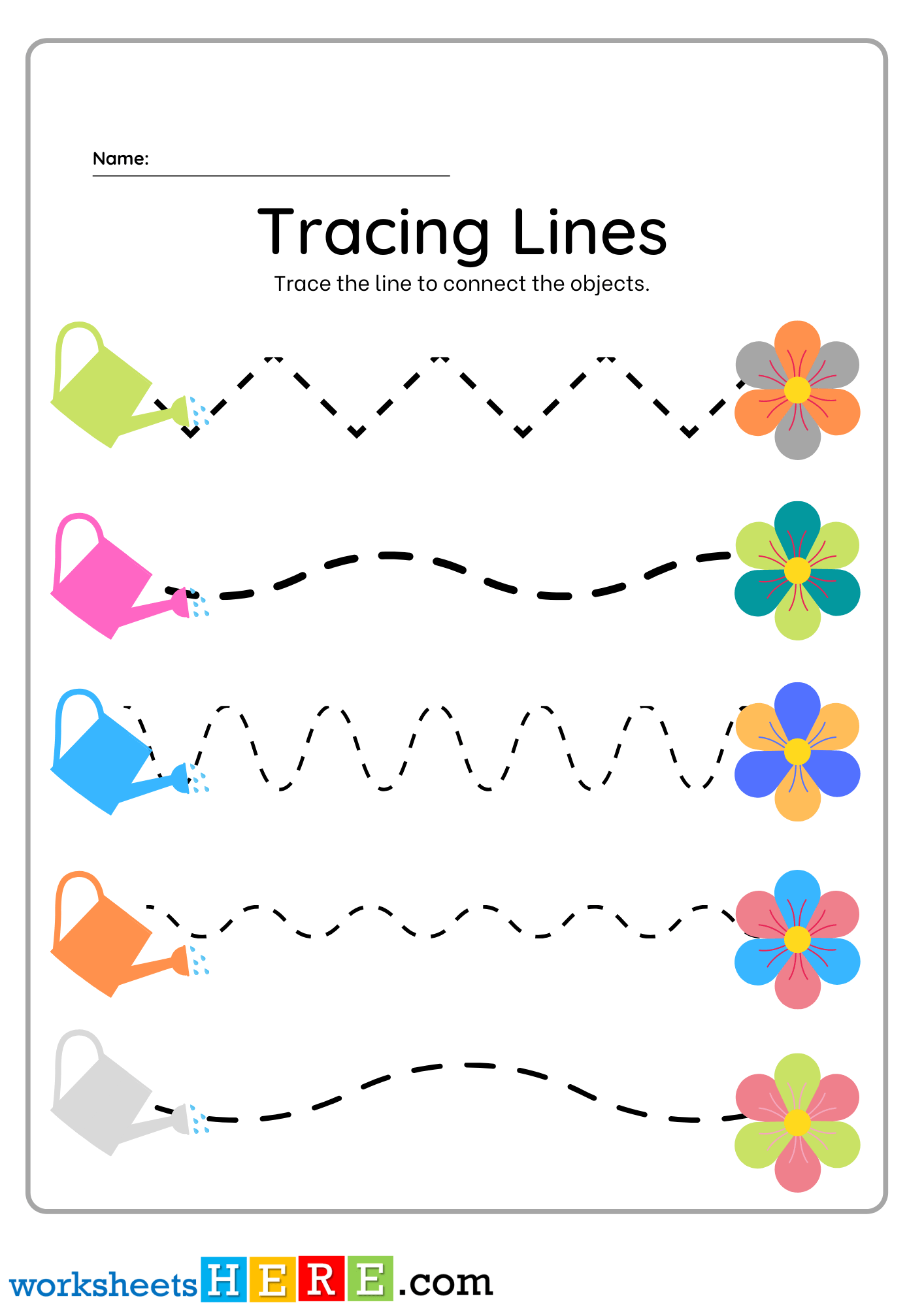
Understanding the Purpose of Drawing Lines Worksheets
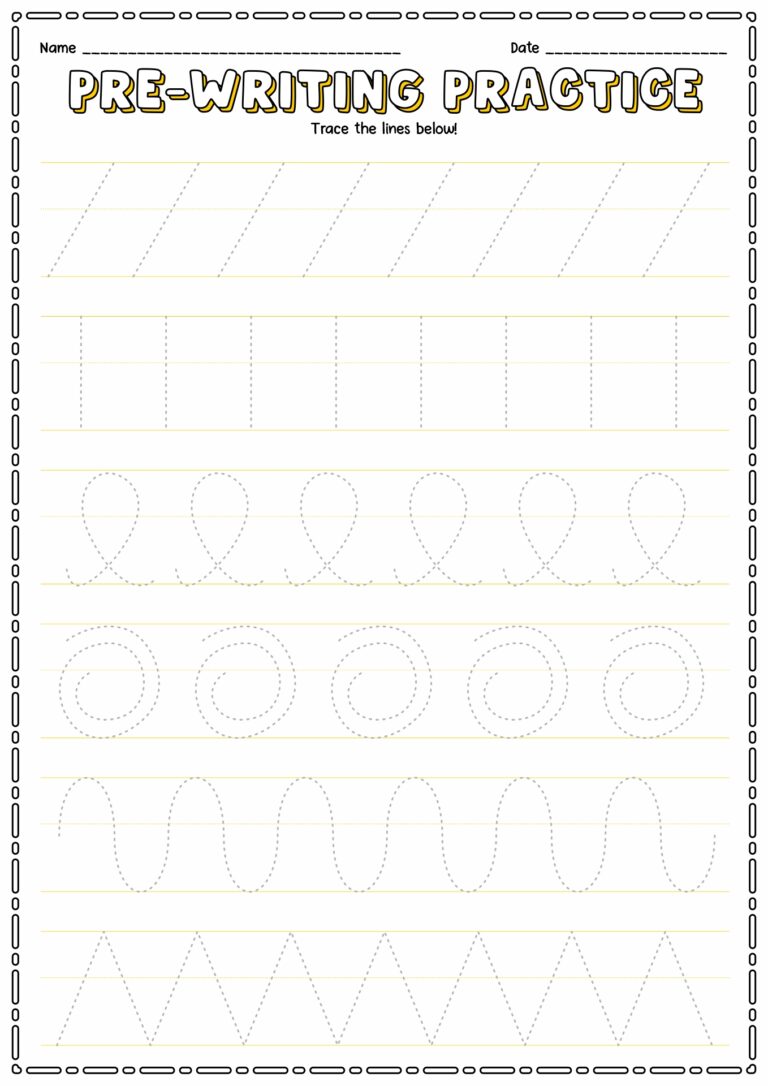
At its core, a Drawing Lines Worksheet for Preschool is designed to improve a child’s ability to control writing instruments. These worksheets typically feature various lines, shapes, and patterns for children to trace or draw. The primary goal is to help them learn how to move their hands and fingers with precision.
By practicing with these worksheets, preschoolers can:
- Strengthen their hand muscles
- Improve coordination
- Enhance concentration and focus
- Develop an understanding of shapes and patterns
For parents, these worksheets can serve as a structured activity that fits neatly into daily routines, making it easier to integrate learning into playtime.
Features of Effective Drawing Lines Worksheets
When selecting a Drawing Lines Worksheet for Preschool, consider the following features to ensure it meets your child’s needs:
Variety of Lines and Shapes
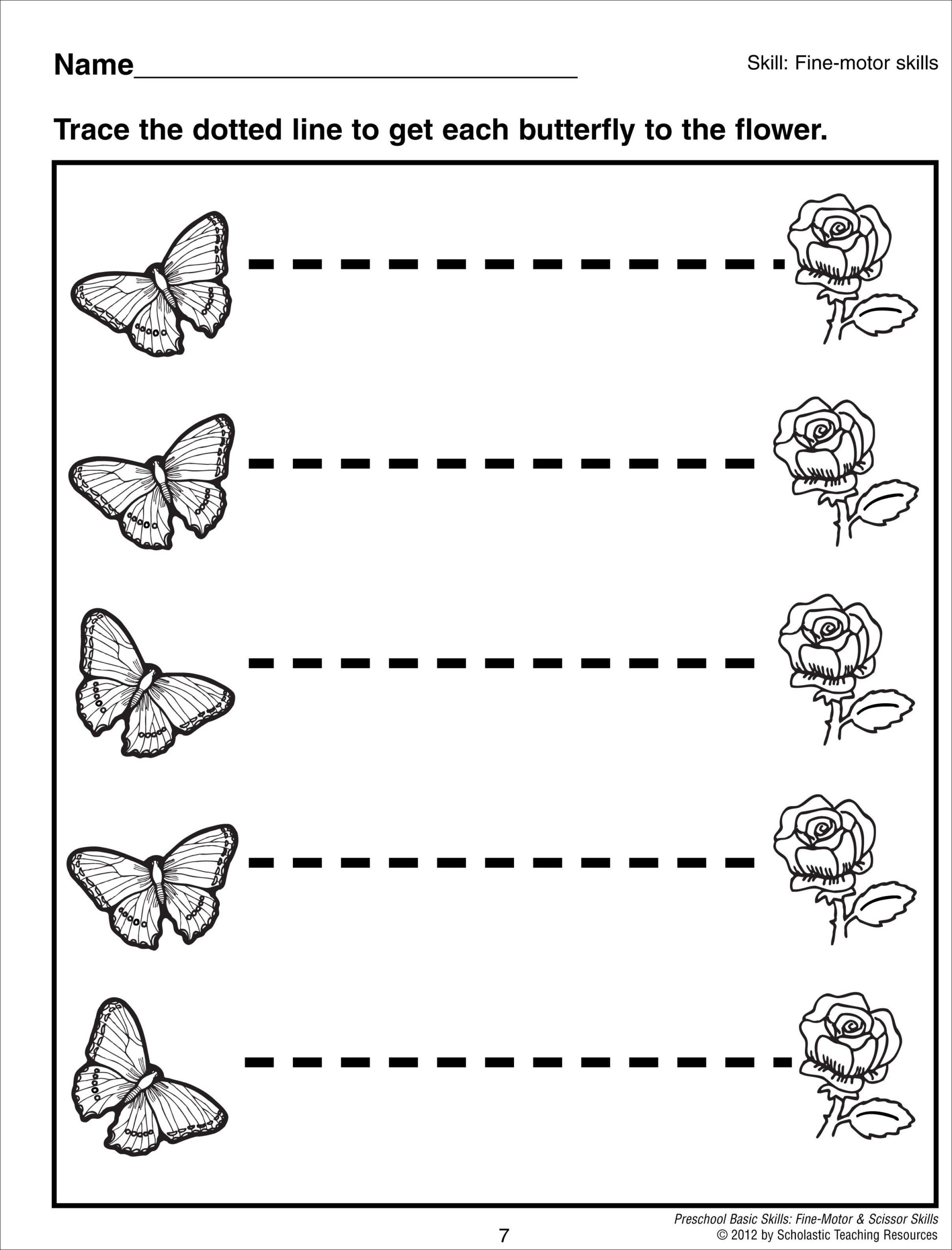
A well-designed worksheet should include a mix of straight lines, curved lines, zigzags, and shapes. This variety keeps children engaged and provides a comprehensive approach to developing their skills.
Age-Appropriate Complexity
Ensure that the complexity of the lines matches your child’s developmental stage. For younger preschoolers, simpler, larger lines may be more appropriate, while older preschoolers can handle more intricate designs.
Clear Instructions
Look for worksheets that include simple, clear instructions. This helps children understand what they need to do without becoming frustrated.
Visual Appeal
Bright colors and fun designs can make the worksheet more inviting. A visually appealing worksheet can motivate children to engage with the activity and enjoy the learning process.
How to Use Drawing Lines Worksheets Effectively
Once you’ve selected a Drawing Lines Worksheet for Preschool, here are some practical tips for using it effectively:
Set a Comfortable Workspace
Create a distraction-free area where your child can focus. A small table with good lighting can help them concentrate better.
Use the Right Tools
Provide your child with age-appropriate writing tools, such as crayons, markers, or pencils. Consider using thicker crayons or markers for younger children to help them grip better.
Encourage Proper Grip
Show your child how to hold their writing instrument correctly. Offer guidance and positive reinforcement as they practice.
Incorporate Routine
Integrate worksheet time into your daily routine. Whether it’s a morning activity or part of the evening wind-down, consistency helps children understand that this is an important part of their day.
Printable Options for Drawing Lines Worksheets
There are numerous online resources where you can find printable Drawing Lines Worksheets for Preschool. Look for websites that offer a variety of formats, such as PDFs or image files, to ensure compatibility with your printer. Here are some formats to consider:
PDF Format
PDFs are widely preferred for their ability to maintain formatting across devices. They can be easily printed without the risk of reformatting issues that sometimes occur with other file types.
Image Files
JPG or PNG files can be useful for quick printing, but be cautious about resizing. Ensure the image is high resolution to avoid pixelation when printed.
Editable Versions
Some resources may offer editable versions of worksheets, allowing you to customize the content according to your child’s needs. This can be a great way to tailor the difficulty level or include specific themes your child enjoys.
Making the Most of Drawing Lines Worksheets
To maximize the benefits of Drawing Lines Worksheets, consider incorporating additional activities alongside them:
Pair With Storytelling
After completing a worksheet, encourage your child to tell a story about what they drew. This practice enhances creativity and language skills.
Use With Coloring Activities
To further develop fine motor skills, pair tracing activities with coloring. Coloring requires similar skills and can be a fun way to extend the learning experience.
Create a Reward System
Set up a simple reward system for completing worksheets. This could be stickers or a small treat, reinforcing positive behavior and making learning enjoyable.
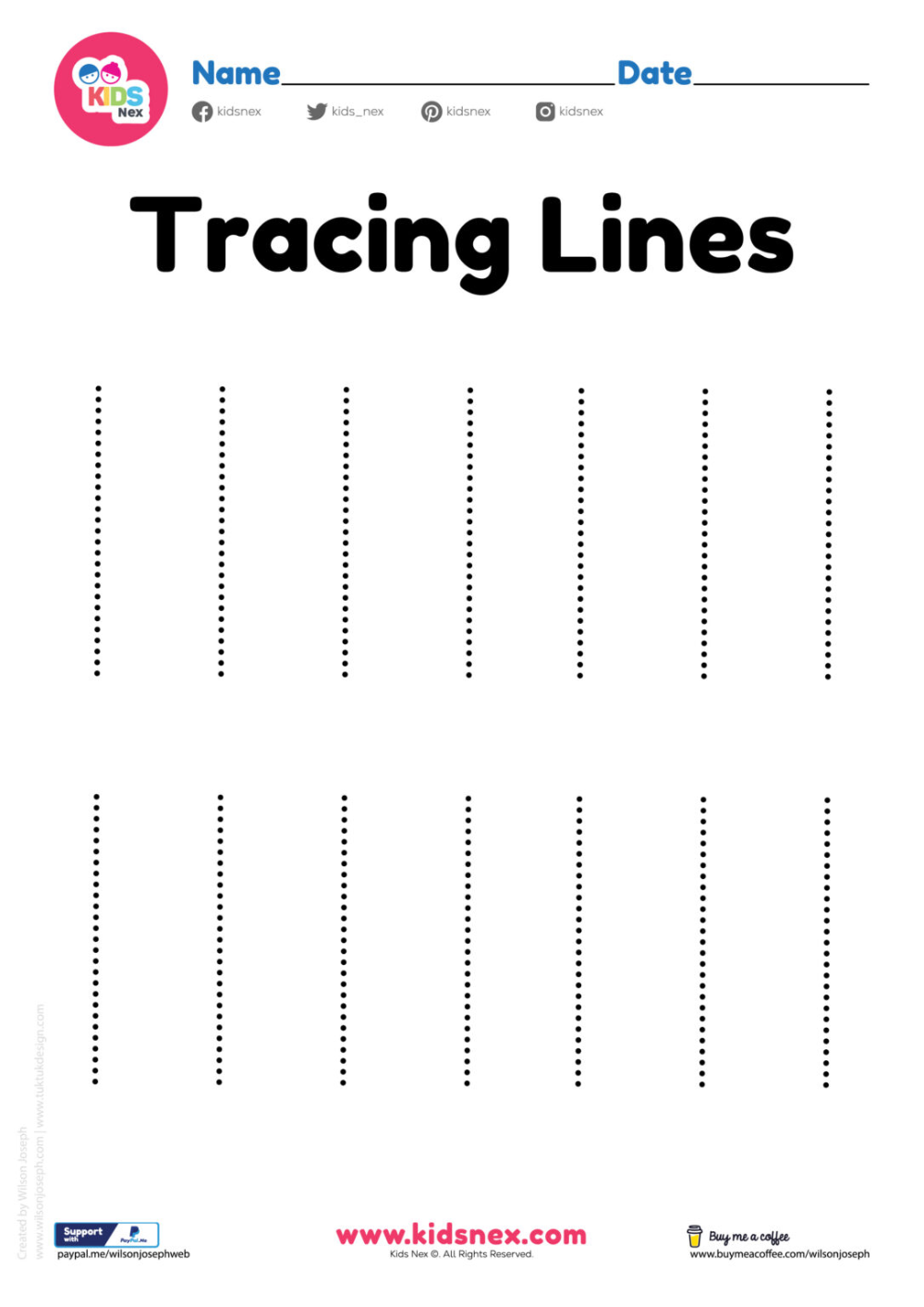
Tips for Downloading and Printing Worksheets
When downloading and printing your Drawing Lines Worksheet for Preschool, keep these practical tips in mind:
- Choose the Right Paper Size: Most worksheets are designed for standard letter-size paper (8.5 x 11 inches). Make sure your printer settings match this size.
- Check Printer Settings: Use the portrait orientation for most worksheets. This layout tends to work better for home printers.
- Quality of Paper: If your child will be using markers or other wet writing tools, consider using cardstock. It holds up better and prevents bleed-through.
- Test Print: Before printing multiple copies, do a test print to check that everything appears correctly. This avoids wasting paper and ink.
Drawing Lines Worksheet For Preschool Gallery