Educational Worksheets For Preschoolers Alphabet
When you’re looking to support your child’s early literacy skills, finding the right Educational Worksheets For Preschoolers Alphabet can make a world of difference. These worksheets not only introduce the alphabet but also provide opportunities for hands-on learning. As a parent, I understand the importance of making learning fun and accessible. In this article, I’ll share practical tips on how to effectively use these worksheets, including the benefits of digital versus print options, and how to integrate them into your daily routine.
Understanding the Importance of Alphabet Worksheets
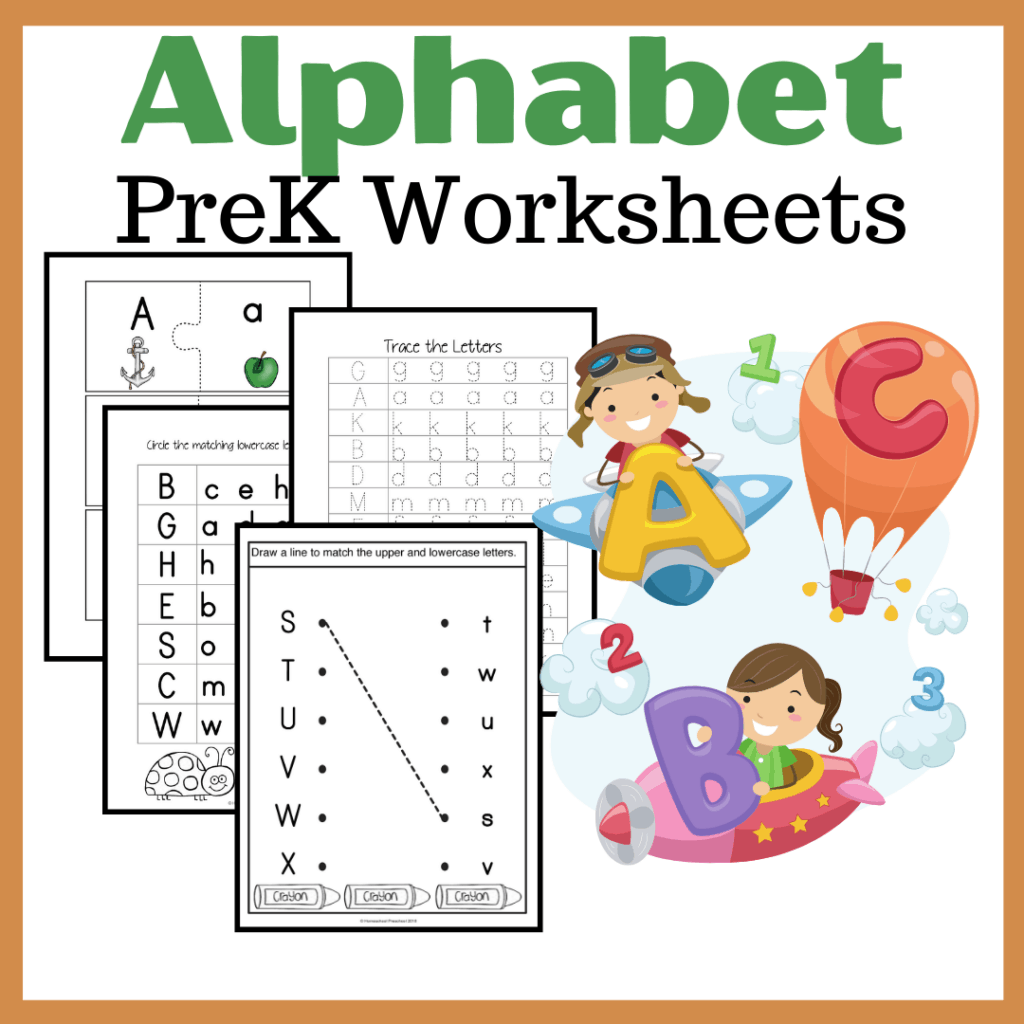
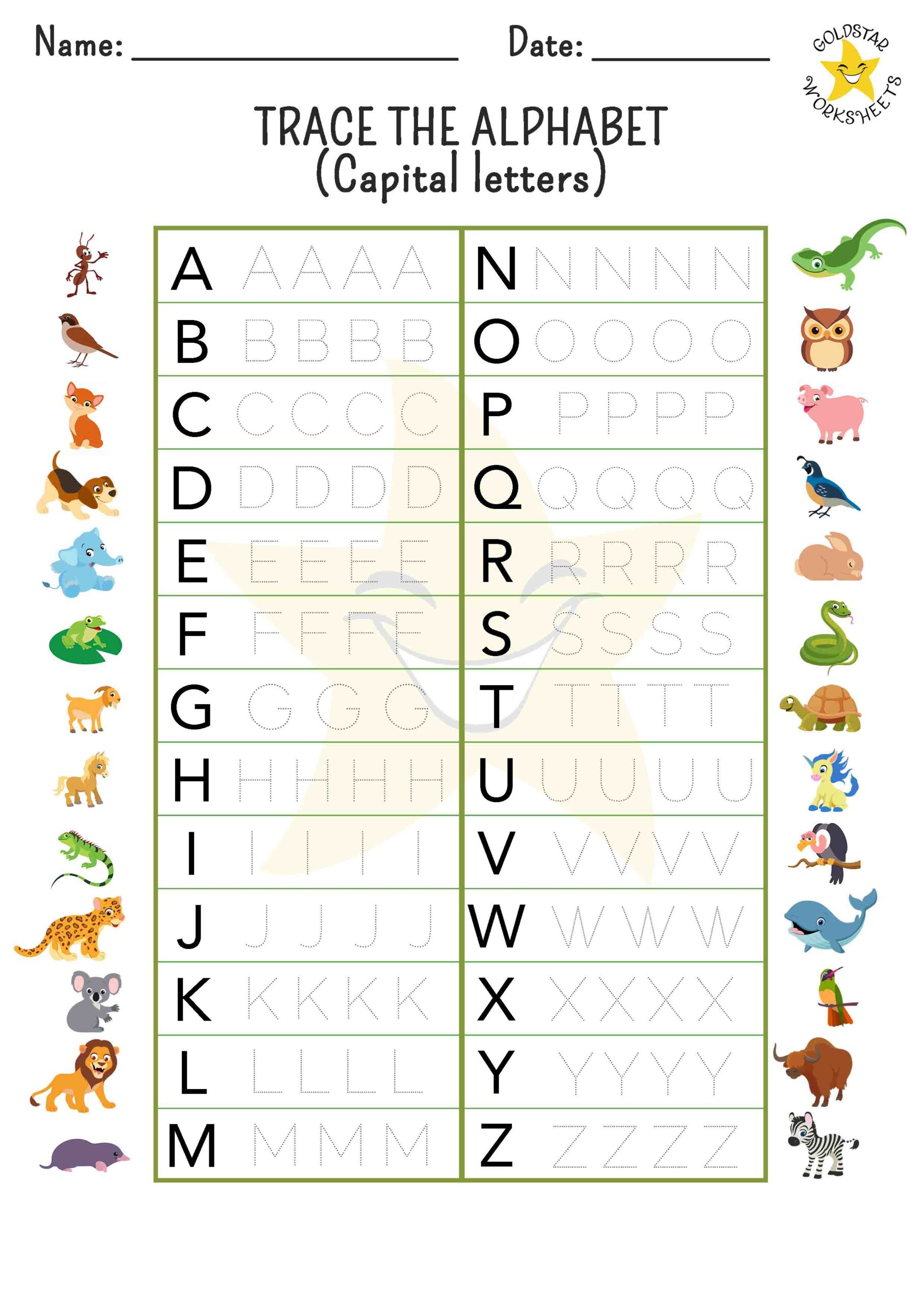
Alphabet worksheets serve as a foundational tool for preschoolers learning their letters. They typically include activities like tracing letters, identifying letter shapes, and associating letters with words or images. Engaging with these worksheets helps children develop fine motor skills and reinforces their recognition of letters.
Using these resources can be particularly beneficial for children who are visual learners. They often respond well to colorful images and interactive tasks that make the learning process enjoyable. By incorporating these worksheets into your home activities, you can create a structured yet playful environment for learning.
Choosing Between Digital and Print Worksheets
When deciding how to use Educational Worksheets For Preschoolers Alphabet, you’ll need to consider whether to go digital or print. Each option has its advantages, depending on your preferences and your child’s learning style.
Digital Worksheets
Digital worksheets can be filled out on-screen, which is a great option for tech-savvy kids. Here are some benefits:
- Convenience: You can easily access and store a variety of worksheets on your device.
- Interactive Features: Some digital formats allow for interactive elements, such as dragging letters or clicking to hear pronunciations.
- No Paper Waste: Going digital means you don’t have to print multiple copies, which can be eco-friendly.
However, you’ll need a device that your child is comfortable using. Ensure that the interface is user-friendly, as younger children may have difficulty navigating complex apps.
Print Worksheets
On the other hand, printed worksheets hold their own advantages:
- Tactile Learning: Writing by hand helps improve fine motor skills and enhances memory retention.
- No Screen Time: For parents who want to limit screen time, printed worksheets provide a great alternative.
- Customization: You can easily adjust the difficulty level by selecting different worksheets according to your child’s progress.
If you choose to print, I recommend using good-quality paper. Cardstock is a great option if you plan to laminate the worksheets for repeated use. Most home printers can handle standard letter-size (8.5” x 11”) paper in portrait layout, which works best for worksheets.
Incorporating Worksheets Into Daily Routines
To maximize the benefits of Educational Worksheets For Preschoolers Alphabet, try to integrate them into your daily routine. Here are some practical steps to consider:
Set a Regular Time
Establishing a consistent time for worksheet activities helps create a learning habit. Consider setting aside 15-20 minutes each day, perhaps right after breakfast or before bed. This makes it easier for your child to anticipate and look forward to learning time.
Create a Learning Space
Designate a specific area in your home for learning. It could be a cozy corner with a small table and chairs, or even a spot on the living room floor. Having a dedicated space helps your child focus and reduces distractions.
Use Worksheets as a Fun Activity
Make learning enjoyable by treating worksheet time as a fun activity rather than a chore. You can incorporate games, like racing to see who can complete a letter tracing the fastest or turning it into a team effort by working together on a worksheet.
Types of Alphabet Worksheets to Consider
There’s a wide variety of Educational Worksheets For Preschoolers Alphabet available that cater to different learning styles. Here are some types you might want to explore:
Tracing Worksheets
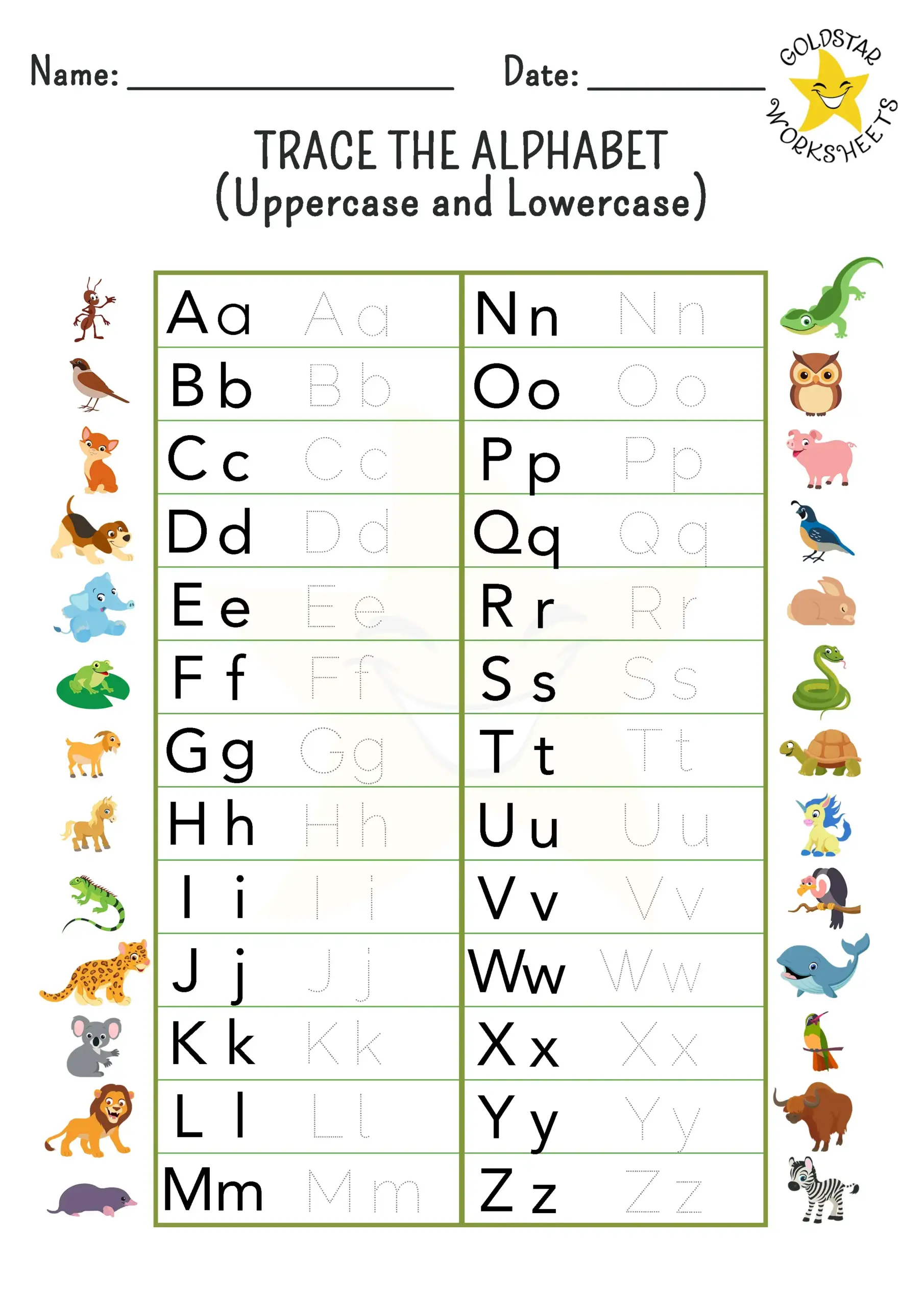
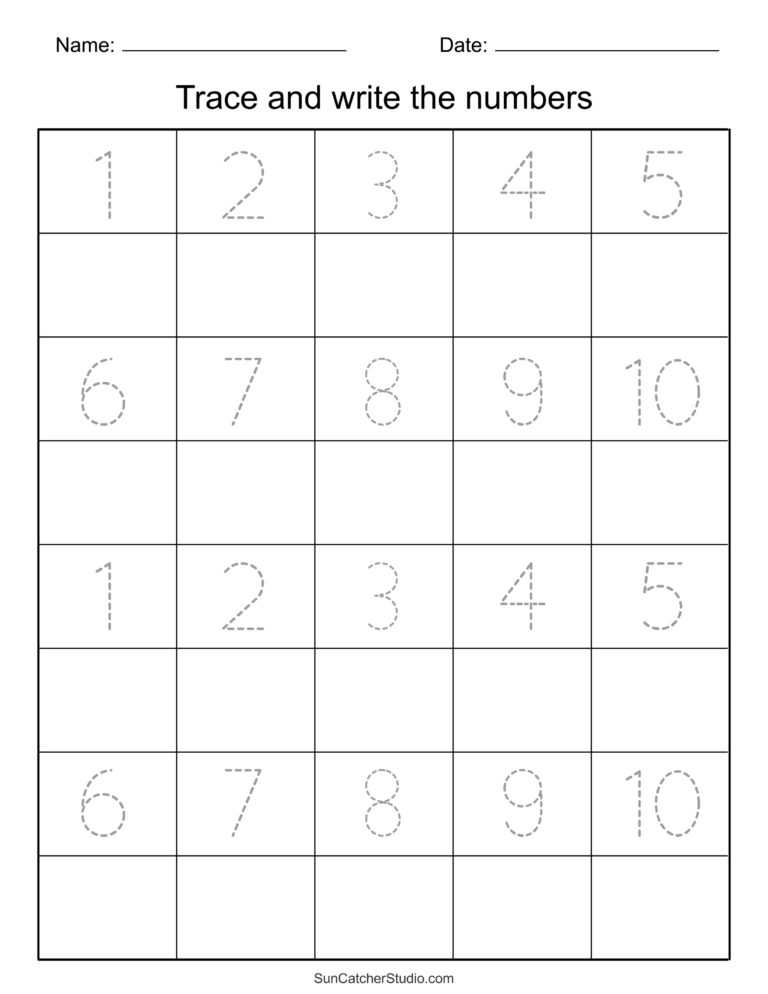
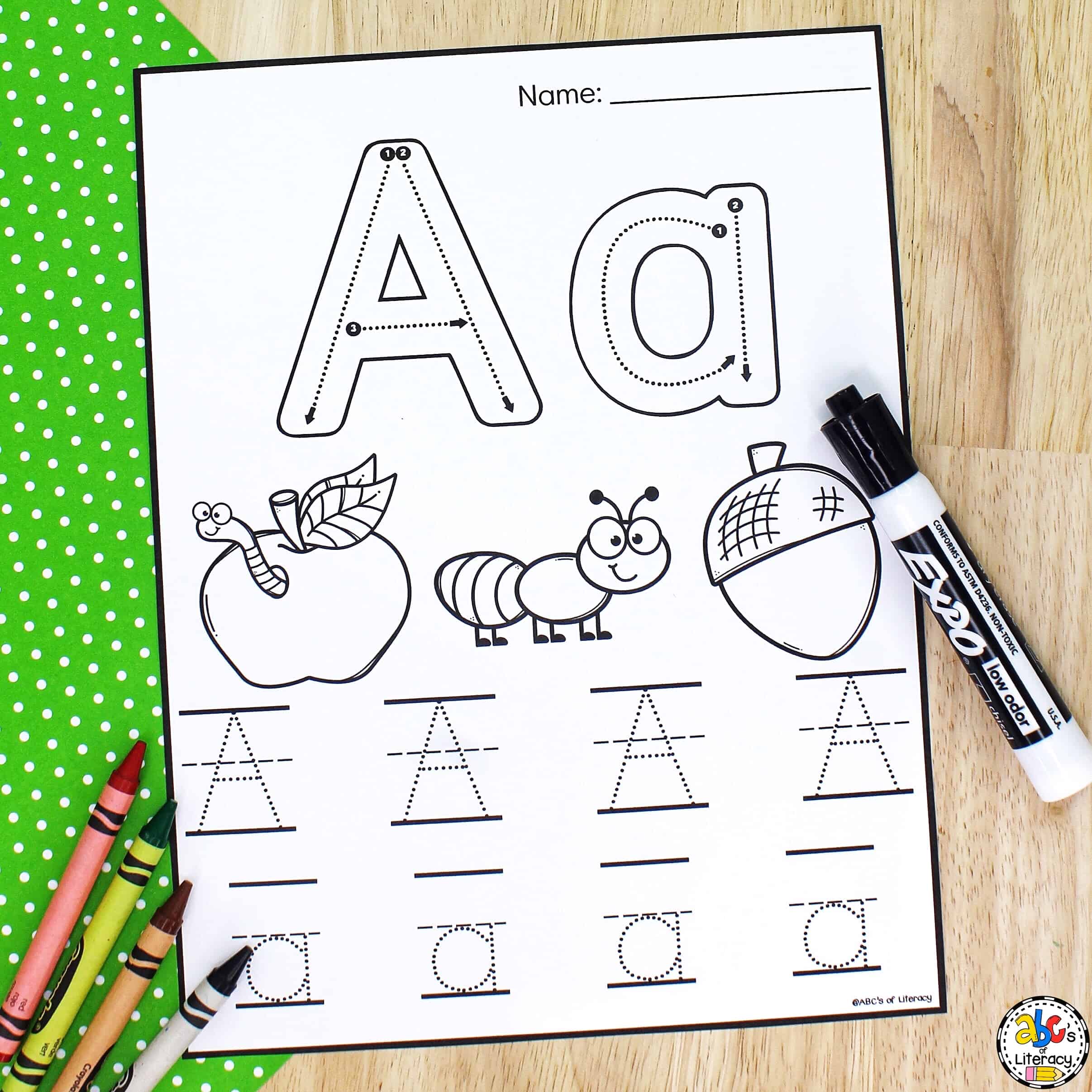
These worksheets allow children to practice writing letters through tracing. They often provide both uppercase and lowercase letters, making it easier to understand the differences between them. Tracing helps develop fine motor skills and letter formation.
Matching Worksheets
Matching worksheets typically involve connecting letters with corresponding images or words. For example, a child might draw a line from the letter ‘A’ to an apple. This reinforces letter recognition and the association between letters and sounds.
Coloring Worksheets
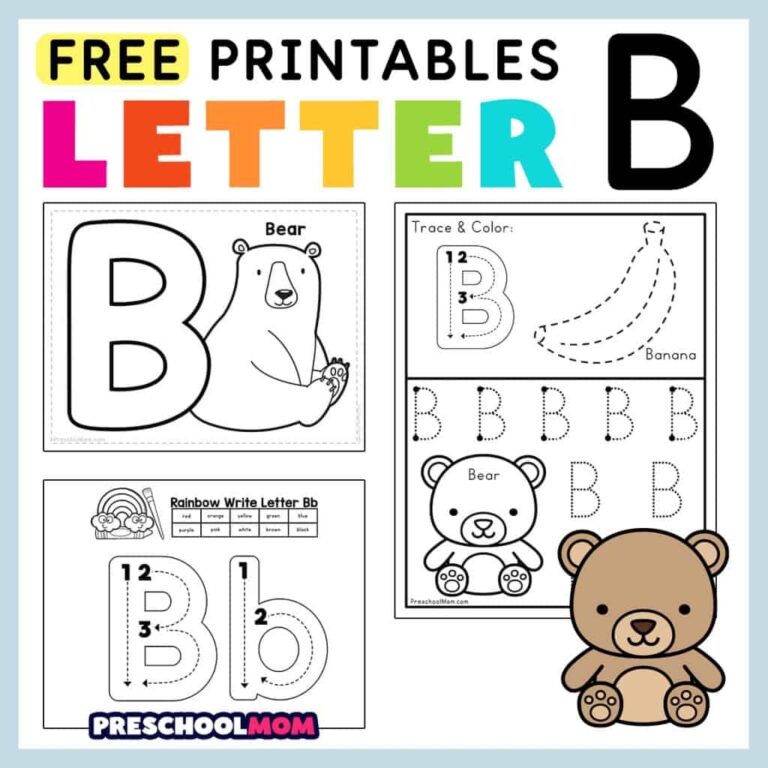
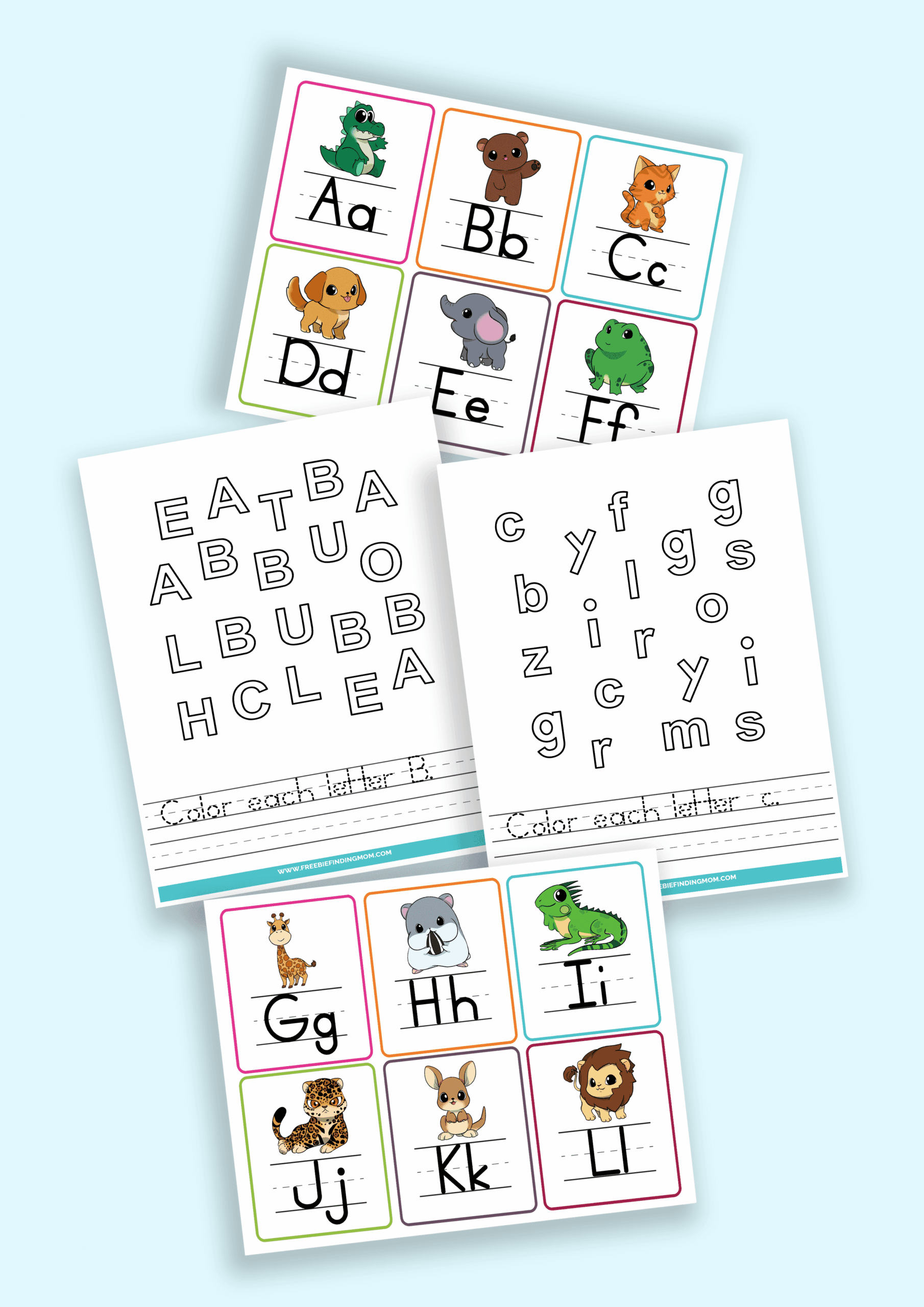
Coloring worksheets combine creativity with learning. They usually feature letters surrounded by images that start with that letter. For instance, the letter ‘B’ might be accompanied by a picture of a ball and a butterfly. Coloring these images helps children remember letter shapes through visual association.
Customizing Worksheets for Your Child’s Needs
Every child learns differently. If you find that your child struggles with certain letters, consider customizing the worksheets to fit their needs. Here are some tips on how to do this:
- Focus on Problem Areas: If your child has difficulty with certain letters, create or find more worksheets that focus specifically on those letters.
- Adjust Difficulty Levels: If your child excels at tracing but struggles with writing independently, find worksheets that gradually increase in difficulty.
- Incorporate Interests: Tailor worksheets to include themes or characters your child loves. If they enjoy dinosaurs, look for worksheets that incorporate dinosaur images along with letters.
Getting Creative With Learning
While worksheets are a fantastic resource, it’s also important to incorporate other learning methods. Here are some creative ways to enhance your child’s literacy skills alongside using worksheets:
- Alphabet Games: Play games that involve identifying letters, such as scavenger hunts for items that start with certain letters.
- Story Time: Read books that focus on letters and sounds. Ask your child to identify letters as you read.
- Craft Activities: Create crafts that involve letters, like making a collage of objects that start with the letter ‘C’.
By combining worksheets with these creative activities, your child will enjoy a well-rounded learning experience.
Finding Quality Worksheets Online
There are many resources available online where you can find Educational Worksheets For Preschoolers Alphabet. Look for sites that offer high-quality, free or low-cost printable worksheets. Always check for age-appropriate content and ensure the worksheets are visually appealing.
Some reputable websites provide not only free worksheets but also additional resources, such as lesson plans and tips for parents. Make sure to keep your search focused on content specifically designed for preschoolers to ensure that the materials are suitable for your child’s developmental level.
By integrating Educational Worksheets For Preschoolers Alphabet into your child’s routine and combining them with creative learning opportunities, you can foster a love for letters and reading that lasts a lifetime.
Educational Worksheets For Preschoolers Alphabet Gallery