Effects Of Rewarding Preschoolers Worksheets
Using printable resources like the Effects Of Rewarding Preschoolers Worksheets can transform how you engage with your little ones. These worksheets are designed not just to reward children but to teach them the value of positive reinforcement in a structured way. When you’re looking to create a fun, educational environment at home, these resources can be a useful option. They help instill good habits and boost motivation in young learners.
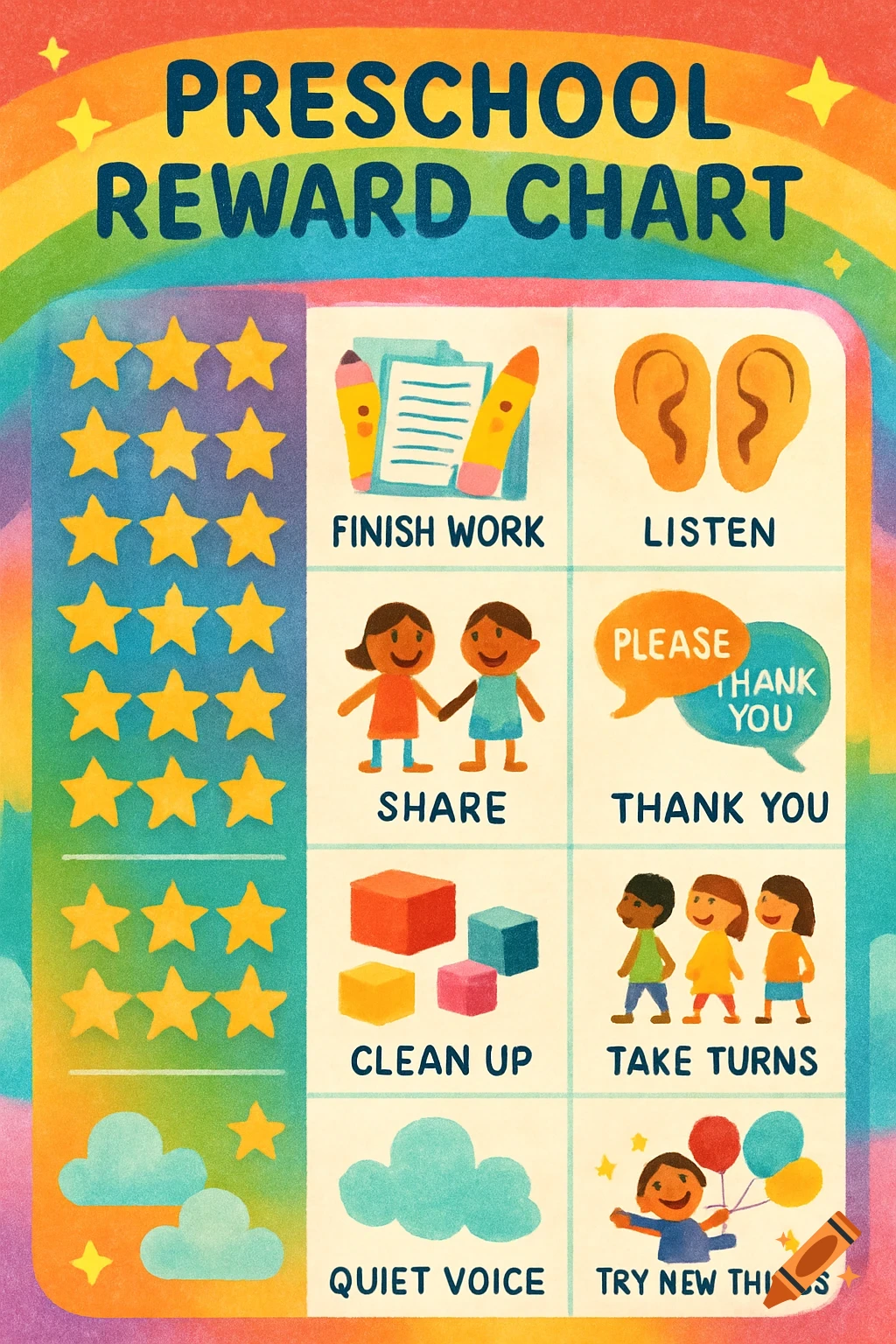
Understanding the Layout of Rewarding Worksheets
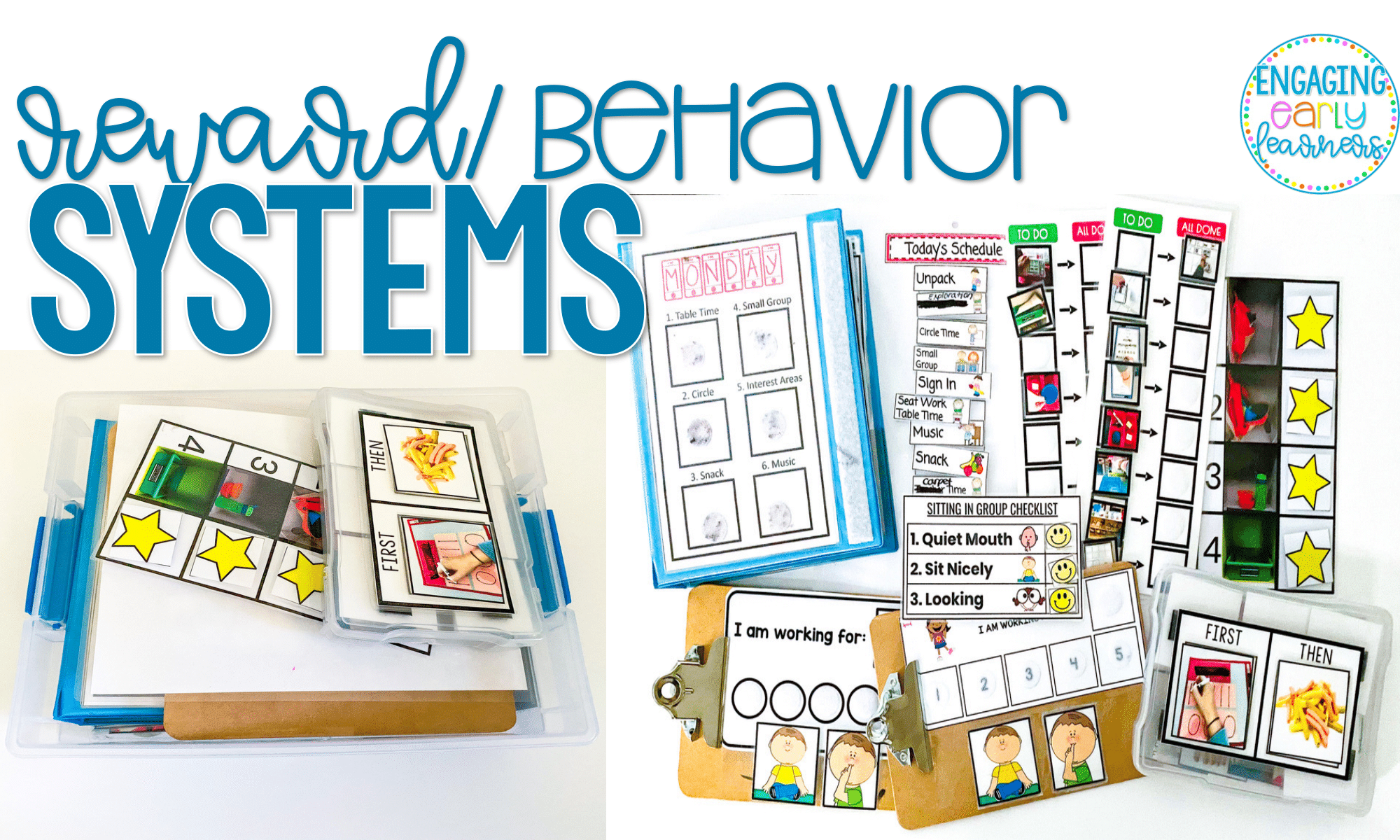
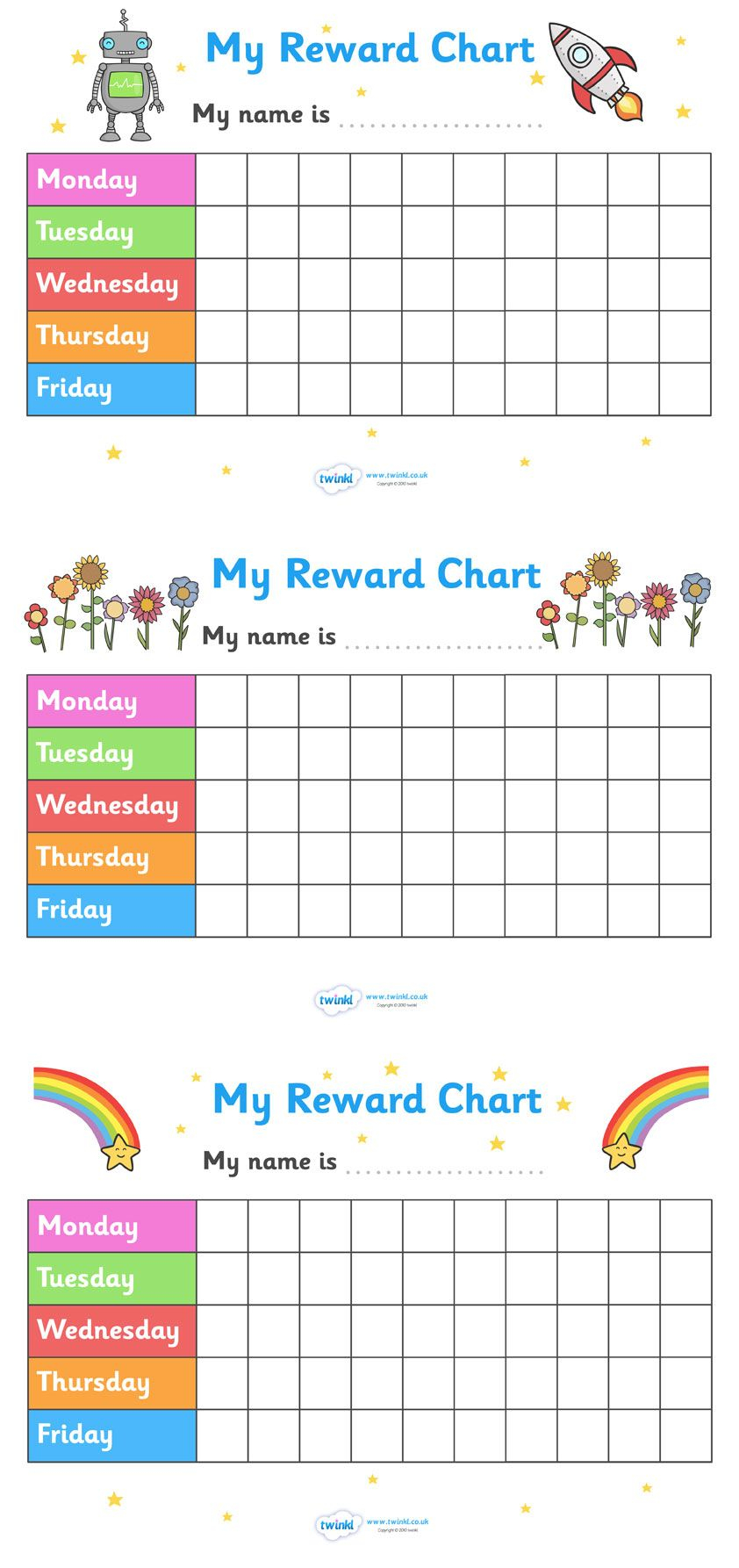
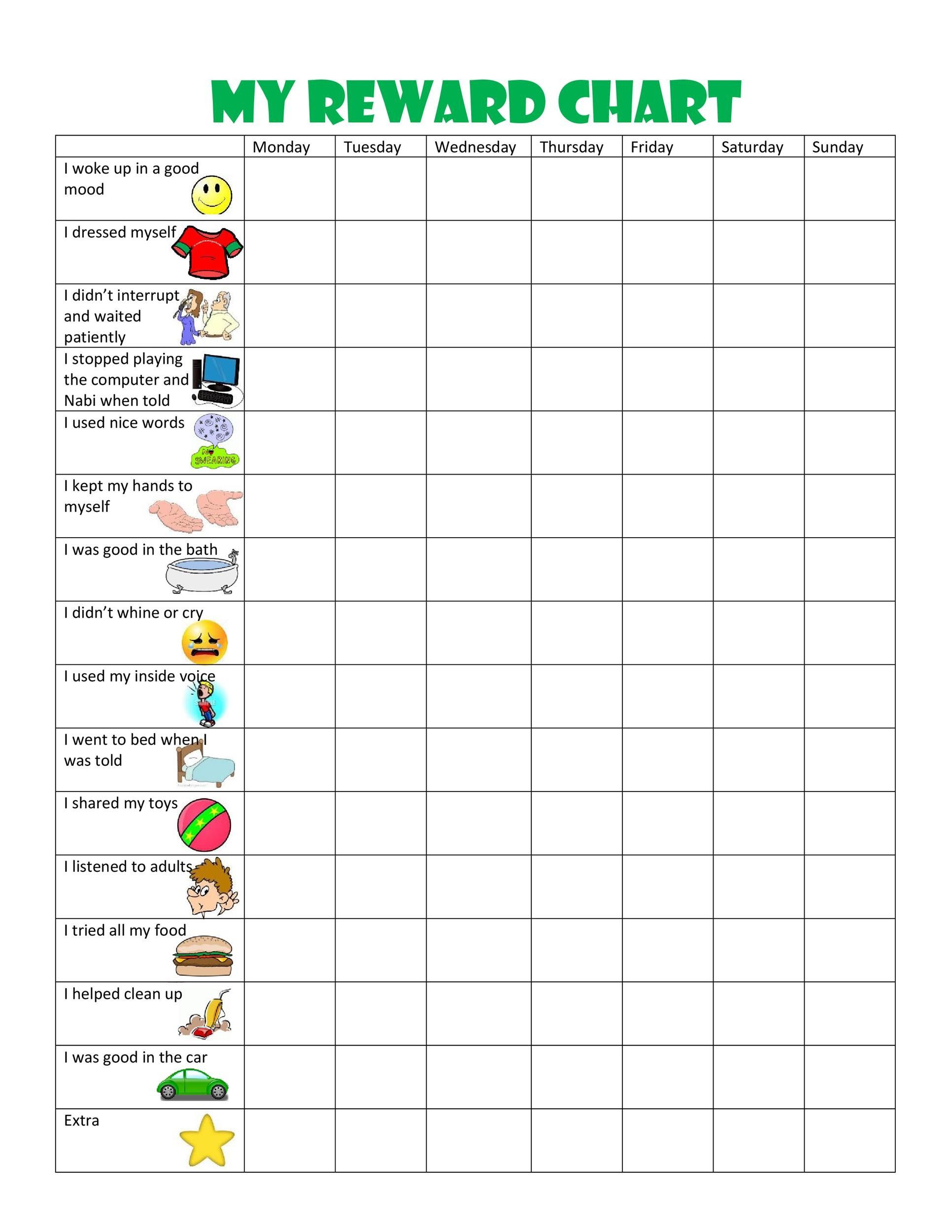
The layout of these worksheets is intentional and thoughtfully designed. Typically, you’ll find sections that include tasks or behaviors to reward, spaces for tracking progress, and areas to note the rewards given. This format allows you to set clear goals for your preschooler, making it easy for them to understand what they need to accomplish.
When you first look at a worksheet, you’ll notice that it usually includes:
- Task/Behavior Section: A list of specific behaviors you want to encourage, like sharing toys or completing homework.
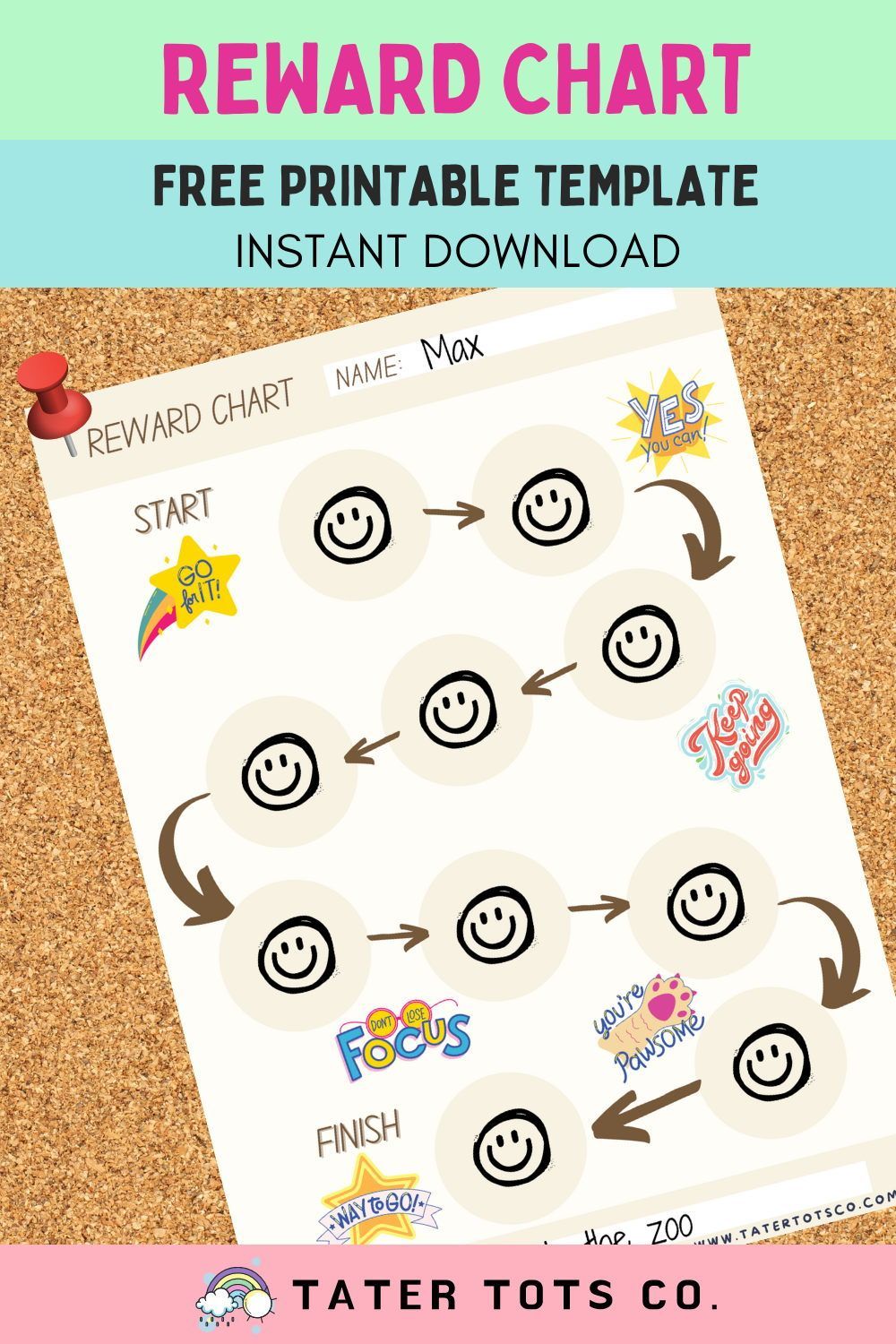
- Tracking Progress: A grid or checklist format where you can mark off completed tasks.
- Reward Area: A space where you can outline the rewards your child can earn for completing tasks.
By having these sections clearly defined, you can easily guide your preschooler through their accomplishments. This not only helps them feel a sense of achievement but also builds their self-esteem as they see their efforts recognized.
Filling Out the Worksheets: A Step-by-Step Guide
Using the Effects Of Rewarding Preschoolers Worksheets effectively requires a bit of organization. Here’s how you can make the most of them:
- Choose Relevant Tasks: Start by selecting behaviors that are important for your child’s development. This could range from social skills like taking turns to academic tasks like counting or recognizing letters.
- Set Clear Rewards: Decide on appropriate rewards for your child. These can be small treats, extra playtime, or even stickers. Make sure the rewards are appealing to your child to encourage motivation.
- Track Progress: As you fill in the tracking section, involve your child in the process. Encourage them to mark off completed tasks. This not only teaches them accountability but also gives them a visual representation of their progress.
- Review Together: At the end of each week, sit down with your child to review their completed tasks. Celebrate their achievements, discuss what they learned, and decide on the rewards they’ve earned.
This method not only makes it easier for you to manage your child’s behavior but also allows your preschooler to develop a sense of responsibility and ownership over their actions.
Where to Use These Worksheets
These worksheets can fit seamlessly into your daily routine. Here are a few practical ideas on where to implement them:
- At Home: Place the worksheet on the fridge, or in a shared family area. This keeps it visible and serves as a constant reminder for your preschooler.
- During Homework Time: Use the worksheets to reinforce good habits while they work on their tasks. This can help them stay focused and motivated.
- In the Classroom: If you’re a teacher or caregiver, these worksheets can be adapted for use in a preschool setting. They can encourage group behaviors and foster a collaborative environment among children.
Integrating the worksheets into different environments allows your child to see the consistency in expectations and rewards, reinforcing their learning.
Common Mistakes to Avoid
While using the Effects Of Rewarding Preschoolers Worksheets can be beneficial, there are some common pitfalls to avoid to maximize their effectiveness:
- Overloading Tasks: Avoid cramming too many behaviors on one worksheet. This can overwhelm your child and lead to frustration. Stick to a few key behaviors to focus on at a time.
- Inconsistent Rewards: Make sure that the rewards are consistently given when tasks are completed. Inconsistency can confuse your child and diminish their motivation.
- Neglecting to Review: Failing to regularly review the completed tasks can make the process feel less meaningful. Set aside time each week to discuss accomplishments and set new goals.
By being mindful of these common mistakes, you can create a more effective and rewarding experience for your preschooler.
Effects Of Rewarding Preschoolers Worksheets Gallery