Emotion Triggers Worksheet Preschool Free Printable
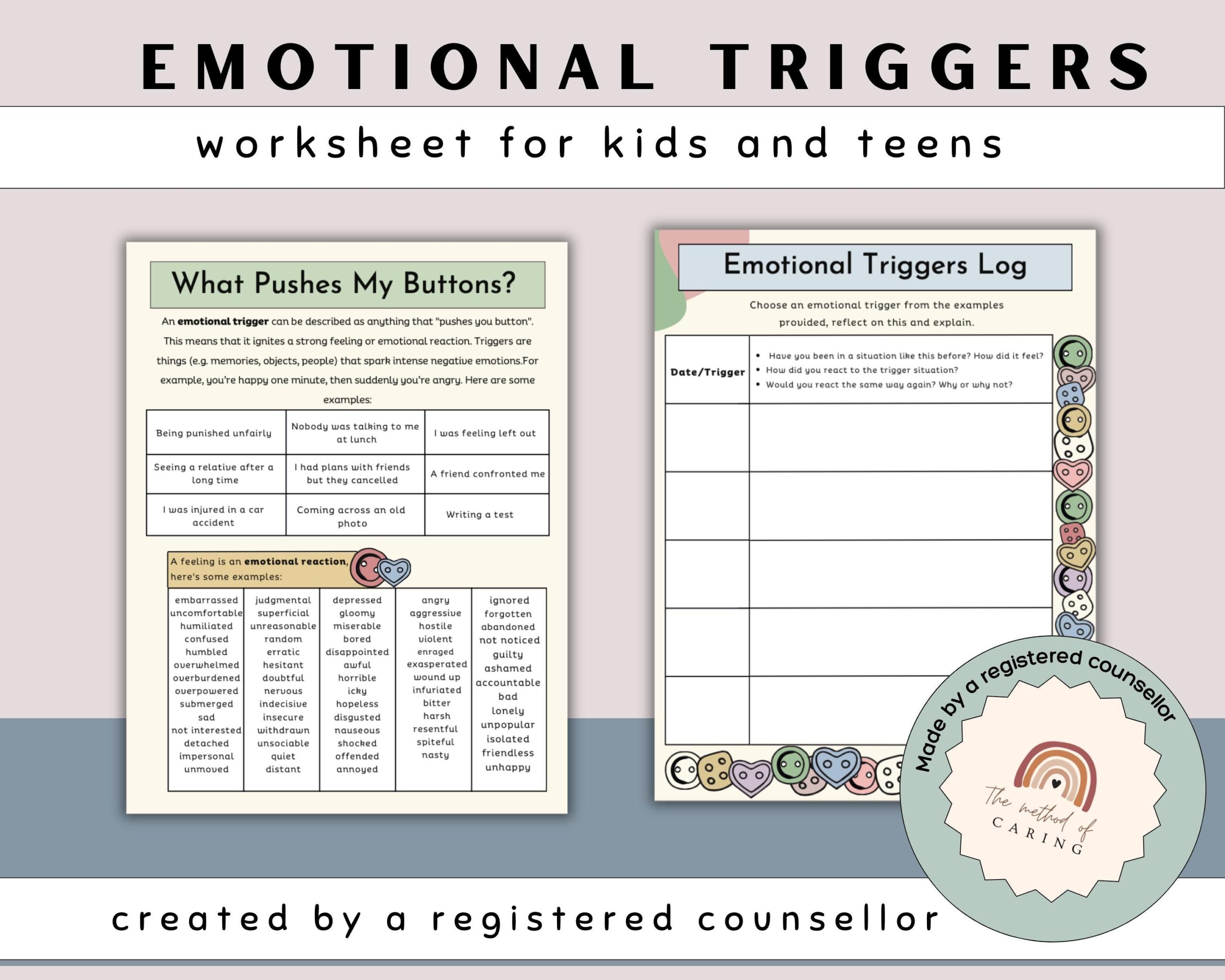
Understanding emotions can be a challenging yet essential part of early childhood development. As parents, we want to equip our preschoolers with the tools they need to express their feelings in a healthy way. That’s where the Emotion Triggers Worksheet Preschool Free Printable comes into play. This resource not only helps children identify their emotions but also teaches them about the triggers that can cause these feelings.
In this article, I’ll guide you through the steps to effectively use this worksheet in your home. From downloading to filling it out with your child, each step is designed to help you get the most out of this valuable resource.
Why Use the Emotion Triggers Worksheet?
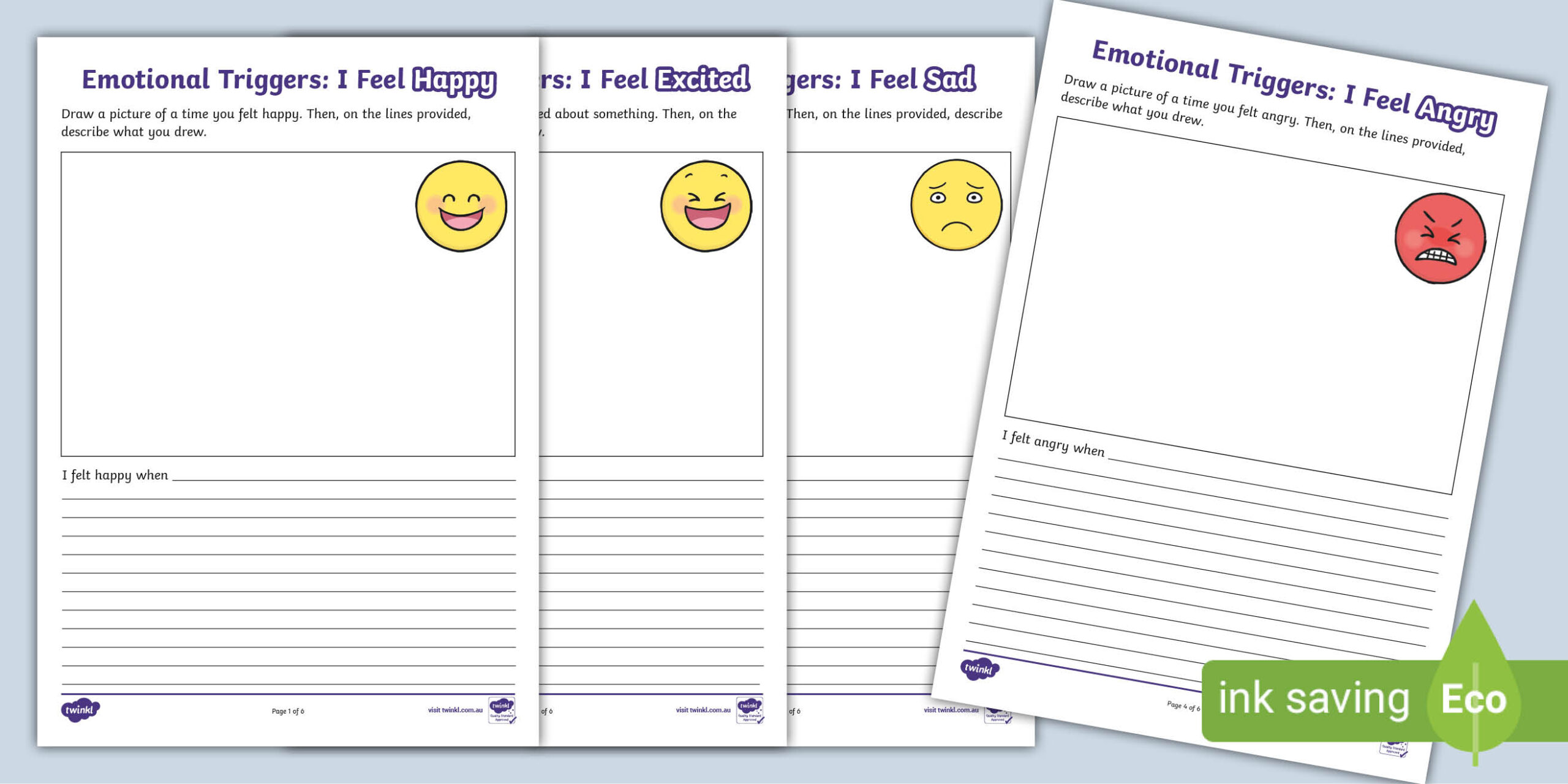
Children often experience a whirlwind of emotions, and sometimes, they can struggle to articulate what they’re feeling. The Emotion Triggers Worksheet offers a structured way for kids to explore their feelings, helping them understand what causes certain emotions. By recognizing these triggers, children can learn to manage their responses better, fostering emotional intelligence.
This worksheet is particularly beneficial for preschoolers as it uses simple language and relatable scenarios. It’s perfect for parents looking to engage their children in meaningful conversations about feelings.
How to Download the Worksheet
Downloading the Emotion Triggers Worksheet is a straightforward process. Here’s how you can do it:
- Visit the Printable Resource Website: Go to the designated site where the worksheet is available.
- Search for the Worksheet: Use the search bar to type in “Emotion Triggers Worksheet Preschool Free Printable.”
- Select the Correct File: Once you find the worksheet, click on the link to ensure you have the right version for preschoolers.
- Download the PDF: Click the download button. The file will typically save in PDF format, which is ideal for printing.
Having the worksheet in PDF format ensures that it maintains its layout and design when printed.
Printing Tips for Best Results
Once you have downloaded the worksheet, it’s time to print it. Here are some tips to ensure your printout looks great:
- Paper Type: Use standard A4 or letter-sized paper for best results. If you want durability, consider using cardstock, which holds up better, especially for younger children.
- Printer Settings: Set your printer to “best quality” for clearer text and images. If your printer offers borderless printing, select this option to maximize the page space.
- Color vs. Black and White: The worksheet may have colorful elements. If you’re using a color printer, opt for color printing to make the worksheet visually appealing. If not, black and white can still work, but it might lose some engagement.
Filling Out the Worksheet Together
Once printed, sit down with your child to fill out the worksheet. Here’s how to approach it:
- Explain the Purpose: Start by explaining what emotions are and why it’s important to talk about them. Use simple language they can understand.
- Identify Emotions: Go through the worksheet together. Most worksheets will have a section for different emotions—happy, sad, angry, etc. Ask your child to name times when they felt these emotions.
- Discuss Triggers: Next, discuss what triggered those feelings. For example, “What made you feel happy today?” or “What made you feel sad?” Encourage them to think of specific events or situations.
- Illustrate Feelings: If the worksheet includes space for drawing, let your child illustrate how they felt. This adds a creative element and makes the process more engaging.
This interactive approach not only makes it fun but also strengthens your bond as you explore emotions together.
Integrating the Worksheet Into Daily Life
To truly benefit from the Emotion Triggers Worksheet, try to integrate it into your daily routine. Here are some practical ways to do this:
- Weekly Check-Ins: Set aside a specific time each week to revisit the worksheet. Ask your child about their feelings and any new triggers they’ve experienced.
- Emotion Journals: Encourage your child to keep an emotion journal where they can write or draw about their feelings daily. This complements the worksheet and provides a broader understanding of emotional patterns.
- Role-Playing: Create scenarios where different emotions might arise and role-play these situations. This helps children practice responses to various feelings, reinforcing the lessons learned from the worksheet.
The Benefits of Using the Worksheet
Using the Emotion Triggers Worksheet Preschool Free Printable offers several benefits:
- Enhanced Emotional Vocabulary: Children learn to articulate their feelings better, which is crucial for effective communication.
- Improved Emotional Regulation: By understanding their triggers, kids can develop strategies to manage their emotions.
- Strengthened Parent-Child Relationships: Engaging in discussions about feelings fosters a positive connection between you and your child.
These benefits contribute to your child’s overall emotional intelligence, which is a vital skill as they grow.
Additional Resources for Emotional Learning
If you’re interested in further supporting your child’s emotional development, consider these additional resources:
- Books on Emotions: Look for children’s books that discuss feelings, such as “The Color Monster” by Anna Llenas or “Today I Feel Silly” by Jamie Lee Curtis. These can complement the worksheet and provide new insights.
- Interactive Apps: There are several apps designed to help children identify and express their emotions through games and activities. Research options that suit your child’s age and interests.
- Workshops: Some community centers offer workshops for parents and children focusing on emotional intelligence. Check local listings for opportunities.
By combining these resources with the Emotion Triggers Worksheet, you create a rich learning environment for your child.
Using the Emotion Triggers Worksheet Preschool Free Printable can significantly enhance your child’s understanding of their emotions. Remember, the key is to engage with them in a positive and supportive way. Take a moment today to download the worksheet and start a meaningful conversation about feelings and triggers. It can make all the difference in helping your child navigate their emotional landscape.
Emotion Triggers Worksheet Preschool Free Printable Gallery