Ending Sound Worksheets For Preschoolers
Understanding the ending sounds of words is a crucial step in early literacy development. Ending Sound Worksheets For Preschoolers provide a fun and interactive way for your child to practice identifying and writing these sounds. These worksheets are designed to reinforce phonemic awareness, which is essential for reading success.
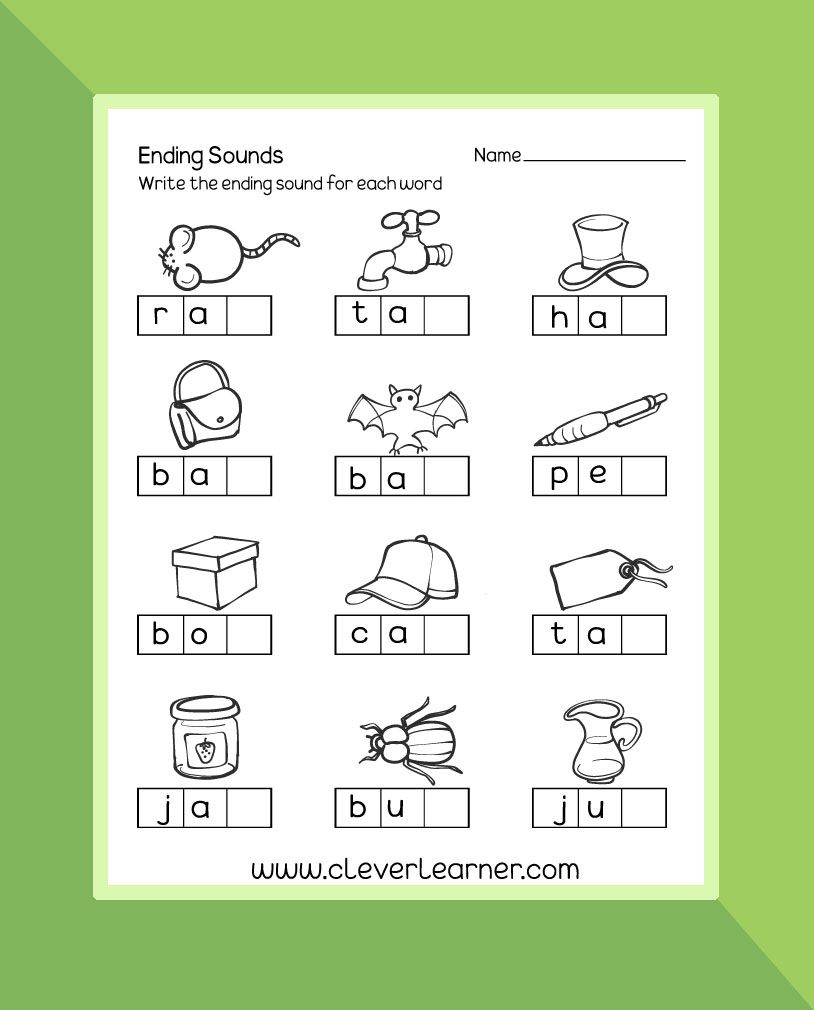
What Are Ending Sound Worksheets?
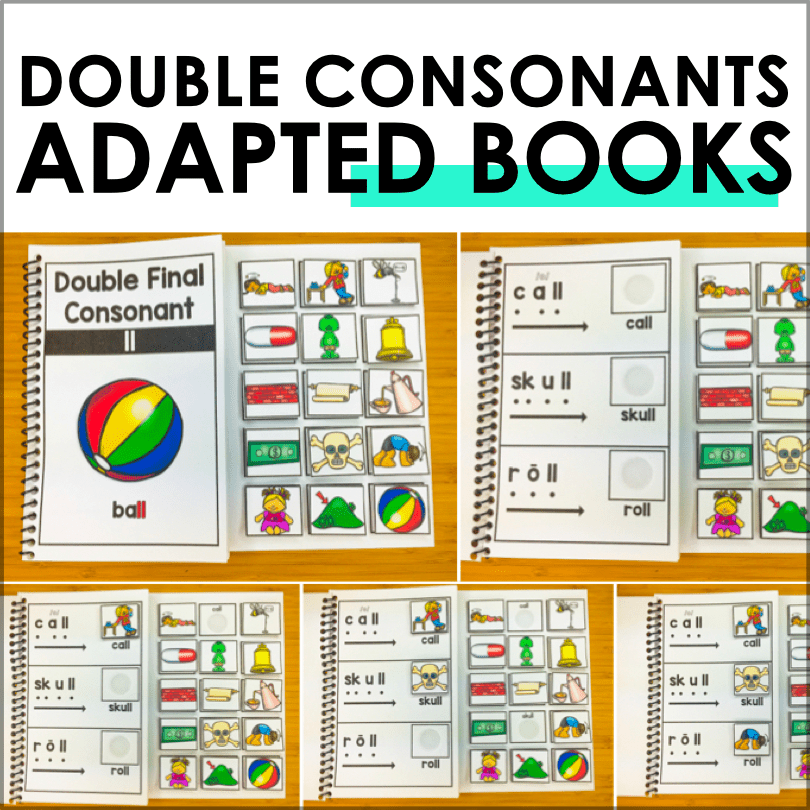
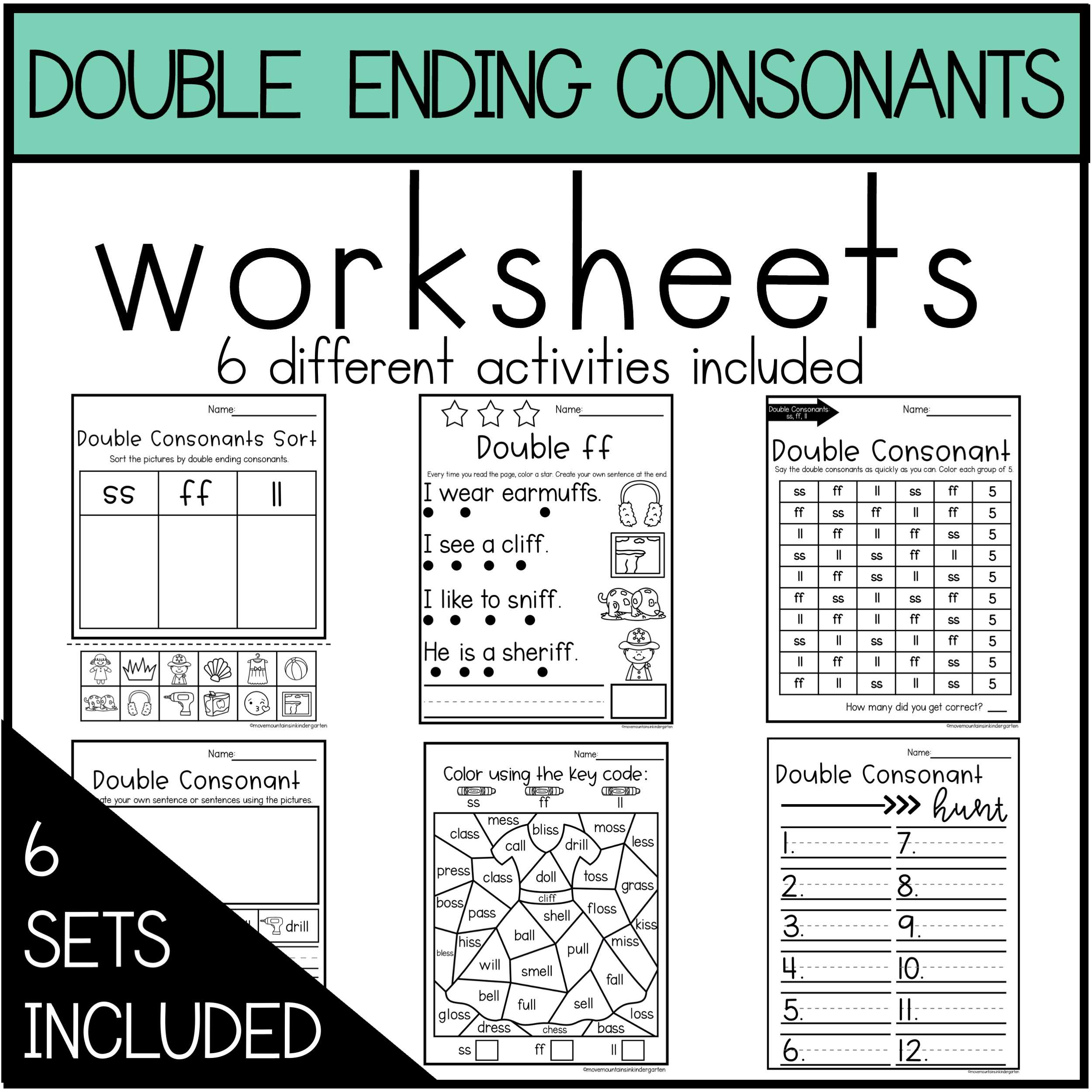
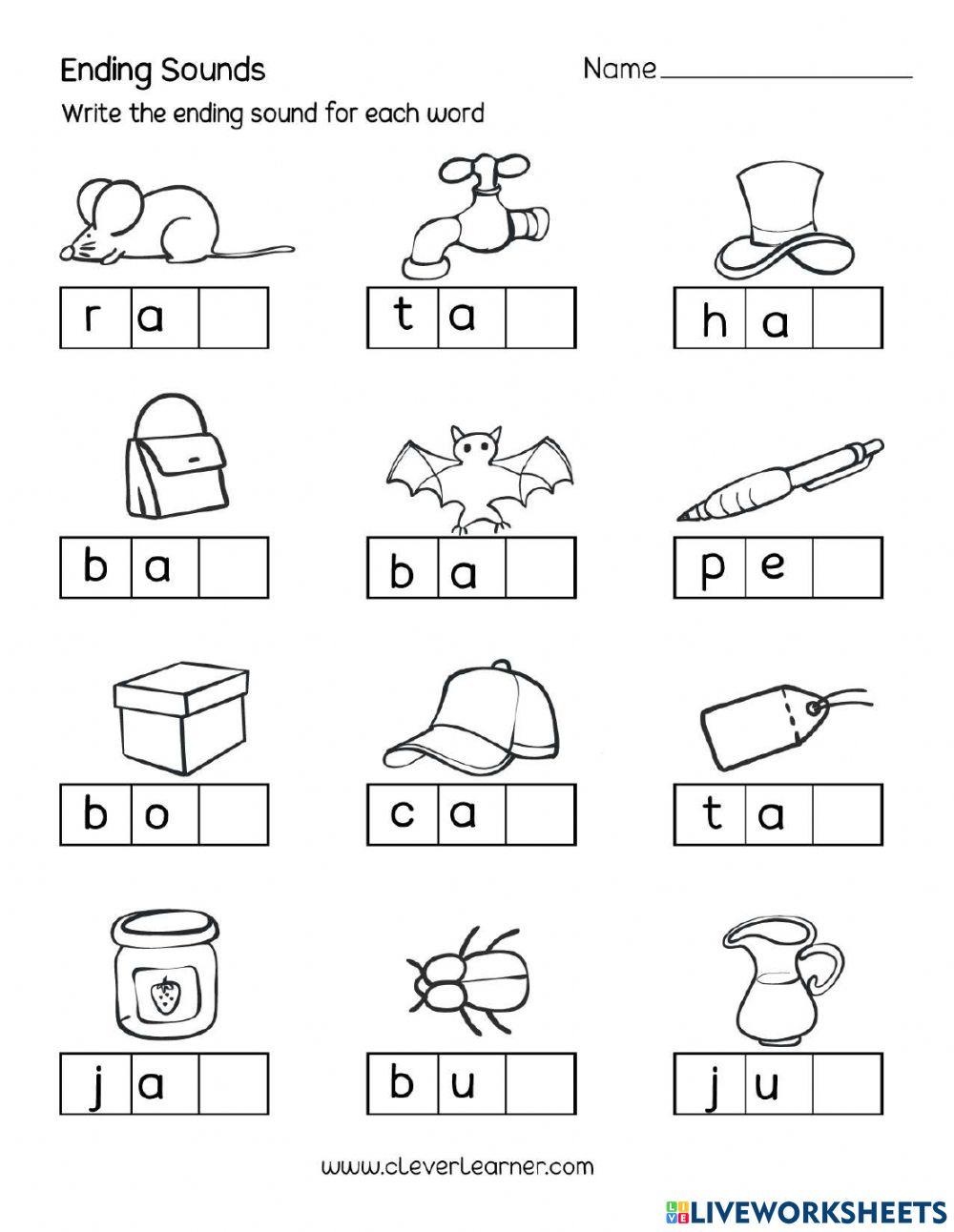
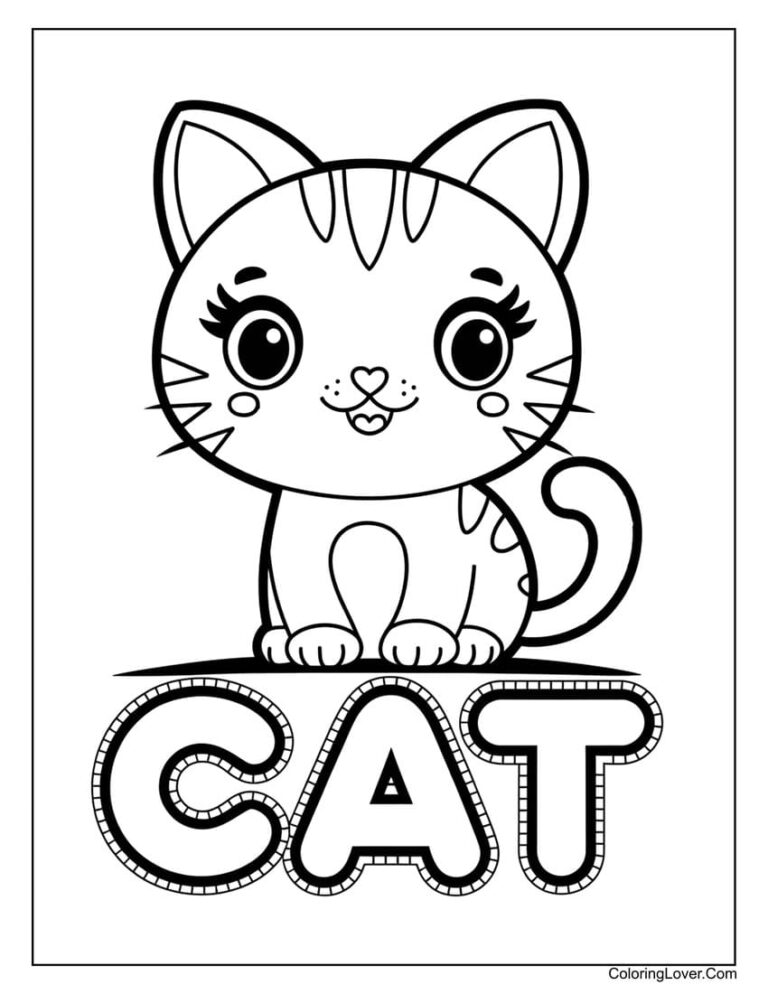
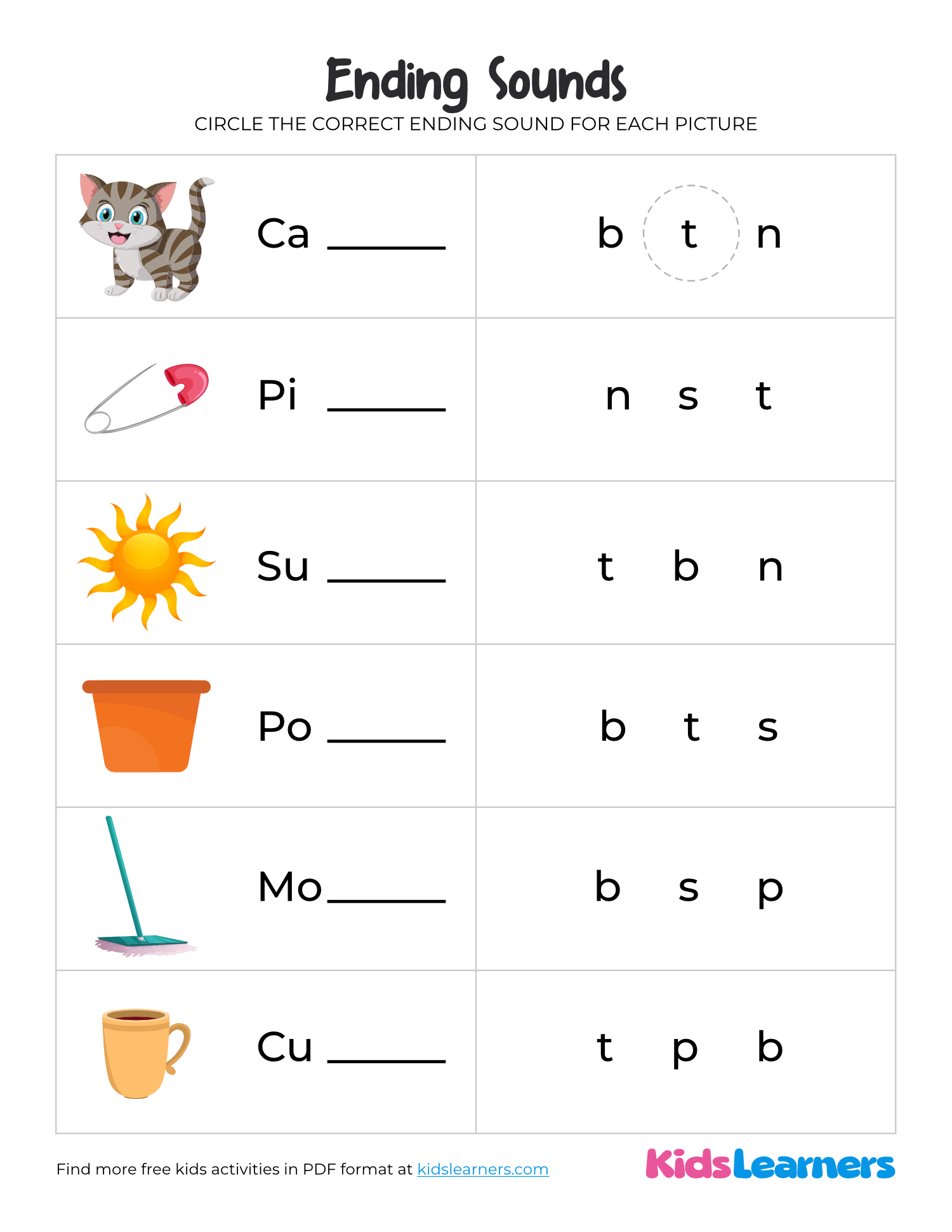
Ending sound worksheets are educational tools that help preschoolers focus on the last sounds in words. Typically, these worksheets present a variety of words alongside images, prompting children to identify the ending sounds. For instance, a worksheet might feature the words “cat,” “dog,” and “bat,” asking children to circle the letters that represent the ending sounds.
These worksheets are particularly valuable during preschool and kindergarten as they align with early literacy goals. By recognizing ending sounds, children can improve their reading and spelling skills, which sets a solid foundation for future learning.
Who Can Benefit From These Worksheets?
Ending sound worksheets are ideal for preschoolers aged 3 to 5, but they can also be beneficial for kindergarteners who need extra practice. Parents, caregivers, and teachers can use these resources to support their children’s literacy development.
You might find these worksheets particularly useful if your child is:
- Struggling with phonemic awareness
- Preparing for kindergarten
- Learning English as a second language
- Enjoying interactive and hands-on learning activities
By integrating these worksheets into your child’s learning routine, you can help them develop critical reading skills in a supportive environment.
How to Use Ending Sound Worksheets Effectively
To maximize the benefits of ending sound worksheets, consider the following practical tips:
- Set a Routine: Incorporate these worksheets into your daily or weekly routine. Consistency is key for building skills.
- Create a Comfortable Learning Space: Designate a quiet and comfortable area for your child to work on these worksheets. This can help them focus better.
- Use a Variety of Resources: Pair the worksheets with songs, games, or books that emphasize ending sounds to reinforce the learning experience.
- Encourage Discussion: After completing a worksheet, discuss the words and their meanings with your child. This reinforces their understanding and makes learning more engaging.
- Celebrate Progress: Acknowledge your child’s achievements, no matter how small. Positive reinforcement boosts confidence and motivation.
Types of Ending Sound Worksheets
You’ll find various types of ending sound worksheets available online, each designed to cater to different learning styles and preferences. Here are some common types you might consider:
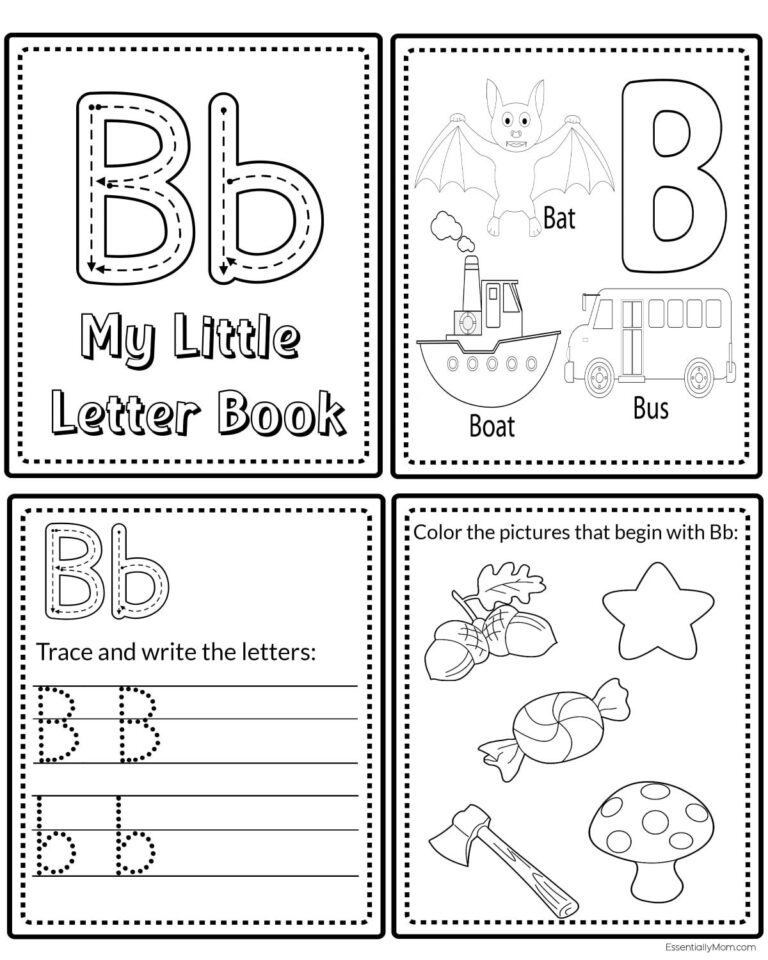
- Coloring Worksheets: These combine art with learning, allowing children to color images while identifying the ending sounds of the words associated with them.
- Matching Worksheets: Children can draw lines to connect words with the same ending sounds, which helps reinforce sound recognition.
- Fill-in-the-Blank Worksheets: These ask children to complete words with the correct ending sound, promoting both writing and phonetic skills.
- Interactive Printables: Some worksheets include cut-and-paste activities, where children can cut out pictures and paste them next to the correct ending sounds.
Where to Find Printable Ending Sound Worksheets
There are many resources available online where you can download ending sound worksheets for free or at a reasonable price. Websites dedicated to educational resources often have a variety of templates. Look for:
- Educational Blogs: Many parenting and education blogs offer downloadable worksheets as part of their content.
- Printable Resource Websites: Sites focused on printable resources typically have a section for worksheets, including those for phonemic awareness.
- Teacher Resource Sites: Websites like Teachers Pay Teachers provide access to worksheets created by educators for educators.
When selecting worksheets, ensure they are visually appealing and age-appropriate for preschoolers. This will keep your child engaged and interested in the activity.
Tips for Printing and Presenting Worksheets
Once you’ve found the right worksheets, consider these tips for printing and presenting them effectively:
- Use Quality Paper: For worksheets that will be colored or written on, consider using heavier paper or cardstock. This prevents tearing and allows for better handling.
- Portrait vs. Landscape: Most worksheets work well in portrait orientation, especially for younger children. However, some activities might benefit from landscape layout—choose based on the specific worksheet.
- Adjust Print Settings: Ensure your printer settings match the size of the paper you’re using (typically 8.5 x 11 inches for standard worksheets) to avoid cutting off any information.
- Laminating for Reusability: If you plan to use the worksheets multiple times, consider laminating them. This allows for dry-erase markers to be used, making them reusable.
- Organize with Binders: Store completed worksheets in a binder. This keeps them organized and allows you to track your child’s progress over time.
By preparing these worksheets thoughtfully, you’re setting the stage for an enriching learning experience that can be both fun and educational for your preschooler.
Next Steps: Making Learning Fun
Now that you have a better understanding of Ending Sound Worksheets For Preschoolers, it’s time to get started! Download a few worksheets that resonate with you and your child’s learning style. Set aside some time to explore them together, making sure to celebrate every success along the way. By incorporating these engaging activities into your routine, you’re not just teaching your child about sounds—you’re igniting a lifelong love for learning.
Ending Sound Worksheets For Preschoolers Gallery