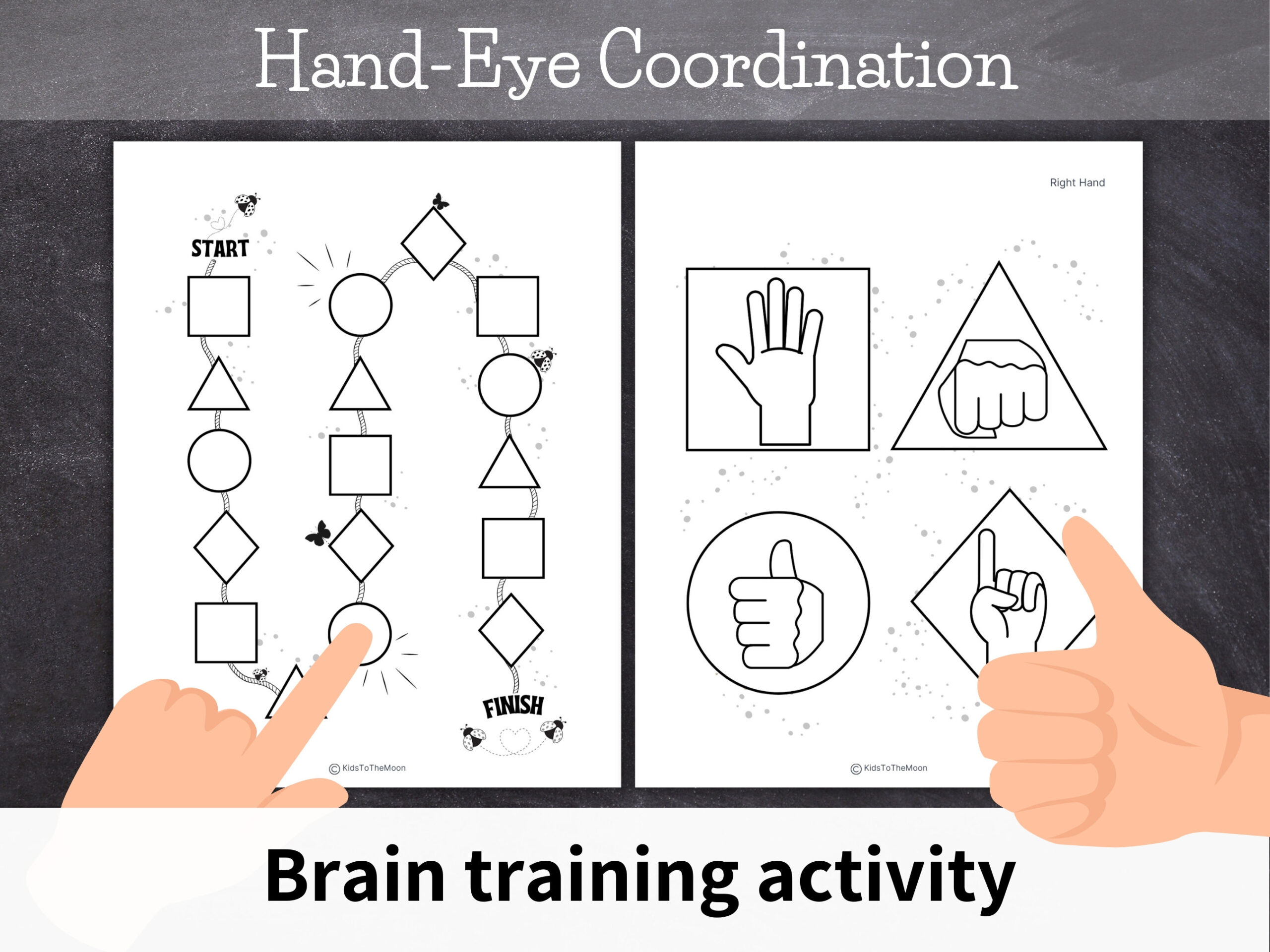
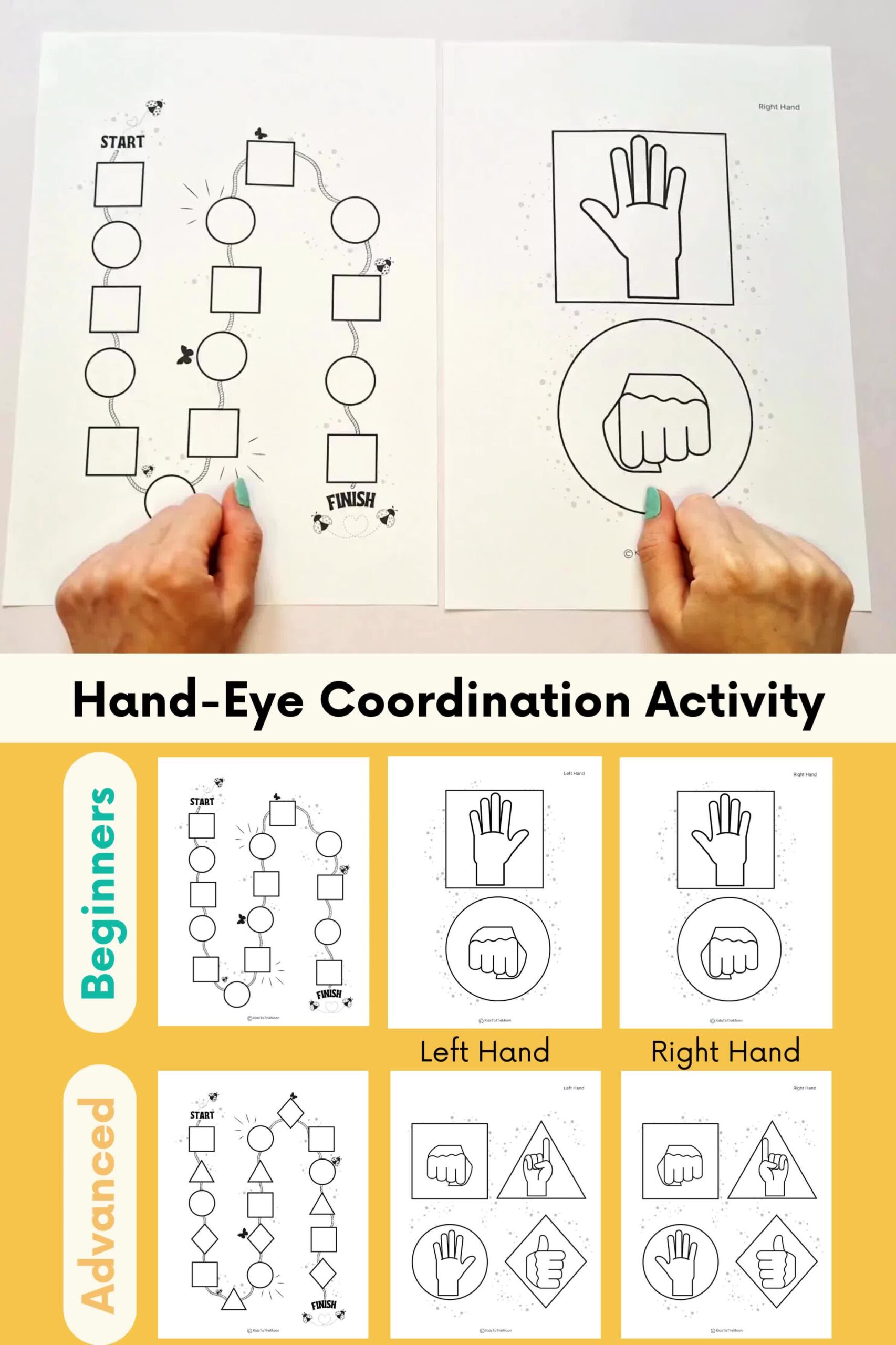
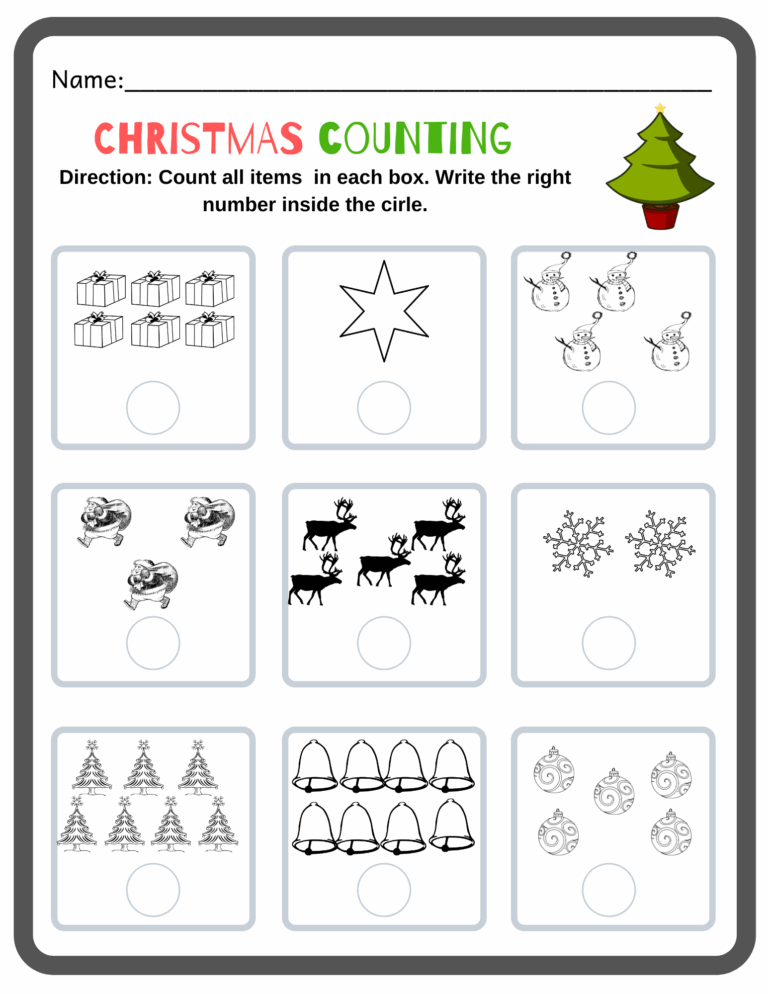
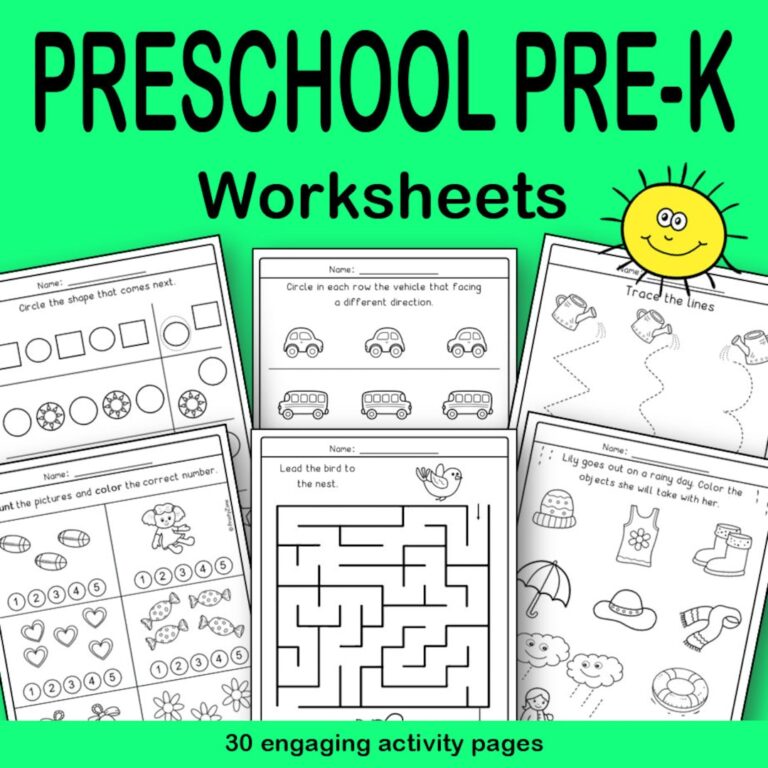
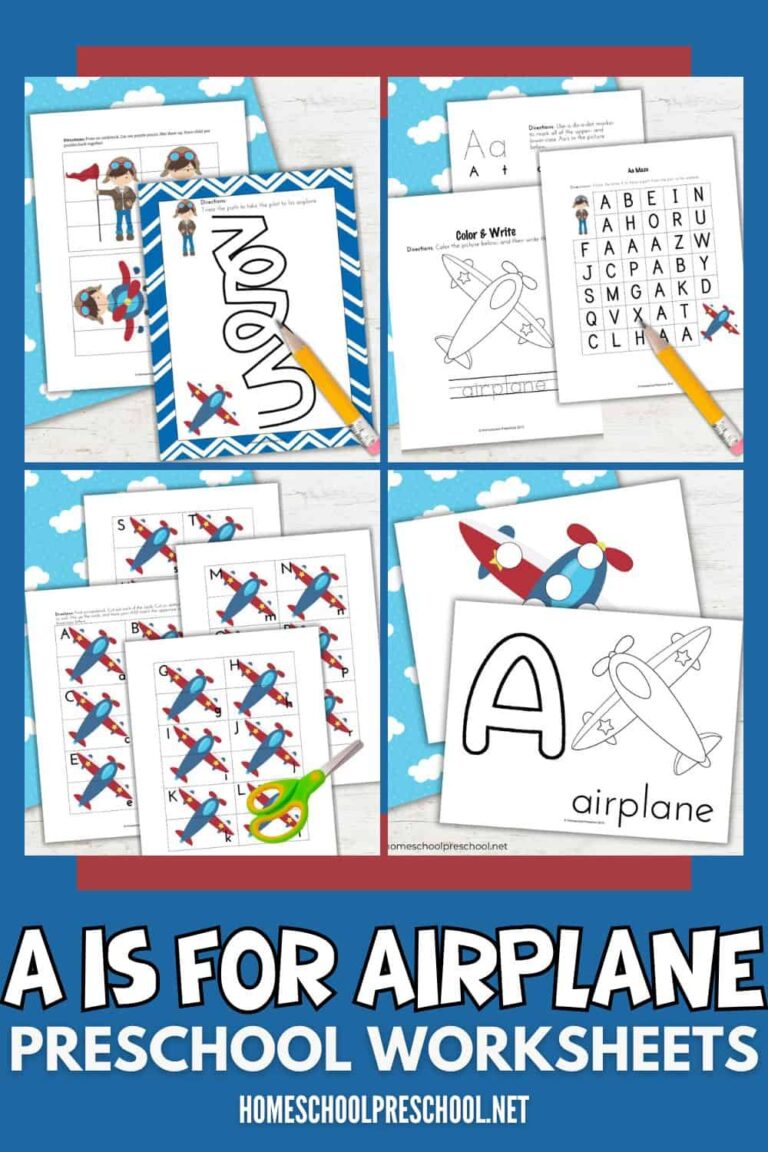
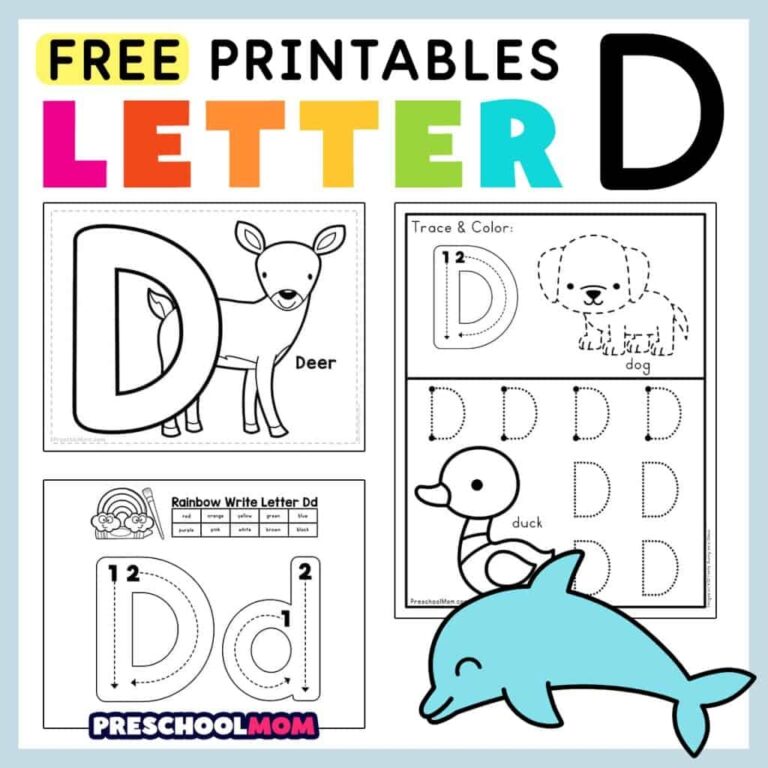
Eyehand Coordination Activities Worksheets For Preschoolers
When you’re a parent, you know that fostering your child’s development is a top priority. One area that can significantly impact their early learning is eye-hand coordination. This skill is crucial for various everyday activities, from writing to playing sports. That’s where Eyehand Coordination Activities Worksheets For Preschoolers come in! These printable resources make learning fun while developing essential skills.
What Are Eye-Hand Coordination Activities?
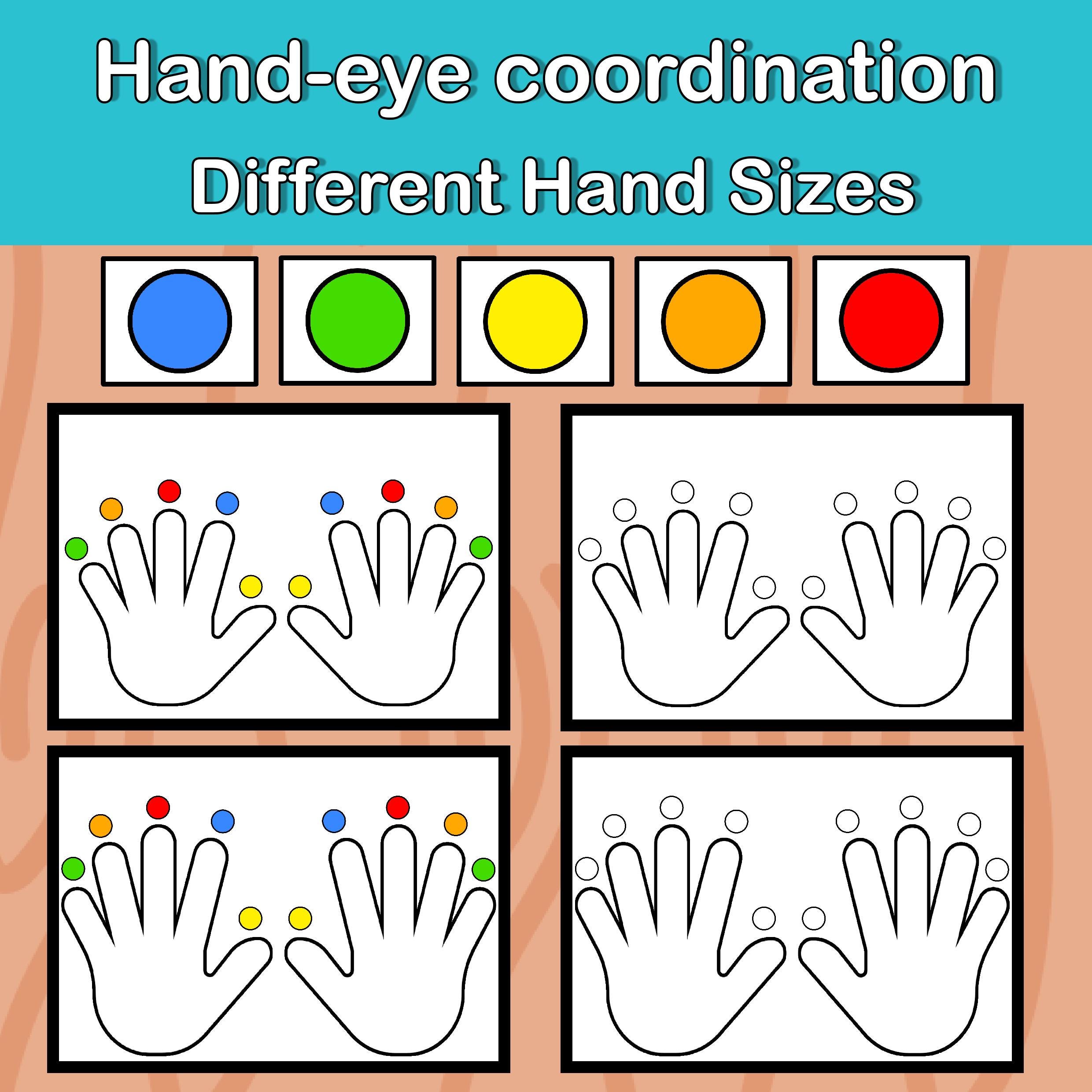
Eye-hand coordination activities are exercises designed to help children improve their ability to use their eyes and hands together. This coordination is vital for tasks like drawing, catching a ball, or even dressing themselves. Engaging in these activities can enhance fine motor skills, which are essential as your child grows. Worksheets specifically tailored for preschoolers can make this learning process enjoyable and effective.
Choosing the Right Worksheets
When searching for eye-hand coordination activities worksheets, consider a few key factors to ensure they meet your child’s needs:
- Age Appropriateness: Ensure the worksheets are designed for preschoolers. Look for activities that match their developmental level.
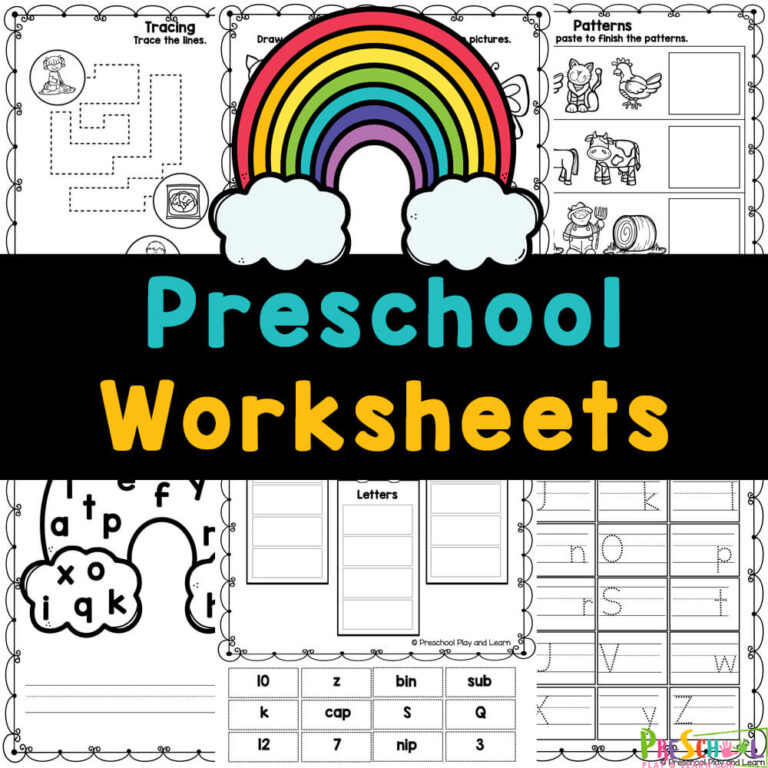
- Variety of Activities: Choose worksheets that include a range of tasks, such as tracing, coloring, cutting, and pasting. This variety keeps children engaged and helps develop different skills.
- Visual Appeal: Bright colors and engaging illustrations can make the worksheets more attractive to young learners.
Recommended Types of Activities
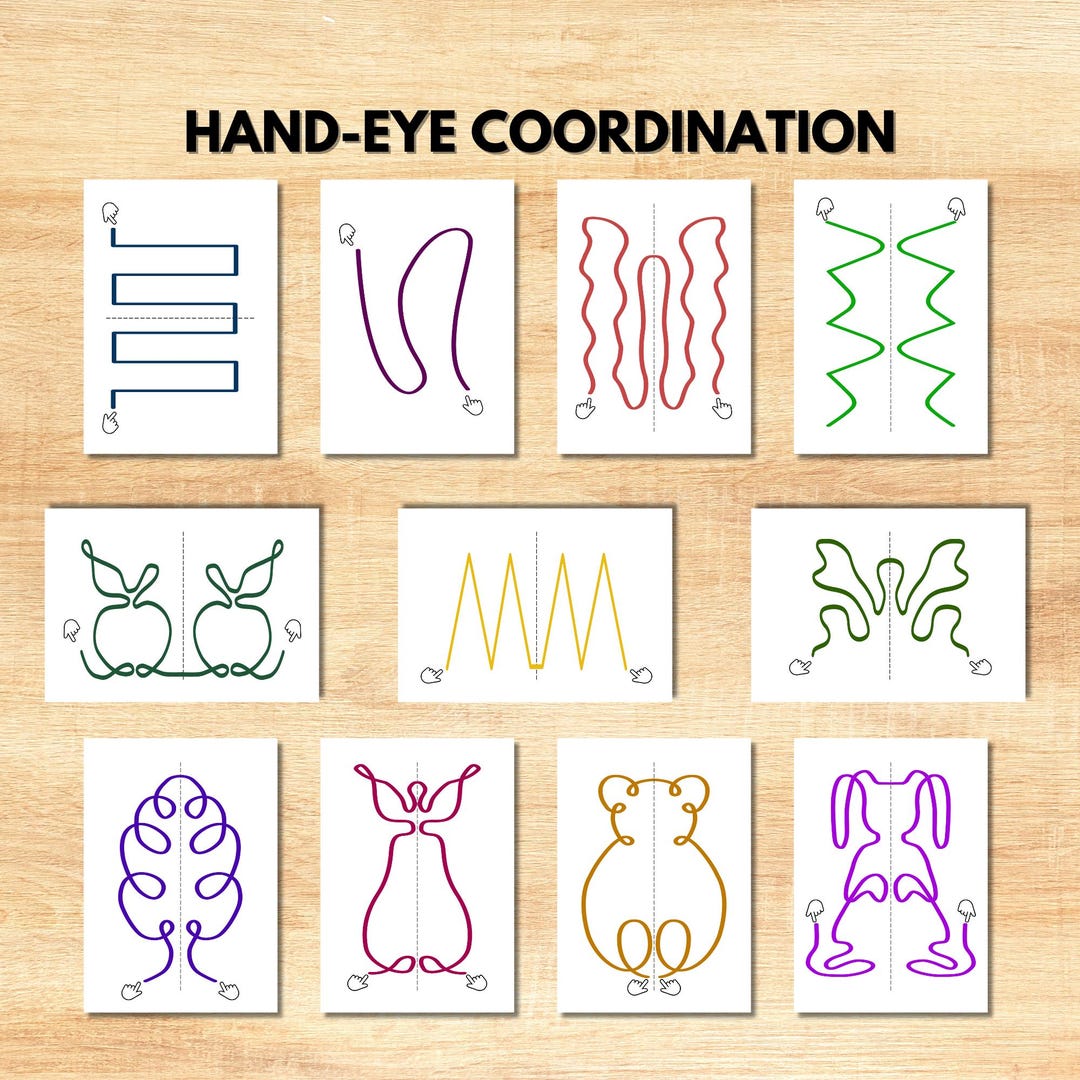
Here are some popular types of activities you might find in these worksheets:
- Tracing Shapes and Lines: Helps with pencil grip and control.
- Coloring Pages: Great for practicing fine motor skills while allowing creativity.
- Cutting Activities: Using safety scissors to cut along lines or shapes enhances hand-eye coordination.
- Dot-to-Dot Puzzles: Encourages counting and improves hand control as children connect the dots.
Downloading and Printing Your Worksheets
Once you’ve selected the right Eyehand Coordination Activities Worksheets For Preschoolers, it’s time to download and print them. Here’s a step-by-step guide:
- Find a Trusted Website: Look for reputable sites that offer free or low-cost printable worksheets. Ensure they have positive reviews from other parents.
- Check the File Format: Most worksheets are available in PDF format, which is easy to download and print without losing quality.
- Download the Worksheets: Click the download button and save the file to your computer or device.
- Printing Settings: Use standard A4 or letter-sized paper for printing. If you have the option, select “fit to page” to ensure the worksheets are printed correctly.
- Choose Your Paper Type: Consider using cardstock if you want the worksheets to be more durable, especially for cutting activities.
Setting Up a Fun Learning Environment
Creating an inviting space for your child to work on their worksheets can enhance their learning experience. Here are some tips for setting up:
- Designate a Workspace: Choose a table or desk that’s comfortable for your child. Ensure good lighting and a clutter-free area to minimize distractions.
- Gather Supplies: Have all necessary materials ready, like crayons, markers, safety scissors, and glue. This preparation helps to keep the flow of learning smooth.
- Incorporate Breaks: Young children have short attention spans. Plan for short breaks between activities to keep them refreshed and engaged.
Using the Worksheets Effectively
Now that you have everything set up, it’s time to make the most of those Eyehand Coordination Activities Worksheets For Preschoolers. Here are some strategies:
- Start with Simple Activities: Begin with easier tasks to build your child’s confidence. As they become more comfortable, gradually introduce more complex activities.
- Encourage Independence: Allow your child to attempt the worksheets on their own first. Offer help only when needed, promoting self-reliance.
- Celebrate Achievements: Praise your child for their efforts. Whether they complete a task or simply try their best, positive reinforcement is key.
- Integrate Learning into Daily Life: Relate the skills they practice in the worksheets to real-life situations. For example, point out how cutting paper is similar to when they help prepare snacks.
Tracking Progress
While using eye-hand coordination activities worksheets, it can be helpful to monitor your child’s progress. Create a simple chart to track completed worksheets, noting skills practiced and any difficulties faced. This can guide you in choosing future activities that target specific areas for improvement.
Here’s a sample layout for your tracking chart:
| Date | Activity Completed | Skills Practiced | Comments |
|————|——————————–|————————-|——————————-|
| 01/01/2023 | Tracing shapes | Pencil grip, control | Completed with no help |
| 01/03/2023 | Cutting out shapes | Hand coordination | Needed assistance with scissors |
This chart helps you stay organized and provides insights into your child’s development.
Engaging With Your Child
As your child works through the worksheets, engage with them! Ask open-ended questions about what they’re doing, such as:
- “What colors are you using?”
- “Can you tell me about the shapes you are tracing?”
- “How does this activity feel for your hands?”
This interaction not only reinforces their learning but also strengthens your bond.
Final Tips for Success
To wrap things up, here’s a concrete tip you can act on immediately: Dedicate a specific day each week as “Worksheet Wednesday” or something similar, making it a fun, regular part of your routine. This consistency can help your child look forward to their learning activities and make the process feel more like play than work.
With these strategies and resources, you’ll be well-equipped to support your child’s development through engaging Eyehand Coordination Activities Worksheets For Preschoolers. Happy learning!
Eyehand Coordination Activities Worksheets For Preschoolers Gallery