Eyes Ears Nose Mouth Face Worksheet Preschool
Understanding your child’s facial features is an important part of their early development. The Eyes Ears Nose Mouth Face Worksheet Preschool is a fantastic tool to help your little ones identify and learn about these vital aspects of their anatomy. This worksheet not only encourages engagement but also supports language development and fine motor skills through fun activities designed specifically for preschool-aged children.
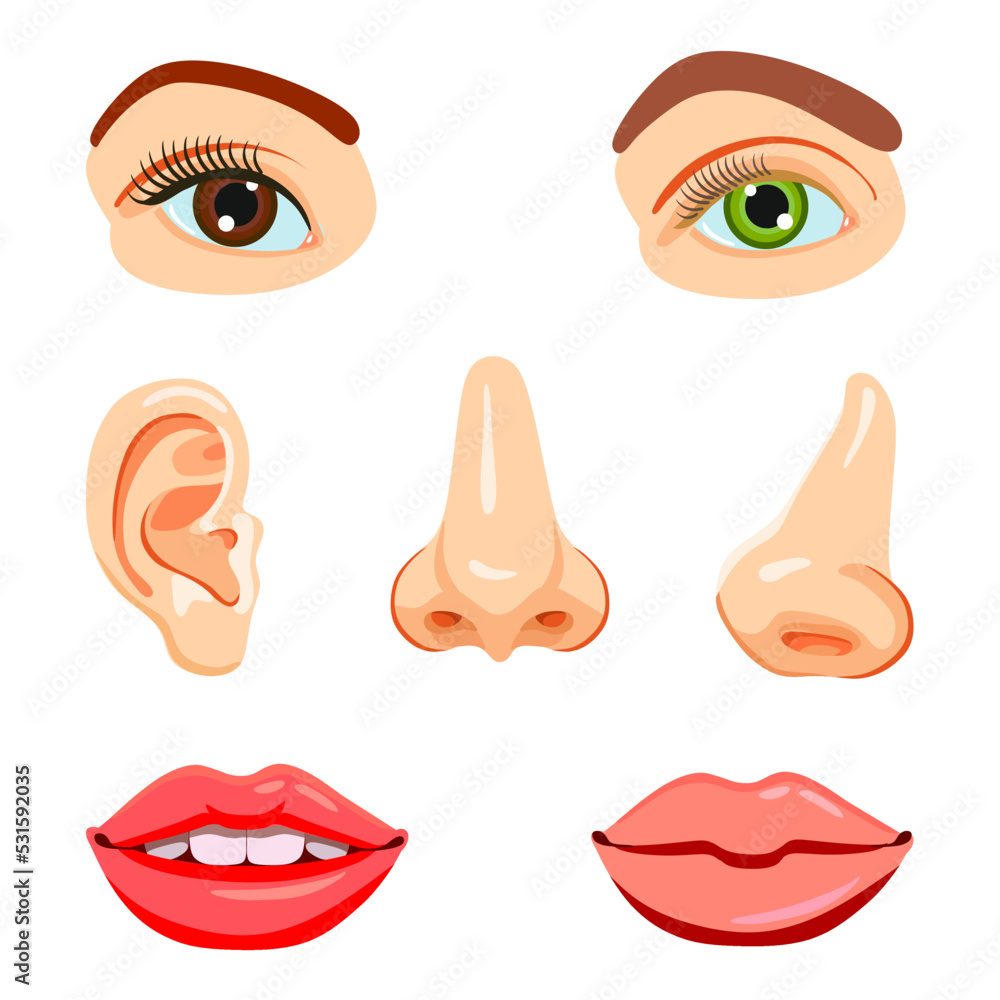
What is the Eyes Ears Nose Mouth Face Worksheet?
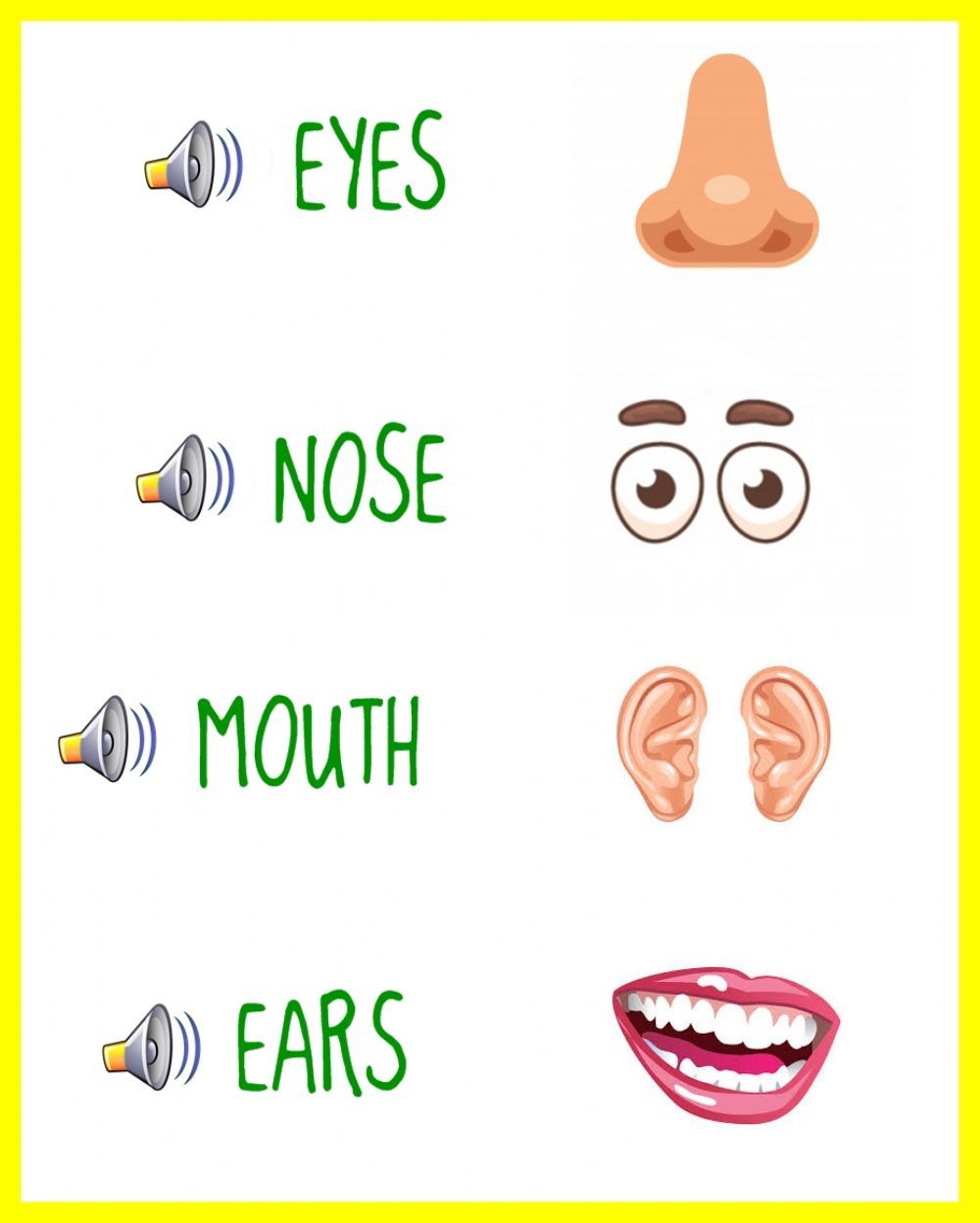
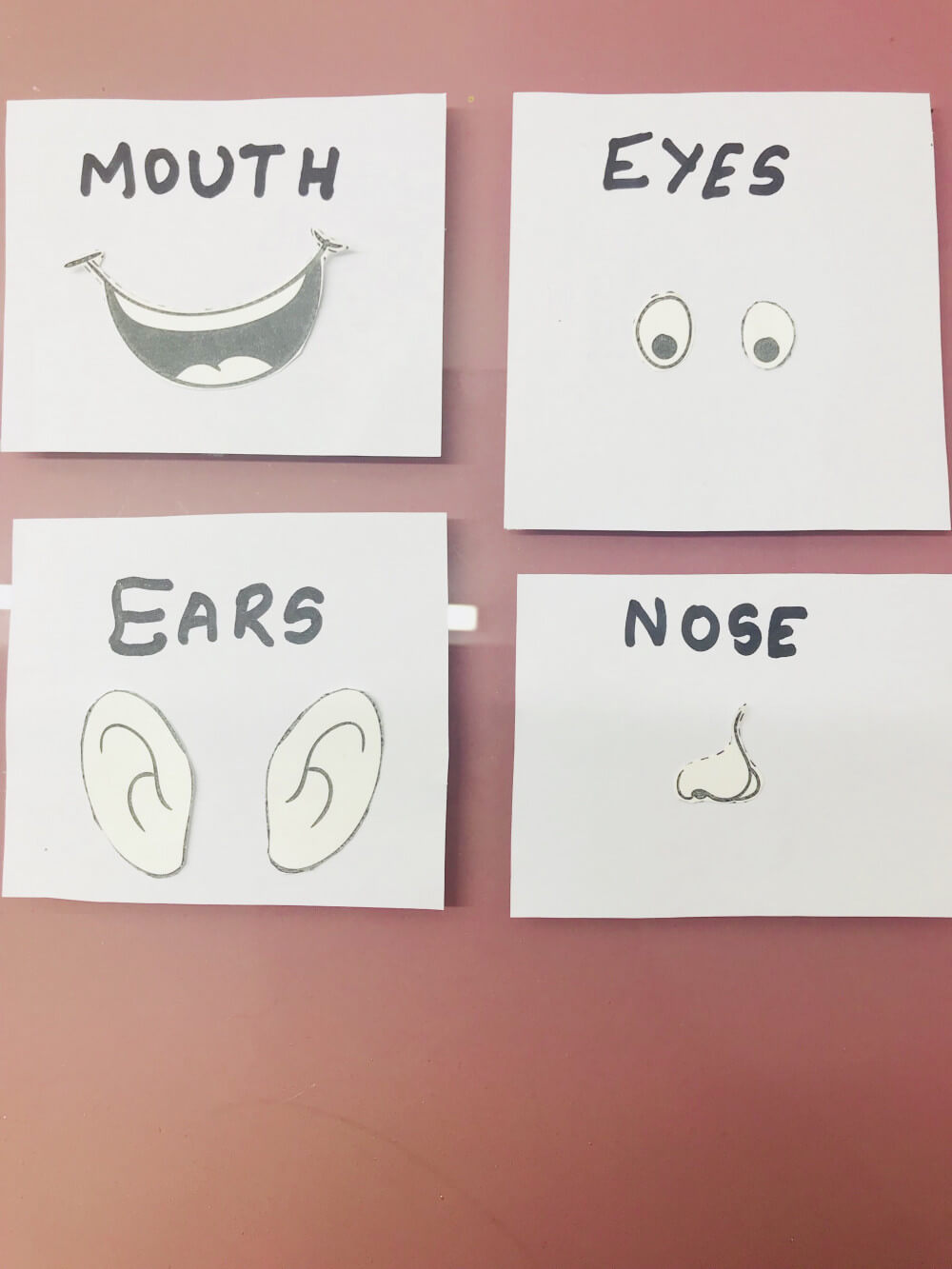
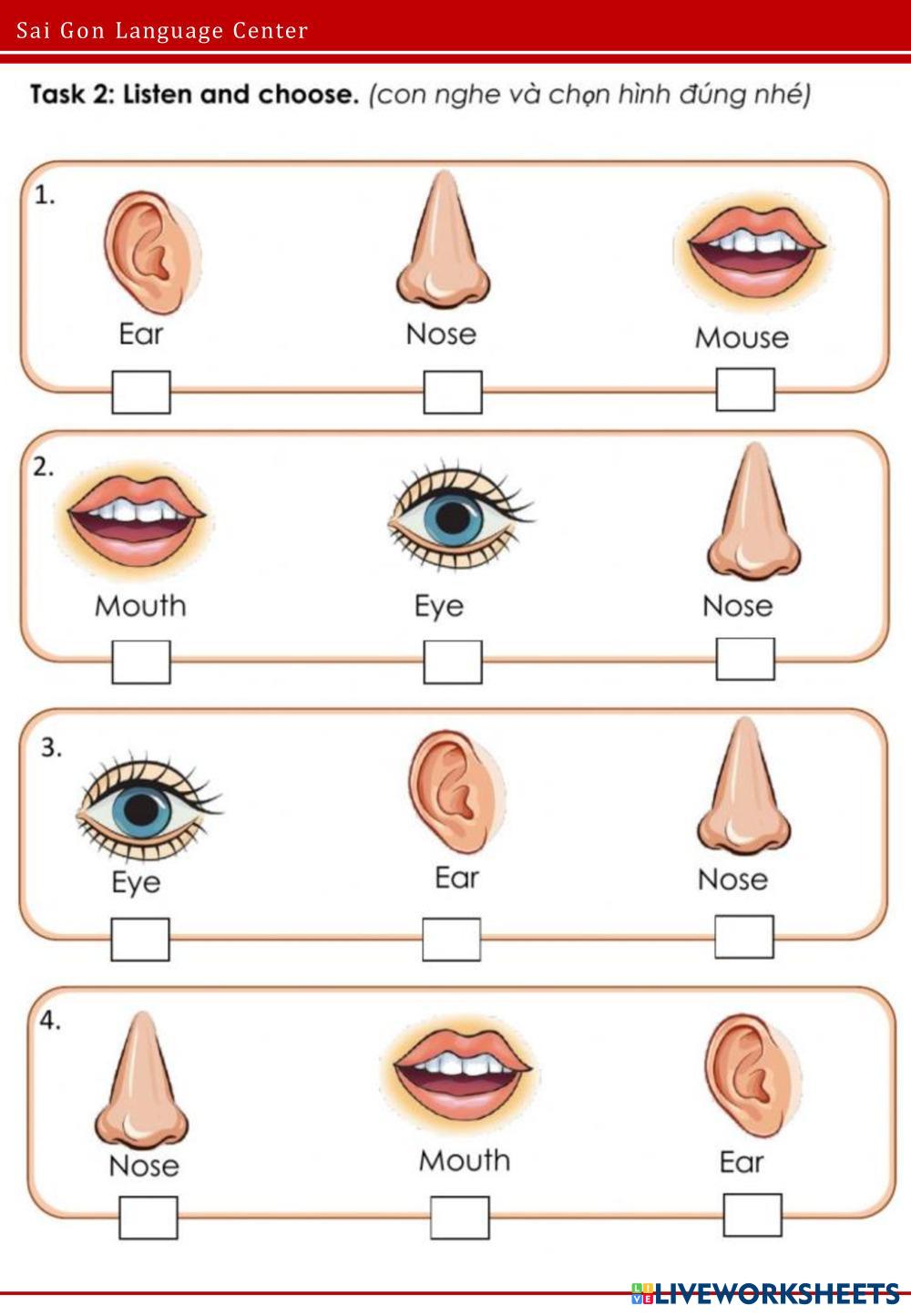
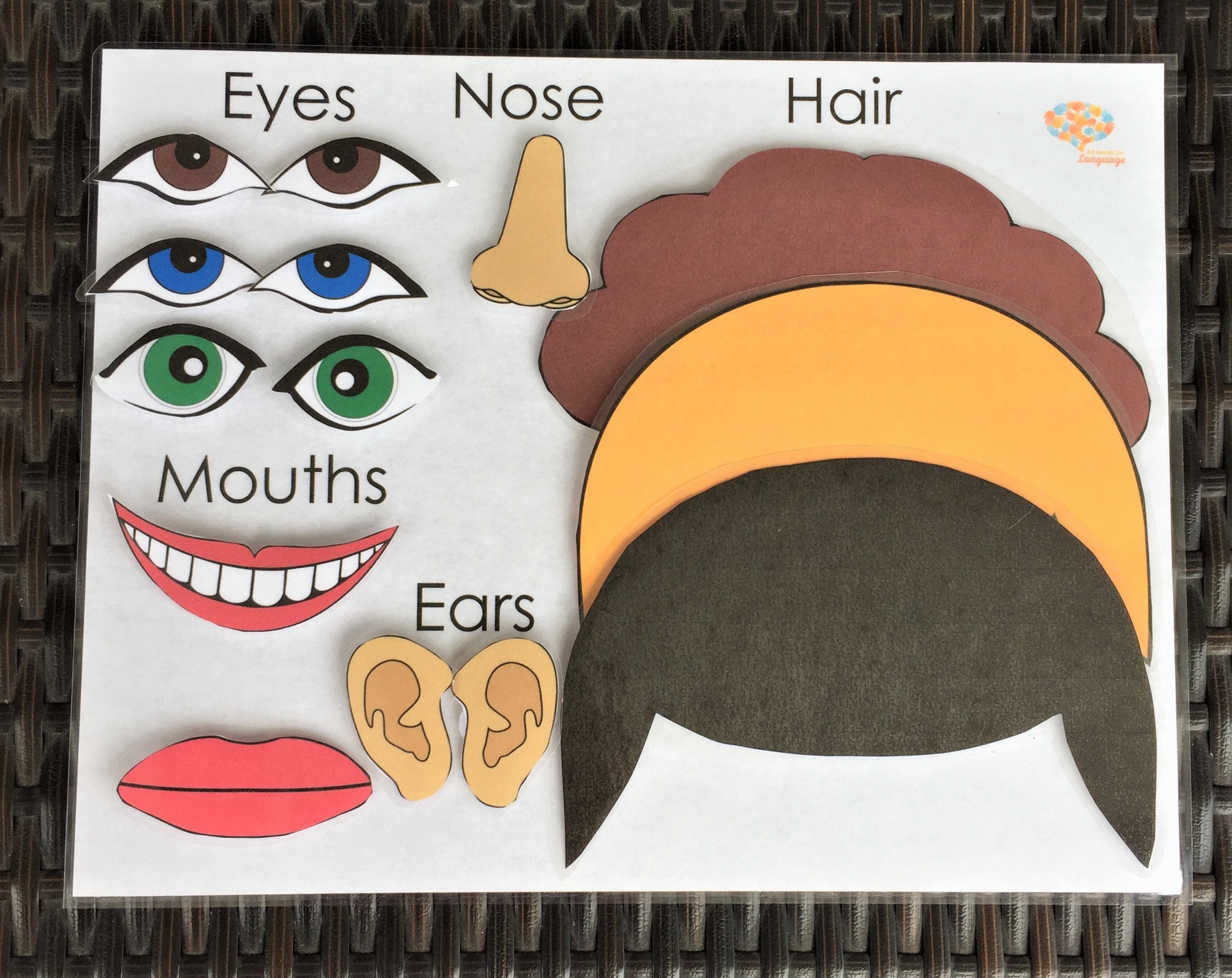
This worksheet is a printable resource aimed at preschool children, typically aged 3 to 5 years. It features various activities designed to help kids identify and name the different parts of their face — eyes, ears, nose, and mouth. The engaging layout often includes illustrations, labels, and sometimes even interactive elements like coloring sections or tracing lines.
How to Use the Worksheet Effectively
Using the Eyes Ears Nose Mouth Face Worksheet Preschool can be a fun and educational experience when you follow some simple steps:
- Preparation: Before starting, gather your materials. You’ll need the worksheet printed out, some crayons or markers, and perhaps a mirror for your child to use while they learn.
- Review Facial Features: Begin by discussing each facial feature with your child. Point to your own face and name the parts as you go. This helps them make connections between the names and the actual features.
- Interactive Activities: Let your child color the pictures or trace the lines. This not only reinforces their learning but also helps develop their fine motor skills. Encourage them to say the names of the features as they engage with the worksheet.
- Follow-Up Questions: After completing the worksheet, ask your child questions like, “Can you point to your nose?” or “What color are your eyes?” This encourages them to think about what they’ve learned.
- Incorporate Daily Learning: Use the worksheet as a starting point for ongoing conversations about facial features in everyday life. When you’re out and about, ask your child to identify features on other people or animals.
What’s Included in the Worksheet?
Typically, the Eyes Ears Nose Mouth Face Worksheet Preschool includes:
- Illustrations of each facial feature
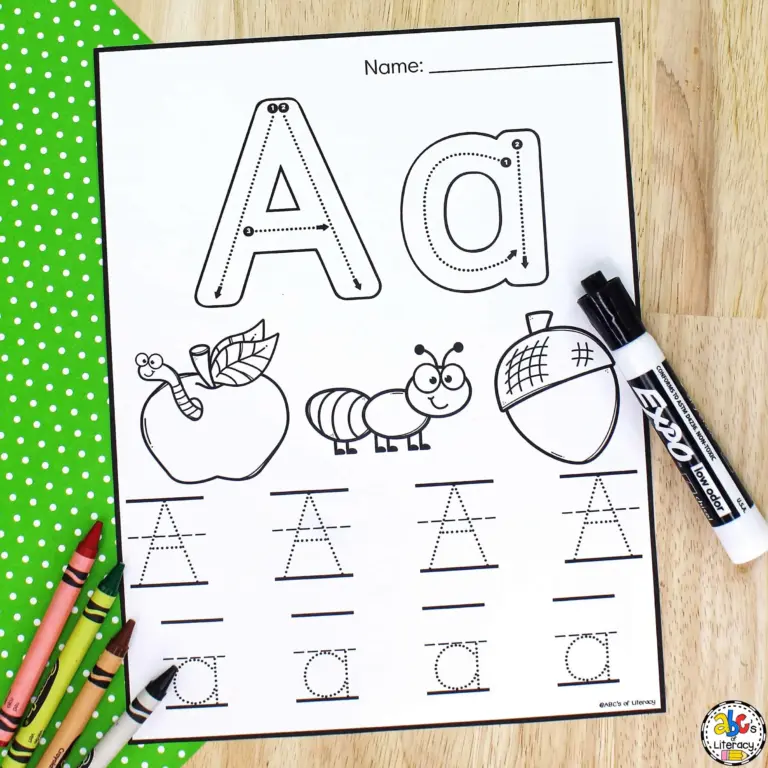
- Space for tracing or coloring
- Simple questions or prompts related to each feature
- An area for your child to draw their own face, reinforcing recognition
By providing a variety of activities, the worksheet caters to different learning styles and keeps your child engaged.
Benefits of Using the Worksheet
The Eyes Ears Nose Mouth Face Worksheet Preschool offers numerous benefits:
- Language Development: By naming facial features, children expand their vocabulary and improve their verbal skills.
- Fine Motor Skills: Coloring and tracing help enhance coordination and control.
- Cognitive Skills: Identifying different parts of the face promotes critical thinking and observation skills.
- Social Skills: Discussing facial features can lead to conversations about emotions, expressions, and social interactions.
Tips for Making Learning Fun
To enhance the learning experience with the Eyes Ears Nose Mouth Face Worksheet Preschool, consider these tips:
- Use Props: A mirror can be a great tool. Have your child look at their face while completing the worksheet. This visual aid reinforces learning and helps make connections.
- Games: Turn learning into a game. For example, you can play a “guess the feature” game where you describe a feature, and your child has to point it out on themselves or others.
- Art Projects: After completing the worksheet, encourage your child to create their own face using craft materials. This can be a fun way to reinforce what they’ve learned while also allowing for creativity.
Where to Find the Worksheet
You can find the Eyes Ears Nose Mouth Face Worksheet Preschool on various printable resource websites. Many sites offer free downloads, while others may charge a small fee for high-quality materials. Ensure that the resource you choose is age-appropriate and visually engaging to keep your child interested.
When downloading, look for formats that are easy to print, such as PDF files, which typically maintain their formatting across different devices. If you plan to use the worksheet multiple times, consider printing it on cardstock for durability.
Tracking Progress With Your Child
To track your child’s progress using the Eyes Ears Nose Mouth Face Worksheet Preschool, consider keeping a small learning journal. After each session, jot down what your child enjoyed, what they learned, and any areas where they might need more practice. This not only helps you see their development over time but also allows you to customize future learning experiences to meet their needs.
Additionally, celebrating small achievements can boost your child’s confidence. Whether they can name their features correctly or draw a smiley face, praising their efforts reinforces positive learning experiences.
Incorporating the Eyes Ears Nose Mouth Face Worksheet Preschool into your child’s routine can provide a fun and educational experience that bolsters their understanding of their own bodies while enhancing essential skills. By engaging with your child during the activities and making learning interactive, you’re not just teaching them about facial features; you’re also creating lasting memories together.
Eyes Ears Nose Mouth Face Worksheet Preschool Gallery