Fast Slow Worksheets For Preschool
Using Fast Slow Worksheets for Preschool is a fantastic way to engage your little ones in learning about speed concepts through fun and interactive activities. These worksheets can help young children differentiate between fast and slow, which is a crucial part of their early education. In this article, I’ll guide you on how to effectively use these worksheets, what to look for, and how to incorporate them into your child’s daily routine.
What Are Fast Slow Worksheets?
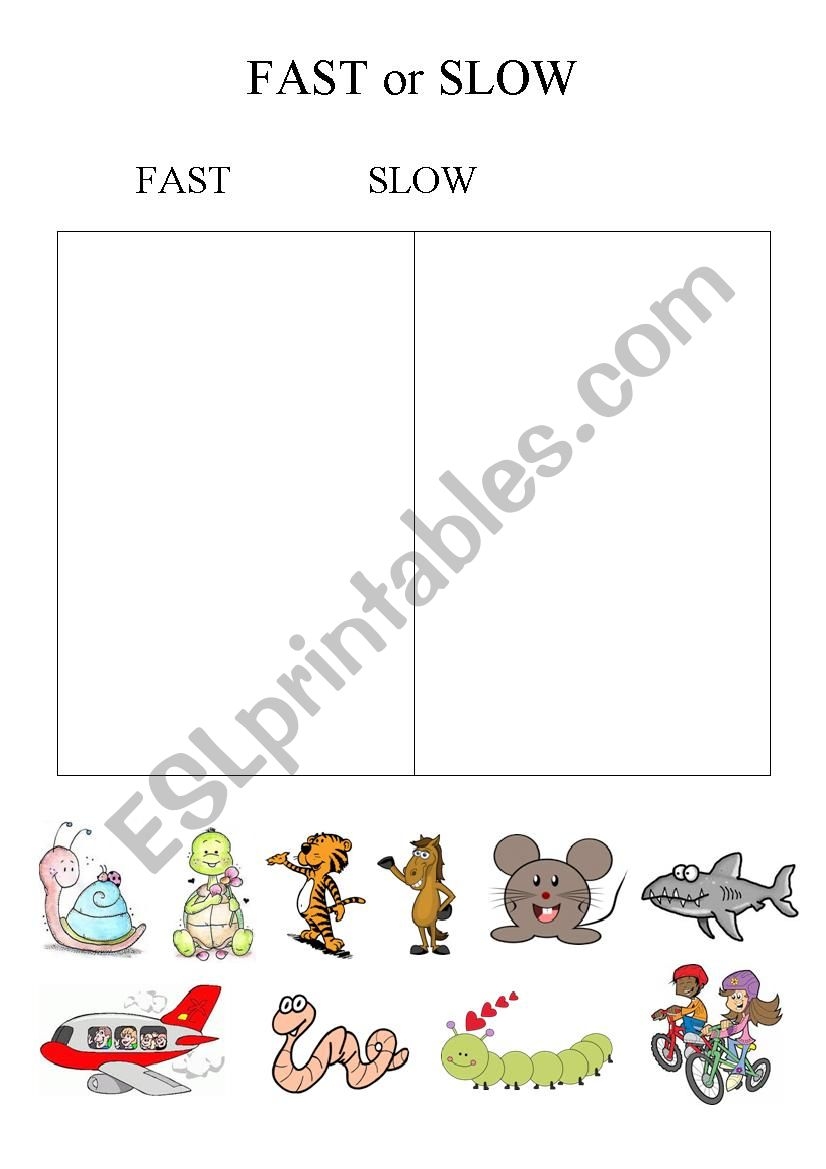
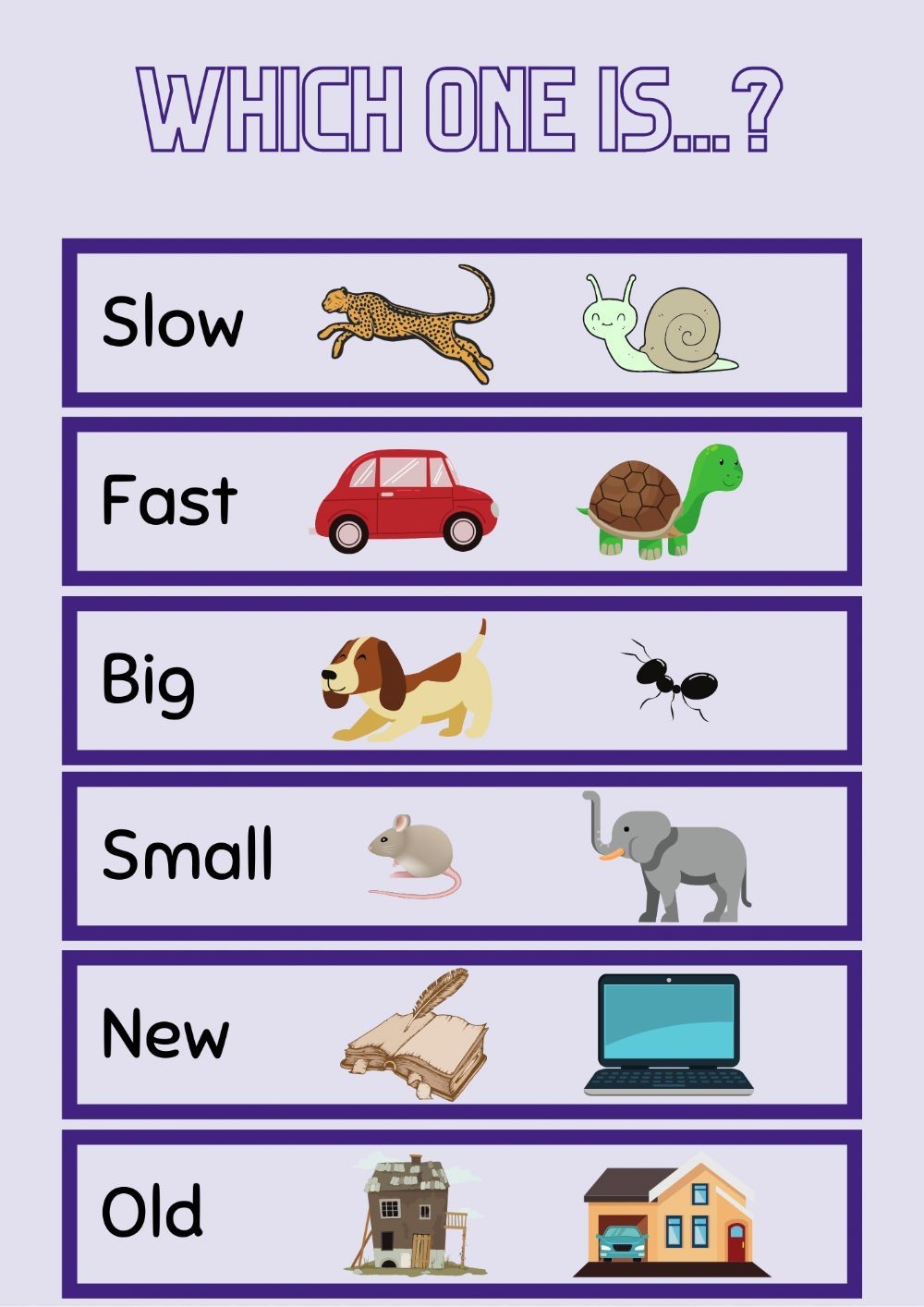
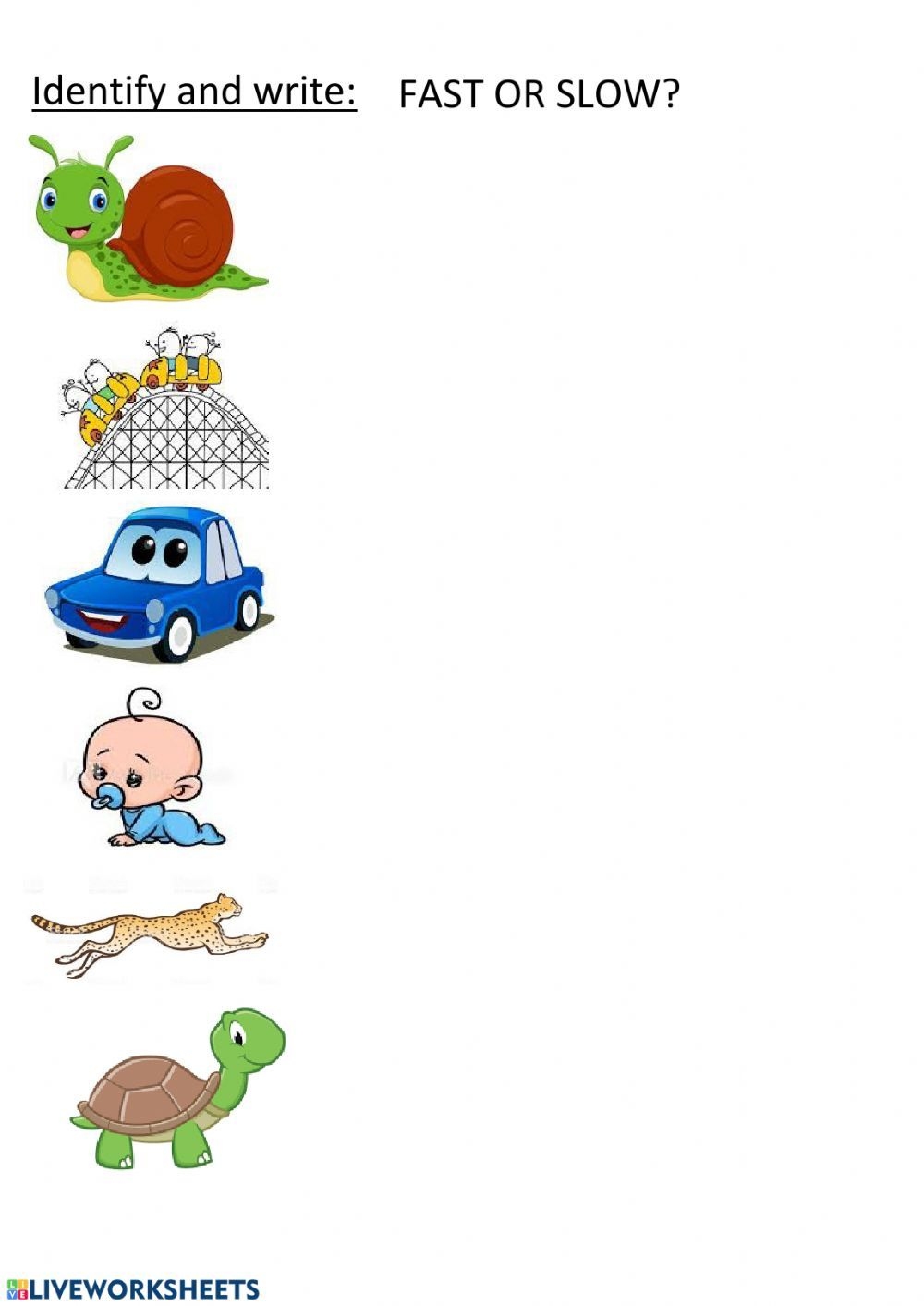
Fast Slow Worksheets are specially designed educational resources aimed at preschoolers. They typically include a variety of activities, such as matching, coloring, and simple puzzles, that help children grasp the concepts of speed. These worksheets often feature illustrations of various objects or animals moving at different speeds, allowing kids to visually associate the ideas with real-life examples.
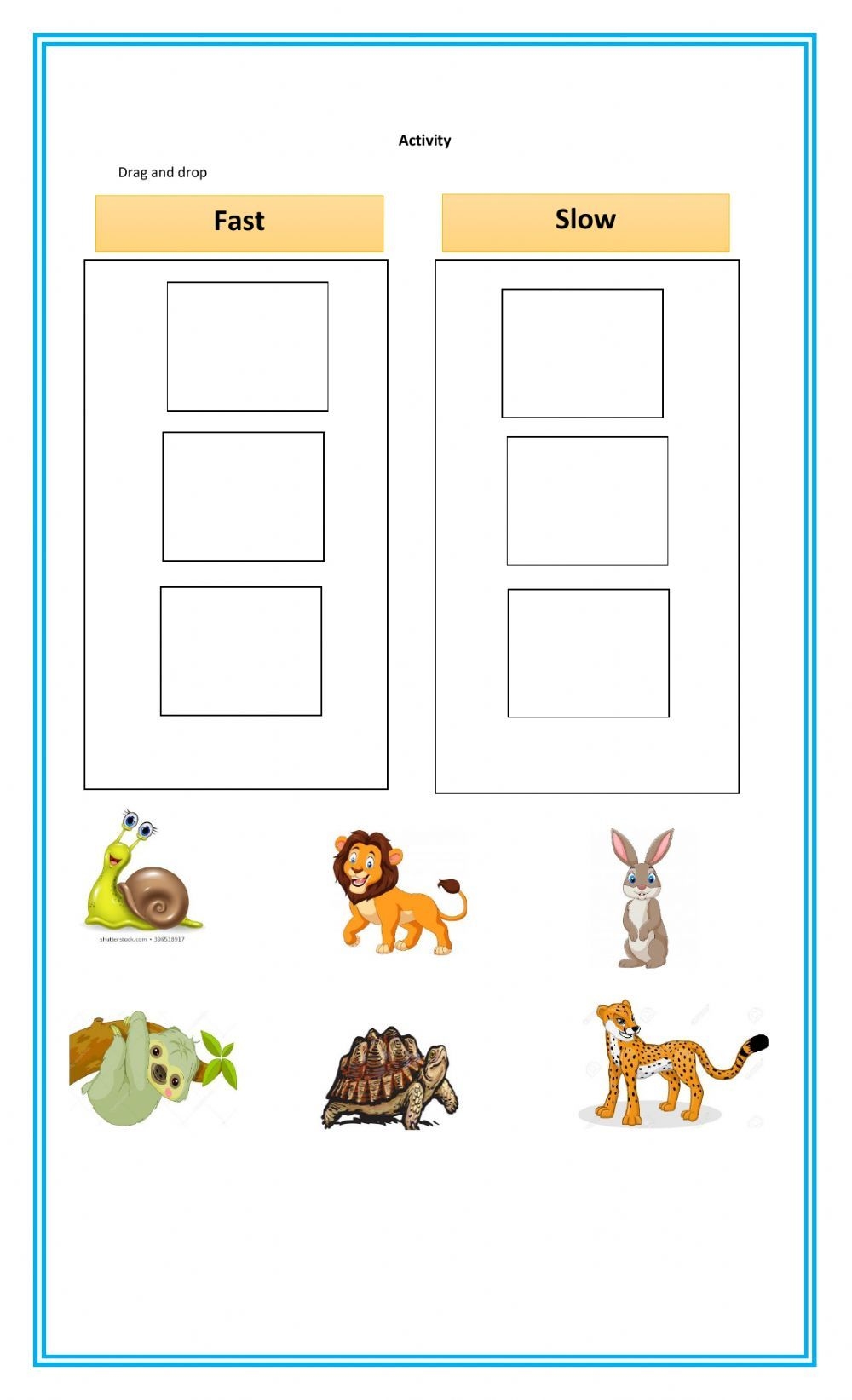
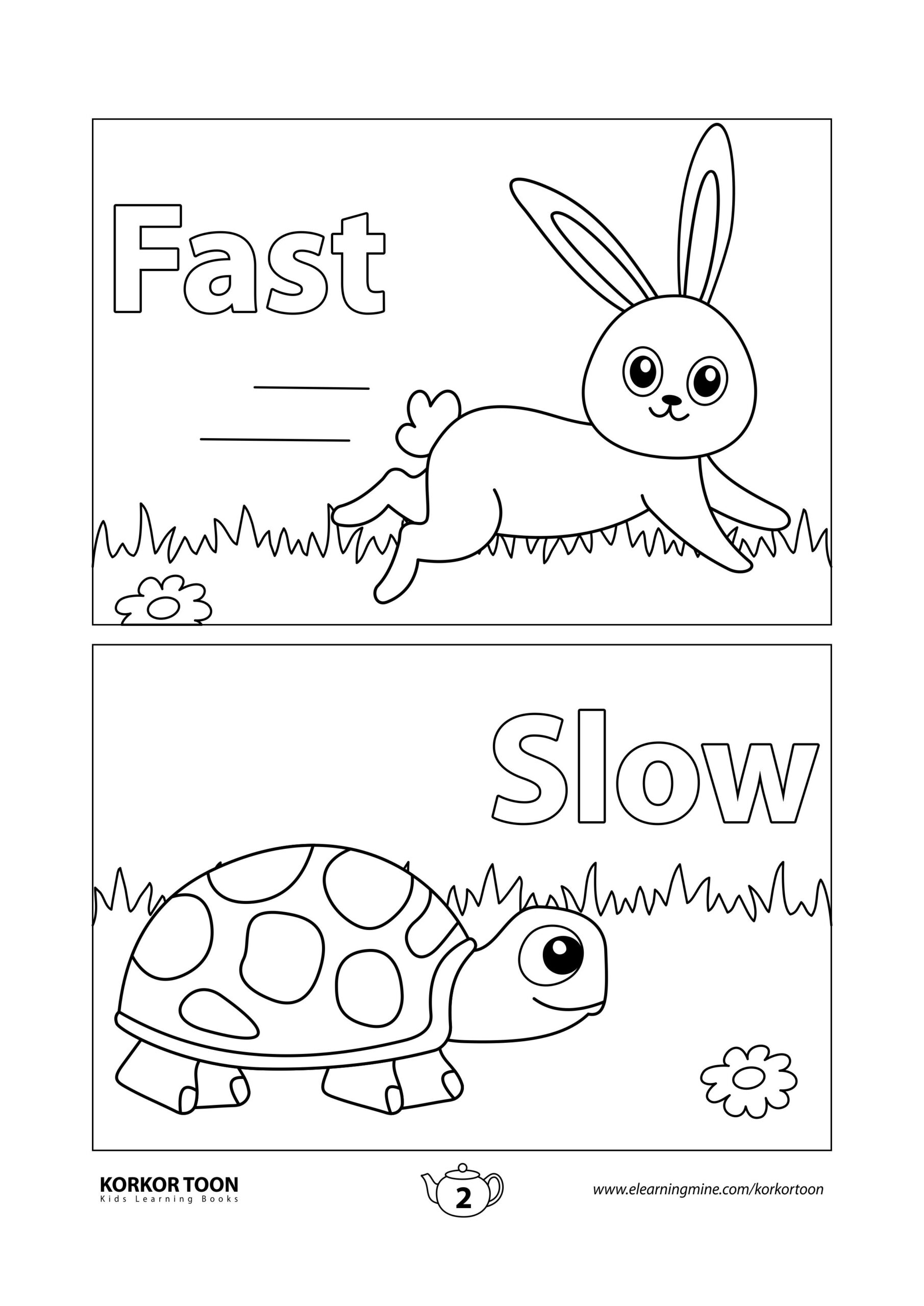
You might find worksheets that ask children to color in a cheetah (fast) and a tortoise (slow) or to draw lines connecting objects that move quickly versus those that move slowly. These engaging tasks make learning enjoyable and memorable.
Benefits of Using Fast Slow Worksheets
There are several advantages to incorporating Fast Slow Worksheets into your child’s learning routine:
- Visual Learning: Kids learn better when they can see and interact with concepts visually. These worksheets use colorful images and engaging activities to capture their attention.
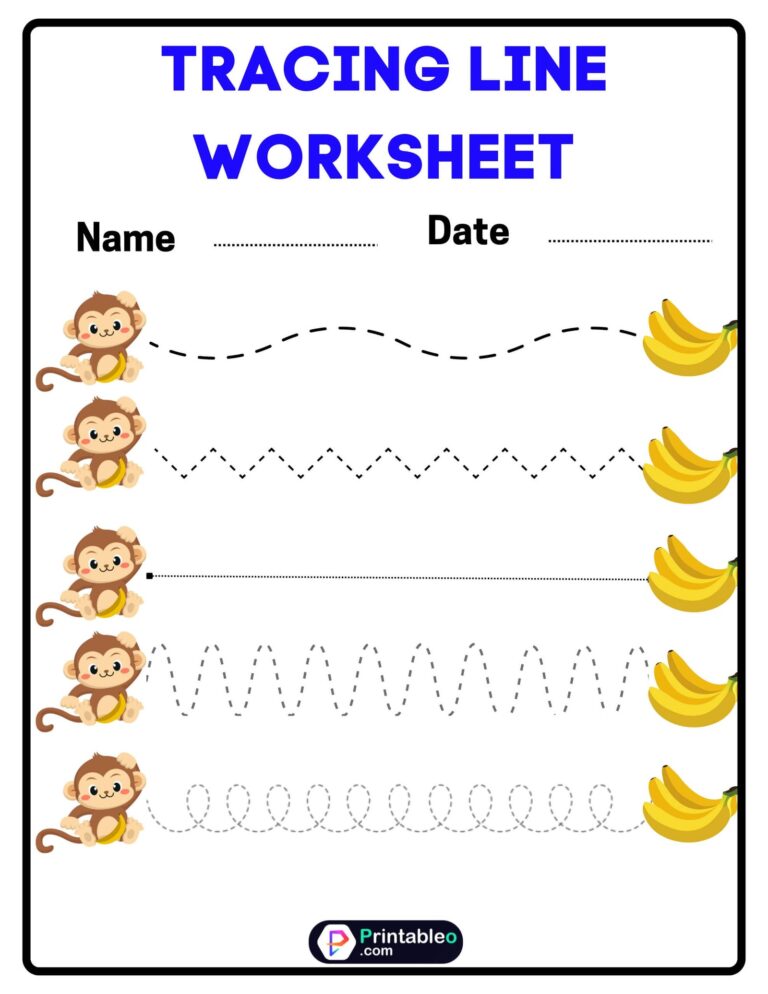
- Motor Skills Development: Activities like coloring and tracing help develop fine motor skills, which are essential for writing and other tasks.
- Critical Thinking: Matching objects to their respective speed categories encourages critical thinking and helps children learn to make comparisons.
- Language Skills: Discussing the worksheets and the concepts of fast and slow can enhance vocabulary and language skills.
How to Use Fast Slow Worksheets Effectively
To maximize the benefits of Fast Slow Worksheets, here are some practical tips:
- Choose Appropriate Worksheets: Look for worksheets that are suitable for your child’s age and comprehension level. Many resources are available online for free or for purchase.
- Create a Routine: Incorporate these worksheets into your daily routine. Set aside time each day or week for engaging with the worksheets. This consistency helps reinforce learning.
- Interact While Learning: As your child works on the worksheets, engage them in conversation. Ask questions like, “What do you think is faster, a rabbit or a snail?” This will encourage them to think critically about the content.
- Use Real-Life Examples: Complement the worksheets with real-life examples. Go for a walk and point out fast and slow-moving vehicles or animals you see. This adds a practical dimension to the learning experience.
- Encourage Creativity: Allow your child to embellish the worksheets with their drawings or stories about the fast and slow objects. This promotes creativity alongside learning.
Types of Activities in Fast Slow Worksheets
Fast Slow Worksheets often include a variety of activities to keep children engaged. Here are some common types of tasks you might find:
- Coloring Pages: Illustrations of fast and slow animals or vehicles for children to color.
- Matching Games: Kids match images of fast-moving objects with their slow-moving counterparts.
- Sorting Activities: Worksheets that require children to cut out pictures and sort them into “Fast” or “Slow” categories.
- Fill-in-the-Blank: Sentences where children fill in the blanks with appropriate speed-related words.
These activities not only reinforce the concepts but also keep learning enjoyable.
Tips for Printing and Presenting Worksheets
When preparing to use Fast Slow Worksheets, consider the following printing tips to ensure the best experience:
- Paper Quality: Use sturdy paper, like cardstock, for durability, especially if your child will be coloring or using markers.
- Print Settings: Choose a portrait layout, as this format typically works better for most home printers. Ensure the settings are adjusted to avoid any cutoff images.
- Color vs. Black and White: Color prints are visually engaging, but black and white prints can also work well for coloring activities. Decide based on your child’s needs and preferences.
Adapting Worksheets for Different Learning Styles
Every child learns differently, so it’s essential to adapt your approach based on your child’s learning style:
- Visual Learners: Focus on colorful worksheets and illustrations. Use charts or diagrams to reinforce the concepts.
- Auditory Learners: Explain the concepts verbally and encourage discussions about the worksheets. Use songs or rhymes related to speed.
- Kinesthetic Learners: Incorporate physical activities, such as running or crawling, to demonstrate fast and slow before sitting down with the worksheets.
By recognizing and adapting to your child’s learning style, you can create a more effective and enjoyable learning environment.
Where to Find Fast Slow Worksheets for Preschool
You can find Fast Slow Worksheets for Preschool from various sources, including:
- Printable Resource Websites: Many sites offer free or low-cost printable worksheets. Look for reputable educational sites that focus on early childhood learning.
- Educational Apps: Some apps provide interactive worksheets and activities that can be accessed on tablets or computers.
- Teacher Resources: If you have connections with educators, they might have additional resources or recommendations for quality worksheets.
Be sure to review the worksheets before printing to ensure they meet your educational goals and your child’s needs.
Next Steps After Downloading Worksheets
Once you have your Fast Slow Worksheets downloaded and printed, it’s time to get started! Gather your supplies, including crayons, markers, or scissors, and set up a comfortable workspace. Make the experience interactive by discussing what fast and slow mean and how different objects fit into these categories.
You can also encourage your child to share what they learned after completing the worksheets. This reinforces their understanding and gives them a sense of accomplishment. Enjoy the process together and watch as your child develops a stronger grasp of these essential concepts!
Fast Slow Worksheets For Preschool Gallery