Figure Classifications For Preschoolers Worksheets
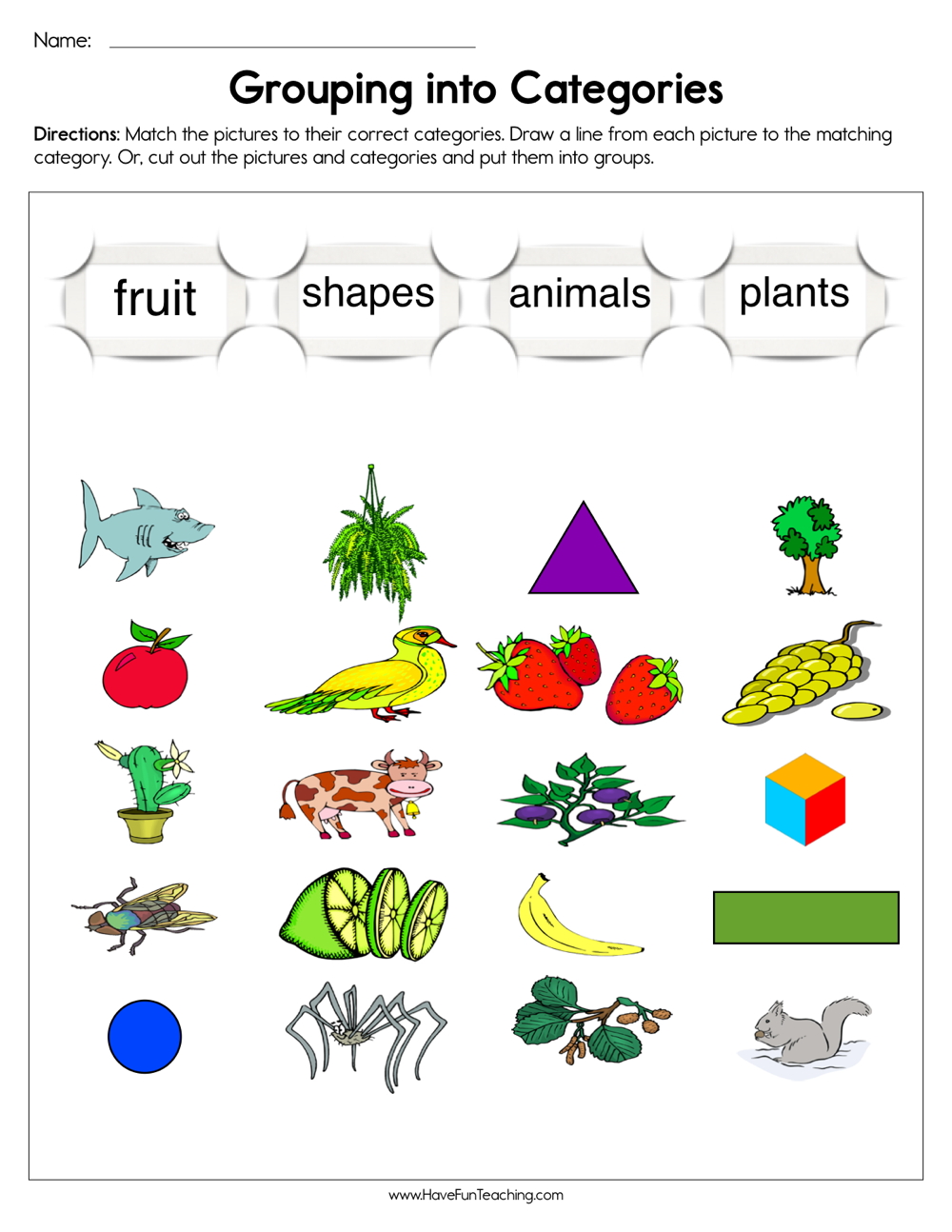
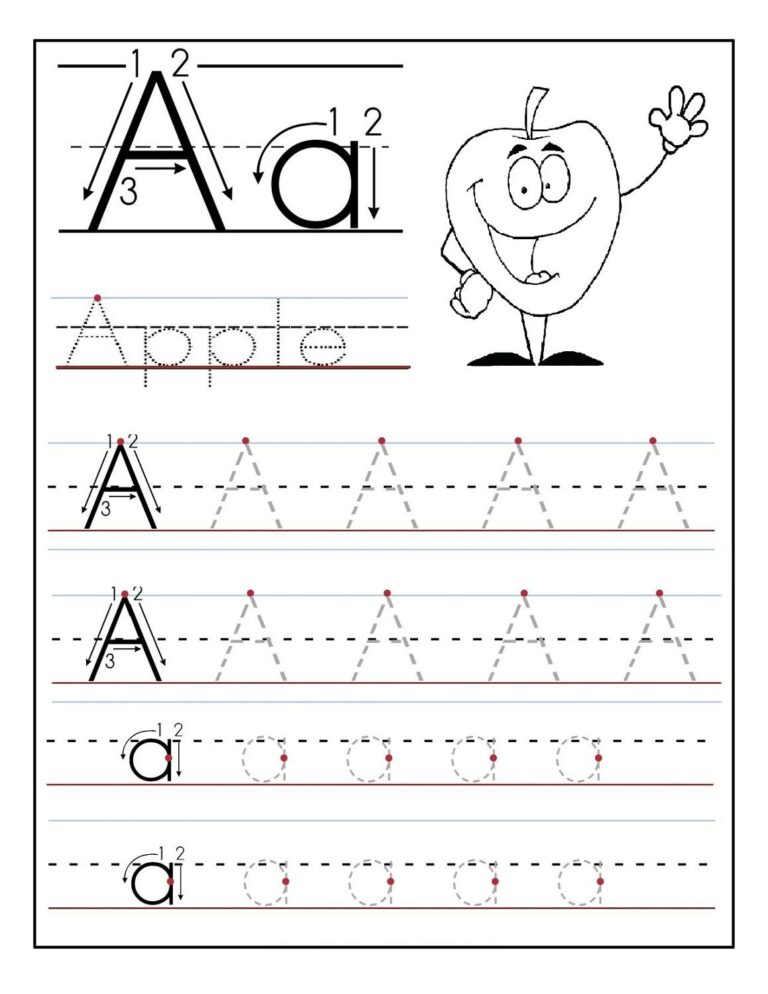
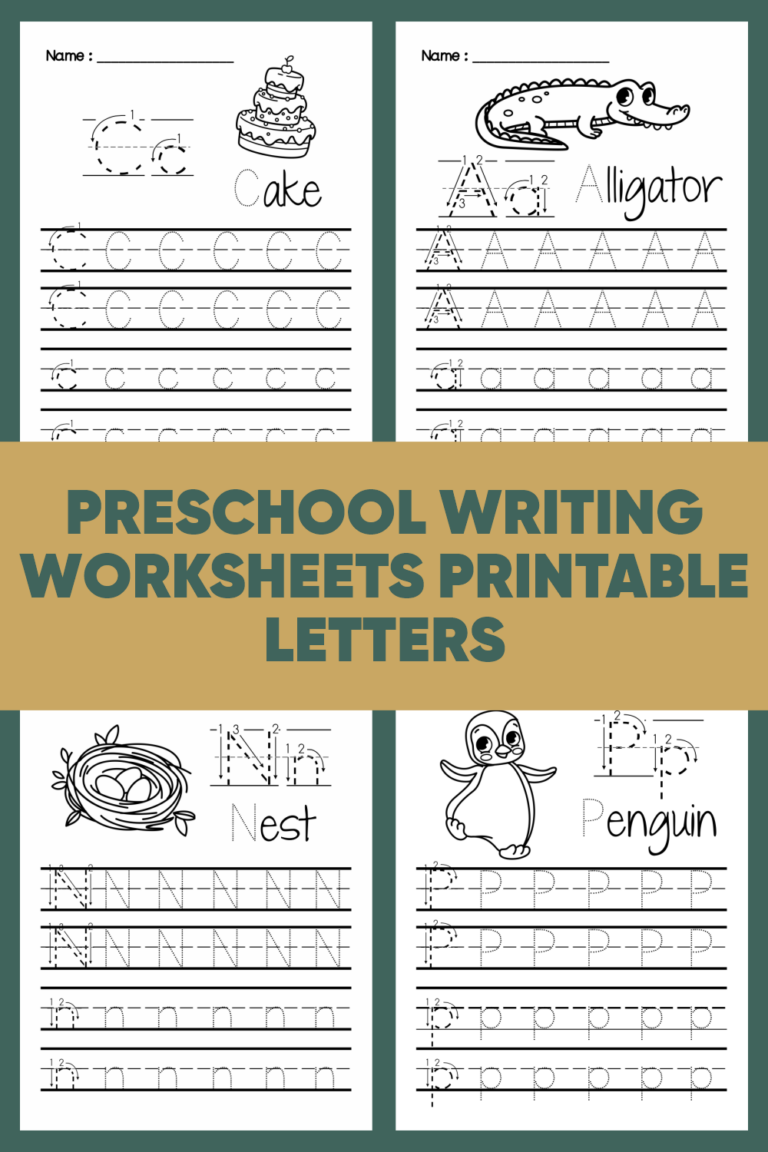
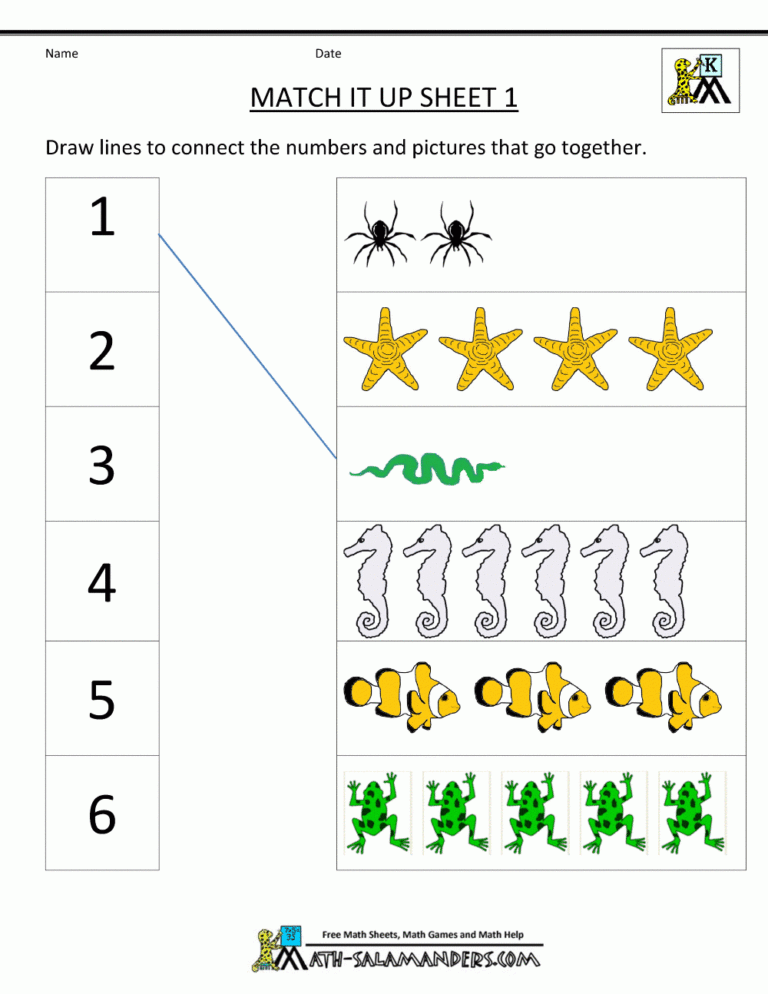
When it comes to teaching preschoolers about figure classifications, worksheets can be a fantastic resource. These educational tools not only help children learn to identify and classify shapes but also foster their cognitive development. The Figure Classifications For Preschoolers Worksheets are specifically designed to make learning fun and engaging, allowing your little ones to explore shapes in a structured way.
Understanding Figure Classifications for Preschoolers
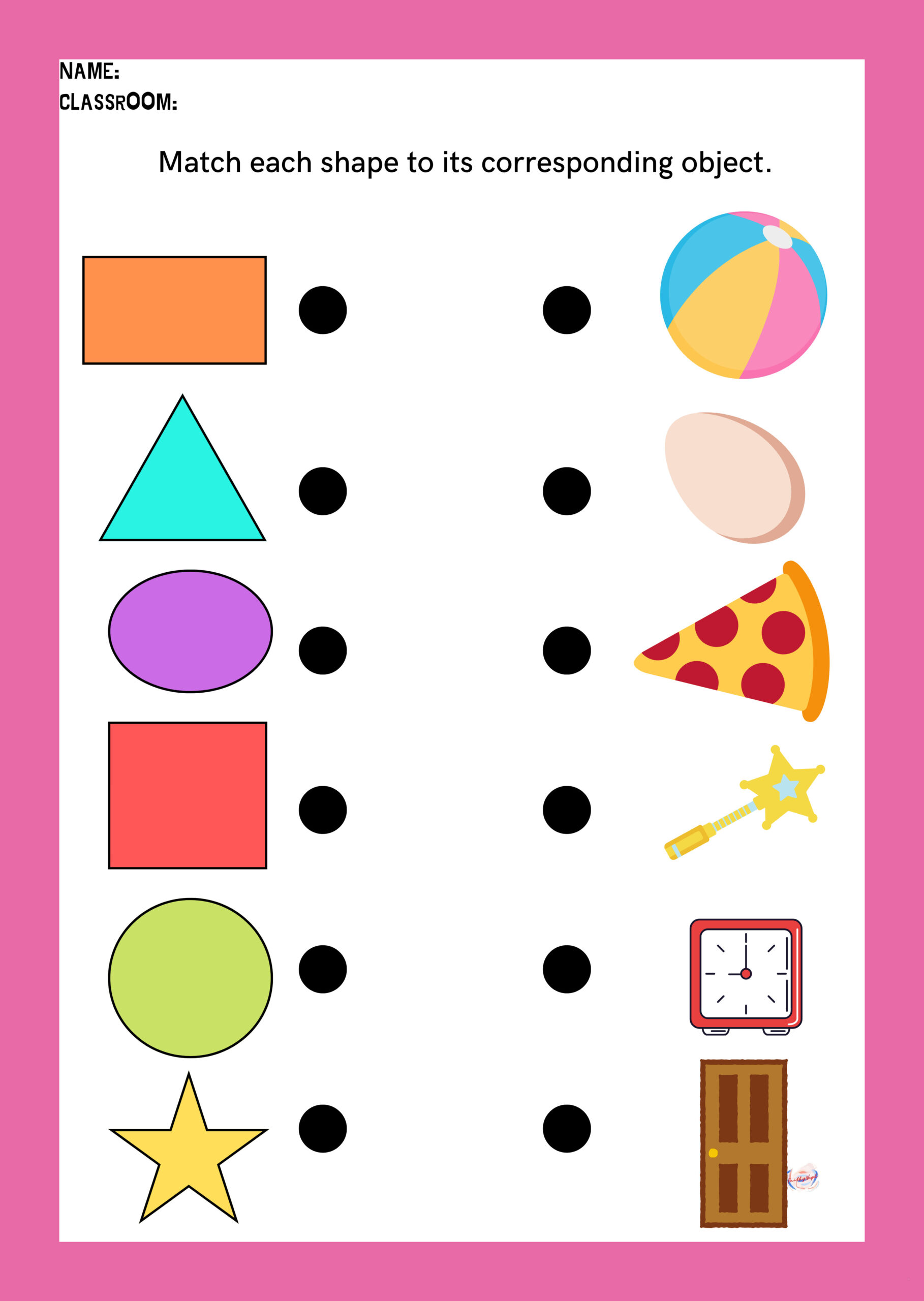
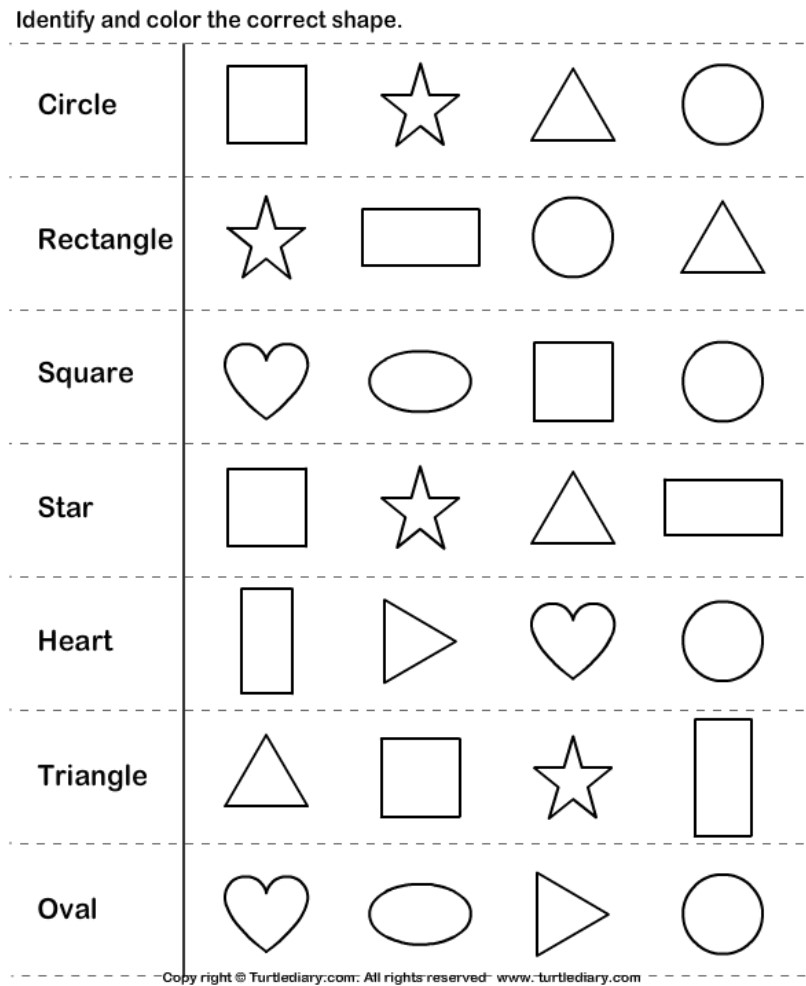
Before diving into the worksheets, let’s understand what figure classifications are. In simple terms, figure classification involves grouping shapes based on their properties. For preschoolers, this typically means identifying circles, squares, triangles, and rectangles. These basic shapes form the building blocks for more complex mathematical concepts later on. The worksheets provide a hands-on approach to learning, which can be especially effective for young children.
How to Choose the Right Worksheets
Choosing the right worksheets for your preschooler can make all the difference in their learning experience. Here are some factors to consider:
- Age Appropriateness: Ensure the worksheets are designed for preschoolers, usually ages 3-5.
- Variety of Shapes: Look for worksheets that cover a range of shapes. The more diverse the shapes, the better the classification skills your child will develop.
- Engagement Level: Worksheets that incorporate coloring, drawing, or interactive activities can keep your child more engaged.
- Clarity of Instructions: Choose worksheets with clear, simple instructions that are easy for both you and your child to understand.
Downloading and Printing the Worksheets
Once you’ve selected the worksheets that fit your child’s needs, the next step is to download and print them. Here’s a straightforward process to follow:
- Select the Worksheets: Visit a reliable printable-resource website that offers Figure Classifications For Preschoolers Worksheets.
- Download the Files: Most websites will provide a PDF version for easy downloading. Click on the download link and save the file to your device.
- Print Settings: When printing, use a standard printer setting. A portrait layout works best for most home printers. Ensure that your printer is set to print at 100% scale to maintain the correct shape proportions.
- Paper Choice: I recommend using cardstock for these worksheets, especially if your child will be coloring them. Cardstock is more durable and holds up better to markers and crayons.
Setting Up a Learning Environment
Creating a conducive learning environment is essential for effective learning. Here’s how to set up a space for using the worksheets:
- Designate a Workspace: Choose a table or desk where your child can sit comfortably. Ensure there’s enough space for them to spread out their worksheets and materials.
- Gather Supplies: Collect all necessary supplies like crayons, pencils, and scissors if the worksheets require cutting.
- Minimize Distractions: Try to create a quiet space with minimal distractions. This will help your preschooler focus on their tasks.
Using the Worksheets Effectively
Now that you have your worksheets printed and your workspace set up, it’s time to look at the activities. Here’s how to make the most out of the Figure Classifications For Preschoolers Worksheets:
- Start with an Introduction: Begin each session by briefly explaining what shapes they will be working with. Use real-life examples, like pointing out a round clock or a square book, to help them relate.
- Interactive Learning: Encourage your child to engage with the worksheets actively. For instance, ask questions like “Can you find all the circles?” or “Which shapes are the same?” This will not only reinforce their learning but also promote critical thinking.
- Positive Reinforcement: Celebrate their efforts, regardless of their performance. A simple “Great job!” or a smile can boost their confidence and motivate them to keep learning.
- Review Together: After completing a worksheet, take a moment to review it together. Discussing their answers helps solidify their understanding and gives you insight into their thought processes.
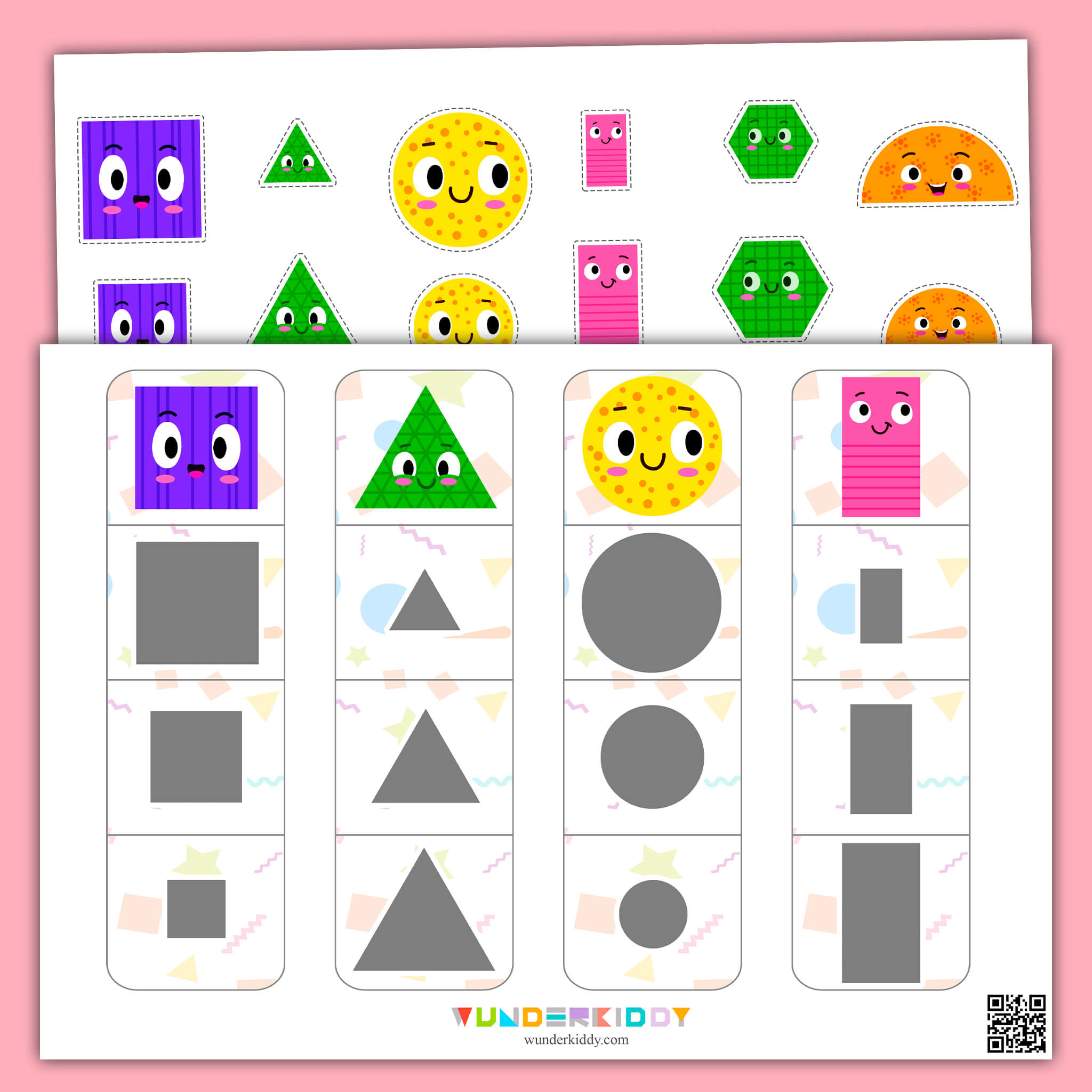
Transitioning to Digital Worksheets
In today’s digital age, many parents opt for digital worksheets instead of printed ones. Here are some advantages and tips for using digital formats:
- Fillable PDFs: Some worksheets come in fillable PDF formats. This allows your child to complete them on a tablet or computer without the need for printing. It’s eco-friendly and saves time.
- Interactive Features: Digital worksheets may include interactive elements like drag-and-drop shapes or clickable answers, making learning even more engaging.
- Easy Access: You can easily store digital worksheets on your device and access them whenever you need. This is especially handy for on-the-go learning or when you’re traveling.
Figure Classifications For Preschoolers Worksheets Gallery