Filipino Reading Comprehension Worksheets For Preschool
Filipino Reading Comprehension Worksheets For Preschool are a fantastic resource for parents and educators looking to support early literacy development in young learners. These worksheets are specifically designed to engage preschoolers with fun stories and activities that help improve their reading comprehension skills. Unlike generic worksheets, these are tailored to introduce Filipino culture, language, and context, making learning more relevant and enjoyable for children.
Understanding the Layout of Worksheets
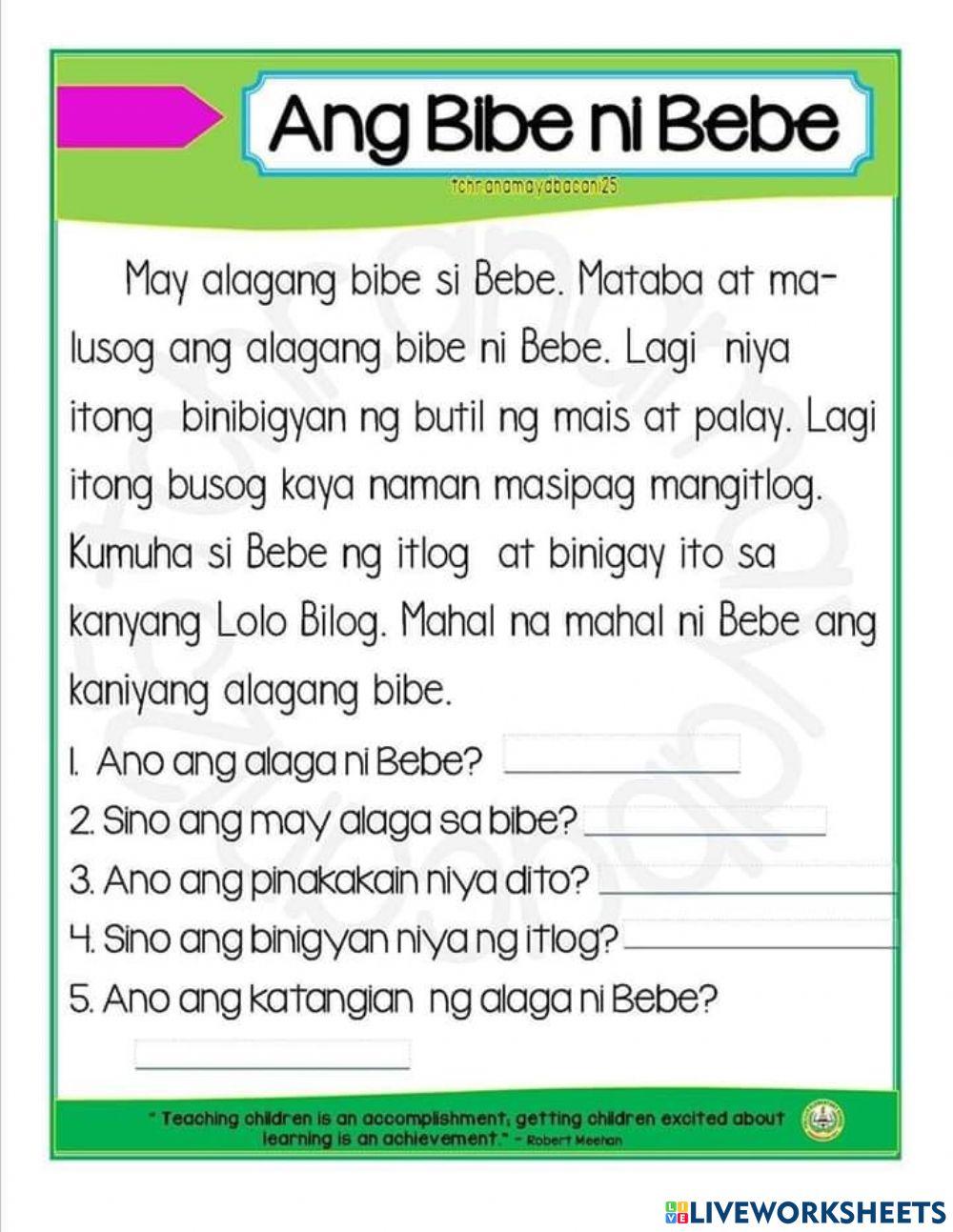
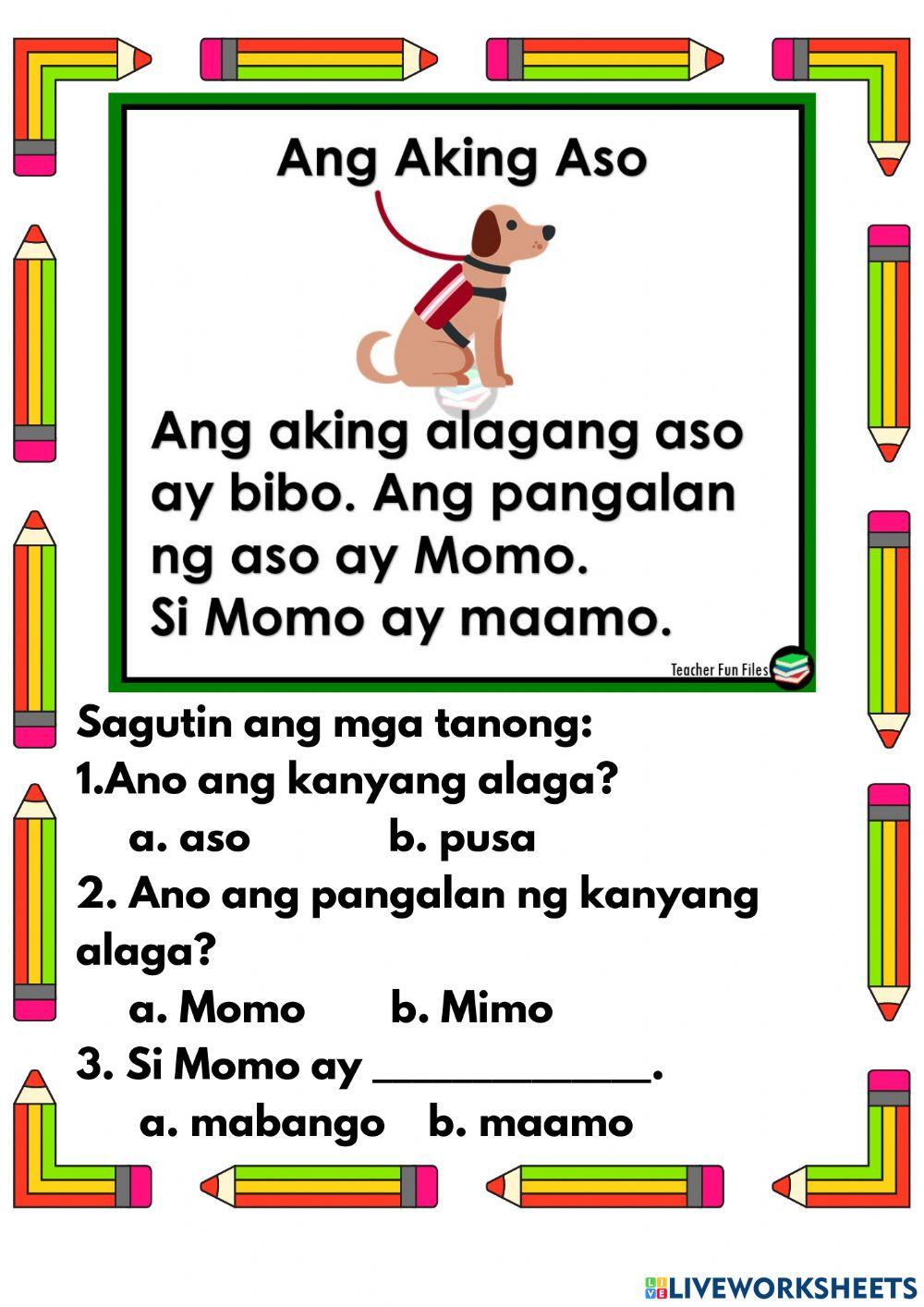
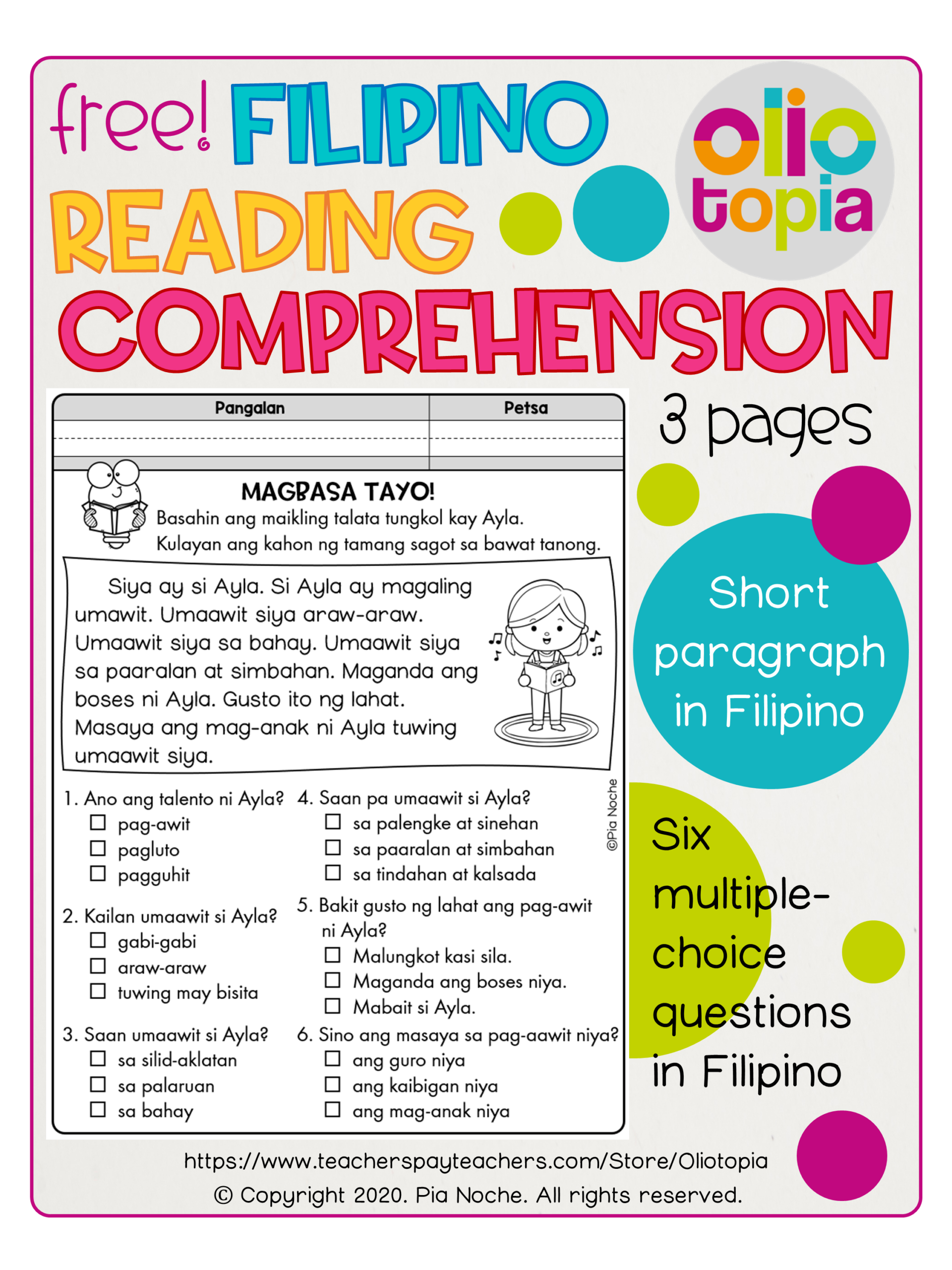
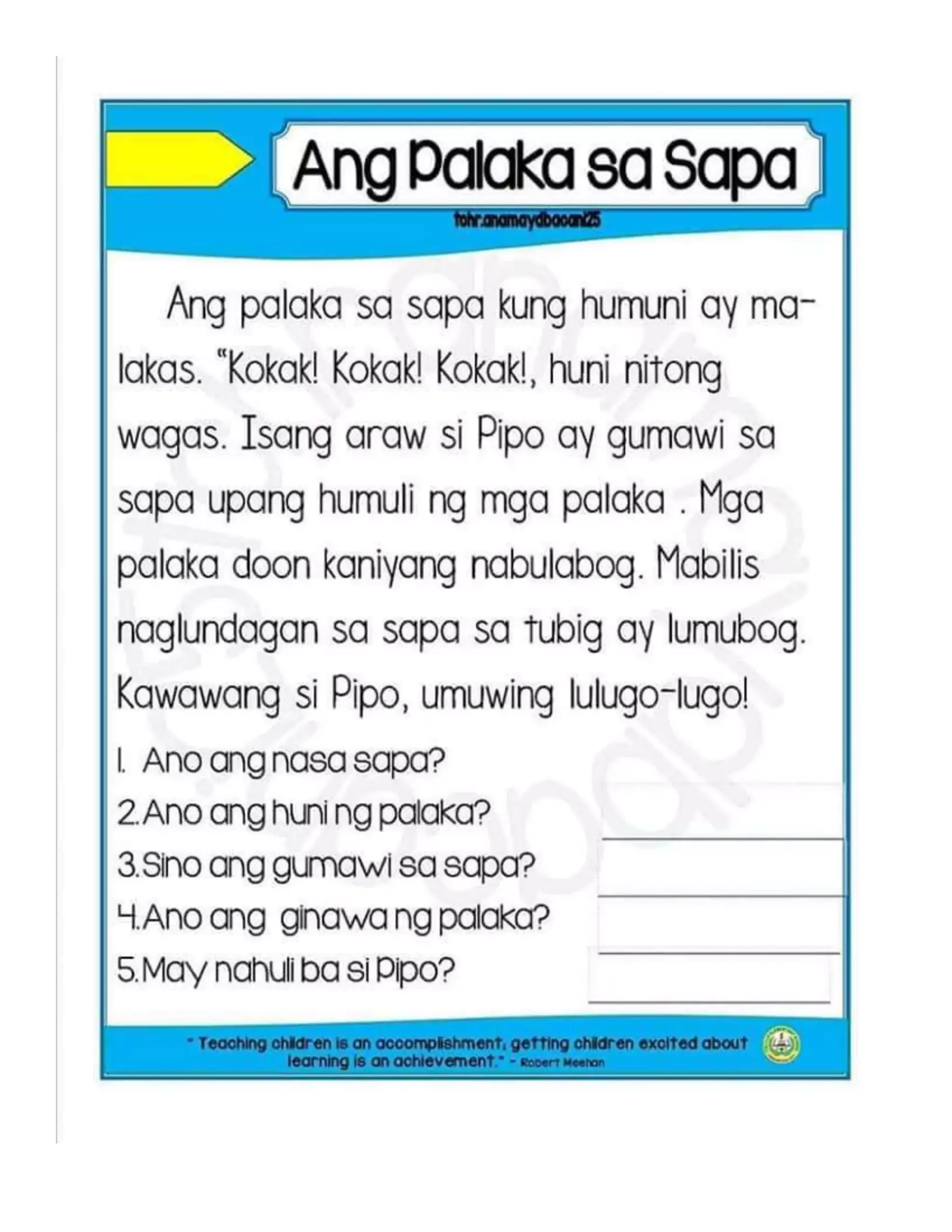
When you first open a Filipino reading comprehension worksheet, the layout is usually straightforward, which is helpful for both kids and adults. Most worksheets will feature a short passage or story, followed by a series of questions. The layout often includes:
- Title and Theme: Each worksheet typically starts with a title that reflects the story’s theme, giving context to the reading.
- Illustrations: Colorful images accompany the text, creating visual interest and helping children connect with the content.
- Questions: After the reading passage, there are usually comprehension questions that may include multiple-choice, true/false, or fill-in-the-blank formats.
This clear organization helps young learners focus on the reading material without feeling overwhelmed. You can print these worksheets for hands-on practice, or if you prefer, fill them out digitally using a PDF editor.
Types of Comprehension Questions
Filipino reading comprehension worksheets often include a variety of question types that cater to different learning styles. Understanding these can guide how you use these resources effectively:
- Multiple Choice Questions: These questions help assess recognition and recall. They are excellent for beginners as they provide a clear structure.
- Open-Ended Questions: These encourage critical thinking and allow children to express their thoughts in their own words, which is essential for developing language skills.
- True/False Statements: This format tests comprehension in a simple way, helping kids learn to discern fact from fiction.
When filling these out, consider discussing the questions with your child to enhance understanding and retention. This interaction can be especially beneficial when working on open-ended questions.
Digital Vs. Print Completion
One practical consideration when using Filipino reading comprehension worksheets is whether to fill them out digitally or print them. Each method has its advantages:
Digital Completion
- Ease of Use: Filling out worksheets digitally can be faster and eliminates the need for printing.
- Reusability: You can save the completed worksheets and reuse them for later review.
- Interactive Learning: Some digital tools allow for interactive elements, such as audio support for the text, which can greatly benefit auditory learners.
Print Completion
- Tactile Engagement: Writing by hand can help reinforce learning and improve fine motor skills. Kids often enjoy the physical act of writing.
- Visual Feedback: When kids see their answers on paper, it provides immediate feedback, which can be encouraging.
- Customization: You can easily adjust the size of printed worksheets to suit your child’s needs, whether that’s enlarging the text for better readability or creating smaller versions for easy handling.
Deciding between these options really depends on your child’s preferences and learning style.
Incorporating Worksheets Into Daily Routines
To maximize the benefits of Filipino reading comprehension worksheets, it’s helpful to incorporate them into your daily routine. Here are a few tips:
- Set a Regular Time: Designate a specific time each day for reading and comprehension practice. Consistency helps solidify these skills.
- Create a Cozy Reading Nook: A comfortable space can make reading more inviting. Add cushions, good lighting, and some fun decorations.
- Use as a Reward: You can turn worksheet practice into a fun reward system. If your child completes their chores, they can earn some time with the worksheets.
This routine not only fosters a love for reading but also builds discipline and responsibility.
Engaging With Filipino Culture
One of the unique aspects of Filipino reading comprehension worksheets is their ability to introduce children to Filipino culture and language. Here’s how these worksheets can serve as a cultural bridge:
- Stories Reflecting Filipino Values: Many worksheets feature stories that highlight important cultural values such as family, respect, and community, which can resonate deeply with young learners.
- Language Exposure: These worksheets often include vocabulary in Filipino, helping children become familiar with the language in an engaging way. This exposure is crucial for bilingual development.
- Cultural Illustrations: Worksheets may showcase traditional Filipino attire, festivals, and local customs, providing a visual connection to the stories.
By integrating cultural elements, these worksheets not only improve reading skills but also foster a sense of identity and pride in Filipino heritage.
Additional Resources for Parents and Educators
While Filipino reading comprehension worksheets are excellent tools, supplementing them with additional resources can enhance the learning experience. Here are a few suggestions:
- Storybooks in Filipino: Pair worksheets with storybooks that reflect similar themes. This can provide context and deeper understanding.
- Educational Apps: Many apps focus on reading comprehension and can offer interactive practice that complements the worksheets.
- Community Reading Programs: Look for local libraries or community centers that offer reading programs focused on Filipino literature. These can provide additional support and motivation for your child.
By using a combination of resources, you can create a more rounded learning experience that encourages a love for reading and comprehension.
In summary, Filipino reading comprehension worksheets for preschool provide a unique and engaging way for young learners to develop their reading skills. Their thoughtful layout, variety of question types, and cultural relevance make them a valuable addition to any learning toolkit. One notable detail to consider is that these worksheets can often be customized to suit your child’s specific needs, from adjusting text sizes for clarity to selecting themes that resonate most with them.
Filipino Reading Comprehension Worksheets For Preschool Gallery