Find The Letter Worksheets For Preschoolers
Finding the right resources to enhance early literacy skills in preschoolers can be a challenge. If you’re on the lookout for engaging and effective activities, you should definitely consider the “Find The Letter Worksheets For Preschoolers.” These worksheets are designed to help young learners identify and recognize letters while making the process enjoyable. Below, you’ll find practical guidance on how to download, print, and use these worksheets effectively.
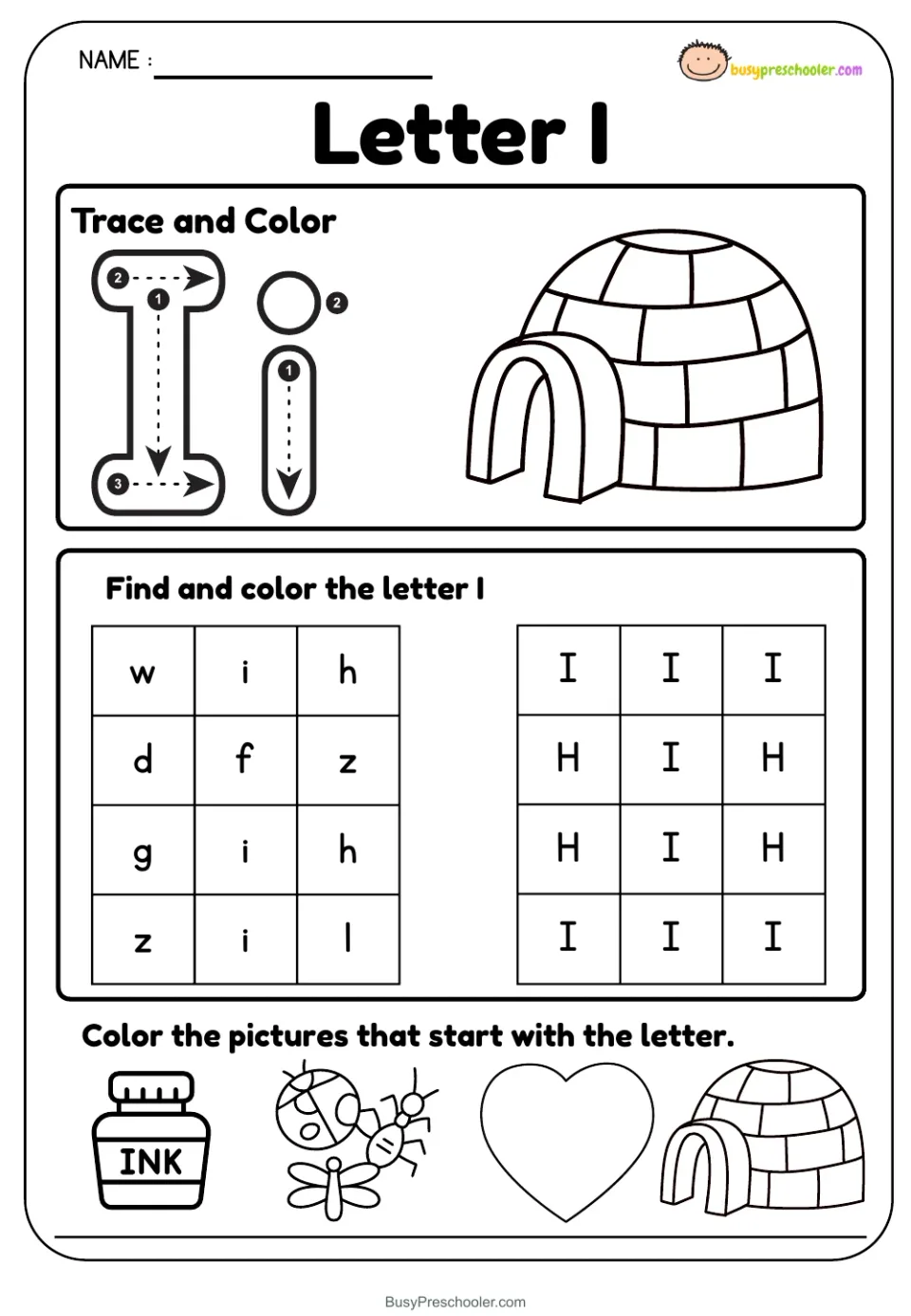
Understanding the Importance of Letter Recognition
Before diving into the specifics of the worksheets, it’s essential to understand why letter recognition is crucial for preschoolers. Recognizing letters is one of the foundational skills needed for reading and writing. Children who can identify letters can connect them to sounds, which is vital for phonetic awareness. These worksheets not only prepare them for reading but also enhance their fine motor skills through writing and tracing activities.
Downloading and Printing the Worksheets
When you find the letter worksheets that suit your needs, downloading and printing them is straightforward. Here’s a quick guide:
- Select the Format: Most worksheets come in PDF format, which is ideal for maintaining the layout across different devices. Ensure you have a PDF reader installed on your device.
- Download: Click the download button on the resource page. The file will typically save to your downloads folder.
- Print Settings: When you’re ready to print, check your printer settings. For worksheets, portrait layout usually works best, and using standard letter size (8.5 x 11 inches) is recommended. If you want them to last longer, consider printing on cardstock.
- Color vs. Black and White: If your printer allows, printing in color makes the worksheets more engaging for kids. However, black and white prints can be just as effective and are often more economical.
Types of Find The Letter Worksheets
There are various types of letter worksheets available, and selecting the right ones can enhance your child’s learning experience. Here are some types you may encounter:
1. Letter Identification Worksheets
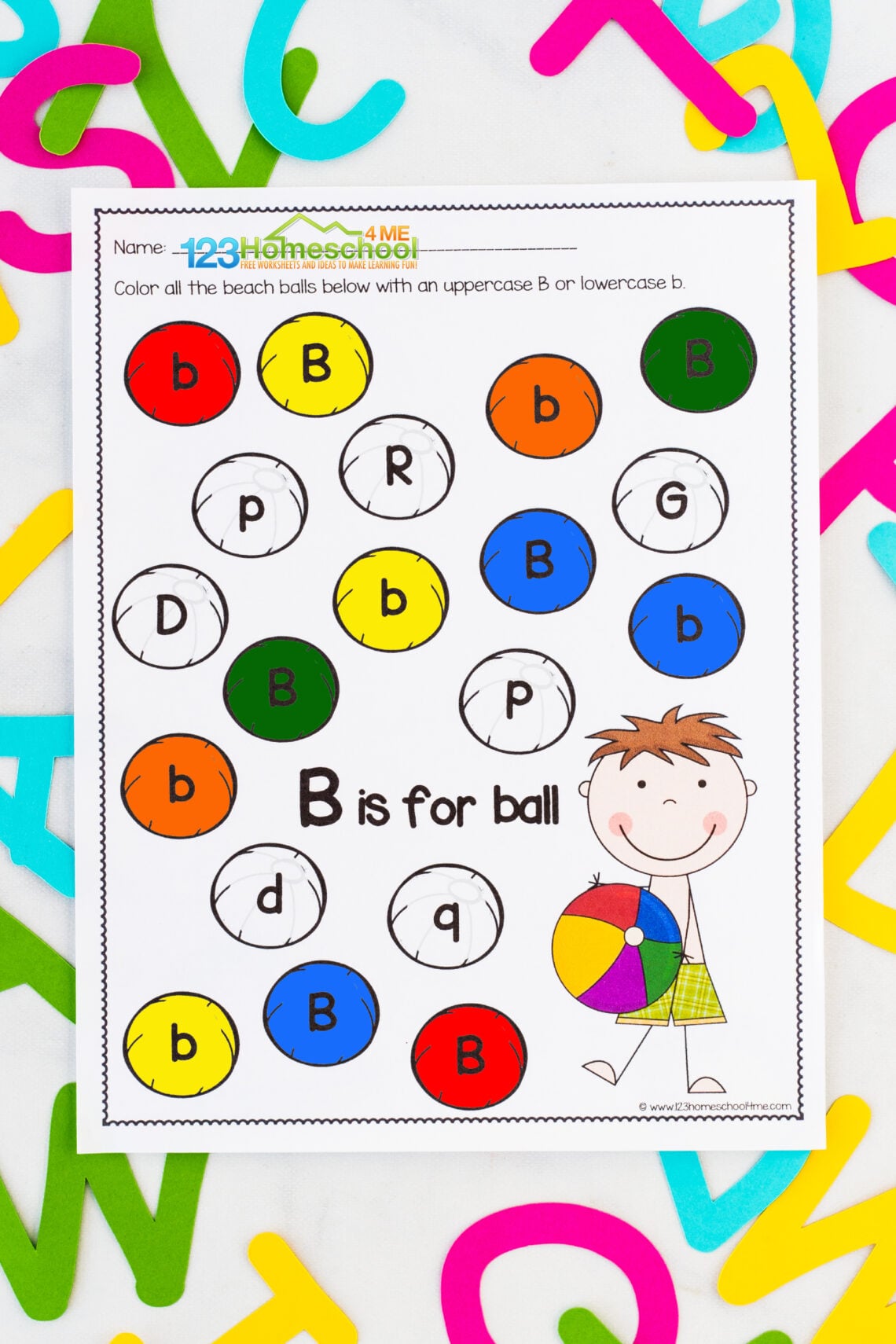
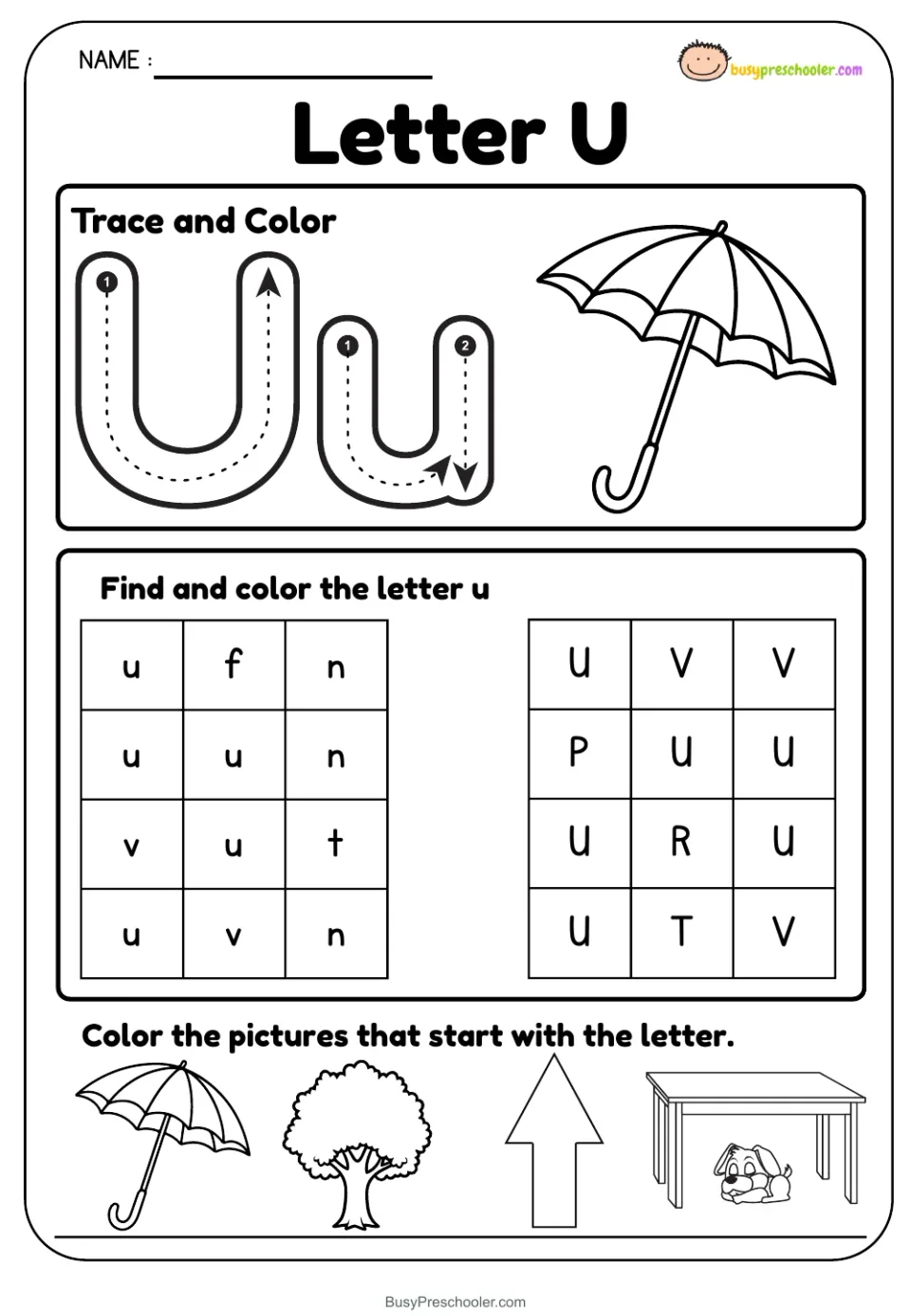
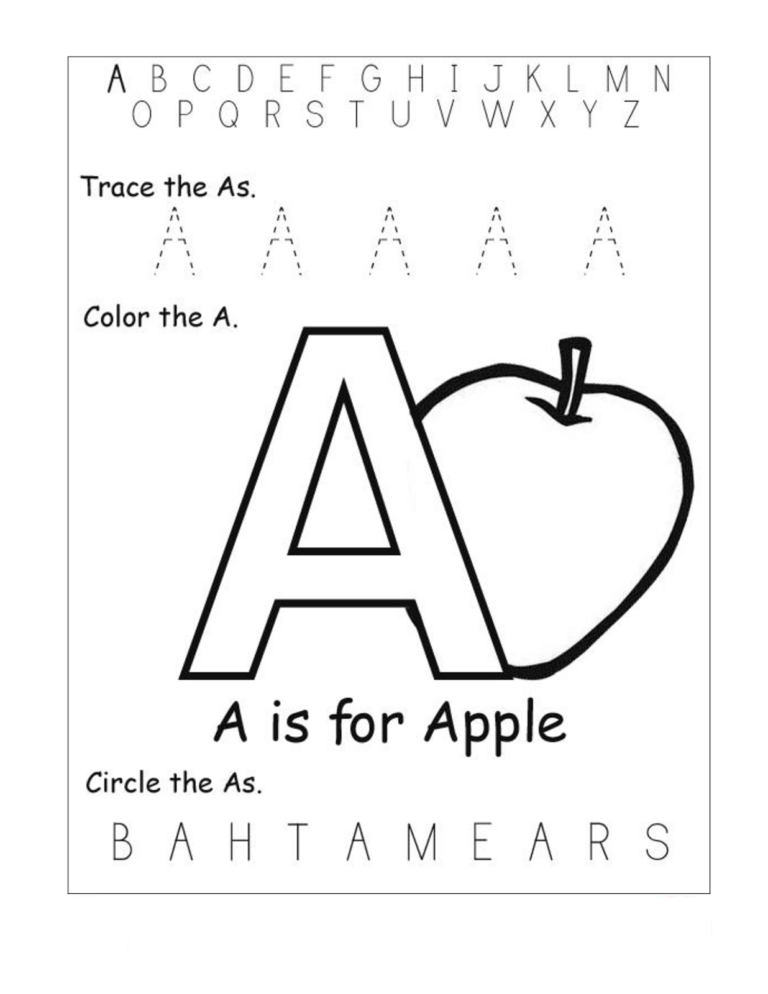
These worksheets typically feature a mix of upper and lower case letters. Children are tasked with circling or coloring specific letters. This reinforces their ability to distinguish between different letter forms.
2. Letter Tracing Worksheets
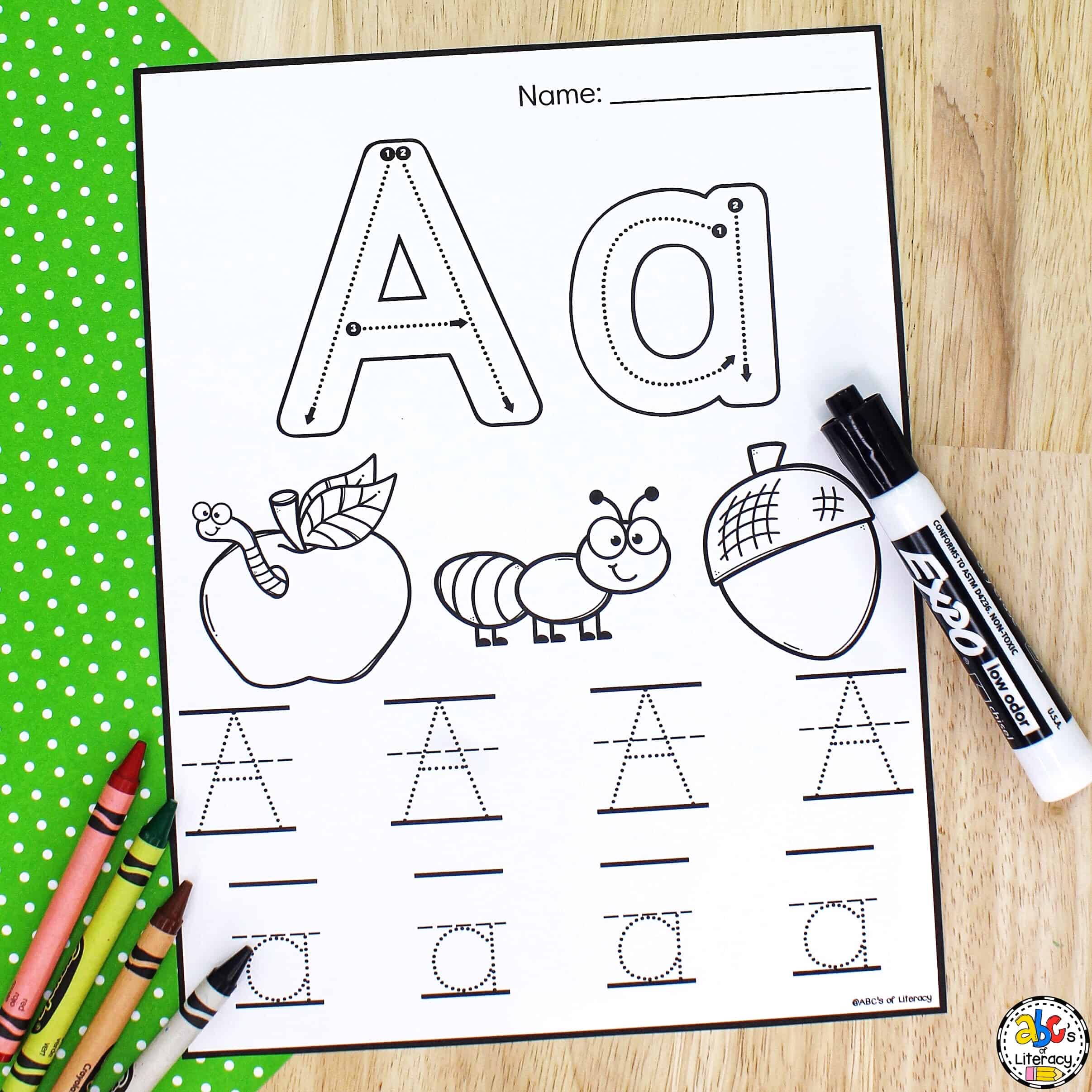
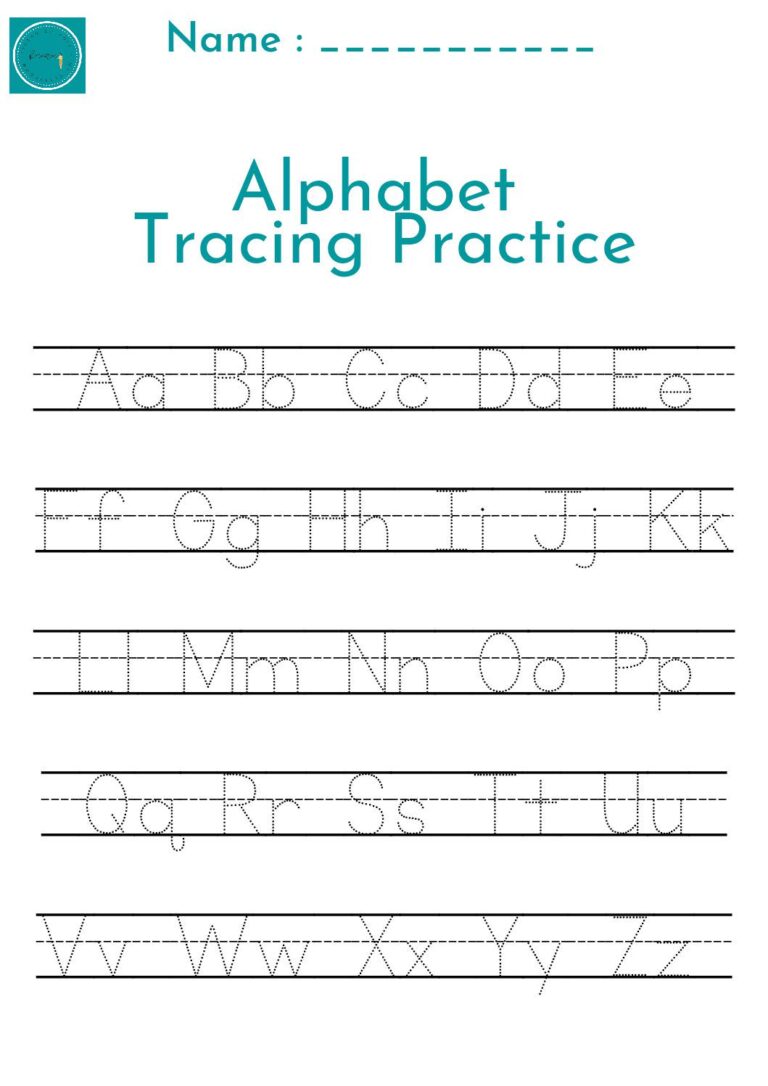
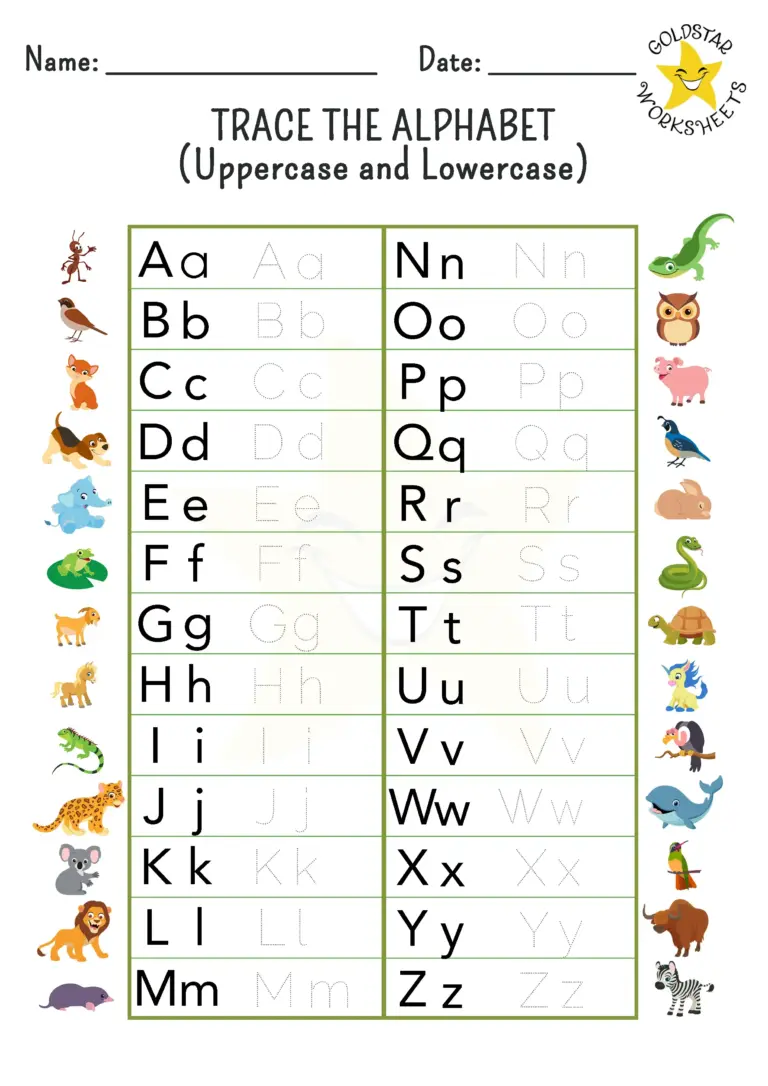
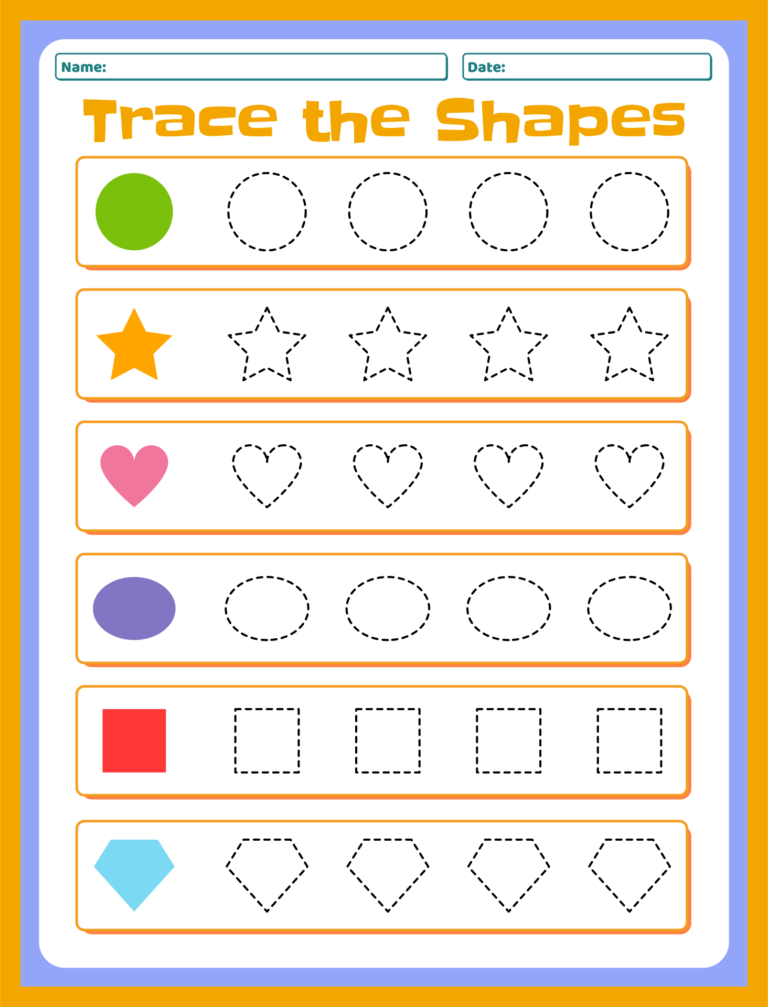
Tracing worksheets provide a great way for preschoolers to practice fine motor skills. These worksheets usually feature dotted outlines of letters that children can trace over. This helps with their handwriting skills while reinforcing letter recognition.
3. Letter Matching Worksheets
In these worksheets, children match letters with corresponding images or words that begin with that letter. For example, matching ‘A’ with an apple. This activity strengthens their understanding of phonetics and vocabulary.
4. Find the Letter Games
Some worksheets incorporate games, such as finding letters hidden in a picture or a word search format. These activities make learning fun and encourage kids to stay engaged longer.
Integrating Worksheets Into Daily Learning
Once you’ve printed the worksheets, it’s essential to integrate them into your child’s daily learning routine. Here’s how you can do that:
- Set a Regular Schedule: Dedicate a specific time each day for letter activities. This could be during a morning routine or as part of an after-school activity.
- Create a Learning Station: Set up a designated space with all necessary materials like crayons, markers, and scissors. Having a consistent spot can make learning feel more official for your child.
- Use Positive Reinforcement: Encourage and praise your child as they complete each worksheet. Positive feedback can boost their confidence and motivate them to keep learning.
Common Mistakes to Avoid
While using Find The Letter Worksheets For Preschoolers, there are a few common pitfalls to avoid:
- Overwhelming Choices: Provide one or two worksheets at a time. Too many options can overwhelm young learners and decrease their focus.
- Ignoring Progress Tracking: Keep track of your child’s progress. You can create a simple checklist or chart to mark completed worksheets. This helps both you and your child see their improvements.
- Not Making it Fun: If your child starts to lose interest, try to incorporate games or stories about letters. Learning should be enjoyable, not a chore.
Additional Resources for Letter Learning
In addition to worksheets, consider supplementing your child’s learning with other resources that can reinforce letter recognition:
- Books: Read alphabet books that emphasize letter sounds and recognition. Choose books with bright illustrations to capture their attention.
- Apps and Online Games: There are various educational apps designed for preschoolers that focus on letter recognition through games and interactive activities.
- Crafts and Activities: Engage your child in hands-on activities like making letter crafts or using playdough to form letters. This tactile experience can enhance their learning.
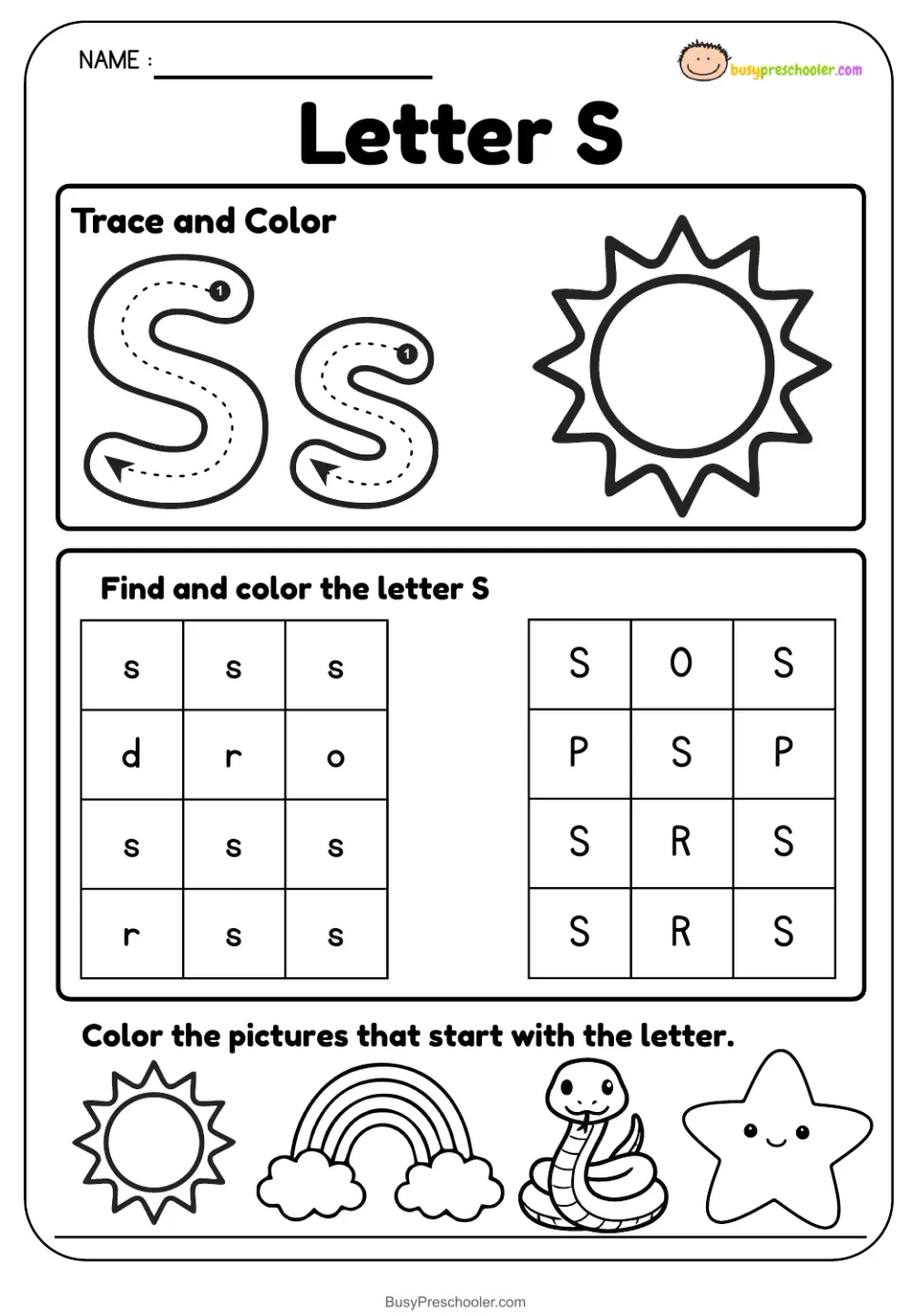
Final Tip for Effective Learning
As you introduce Find The Letter Worksheets For Preschoolers into your routine, remember to adapt your approach based on your child’s interests and learning pace. Flexibility in your teaching style can make a significant difference in their engagement and retention of information. Consider setting a goal for letter recognition and celebrate when they achieve it!
Find The Letter Worksheets For Preschoolers Gallery