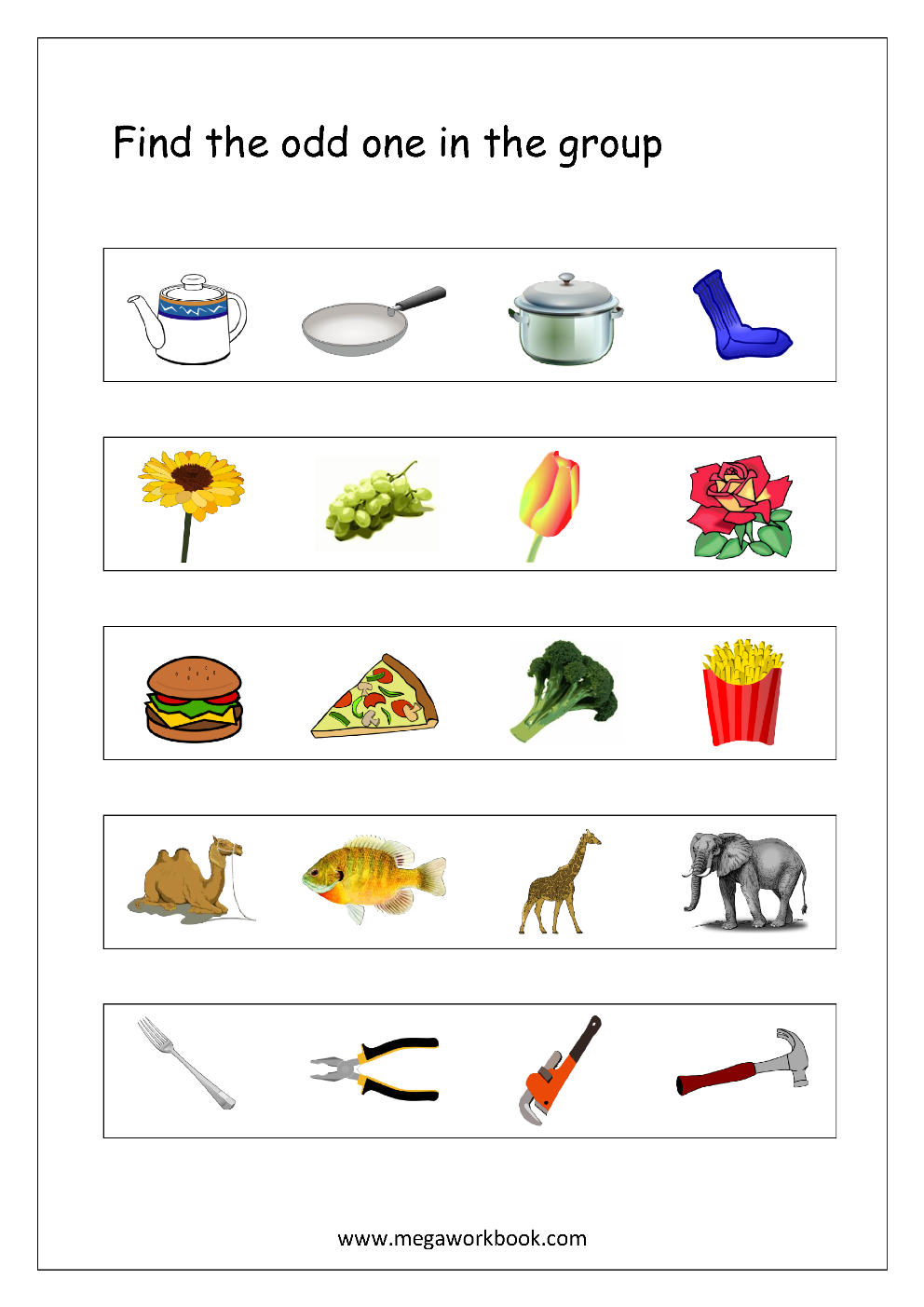
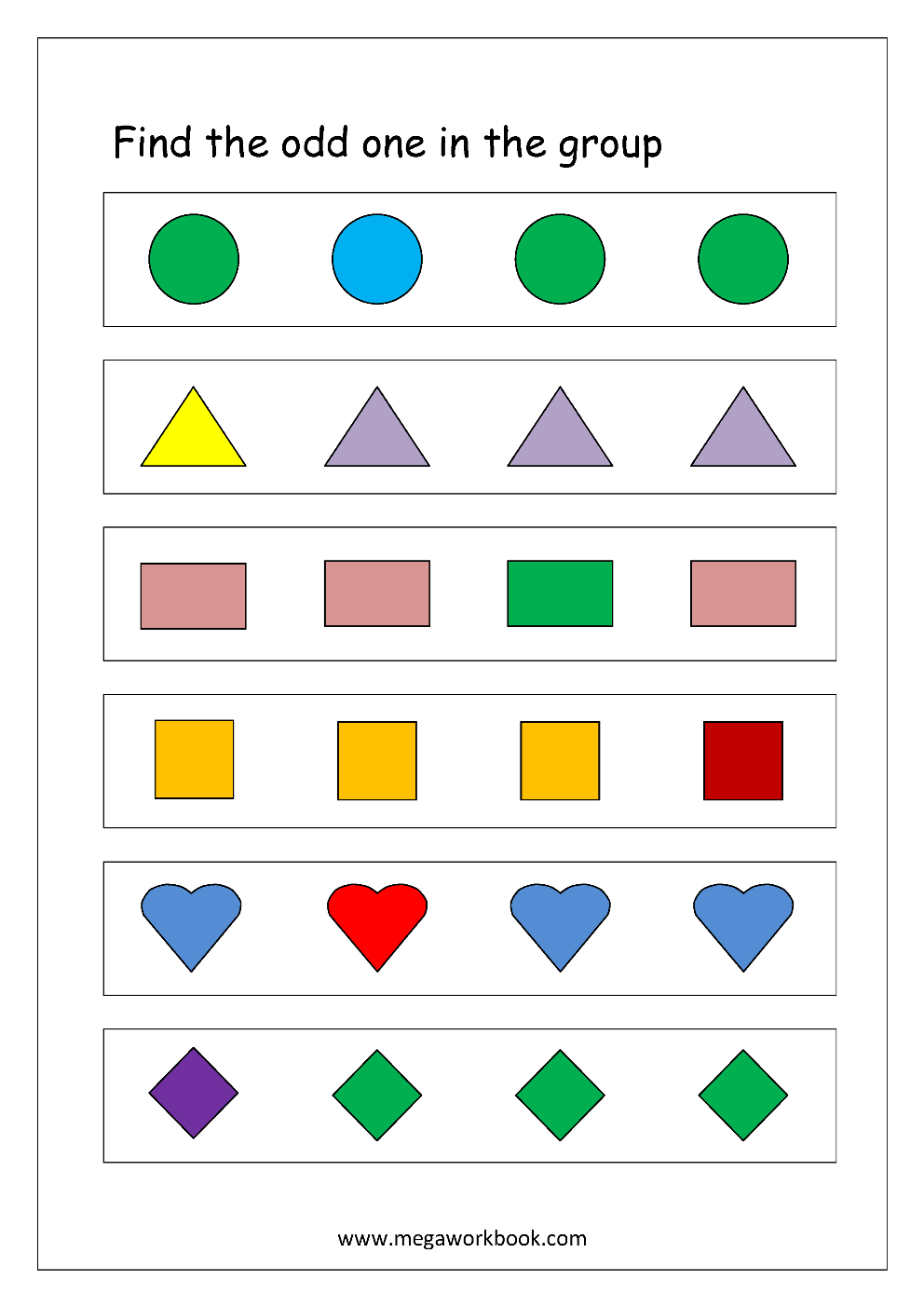
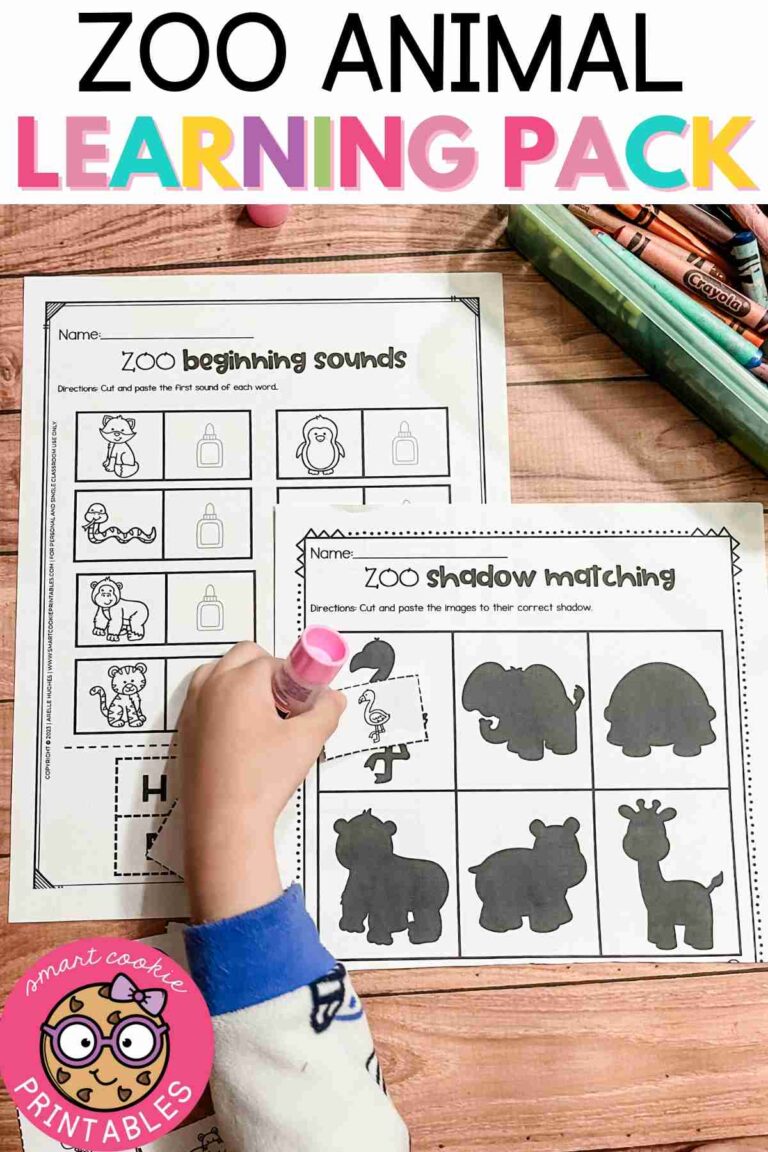
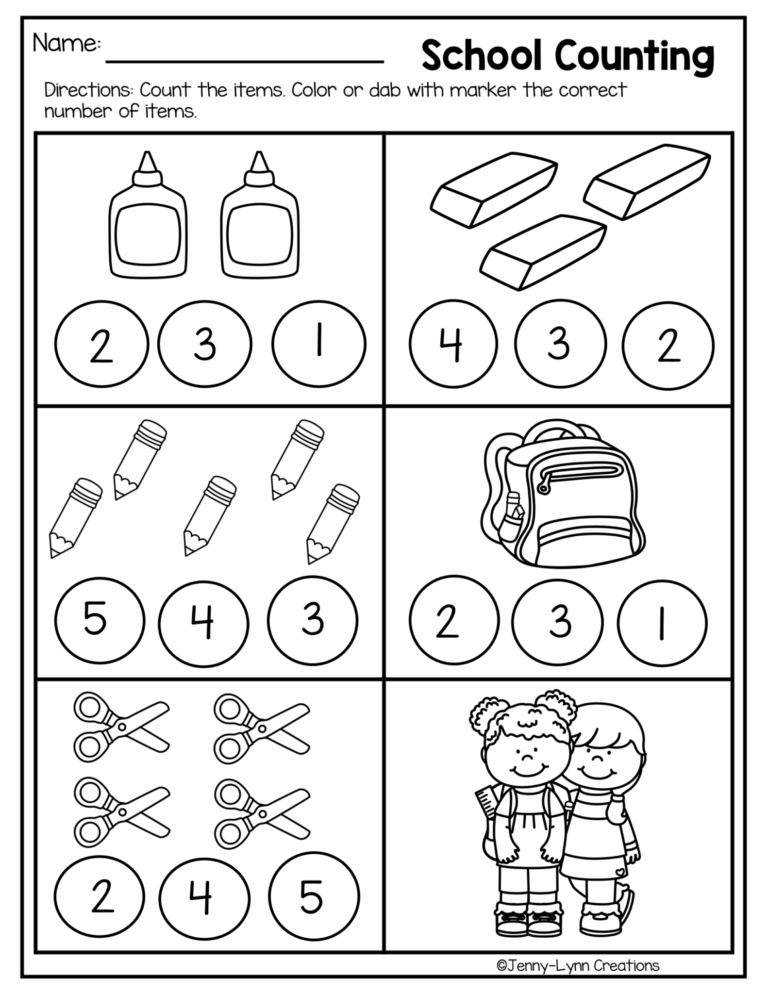
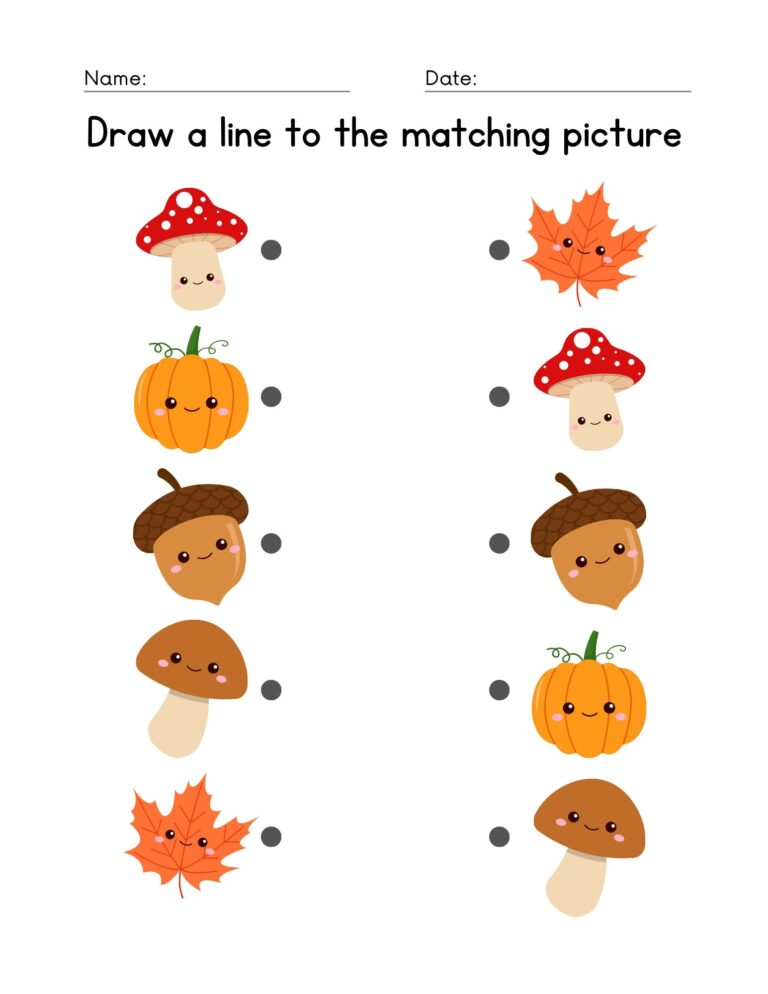
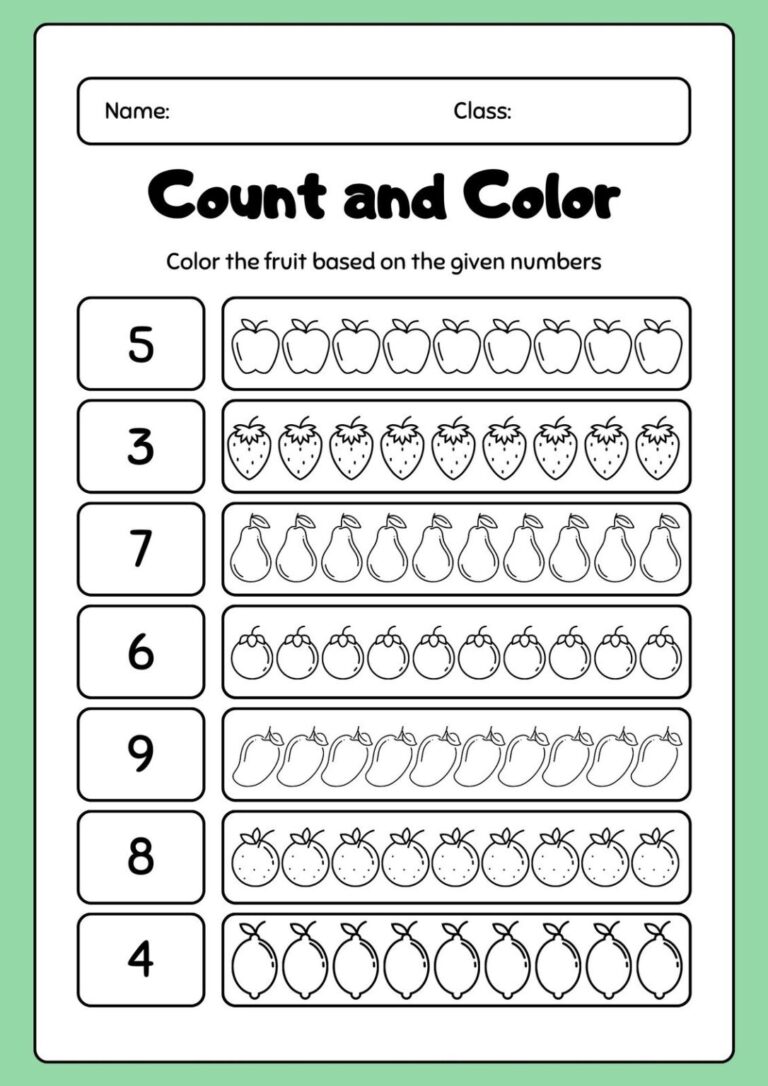
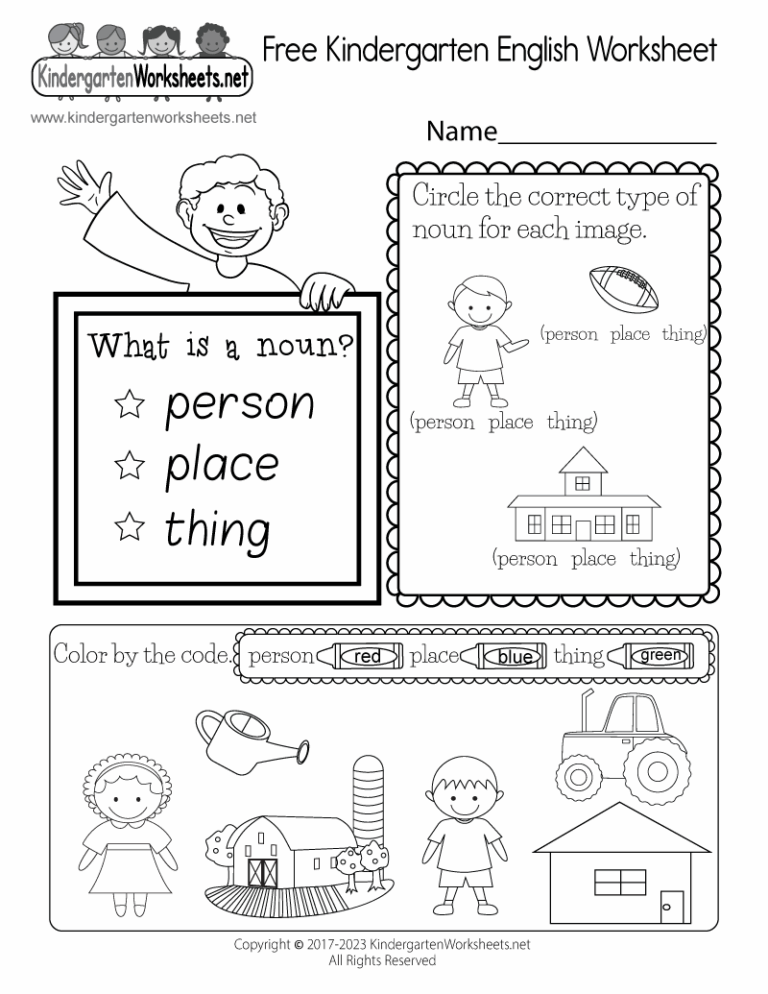
Find The Odd One Out Preschool Worksheets
Finding engaging resources for preschoolers can be a challenge. You want something that not only entertains them but also helps develop their cognitive skills. That’s where the Find The Odd One Out Preschool Worksheets come into play. These worksheets are designed to encourage critical thinking and observational skills in young children, making learning fun and interactive. In this article, I’ll guide you through how to effectively use these worksheets at home, track your child’s progress, and ensure they get the most out of this educational tool.
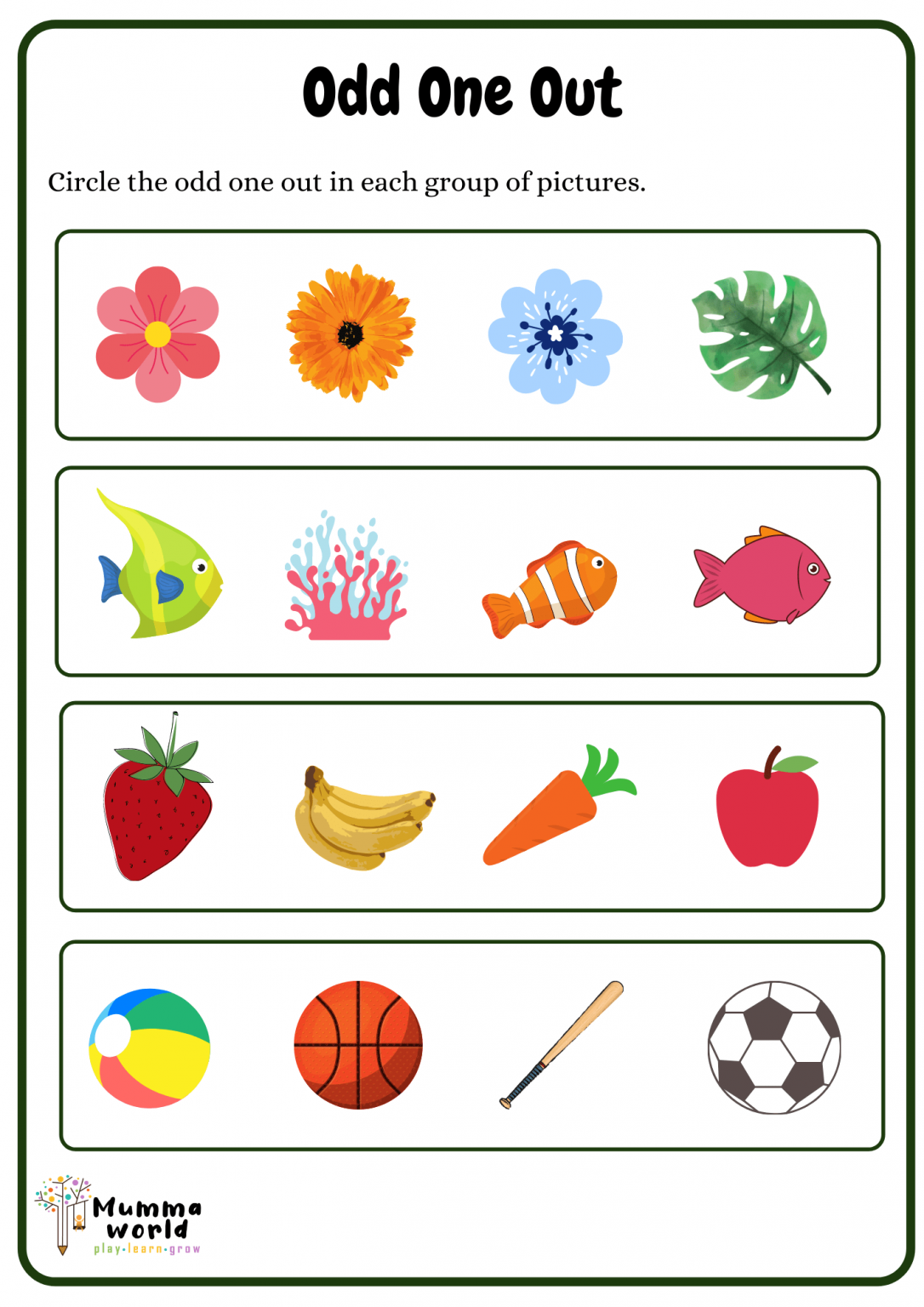
Understanding the Concept of “Find the Odd One Out”
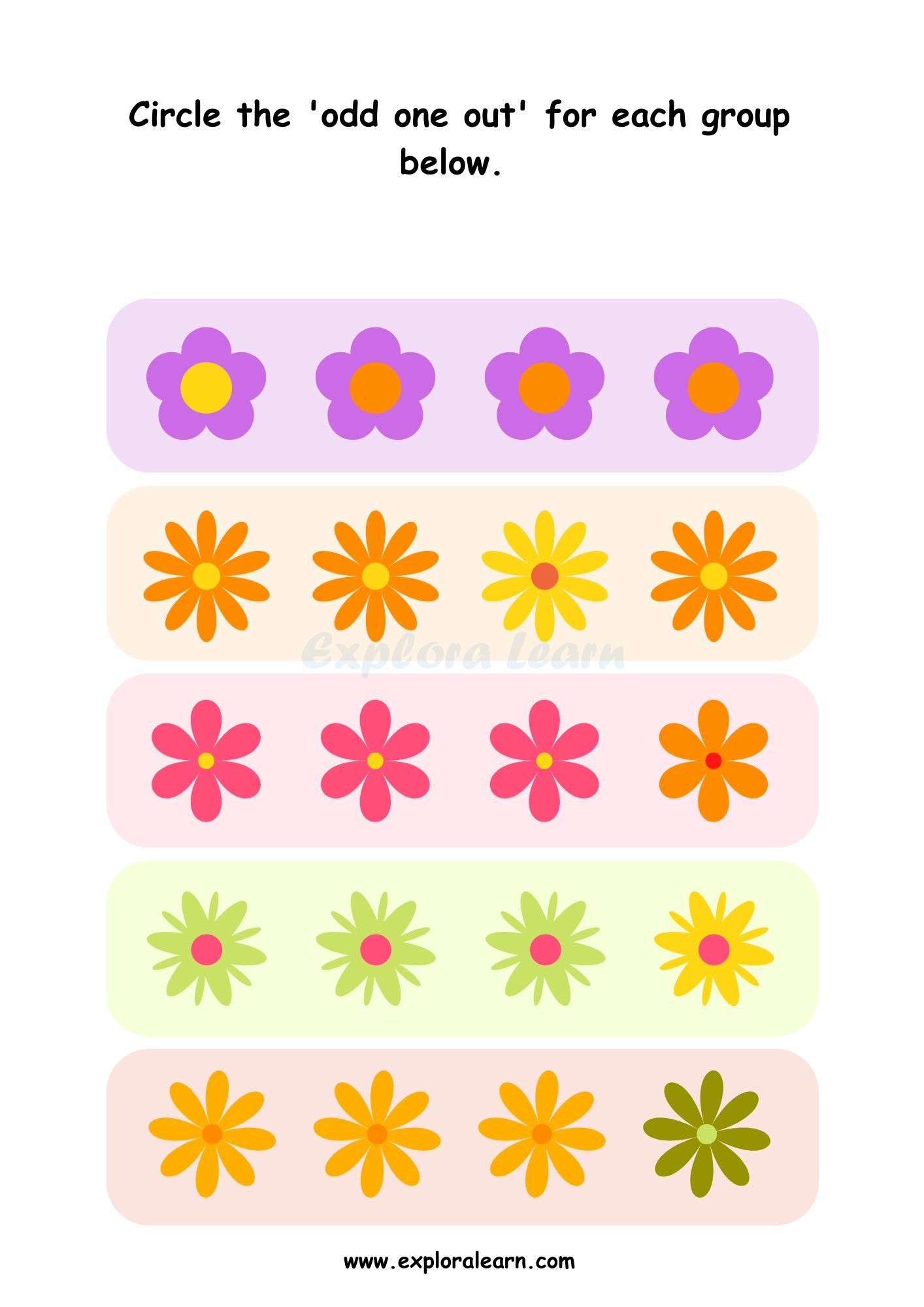
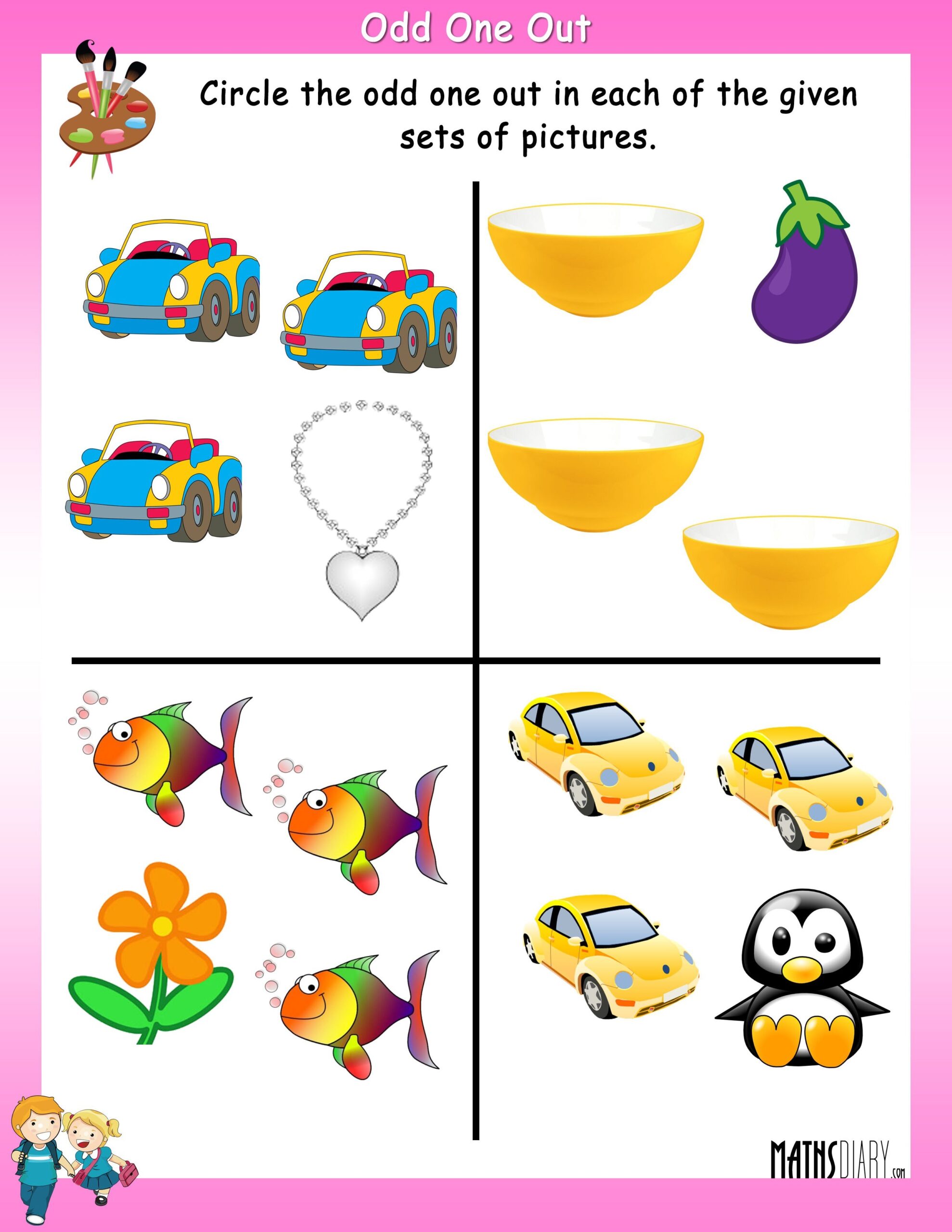
“Find the Odd One Out” activities are simple yet effective. The idea is to present a group of images or items where one does not belong. This exercise encourages children to observe details and think critically about their choices. For example, if you have pictures of a cat, dog, and a banana, the banana is the odd one out.
These worksheets are generally colorful and engaging, designed to capture the attention of preschoolers. They often include familiar objects or animals, making it easier for children to relate and engage with the material.
Choosing the Right Worksheets
When looking for Find The Odd One Out Preschool Worksheets, consider the following:
- Age Appropriateness: Ensure the worksheets are suitable for preschoolers. They should feature simple images and concepts.
- Variety of Themes: Look for worksheets that cover various themes, such as animals, food, or shapes. This variety keeps your child engaged and exposes them to different vocabulary.
- Visual Appeal: Bright colors and fun illustrations can make a significant difference in maintaining your child’s interest.
You can often find these worksheets online for free or at a nominal cost. Look for PDF versions to avoid formatting issues when printing.
Downloading and Printing Worksheets
Once you’ve selected the right worksheets, it’s time to download and print them. Here’s a step-by-step guide:
- Select Your Worksheets: Choose the worksheets that you believe will engage your child the most.
- Download the Files: Click the download button and save the files to a known location on your computer.
- Open the PDF: Use a PDF viewer to ensure everything looks correct before printing.
- Adjust Print Settings:
- For most home printers, using the “Portrait” layout works best for worksheets.
- Print on standard A4 or letter-sized paper.
- If you want these worksheets to last longer, consider printing on cardstock.
- Print: Click on the print button and make sure to check the number of copies if you want to print multiple versions.
Having a few extra copies can be handy, especially if your child wants to try the same worksheet again.
Setting Up a Learning Environment
Creating a conducive learning environment is essential for effective learning. Here’s how to set it up:
- Choose a Quiet Space: Find a calm area free from distractions where your child can focus.
- Gather Supplies: Have crayons, markers, or colored pencils ready for your child to use while completing the worksheets.
- Create a Routine: Setting a specific time for these activities can help your child get into the habit of learning.
Establishing a routine not only aids in discipline but also makes the learning experience enjoyable and predictable for your child.
Using the Worksheets Effectively
Now that you have everything set up, it’s time to use the worksheets effectively. Here’s a step-by-step approach:
- Introduce the Worksheet: Explain the task to your child. For instance, say, “Can you find which picture is different from the others?”
- Encourage Discussion: Ask them why they think a particular image is the odd one out. This promotes critical thinking and reasoning.
- Offer Assistance When Needed: Be there to help, but encourage them to try to solve it independently first. This boosts their confidence.
- Review Together: After completing a worksheet, go over the answers together. Discuss what they learned and how they arrived at their conclusions.
This interactive approach not only builds their skills but also strengthens your bond as you work together.
Tracking Progress
Keeping track of your child’s progress can help you understand where they excel and where they might need more support. Here’s how to do it:
- Keep a Learning Journal: Document each worksheet completed, noting which ones were easy and which ones posed a challenge.
- Set Goals: Encourage your child to aim for completing a certain number of worksheets each week.
- Celebrate Achievements: Celebrate milestones, whether it’s completing a few worksheets or mastering the concept. This positive reinforcement can motivate them to continue learning.
Tracking progress isn’t just about numbers; it’s about recognizing growth and building confidence.
Common Mistakes to Avoid
While using Find The Odd One Out Preschool Worksheets, here are some common pitfalls to avoid:
- Overwhelming Your Child: Don’t present too many worksheets at once. This can lead to frustration. Stick to one or two at a time.
- Neglecting to Discuss: Avoid skipping the discussion part. Talking about their choices reinforces learning.
- Ignoring Their Input: If your child is puzzled, listen to their reasoning. Sometimes their thought process can be more insightful than the answer itself.
By being mindful of these common mistakes, you can create a more effective learning experience.
Immediate Action Steps
To get started right away, download a set of Find The Odd One Out Preschool Worksheets today. Print them out, set up a quiet space for learning, and engage your child in this fun activity. Your involvement not only enriches the learning experience but also creates cherished moments together.
Find The Odd One Out Preschool Worksheets Gallery