Find The Small Items Worksheet For Preschool
When you’re looking to enhance your preschooler’s learning experience, the Find The Small Items Worksheet For Preschool is an invaluable resource. This worksheet not only helps children identify and distinguish small items but also encourages fine motor skills and cognitive development. Here’s a practical guide on how to use this worksheet effectively, making it a fun and educational part of your daily routine.
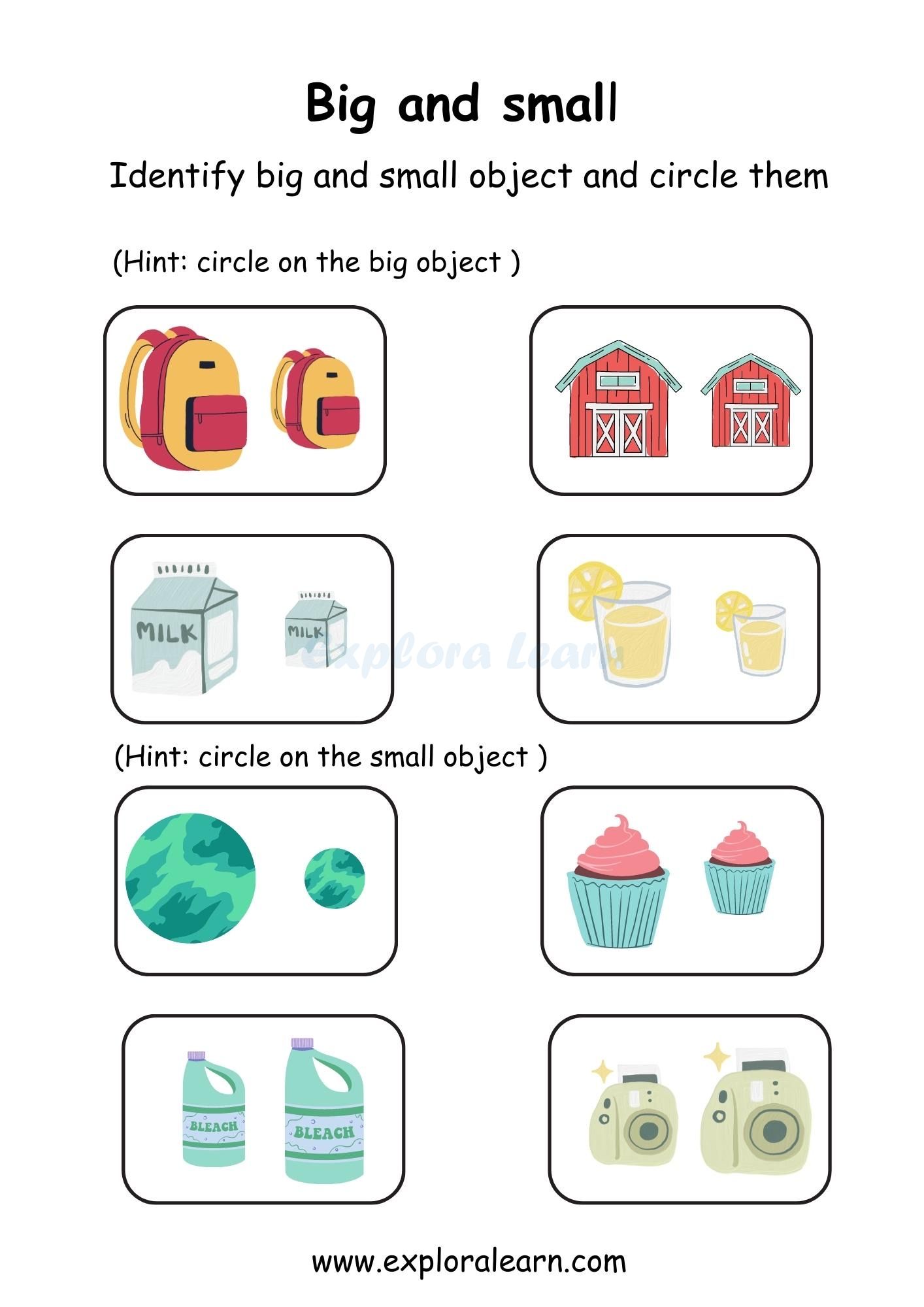
Understanding the Small Items Worksheet
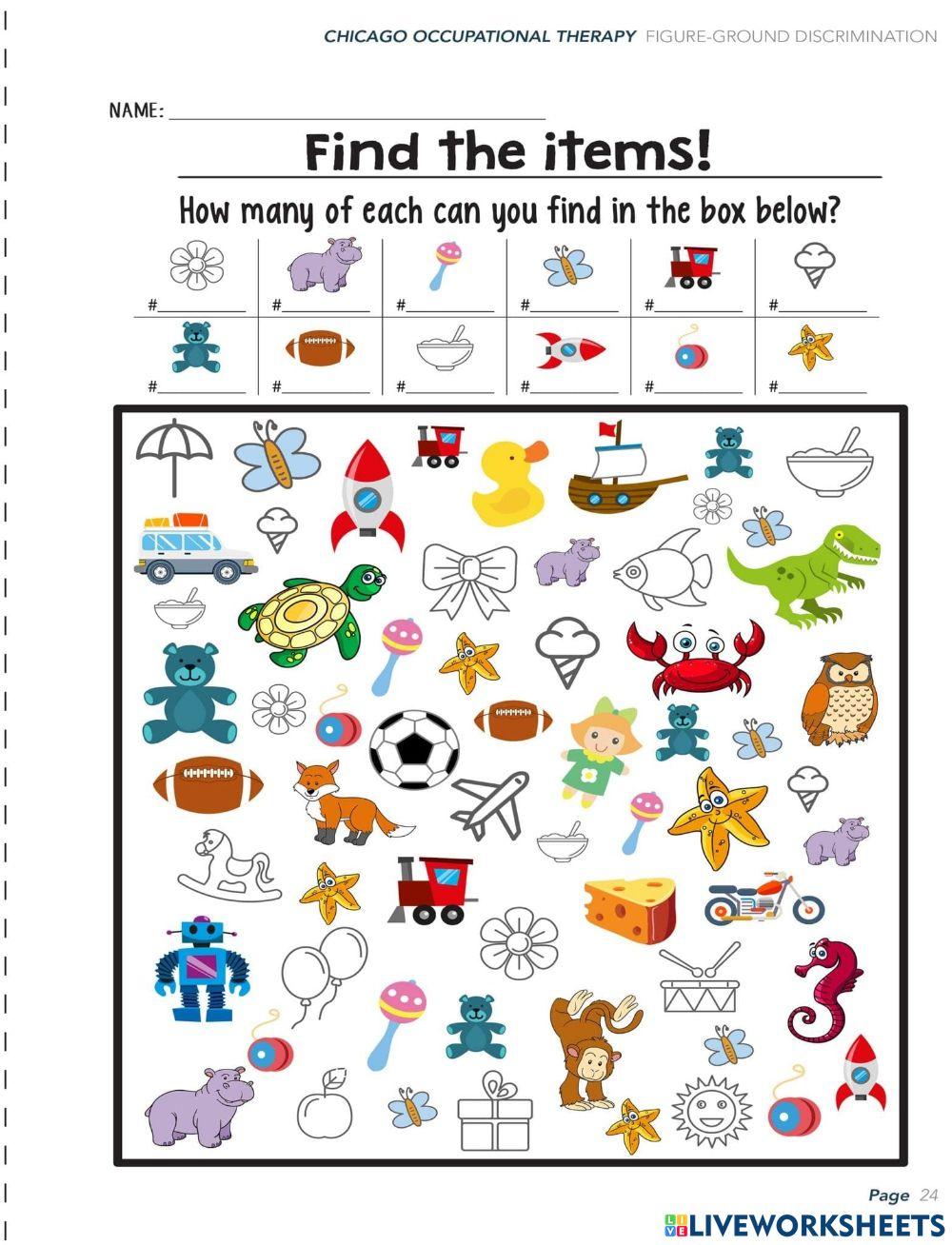
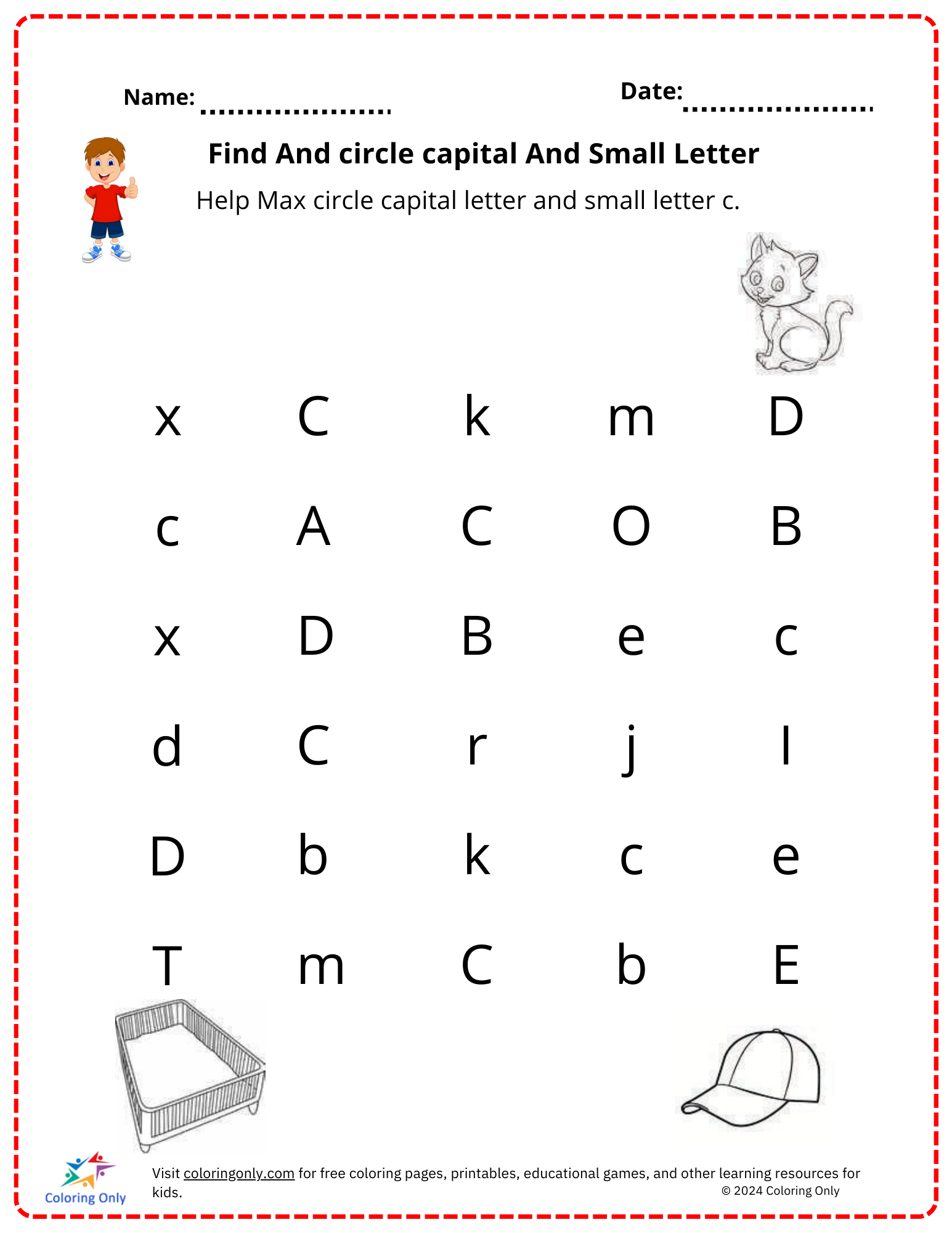
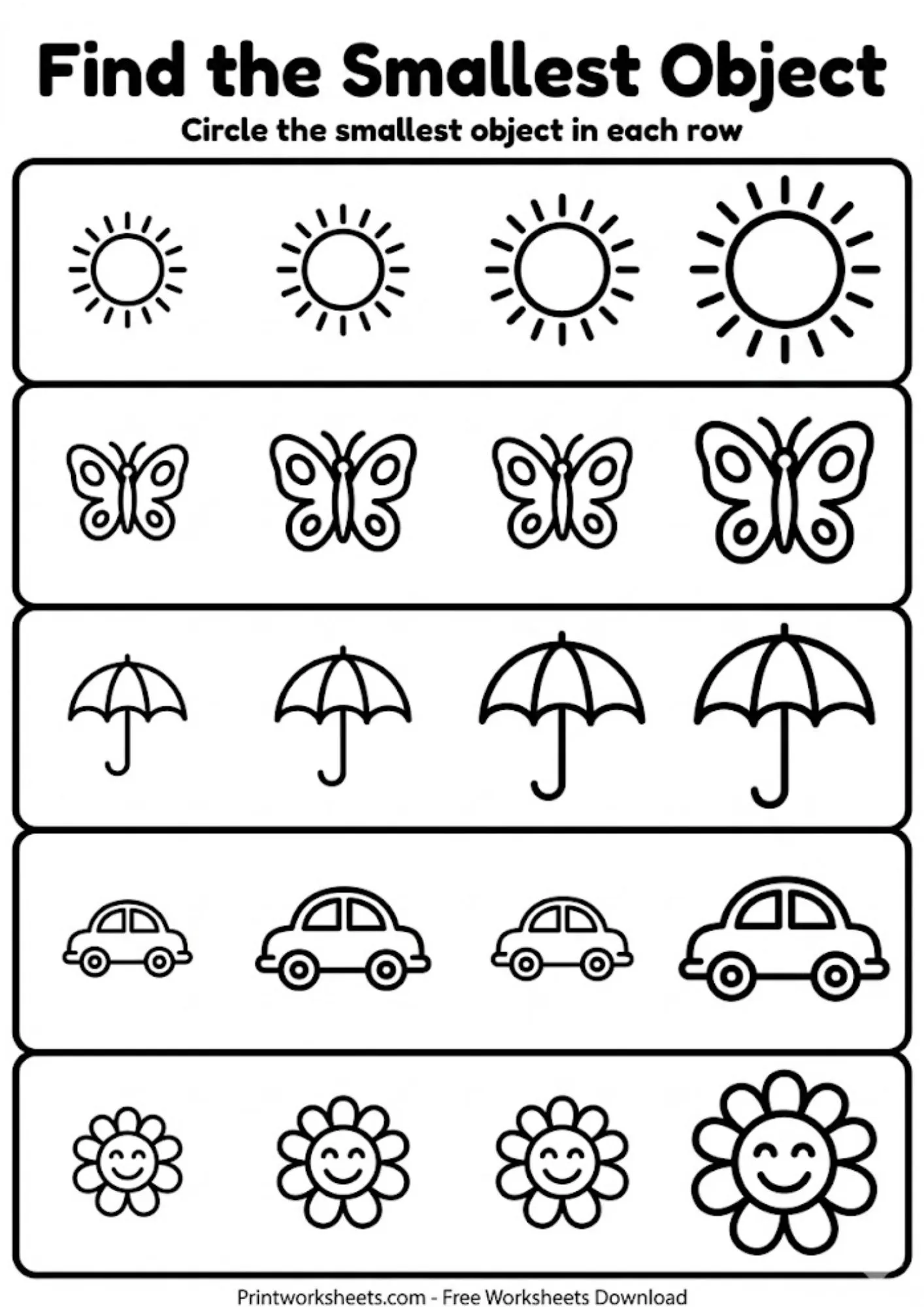
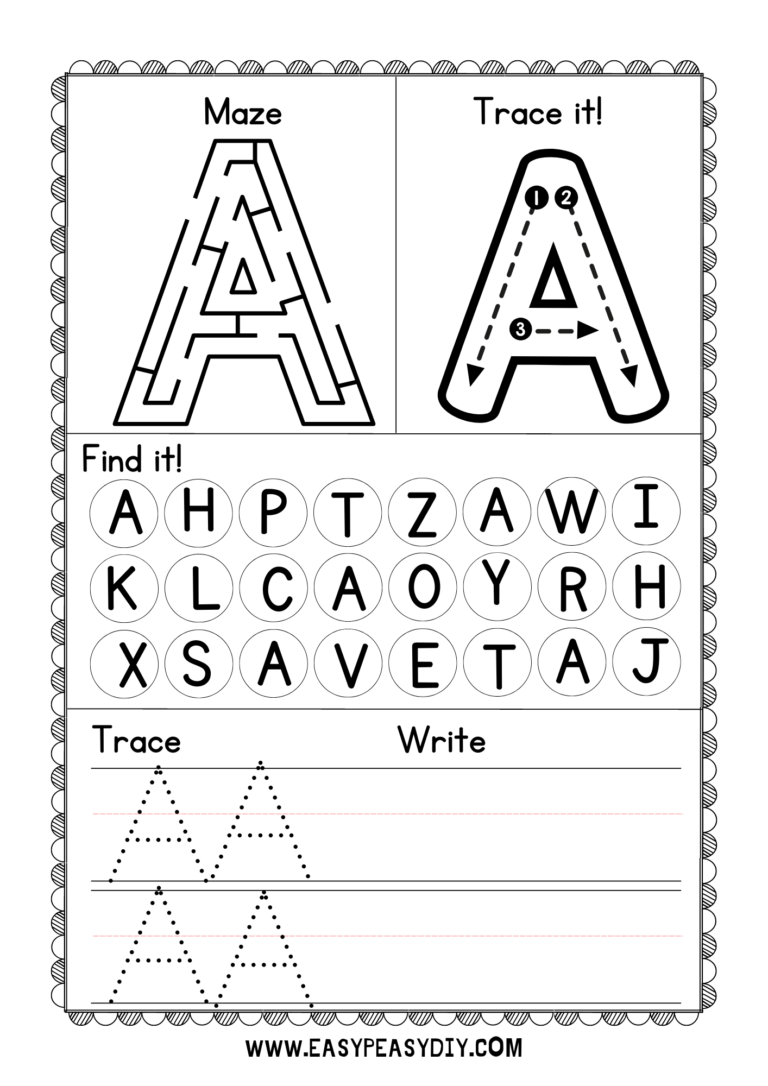
The Find The Small Items Worksheet is designed specifically for preschool-aged children. It typically features a variety of small objects that children need to find, either in a picture or in their environment. This activity is not only enjoyable but also serves multiple educational purposes:
- Cognitive Skills: Children learn to recognize and differentiate between various small items.
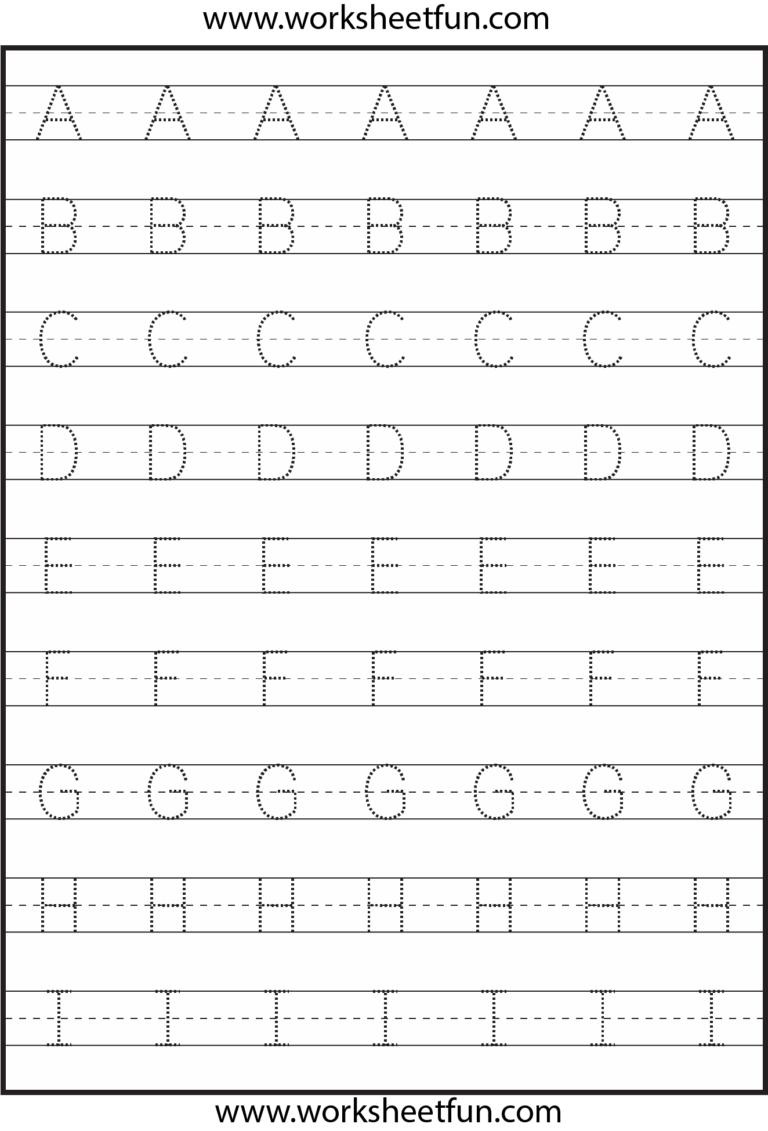
- Fine Motor Skills: Activities involving tracing or circling items on the worksheet help improve hand-eye coordination.
- Language Development: As you discuss the items, your child builds vocabulary by learning the names and characteristics of each object.
How to Prepare for the Worksheet Activity
Before diving into the worksheet, preparation is key to maximizing its effectiveness. Here are some steps to set up for success:
- Gather Supplies: Ensure you have colored pencils or crayons, and perhaps a few small items around the house that correspond to the worksheet.
- Create a Comfortable Space: Set up a designated area with a table or desk where your child can work without distractions.
- Familiarize Your Child: Before starting, review the items on the worksheet. This can be as simple as pointing them out around the house or discussing their colors and shapes.
Filling Out the Worksheet
When you sit down with your child to complete the Find The Small Items Worksheet, here’s how to approach it:
- Read Instructions Together: If the worksheet has specific instructions, read them aloud. Make sure your child understands what they need to do.
- Engage with the Items: As your child finds each item, encourage them to say its name out loud. This reinforces language skills.
- Color and Trace: If the worksheet includes spaces for coloring or tracing, guide your child on how to stay within the lines. This is crucial for developing fine motor skills.
Incorporating the Worksheet Into Daily Learning
To make the most out of the Find The Small Items Worksheet, integrate it into your daily routine. Here are some suggestions:
- Daily Discovery: Use the worksheet as a part of a daily learning routine. Set aside 10-15 minutes each day for this activity.
- Interactive Learning: Pair the worksheet with a scavenger hunt around the house. Ask your child to find real-life versions of the items on the worksheet.
- Discussion Prompts: Use the items as discussion starters. Ask questions like “What color is this?” or “How do we use this item?” to encourage critical thinking.
Tips for Effective Use of the Worksheet
To ensure that you and your child get the best out of the Find The Small Items Worksheet, keep these tips in mind:
- Print Multiple Copies: If your child really enjoys the activity, consider printing several copies. This allows for repeated practice without the need to create new worksheets every time.
- Customizing the Experience: Depending on your child’s interests, you can modify the worksheet by adding items that they particularly enjoy, such as toys or animals.
- Celebrate Achievements: After completing the worksheet, celebrate your child’s efforts. Simple praises or a fun sticker can motivate them for future activities.
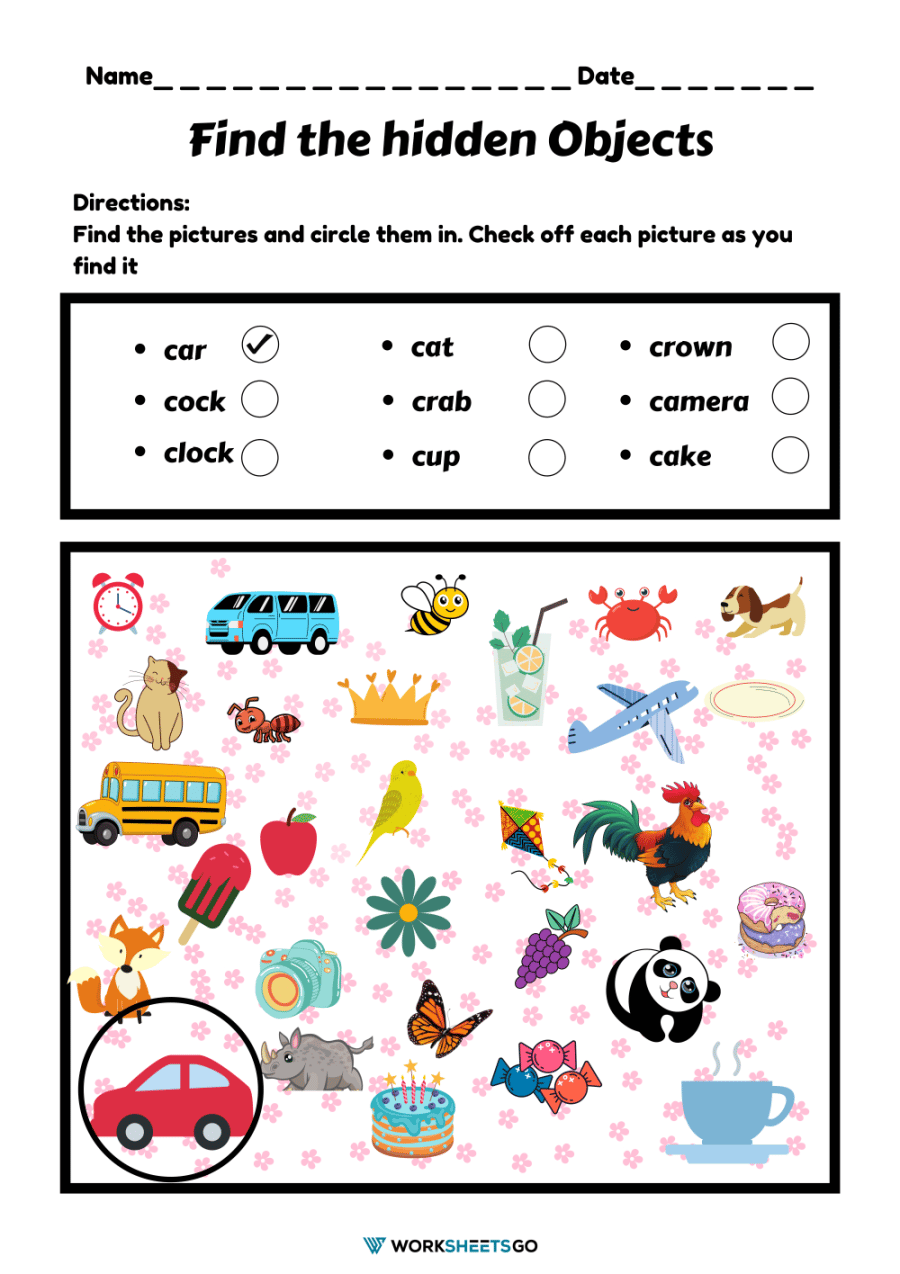
Where to Download the Worksheet
You can find the Find The Small Items Worksheet for Preschool on numerous educational websites dedicated to printable resources. Many sites offer free downloads, while others may have a small fee for premium worksheets. Ensure you choose a site that provides high-quality, clear images that are easy for children to engage with.
When downloading, check for the following:
- File Format: PDF files are typically best, as they maintain formatting across different devices and printers.
- Print Size: Make sure the worksheet is formatted for standard paper sizes (like A4 or letter size) to avoid any printing issues.
Find The Small Items Worksheet For Preschool Gallery