Five Senses Worksheet Free Printables For Preschoolers
Understanding the five senses is a crucial part of preschool education. Engaging your little ones with a Five Senses Worksheet Free Printables For Preschoolers can be a fantastic way to introduce and reinforce this important concept. These worksheets not only make learning fun but also help children develop their observation skills and vocabulary. In this article, I’ll guide you through the various types of worksheets available, how to use them effectively, and tips for printing and presenting them.
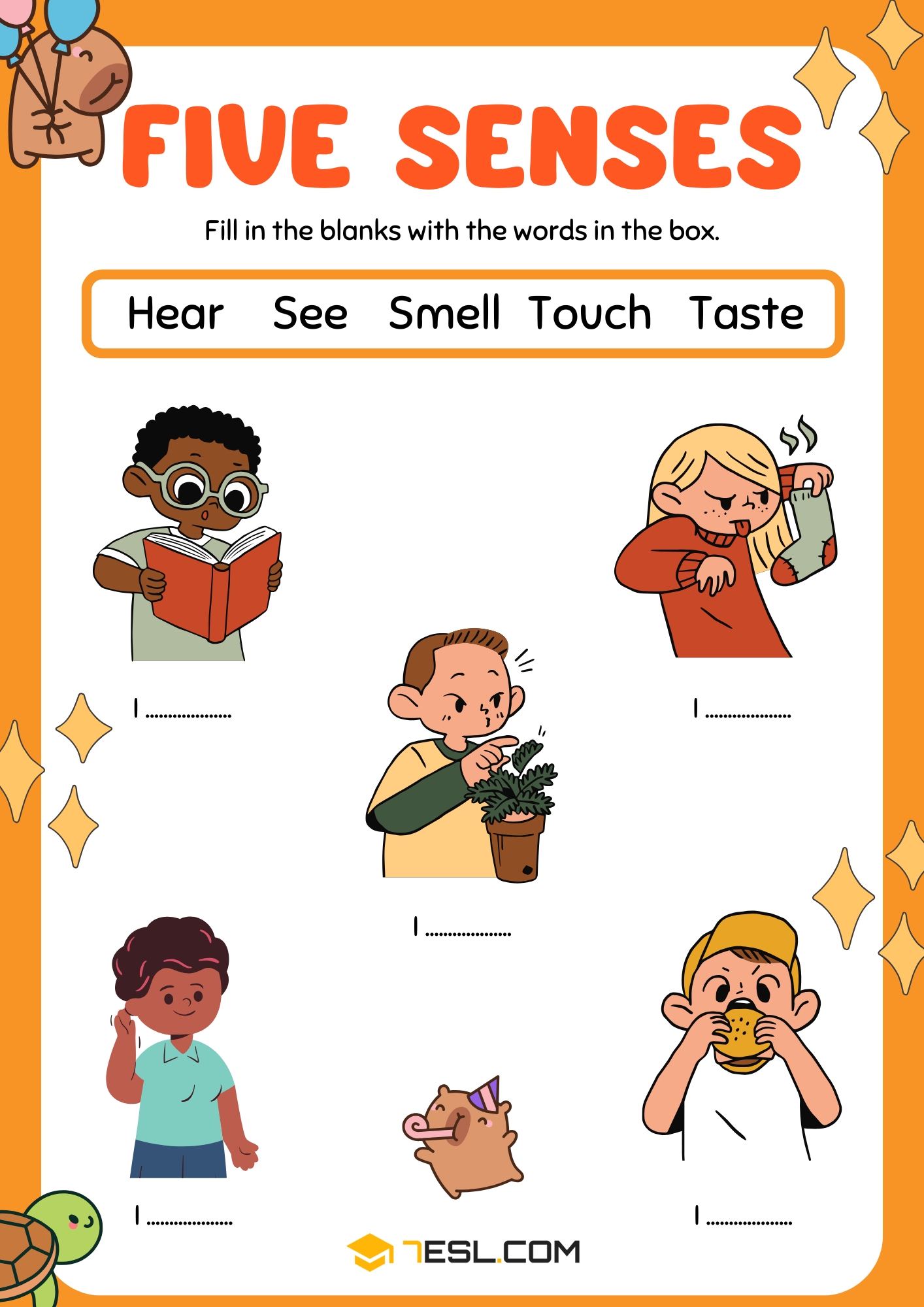
Types of Five Senses Worksheets
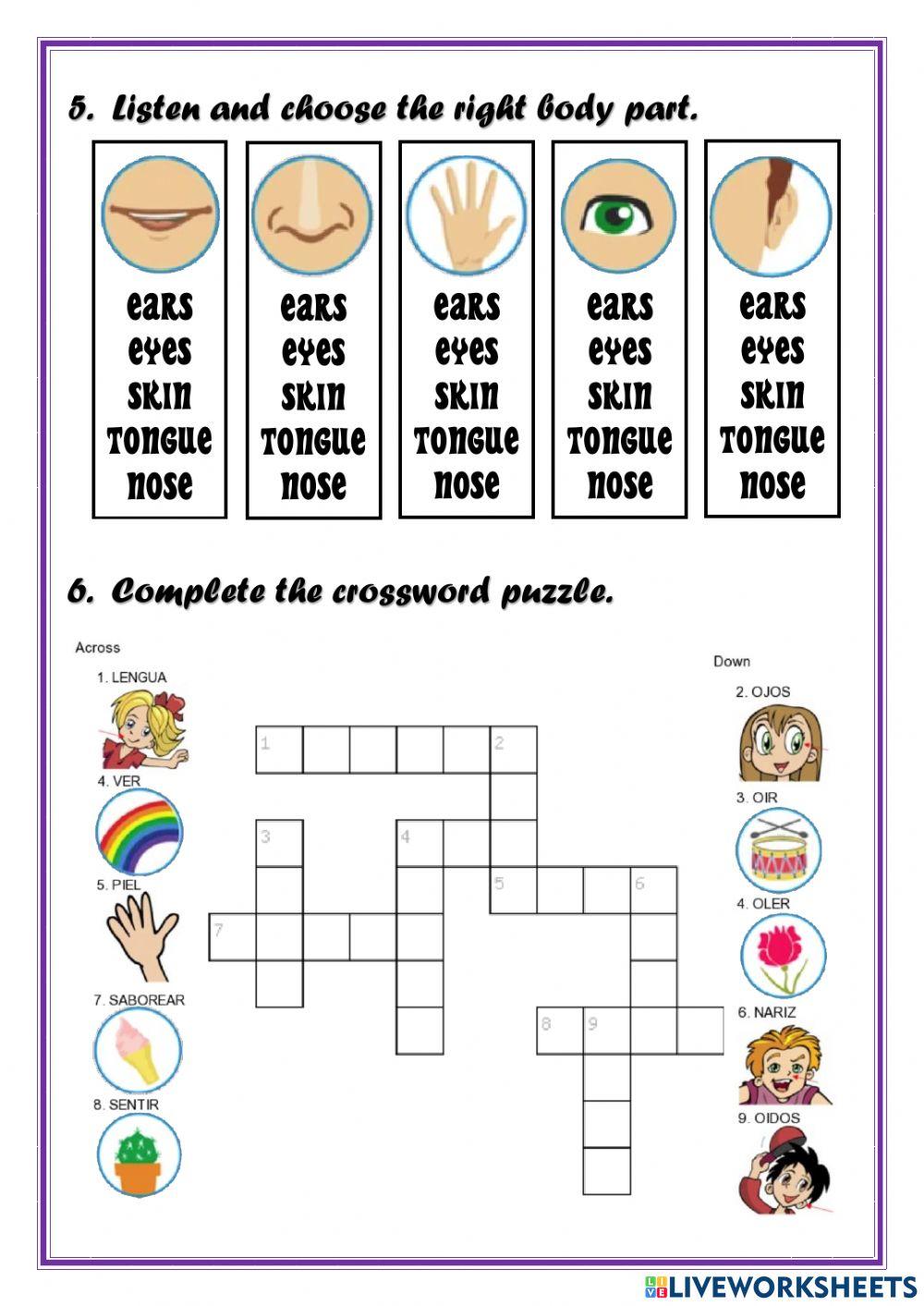
When it comes to worksheets focused on the five senses, you’ll find a variety of options. Each type serves a unique purpose in helping preschoolers explore and understand their sensory experiences. Here are some common types:
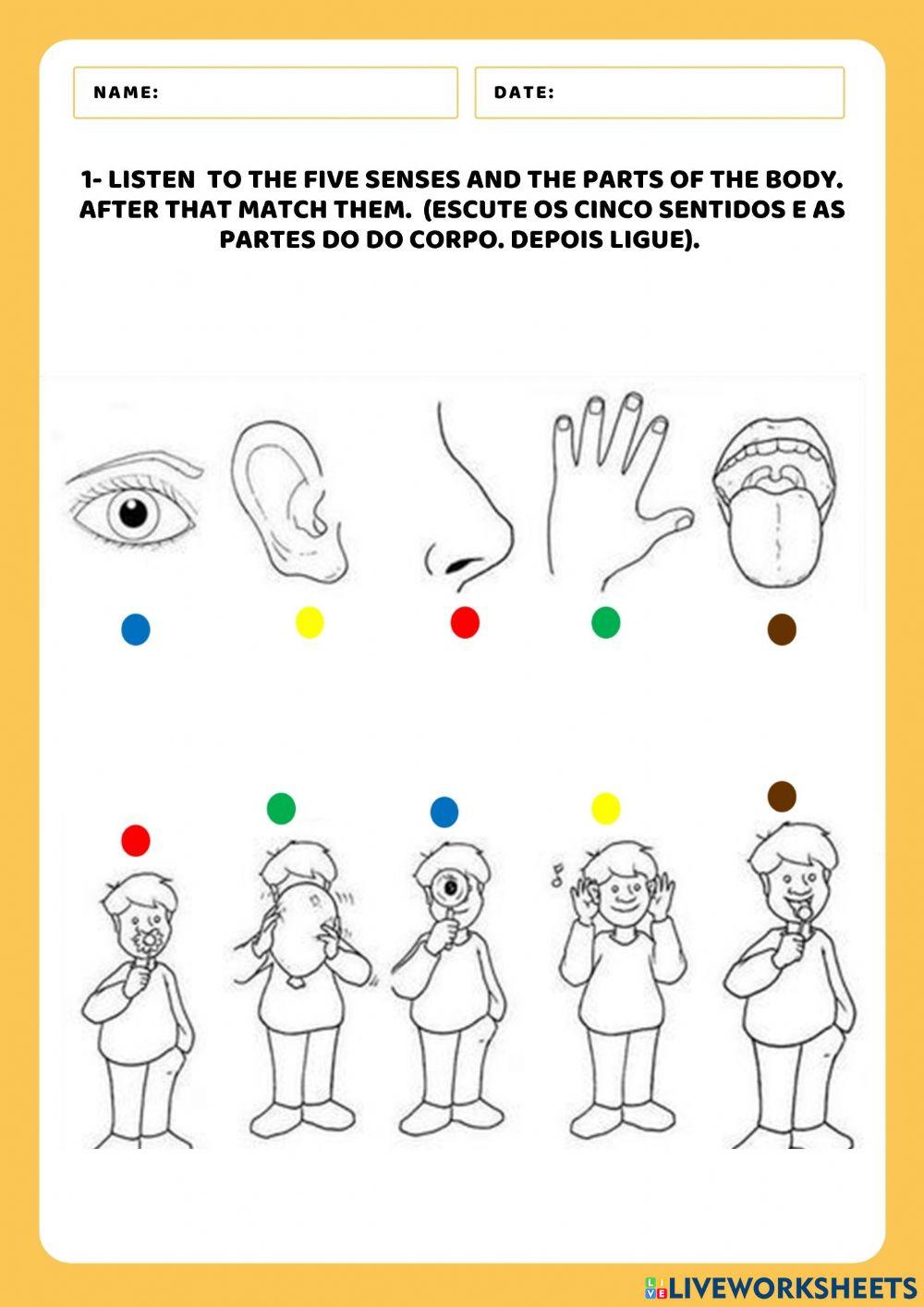
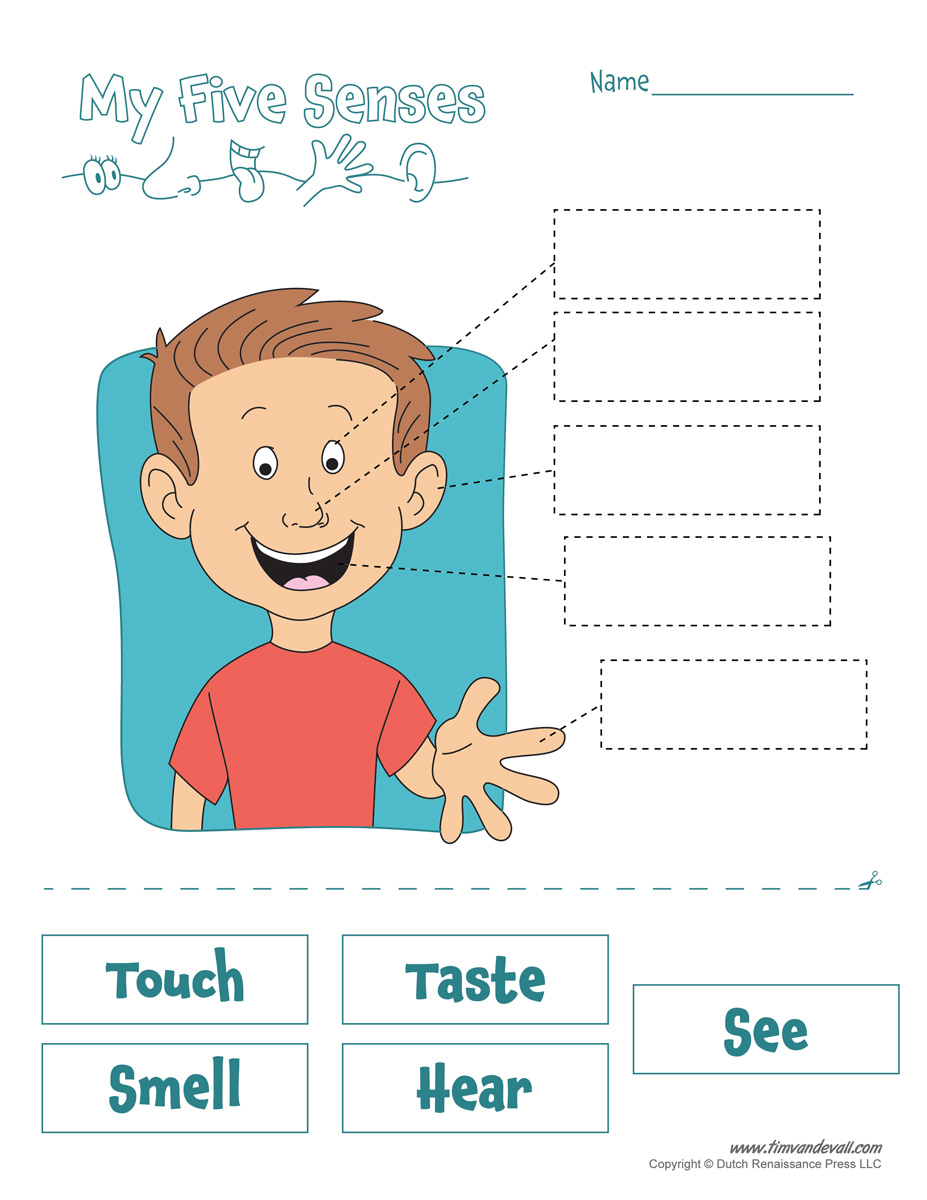
- Identification Worksheets: These worksheets typically feature images that represent each of the five senses. Children can label or circle items associated with sight, sound, touch, taste, and smell. This helps them make connections between the senses and real-world experiences.
- Descriptive Worksheets: These sheets encourage kids to describe what they see, hear, feel, taste, or smell. They might include prompts like “What do you hear in the park?” or “Describe your favorite food.” This fosters creativity and language development.
- Matching Worksheets: In these worksheets, children match sensory items to their corresponding senses. For example, they may draw a line from the sound of a bell to the ear or from a flower to the sense of smell. This activity reinforces recognition and association.
- Creative Activity Worksheets: Some worksheets include coloring pages or drawing prompts where children can illustrate their favorite sensory experiences. This is a great way to integrate art into learning.
How to Use the Worksheets Effectively
To maximize the benefits of these worksheets, consider integrating them into your preschool routine. Here are some practical tips:
- Introduce the Concept: Start with a short discussion about the five senses. Use everyday examples to make it relatable. For instance, you might say, “What do you hear when we go outside?”
- Hands-On Activities: Pair the worksheets with hands-on sensory activities. For example, have a tasting session where kids can sample different foods and then fill out their worksheets based on what they experienced.
- Group Work: Encourage teamwork by having children work in pairs or small groups. They can discuss their answers and share their sensory experiences, promoting social interaction and communication skills.
- Follow-Up Discussion: After completing the worksheets, have a group discussion. Ask questions like, “What was your favorite sense to explore?” This reinforces learning and encourages children to express their thoughts.
Printing and Presentation Tips
Getting the most out of your worksheets starts with the right printing and presentation. Here are some tips to consider:
- Choose the Right Paper: For durability, especially if you plan to use the worksheets multiple times, consider printing them on cardstock. This thicker paper can hold up better to handling and coloring.
- Use Portrait Layout: Most home printers work efficiently in portrait layout for worksheets. This format is often more intuitive for children as they fill in their answers.
- Check Print Settings: Make sure your printer settings are adjusted to avoid any reformatting issues. If the worksheet is in PDF format, this usually helps maintain the original layout.
- Color vs. Black and White: While color printing can make the worksheets more visually appealing, black and white can work just as well. Consider printing in color for the first use and then black and white for subsequent copies to save on ink.
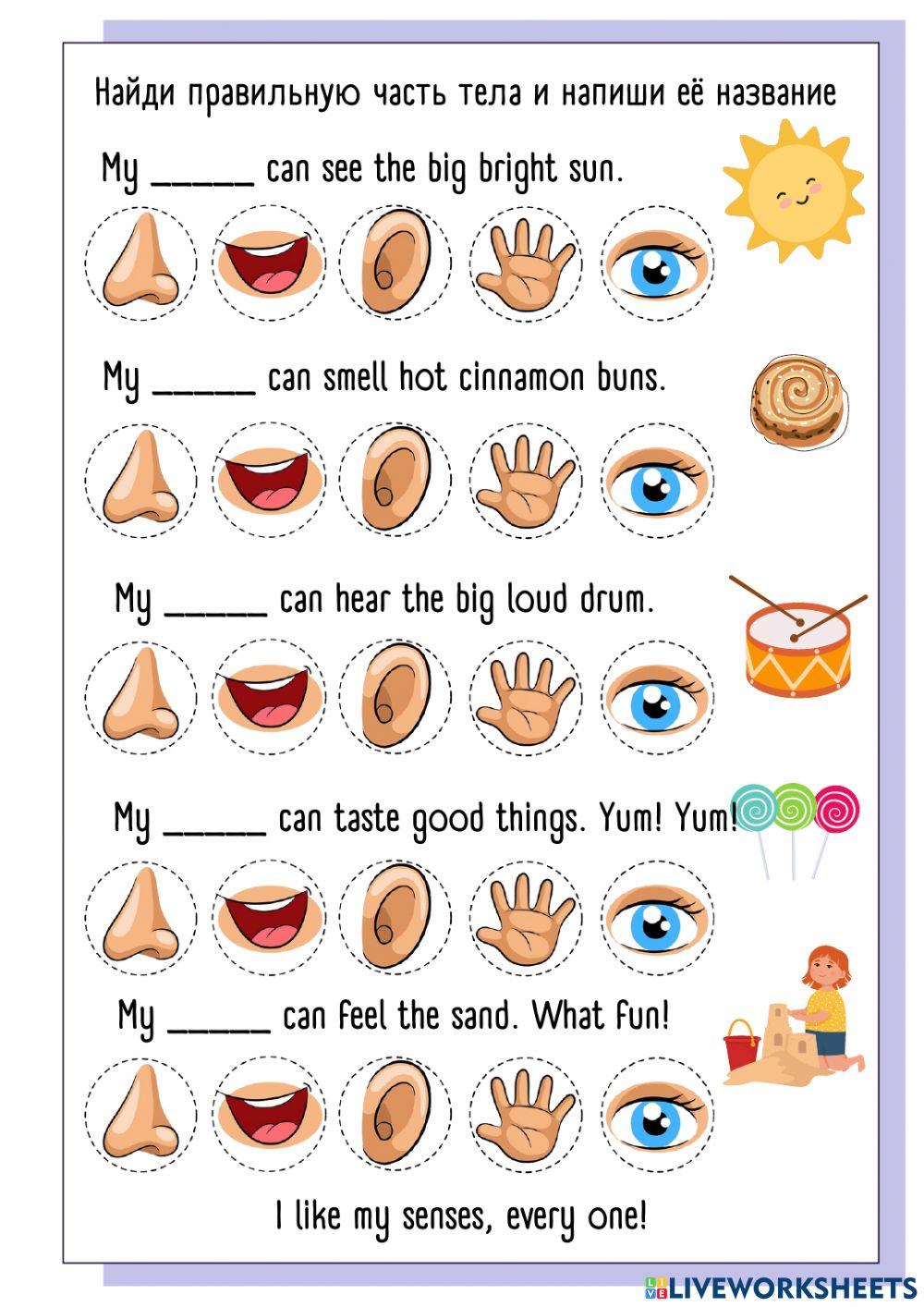
Enhancing Learning With Additional Resources
In addition to worksheets, there are other resources you can use to enhance the learning experience about the five senses. Here are some suggestions:
- Sensory Bins: Create sensory bins filled with different textures and items that correspond to each sense. For example, a bin filled with rice, feathers, and small toys can help children explore touch and sight.
- Books and Stories: Introduce books that focus on the five senses. Reading stories that describe sensory experiences can enrich vocabulary and understanding.
- Field Trips: If possible, take the kids on a field trip to a local park, zoo, or grocery store. Encourage them to use their senses and share their observations afterward.
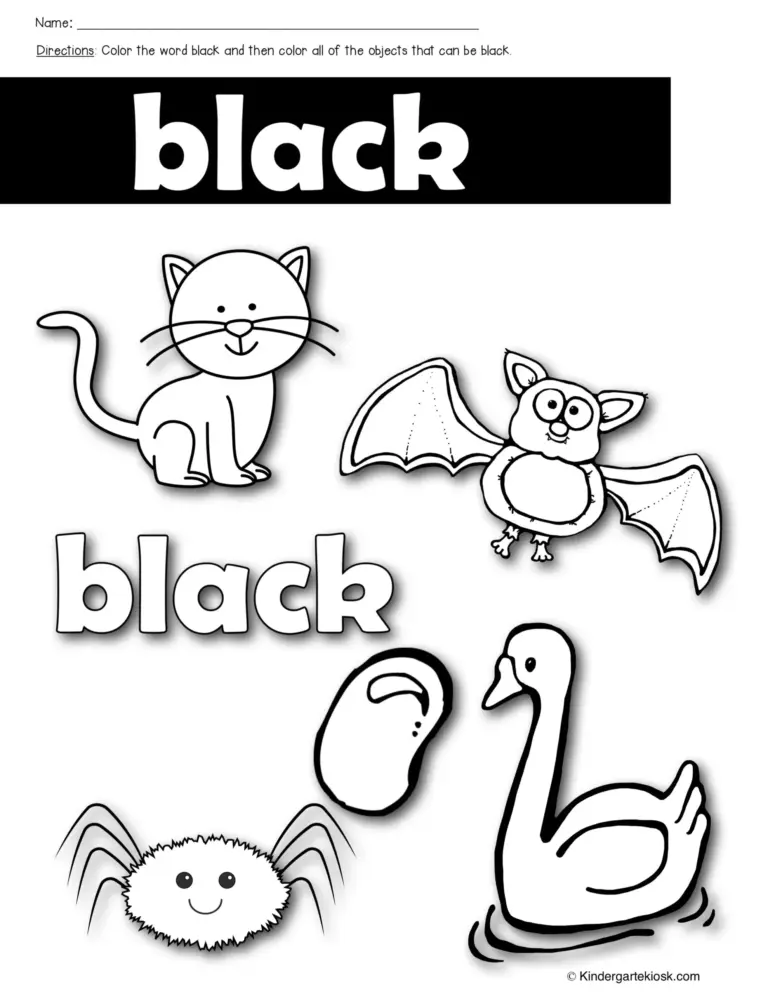
- Coloring Pages: Incorporate coloring pages that relate to the five senses. This can be a fun and relaxing way for children to engage with the topic.
Five Senses Worksheet Free Printables For Preschoolers Gallery