Following Directions Worksheet On Whales For Preschool
Using a Following Directions Worksheet On Whales For Preschool can be a great way to engage your little ones while helping them develop essential listening and comprehension skills. These worksheets provide structured guidance that allows preschoolers to follow simple instructions related to whales, making learning both fun and educational. In this article, I’ll explore how you can effectively utilize this resource, the types of activities it typically includes, and tips for enhancing the overall experience.
What Is a Following Directions Worksheet?
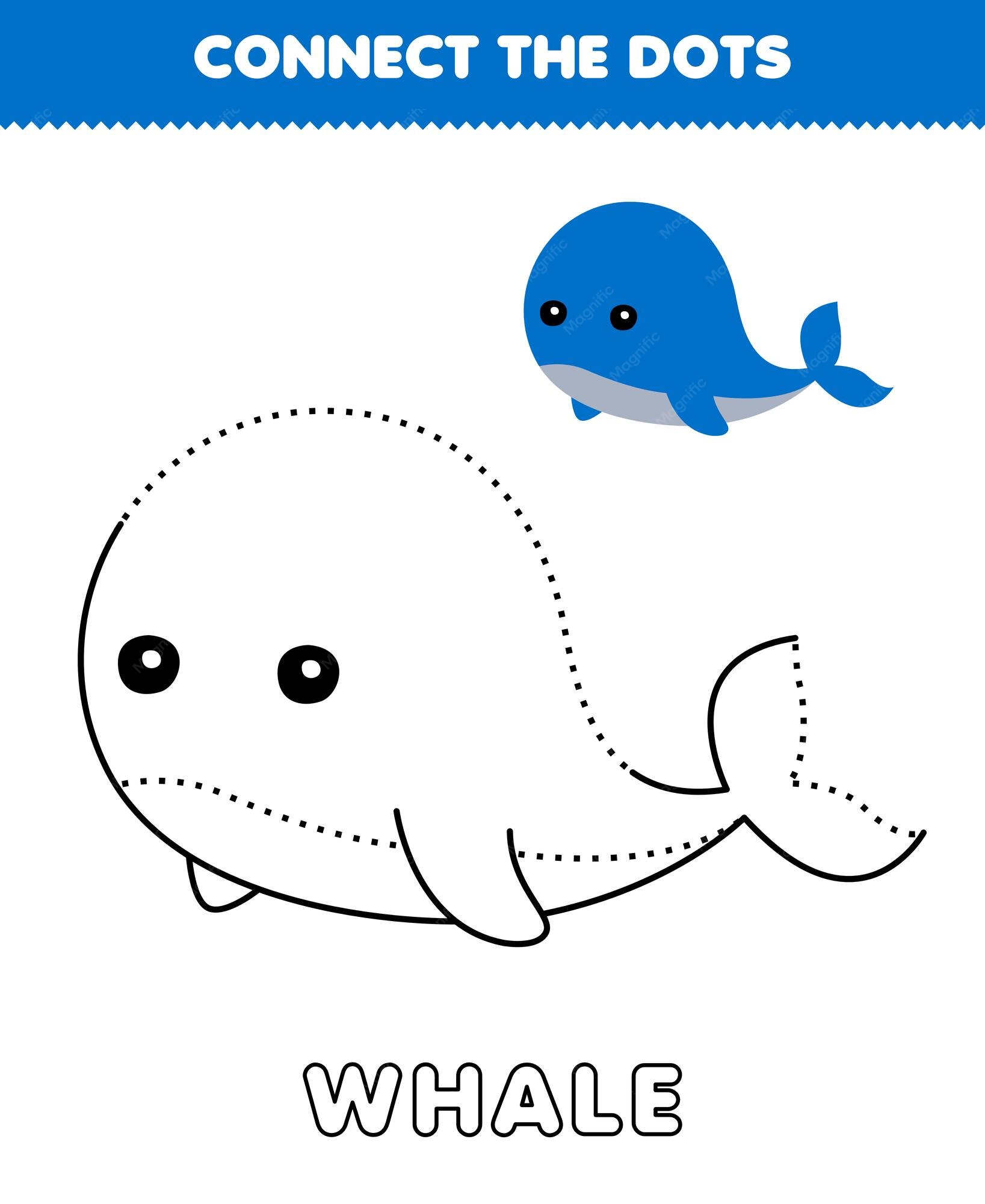
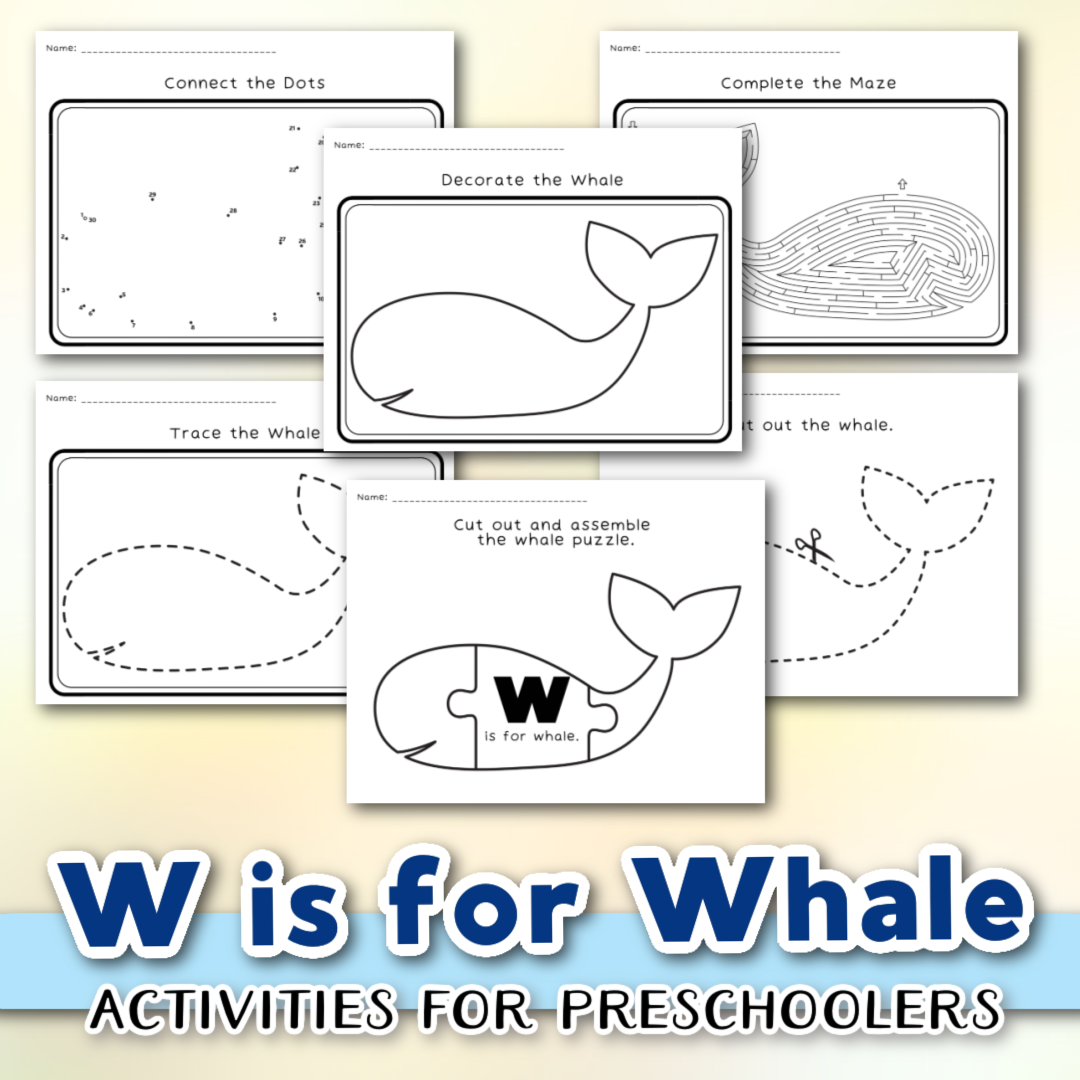
A Following Directions Worksheet is designed to help young children practice their ability to listen and follow multi-step instructions. In the case of a worksheet focused on whales, you can expect activities that incorporate fun facts about these magnificent creatures while requiring children to complete tasks based on verbal or written prompts. This not only makes learning enjoyable but also builds their confidence in understanding directions.
When you introduce this worksheet to your preschooler, you’ll find that it encourages them to think critically. They will engage with the material as they color, draw, or answer questions about whales, enhancing both their cognitive and motor skills.
Key Components of the Worksheet
Typically, a Following Directions Worksheet On Whales For Preschool includes several interactive elements:
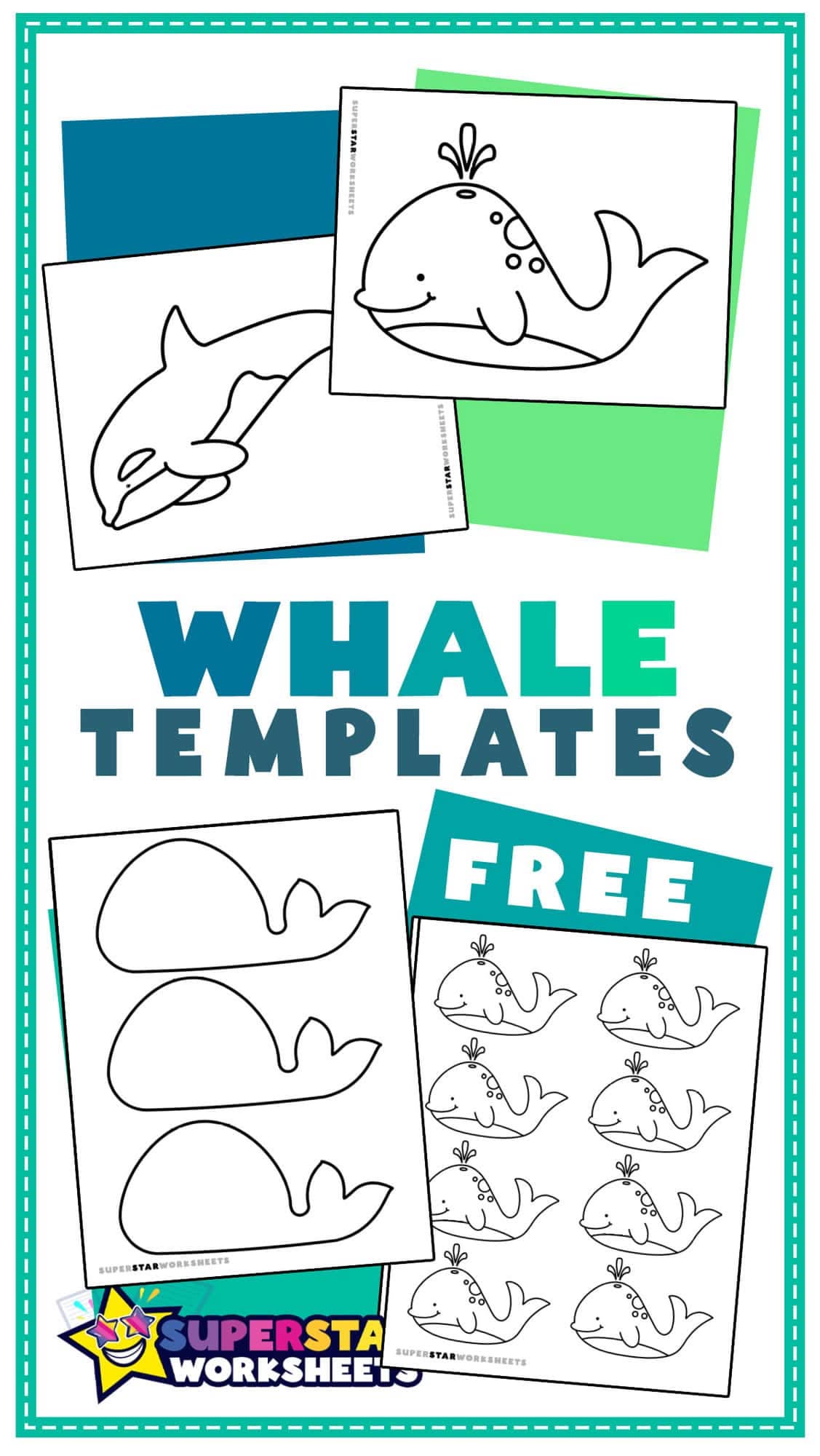
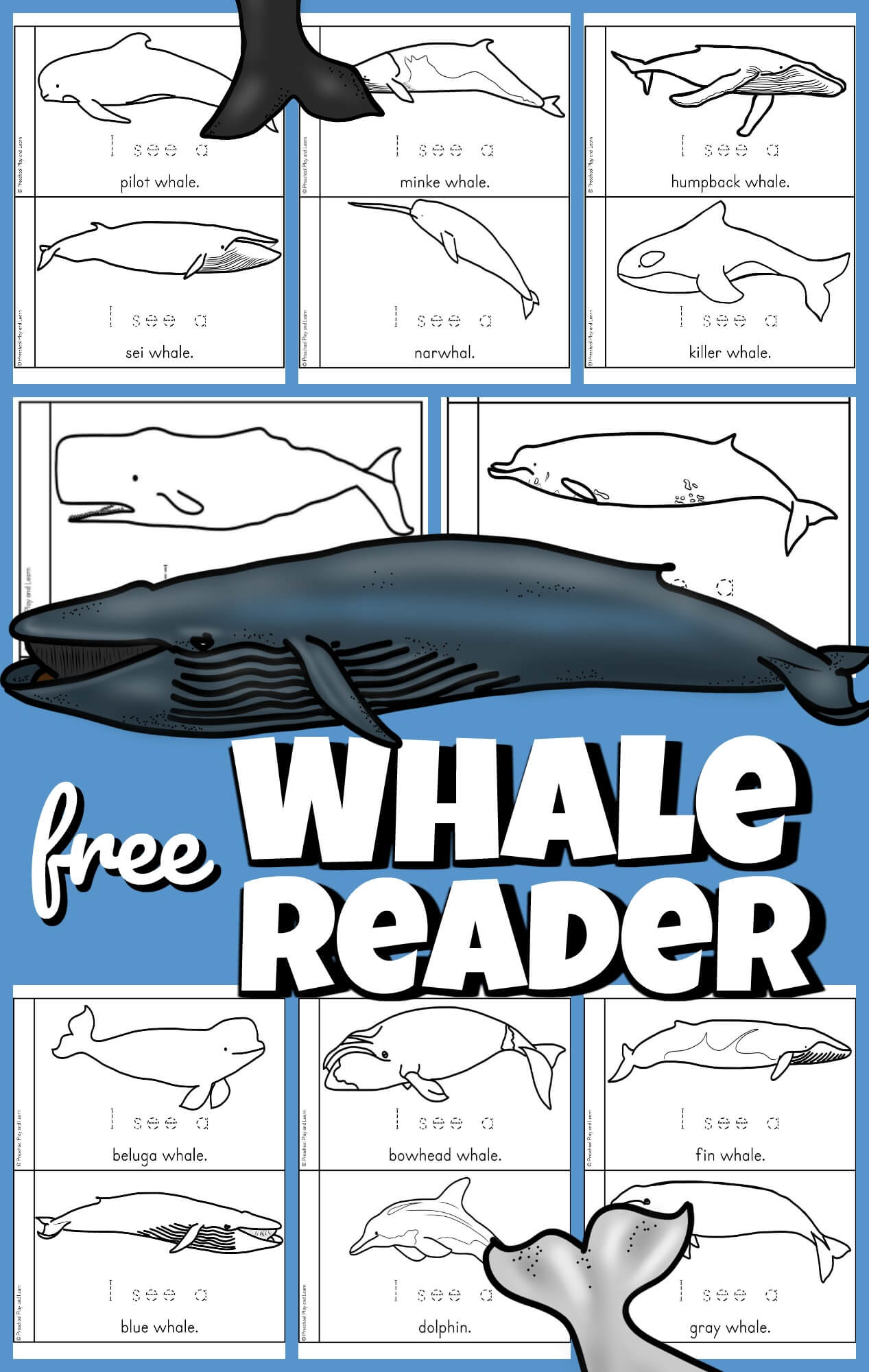
- Illustrations of Whales: These worksheets often feature colorful images of various types of whales, which can captivate your child’s interest.
- Simple Instructions: Tasks may involve coloring specific parts of the whale, circling items, or drawing additional elements based on prompts like “Draw a fish next to the whale.”
- Fun Facts: Including interesting whale facts can spark curiosity and encourage discussions about marine life.
- Space for Creativity: There might be sections where children can express themselves through drawing or writing.
Understanding these components will help you guide your child through the worksheet effectively.
How to Use the Worksheet Effectively
To maximize the benefits of the Following Directions Worksheet, consider the following steps:
- Preparation: Before you sit down with your child, gather coloring materials like crayons or markers. Make sure the environment is quiet and conducive to concentration.
- Read the Instructions Together: Start by reading the directions aloud. This sets the tone and helps your child understand what they need to do. Encourage them to ask questions if they don’t understand something.
- Encourage Independence: Allow your child to attempt the tasks on their own. This builds confidence and helps them develop problem-solving skills.
- Provide Positive Reinforcement: Celebrate their efforts! Whether they completed the tasks perfectly or made mistakes, acknowledge their work and encourage them to keep trying.
- Discuss the Content: Use the worksheet as a springboard for conversation. Ask your child about what they learned about whales. This helps reinforce the information and makes it stick.
Benefits of Using the Worksheet
The Following Directions Worksheet On Whales For Preschool offers several educational benefits:
- Listening Skills: Children learn to listen carefully to instructions, which is vital for their overall academic success.
- Fine Motor Skills: Activities like coloring and drawing help develop hand-eye coordination and fine motor skills.
- Comprehension: As children follow directions, they practice their comprehension skills, helping them understand how to process information.
Additionally, this worksheet can be a wonderful tool for parents and educators alike, providing a structured way to integrate fun and learning.
Where to Find Printable Worksheets
You can easily find printable Following Directions Worksheets On Whales for preschoolers on various educational websites. Many sites offer free downloads, ensuring you have access to engaging content without any cost. When searching, look for worksheets that:
- Are visually appealing.
- Contain age-appropriate language.
- Include a variety of activities to keep your child engaged.
Some popular sites include educational resource centers or teacher-sharing platforms, where you can find a diverse range of worksheets tailored to preschool learning.
Enhancing the Experience
To make the most out of the Following Directions Worksheet On Whales For Preschool, consider incorporating additional activities:
- Interactive Storytime: Read a story about whales before or after completing the worksheet. This creates a richer background for your child.
- Field Trip: If possible, visit an aquarium or a marine exhibit. Seeing real-life examples of what they learned can make the experience much more impactful.
- Craft Projects: After filling out the worksheet, engage your child in a related craft project, like creating a whale out of paper or recycled materials. This encourages creativity and reinforces what they’ve learned.
Tips for Printing and Presentation
When you decide to print the worksheet, keep these tips in mind:
- Paper Type: Use good-quality paper. Cardstock is a great choice if you plan to laminate the worksheet for repeated use.
- Print Settings: Set your printer to the best quality to ensure that the images are clear and vibrant. Adjust the scaling to fit standard paper sizes, like 8.5 x 11 inches.
- Color vs. Black and White: If color printing is an option, go for it! The bright colors will capture your child’s attention. However, black and white can also work if you want to encourage coloring or creativity.
Following Directions Worksheet On Whales For Preschool Gallery