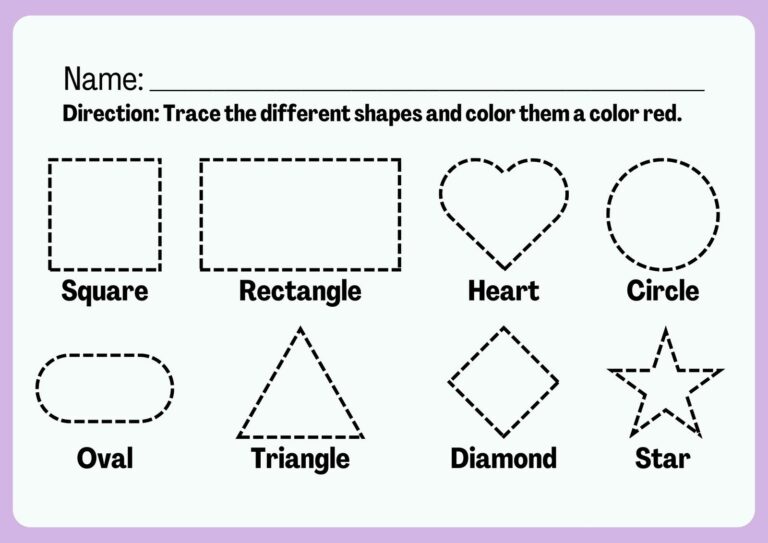
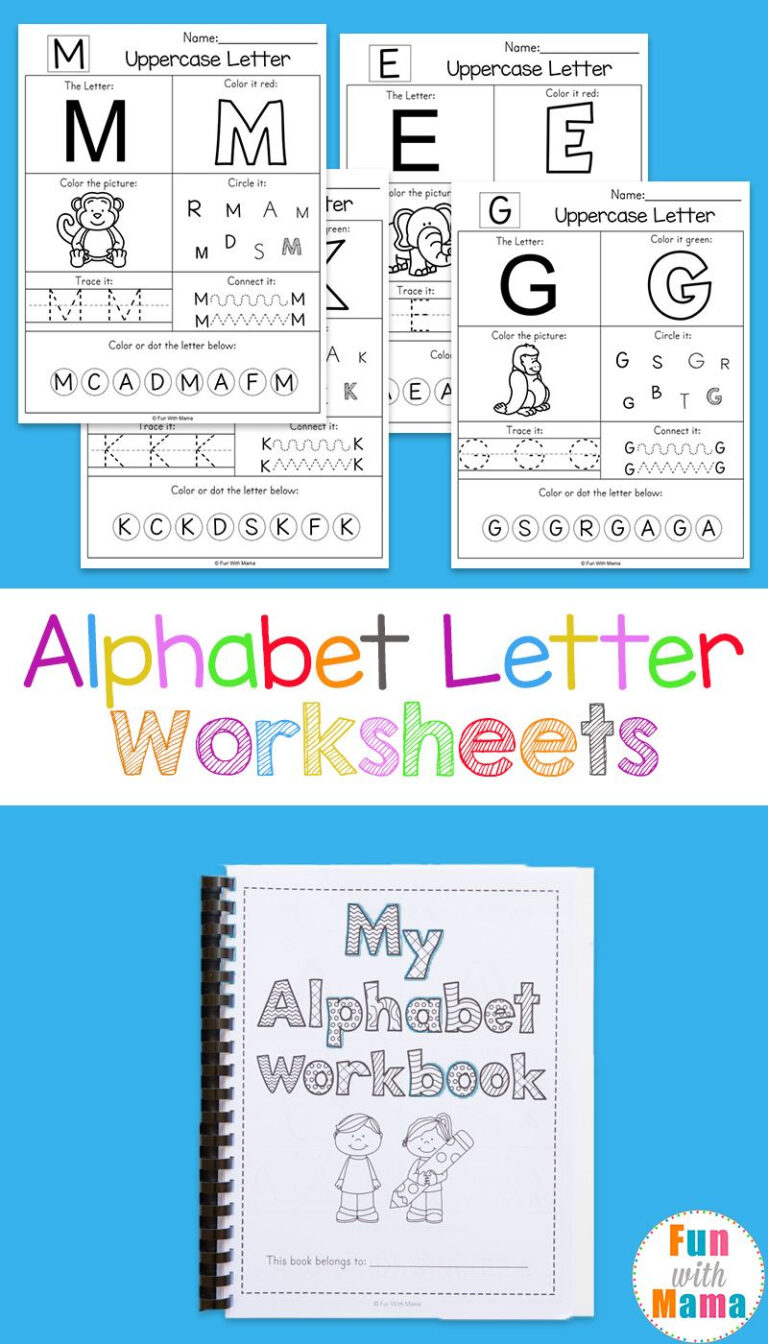
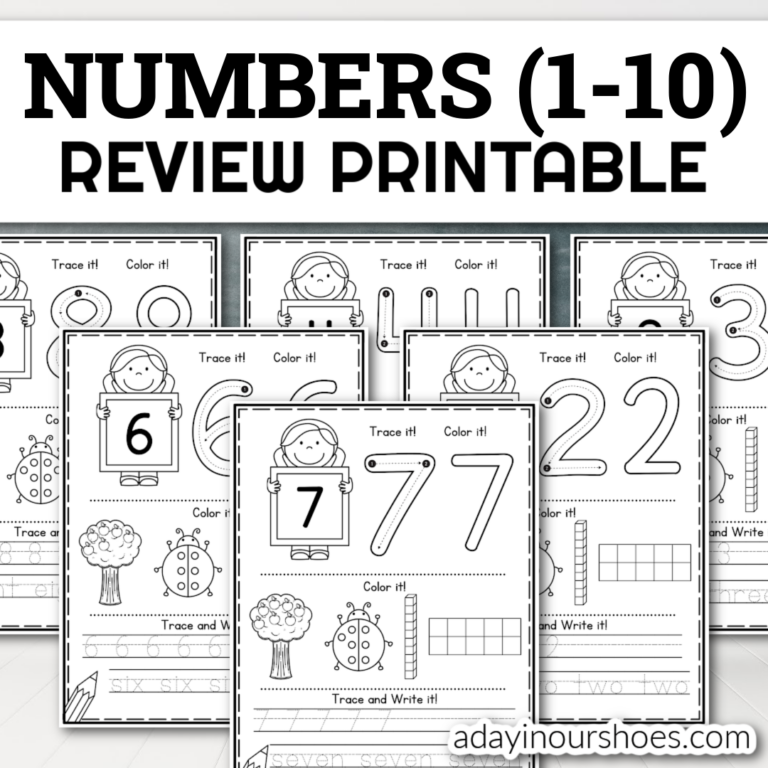
Free Handwriting Worksheets For Preschool
Getting preschoolers excited about writing can be a fun adventure, and finding Free Handwriting Worksheets For Preschool is a great way to kickstart that journey! These worksheets not only help little ones develop their fine motor skills but also lay the foundation for effective handwriting. If you are a parent eager to support your child’s learning at home or a teacher looking for resources to enhance your classroom, these worksheets are a fantastic tool to keep kids engaged and learning.
Benefits of Using Handwriting Worksheets
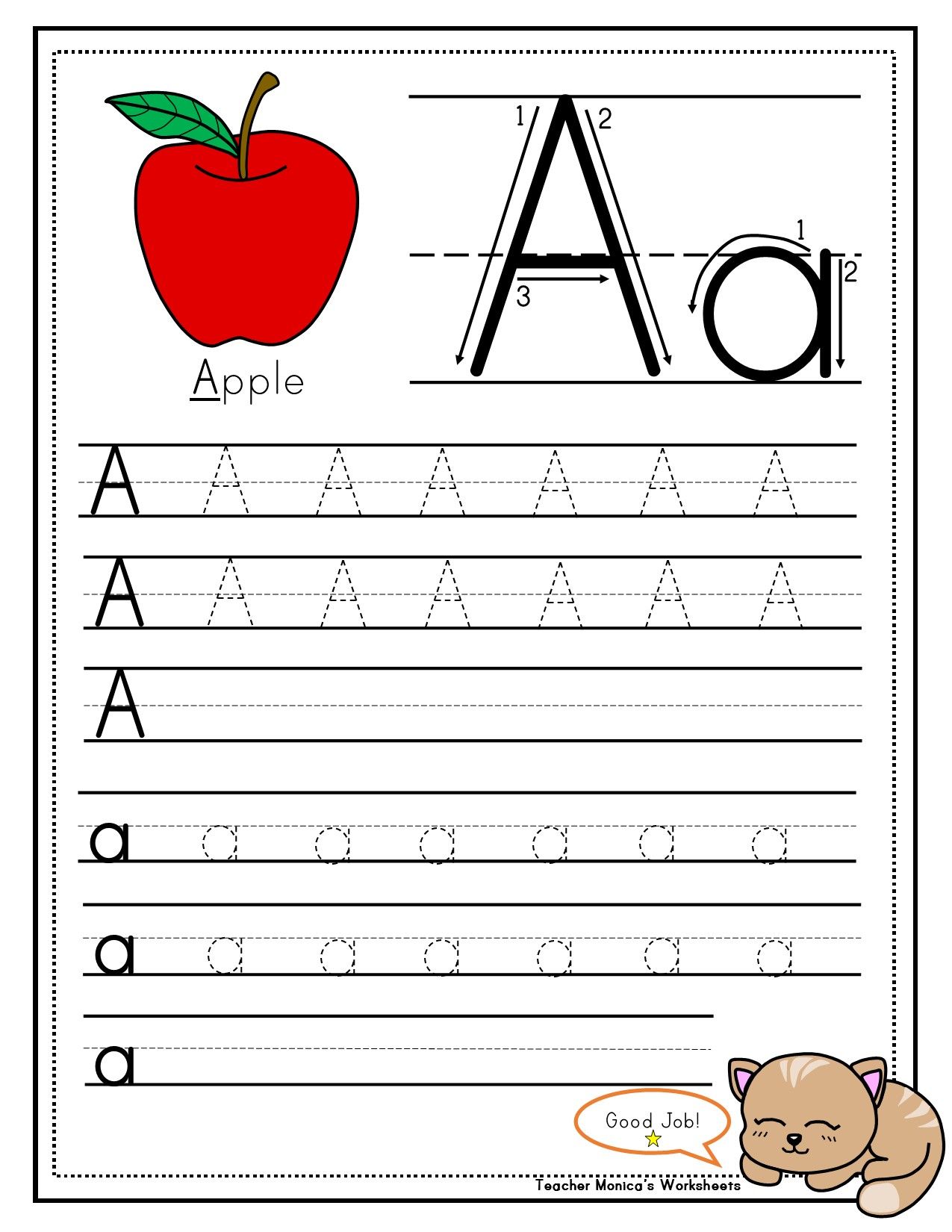
Handwriting worksheets are more than just lines on a page; they serve several important purposes in a child’s learning journey. Here are some key benefits:
- Fine Motor Skills Development: Writing helps improve hand-eye coordination and dexterity, critical skills for preschoolers.
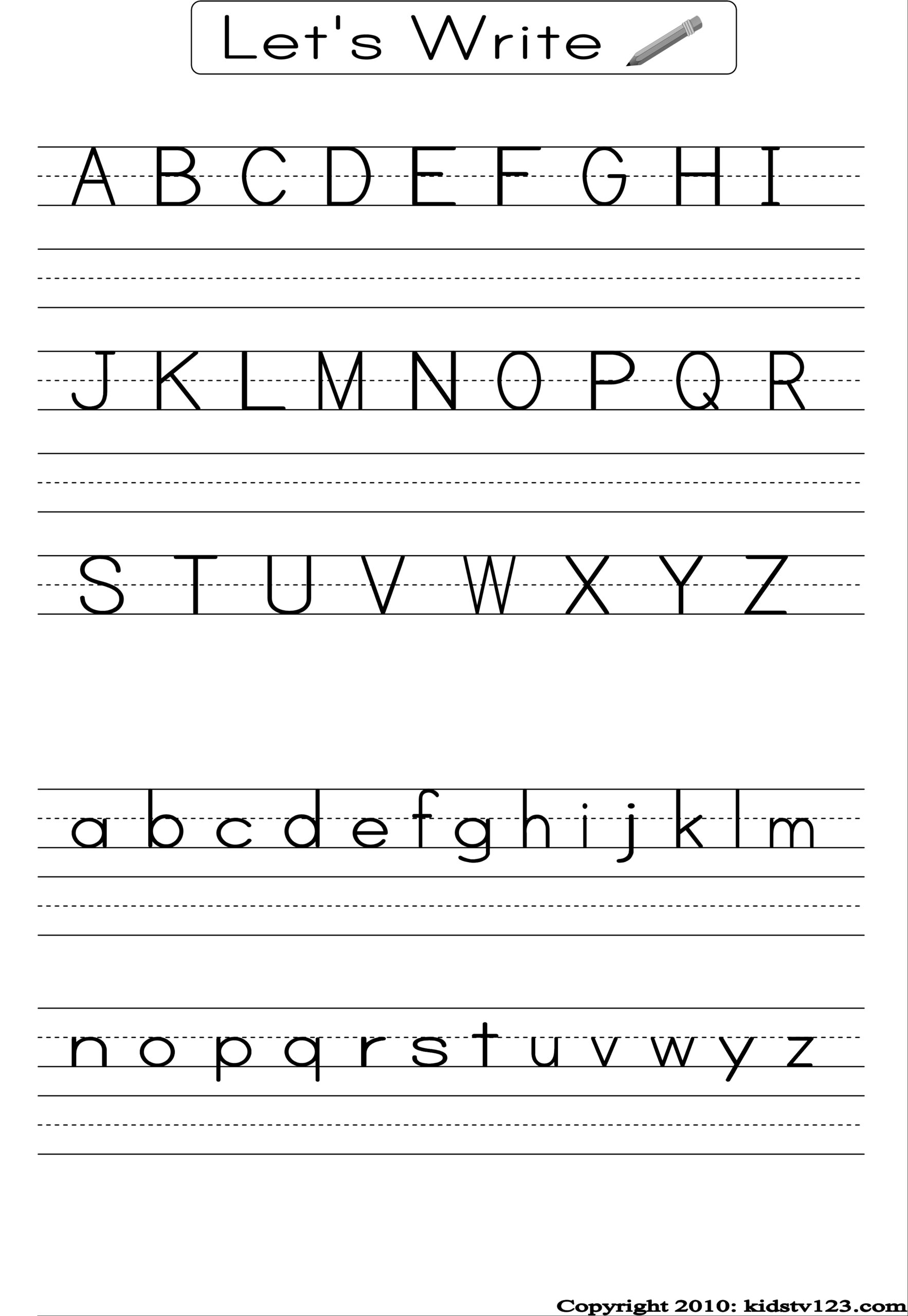
- Letter Recognition: Worksheets often include both uppercase and lowercase letters, assisting children in recognizing and differentiating between them.
- Structure and Routine: Regular practice with handwriting worksheets can help establish a writing routine that fosters discipline and focus.
- Creativity Encouragement: Many worksheets incorporate fun themes or characters, sparking creativity and making writing enjoyable.
- Confidence Building: As children see their improvements, their confidence in their writing abilities increases, encouraging them to write more.
Types of Handwriting Worksheets
When searching for Free Handwriting Worksheets For Preschool, you’ll find a variety of styles and formats. Here’s a breakdown of some popular types:
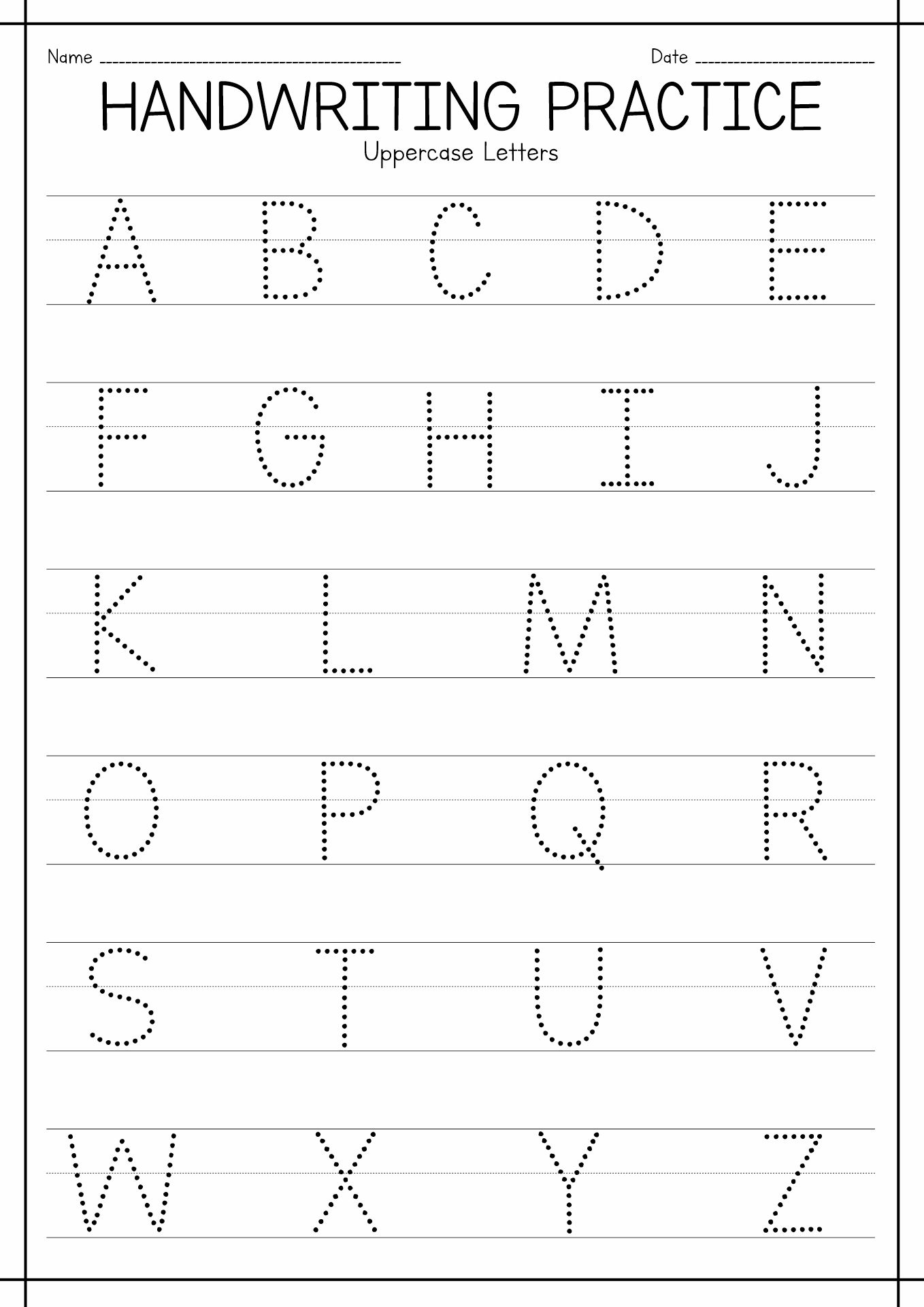
- Traceable Letters: These worksheets feature dotted letters that children can trace over, helping them learn proper letter formation.
- Blank Writing Lines: Ideal for practicing writing independently after mastering tracing, these worksheets provide lines without letters for freeform writing.
- Themed Worksheets: These often include pictures or themes (like animals or seasons) that relate to the letters being practiced, making learning more engaging.
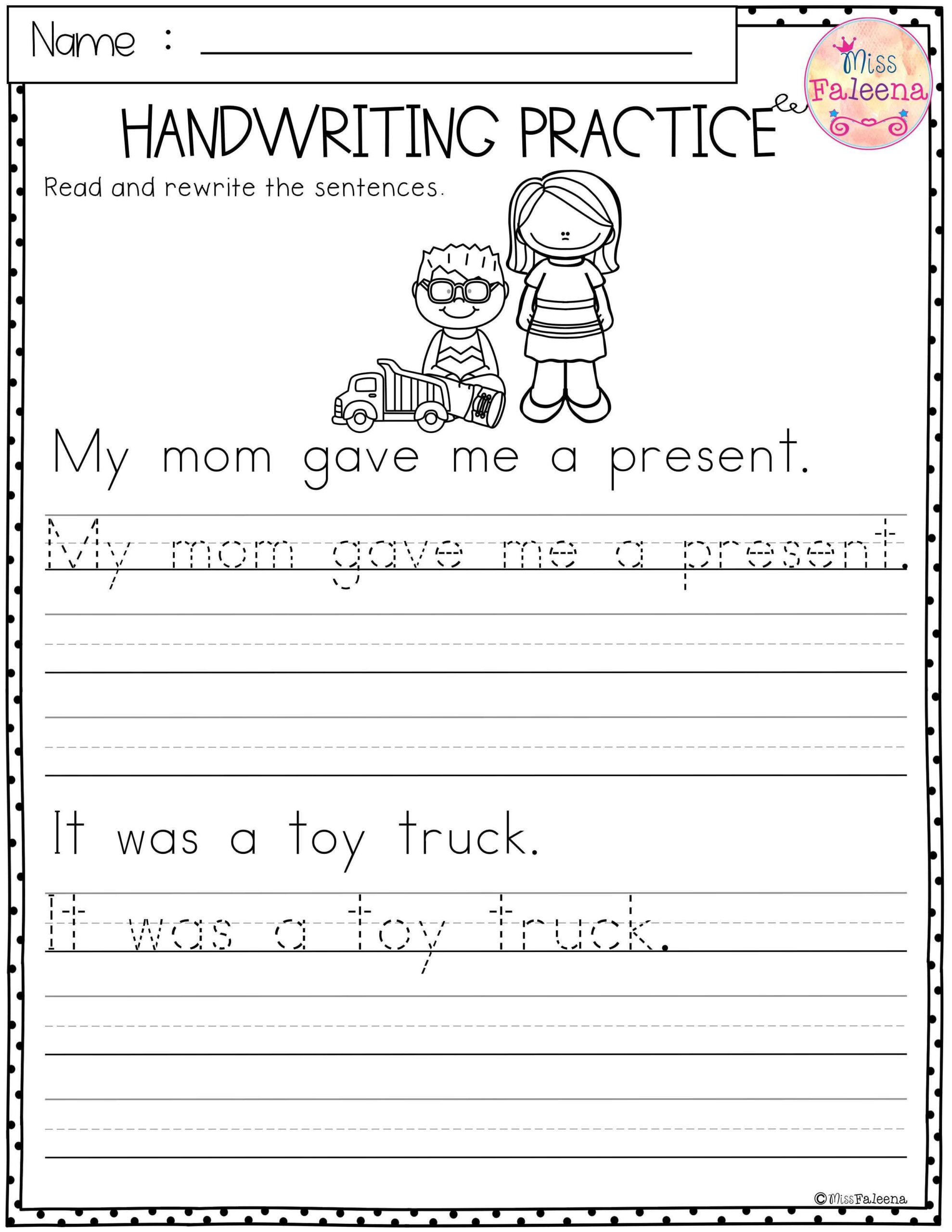
- Sentence Writing: Once children are comfortable with letters, they can progress to worksheets that encourage writing simple sentences.
- Coloring and Writing: Combining handwriting practice with coloring activities can make the learning process more dynamic and enjoyable.
How to Use Handwriting Worksheets Effectively
To maximize the benefits of Free Handwriting Worksheets For Preschool, consider the following tips for effective usage:
- Set a Routine: Establish a regular time for handwriting practice. Consistency helps reinforce learning.
- Create a Comfortable Space: Ensure your child has a quiet, well-lit area to practice their writing. A dedicated space can help minimize distractions.
- Use the Right Materials: Depending on the worksheet, a good quality pencil or crayon can make a difference. Consider using colored pencils to make the practice more enjoyable.
- Encourage Proper Grip: Show your child how to hold their writing instrument correctly. A proper grip can lead to better control and smoother writing.
- Celebrate Progress: Acknowledge your child’s efforts and improvements, no matter how small. Positive reinforcement can motivate them to keep practicing.
Where to Find Free Handwriting Worksheets
There are numerous resources online where you can find Free Handwriting Worksheets For Preschool. Here are some reliable websites to explore:
- Education.com: This site offers a variety of free worksheets tailored to different skills, including handwriting. You’ll find both printable and interactive options.
- Teachers Pay Teachers: Many teachers share their resources here, including free handwriting worksheets. You can filter by grade level and subject.
- Twisty Noodle: This website allows you to customize worksheets by entering your child’s name or specific words they want to practice writing.
- K12Reader: Offering a selection of free printable worksheets, this site focuses on different aspects of handwriting and literacy development.
- Super Teacher Worksheets: This site has a dedicated section for handwriting practice, including a variety of styles and levels.
Tips for Printing and Using Worksheets
Once you’ve found the perfect Free Handwriting Worksheets For Preschool, here are some practical tips for printing and using them:
- Paper Choice: For durability, consider printing on cardstock. This will hold up better if your child wants to use markers or if you plan to laminate them for repeated use.
- Printer Settings: Adjust your printer settings to ensure the worksheets are printed at the correct size. Most worksheets are designed for standard letter size (8.5 x 11 inches).
- Lamination Option: If you want to reuse the worksheets, laminating them allows your child to practice with dry-erase markers. This way, they can trace and erase without wasting paper.
- Organize Worksheets: Keep the printed worksheets in a binder or folder, categorized by skill level or type. This organization makes it easier to find the right activity when you need it.
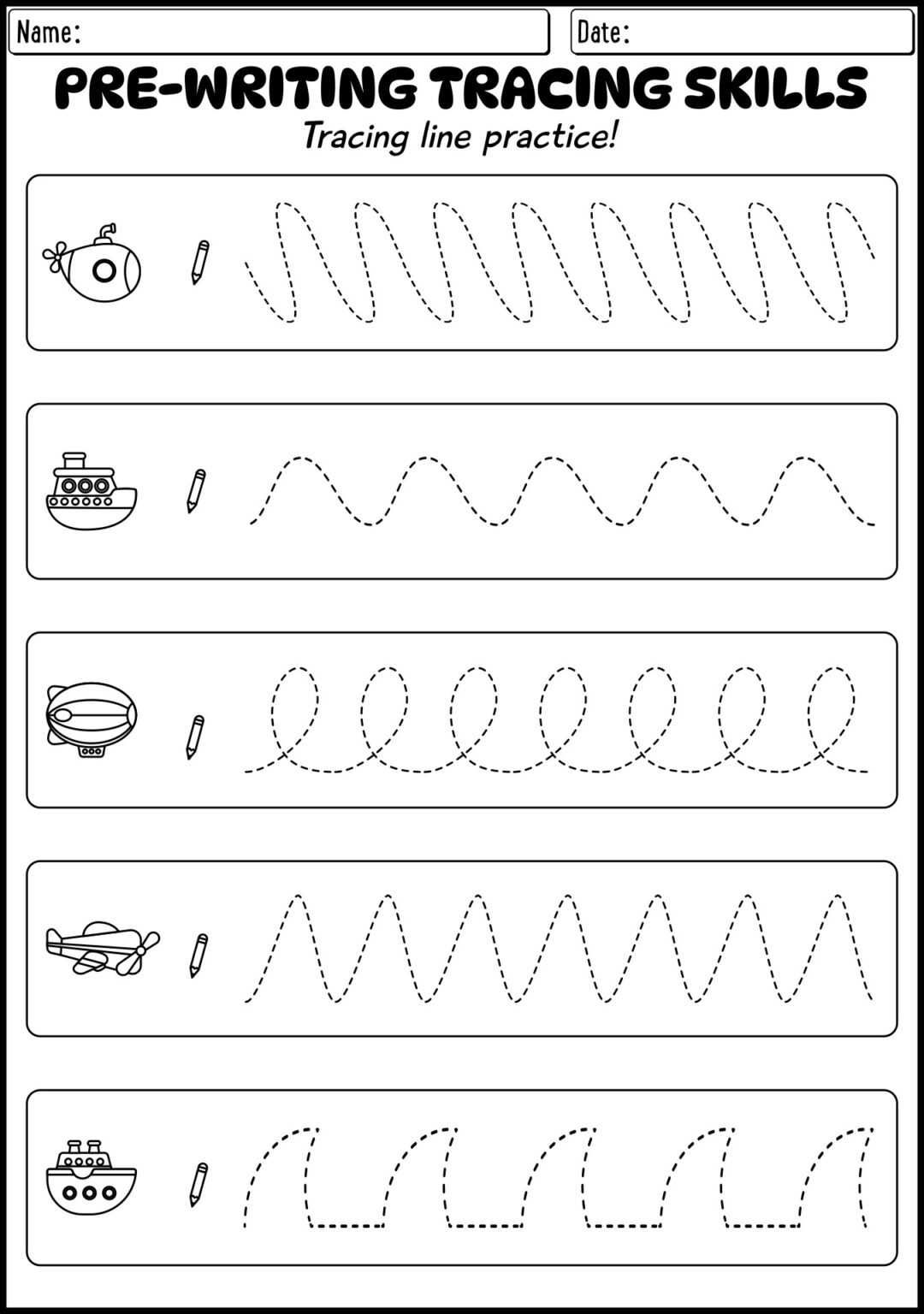
Integrating Handwriting Practice Into Daily Activities
Incorporating handwriting practice into daily routines can be a fun way to reinforce the skills learned through worksheets. Here are some ideas:
- Shopping Lists: Encourage your child to help write the grocery list. This real-world application can make writing feel more relevant.
- Thank You Notes: After a birthday or holiday, have your child write thank you notes. This not only practices writing but also teaches gratitude.
- Storytelling: Ask your child to dictate a short story for you to write down. Then, have them practice writing their version on a worksheet.
- Labeling: Use sticky notes to label objects around the house. This can make writing a part of their environment, reinforcing learning.
- Daily Journals: Provide a small notebook for your child to keep a daily journal. Encourage them to write a sentence or two each day about their experiences.
By utilizing Free Handwriting Worksheets For Preschool and integrating writing into daily life, you can create a rich learning environment that fosters both skill development and a love for writing. Remember, the goal is to make writing enjoyable and engaging, setting the stage for future learning success. So grab those worksheets and let the writing adventures begin!
Free Handwriting Worksheets For Preschool Gallery