Free Line Tracing Worksheets For Preschoolers
When it comes to preparing preschoolers for writing, fine motor skills play a crucial role. Free Line Tracing Worksheets For Preschoolers are an excellent resource for helping young learners develop these skills in a fun and engaging way. These worksheets are designed to guide little hands along various paths and shapes, promoting hand-eye coordination and control. Let’s explore how these worksheets can fit into your preschool routine and the best practices for using them effectively.
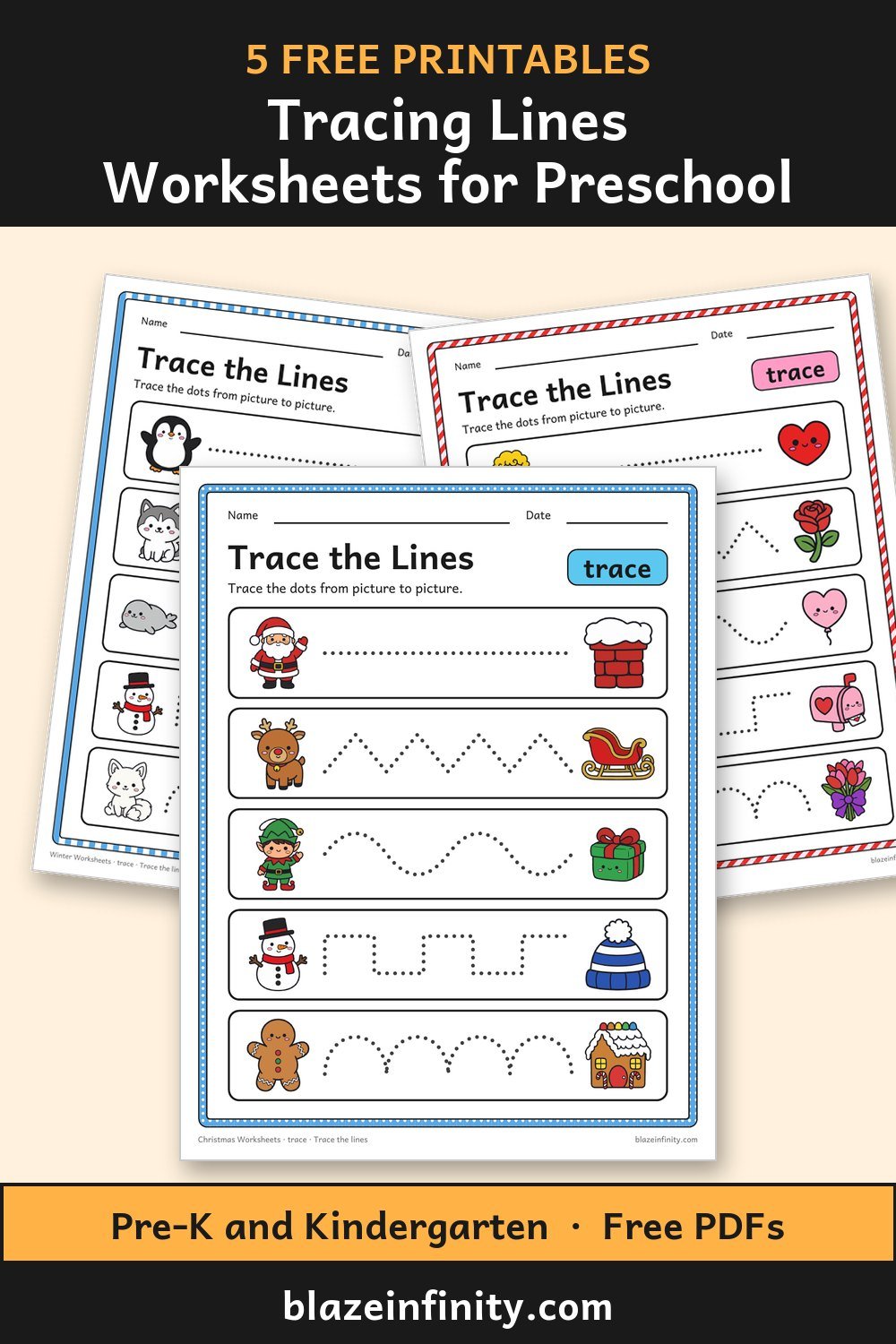
Understanding the Layout of Line Tracing Worksheets
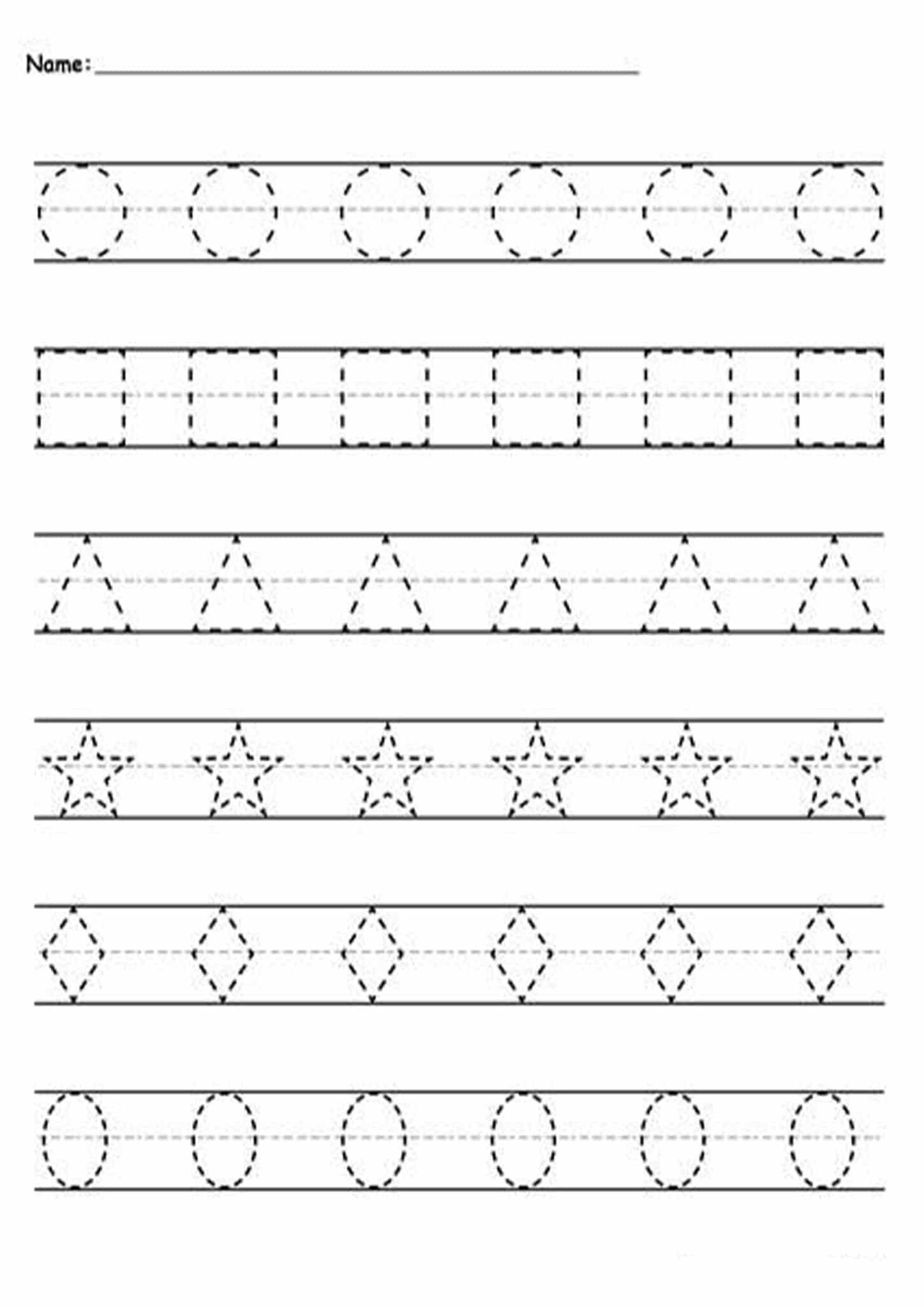
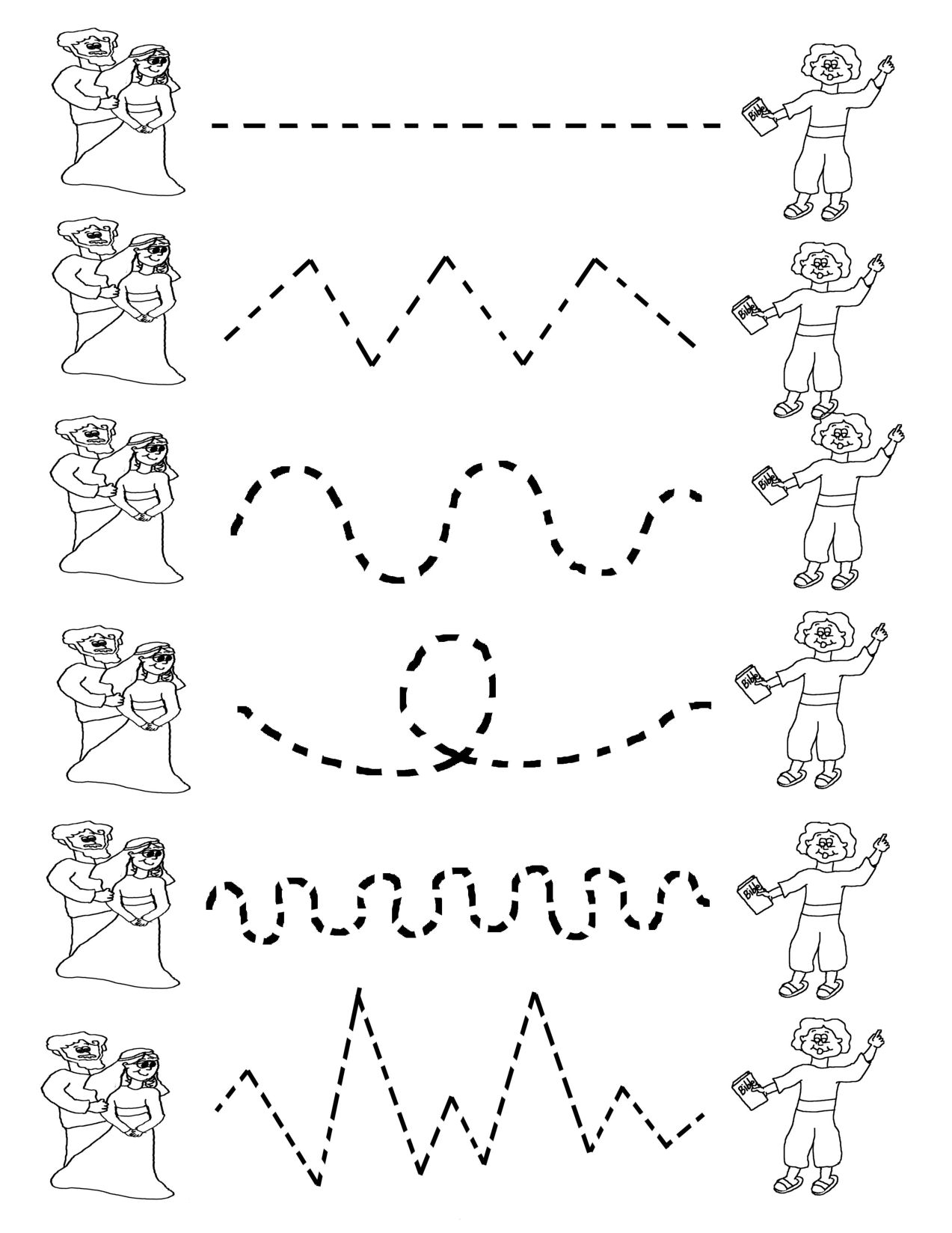
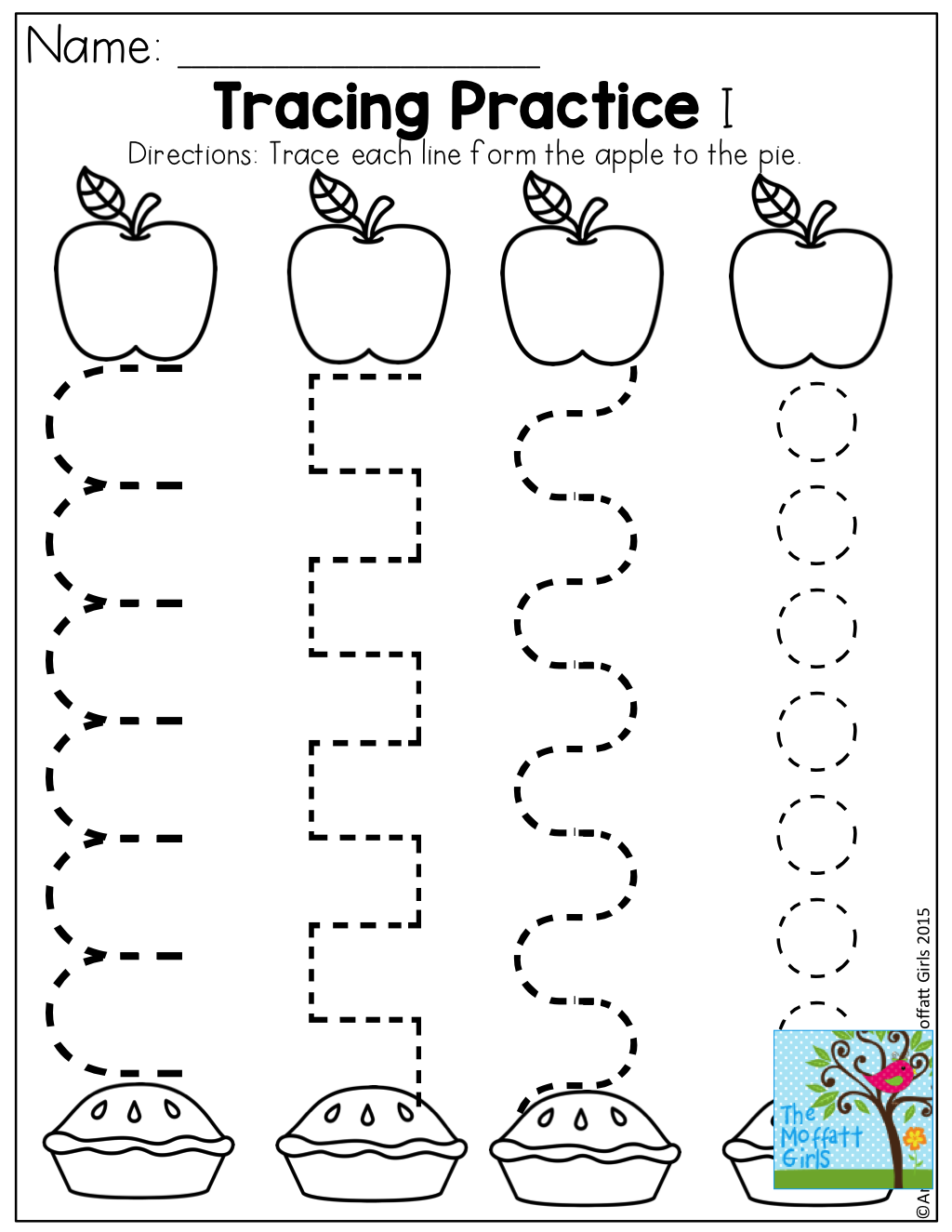
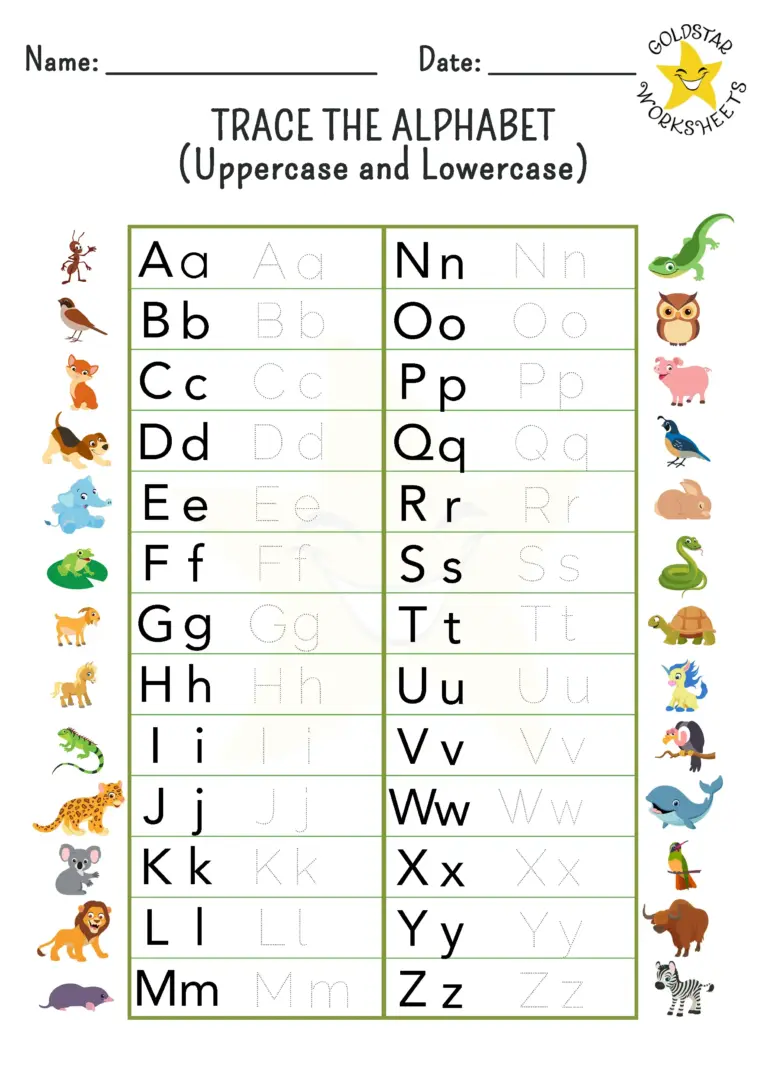
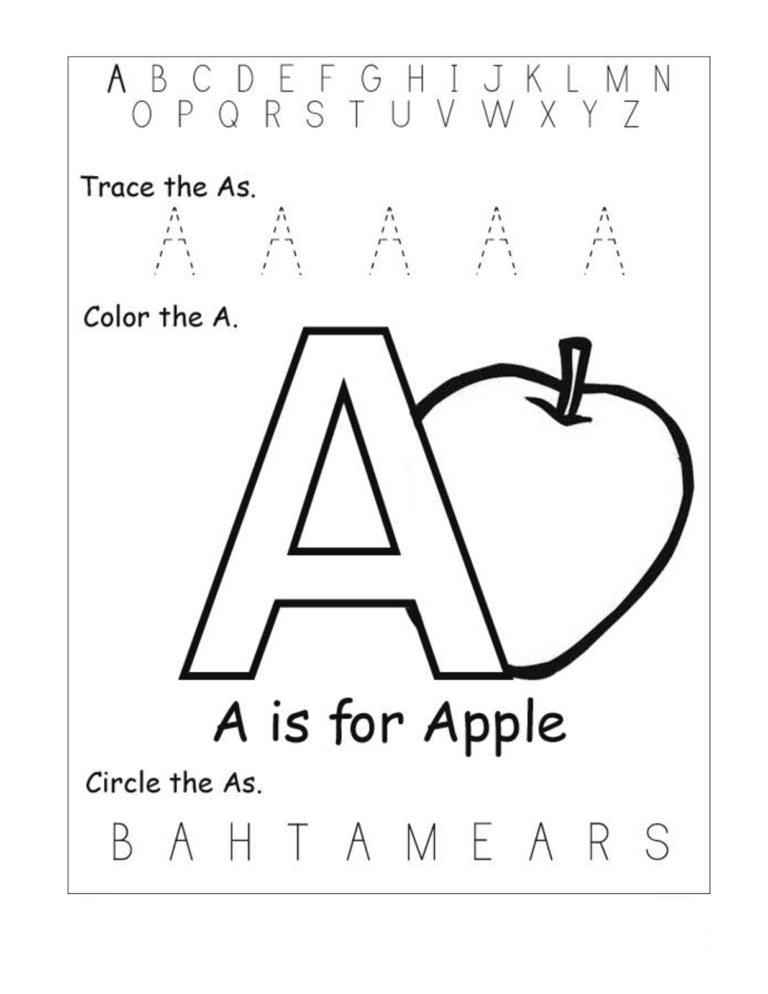
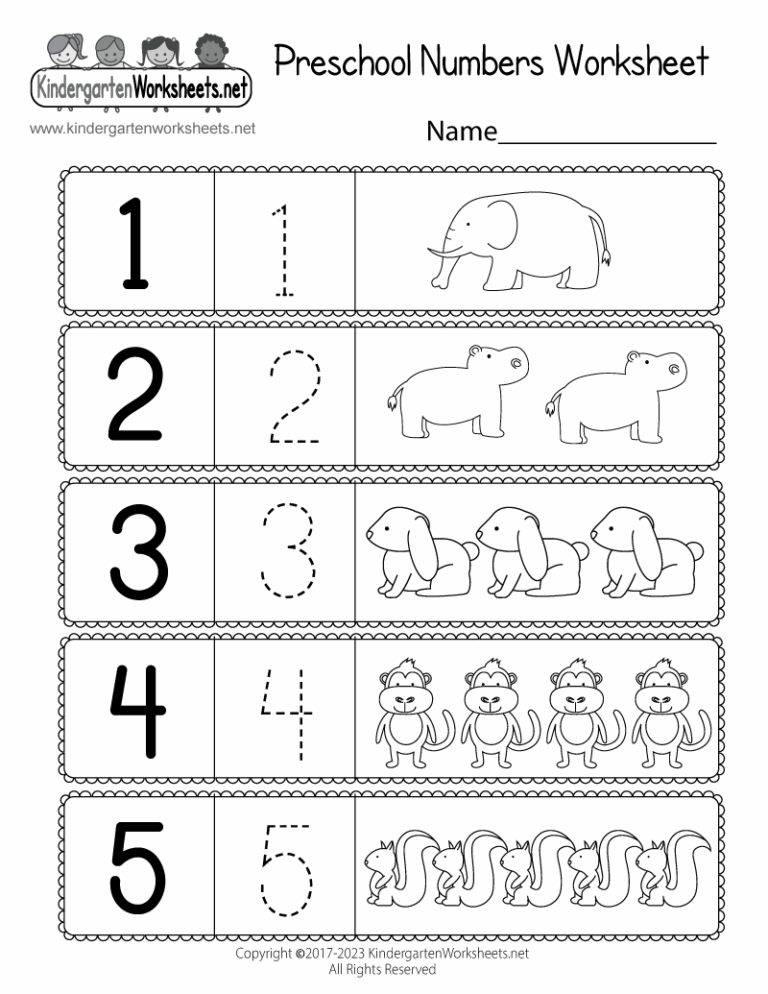
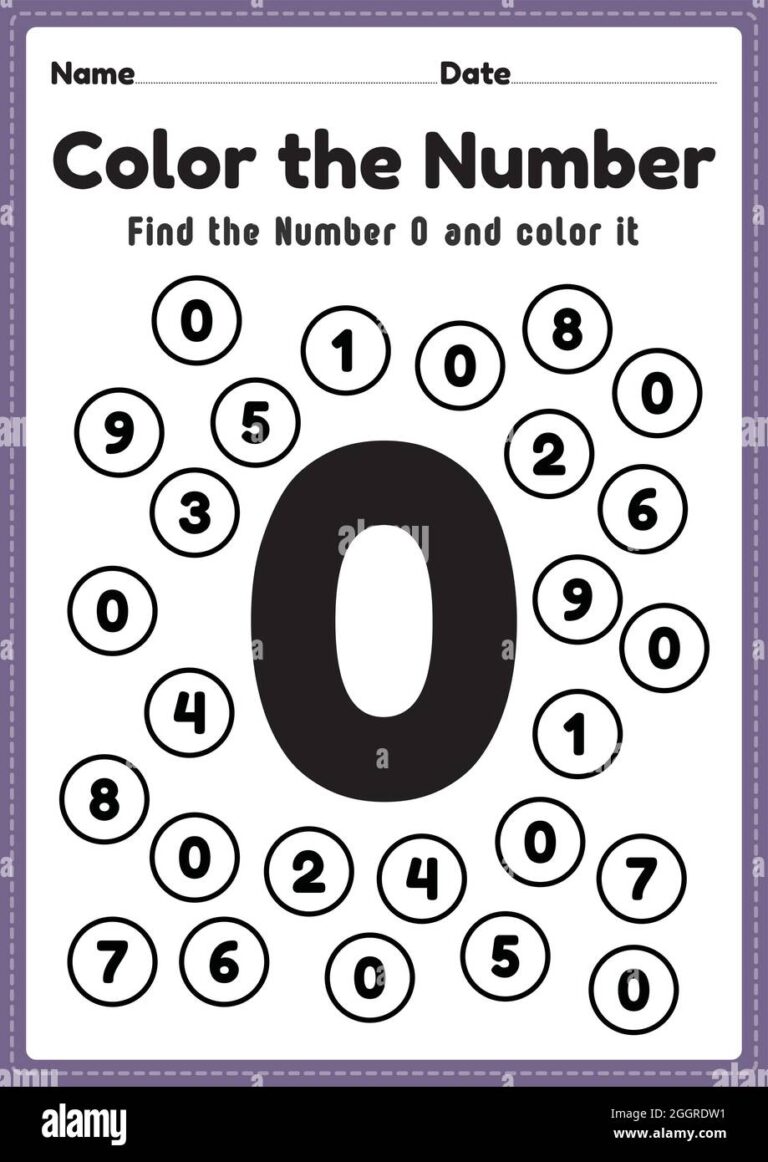
The design of line tracing worksheets is straightforward yet intentional. Typically, each worksheet features a series of lines that vary in complexity, from straight lines to curves and zigzags. This gradual increase in difficulty allows children to build confidence as they progress. Most worksheets are formatted to fit standard printing sizes, like A4 or letter size, ensuring they are easy to print at home or in a classroom.
In addition to lines, many worksheets incorporate fun illustrations or themes, such as animals or vehicles, which can help maintain a child’s interest. When selecting a worksheet, look for those that provide ample space for tracing and are visually appealing to your child. This attention to detail not only makes practicing more enjoyable but also reinforces the learning experience.
Incorporating Worksheets Into Daily Activities
Integrating line tracing worksheets into your preschooler’s daily routine can be simple and effective. Here are a few ideas on how to do this:
- Morning Warm-Up: Start the day with a tracing worksheet as a warm-up activity. This helps your child wake up their hands and get ready for more complex tasks ahead.
- Quiet Time Activity: Use these worksheets during quiet time or as a calming activity after energetic play. It can serve as a transition to more focused tasks.
- Themed Learning Sessions: Pair the worksheets with thematic learning sessions. For example, if you’re focusing on animals, choose worksheets that include animal shapes or outlines.
By embedding these worksheets into daily activities, you’re not only promoting fine motor skills but also creating a structured routine that your child can rely on.
Choosing the Right Paper and Tools
When printing line tracing worksheets, the choice of paper and writing tools can make a significant difference in the experience. Here are some practical tips:
- Paper Type: Use standard printer paper for regular use. However, if you plan to laminate the worksheets for repeated use, opt for a heavier cardstock. This will withstand wear and tear and can be wiped clean with a dry-erase marker.
- Writing Tools: For younger preschoolers, consider using thicker crayons or markers. These tools are easier for small hands to grip and control. As their skills improve, you can introduce finer-tipped markers or pencils.
- Laminating Options: Laminating the worksheets not only protects them but also allows your child to trace over the lines with a dry-erase marker multiple times. This approach encourages practice without waste.
By selecting the right materials, you can enhance the usability of the worksheets and make the tracing activities more enjoyable.
Common Mistakes and How to Avoid Them
While using line tracing worksheets is a straightforward task, there are some common pitfalls that can hinder the learning process. Here are a few mistakes to watch out for and how to avoid them:
- Overwhelming Choices: Offering too many worksheets at once can overwhelm your child. Start with one or two worksheets that match their current skill level and gradually introduce more as they gain confidence.
- Neglecting Feedback: It’s essential to provide positive feedback as your child traces the lines. Encourage them and celebrate their successes, no matter how small. This builds their confidence and keeps them motivated.
- Skipping Practice: Consistency is key. Make it a point to include tracing practice regularly in your routine. Even short sessions can be beneficial if done consistently.
By being mindful of these common mistakes, you can create a more effective learning environment that fosters your child’s development.
Beyond Tracing: Expanding Learning Opportunities
Line tracing worksheets can serve as a springboard for additional learning activities. Here are a few ideas to expand on the tracing experience:
- Story Time Connections: After completing a tracing worksheet, read a related story. For instance, if your child traced lines to form a cat, find a book about cats. This reinforces learning by connecting the activity to literature.
- Artistic Extensions: Encourage your child to color in the images on the worksheet after tracing. This not only adds an artistic element but also allows for discussions about colors and shapes.
- Physical Activities: Create a physical activity that mimics the tracing motions. For example, draw large lines on the ground with chalk and have your child walk along them. This combines movement with learning.
These additional activities can create a richer learning experience and make the practice more dynamic and enjoyable.
Downloading Your Free Worksheets
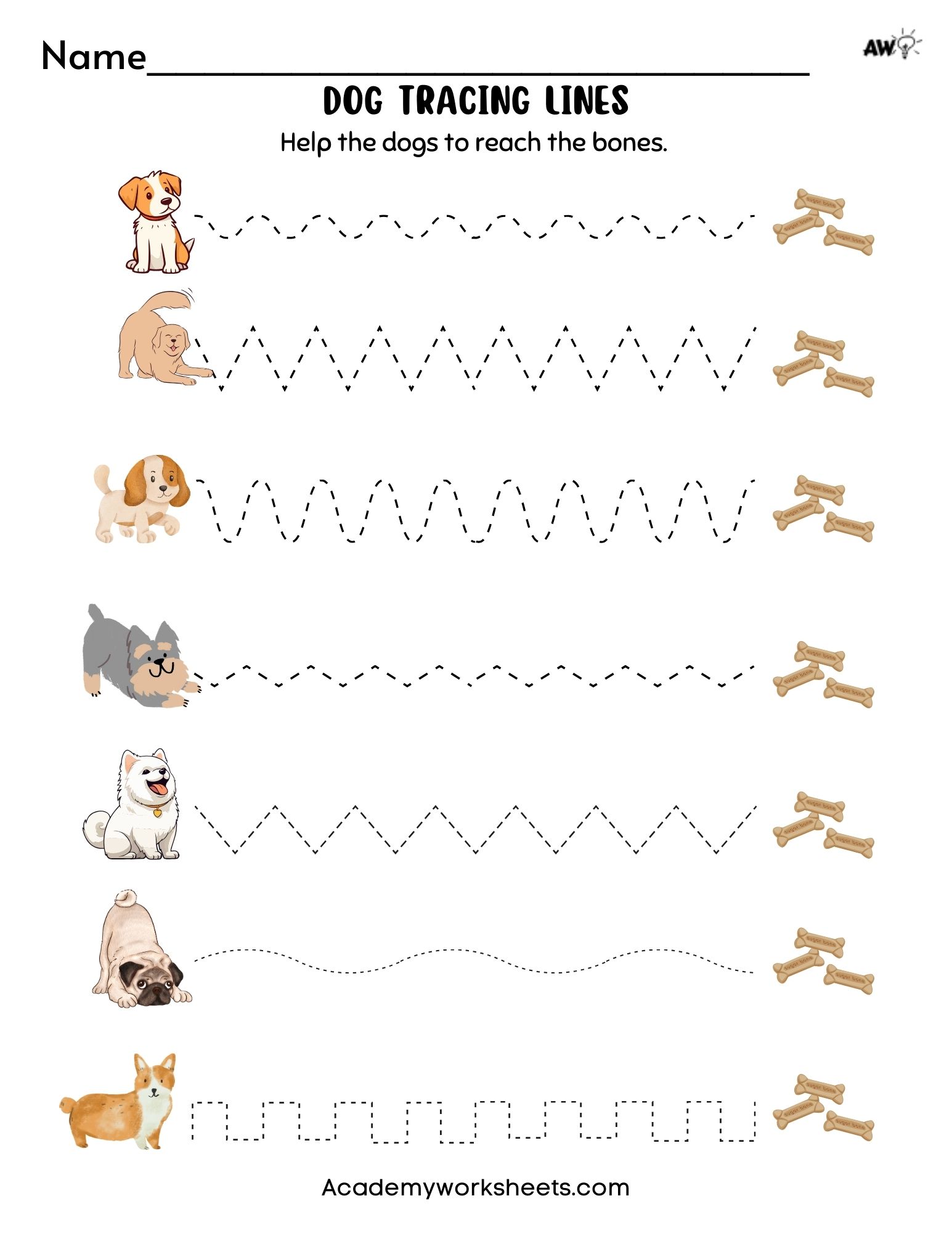
Finding quality Free Line Tracing Worksheets For Preschoolers is easier than ever. Many websites offer free downloads that you can print at home. Look for resources that provide a variety of themes and difficulty levels, catering to different skill sets. Some sites even allow you to customize worksheets according to your child’s interests.
When downloading, ensure that the files are in PDF format, as this preserves the layout and prevents any unwanted reformatting issues. Check the print settings on your printer, ensuring it’s set to the correct paper size to avoid any cut-off sections.
With these worksheets readily available, you can create a treasure trove of tracing activities for your preschooler to enjoy.
By thoughtfully integrating Free Line Tracing Worksheets For Preschoolers into your daily routine, you can foster essential skills in your child while making learning enjoyable. With the right tools, consistent practice, and a little creativity, tracing can become a favorite activity that sets the foundation for future writing success.
Free Line Tracing Worksheets For Preschoolers Gallery