Free Pencil Control Worksheets For Preschoolers
Learning to control a pencil is a foundational skill for preschoolers, setting the stage for future writing success. Free Pencil Control Worksheets For Preschoolers are a fantastic way to help your little ones develop their fine motor skills while having fun. These worksheets typically come in a variety of formats, featuring different lines, shapes, and patterns for children to trace, which can aid in strengthening their grip and coordination.
What Are Pencil Control Worksheets?
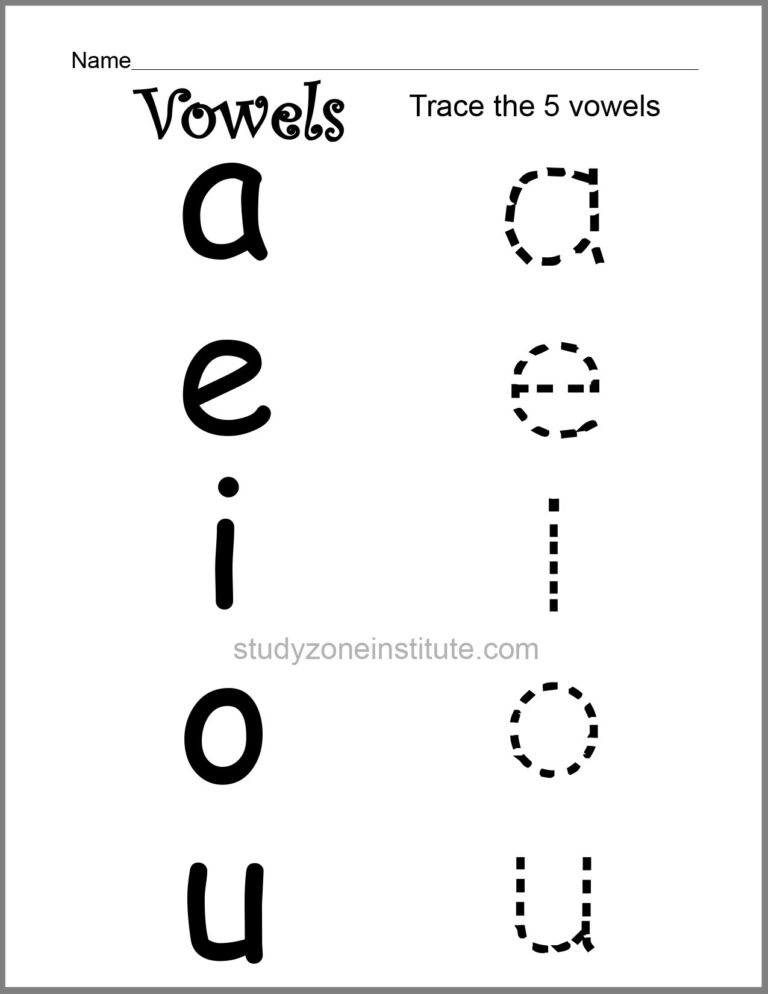
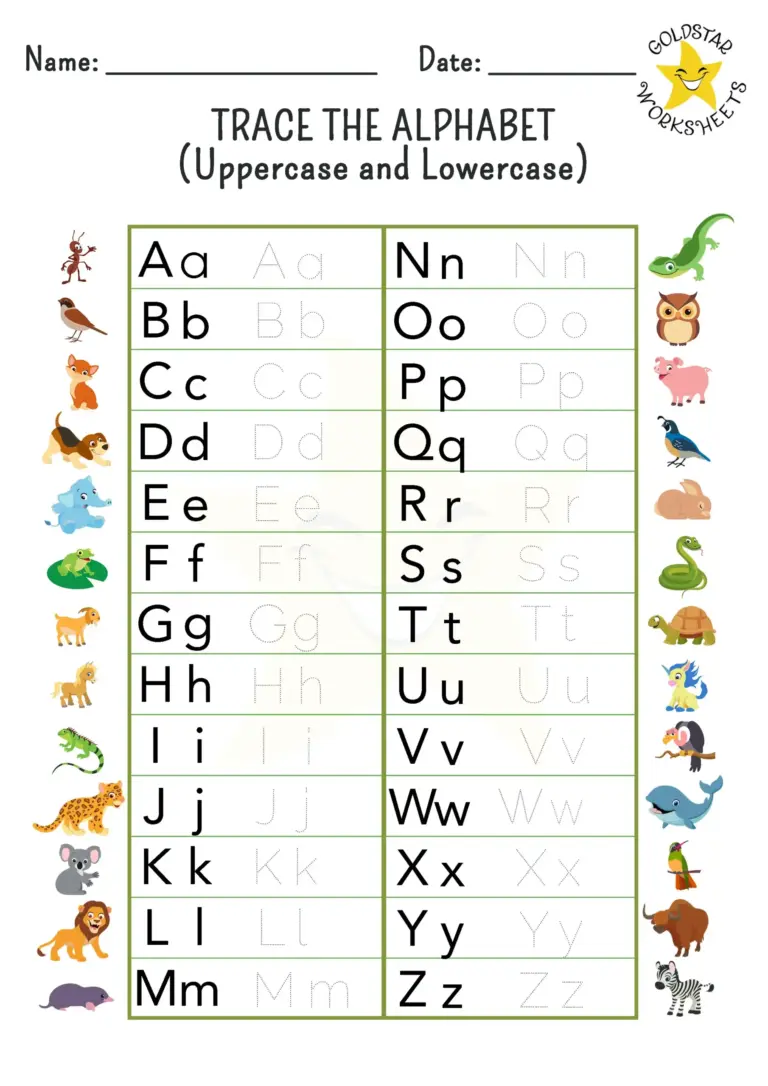
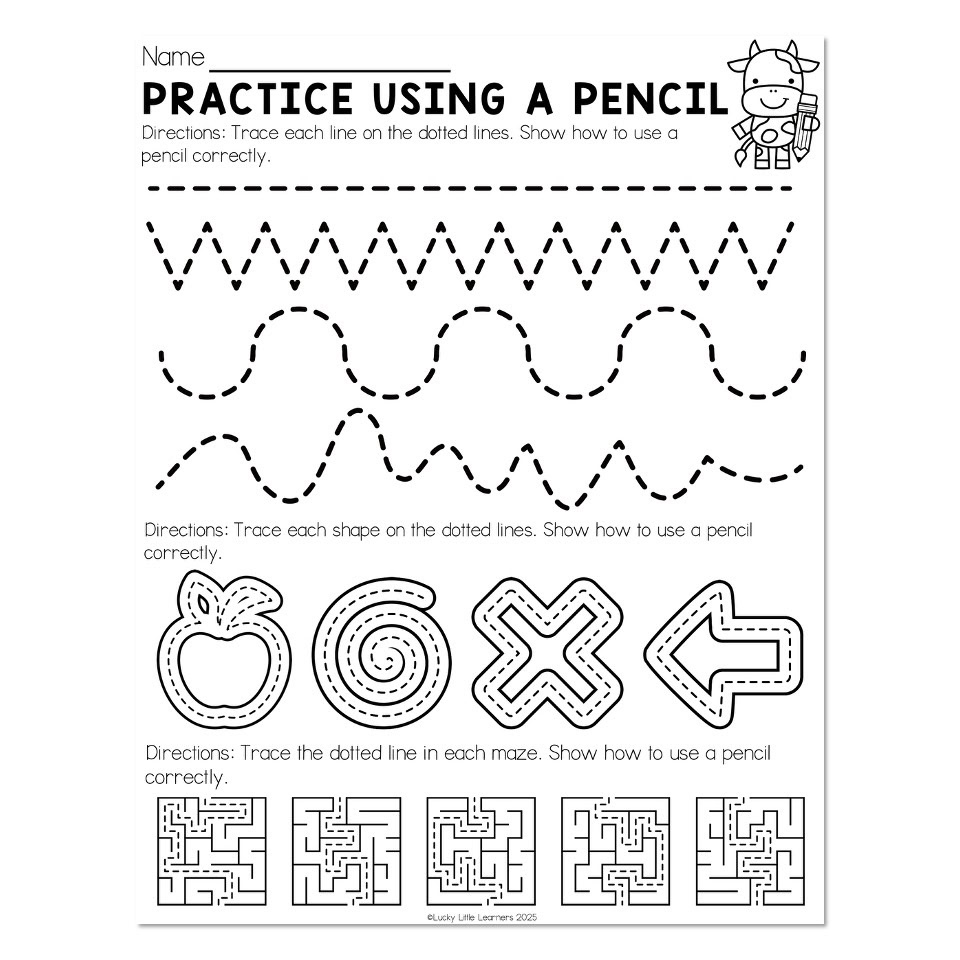
Pencil control worksheets are specially designed to help preschool-aged children practice their pencil grip and motor skills. They usually include activities that involve tracing lines, shapes, and letters, all aimed at enhancing a child’s ability to manipulate a pencil effectively. These worksheets can be an essential part of early childhood education, as they not only improve handwriting skills but also boost confidence as children see their progress.
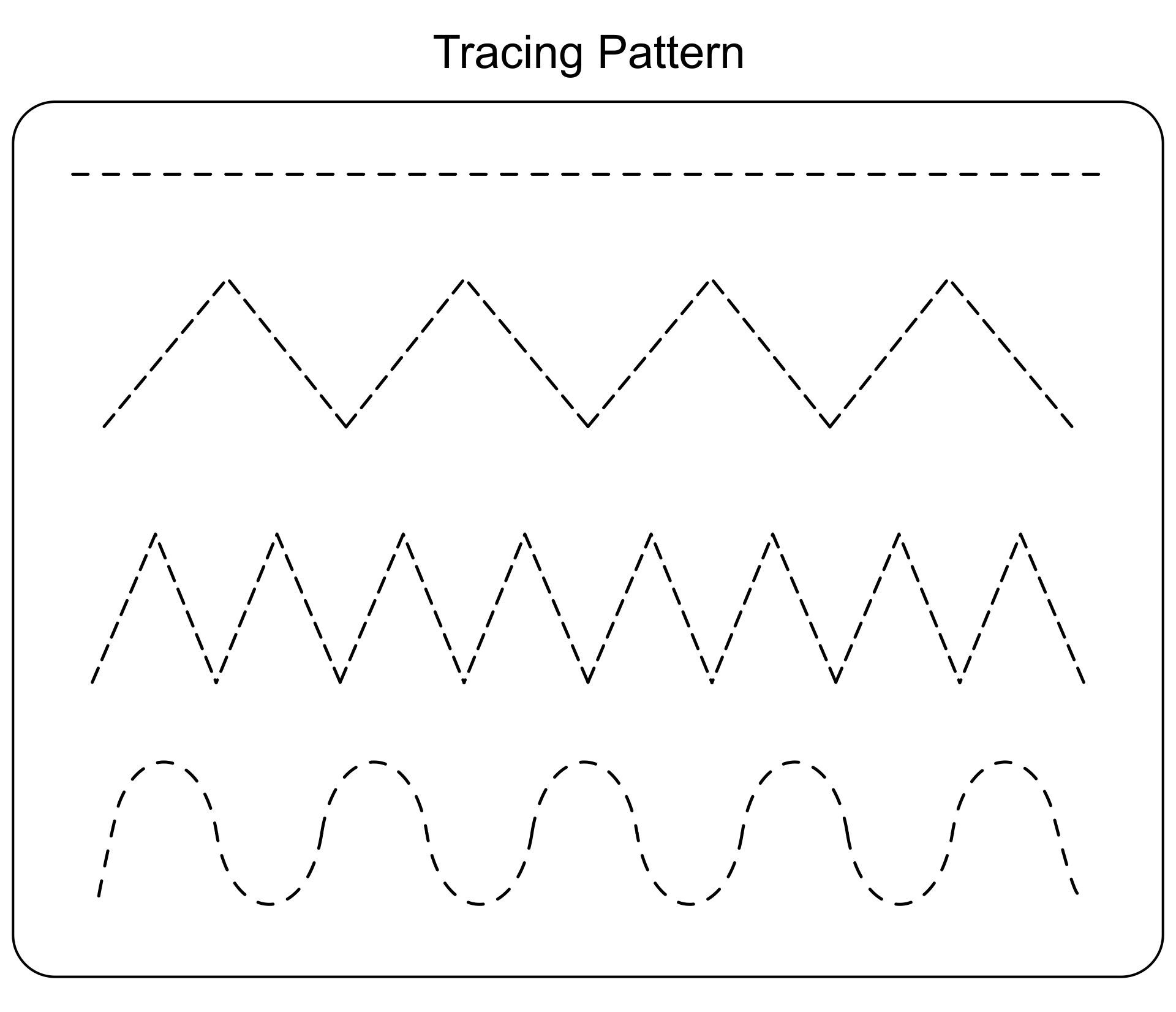
When you download a set of these worksheets, you can expect a variety of activities ranging from simple straight lines to more complex curves and shapes. This gradual progression is key in helping children build their skills without feeling overwhelmed.
Layout and Design Features of Free Pencil Control Worksheets
The layout of pencil control worksheets is designed with young learners in mind. Typically, these worksheets feature:
- Clear, Bold Lines: The lines are often thick and dark, making them easy for little hands to see and follow.
- Varied Patterns: You’ll find a mix of straight lines, zigzags, and curves. This variety keeps your child engaged and excited to practice.
- Illustrative Elements: Many worksheets incorporate fun images or themes, such as animals or objects, that children can trace around, adding an element of play to the learning process.
- Space for Free Drawing: Some worksheets include blank sections where children can practice drawing their own shapes or letters, encouraging creativity alongside skill development.
The design is intentionally simplistic to avoid overwhelming the child, ensuring that they can focus solely on developing their pencil control.
How to Use Pencil Control Worksheets Effectively
To get the most out of these worksheets, consider the following practical tips:
- Set a Routine: Incorporate the worksheets into your daily routine, perhaps as a morning activity or after nap time. Consistency helps reinforce learning.
- Use the Right Tools: Offer your child a variety of writing instruments to explore, such as colored pencils, crayons, or even gel pens. Each tool provides a different feel and can enhance their grip.
- Encourage Proper Grip: Show them how to hold a pencil correctly. A tripod grip (using the thumb, index, and middle fingers) is ideal, and you can gently guide their hand if needed.
- Celebrate Progress: As they complete each worksheet, celebrate their achievements! This could be a simple high-five or a sticker reward. Positive reinforcement boosts their motivation.
Where to Find Free Pencil Control Worksheets
There are numerous online resources where you can download Free Pencil Control Worksheets For Preschoolers. Websites dedicated to educational printables often have a section specifically for fine motor skills. Look for:
- Educational Blogs: Many parenting and teaching blogs offer free printables. They often have unique designs and themed worksheets that can make practice more enjoyable.
- Preschool Resource Sites: Websites like Teachers Pay Teachers or Education.com frequently provide free worksheets created by educators.
- Coloring and Activity Sites: Some sites focus on coloring pages but also include tracing worksheets, which can double as pencil control practice.
When downloading, ensure that you’re getting high-quality PDFs to avoid any scaling issues when printing.
Common Mistakes to Avoid
While using pencil control worksheets, there are a few common pitfalls parents might encounter:
- Skipping Levels: It can be tempting to jump to more complex worksheets, but children benefit from mastering the basics first. Start with simple lines and gradually move to more intricate patterns.
- Not Monitoring Posture: Ensure that your child is seated comfortably at a table with proper posture. Good posture can significantly affect their control.
- Overloading: Avoid giving too many worksheets at once. It’s better to keep sessions short and focused to maintain their interest and prevent frustration.
By keeping these tips in mind, you can create an effective and enjoyable learning environment for your preschooler.