Free Preschool Tracing Lines Worksheets
When it comes to helping preschoolers develop fine motor skills, Free Preschool Tracing Lines Worksheets are an invaluable tool. These worksheets not only provide a fun way for kids to practice their writing skills but also enhance their hand-eye coordination and concentration. As a parent, I know how important it is to find resources that are engaging and educational for our little ones. These worksheets are a great way to keep your child entertained while learning essential skills.
What Are Tracing Lines Worksheets?
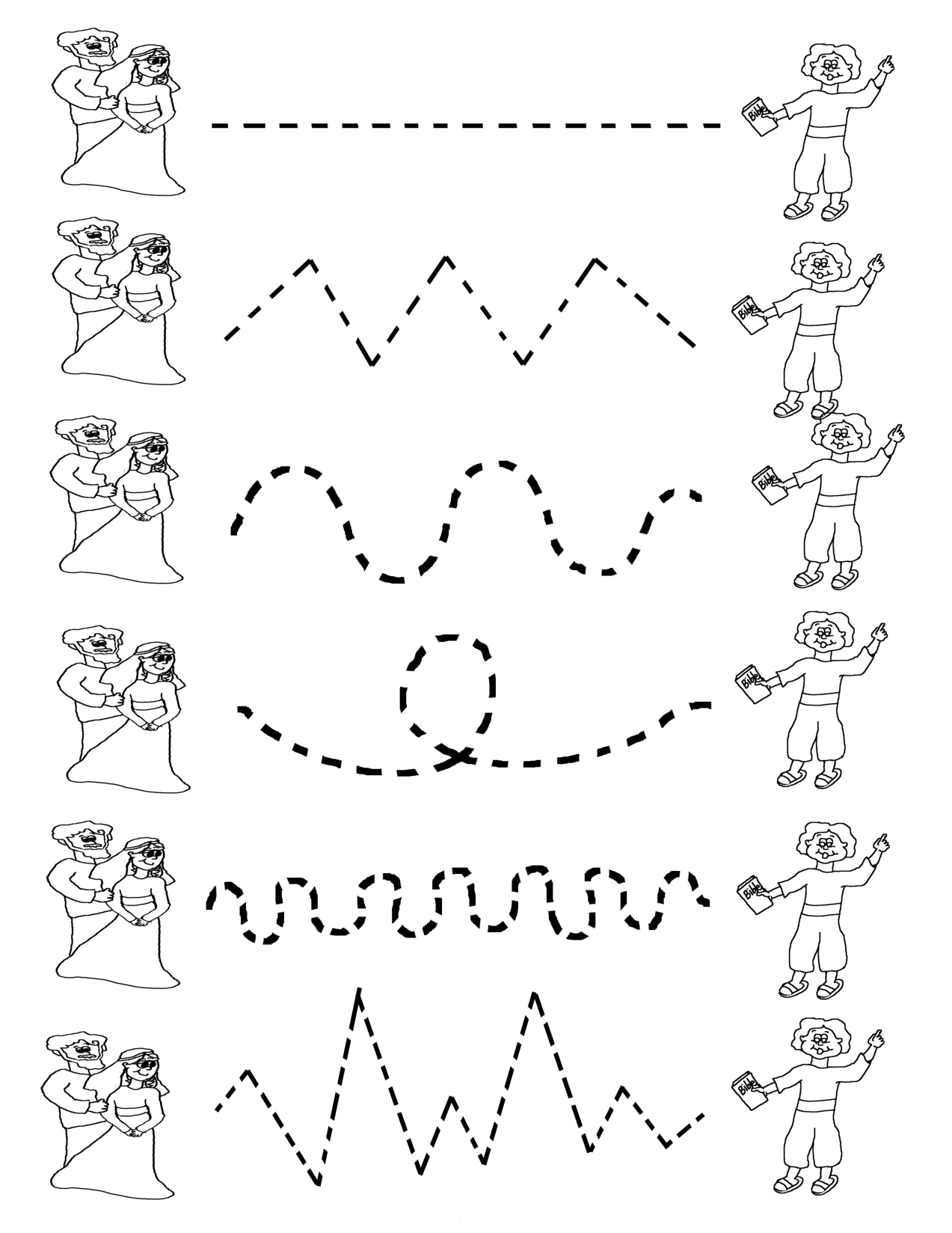
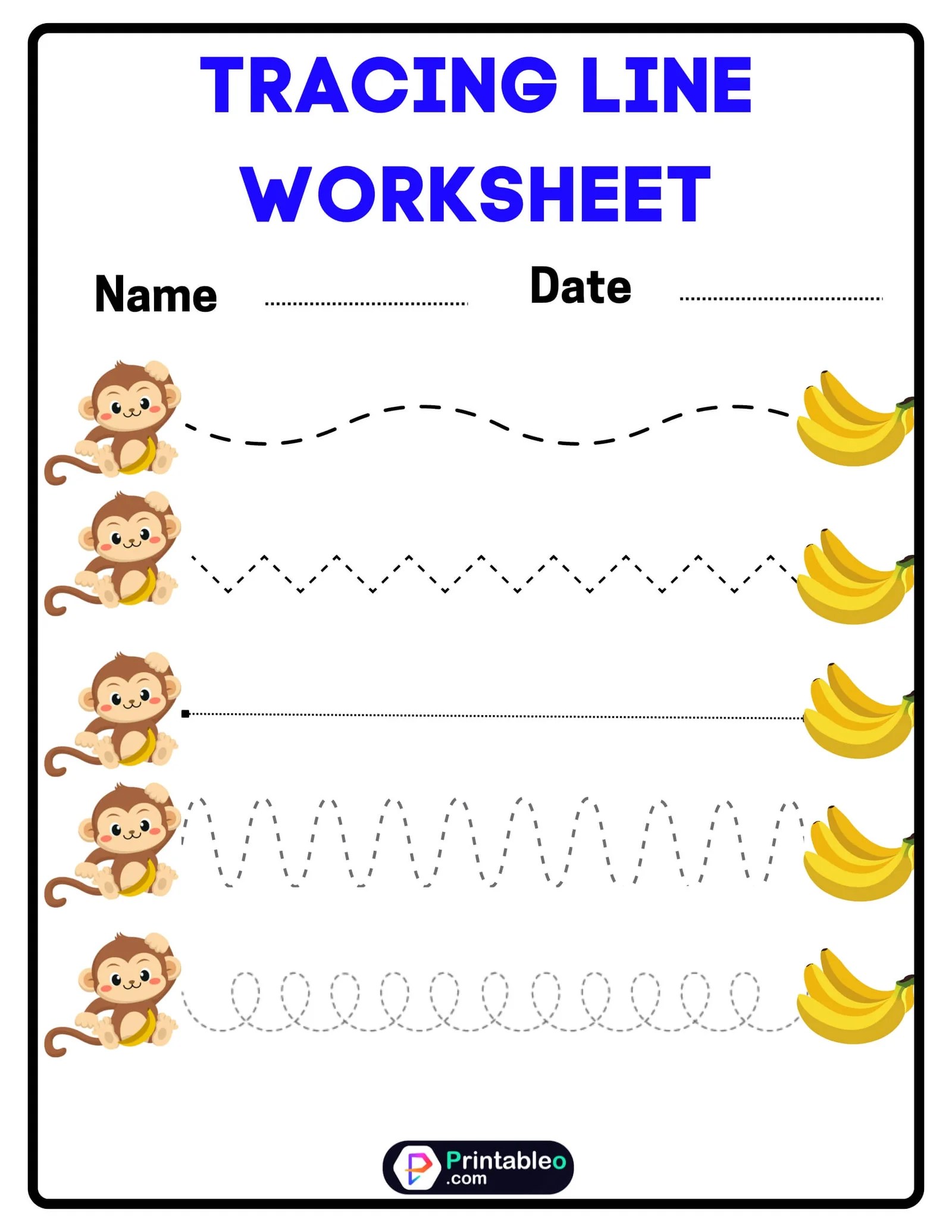
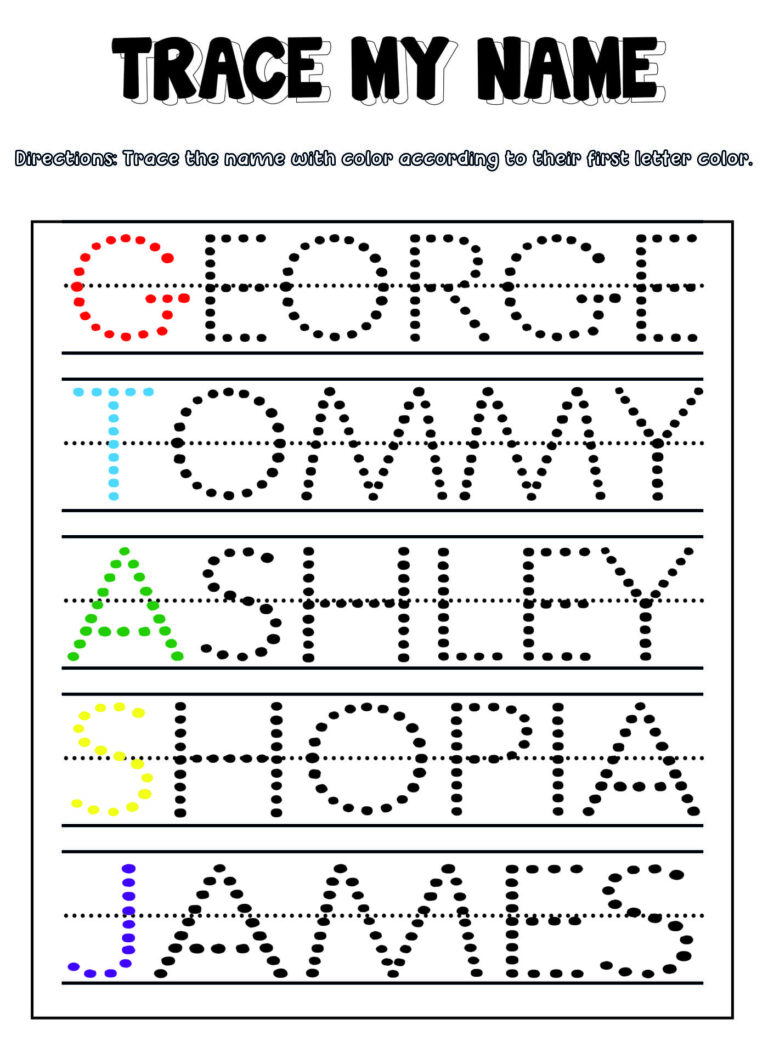
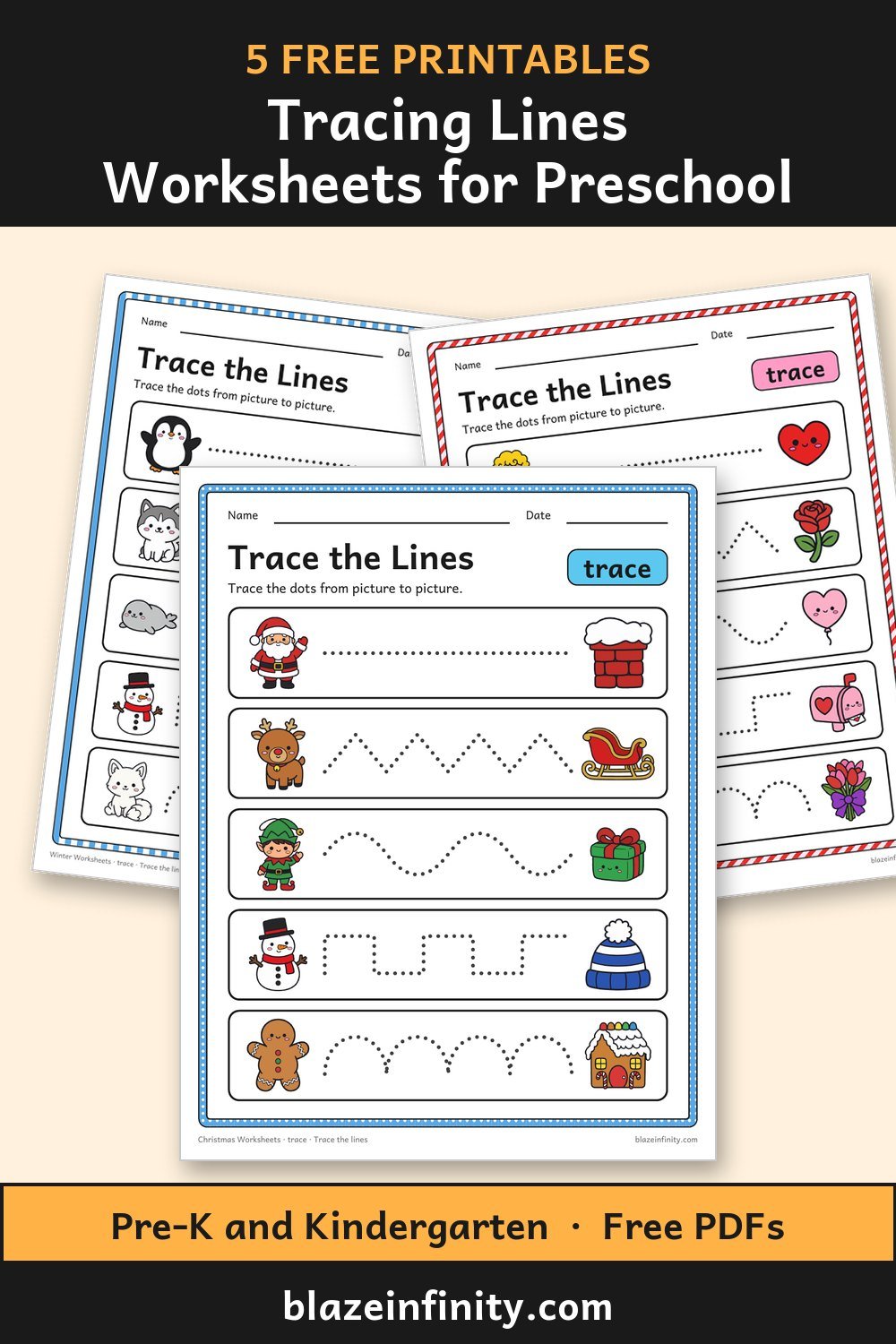
Tracing lines worksheets are specially designed printables that feature various lines and shapes for children to trace over. They typically include straight lines, zig-zag lines, curved lines, and various shapes. The primary purpose of these worksheets is to help children practice their pencil grip and hand movements in preparation for writing letters and numbers.
These worksheets are perfect for preschoolers who are just starting to learn how to control a pencil. By tracing lines, kids can build their confidence and improve their dexterity in a fun, engaging way. Many of these worksheets are themed, which can make the activity even more appealing to young learners.
How to Use Free Preschool Tracing Lines Worksheets
To get the most out of these worksheets, here are some practical tips on how to incorporate them into your child’s routine:
- Set a Comfortable Workspace: Choose a quiet, well-lit area with a flat surface for your child to work on. Ensure they have access to crayons or pencils.
- Print Multiple Copies: Since kids might enjoy tracing over the same lines multiple times, consider printing several copies of each worksheet. This way, they can practice as often as they like.
- Use the Right Tools: For younger children, thicker crayons or markers can be easier to hold, while older preschoolers might prefer pencils. This choice helps them adapt their grip as they progress.
- Incorporate Themes: Many tracing worksheets come with themes like animals, seasons, or shapes. Choose ones that align with your child’s interests to keep them engaged.
- Track Progress: Create a simple chart to track your child’s progress. Note which worksheets they completed and how they improved over time. This can be a great way to celebrate their achievements!
Different Types of Tracing Lines Worksheets
There are various types of tracing lines worksheets available to cater to different learning styles and preferences:
Straight Lines
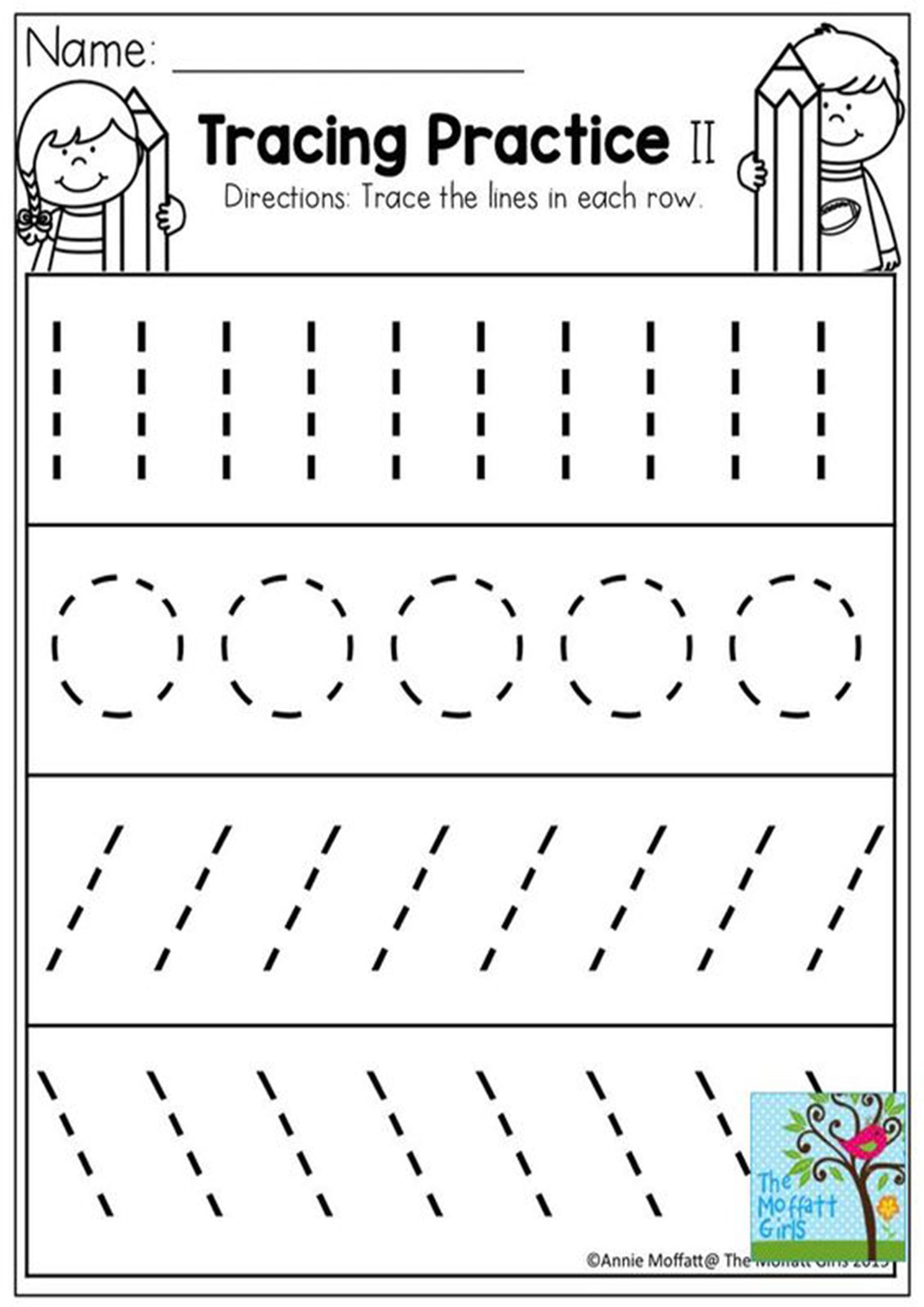
Straight lines are the foundation for writing. Worksheets featuring horizontal, vertical, and diagonal lines help children learn basic control and directionality.
Curved Lines
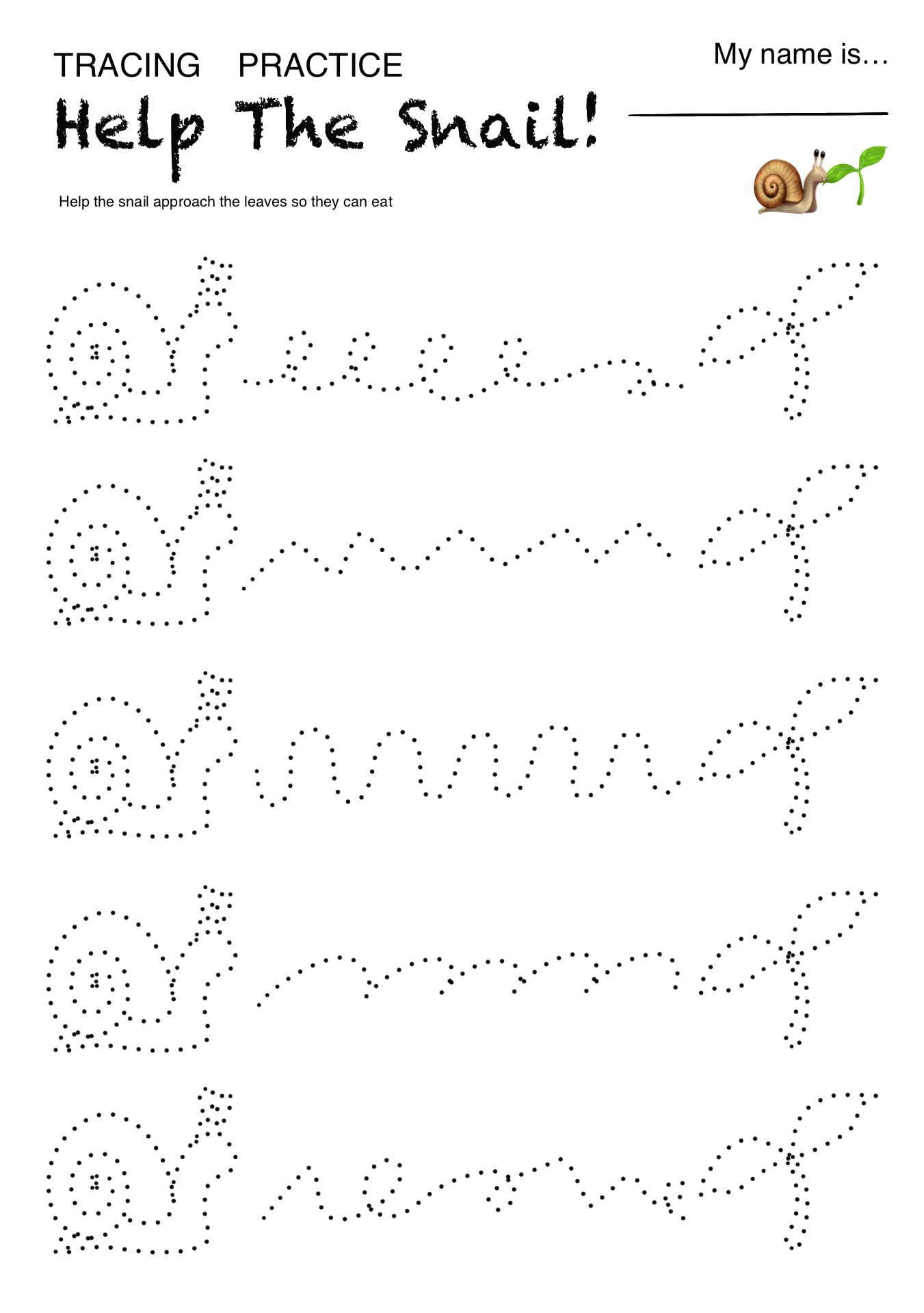
Curved lines introduce more complex movements. These worksheets often include circular shapes and wavy lines, which help improve fine motor skills while being enjoyable to trace.
Shapes and Patterns
These worksheets combine lines with shapes like circles, squares, and triangles. Tracing these shapes helps children recognize forms and prepares them for future math skills.
Themed Tracing Worksheets
Themed worksheets often feature fun illustrations related to holidays, animals, or nature. These can make the tracing activity feel like a game, capturing children’s attention and making learning enjoyable.
Where to Find Free Preschool Tracing Lines Worksheets
There are numerous online resources where you can find free preschool tracing lines worksheets. Here are some reliable websites:
- Education.com: Offers a variety of printable worksheets tailored for preschoolers.
- Teachers Pay Teachers: A marketplace for educators that often has free downloadable tracing worksheets.
- Twinkl: Provides a range of educational resources, including tracing lines worksheets for different themes.
- Super Simple: Known for its engaging educational materials, this site also includes tracing worksheets that align with preschool learning goals.
Make sure to check the print settings on your printer before printing. Portrait layout is generally more suitable for most home printers, and using cardstock can enhance durability if you plan to reuse the worksheets.
Tips for Effective Tracing Practice
To ensure that your child gets the most out of their tracing practice, consider these helpful tips:
- Model the Activity: Show your child how to hold the pencil correctly and guide them through the first few lines. Demonstrating can help them understand what is expected.
- Encourage Independence: Once your child feels comfortable, let them trace without your assistance. This fosters independence and builds their confidence.
- Praise Efforts: Celebrate your child’s efforts, no matter how small. Positive reinforcement will motivate them to continue practicing.
- Mix Up the Activities: Incorporate other activities that enhance fine motor skills, such as playdough, cutting with safety scissors, or coloring. This variety keeps learning fresh and exciting.
- Use Laminated Sheets: If you want to make the worksheets reusable, consider laminating them. Your child can then use dry-erase markers to trace and easily wipe them clean afterward.
By integrating these worksheets into your child’s daily routine, you’re giving them a solid foundation for future writing skills. The key is to make the experience enjoyable, allowing your child to explore at their own pace while learning.
Tracking Your Child’s Progress
One of the best parts of using Free Preschool Tracing Lines Worksheets is the ability to track your child’s improvement over time. Here are some methods to help you monitor their progress:
- Create a Portfolio: Keep a folder or binder where you can store completed worksheets. This visual representation of their work can be incredibly motivating for young learners.
- Set Goals: Establish simple goals, such as completing a certain number of worksheets each week. This helps your child focus and feel accomplished as they meet each target.
- Discuss with Your Child: Talk to your child about what they enjoy the most and what they find challenging. This can guide future activities and keep their interest alive.
By staying engaged and tracking progress, you can make learning fun and rewarding for your child. The journey of learning to write starts here, and with the help of Free Preschool Tracing Lines Worksheets, you’re setting the stage for their success in school and beyond.
Free Preschool Tracing Lines Worksheets Gallery