Free Preschool Worksheets Age 3 4 Alphabet
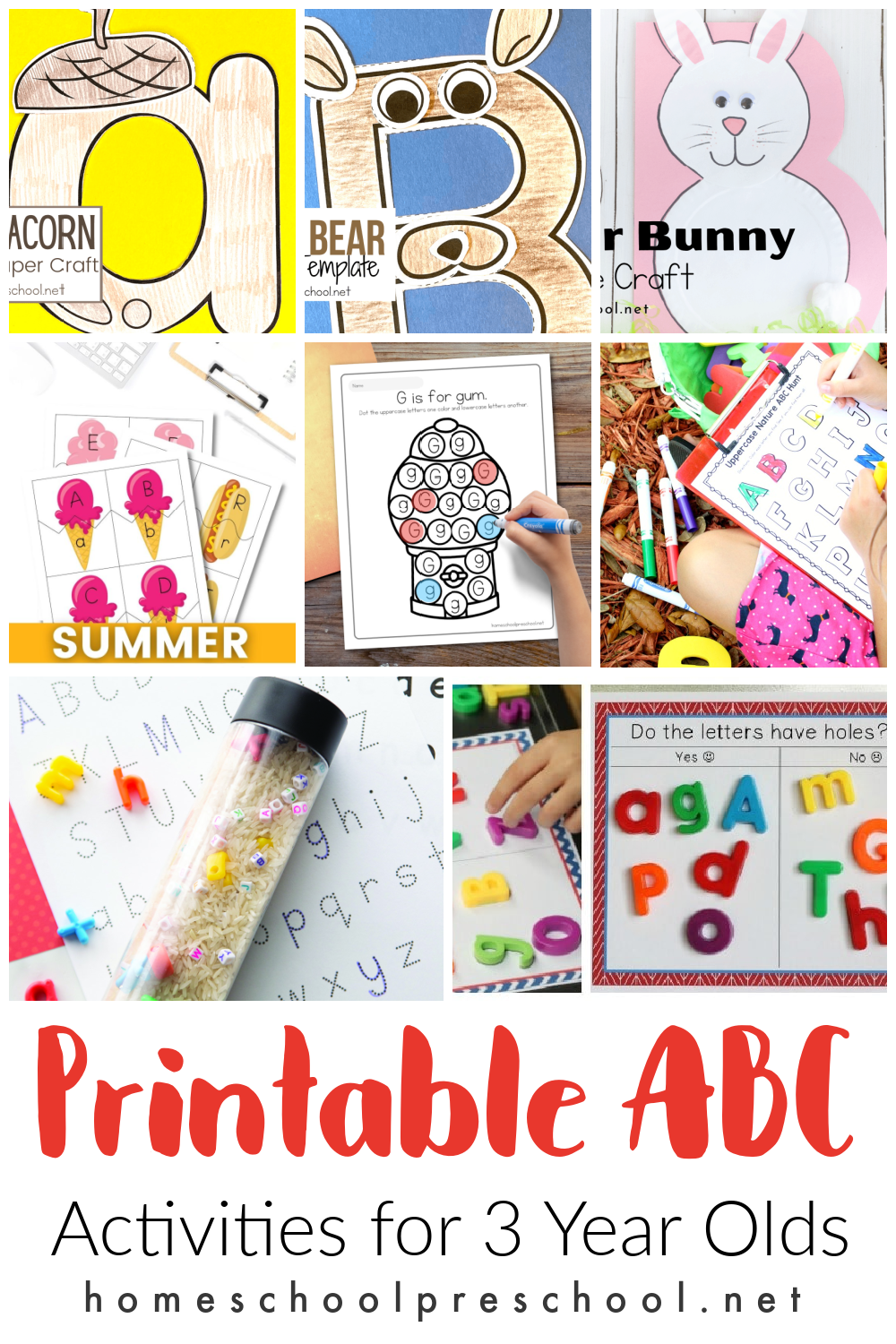
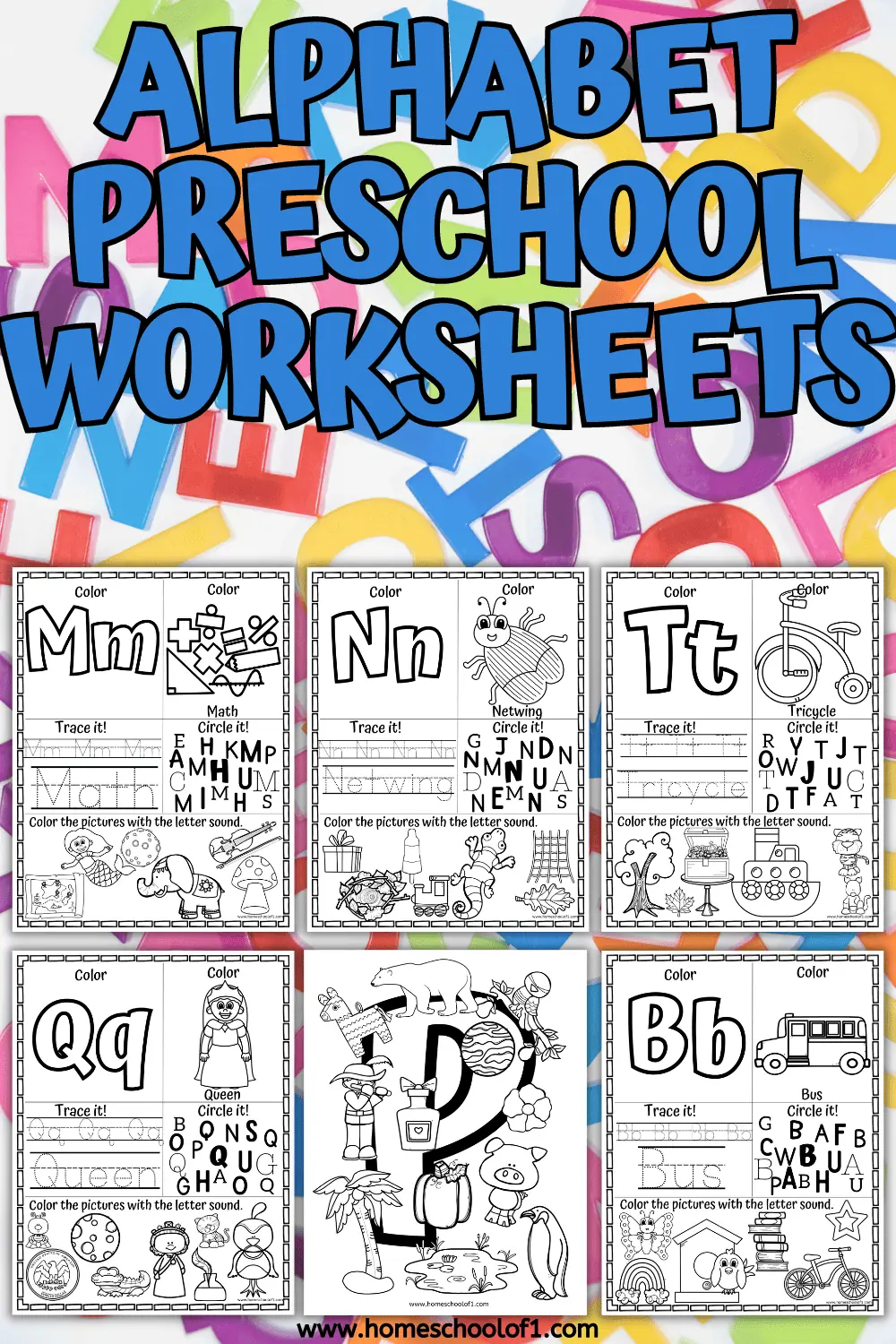
Children aged 3 and 4 are at a wonderful stage of development where they’re eager to learn and explore. Free Preschool Worksheets Age 3 4 Alphabet can be a fantastic resource to help your little ones familiarize themselves with letters in a playful and engaging manner. These worksheets are not just about coloring or tracing; they offer a variety of activities that stimulate learning through play.
Choosing the Right Worksheets
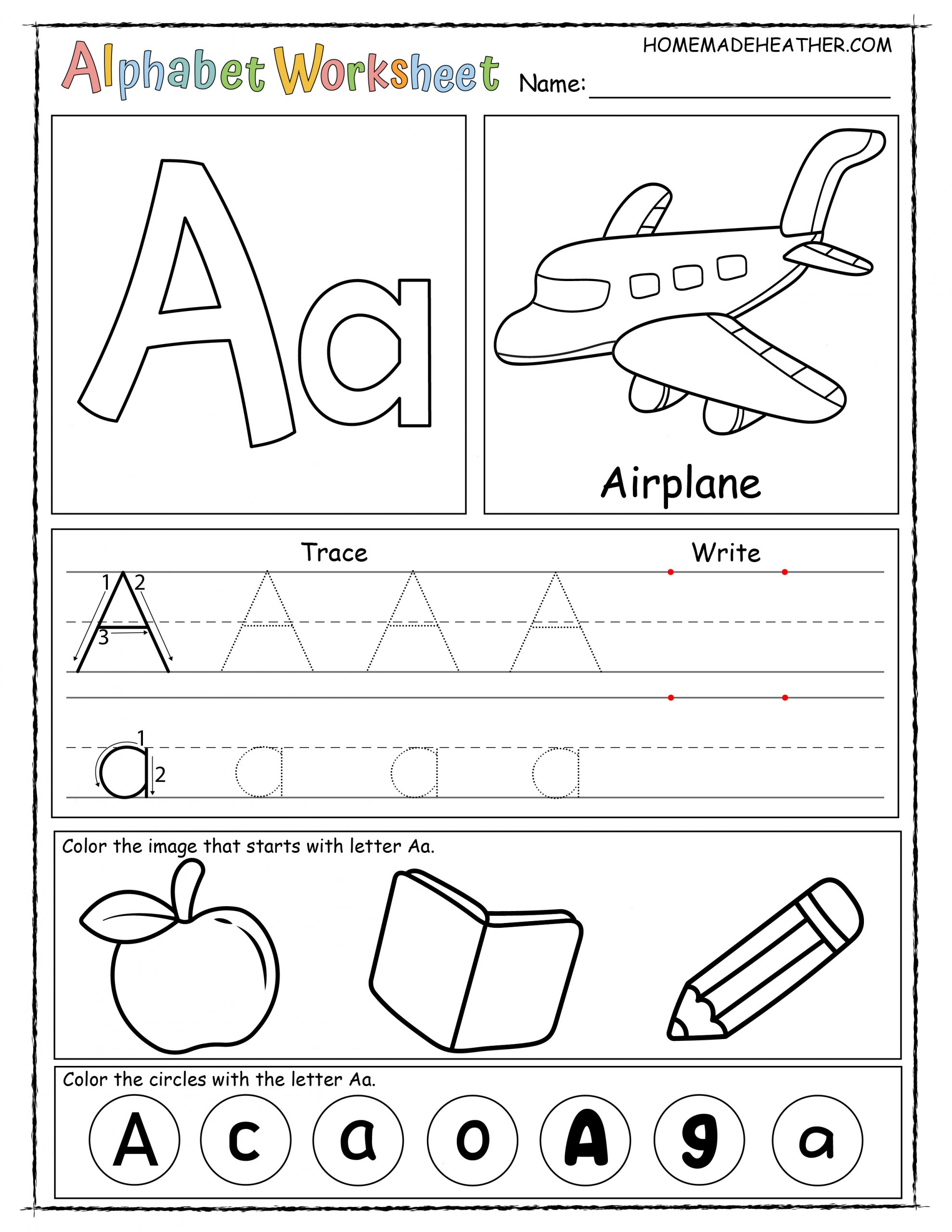
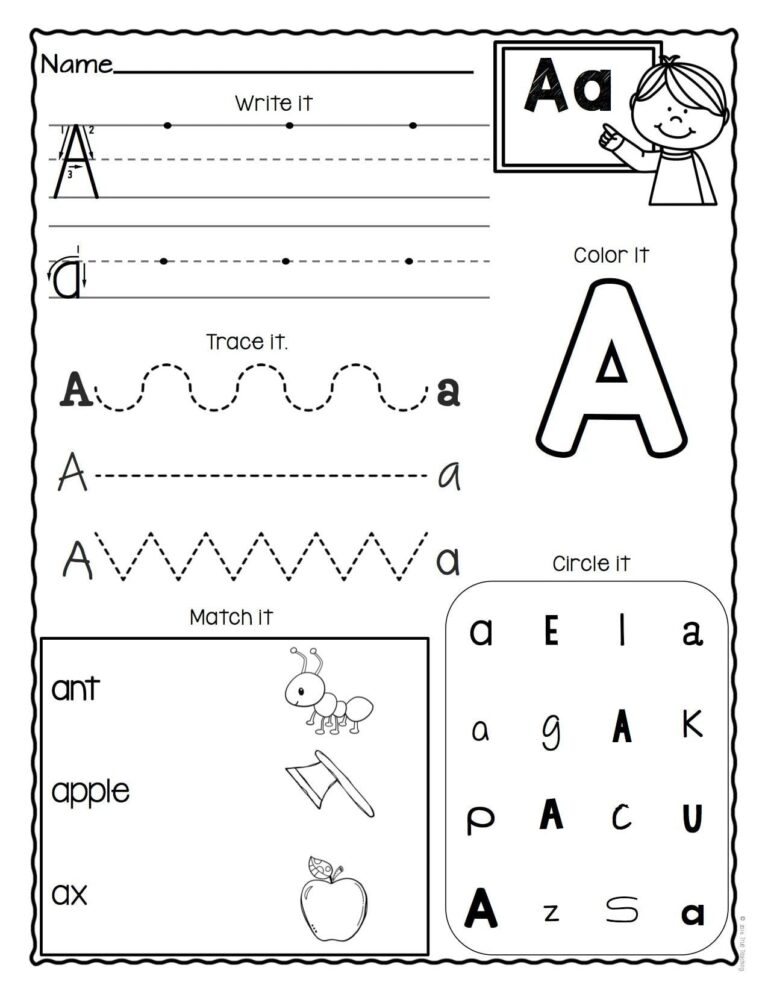
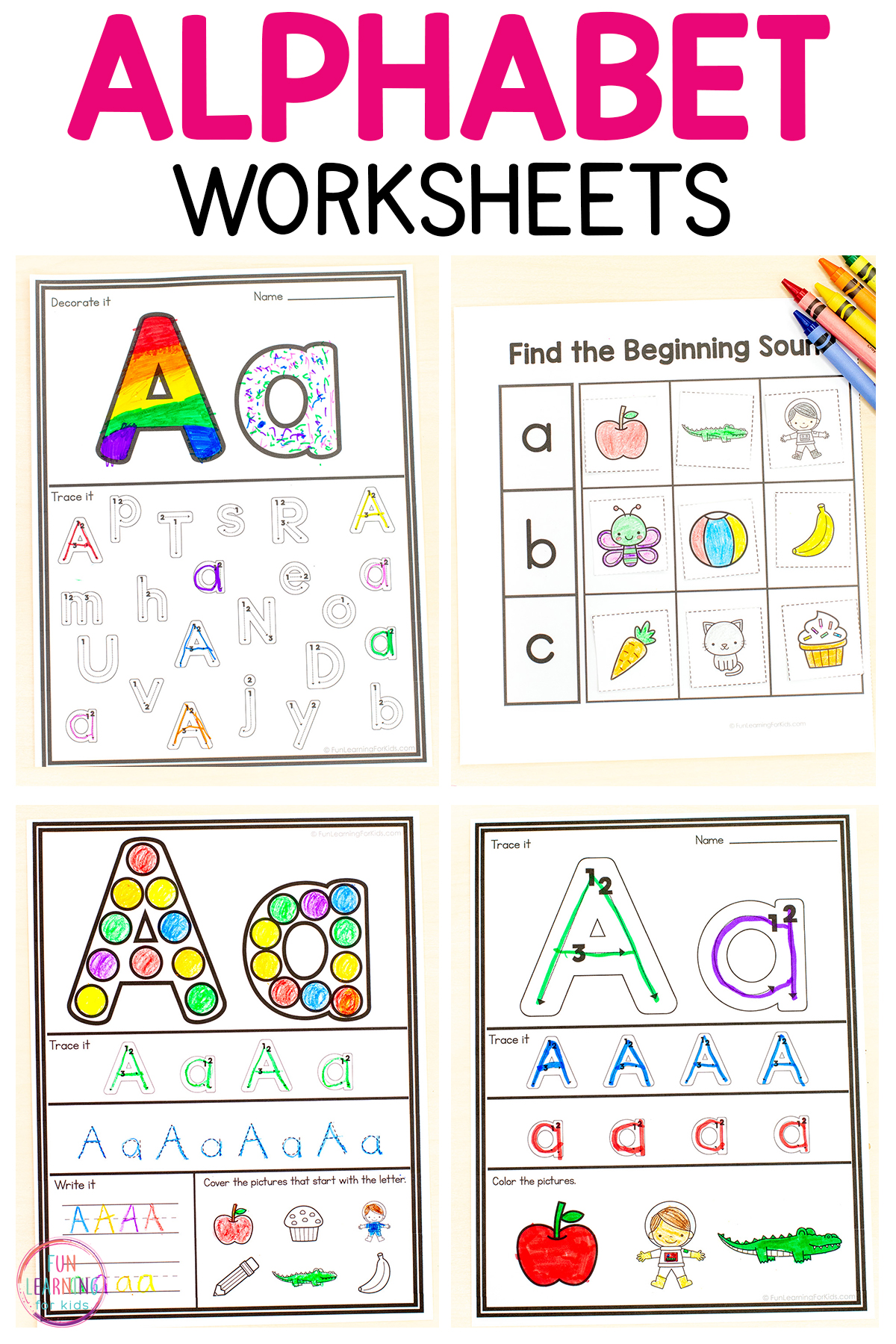
Selecting the right worksheets is essential for keeping your child engaged. Look for resources that offer a mix of activities such as tracing, matching, and identifying letters. Most preschool worksheets for this age group will be designed to be colorful and visually appealing, which is crucial for holding a child’s attention.
When choosing, consider:
- Activity Variety: Look for worksheets that include different types of activities so your child doesn’t get bored.
- Difficulty Level: Ensure the worksheets are appropriate for their age. For 3-4 year olds, focus on basic letter recognition and simple sounds.
- Theme Relevance: Worksheets that incorporate themes (like animals or colors) can enhance the learning experience.
Downloading and Printing Your Worksheets
Once you’ve selected the worksheets you want, downloading and printing them should be a breeze. Here’s a quick guide:
- Download the Files: Most worksheets are available in PDF format, which retains the layout and quality regardless of the device used. Make sure to click on the download button and save the file to your computer or device.
- Choose the Right Paper: For durability, especially if your child likes to color or trace, opt for cardstock. It’s thicker and can withstand more wear and tear compared to regular paper. Standard sizes like 8.5” x 11” are common for worksheets, making them easy to print.
- Print Settings: Ensure your printer settings are adjusted for quality. Selecting “Best Quality” in your printer settings can make a significant difference in the final product.
- Check for Alignment: After printing, double-check that the alignment is correct, especially if you’re printing multiple pages. This ensures that everything is neat and legible.
Setting Up a Learning Space
Creating a dedicated space for learning can greatly enhance your child’s experience. Here are some tips for setting up an ideal learning environment:
- Comfortable Seating: Provide a small table and chair suitable for their size. This helps them get comfortable and focused.
- Organized Resources: Keep their worksheets, crayons, and other supplies within reach. Using a bin or organizer can help keep everything tidy.
- Minimize Distractions: Choose a quiet space away from the TV or other noisy areas. This helps them concentrate better on the tasks.
Engaging With the Worksheets
Once you have everything set up, it’s time to look at the worksheets. Here’s how to maximize the learning experience:
- Guided Learning: Sit with your child as they work through the worksheets. Offer encouragement and assistance when needed. This not only helps them understand the tasks but also strengthens your bond.
- Discuss the Worksheets: After they complete an activity, talk about what they’ve done. Ask them questions about the letters, sounds, and any words they can think of that start with those letters. This reinforces their learning and boosts their confidence.
- Incorporate Movement: Young children often have a lot of energy. Incorporate activities that allow them to move, such as a scavenger hunt for objects that start with a certain letter. This can make learning feel more dynamic and fun.
Tracking Progress With Worksheets
To help you monitor your child’s learning progress, consider creating a simple tracking chart. This will allow you to note which letters they’ve mastered and which they might need more practice with. Here’s how to create one:
- Create a Chart: Use a blank sheet of paper or a digital document to list the letters of the alphabet.
- Fill It In: As your child completes worksheets, mark the letters they’ve worked on. You can use stickers or color-coding to indicate mastery or need for improvement.
- Review Regularly: Set aside time each week to review their progress. This not only helps you identify areas for improvement but also creates a sense of accomplishment for your child.
Using Worksheets for Different Learning Styles
Every child learns differently, and worksheets can cater to various learning styles:
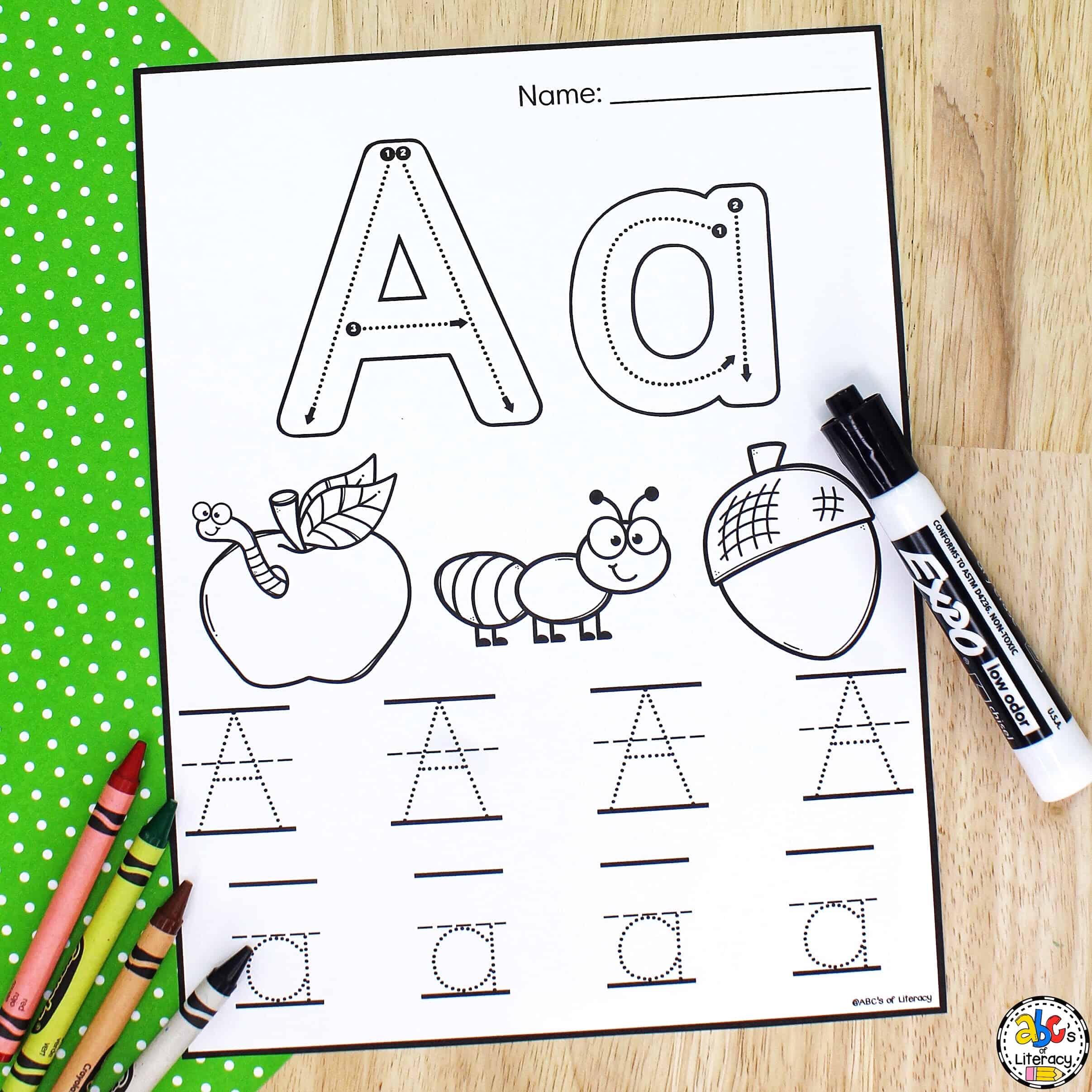
- Visual Learners: Use colorful worksheets with plenty of images. Incorporate flashcards to reinforce letter recognition.
- Auditory Learners: Pair the worksheets with songs or rhymes that focus on the alphabet. This can help reinforce learning through sound.
- Kinesthetic Learners: Incorporate hands-on activities alongside worksheets, such as letter building with blocks or clay. This helps them engage physically with the learning material.
By being aware of your child’s learning style, you can adapt the use of worksheets to better suit their needs and preferences.
Free Preschool Worksheets Age 3 4 Alphabet Gallery