Importance Of Worksheets In Preschool: Boost Learning in 2026
The importance of worksheets in preschool cannot be overstated. These resources serve as essential tools that engage young learners and support their cognitive development. By incorporating worksheets into your teaching routine, you foster a structured learning environment that encourages exploration and creativity. Below, I’ll outline several ways worksheets can enhance preschool education and how to effectively implement them.
Understanding the Role of Worksheets in Early Learning
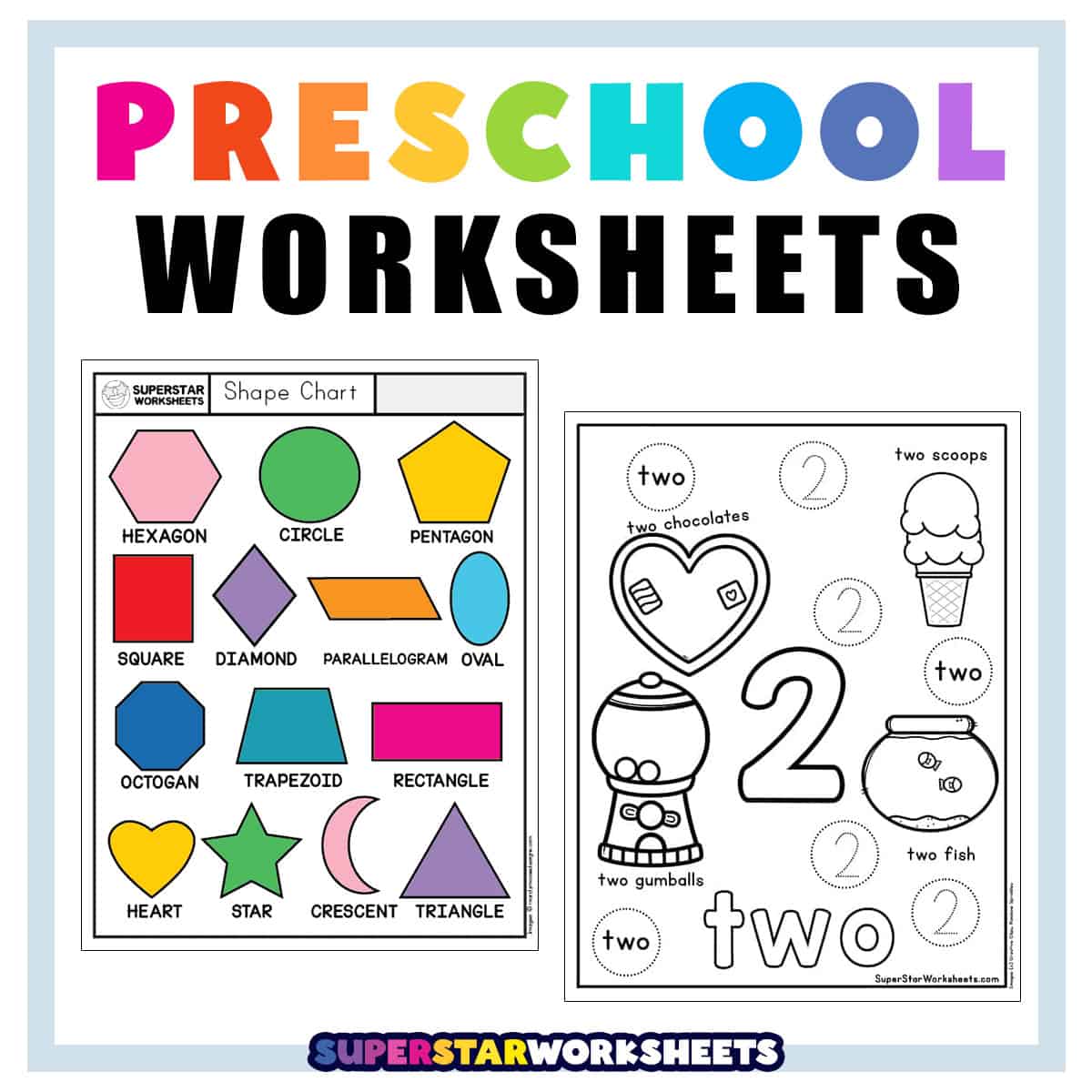
Worksheets are designed to reinforce skills that preschoolers are developing, such as counting, letter recognition, and fine motor skills. They provide a hands-on approach to learning that can significantly boost a child’s understanding of concepts.
In a preschool setting, worksheets can cater to various learning styles. Visual learners benefit from colorful images and graphics, while kinesthetic learners can engage with activities that require cutting, pasting, or drawing. This versatility makes worksheets an invaluable resource for educators.
Types of Worksheets for Preschoolers
Different types of worksheets serve different educational purposes. Here are a few common categories that you might consider using:
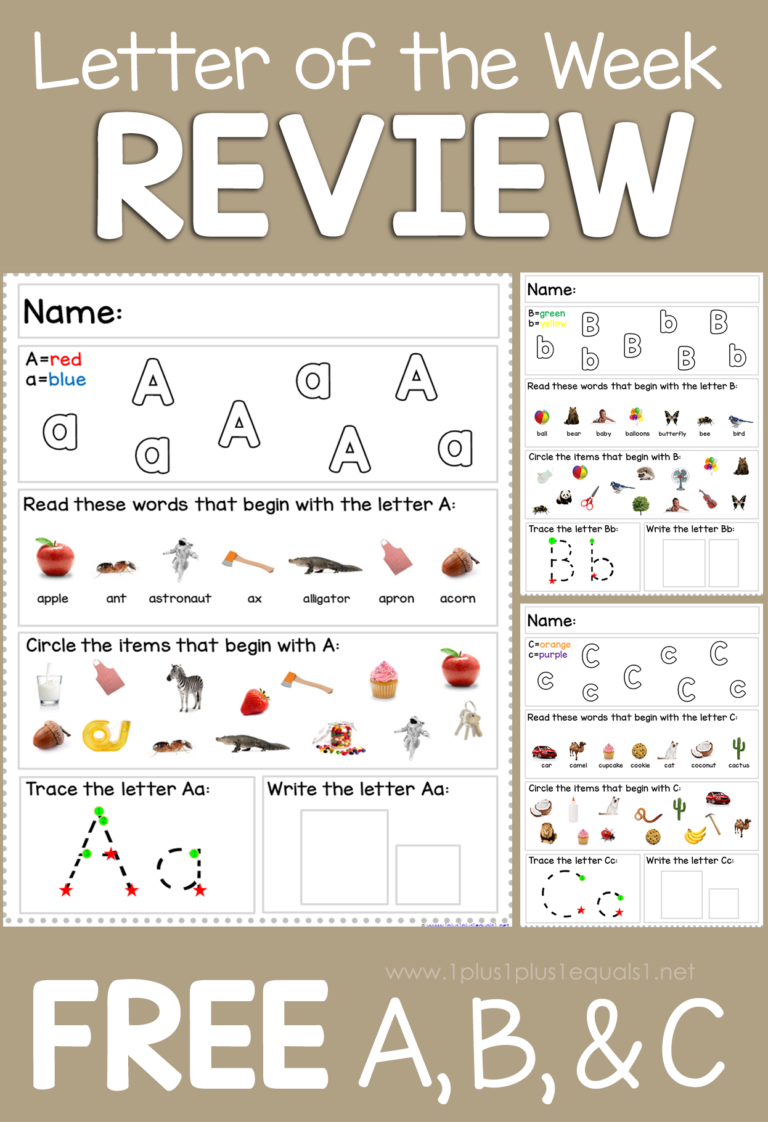
- Coloring Worksheets: These help develop fine motor skills and allow for creativity. They can also be tied into lessons about colors and shapes.
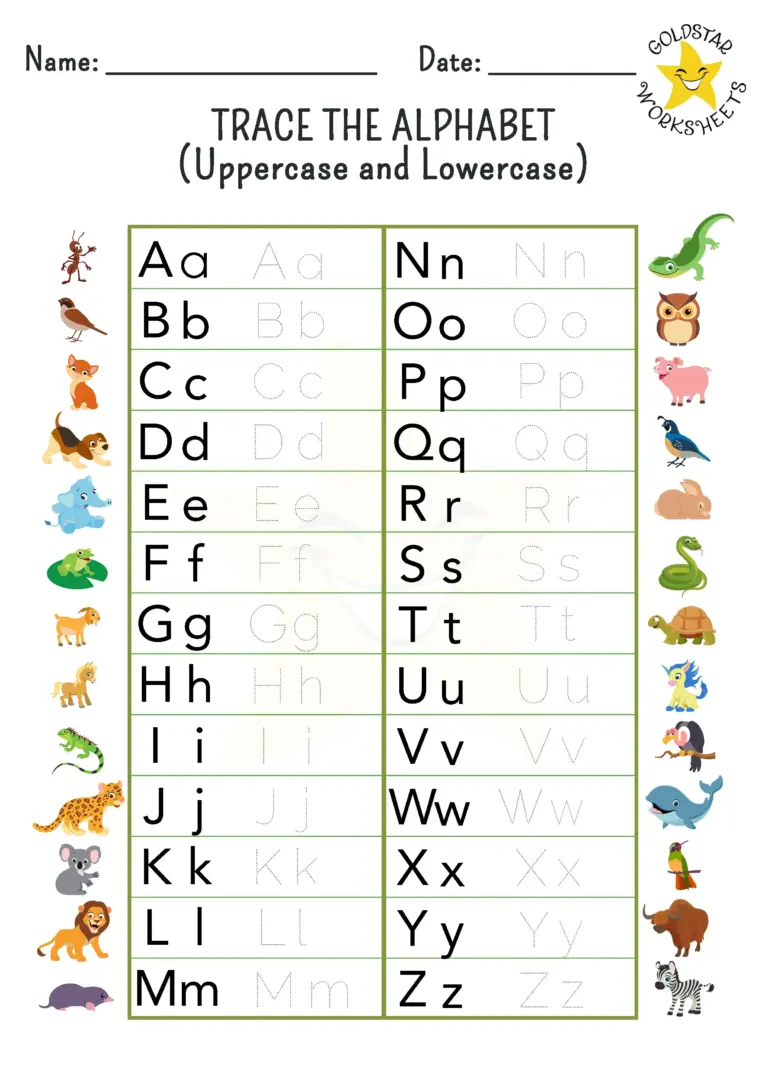
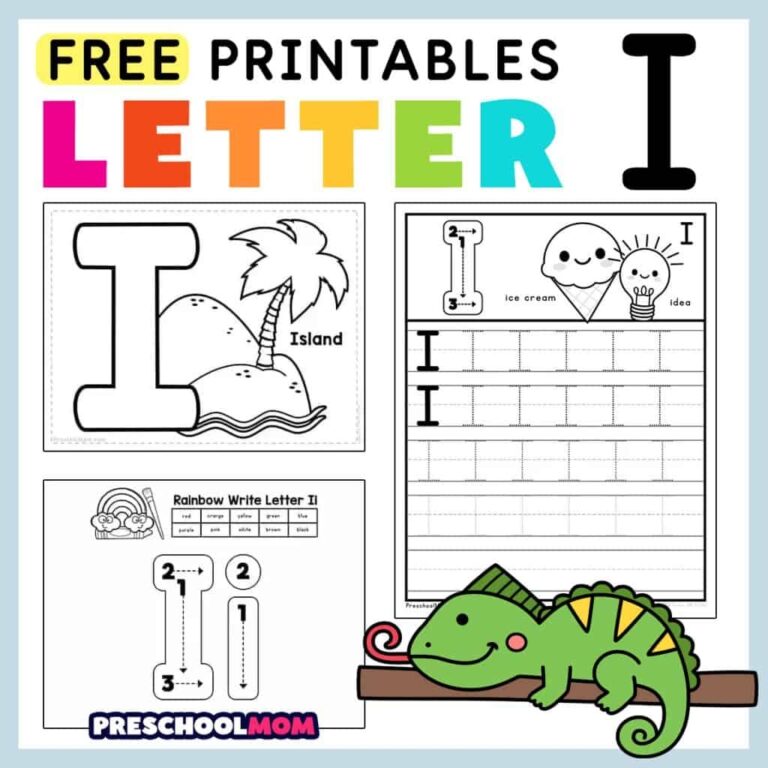
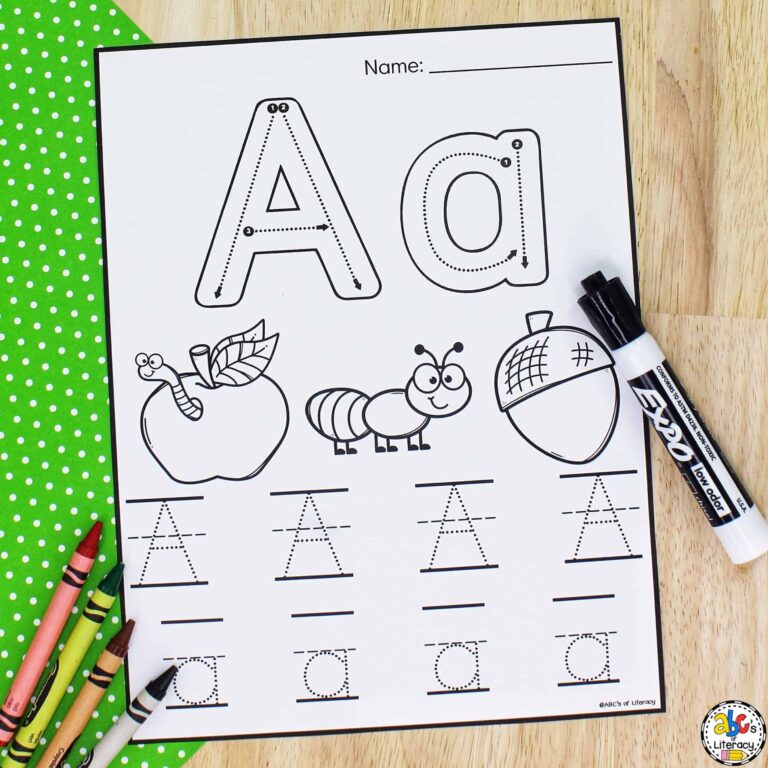
- Tracing Worksheets: Great for practicing letter and number formation, tracing activities help improve writing skills and hand-eye coordination.
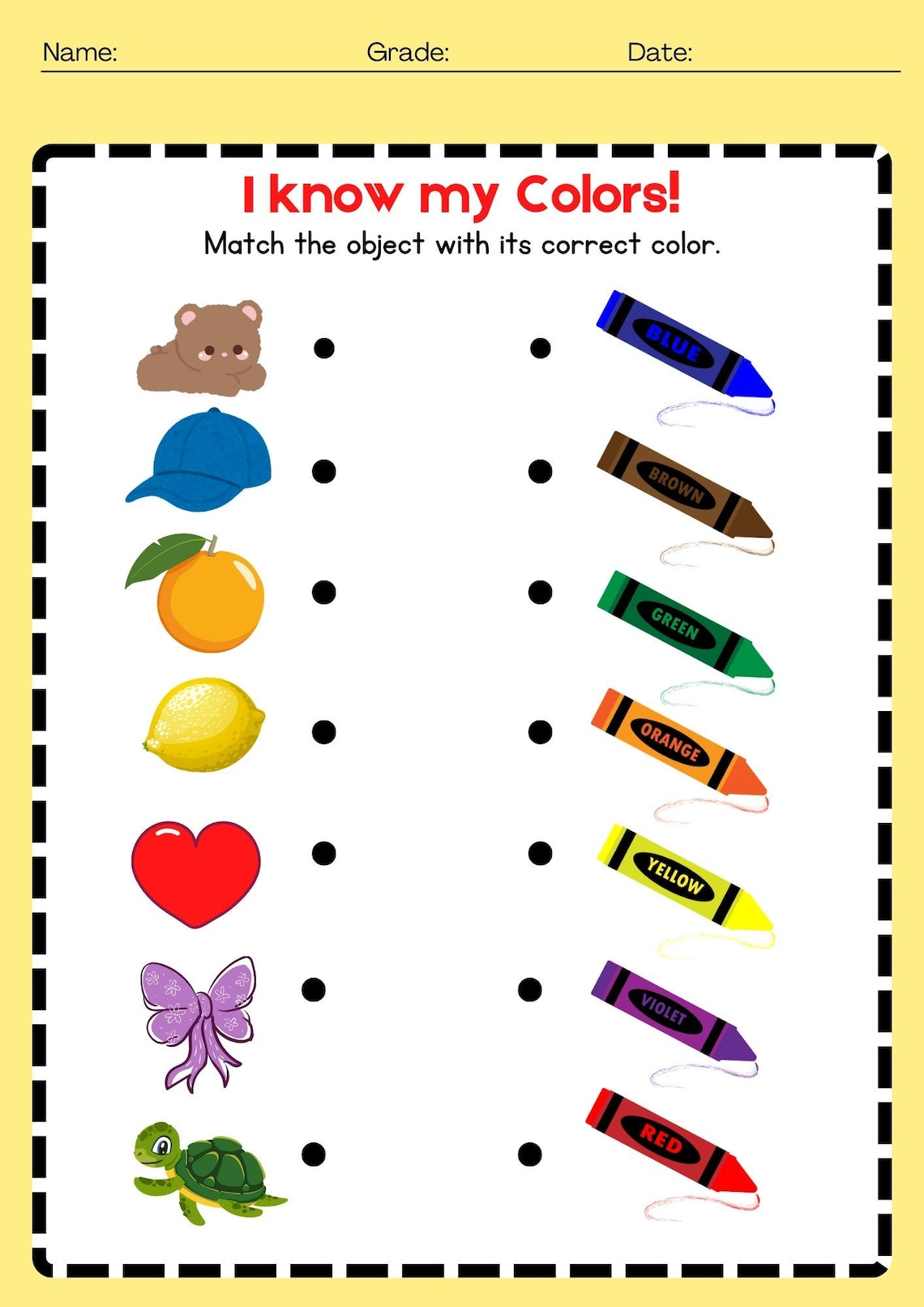
- Matching Worksheets: These worksheets encourage recognition skills. Children can match pictures to words or objects, enhancing vocabulary and comprehension.
- Counting Worksheets: Designed to help children practice their counting skills, these often include pictures that children can count or number lines to fill in.
Choosing the right type of worksheet based on your lesson objectives can significantly enhance children’s learning experiences.
Best Practices for Using Worksheets in Preschool
To maximize the effectiveness of worksheets in preschool, consider the following best practices:
1. Keep It Fun and Interactive
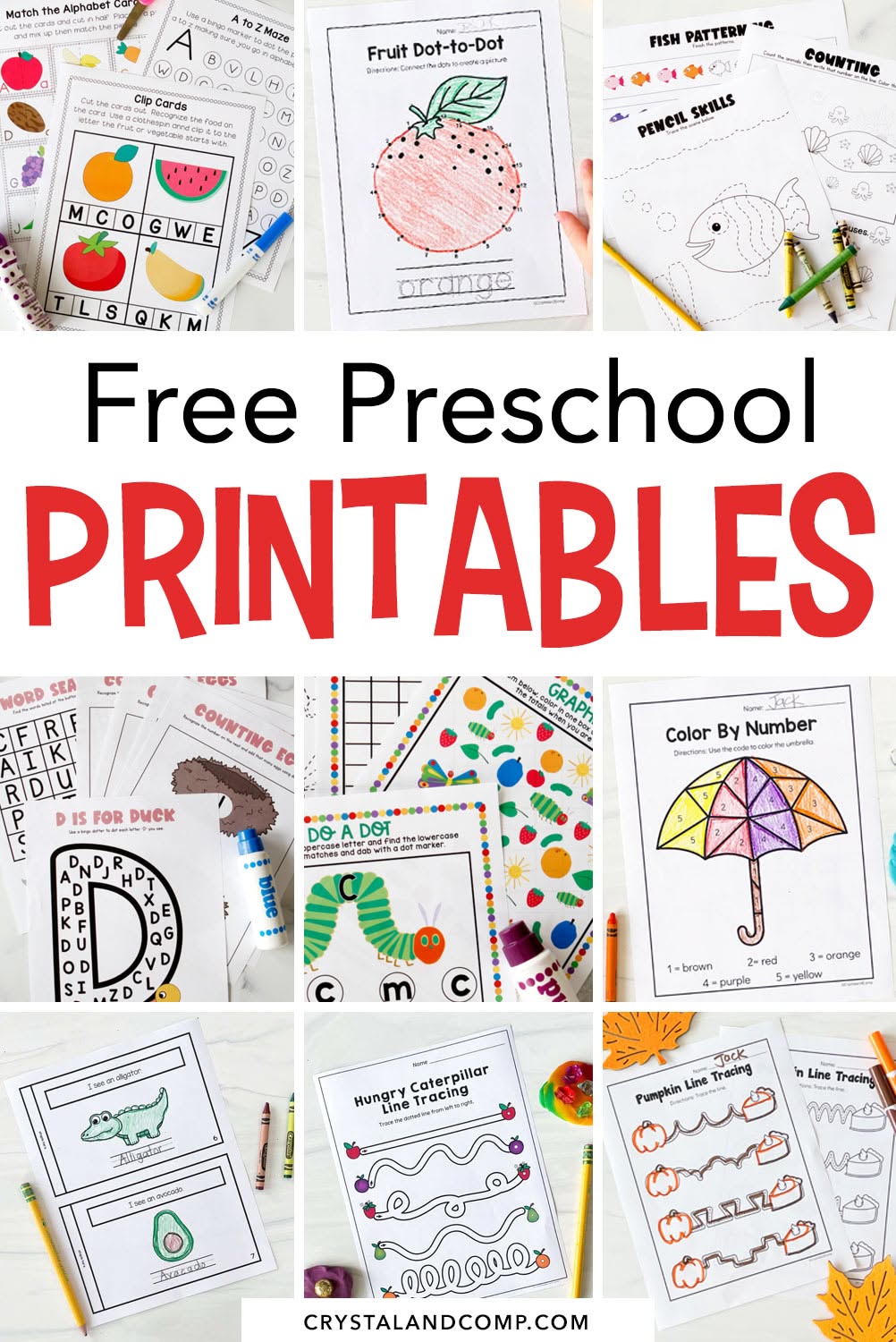
Make worksheets enjoyable. Incorporate games, puzzles, and colorful designs to grab children’s attention. For example, a simple counting worksheet can be transformed into a scavenger hunt where children count objects in the classroom.
2. Tailor Worksheets to Individual Needs
Every child learns at a different pace. Create or adapt worksheets to cater to different skill levels within your classroom. This differentiation ensures that each child is challenged appropriately without feeling overwhelmed.
3. Integrate Worksheets Into Daily Routines
Worksheets should not be standalone activities. Integrate them into your daily routine. For instance, after a storytime session, you might hand out worksheets that relate to the story’s theme, reinforcing what they just learned.
4. Encourage Collaboration
Encourage children to work in pairs or small groups on worksheets. This collaboration fosters social skills and allows children to learn from one another. It can also make the learning process more enjoyable.
5. Provide Feedback
After worksheets are completed, provide constructive feedback. This can be verbal praise or guidance on how to improve. Feedback is crucial for developing a growth mindset and helping children understand their learning journey.
Adapting Worksheets for Different Subjects
Worksheets can be adapted for various subjects beyond basic literacy and math. Here are a few ideas:
Science Worksheets
Introduce basic science concepts through worksheets that encourage observation and exploration. For instance, worksheets can include simple experiments where children can draw what they see or label parts of a plant.
Social Studies Worksheets
Use worksheets to teach about community helpers or different cultures. Children can engage in activities that require them to draw or write about their favorite community helper, enhancing their understanding of the world around them.
Art and Creativity Worksheets
Incorporate art into worksheets by allowing children to express their creativity. Worksheets can include prompts for drawing or coloring that relate to themes in stories or subjects being studied.
Resources for Printable Worksheets
There are numerous resources available online for printable worksheets that are tailored for preschool education. Websites often offer free or low-cost worksheets that you can easily download and print. Look for sites that provide worksheets that meet educational standards and are visually appealing.
When selecting worksheets, ensure they are age-appropriate and aligned with your teaching goals. Many resource websites categorize worksheets by subject, making it easier to find what you need quickly.
Next Steps for Implementation
Now that you understand the importance of worksheets in preschool, it’s time to put this knowledge into action. Start by selecting a few types of worksheets that fit your curriculum and the needs of your students. Consider how you can integrate them into your daily routine while keeping the activities fun and engaging.
Download worksheets from reputable sites, print them out, and prepare to introduce them to your classroom. Monitor how children respond and adjust your approach based on their engagement and progress. By thoughtfully incorporating worksheets into your preschool program, you’ll create a richer learning environment that supports children’s development in multiple areas.