Letter tracing for Pre K is an engaging way to help young children develop their writing skills. These resources are designed to make learning fun while reinforcing the essential foundations of letter formation. The focus of this article is to guide you through the different types of letter tracing resources available, how to utilize them effectively, and tips for incorporating them into your teaching or homeschooling routine.
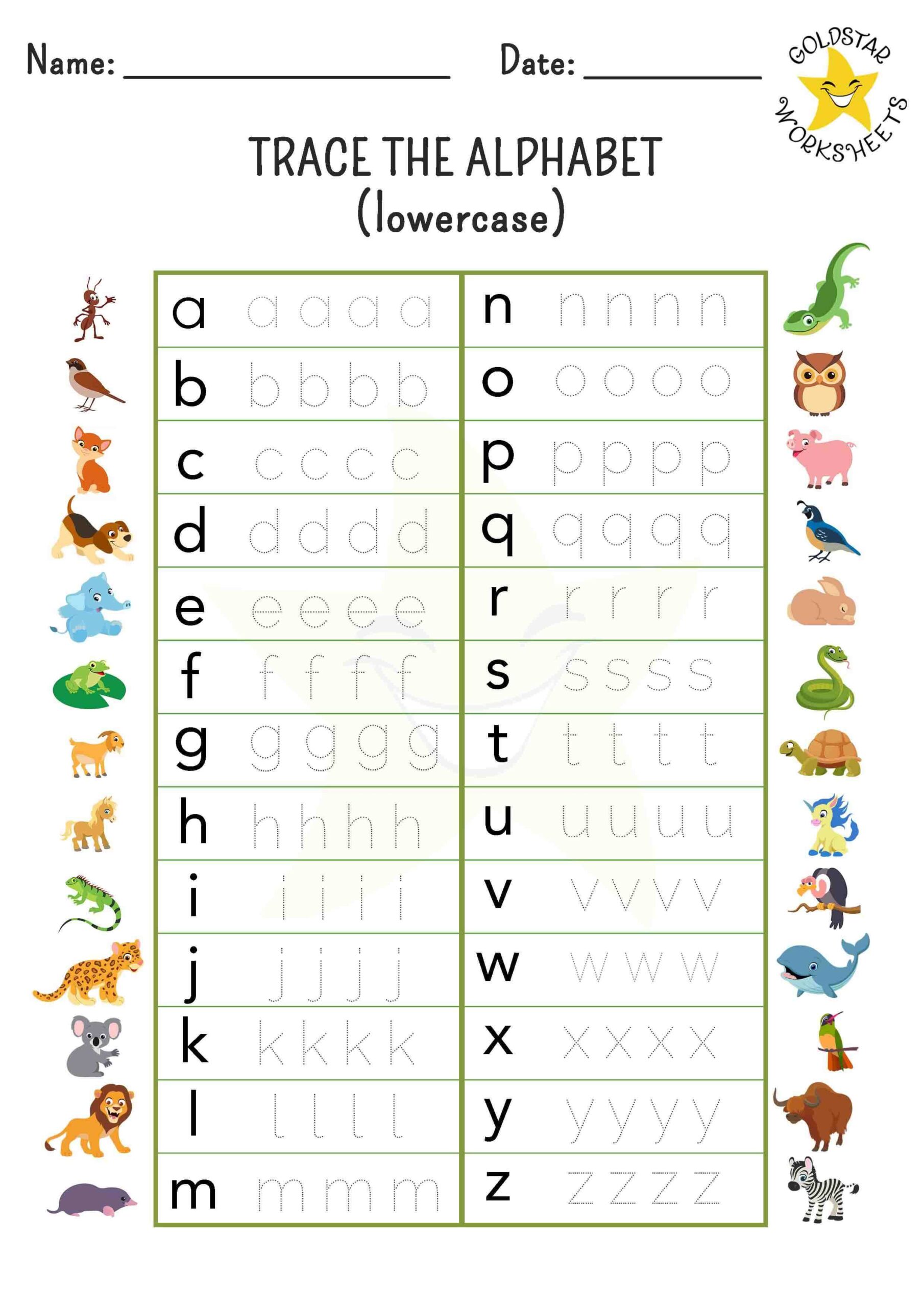
Understanding the Importance of Letter Tracing
Letter tracing is more than just a fun activity; it’s a vital step in early literacy development. When children trace letters, they practice the motions needed to write, which builds muscle memory and enhances fine motor skills. This process helps them recognize letters and understand their shapes, both of which are crucial for reading and writing later on.
In Pre K, children are typically aged 4 to 5 years. At this stage, they are eager to learn, and incorporating letter tracing can capture their interest. Activities that involve tracing can also be beneficial for those who might struggle with traditional writing methods, as it allows them to practice without the pressure of getting it perfect on the first try.
Types of Letter Tracing Resources
When looking for letter tracing resources, you’ll find a variety of options. Here are some common types you can use in your classroom or at home:
Printable Worksheets
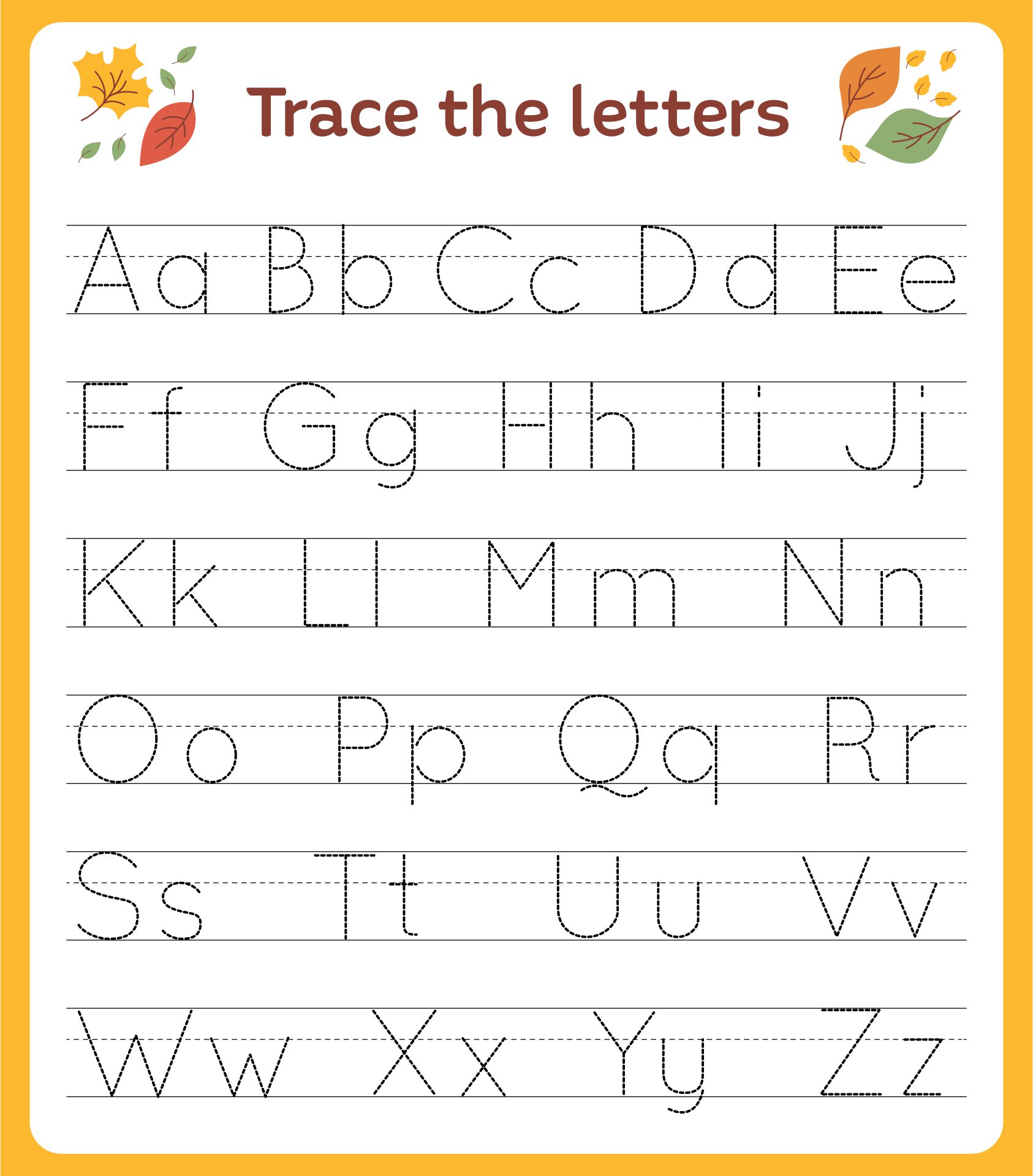
Printable worksheets are a classic choice for letter tracing. They often feature dotted lines or arrows that guide children in forming each letter. You can find worksheets designed for uppercase, lowercase, or both types of letters. Look for ones that include a variety of activities, like connecting letters to pictures or tracing within fun themes, to keep children engaged.
Coloring Pages
Coloring pages that integrate letter tracing combine art and writing practice. Children can trace letters related to a particular theme and then color in pictures that start with those letters. This dual activity not only reinforces letter recognition but also allows for creative expression.
Digital Apps
In our tech-savvy world, many digital apps offer interactive letter tracing experiences. These often include animations and rewards that can motivate children to practice more. If you choose to use an app, ensure it aligns with your educational goals and provides clear tracing instructions.
Flashcards
Flashcards with tracing capabilities can be an excellent resource for hands-on learning. They typically allow children to trace letters on one side while providing examples of words that start with that letter on the other. This method helps reinforce the connection between letters and sounds.
How to Use Letter Tracing Resources Effectively
To get the most out of letter tracing activities, it’s essential to integrate them thoughtfully into your lessons. Here are some tips to consider:
Set Clear Learning Goals
Before starting, decide what you want your students to achieve. Are they learning to recognize letters, improve their fine motor skills, or gain confidence in writing? Setting clear objectives will help you choose the right resources and activities.
Incorporate Multi-Sensory Techniques
Using a multi-sensory approach can enhance letter tracing activities. Encourage children to use finger tracing in sand or on textured surfaces before moving to paper. This hands-on experience can solidify their understanding of letter shapes.
Create a Routine
Establishing a routine around letter tracing can make it a regular part of your curriculum. Consider dedicating a specific time each day for letter practice. This consistency helps students view tracing as an important part of their learning.
Encourage Independence
While guiding your students through letter tracing, encourage them to try on their own as well. Providing a mix of guided and independent practice can help build their confidence. Use positive reinforcement to celebrate their efforts.
Pacing and Progression in Letter Tracing
When implementing letter tracing activities, pacing is key. Here’s a simple guideline for progression:
- Start with Individual Letters: Focus on a few letters at a time, allowing children to master each one before moving on. This might include the letters in their names or high-frequency letters.
- Introduce Short Words: Once your students are comfortable tracing individual letters, introduce simple two or three-letter words. This will help them understand how letters come together to form words.
- Combine with Other Activities: Mix letter tracing with other literacy activities, such as reading books that emphasize certain letters or sounds. This helps reinforce their learning in a holistic way.
- Assess and Adjust: Regularly assess your students’ progress. If some children are struggling, consider providing additional resources or one-on-one assistance to help them catch up.
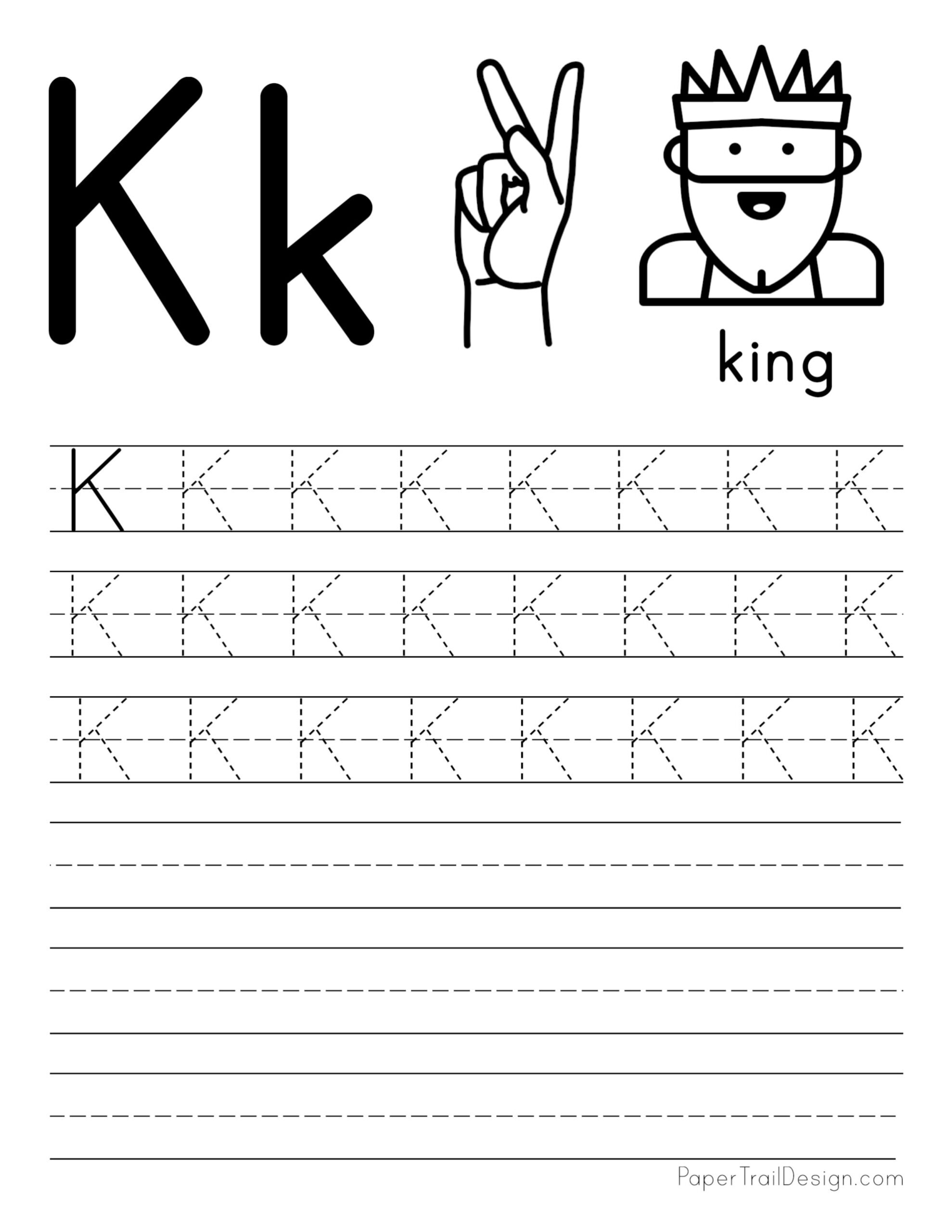
Tips for Downloading and Printing Resources
When you’re ready to download and print letter tracing resources, keep these practical tips in mind:
- Choose the Right Paper Size: Most printable templates are designed for standard letter size (8.5 x 11 inches). Make sure your printer settings match this to avoid formatting issues.
- Use Cardstock for Durability: If you plan to laminate the worksheets for repeated use, opt for cardstock. It holds up better than regular paper and can withstand frequent handling.
- Check Print Quality: Ensure your printer is set to high quality for the best results. Dull or faded prints can make tracing difficult for young learners.
- Organize Your Resources: Keep your downloaded files organized in clearly labeled folders on your computer. This will save you time when looking for specific worksheets or templates.
By understanding the value of letter tracing for Pre K students and utilizing the right resources effectively, you can create a productive and engaging learning environment. If you are in a classroom or a home setting, these strategies will help foster a love of writing among young learners.
To get started today, consider downloading a few printable worksheets or coloring pages that resonate with your teaching style. Engaging children in letter tracing can set a strong foundation for their literacy journey.