Name Tracing Worksheets For Pre K
Name tracing worksheets for Pre K provide an essential tool for developing early literacy skills in young children. These worksheets not only help kids learn to write their names but also promote fine motor skills, letter recognition, and confidence in their writing abilities. Here, we’ll explore how to effectively use these worksheets in various settings, including classrooms and homes, and provide practical tips for maximizing their educational value.
Understanding the Importance of Name Tracing Worksheets
Name tracing is a foundational activity in early childhood education. It allows children to familiarize themselves with the letters in their names, which is often the first word they learn to write. This familiarity boosts their confidence and serves as a springboard for writing other words.
Children in Pre K typically range from ages 4 to 5, making this the perfect time to introduce name tracing worksheets. These worksheets can serve various purposes, such as:
- Building fine motor skills: Tracing helps children practice the hand movements necessary for writing.
- Letter recognition: Children learn to identify the letters in their names and understand the concept of writing from left to right.
- Personalization: Focusing on their names makes the activity meaningful and engaging.
Choosing the Right Name Tracing Worksheets
When selecting name tracing worksheets, consider the following factors:
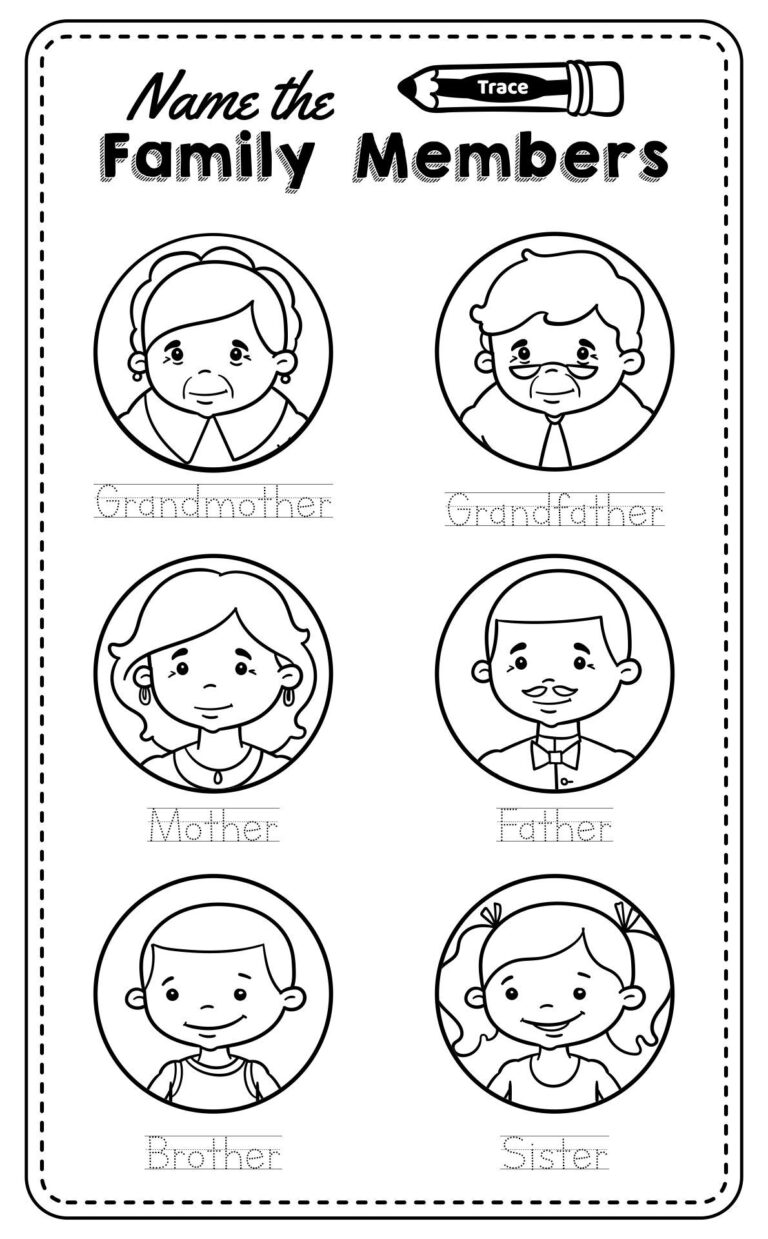
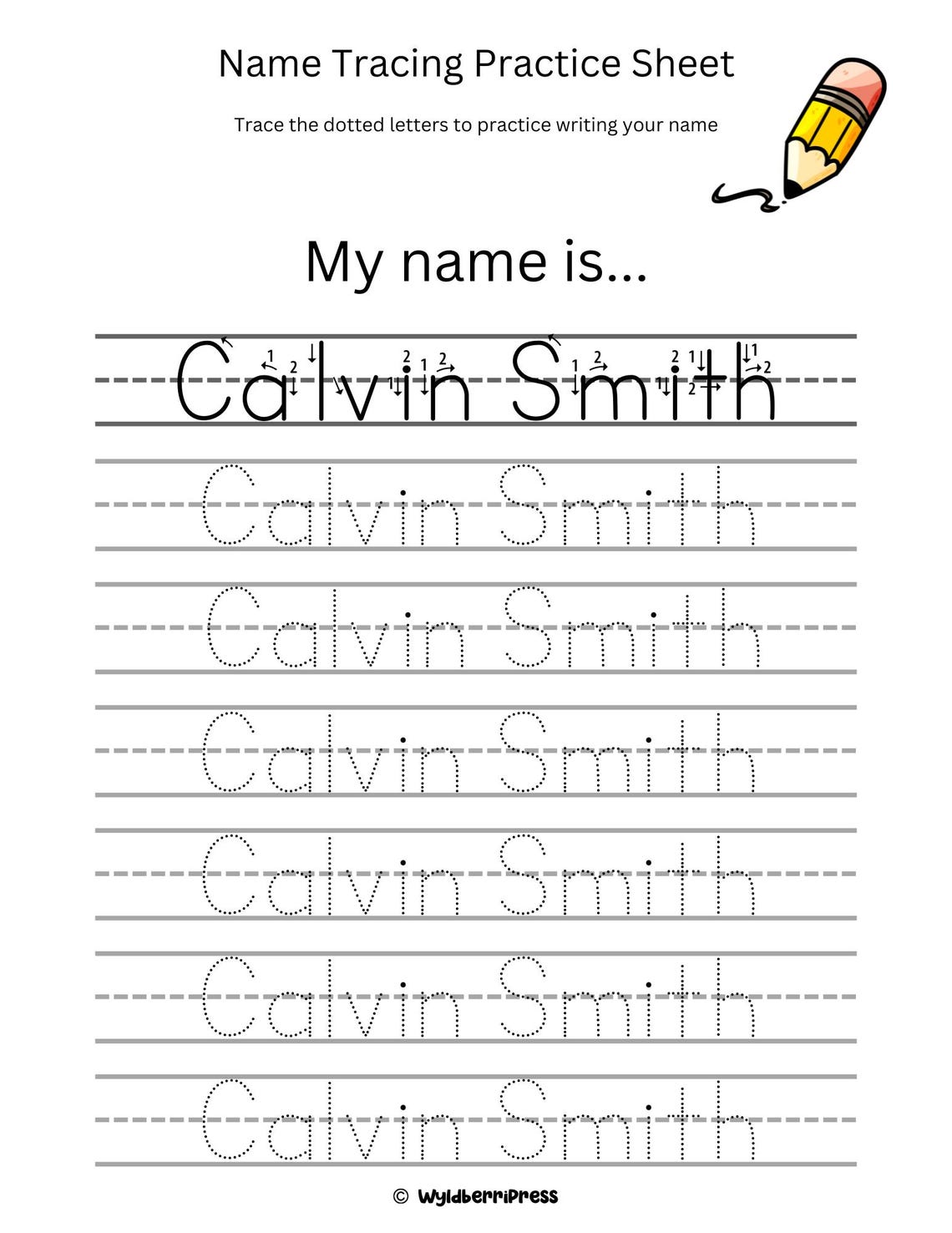
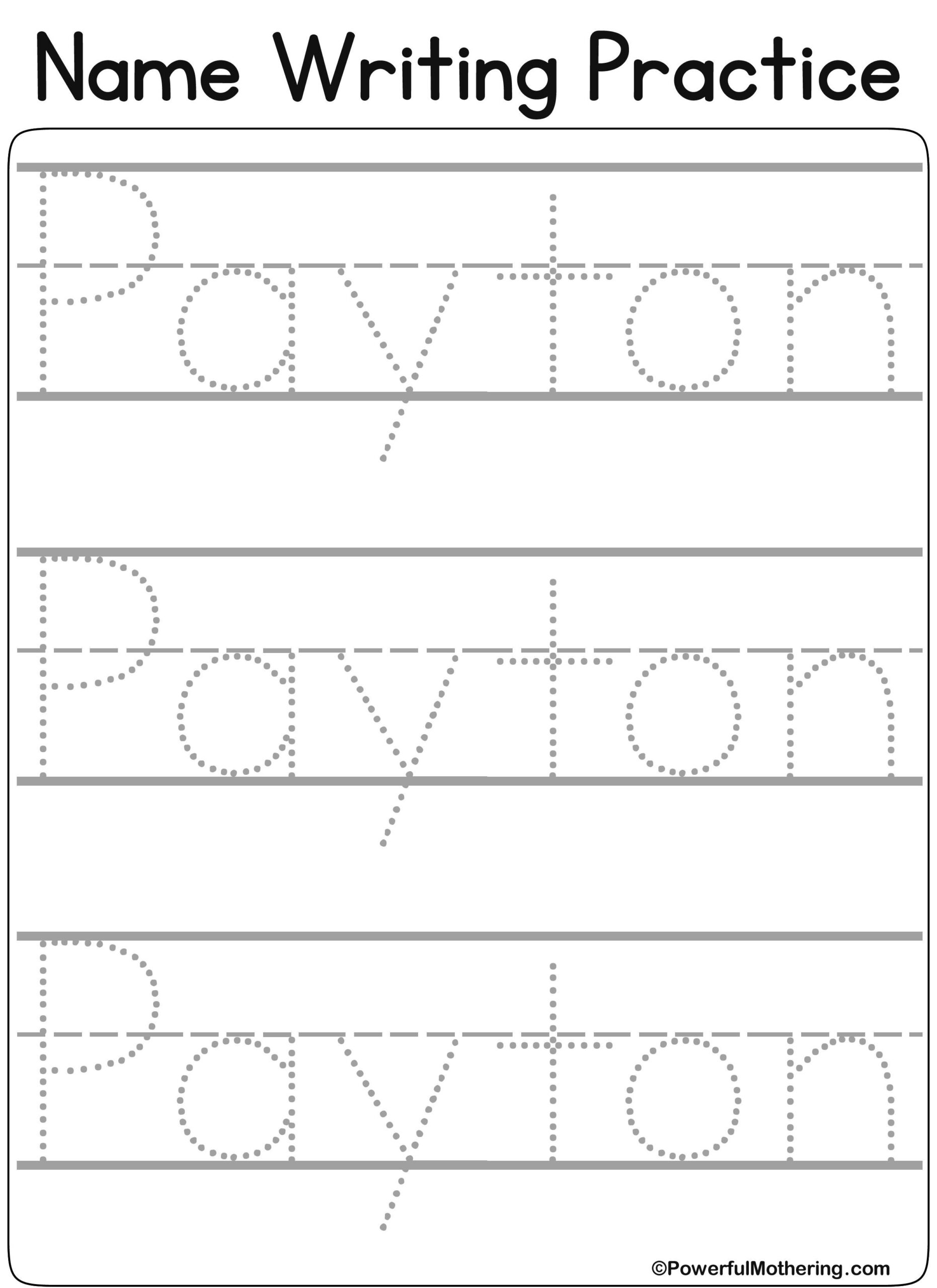
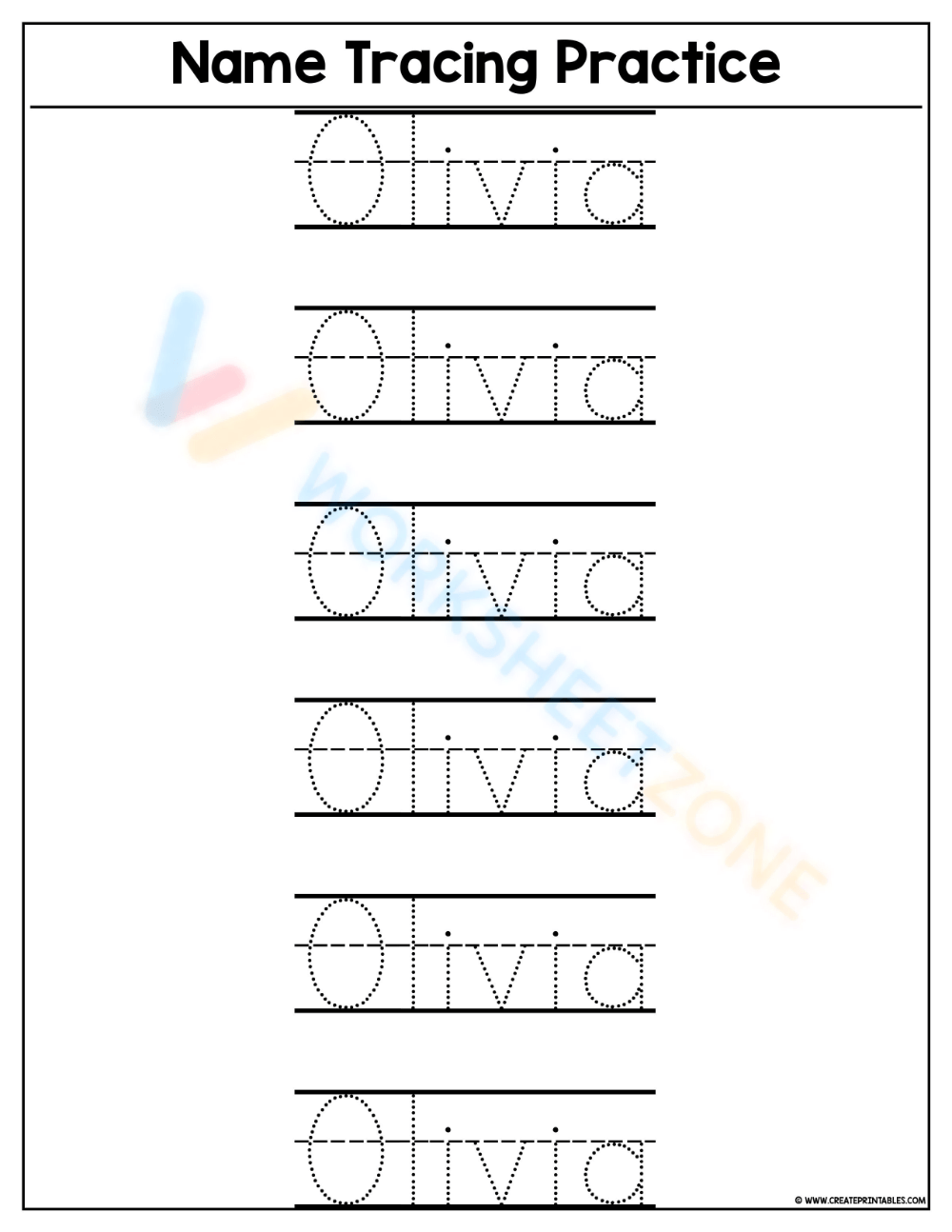
- Format: Look for worksheets that provide a clear, dotted outline of each letter in the child’s name. This format allows kids to trace over the letters easily.
- Customization: Many printable resources allow you to enter a child’s name, generating a personalized worksheet. This customization can enhance engagement.
- Design: Choose worksheets with visually appealing designs that include fun images or themes. These can motivate children to practice more.
You can find various resources online for name tracing worksheets, often in PDF format, which is ideal for printing. When printing, a standard letter size (8.5 x 11 inches) typically works well, but check your printer settings to ensure the layout fits correctly.
Preparing for Use in the Classroom or Home
Once you have your name tracing worksheets ready, consider how to prepare them for effective use:
Printing in Bulk
If you’re working with a full class, printing multiple copies at once can save time. Here are some tips:
- Print on cardstock: This material is sturdier than regular paper and holds up better, especially if children will be tracing multiple times.
- Use portrait orientation: This layout tends to work better for most home printers and provides ample space for writing.
- Avoid reformatting issues: Use PDF files to prevent any layout changes that might occur with image files. PDFs maintain consistent formatting between devices.
Setting Up a Tracing Station
Create a designated area for name tracing activities. Here’s how:
- Gather supplies: Have plenty of pencils or crayons available, as well as optional items like erasers or highlighters for children to self-correct.
- Include examples: Place a sample of a completed worksheet in the tracing station to guide children on what their finished product should look like.
- Provide instruction: Demonstrate how to trace the letters properly, emphasizing the correct starting points and movements.
Implementing Name Tracing Worksheets in Activities
Incorporating name tracing worksheets into your lesson plans can make learning more dynamic. Here are some ideas:
Group Activities
- Name games: Use worksheets as part of a group activity where children can share their names and trace them together. This promotes social interaction while practicing writing.
- Letter scavenger hunt: After tracing their names, have students look for objects in the classroom that start with the same letters as their names. This reinforces letter recognition.
Individual Practice
- Daily practice: Encourage children to trace their names daily. This repetition helps solidify their writing skills.
- Progress tracking: Create a simple chart to track each child’s progress over time. Note improvements in their tracing skills to encourage them further.
Reviewing and Assessing Progress
After implementing name tracing worksheets, it’s essential to assess each child’s progress. Here are a few strategies:
- Observe technique: Watch how children hold their writing tools and their tracing technique. Offer guidance as necessary.
- Provide feedback: Use positive reinforcement to encourage children. Highlight their improvements, no matter how small.
- Adjust worksheets: If a child is consistently struggling, consider adjusting the worksheet’s difficulty level. You might provide larger letters or fewer repetitions to help them build confidence.