Parts Of A Flower Worksheet Preschool
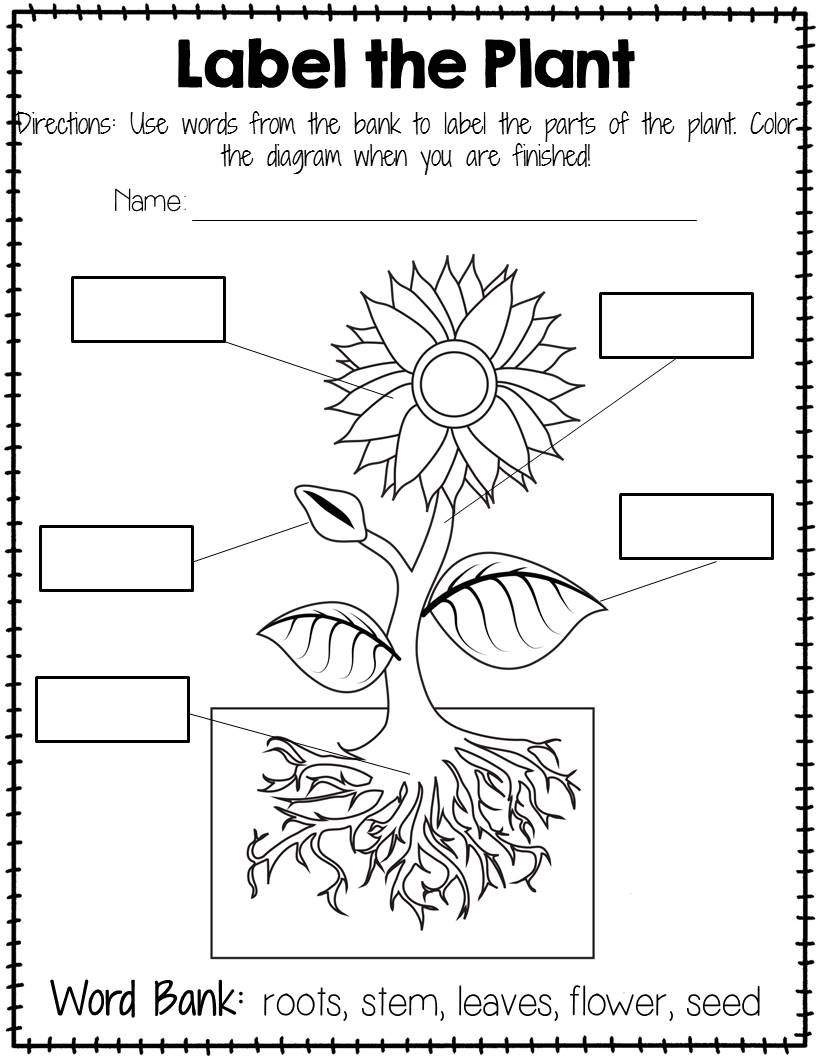
Teaching preschoolers about the parts of a flower can be a delightful experience, and using a Parts Of A Flower Worksheet Preschool can make this learning process both fun and educational. This printable resource helps children identify and understand the different parts of a flower, such as the petals, stem, leaves, and roots. It’s a simple yet effective way to introduce young learners to basic botany concepts while also enhancing their fine motor skills and creativity.
Understanding the Parts of a Flower
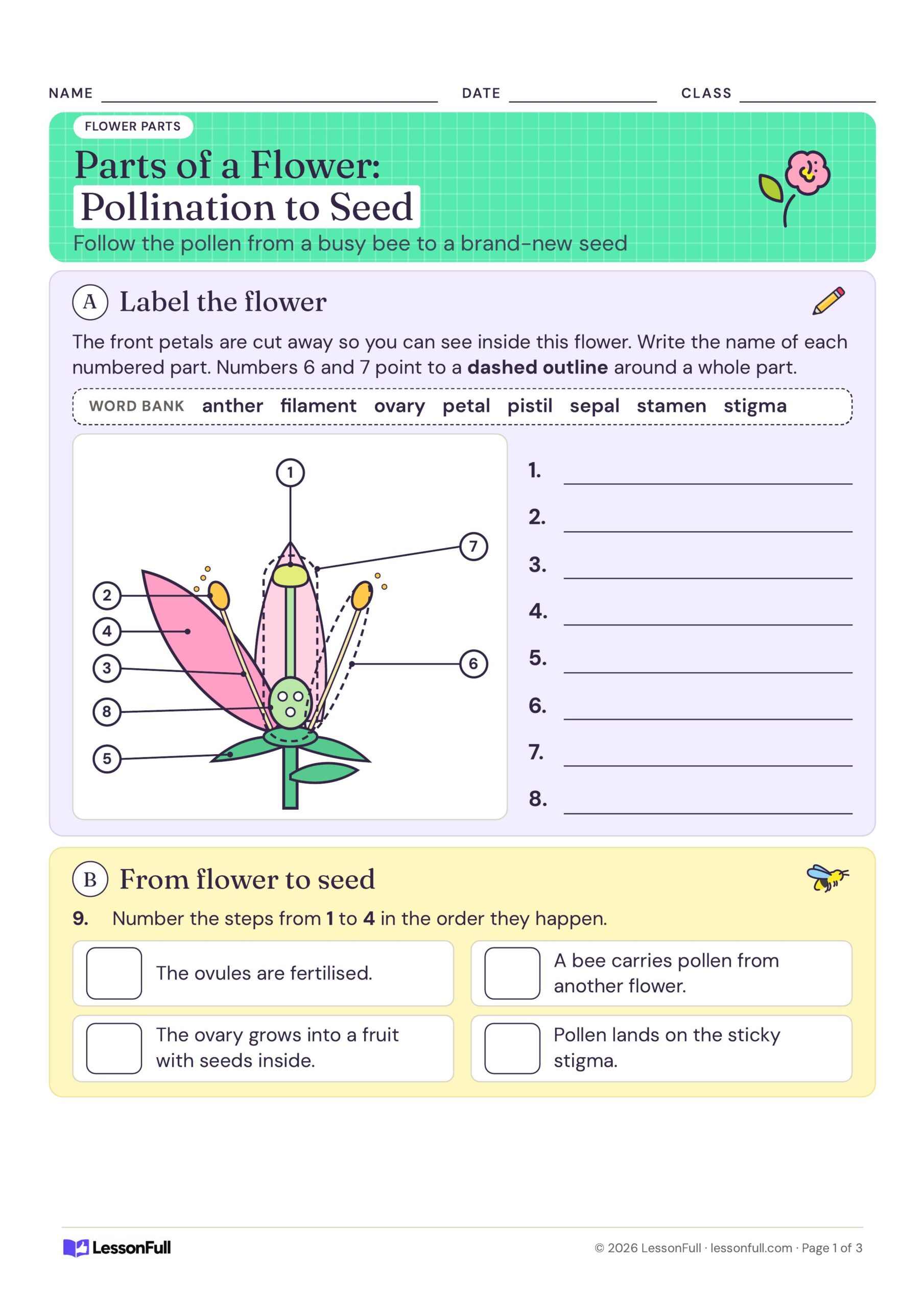
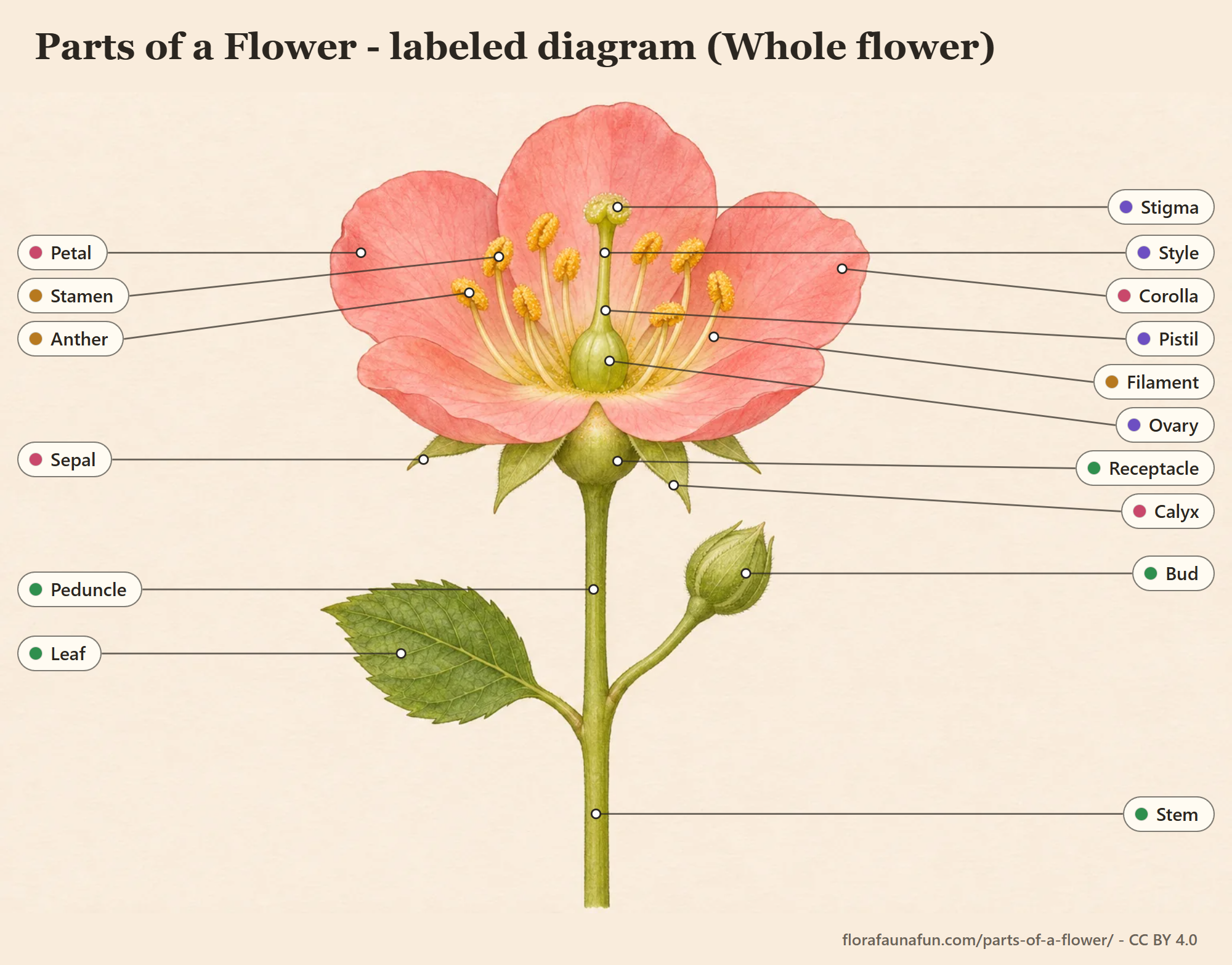
Before diving into the worksheet, it’s essential to grasp the basic structure of a flower. A flower typically consists of several key parts:
- Petals: These are often colorful and attract insects for pollination.
- Stamen: The male reproductive part, consisting of anthers and filaments.
- Pistil: The female reproductive part, which includes the ovary, style, and stigma.
- Sepals: These protect the flower bud before it blooms.
- Stem: Supports the flower and transports nutrients and water.
- Leaves: Responsible for photosynthesis and energy production.
Using the Parts Of A Flower Worksheet Preschool, kids can explore these components through engaging activities that promote both learning and creativity.
Features of the Worksheet
When selecting a Parts Of A Flower Worksheet Preschool for your child, look for features that enhance the learning experience:
- Colorful Illustrations: Bright and inviting images help capture the attention of young learners.
- Labeled Parts: Worksheets that include labels for each part of the flower can help reinforce learning.
- Interactive Activities: Look for worksheets that offer activities such as coloring, matching, or cutting and pasting to keep the learning interactive.
- Clear Instructions: Easy-to-follow directions ensure that even the youngest children can engage with the material without frustration.
How to Use the Worksheet at Home
Incorporating the Parts Of A Flower Worksheet Preschool into your home routine can be simple:
- Set Aside a Learning Time: Dedicate a regular time each week for this activity. It could be part of a science day or integrated into your daily routine.
- Combine with Outdoor Learning: After completing the worksheet, take your child outside to observe real flowers. Encourage them to identify the parts they learned about.
- Encourage Discussion: Use the worksheet as a starting point for discussions about plants and their importance in our ecosystem. Ask questions like, “Why do you think flowers are colorful?” or “What do you think happens to a flower when it doesn’t get enough water?”
Printable Options and Downloading
When you’re ready to download the Parts Of A Flower Worksheet Preschool, consider these tips to ensure a smooth experience:
- PDF Format: Ensure the worksheet is available in PDF format, as this will maintain the layout and quality when printed.
- Print Settings: Use portrait layout for standard printer settings, and consider using cardstock for durability if your child will be coloring or cutting the worksheet.
- Size Options: Check if the worksheet is available in different sizes, such as letter (8.5” x 11”) or A4, to fit your printing preferences.
Enhancing Learning With Additional Resources
To further enrich your child’s understanding of flowers and plants, consider supplementing the worksheet with these resources:
- Books about Flowers: Look for age-appropriate books that discuss flowers and plants. Reading together can deepen their understanding and spark curiosity.
- Coloring Pages: Use flower-themed coloring pages as a fun way to reinforce the lesson. Kids can color different flowers while discussing their parts.
- Gardening Activities: If possible, start a small garden together. Planting seeds and watching them grow provides a hands-on experience that complements what they learned from the worksheet.