Pre-K & K Tracing Learning Pack
The challenge of helping young children develop fine motor skills and early literacy can often feel daunting for teachers and parents alike. The Pre-K & K Tracing Learning Pack is a fantastic resource that addresses this need. With a variety of engaging tracing activities, it provides a structured way to support children as they learn to write letters, numbers, and shapes. This guide will walk you through how to effectively utilize this resource at home or in a homeschooling environment, ensuring your young learners get the most out of their tracing practice.
Understanding the Pre-K & K Tracing Learning Pack
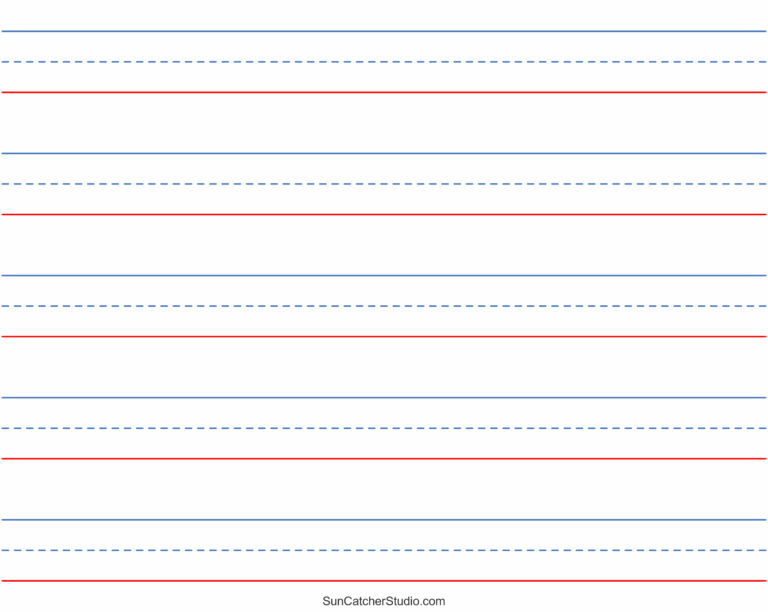
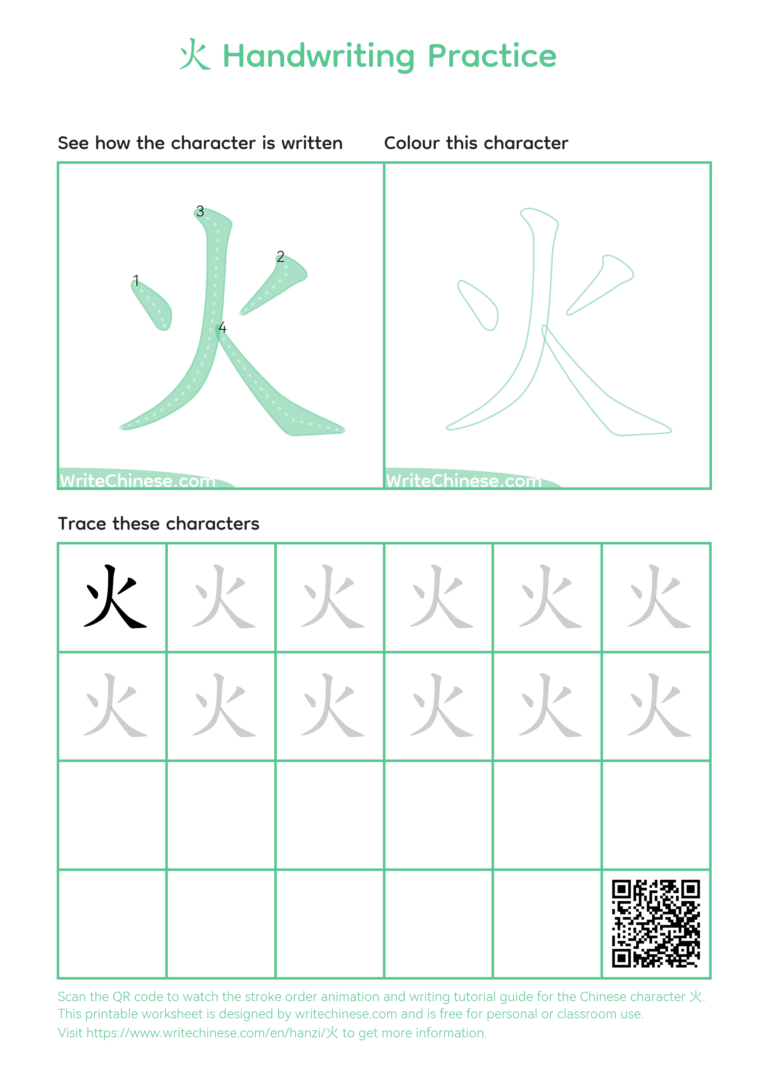
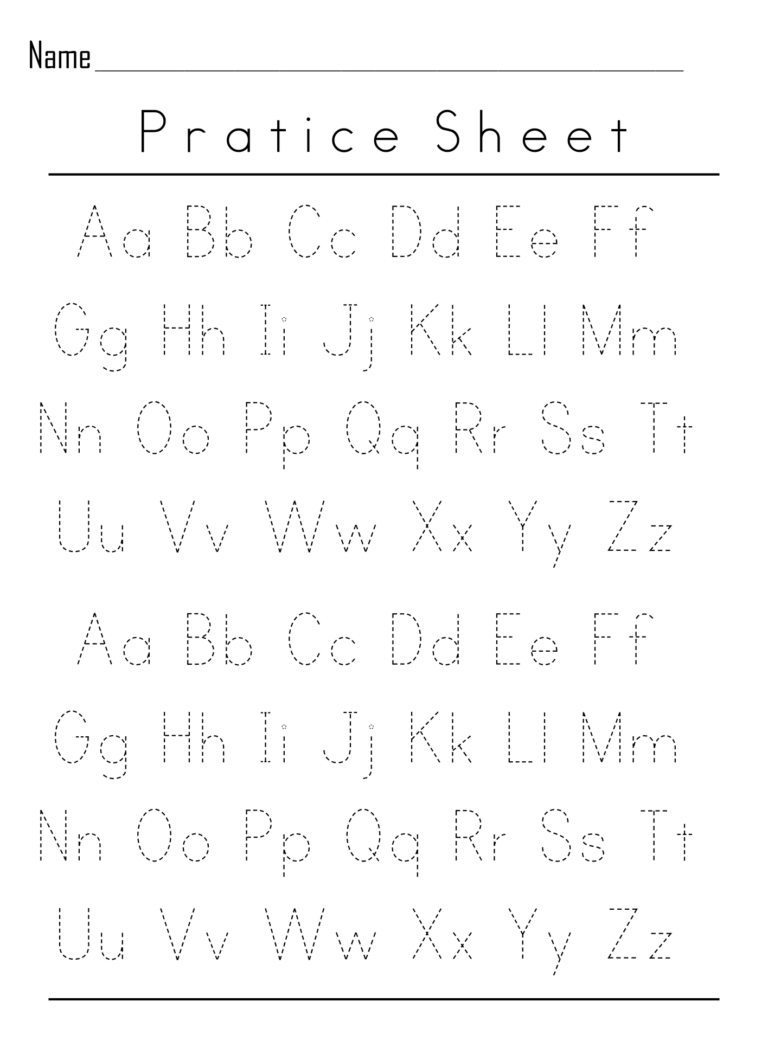
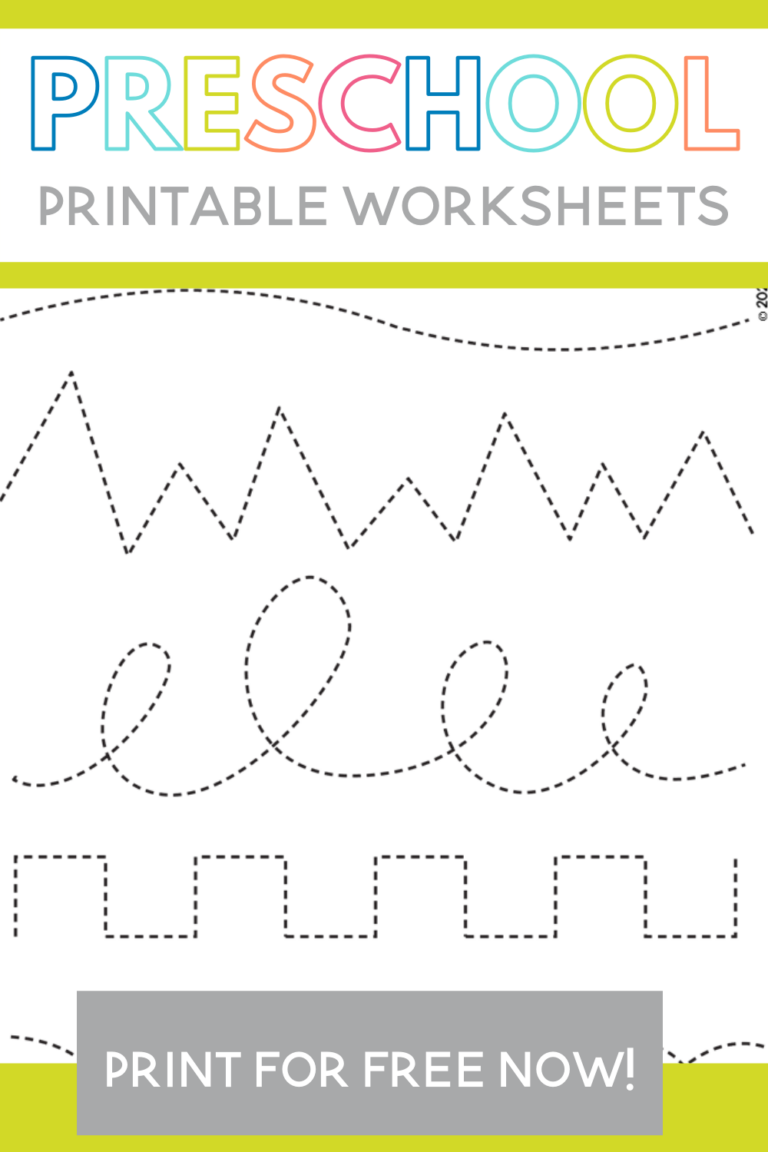
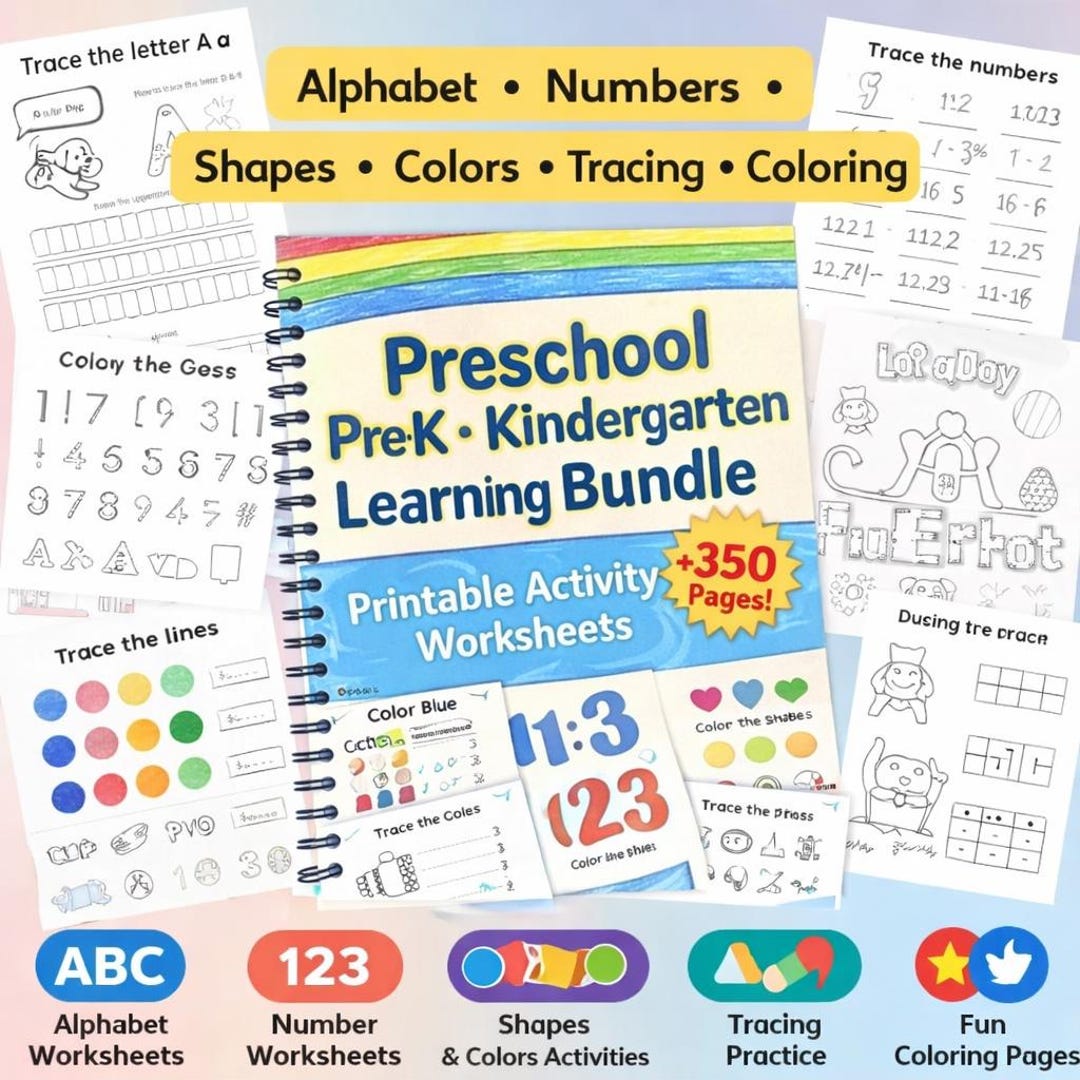
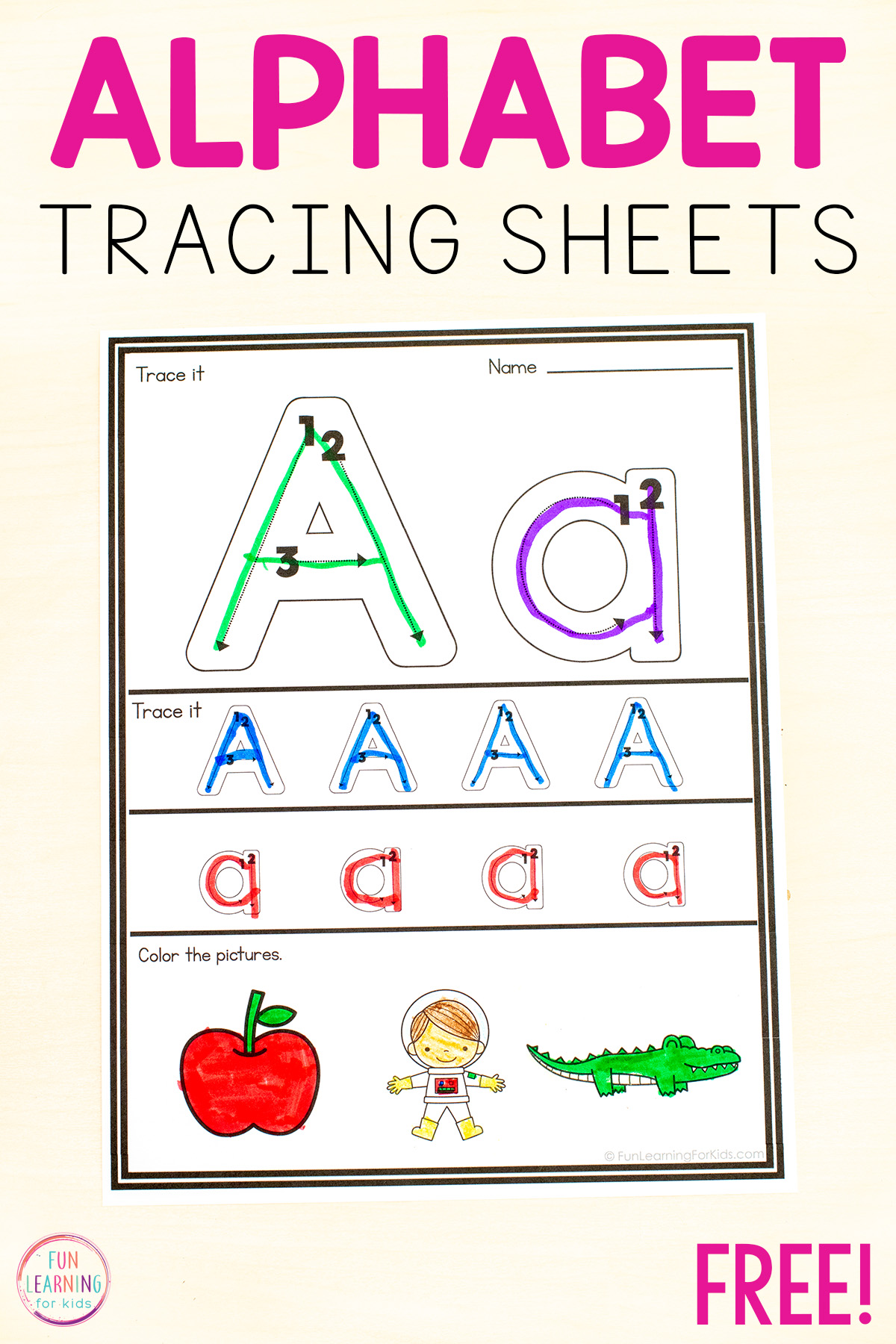
The Pre-K & K Tracing Learning Pack is a downloadable resource tailored specifically for preschool and kindergarten students. This pack typically includes printable worksheets that focus on tracing letters—both uppercase and lowercase—as well as numbers and simple shapes. The activities are designed to promote hand-eye coordination, strengthen hand muscles, and enhance cognitive skills through writing practice.
What’s Included in the Pack?
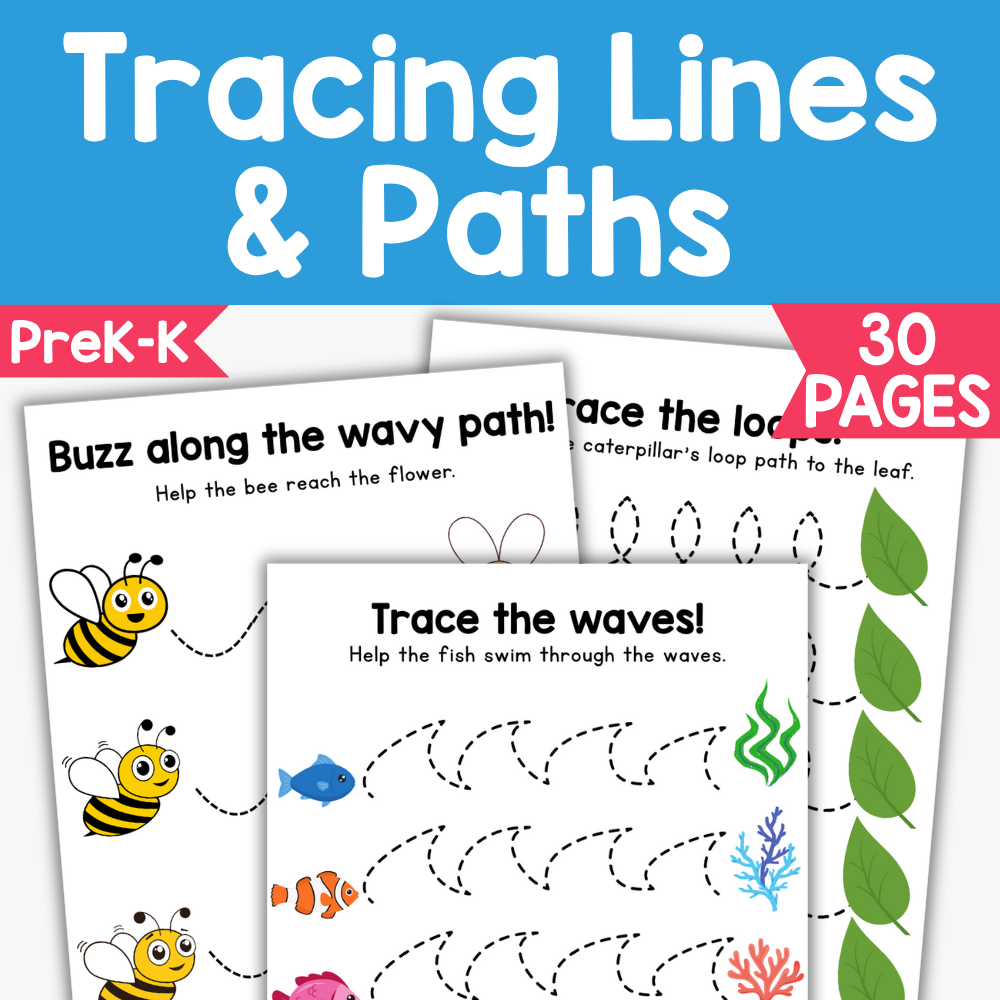
When you download the Pre-K & K Tracing Learning Pack, you’re likely to find:
- Letter Tracing Worksheets: Pages for both uppercase and lowercase letters.
- Number Tracing Worksheets: Activities for tracing numbers 0-10 and beyond.
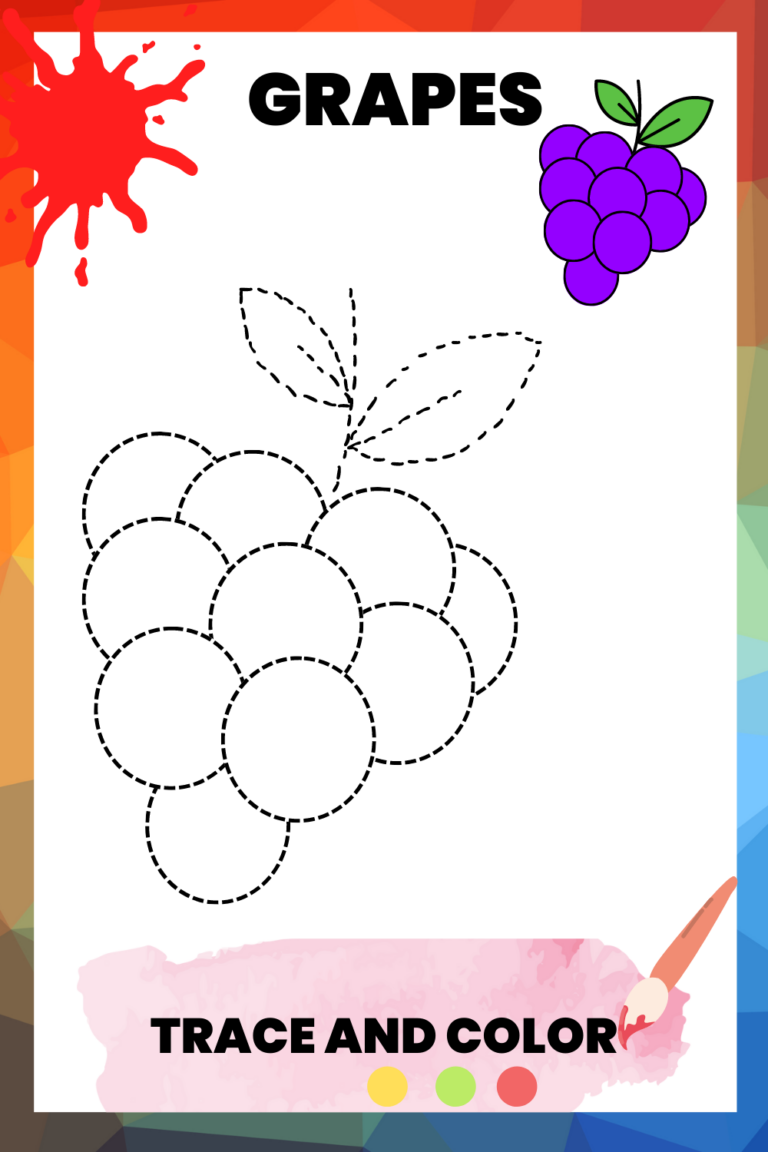
- Shape Tracing Worksheets: Basic shapes like circles, squares, and triangles.
- Fun Illustrations: Images that correspond to the letters or numbers to make tracing enjoyable.
These varied components cater to different learning styles and keep young learners engaged.
Setting Up Your Tracing Activities
Once you have the Pre-K & K Tracing Learning Pack downloaded, it’s time to set up your tracing activities. Here’s a step-by-step approach:
- Download and Print: Begin by downloading the pack from your resource website. Ensure that you print the worksheets in a clear, legible format. Using a standard letter size (8.5 x 11 inches) is often best for home printers.
- Choose Your Materials: For tracing, use quality paper or cardstock. Cardstock is sturdier and can withstand repeated use, especially if you plan to laminate the sheets for durability.
- Gather Writing Tools: Provide a variety of writing tools such as crayons, colored pencils, or dry-erase markers if you’re using laminated sheets. This variety makes the activity more engaging.
- Create a Learning Space: Set up a quiet and comfortable space for tracing. A table or desk with good lighting can help your child focus and enjoy the activity.
- Organize the Worksheets: You might want to organize the worksheets by skill level or theme. For example, start with shapes before moving on to letters and numbers.
Using the Tracing Worksheets Effectively
Now that everything is set up, it’s time to look at the tracing activities. Here are some practical tips for maximizing the effectiveness of the Pre-K & K Tracing Learning Pack:
Focus on One Skill at a Time
Instead of overwhelming young learners with multiple worksheets, focus on one skill at a time. For instance, dedicate one session to tracing the letter “A.” Start with a discussion about the letter, including its sound and words that begin with “A.” Then, guide them through the tracing process.
Encourage Proper Grip
As children trace, pay attention to their pencil grip. Encourage them to hold their writing instrument correctly. This will foster good habits as they develop their writing skills.
Incorporate Fun Activities
Make tracing even more enjoyable by incorporating fun activities. For example, after tracing a letter, you could ask your child to draw something that starts with that letter. This reinforces learning and makes the activity more interactive.
Track Progress
As you work through the Pre-K & K Tracing Learning Pack, keep track of your child’s progress. You might create a simple chart to note which letters or numbers they’ve mastered and which ones they still need to practice. This not only helps you identify areas for improvement but also boosts your child’s confidence as they see their progress.
Integrating Tracing Into Daily Routines
To make tracing a regular part of your child’s routine, consider these integration strategies:
- Daily Practice: Set aside a specific time each day for tracing activities. Consistency helps reinforce skills.
- Combine with Other Subjects: Use tracing as a part of other lessons. For instance, during art time, have children trace letters and then decorate them.
- Use in Everyday Life: Encourage children to trace letters and numbers in their environment. For example, they can trace letters found in books or on signs as a fun scavenger hunt.
Adapting for Different Learning Styles
Every child learns differently, and the Pre-K & K Tracing Learning Pack can be adapted to suit various learning styles:
- Visual Learners: Use colorful worksheets and provide visual aids, such as flashcards, to reinforce the tracing activities.
- Kinesthetic Learners: Incorporate movement by having children trace letters in the air or on their friend’s back. This approach makes learning more dynamic and memorable.
- Auditory Learners: Sing songs or use rhymes that incorporate the letters or numbers being traced. This engages auditory learners and helps them remember better.