Pre K Tracing Alphabet Worksheets
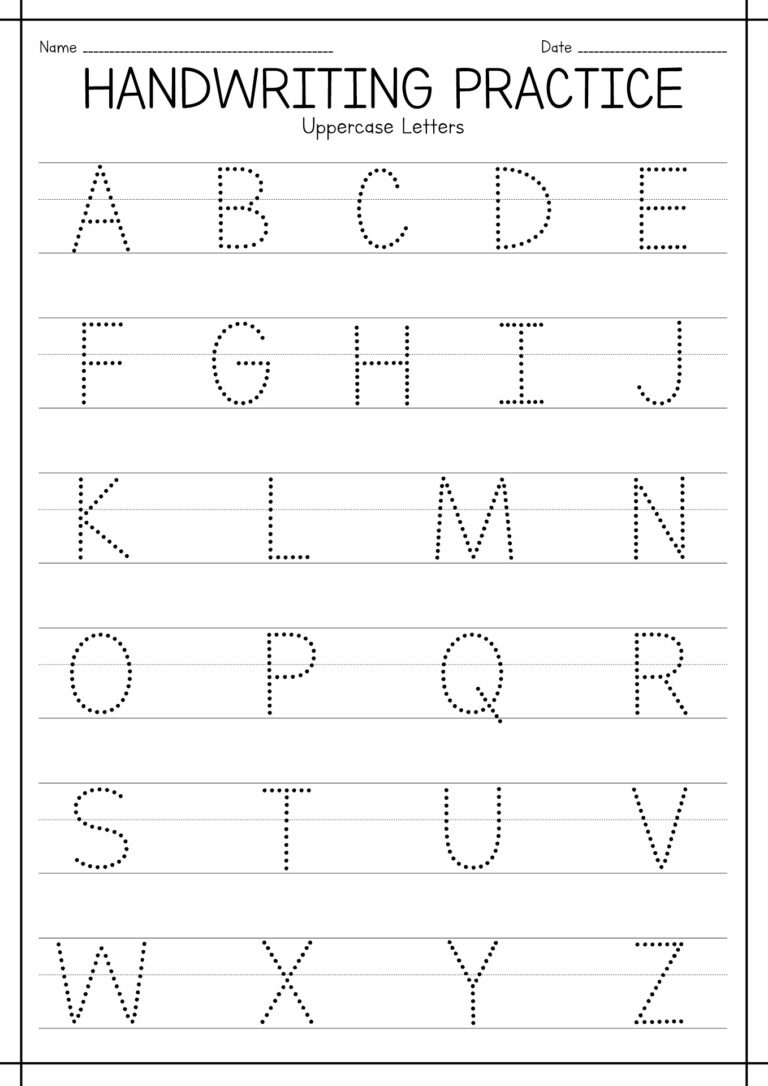
Young children often struggle with letter recognition and writing skills, which makes Pre K Tracing Alphabet Worksheets a vital resource for teachers and parents alike. These worksheets are designed to help children practice letter formation while developing fine motor skills in a fun and engaging manner. By incorporating these worksheets into your daily routine, you can provide meaningful practice that aligns with early educational goals.
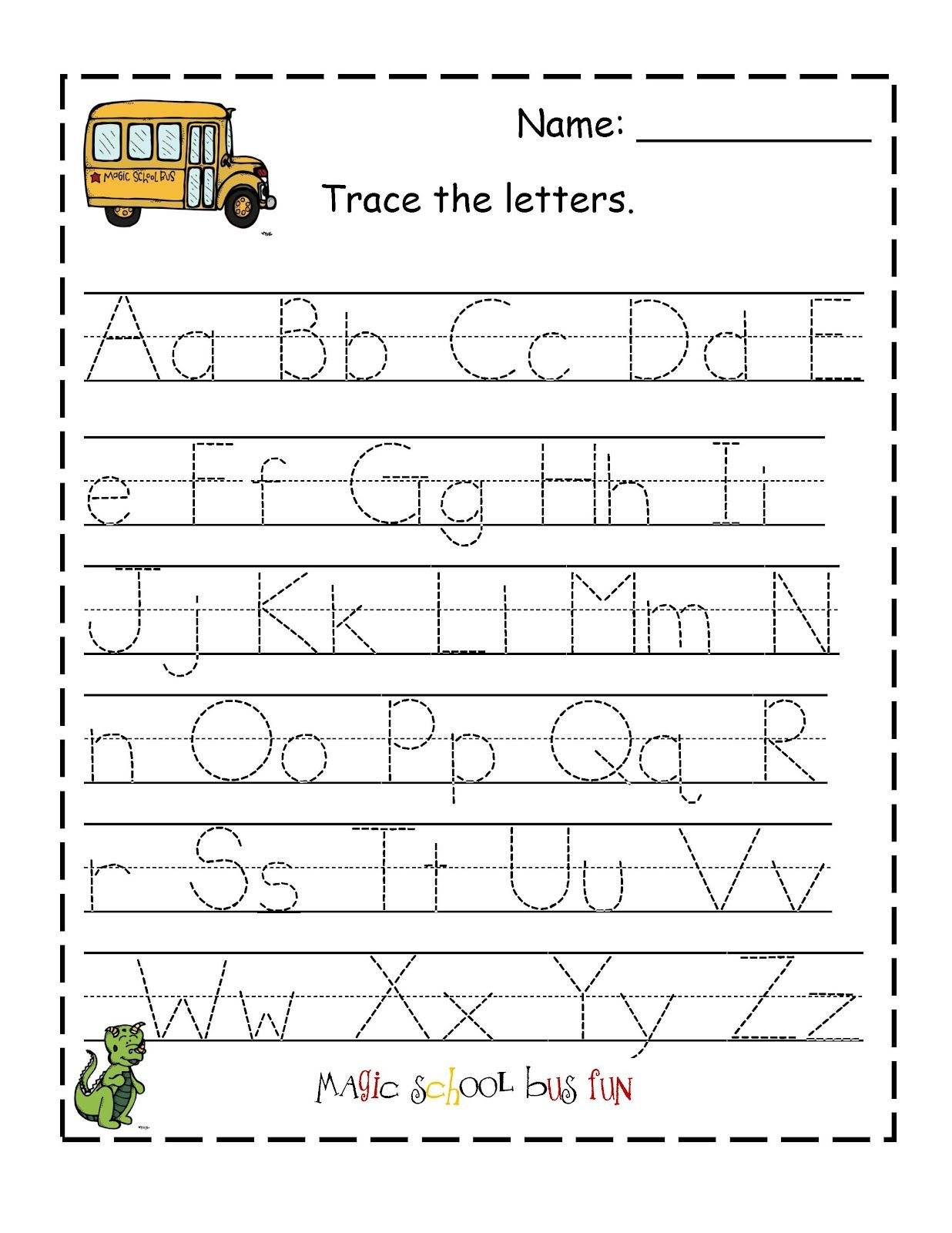
Understanding the Importance of Tracing Worksheets
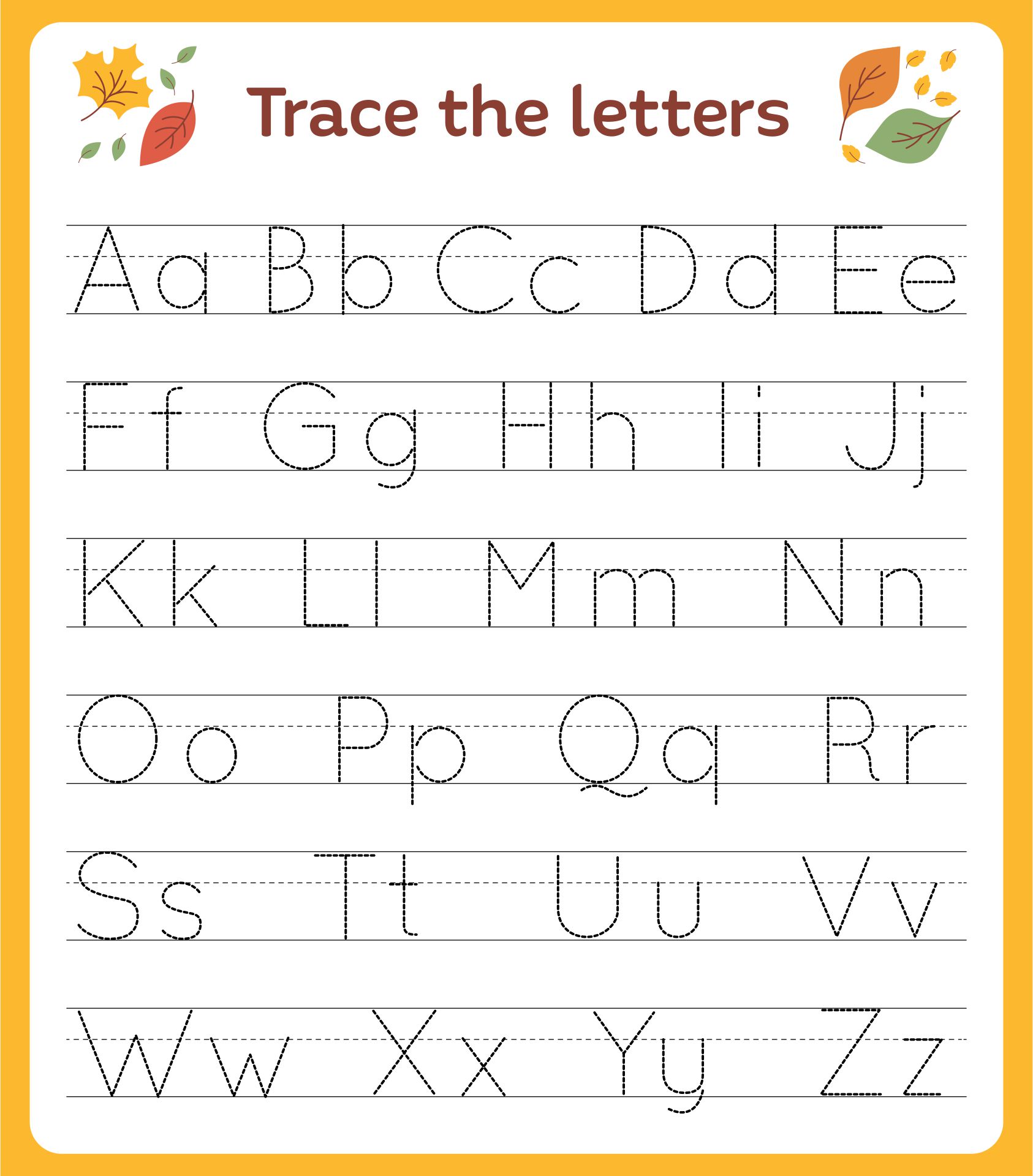
Tracing worksheets serve a fundamental purpose in early childhood education. They provide a structured way for children to practice writing letters, which is crucial in developing their handwriting skills. When children trace letters, they not only learn how to form each letter correctly but also reinforce their understanding of letter shapes. This activity helps in building confidence as they see their progress with each completed worksheet.
Using tracing worksheets is particularly beneficial for Pre K students, typically aged 4 to 5 years. At this stage, children are eager to learn and explore new skills. By offering them tracing worksheets, you can create a supportive environment that fosters their desire to learn.
How to Use Pre K Tracing Alphabet Worksheets Effectively
To get the most out of Pre K Tracing Alphabet Worksheets, consider the following strategies:
- Set a Routine: Incorporate tracing worksheets into your daily schedule. A consistent routine helps students know what to expect and builds a sense of security in their learning environment. Aim for 10-15 minutes of tracing practice each day.
- Use the Right Materials: Print the worksheets on high-quality paper, preferably cardstock, to ensure durability. If you’re using colored pencils or markers, cardstock will prevent bleed-through. For easier handling, consider laminating the worksheets so children can use dry-erase markers and practice multiple times.
- Provide Instruction: Before handing out the worksheets, demonstrate how to trace the letters. Show them the correct starting points and strokes. This initial guidance is essential, especially for young learners who may not yet have developed fine motor skills.
- Create a Positive Learning Environment: Encourage children to celebrate their progress. Use phrases like “great job” or “look how well you traced that letter!” Positive reinforcement motivates young learners to engage with the material.
- Mix It Up: Combine tracing worksheets with other activities. For instance, after tracing the letters, have children find objects around the classroom that start with the same letters. This approach reinforces their learning and keeps them interested.
Monitoring Progress With Tracing Worksheets
One of the key aspects of using Pre K Tracing Alphabet Worksheets is tracking progress. Here are some effective ways to monitor how well children are mastering letter formation:
- Check for Consistency: Observe if children can consistently trace letters with correct formation. Look for improvements over time; they should become more confident in their strokes.
- Assess Letter Recognition: After completing the worksheets, ask the children to identify letters from the alphabet. This can be a fun group activity or individual assessment. Their ability to recognize letters will indicate how well they are internalizing the shapes.
- Provide Feedback: Give constructive feedback on their tracing. Highlight areas where they excel and suggest improvements for letters that are still challenging. This feedback loop helps children understand their strengths and areas for growth.
- Use a Progress Chart: Create a simple chart to track each child’s progress. You can mark off letters they have mastered or indicate the frequency of practice. This visual representation can motivate both children and parents to stay engaged in the learning process.
Incorporating Creativity Into Tracing Worksheets
To keep young learners engaged, consider adding creative elements to the Pre K Tracing Alphabet Worksheets. Here are some ideas:
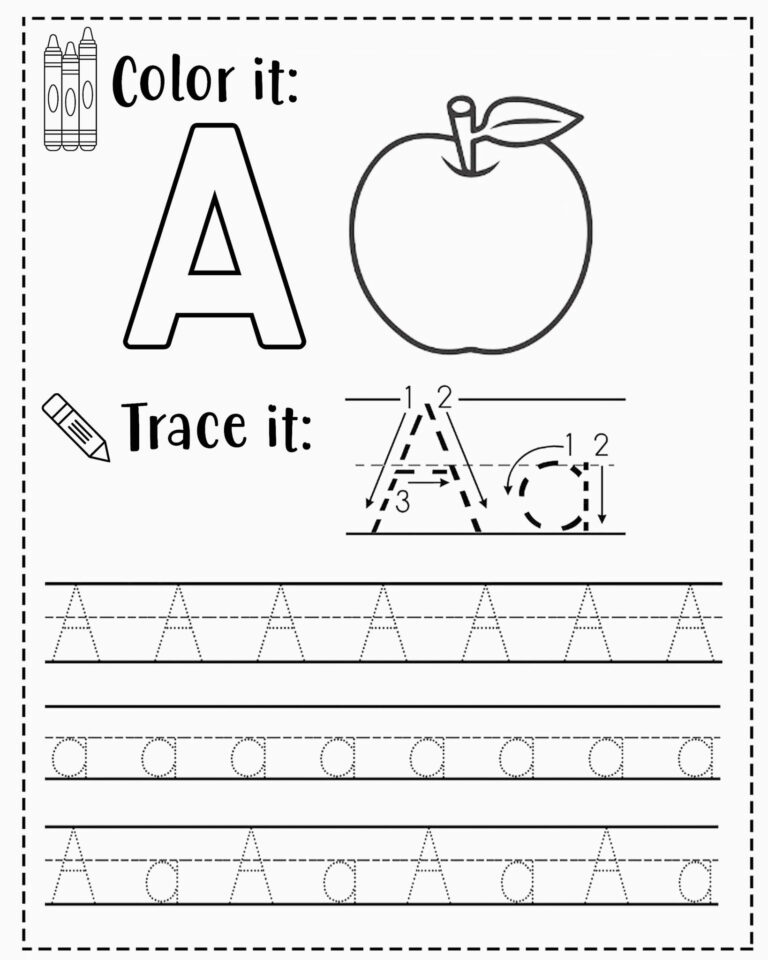
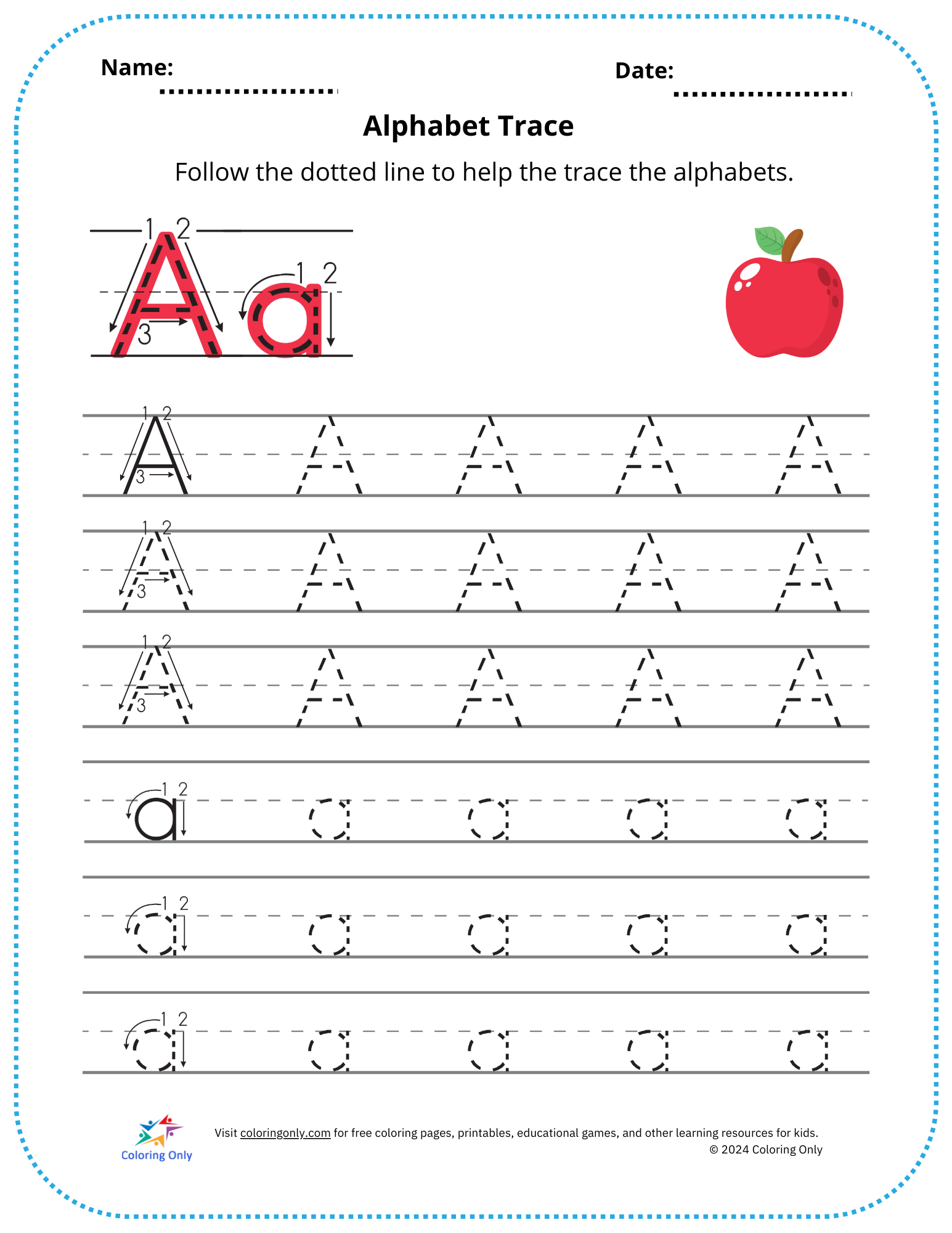
- Coloring: After tracing letters, allow children to color pictures associated with the letters. For example, after tracing the letter ‘A’, they can color an apple. This reinforces letter recognition while allowing for creative expression.
- Sticker Rewards: Use stickers as rewards for completing worksheets or mastering specific letters. Children often find stickers motivating and will look forward to earning them.
- Thematic Worksheets: Create tracing worksheets based on themes, such as animals, seasons, or holidays. This thematic approach can make the activity more relatable and interesting for children.
Adapting Worksheets for Different Skill Levels
Not every child learns at the same pace, so it’s essential to adapt Pre K Tracing Alphabet Worksheets to meet varying skill levels:
- Simplified Versions: For children who struggle, provide worksheets with larger letters and more space between each letter. This allows them to practice without feeling overwhelmed.
- Advanced Tracing: For those who excel, offer worksheets that include words or simple sentences. This not only challenges them but also helps them understand how letters form words.
- Interactive Elements: Consider adding interactive elements to worksheets, like dotted lines or arrows to guide the tracing. This visual aid can significantly assist children in grasping letter formation.
- Peer Learning: Pair stronger students with those who may need extra help. Peer teaching can be very effective, as children often feel more comfortable learning from their classmates.
Concluding Thoughts on Pre K Tracing Alphabet Worksheets
Pre K Tracing Alphabet Worksheets are an invaluable tool for promoting early literacy and fine motor skills development. By incorporating them into your teaching or home routines, you can create a fun and engaging learning experience for young children. Remember to monitor progress and adapt the worksheets to meet individual needs, ensuring that every child can thrive.
For immediate use, print a few worksheets today and introduce them during your next learning session. Keeping the practice light-hearted and fun will encourage children to embrace their learning journey!