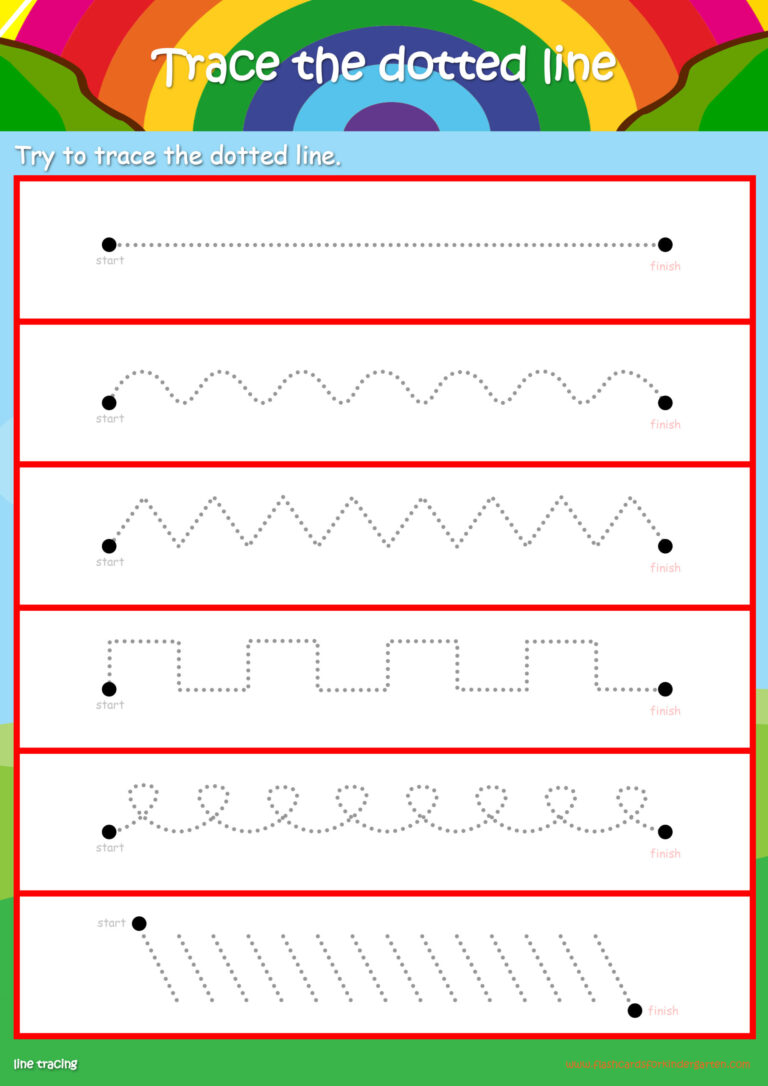
Pre K Workbooks Tracing Patterns
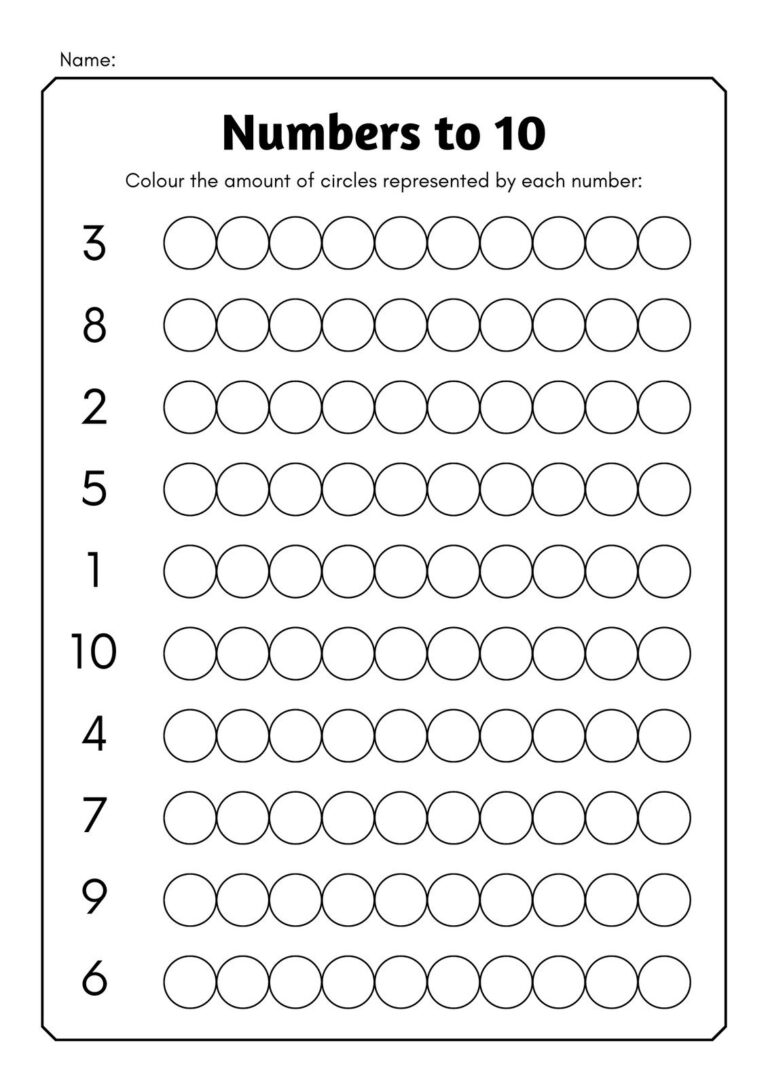
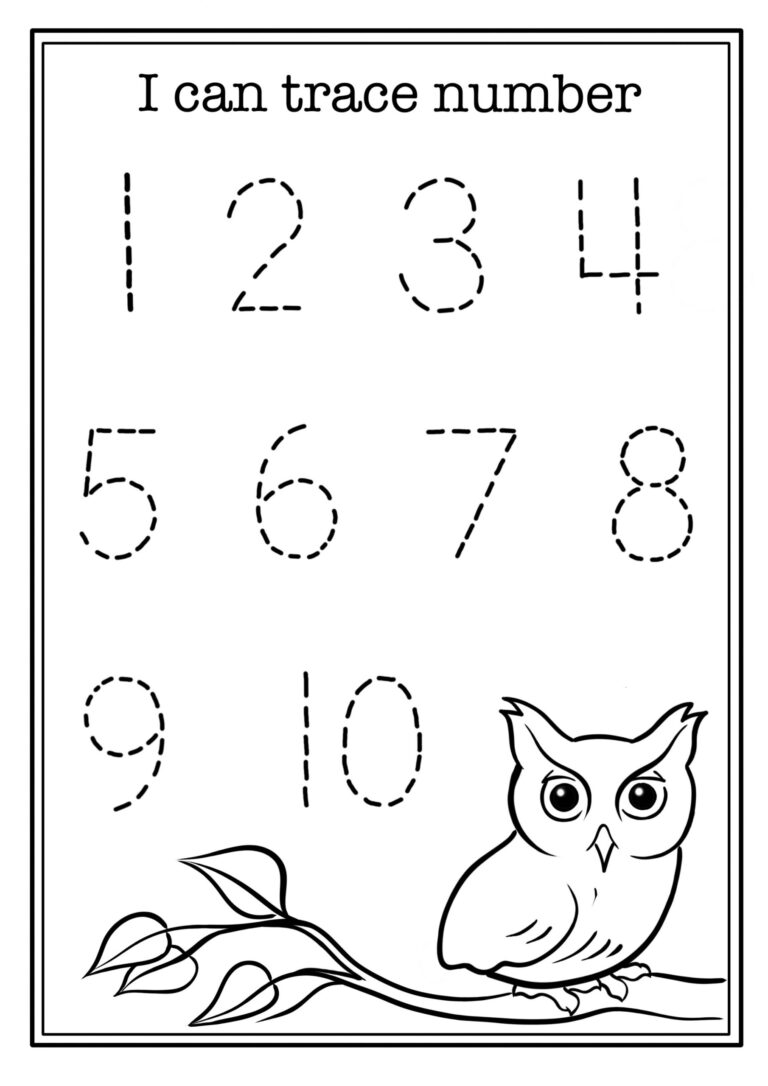
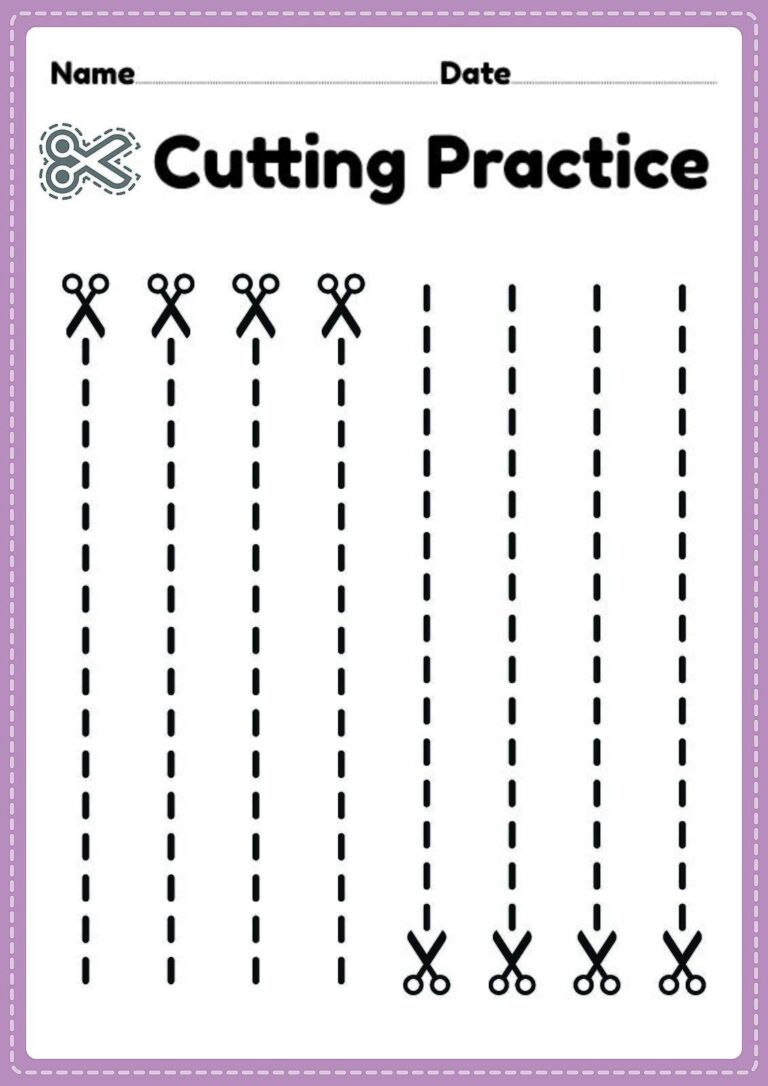
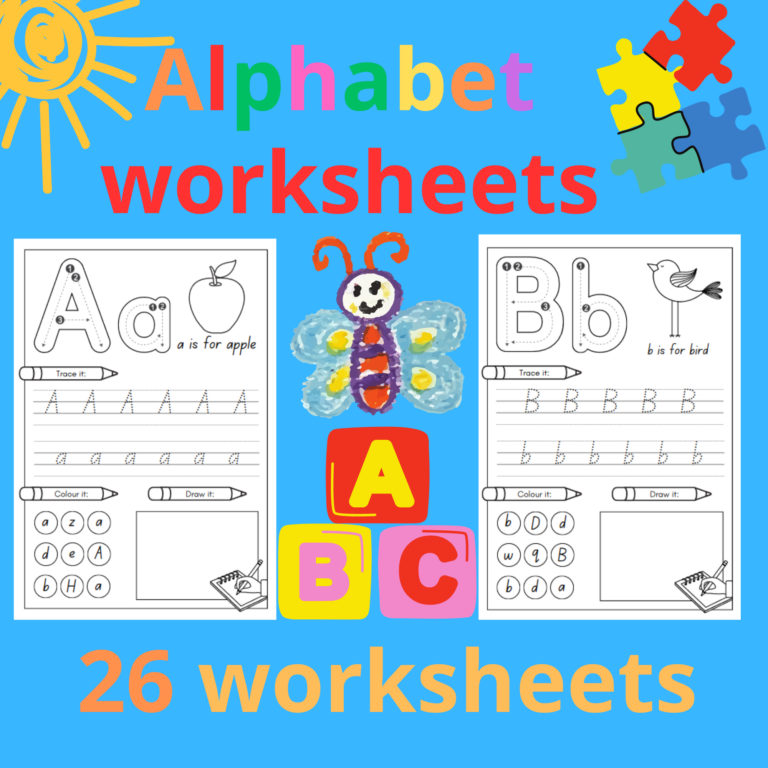
Tracing patterns is a fundamental skill that every Pre-K child should master. Pre K workbooks tracing patterns provide an excellent resource for teachers and parents looking to enhance children’s fine motor skills while making learning fun. These workbooks are designed to help young learners practice essential tracing techniques that will serve as the foundation for their future writing skills.
Understanding the Importance of Tracing Patterns
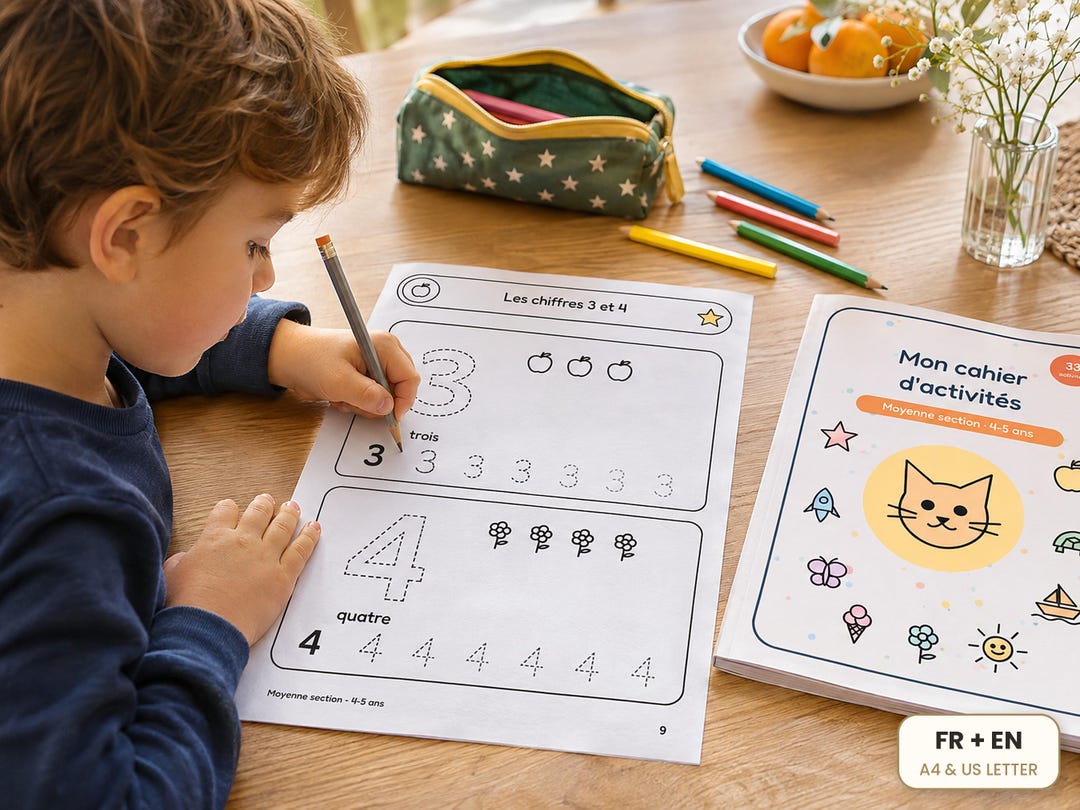
Tracing patterns helps children develop hand-eye coordination, dexterity, and control over writing instruments. By guiding their hands along various lines and shapes, kids learn to manage the pressure exerted on their pencils or crayons, which is crucial for later writing. Additionally, tracing encourages focus and concentration—skills that are invaluable in a classroom setting.
In a typical classroom, you can introduce tracing activities during a dedicated art or literacy center. Depending on your classroom’s layout, you might find it helpful to set up a tracing station with the workbooks, pencils, and other writing tools readily available. This allows children to engage with the material independently or in small groups, promoting a sense of ownership over their learning.
Choosing the Right Pre K Workbooks Tracing Patterns
When selecting workbooks for your classroom or home, consider the following factors:
- Age Appropriateness: Ensure the workbooks are designed for Pre-K students. Look for activities that cater specifically to their developmental stage.
- Variety of Patterns: Choose workbooks that offer a mix of simple shapes, lines, and more complex patterns. This diversity keeps children engaged and allows for gradual skill progression.
- Visual Appeal: Bright colors and engaging illustrations can make the workbook more attractive to young learners, motivating them to practice.
- Durability: If possible, opt for workbooks printed on thicker paper, as they can withstand repeated use, especially if children are using markers or crayons.
You can print these workbooks at home or in bulk for classroom use. A standard letter size (8.5 x 11 inches) works well for most printers, but if you have access to larger formats, consider printing some activities on tabloid-sized paper for added fun.
Activities to Complement Tracing Patterns
Incorporating additional activities alongside tracing can enhance the learning experience. Here are a few ideas:
- Create Your Own Patterns: After practicing tracing, encourage children to create their own patterns using dot markers or crayons. This not only reinforces their understanding of shapes but also allows for creative expression.
- Movement Activities: Incorporate gross motor skills by having children trace patterns with their bodies. For example, they can “trace” a large circle on the ground with their arms or legs. This kinesthetic approach helps solidify their understanding of shapes.
- Storytime Connections: Link tracing activities to stories. If a book features circles, squares, or other shapes, have students trace those shapes while discussing the story. This integrates literacy with hands-on learning.
Monitoring Progress With Tracing Patterns
As children work through Pre K workbooks tracing patterns, it’s essential to monitor their progress. Here are some practical ways to do that:
- Observational Assessment: Take notes on each child’s ability to trace different patterns. Are they able to stay within the lines? Do they exhibit proper grip on their writing tools? This information can guide your future instruction.
- Display Work: Set up a display board in your classroom to showcase completed tracing worksheets. This not only boosts confidence but also encourages peer learning as children can see each other’s efforts.
- Provide Feedback: Offer positive reinforcement for effort and improvement. Consider using stickers or stamps to celebrate milestones, making the process enjoyable.
Tips for Effective Use of Pre K Workbooks Tracing Patterns
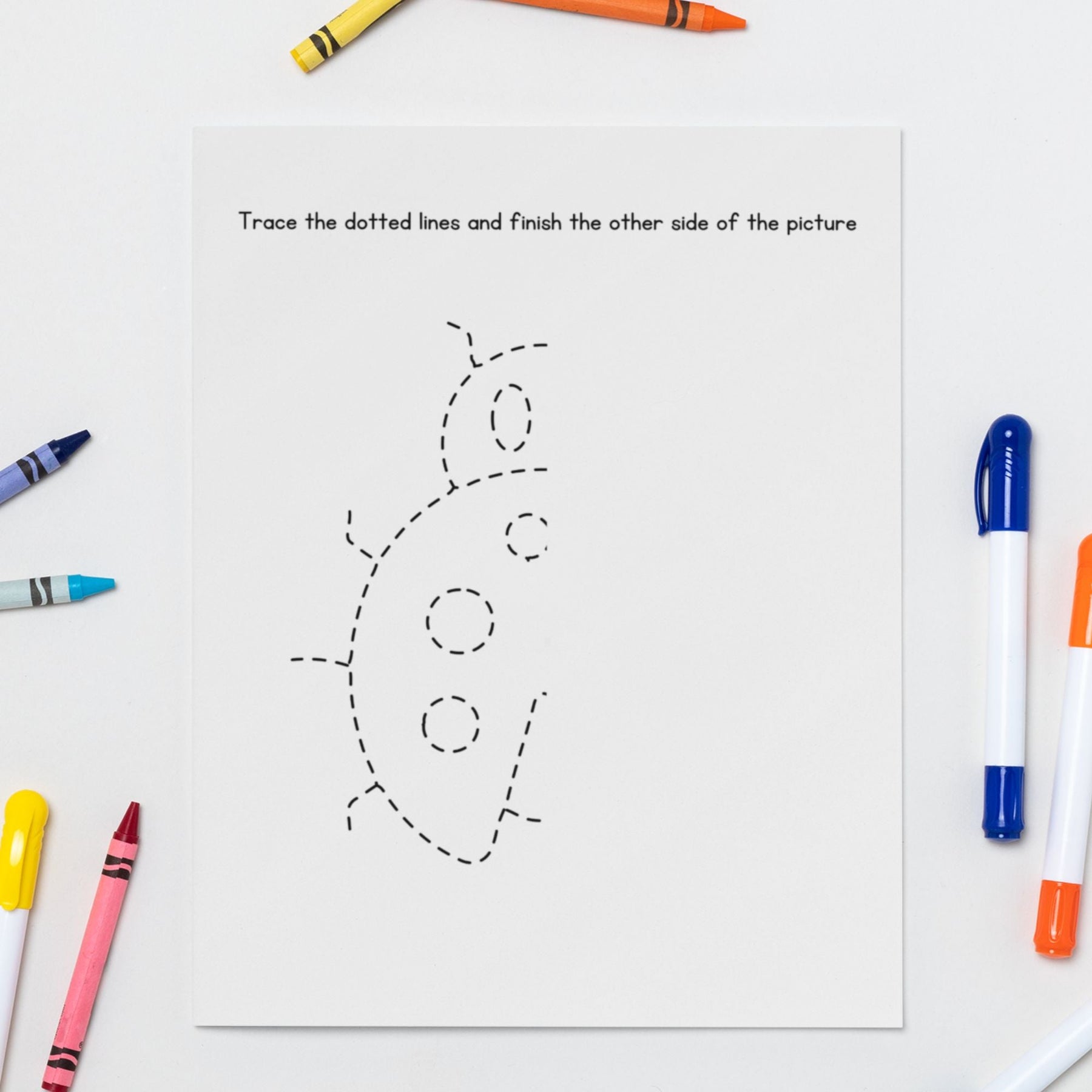
Here are some practical tips to maximize the effectiveness of tracing workbooks:
- Limit Distractions: Create a quiet and organized workspace for tracing activities. This helps children focus better on their tasks.
- Use Appropriate Tools: Provide a variety of writing instruments—pencils, crayons, and markers—to see which works best for each child. Some may prefer the feel of a thicker crayon, while others may favor a pencil.
- Encourage Proper Posture: Teach children how to sit correctly while tracing. A comfortable posture promotes better control over their writing tools and reduces fatigue.
- Be Patient: Each child develops at their own pace. While some may master tracing quickly, others might need more time. Offer encouragement and support without pressure.
By incorporating Pre K workbooks tracing patterns into your teaching approach, you’re setting the stage for young learners to develop critical skills in a fun, engaging way. These workbooks can be a valuable addition to both classroom and home learning environments, providing a structured yet flexible way to practice tracing skills.
To create a more effective learning experience, consider pairing tracing activities with sensory experiences. For example, using sandpaper or textured sheets for tracing can help children engage their senses while reinforcing their motor skills.
Immediate Action Step
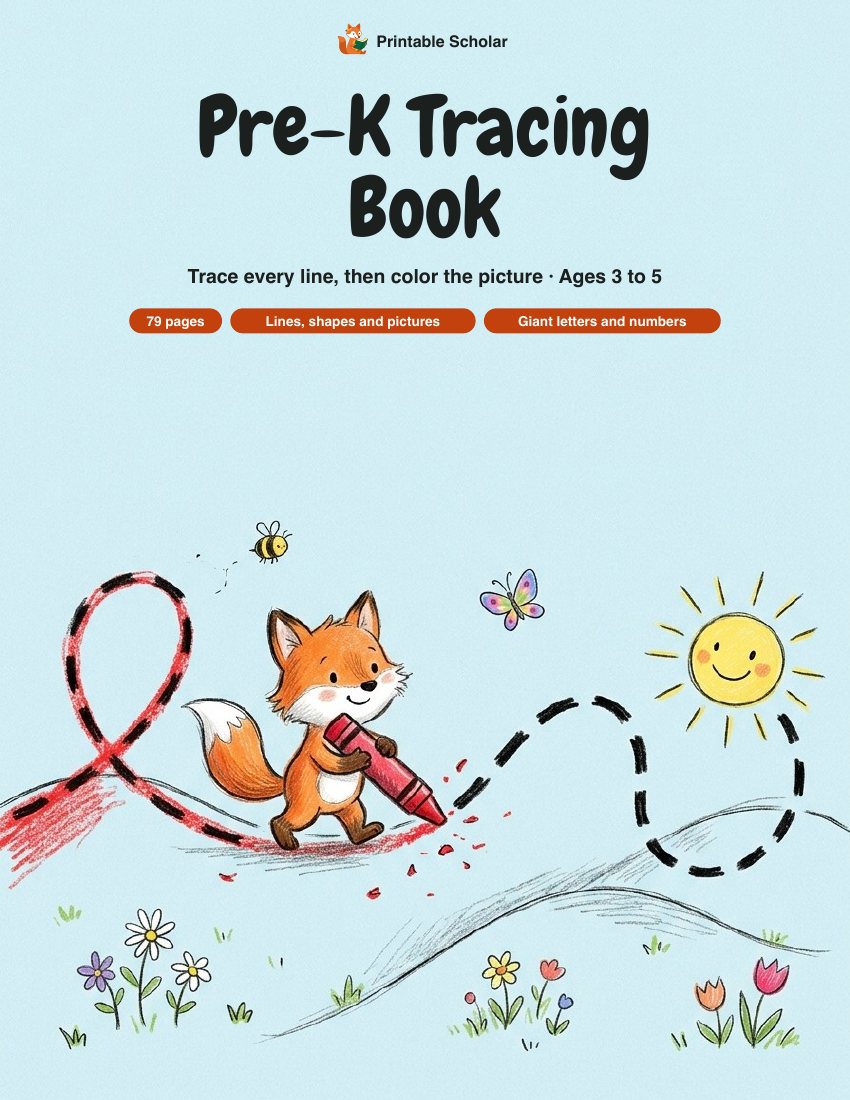
If you’re ready to enhance your Pre-K classroom or home learning environment, download a free sample of a tracing patterns workbook today. This allows you to assess its suitability for your students while starting them on the path to mastering essential fine motor skills.